Understanding sequence Worksheets for Ages 4-7
9 filtered results
-
From - To
Discover our engaging "Understanding Sequence Worksheets" designed for children aged 4-7! These interactive resources help young learners grasp the concept of sequencing through a variety of fun activities. By identifying and arranging pictures or events in order, children develop essential cognitive skills, improve their logical thinking, and enhance their ability to comprehend stories and daily routines. Our worksheets are perfect for both classroom use and at-home learning, featuring vibrant illustrations that captivate young minds. Foster creativity and critical thinking while making learning enjoyable! Explore our collection now and give your child a head start in mastering the fundamentals of sequencing.
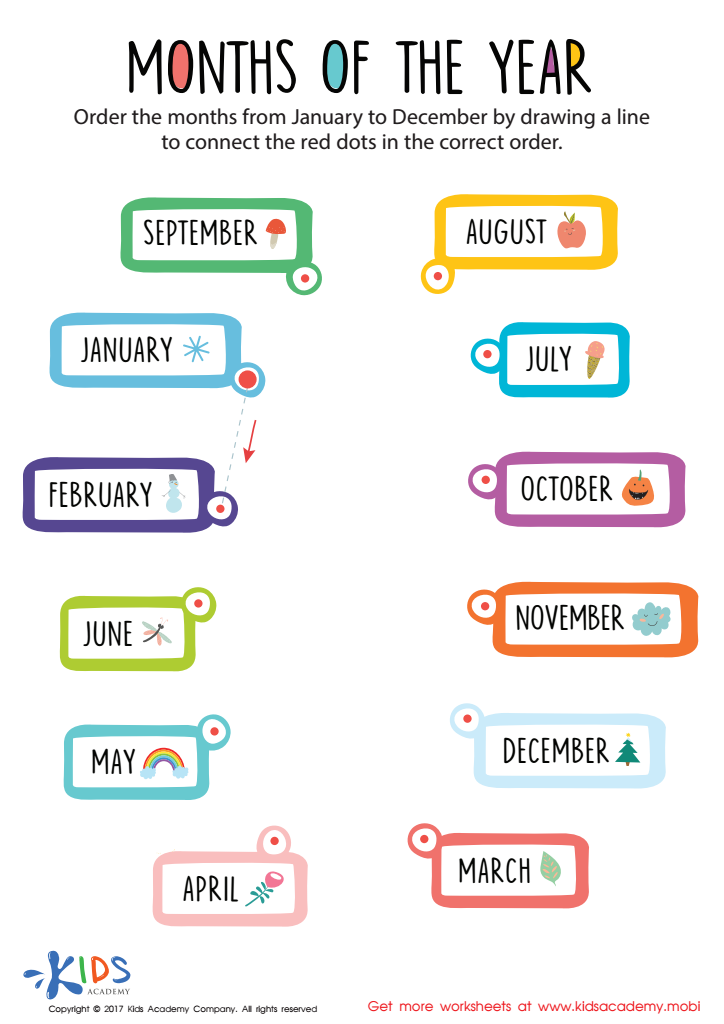
Months of the Year Worksheet
 Assign to My Students
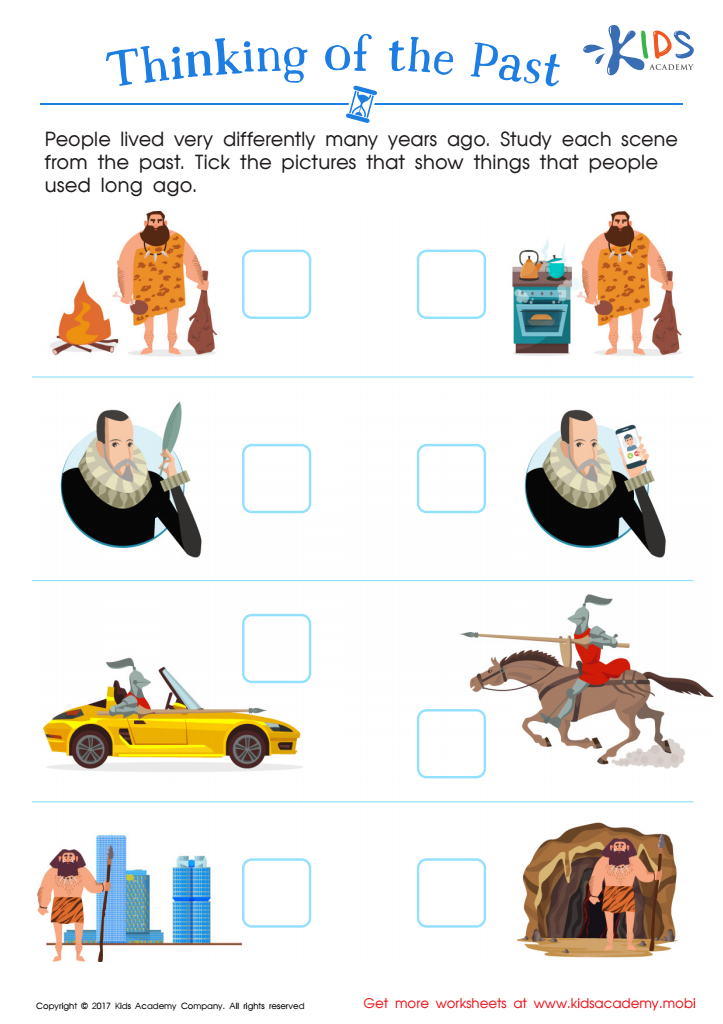
Thinking Past Printable
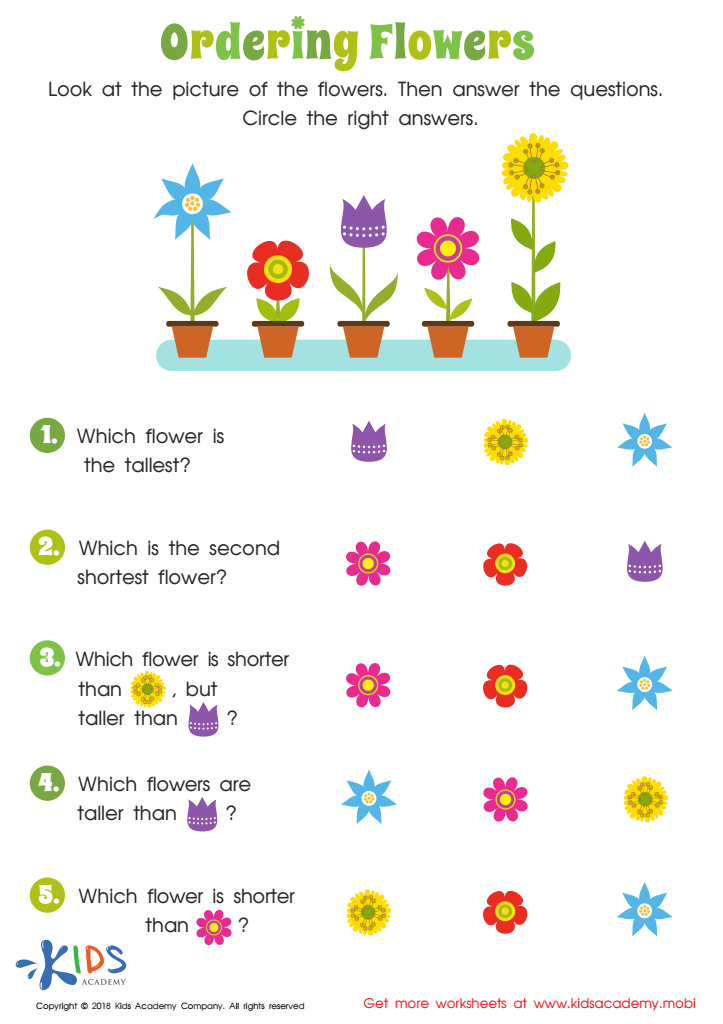
Ordering Flowers Worksheet
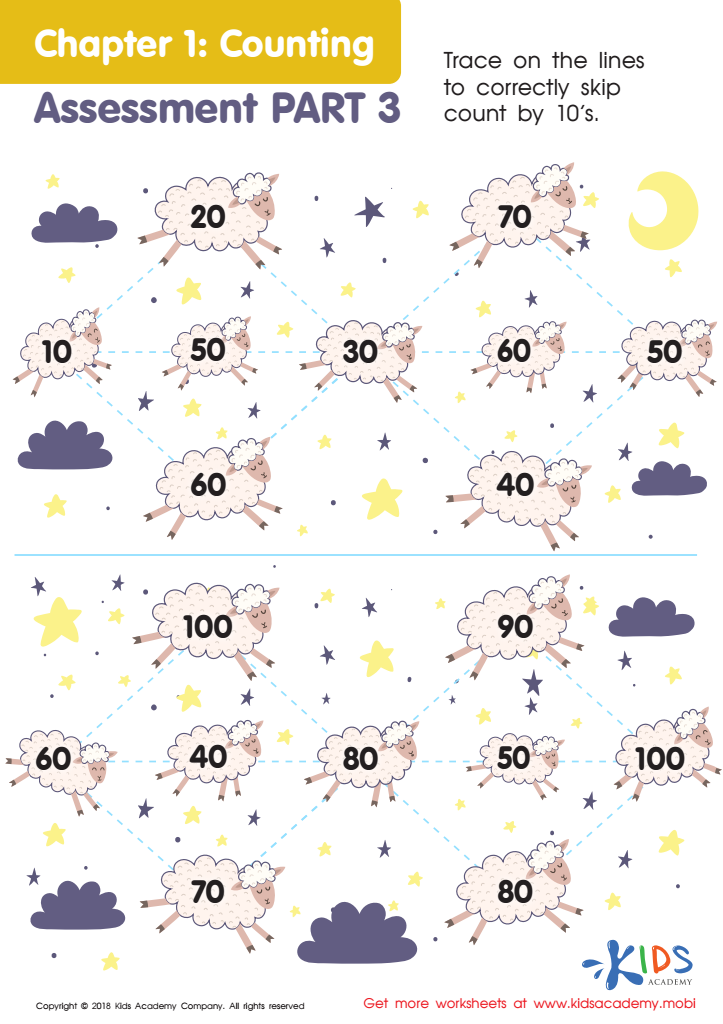
Counting: Assessment 3 Worksheet
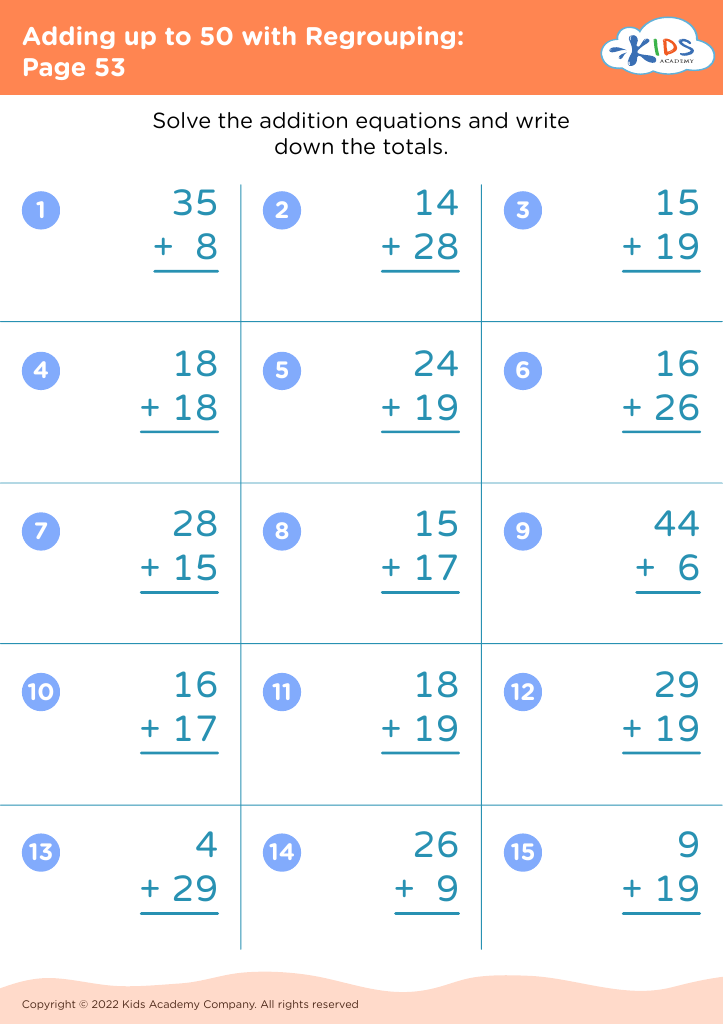
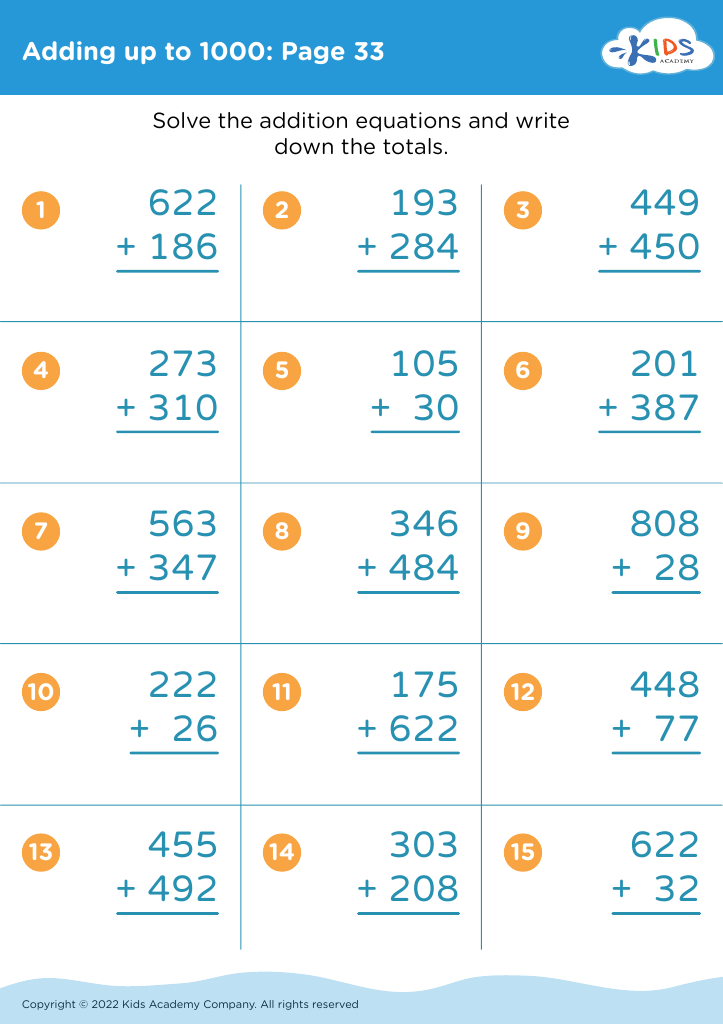





Understanding sequence is a fundamental skill for children aged 4-7 that impacts their cognitive, social, and academic development. At this age, children are developing critical thinking and problem-solving abilities, and sequencing helps them grasp the order of events, actions, and ideas. This skill lays the groundwork for understanding stories; when children can identify the sequence of events in a tale, they enhance their comprehension and retention, building a love for reading and storytelling.
Furthermore, sequencing abilities contribute to mathematical understanding. Recognizing patterns and order is essential for grasping concepts like counting, addition, and even time-related skills, such as schedules and routines.
For parents and teachers, fostering an understanding of sequence encourages effective communication. Children learn to express themselves clearly, recount experiences in a logical order, and follow instructions. In a classroom or home setting, incorporating games, storytelling, and hands-on activities that emphasize sequential ordering can significantly enhance learning experiences.
Ultimately, nurturing sequencing skills prepares children not only for academic success but also for everyday decision-making and social interactions, making it a critical focus for parents and educators alike.








