Vocabulary expansion Worksheets for Ages 4-7 - Page 8
207 filtered results
-
From - To
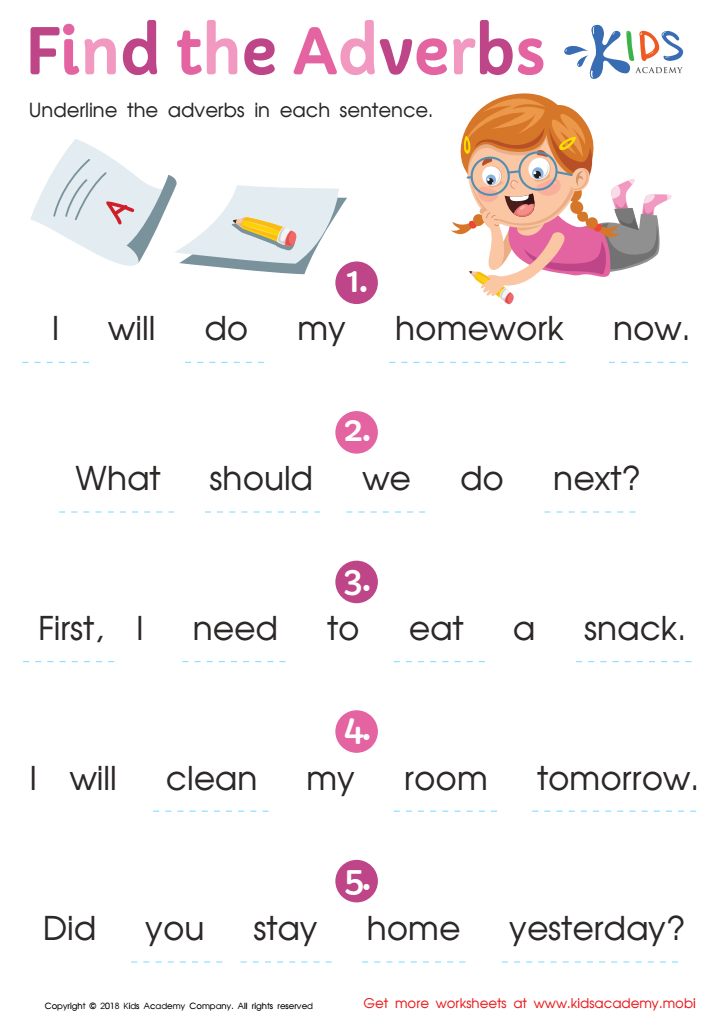
Finding the Adverbs Worksheet
 Assign to My Students
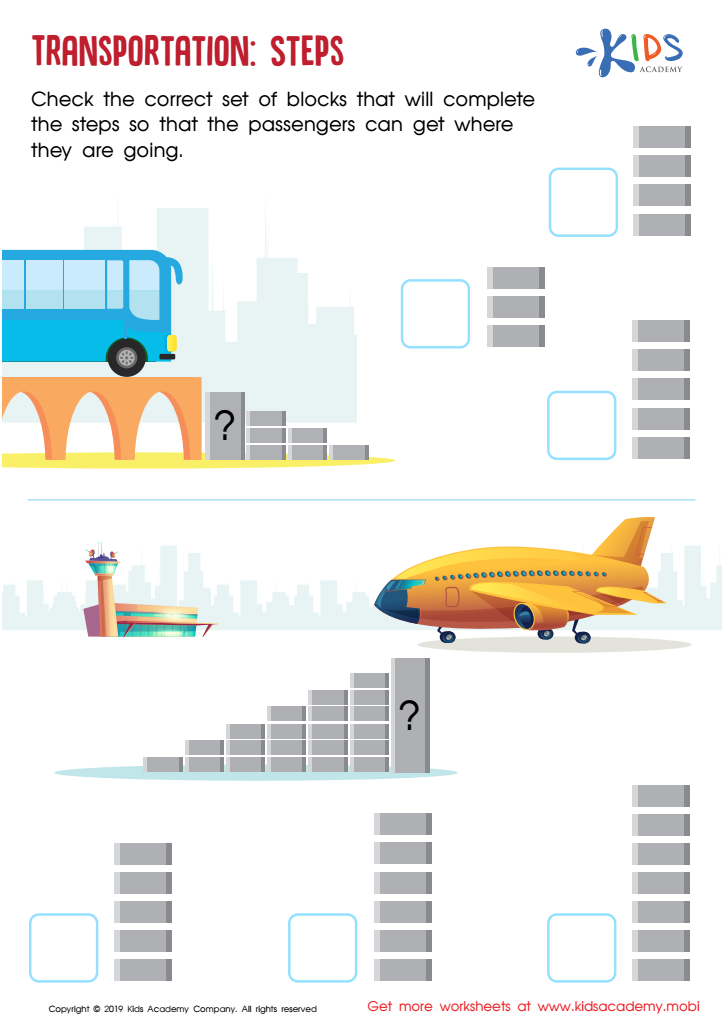
Transportation: Steps Worksheet
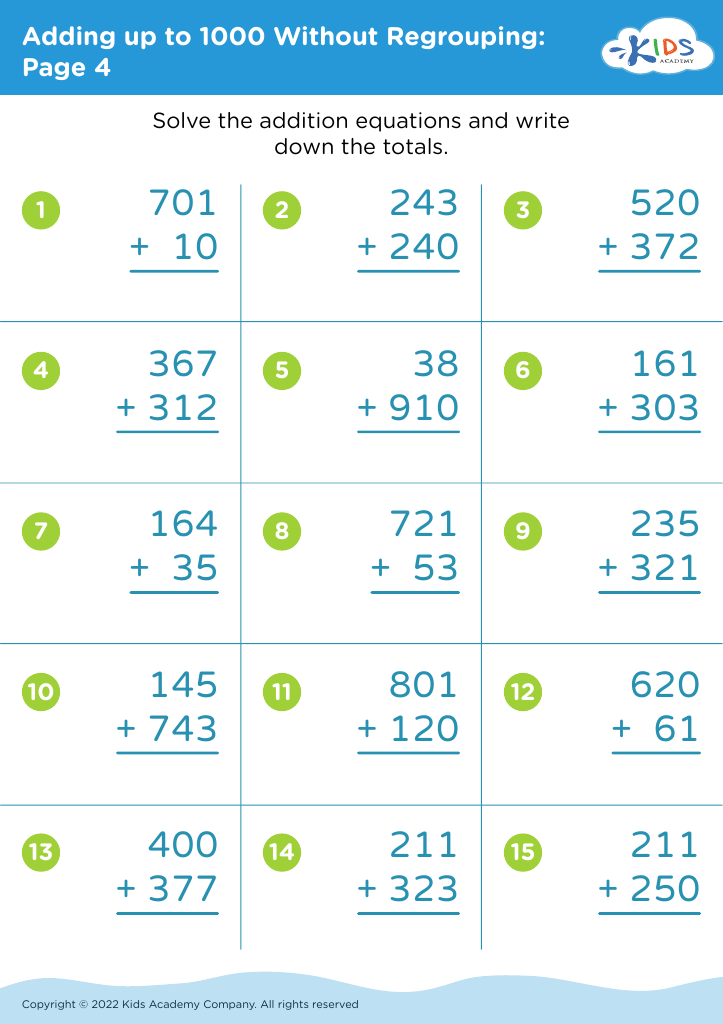
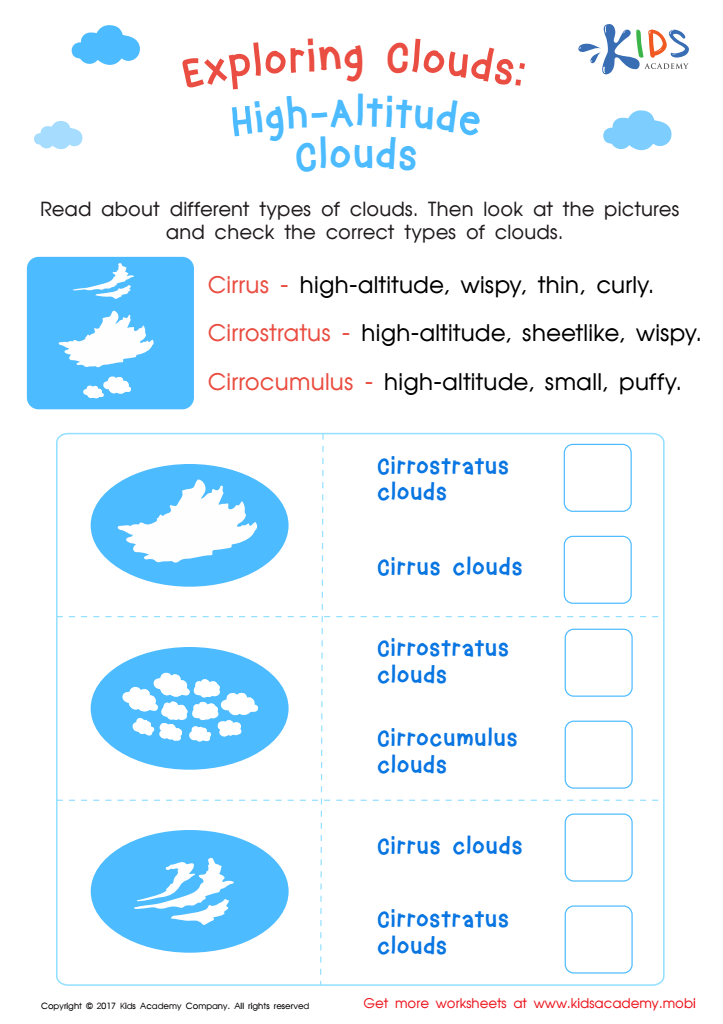
Exploring Clouds: High Altitude Clouds Worksheet
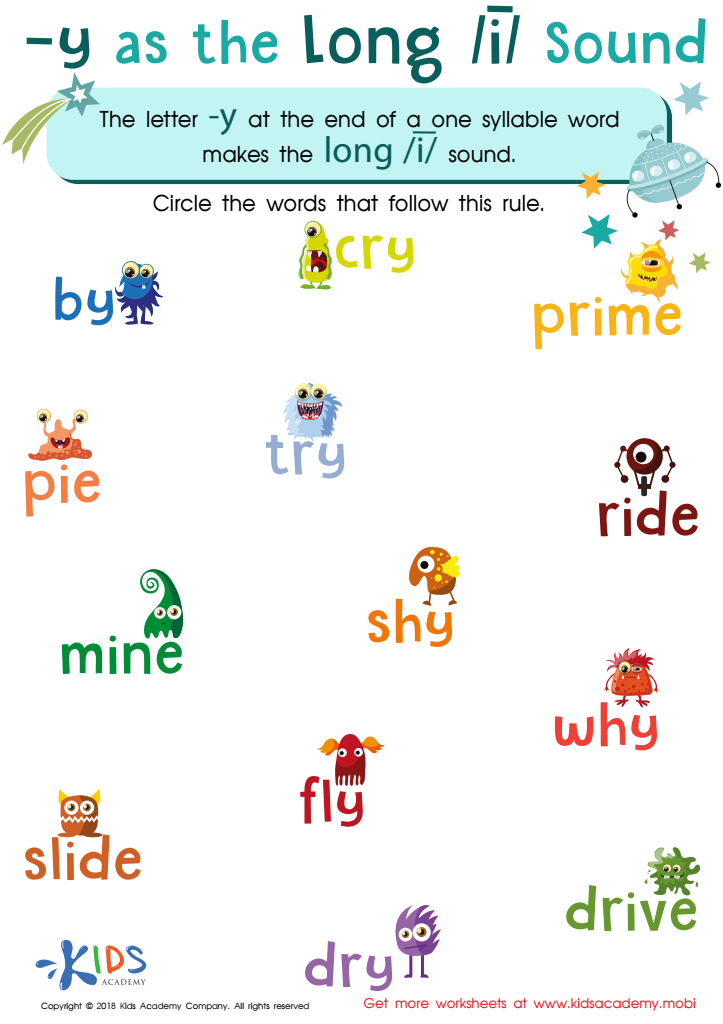
Reading: Y as Long I Worksheet
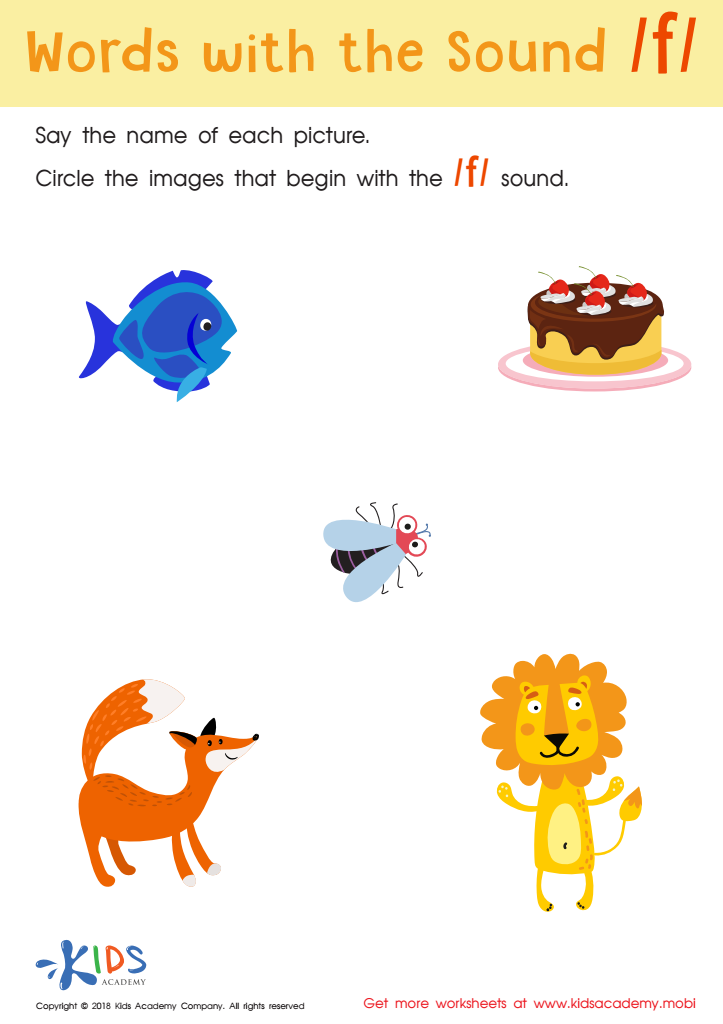
Words with sound f Reading Worksheet
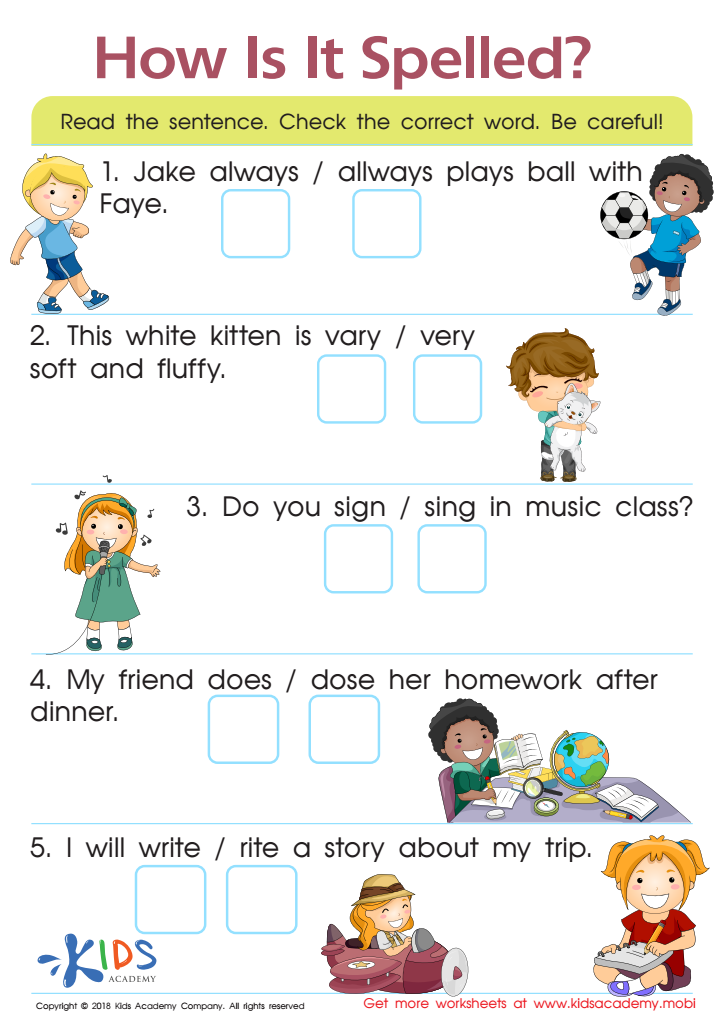
How is it spelled? Worksheet
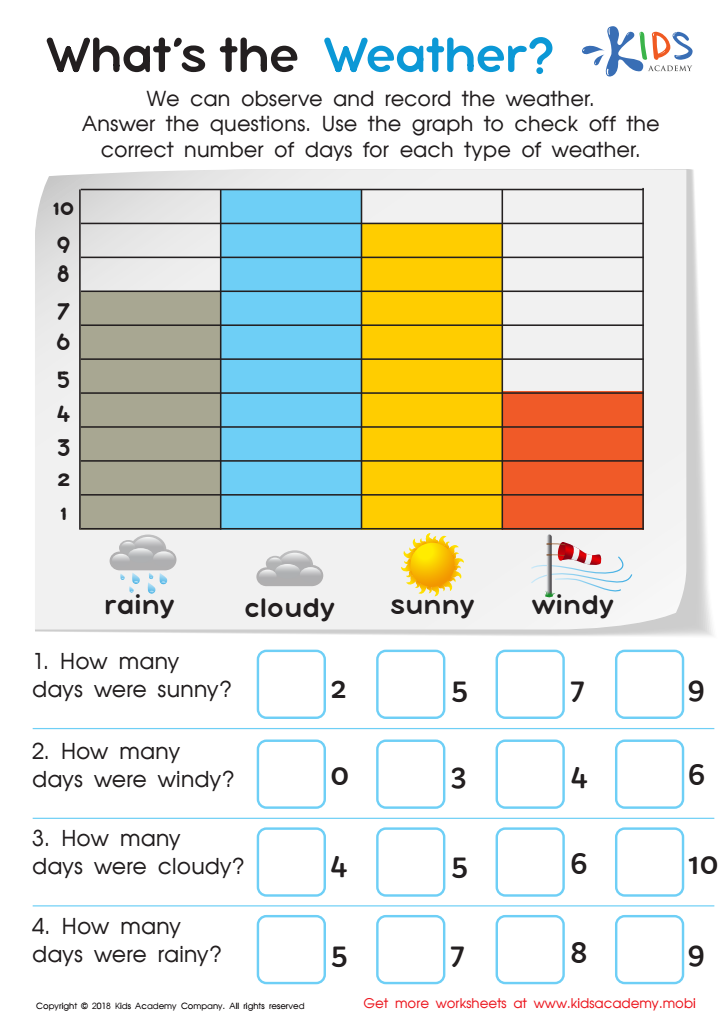
What's the Weather? Worksheet
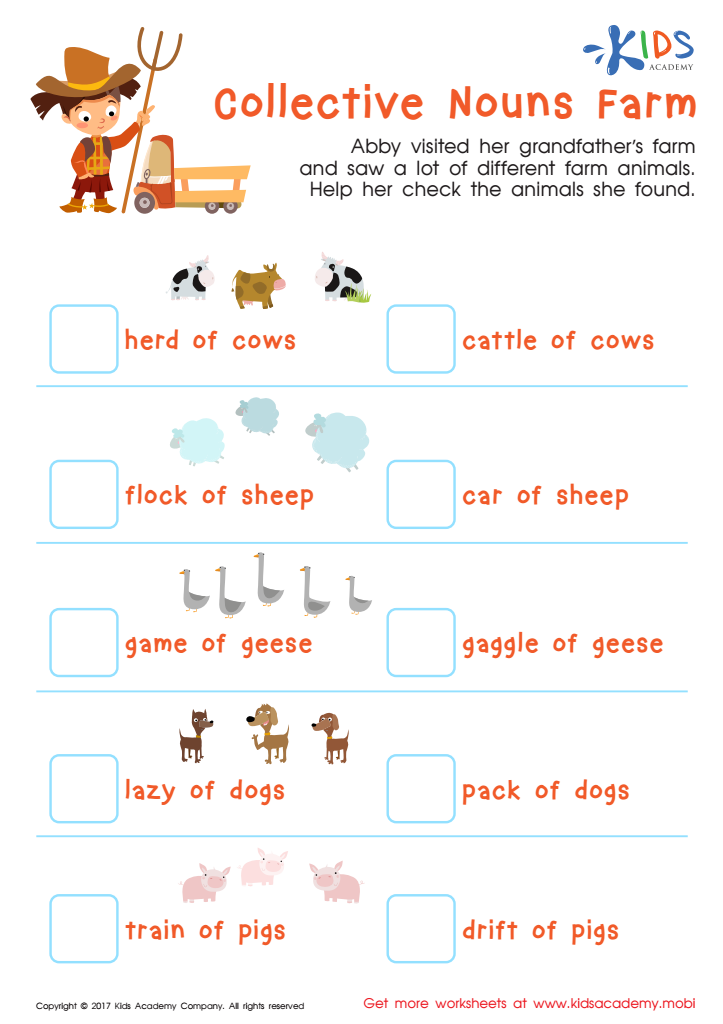
Collective Nouns Worksheet
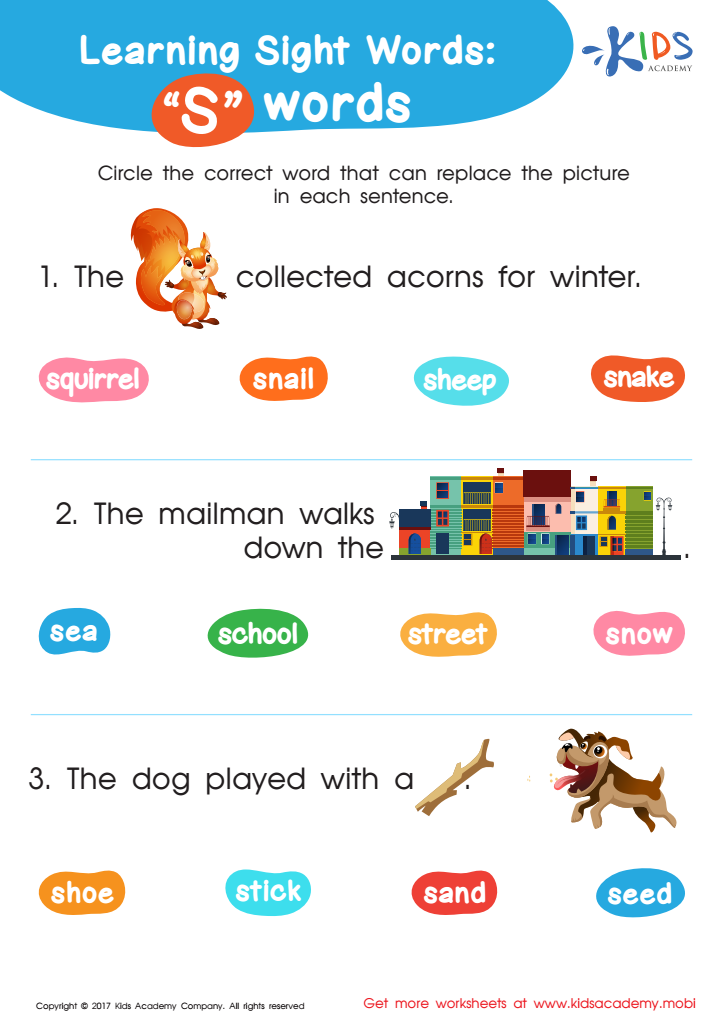
S Words Sight Words Worksheet
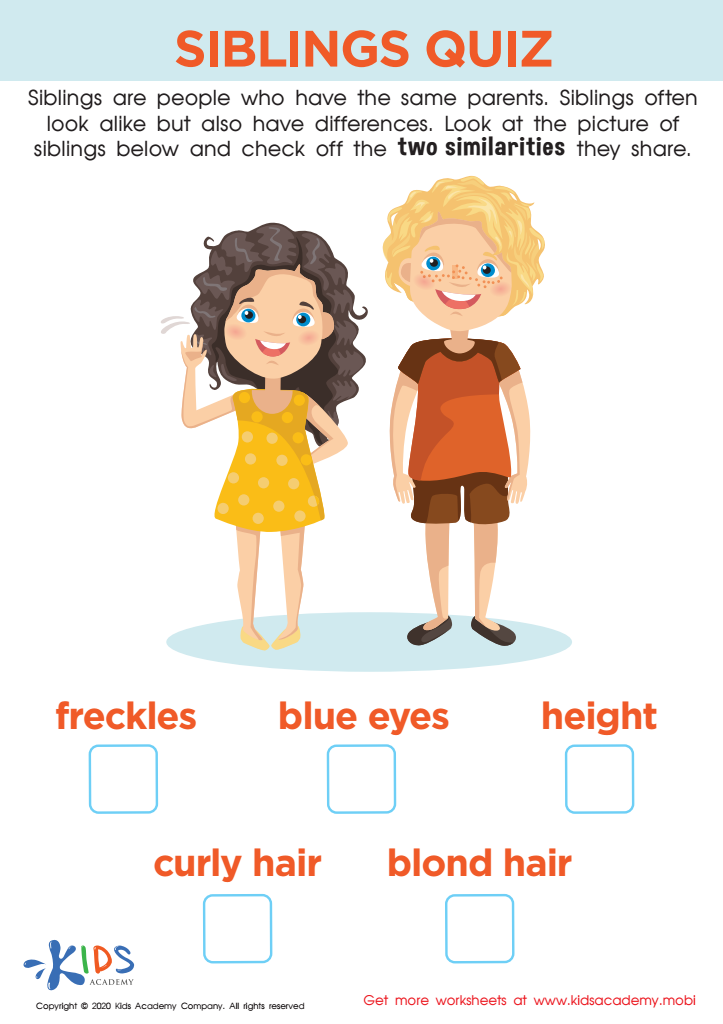
Siblings Quiz Worksheet
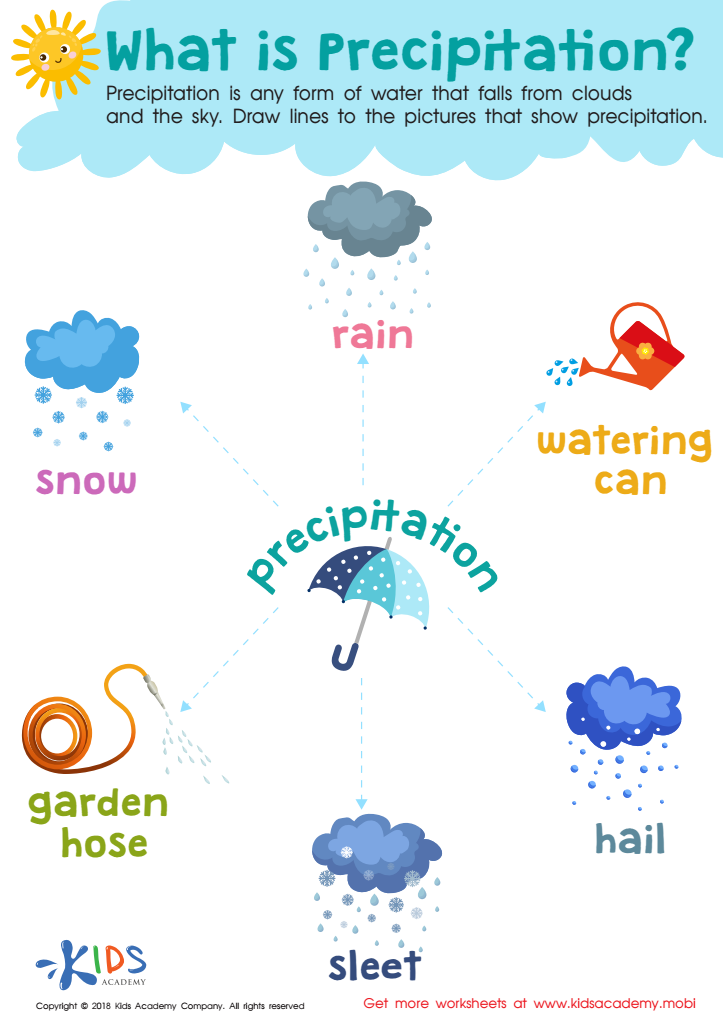
What Is Precipitation? Worksheet
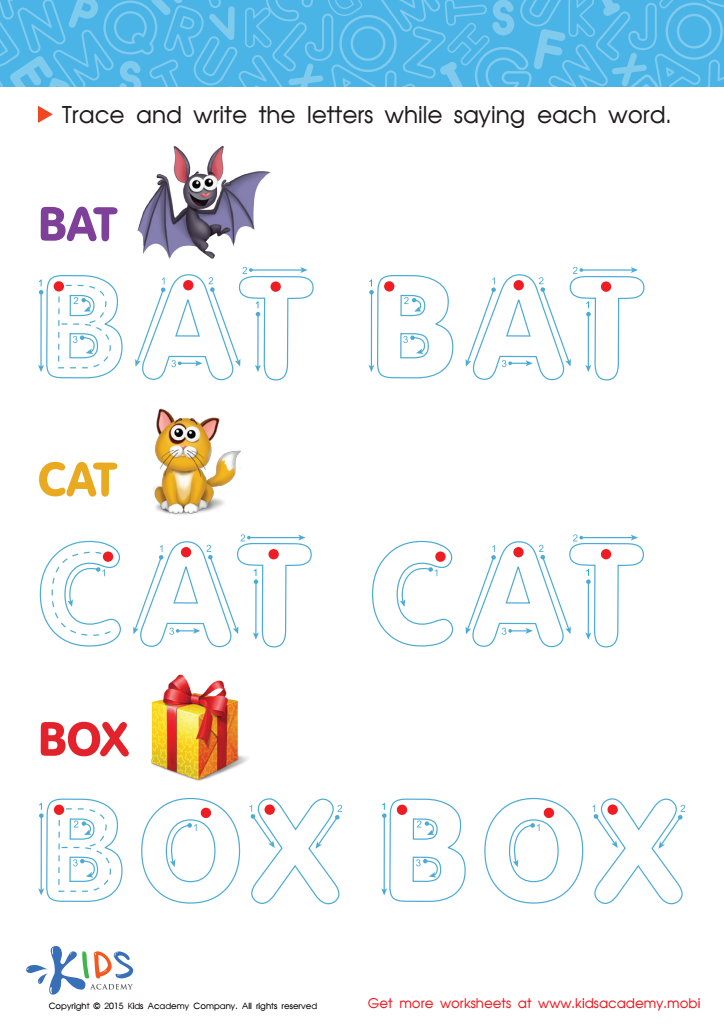
A Bat, a Cat and a Box Spelling Worksheet
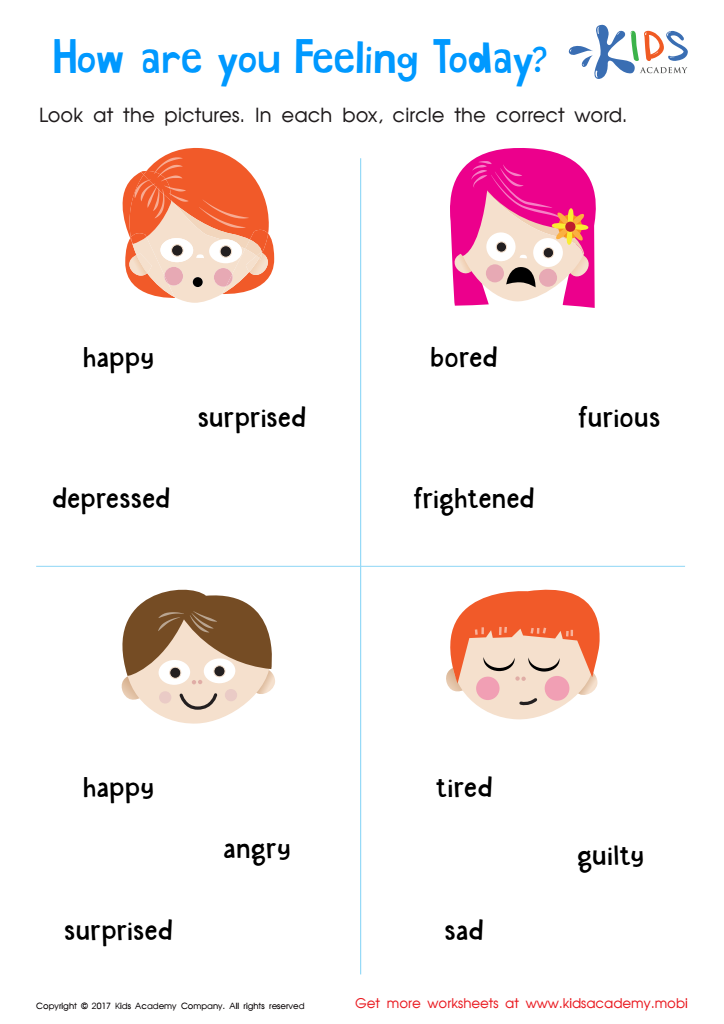
Understanding Feelings Worksheet
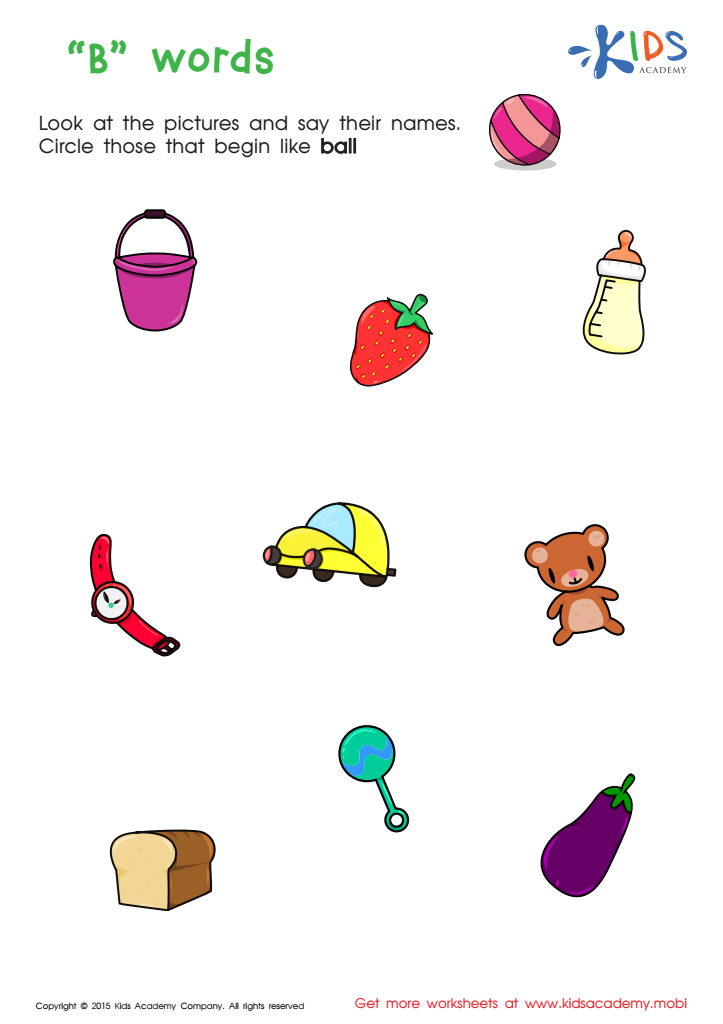
First Words Worksheet
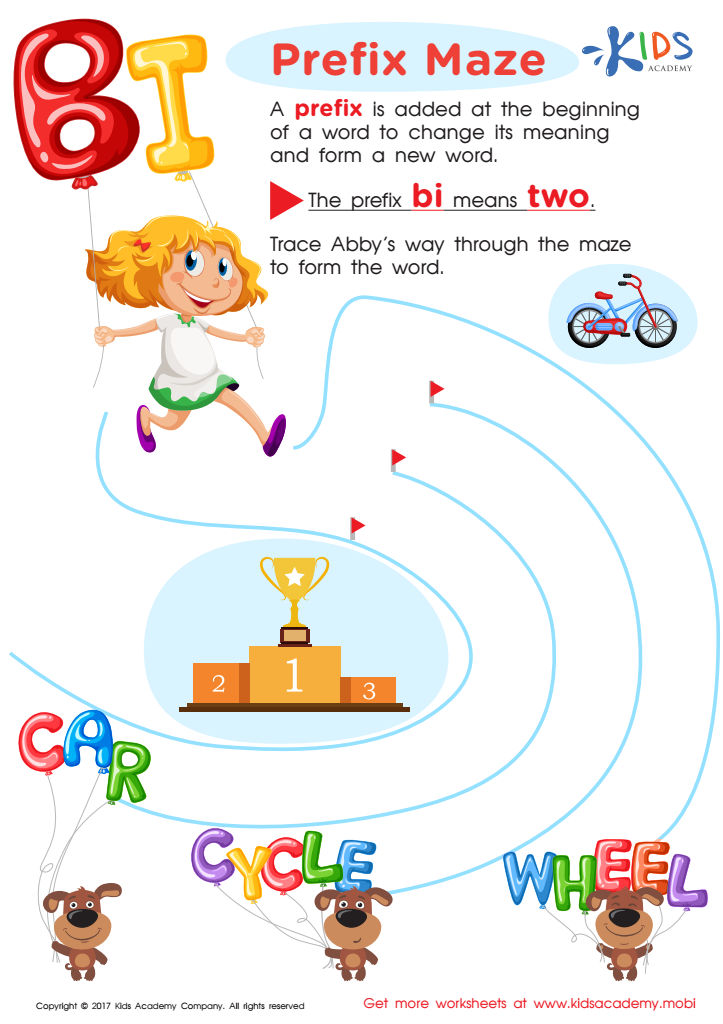
Prefix Bi Words Worksheet
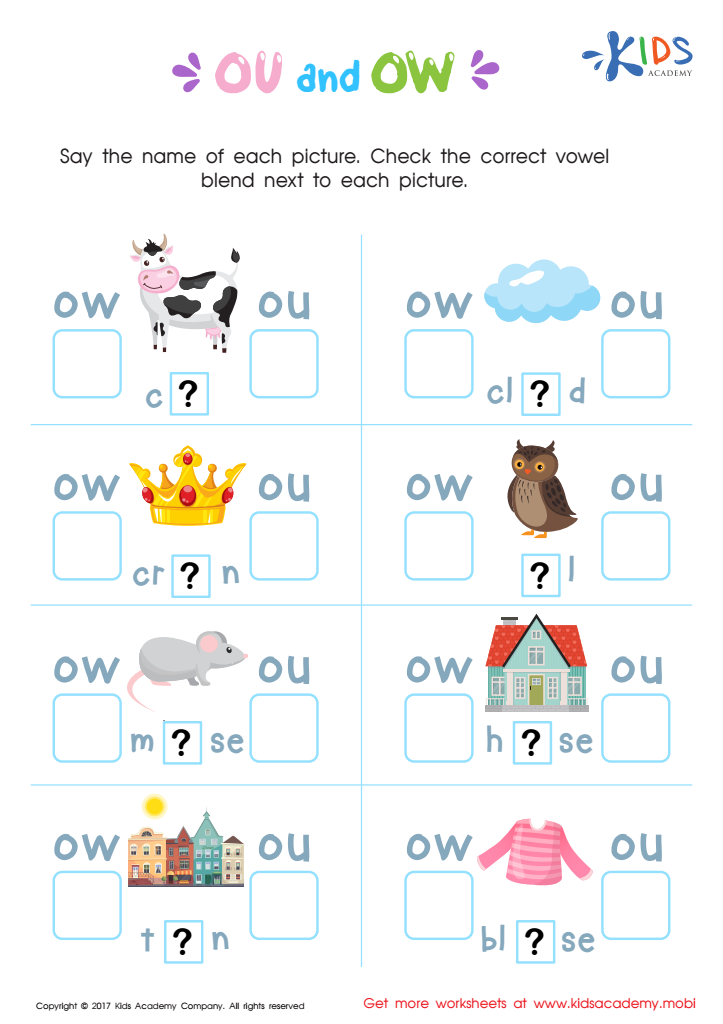
OU and OW Words Worksheet
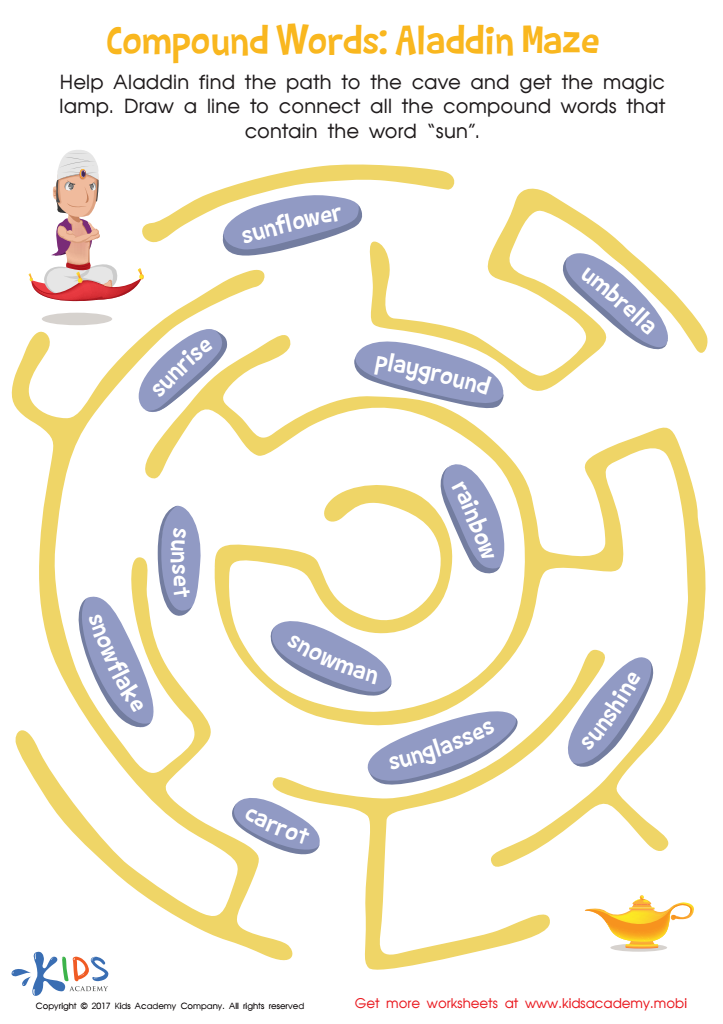
Compound Aladdin Maze Word Structure Worksheet
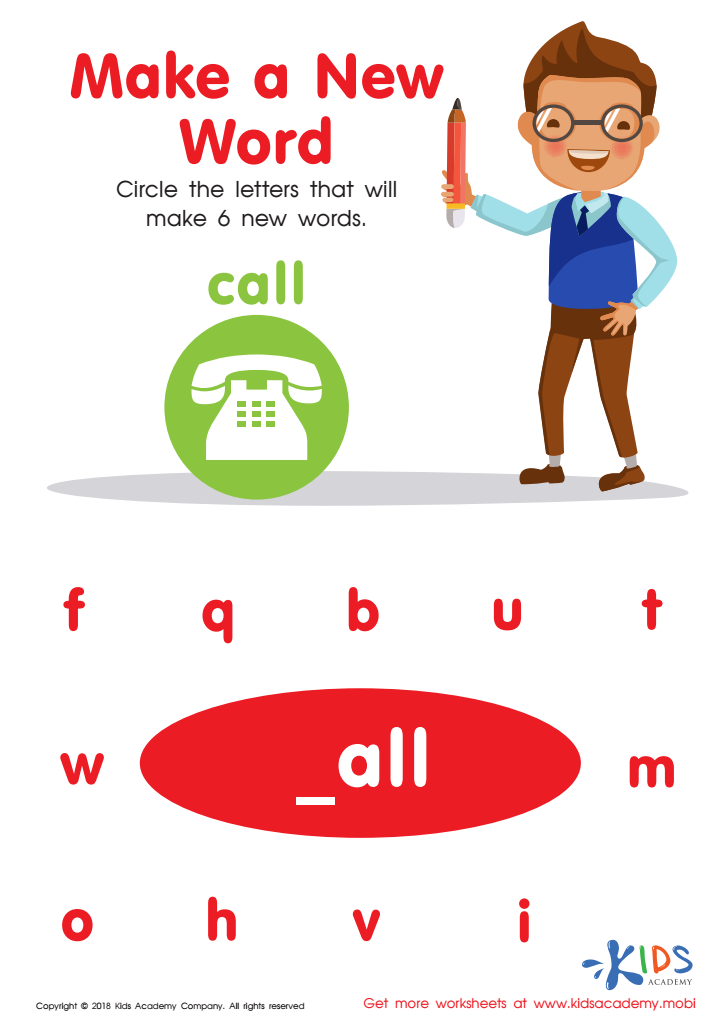
Make a New Word Worksheet
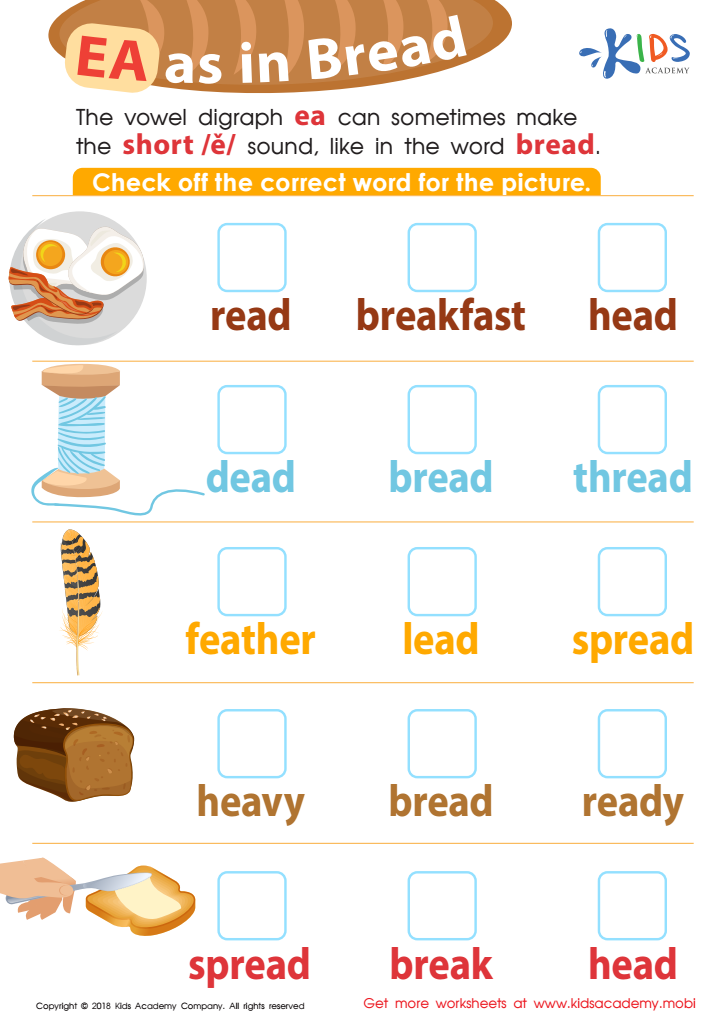
Reading: EA as in Bread Worksheet
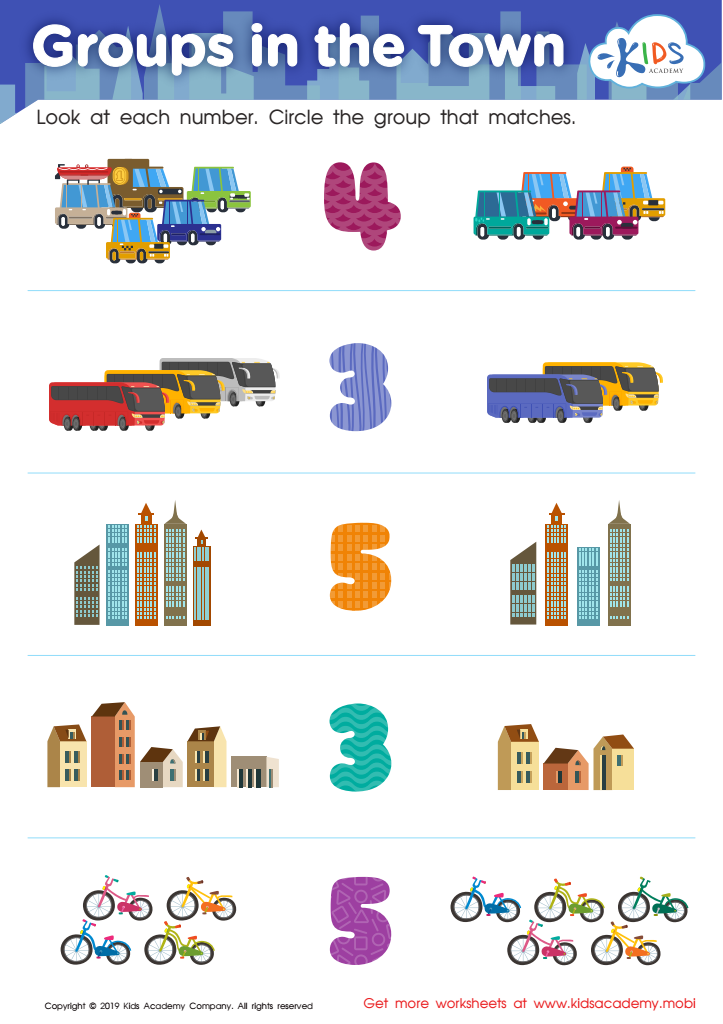
Groups in the Town Worksheet
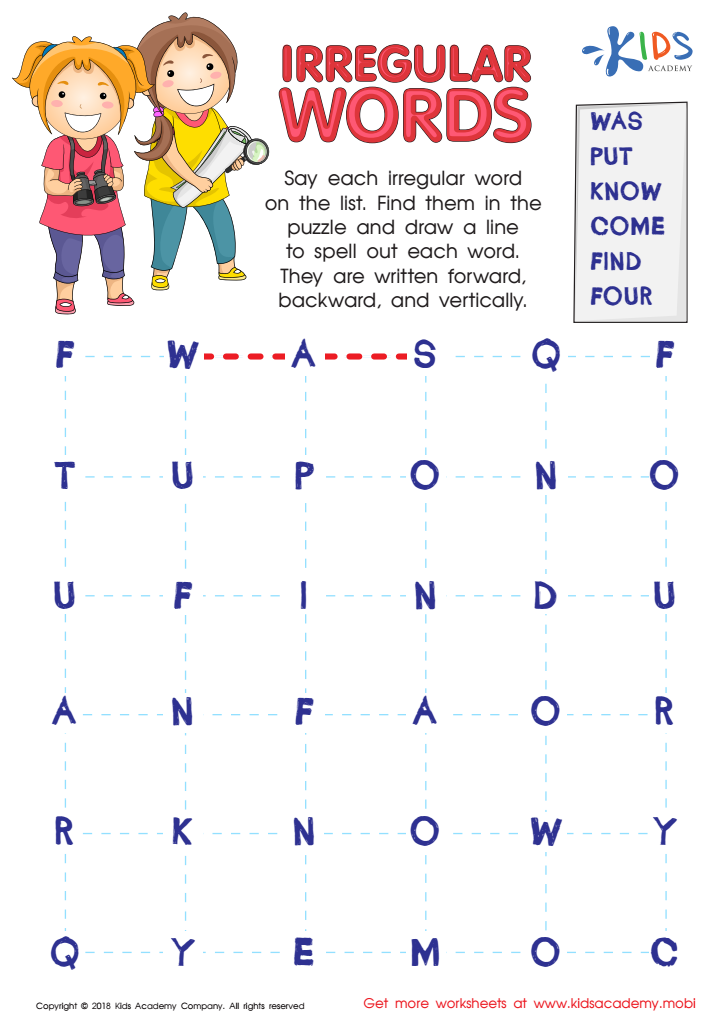
Irregular Words Worksheet
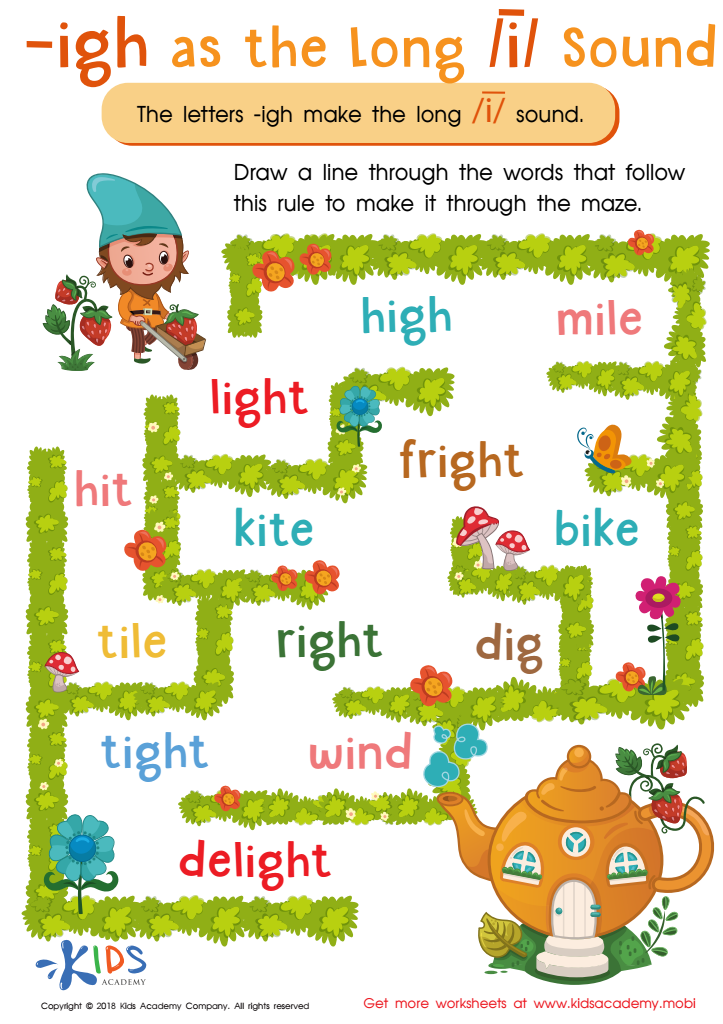
Reading: IGH as Long I Worksheet
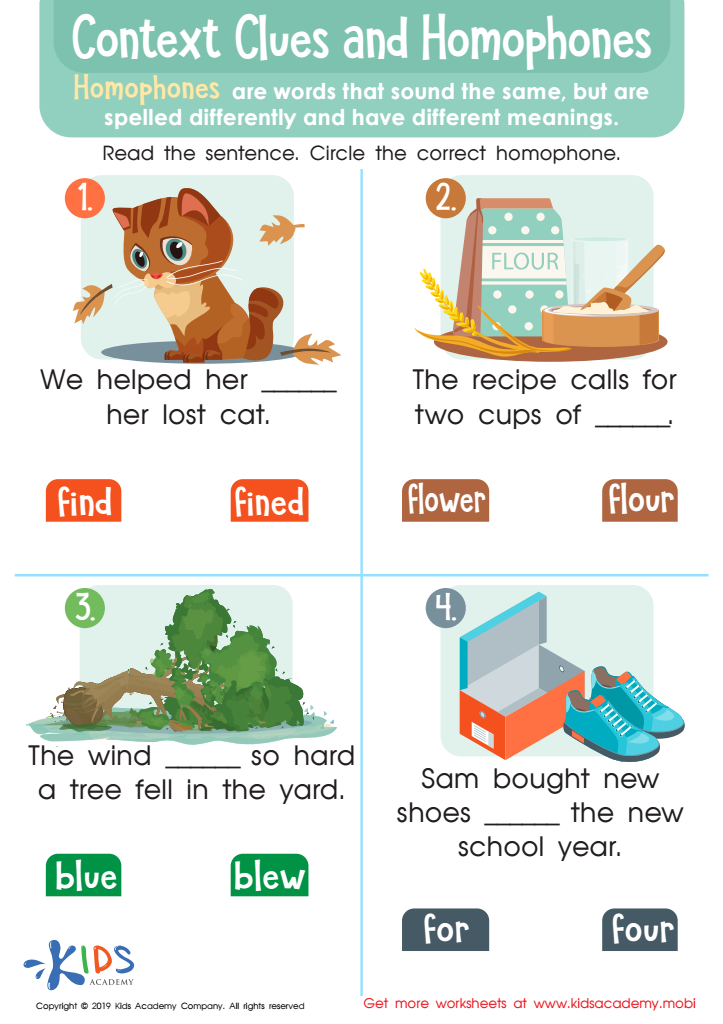
Context Clues and Homophones Worksheet







Vocabulary expansion during the ages of 4-7 is crucial for several reasons, both immediate and long-term. At this developmental stage, children's brains act like sponges, efficiently absorbing new words and concepts. A robust vocabulary underpins basic communication skills, empowering children to express their thoughts, needs, and emotions more effectively. This leads to fewer frustrations and better interactions with peers and adults.
Moreover, a rich vocabulary is foundational for reading comprehension. Children with a broader vocabulary are more likely to decode and understand the meaning of texts, a skill critical for academic success across all subjects. Improved reading skills set the stage for lifelong learning, making academic content in later years more accessible and understandable.
Additionally, early vocabulary expansion nourishes cognitive development, enhancing memory, problem-solving, and critical thinking skills. It fosters curiosity and a love for learning by allowing children to ask more precise questions and engage deeply with the world around them.
From a socio-emotional perspective, a well-developed vocabulary empowers children to articulate their feelings and navigate social situations more adeptly, fostering resilience and emotional intelligence.
Thus, parents and teachers should prioritize vocabulary growth not just to boost academic performance, but to lay a solid foundation for effective communication, cognitive development, and emotional well-being.








