Hand-eye Coordination Logic and Early Math Worksheets for Ages 4-7
3 filtered results
-
From - To
Discover engaging Hand-eye Coordination Logic and Early Math Worksheets for children ages 4-7! Our thoughtfully designed resources combine fun activities with essential skill development. These worksheets not only enhance hand-eye coordination but also introduce foundational math concepts, providing young learners with a well-rounded educational experience. Children will enjoy solving problems, completing puzzles, and practicing basic math, all while improving their motor skills and cognitive abilities. Perfect for at-home learning or classroom activities, these interactive worksheets foster a love for learning in a playful environment. Unlock your child’s potential and set them on a path to success with our expertly crafted worksheets today!
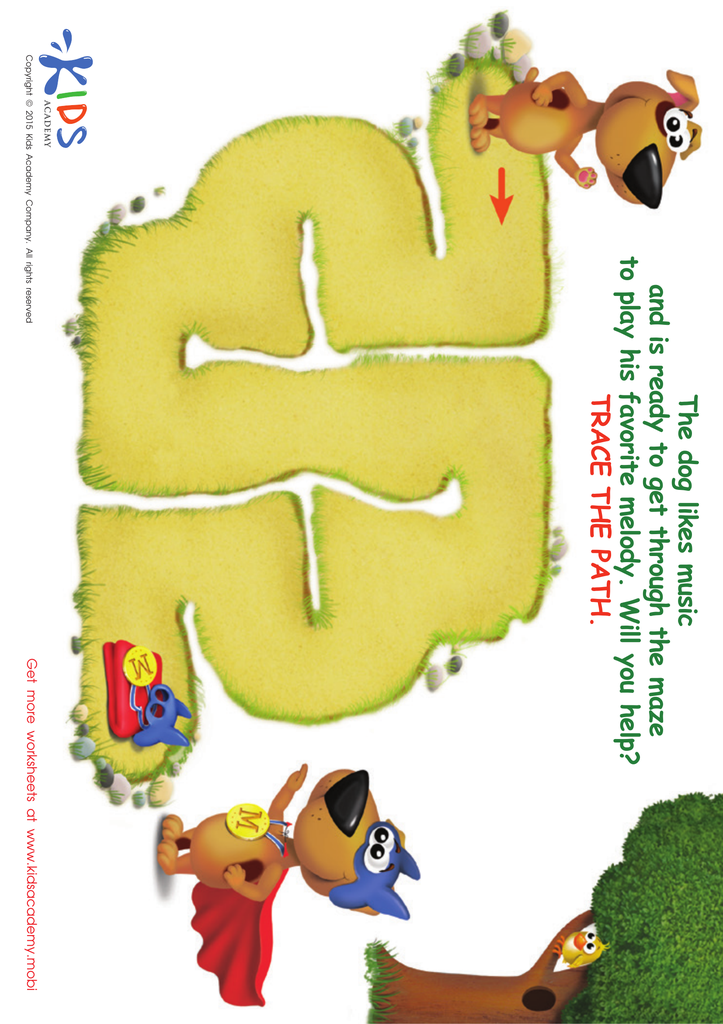
Superman Maze Worksheet
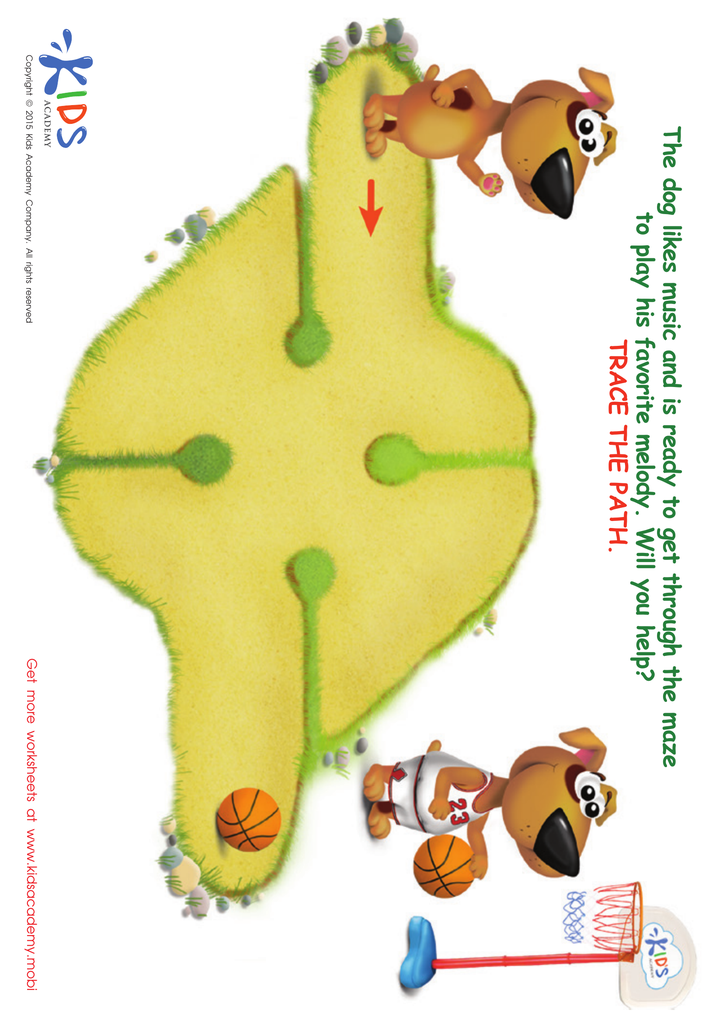
Basketball Player Maze Worksheet
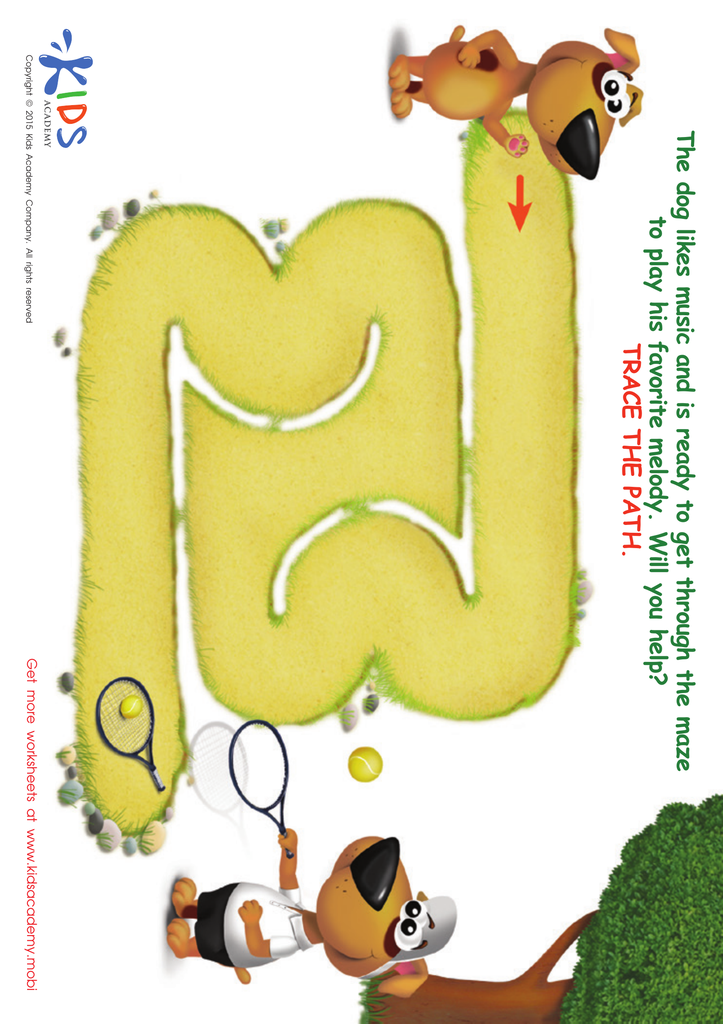
Tennis Player Maze Worksheet




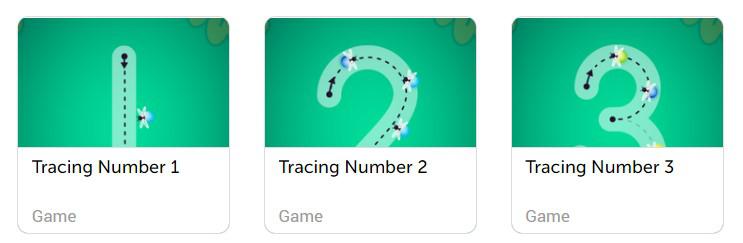



Hand-eye coordination and early math skills are crucial for children's development between ages 4-7. During this significant growth period, children engage in activities that connect physical coordination with cognitive understanding, laying a strong foundation for future learning. Hand-eye coordination, the ability to synchronize visual input with motor actions, is essential for tasks such as writing, drawing, cutting, and even sports. Improving these skills enhances children's fine motor abilities, refining their capability to learn math concepts, which often involve manipulation of objects.
Furthermore, early math concepts such as counting, comparing, and grouping directly tie into hand-eye coordination activities. When children physically interact with counting blocks or puzzle pieces, they not only bolster their numerical understanding but also fine-tune their motor skills. Engaging in these activities promotes problem-solving, critical thinking, and spatial awareness.
Parents and teachers who prioritize the integration of these skills help prepare children for academic success. A strong grasp of both hand-eye coordination and early math can boost a child's confidence and motivation, leading to a more positive attitude toward learning. Therefore, fostering these skills is a vital investment in a child’s overall development, equipping them with the tools necessary for future educational achievements.