Simplifying Fractions Adding up to 100 Worksheets for Ages 4-7
3 filtered results
-
From - To
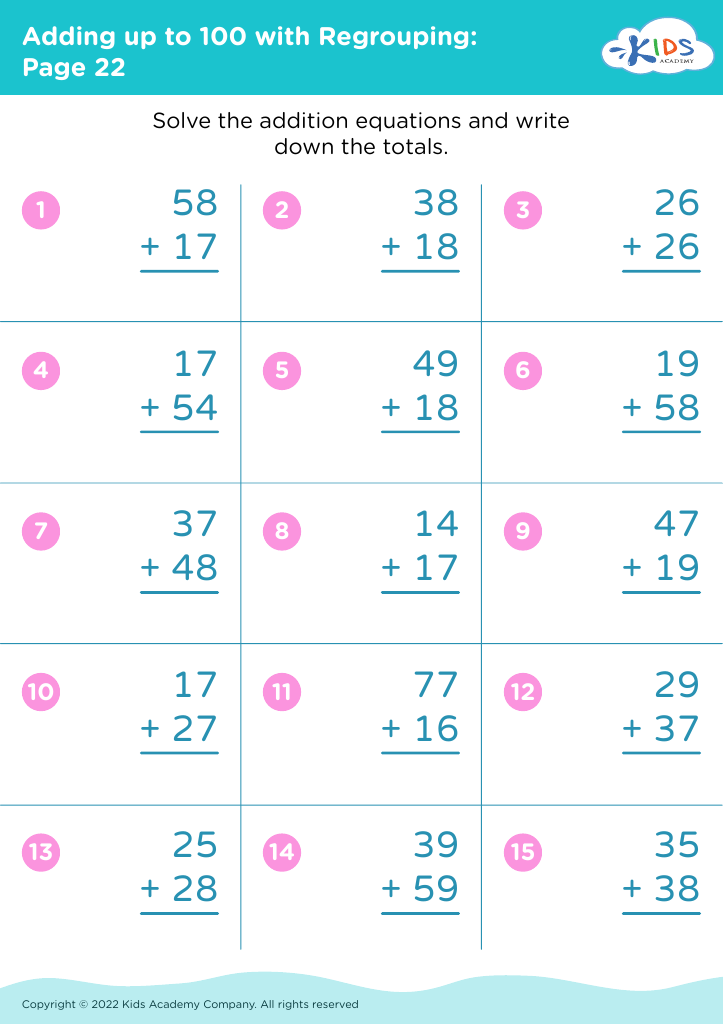
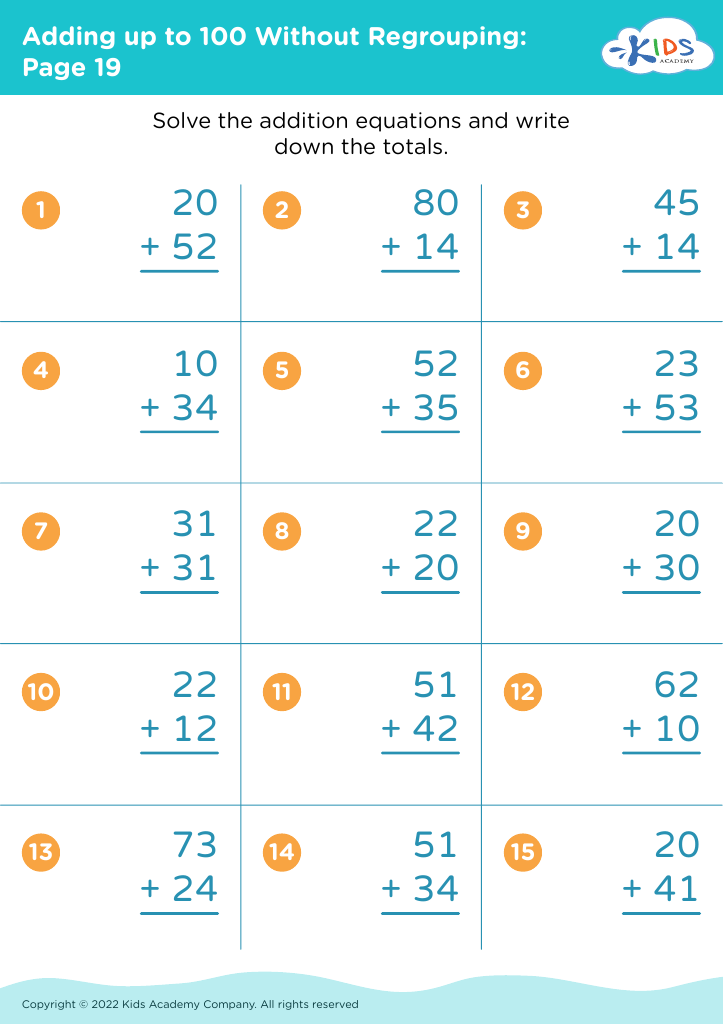
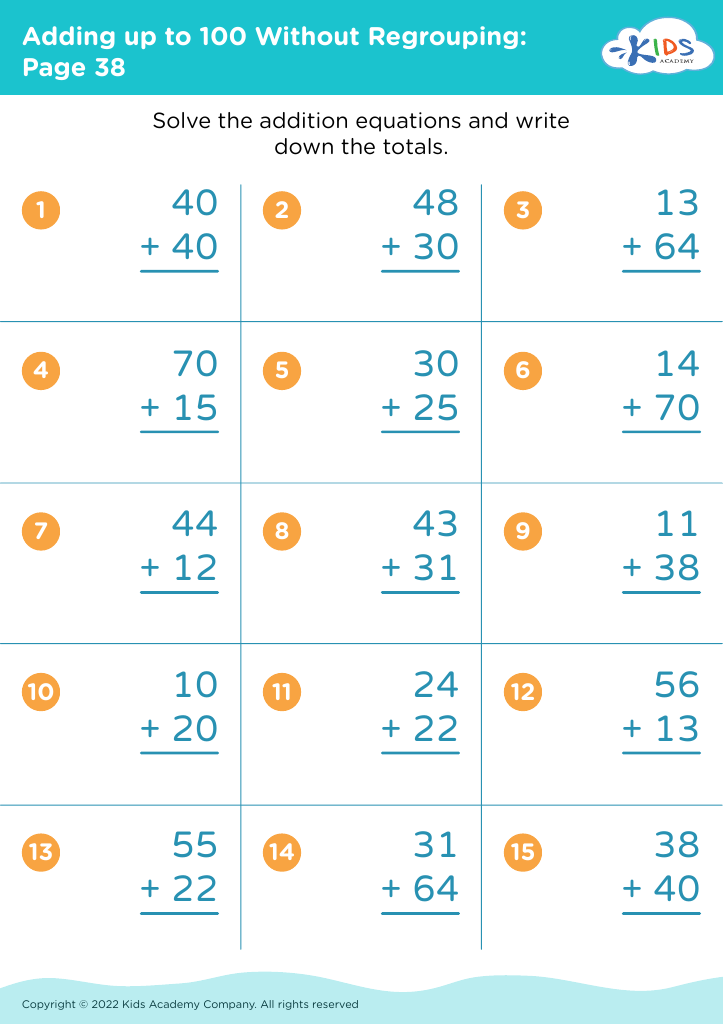
Introduce young learners to the exciting world of fractions with our "Simplifying Fractions Adding up to 100 Worksheets for Ages 4-7"! These kid-friendly worksheets are designed to make simplifying fractions fun and engaging for children in early grades. With colorful illustrations and simple exercises, your child will develop a strong understanding of fractions while enhancing their math skills. Perfect for classroom activities or home practice, these worksheets offer a solid foundation in basic math concepts. Prepare your child for future success in mathematics by integrating these easy-to-follow and enjoyable activities into their learning routine. Watch them excel in no time!


%20(1).jpg)




Introducing young children to the concept of simplifying fractions and ensuring they understand completing them to 100 at an early age is crucial for several reasons:
-
Laying Foundations: Simplifying fractions and understanding numbers up to 100 provide a solid mathematical foundation. These skills are essential for more complex operations they will encounter later in school.
-
Building Confidence: Mastery in basic math concepts at a young age builds academic self-confidence. Children who grasp these early skills are more likely to view math positively, fostering a growth mindset and a propensity for tackling challenging topics.
-
Critical Thinking: Simplifying fractions teaches critical thinking and problem-solving abilities. Understanding how to break down problems into smaller, more manageable parts helps children develop analytical skills.
-
Daily Life Skills: Knowledge of fractions comes into play in daily activities such as cooking, shopping, and more. Simplifying these fractions or understanding their relationship can help children apply math logically to their environment.
-
Future Readiness: Skills in simplified fractions and comfortable handling of numbers up to 100 prepare children for subjects like algebra and geometry in higher grades, setting the stage for STEM proficiency.
Engaging children in fun, interactive, and relatable ways of learning these concepts can thus make a substantial difference in their long-term educational journey and everyday problem-solving tasks.








