Filters

51 filtered results

Clear all filters
Favorites
With answer key
Interactive

51 filtered results

Difficulty Level

Grade


Check out this FREE Trial Lesson on Adding up to 100 for age 4-7!

Match Objects that Fit Together

Favorites
With answer key
Interactive
  • 4-7
  • Understanding fractions
  • Adding up to 100
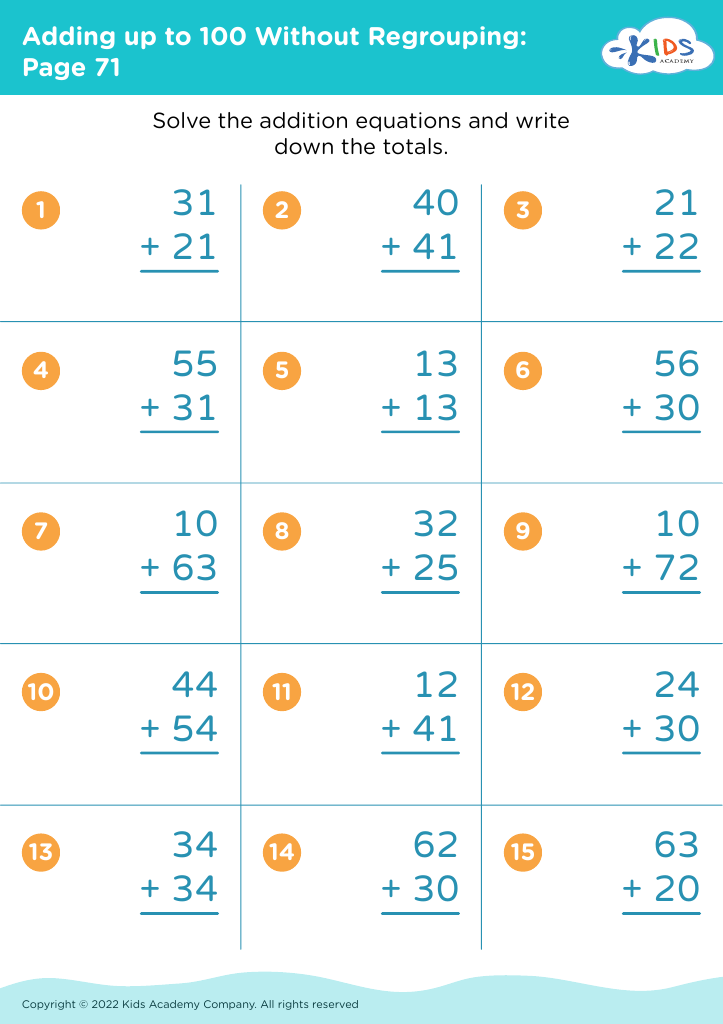
Adding up to 100 Without Regrouping: Page 71
Worksheet
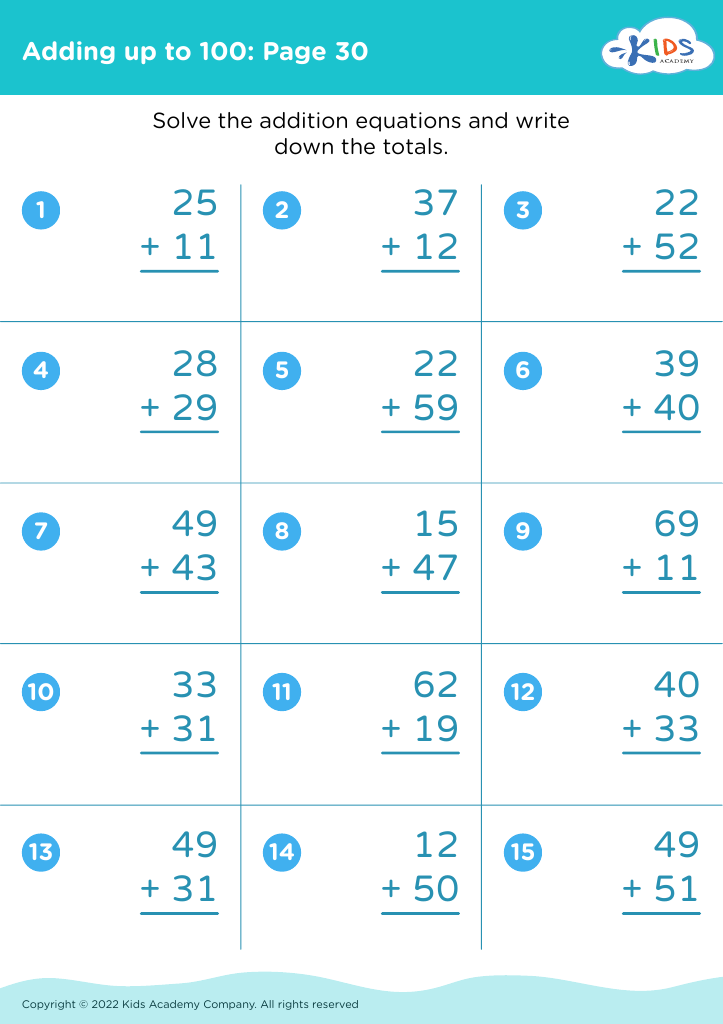
Adding up to 100: Page 30

Adding up to 100: Page 30

Adding up to 100: Page 30
Worksheet
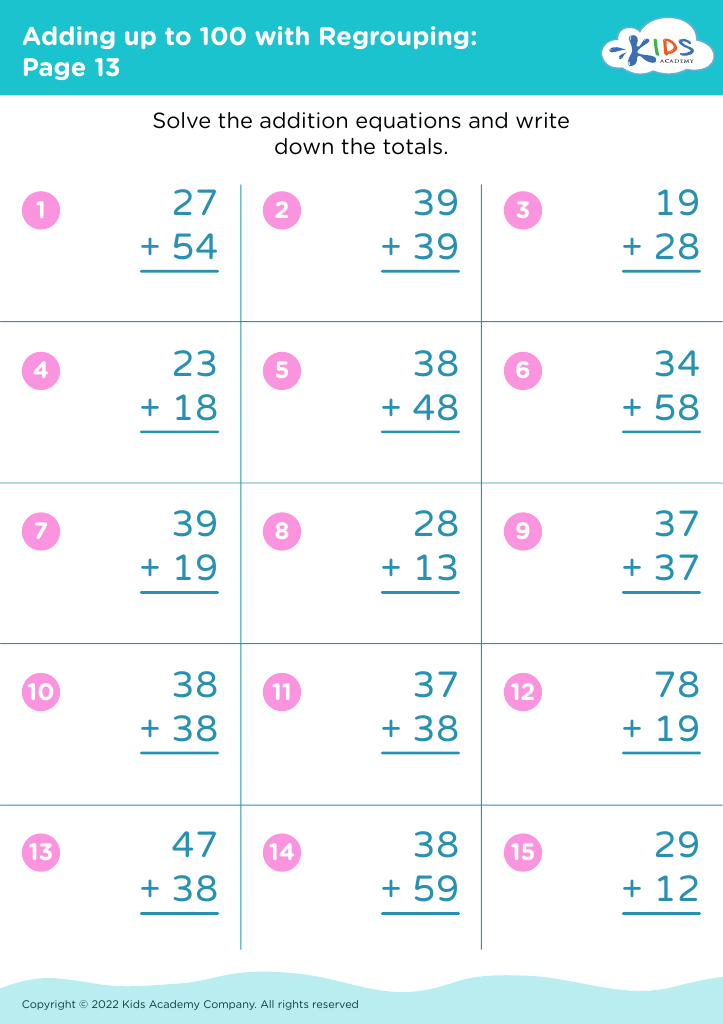
Adding up to 100 with Regrouping: Page 13
Worksheet
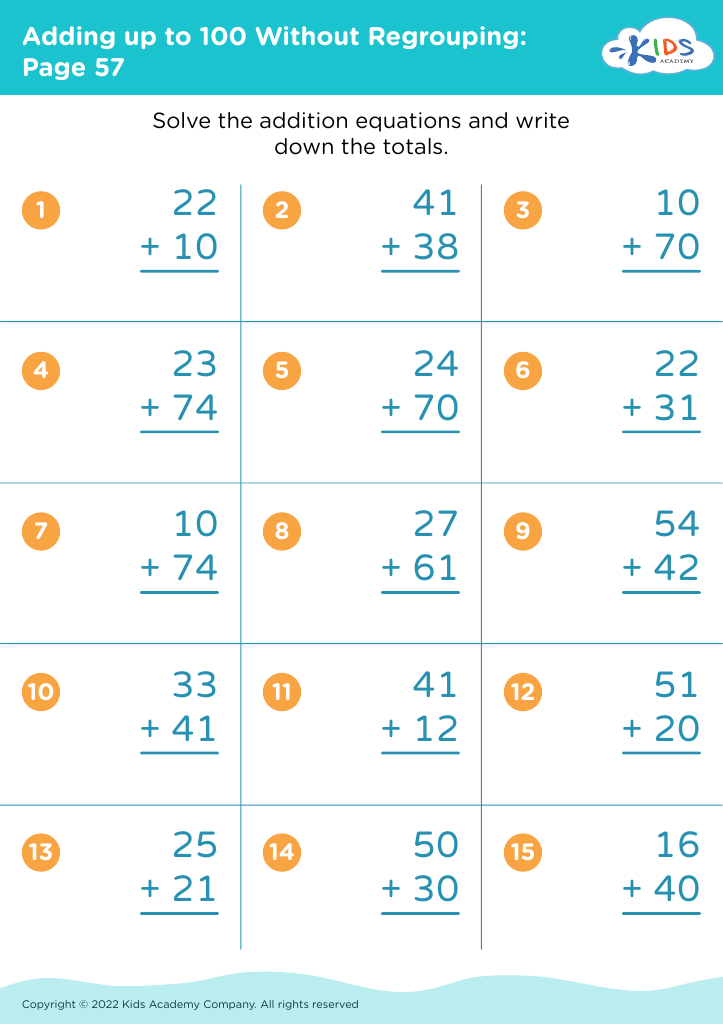
Adding up to 100 Without Regrouping: Page 57
Worksheet
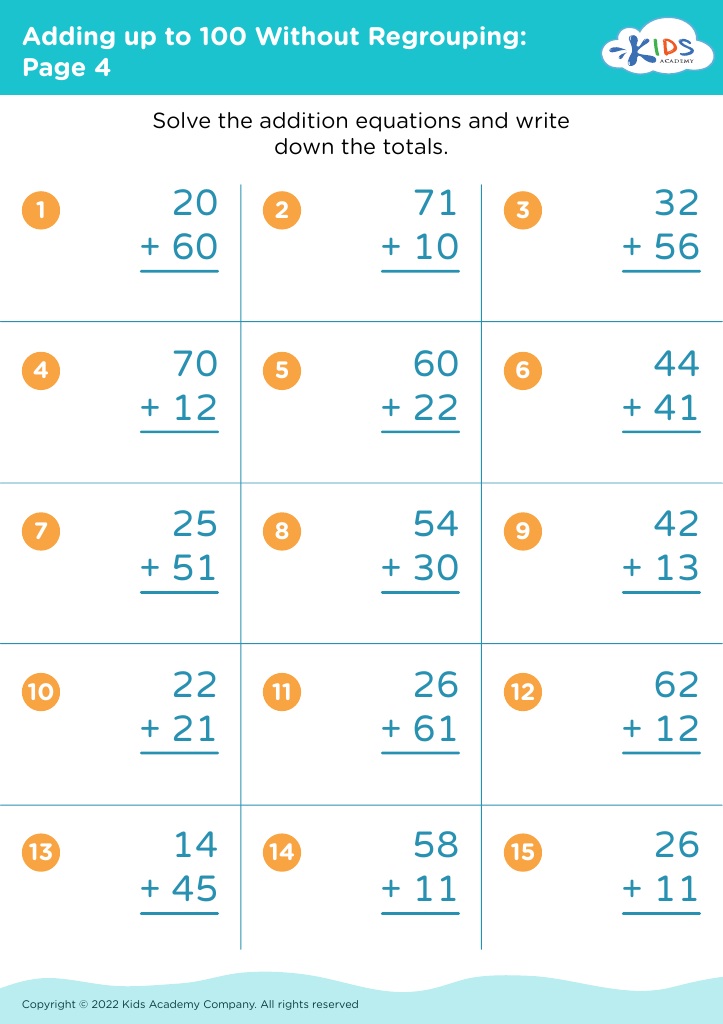
Adding up to 100 Without Regrouping: Page 4
Worksheet
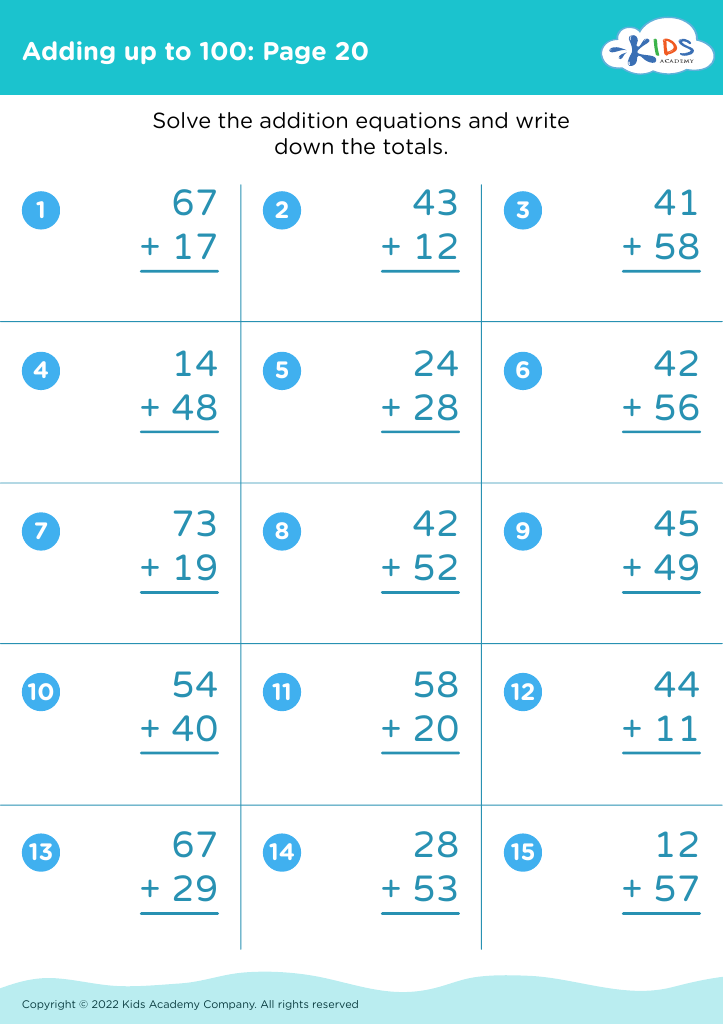
Adding up to 100: Page 20

Adding up to 100: Page 20

Adding up to 100: Page 20
Worksheet
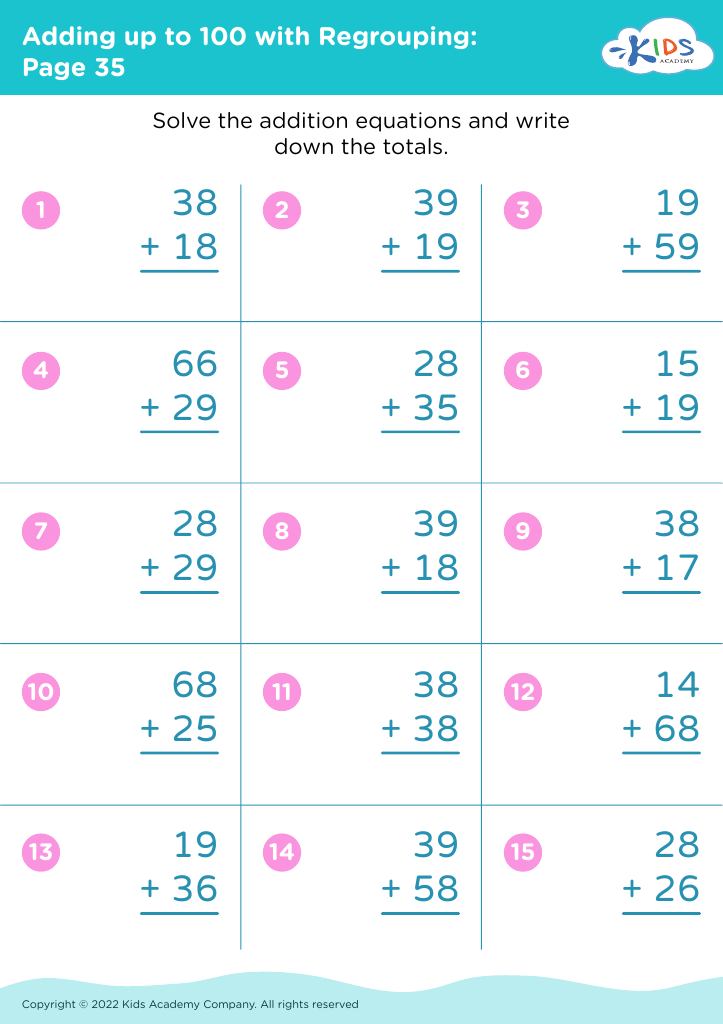
Adding up to 100 with Regrouping: Page 35
Worksheet
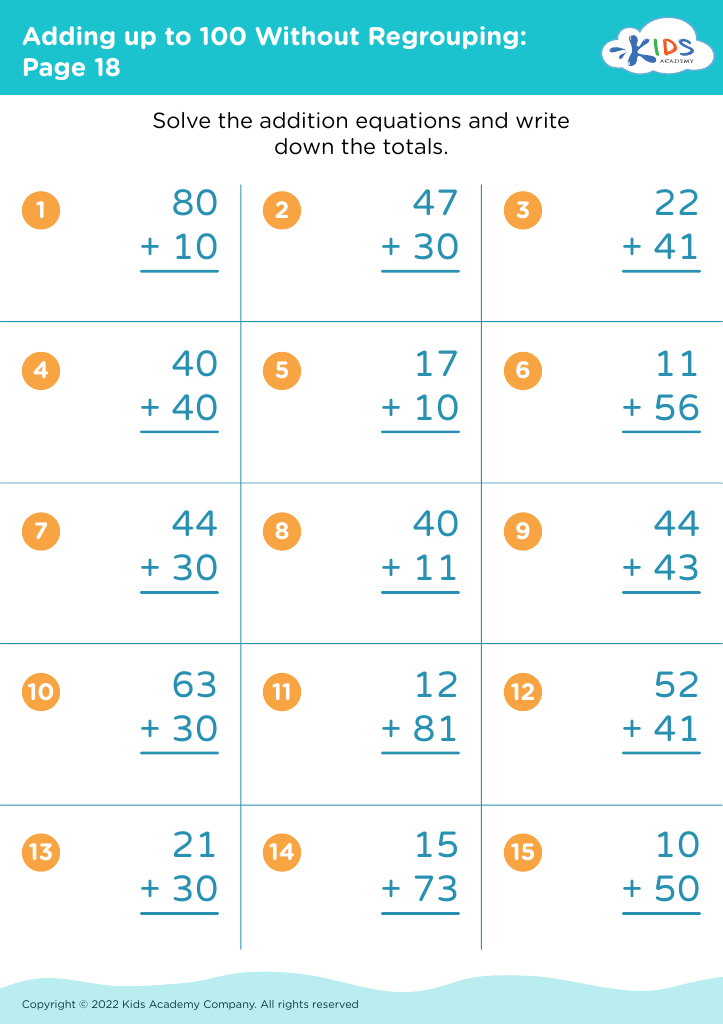
Adding up to 100 Without Regrouping: Page 18
Worksheet
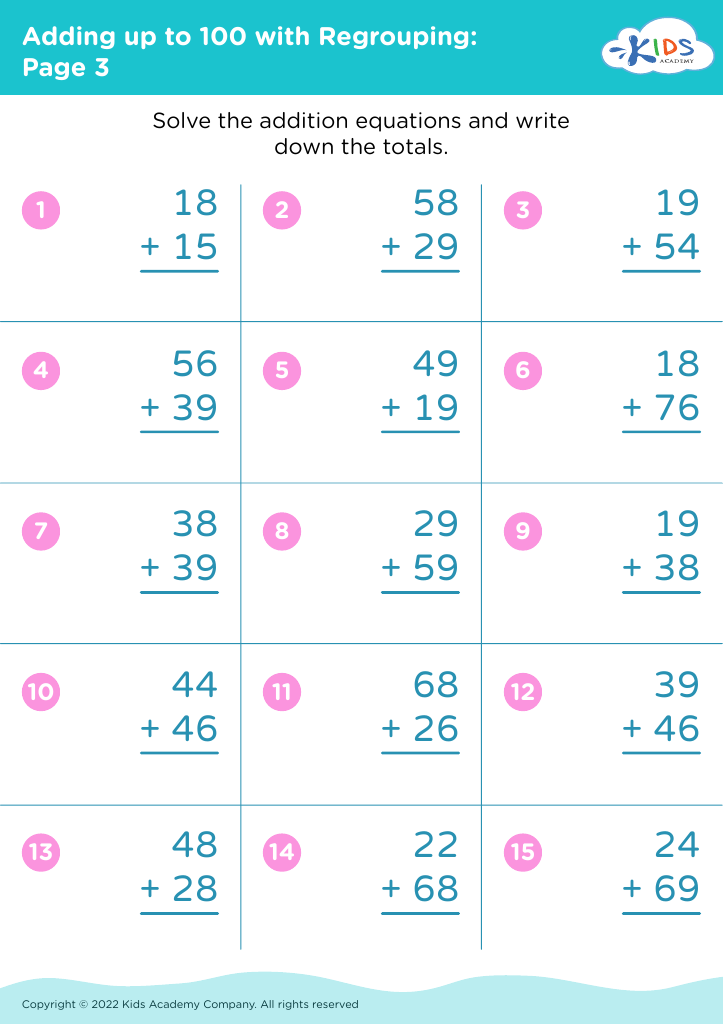
Adding up to 100 with Regrouping: Page 3
Worksheet
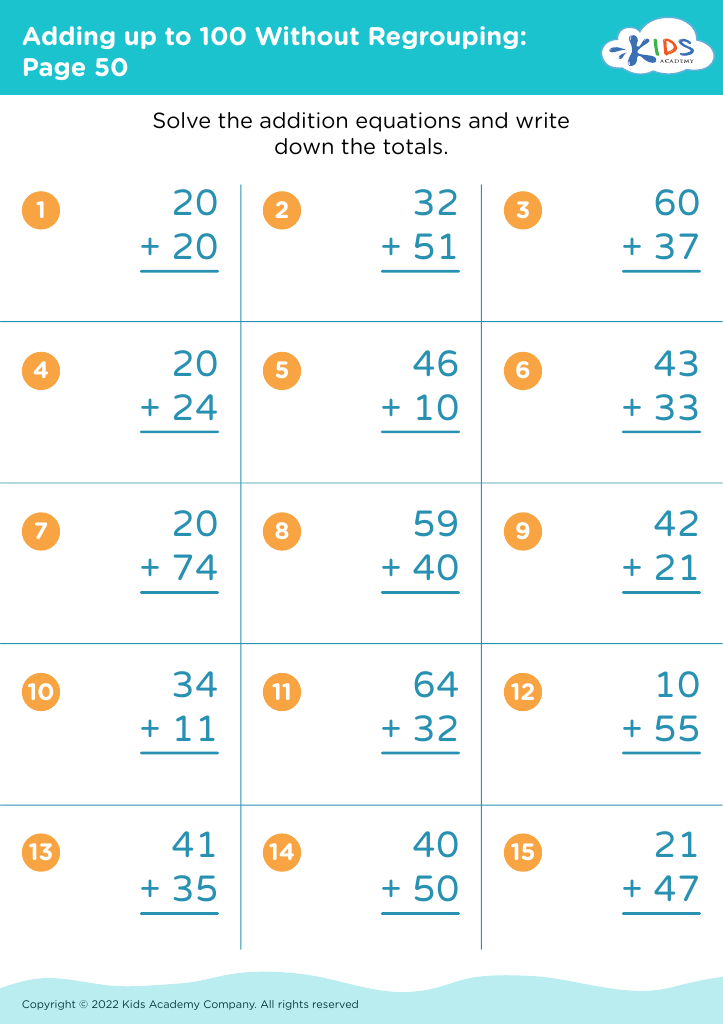
Adding up to 100 Without Regrouping: Page 50
Worksheet
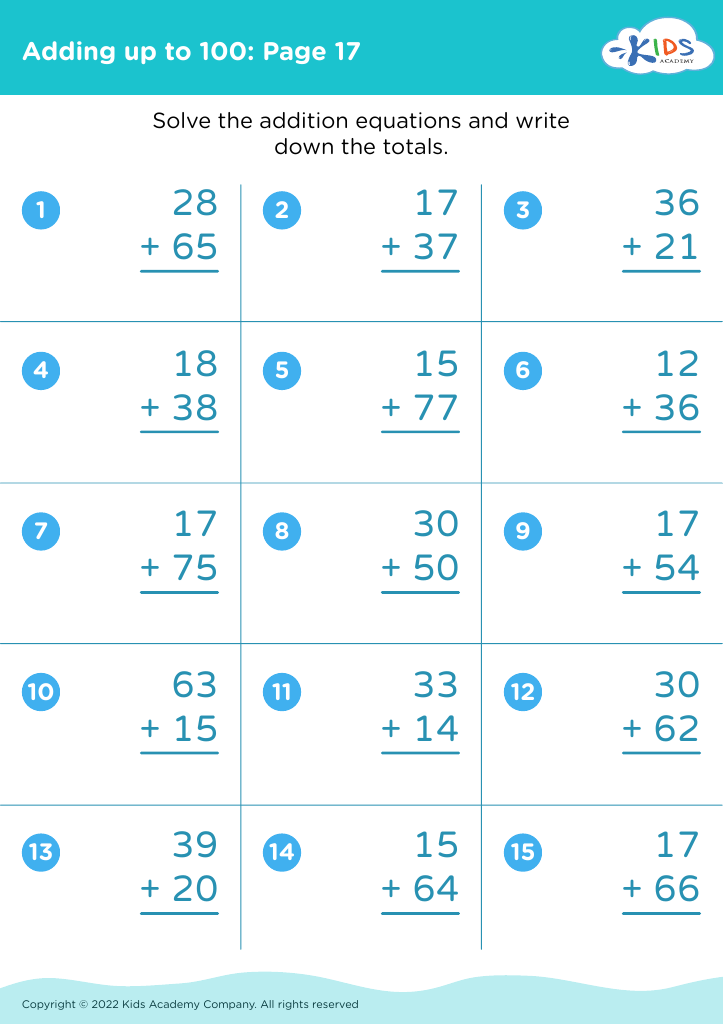
Adding up to 100: Page 17

Adding up to 100: Page 17

Adding up to 100: Page 17
Worksheet
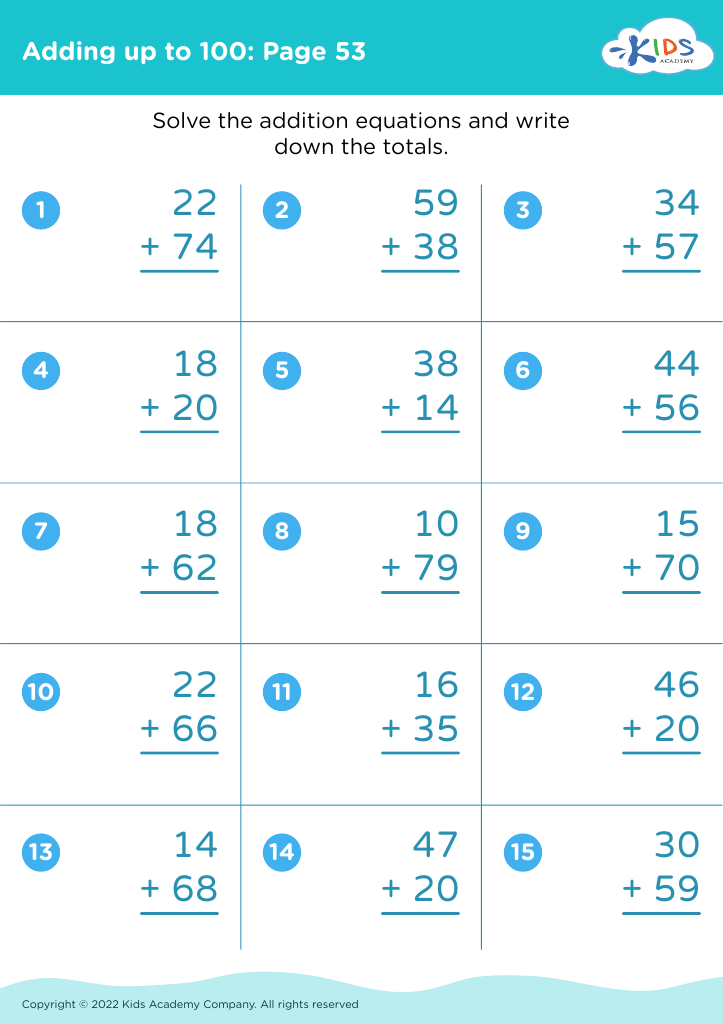
Adding up to 100: Page 53

Adding up to 100: Page 53

Adding up to 100: Page 53
Worksheet
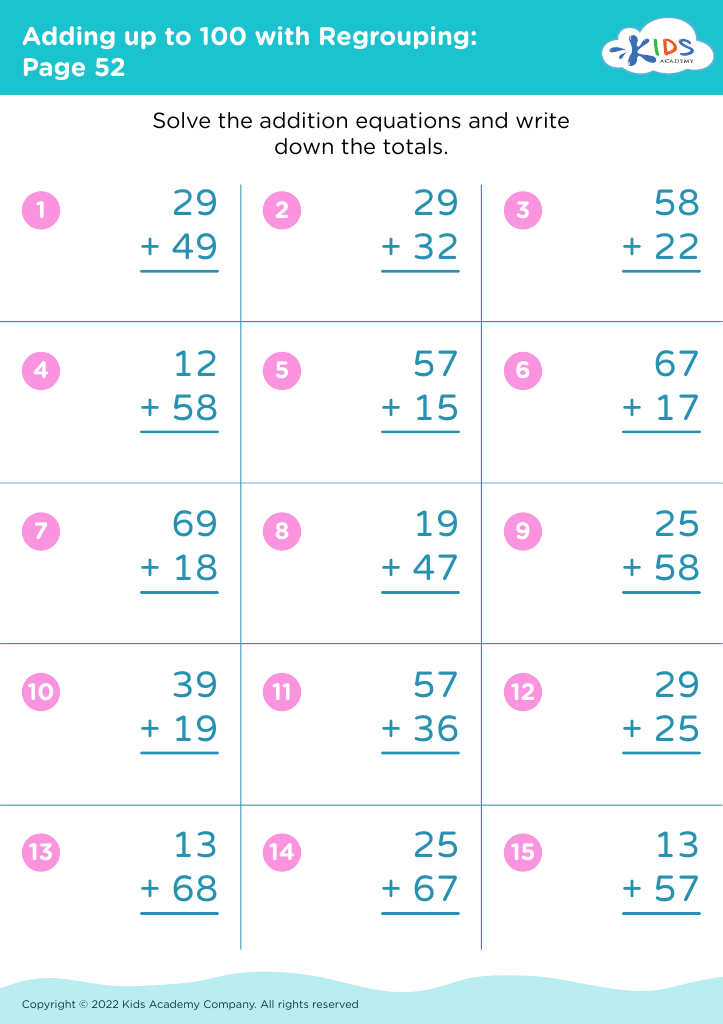
Adding up to 100 with Regrouping: Page 52
Worksheet
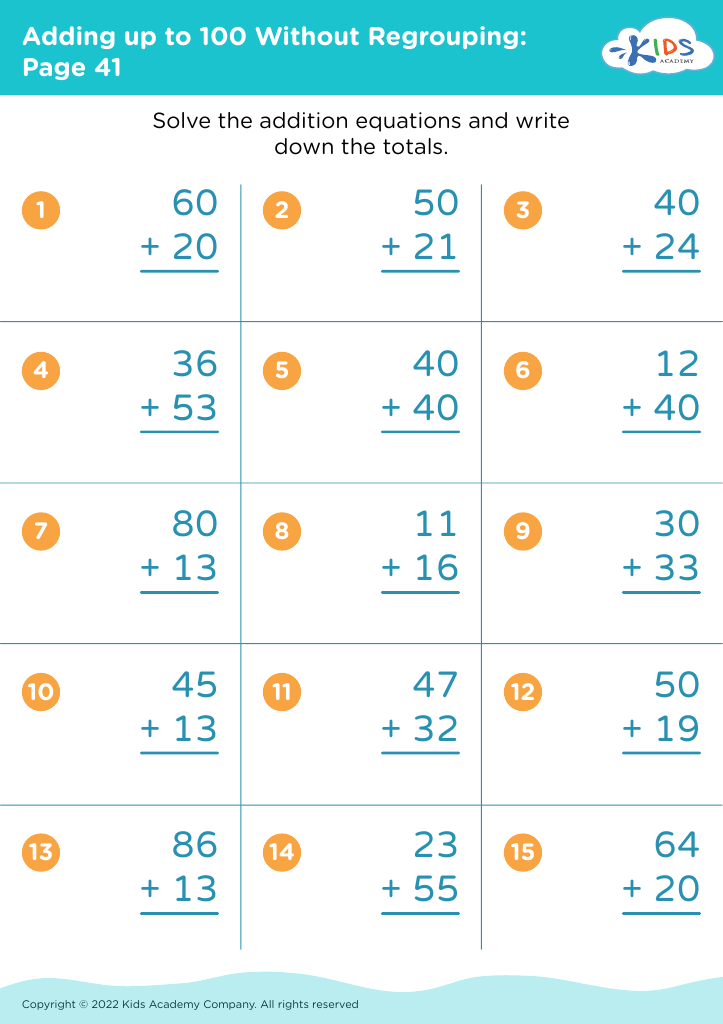
Adding up to 100 Without Regrouping: Page 41
Worksheet
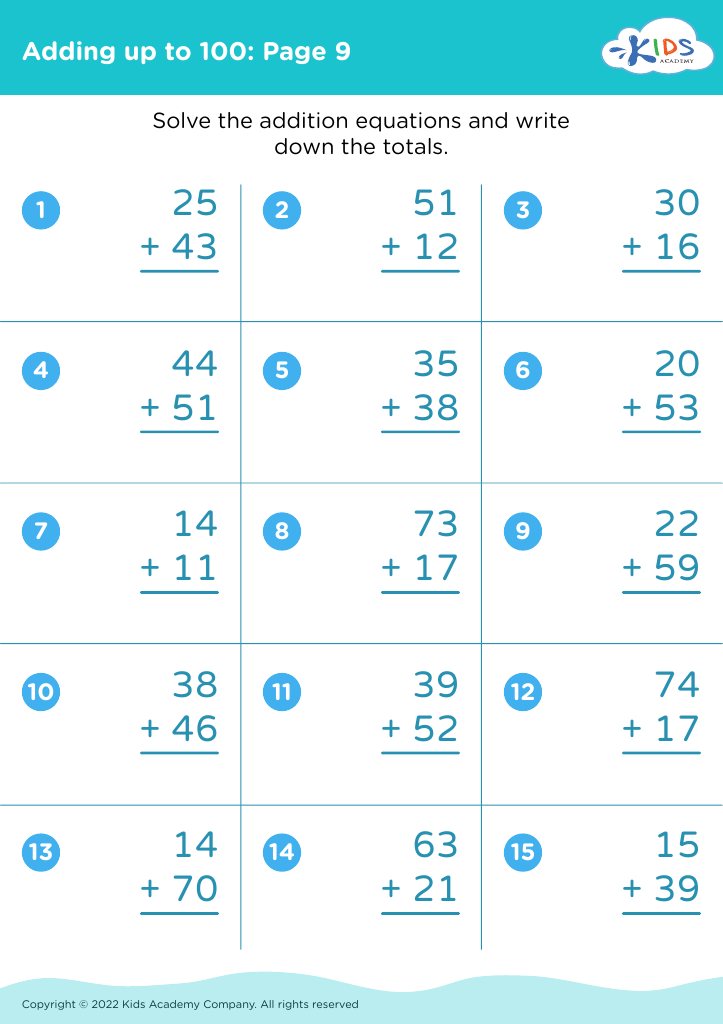
Adding up to 100: Page 9

Adding up to 100: Page 9

Adding up to 100: Page 9
Worksheet
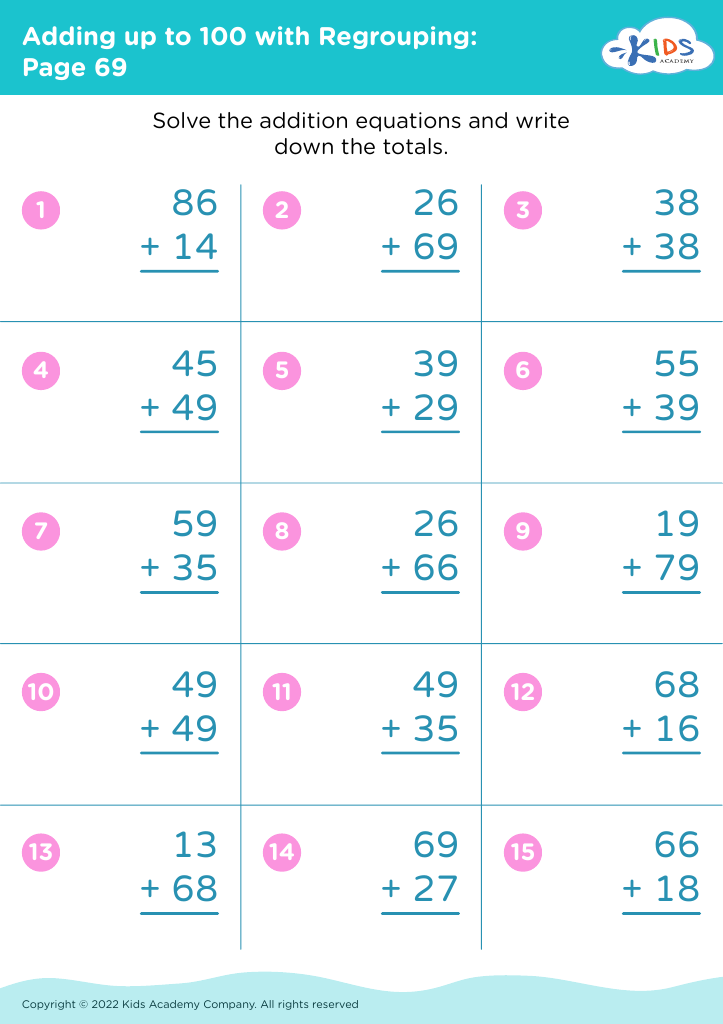
Adding up to 100 with Regrouping: Page 69
Worksheet
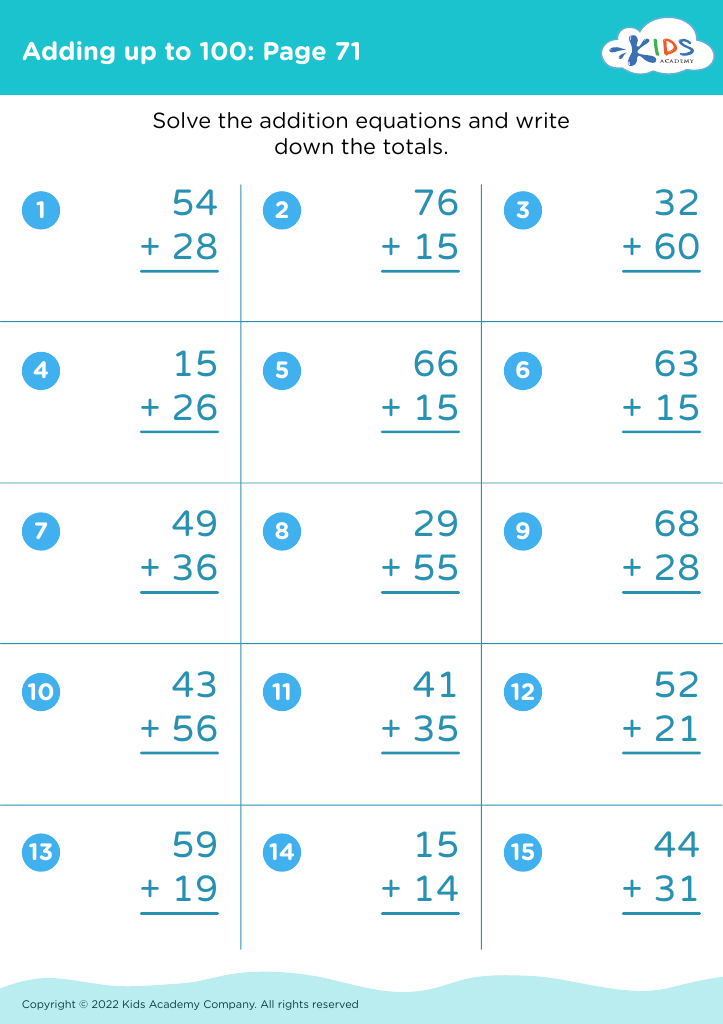
Adding up to 100: Page 71

Adding up to 100: Page 71

Adding up to 100: Page 71
Worksheet
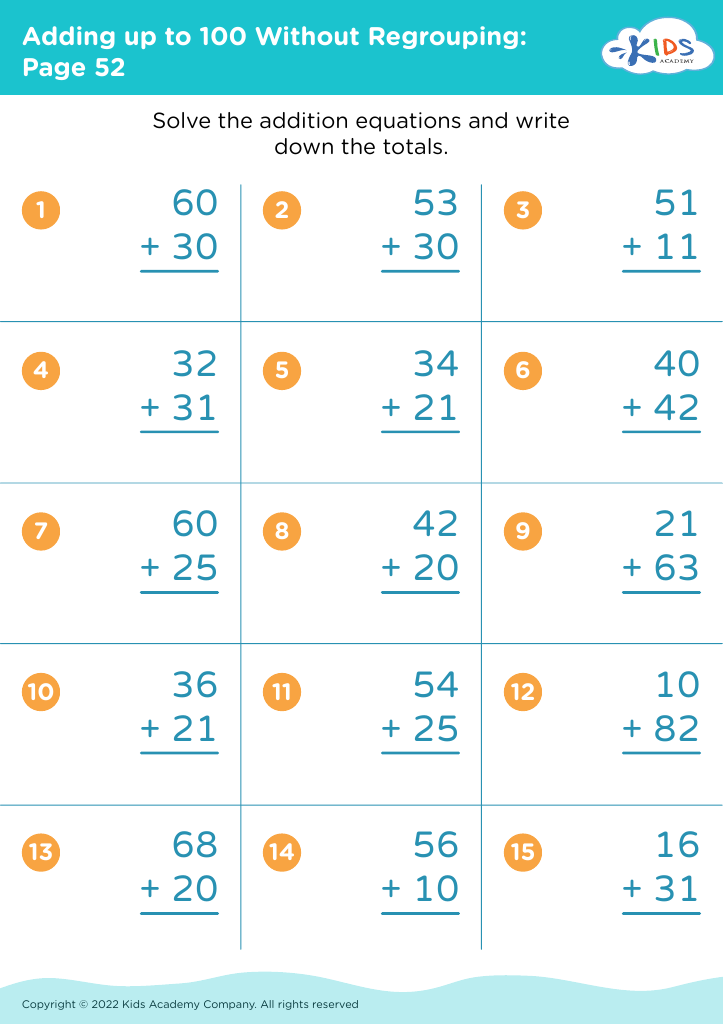
Adding up to 100 Without Regrouping: Page 52
Worksheet
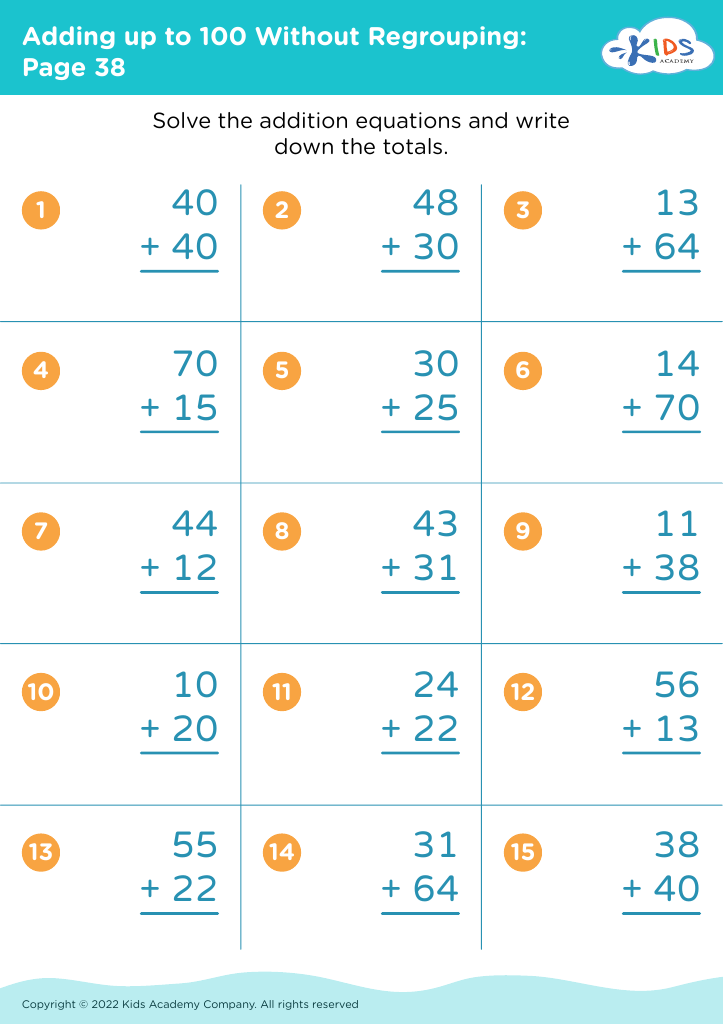
Adding up to 100 Without Regrouping: Page 38
Worksheet
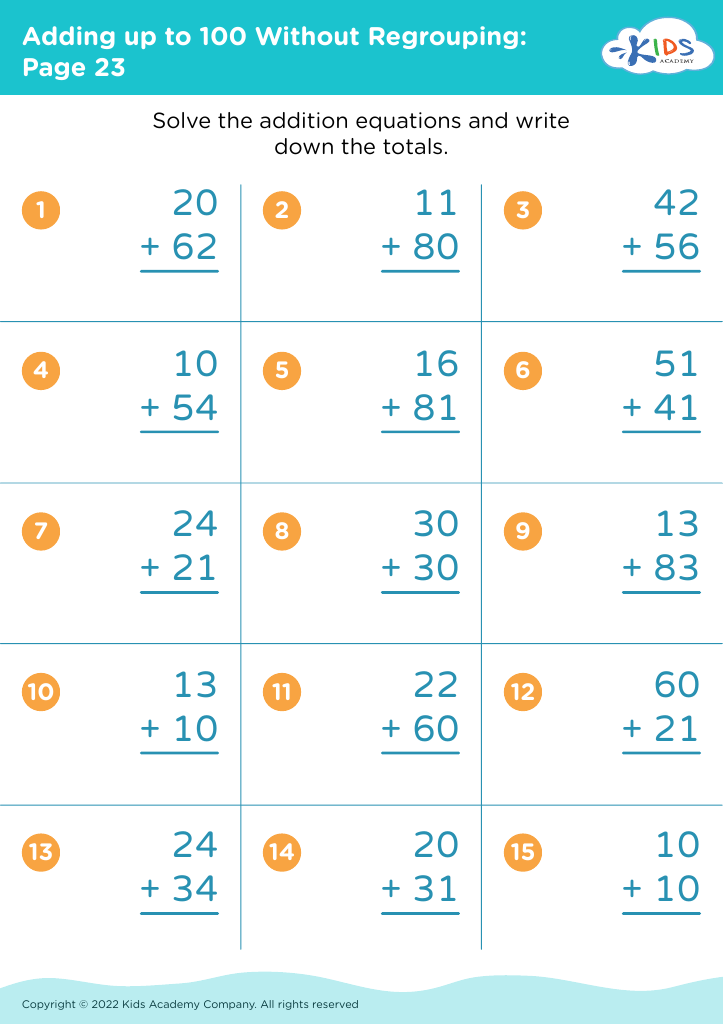
Adding up to 100 Without Regrouping: Page 23
Worksheet
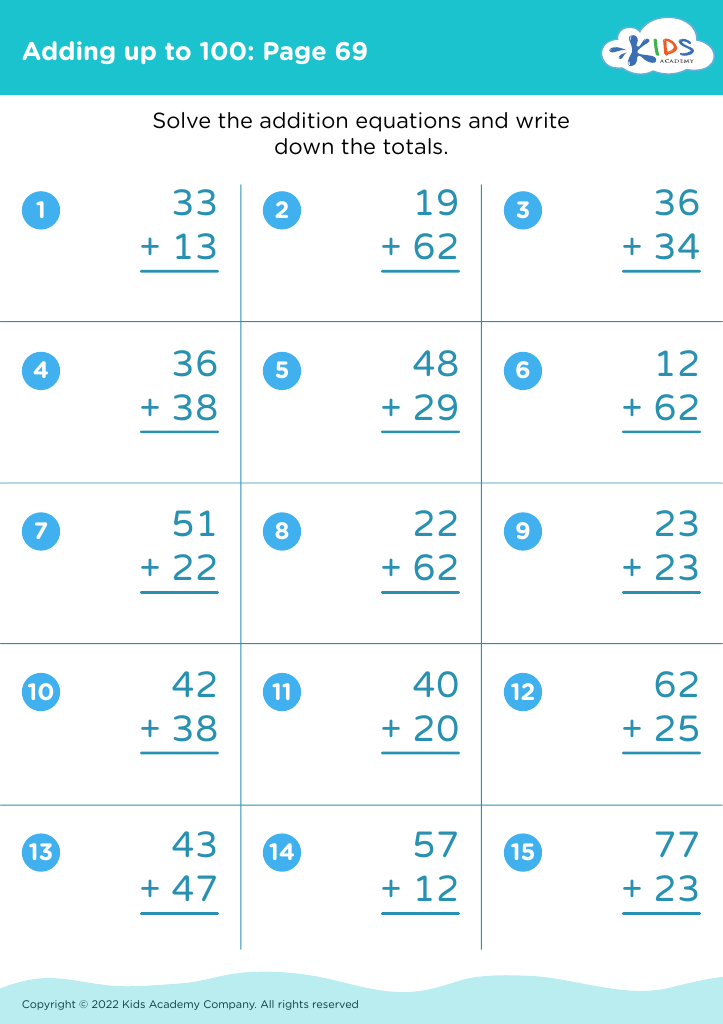
Adding up to 100: Page 69

Adding up to 100: Page 69

Adding up to 100: Page 69
Worksheet
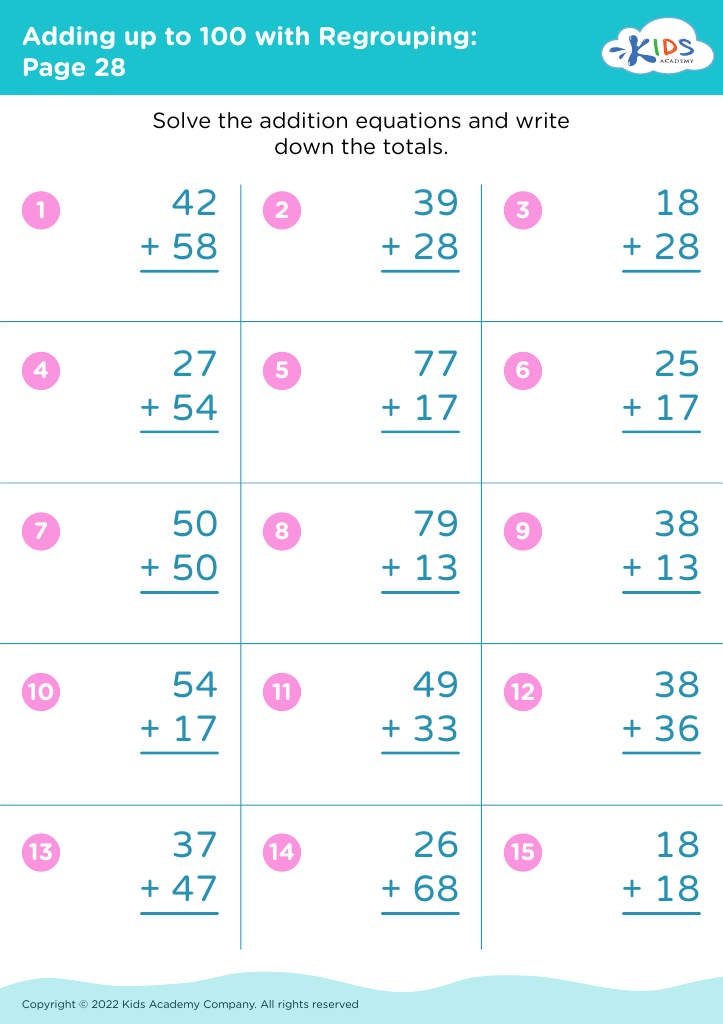
Adding up to 100 with Regrouping: Page 28
Worksheet
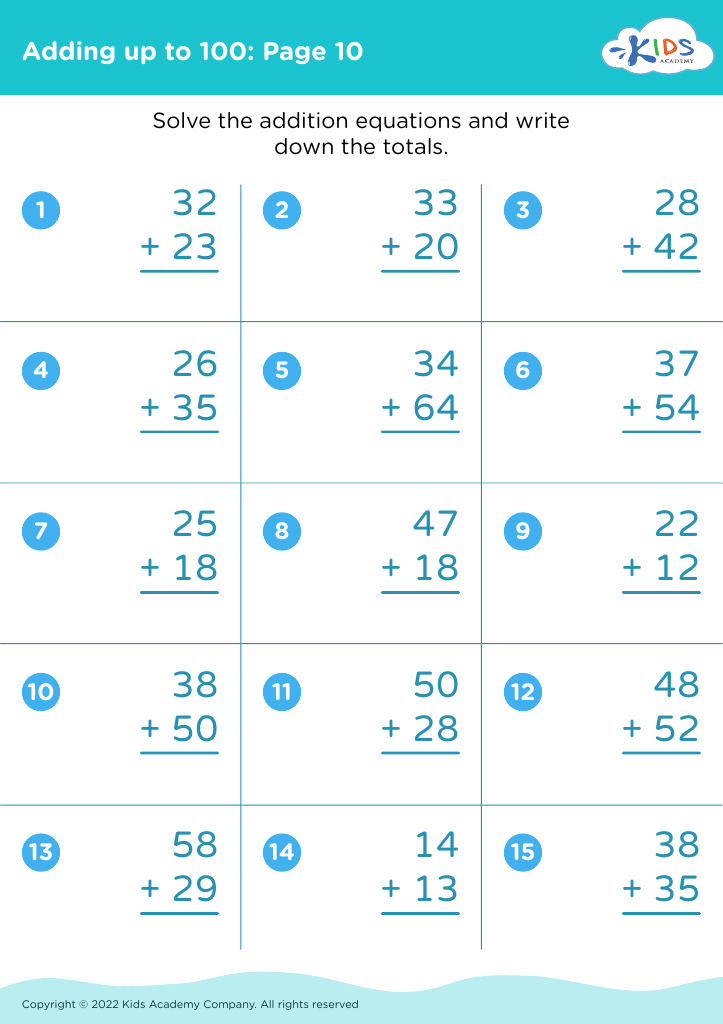
Adding up to 100: Page 10

Adding up to 100: Page 10

Adding up to 100: Page 10
Worksheet
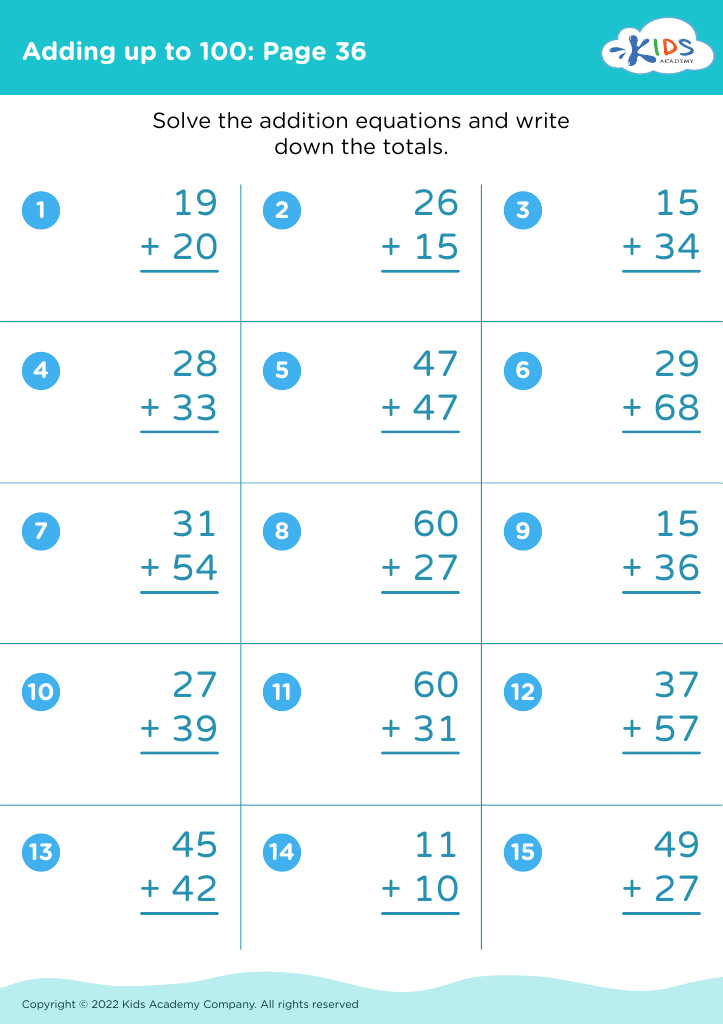
Adding up to 100: Page 36

Adding up to 100: Page 36

Adding up to 100: Page 36
Worksheet


Understanding fractions and the concept of parts adding up to 100 is crucial for children aged 4-7 as it lays a foundational understanding of mathematics and problem-solving skills. At this early developmental stage, children are learning to recognize patterns and relationships between numbers, and fractions introduce them to the idea that numbers can represent parts of a whole.

By grasping fractions, children begin to comprehend division and proportional reasoning, which are essential for more complex math concepts later in their education. For instance, if a child learns that 1/2 and 2/4 are equal, they’re not just working with numbers; they’re developing critical analytical skills.

Moreover, learning how different fractions can combine to form a whole—specifically how they can add up to 100—ties into their understanding of percentages, a concept they will encounter frequently in everyday life, from calculating discounts to understanding statistics in school.

Finally, these skills enhance confidence in mathematical abilities. When parents and teachers emphasize fractions, they equip children with the knowledge and habits they need to enjoy and excel in math, promoting lifelong learning and curiosity in the subject. This foundational understanding not only supports academic success but also offers tools for navigating daily life efficiently.