Basic Math Skills Addition & Subtraction Worksheets for Ages 4-7 - Page 2
95 filtered results
-
From - To
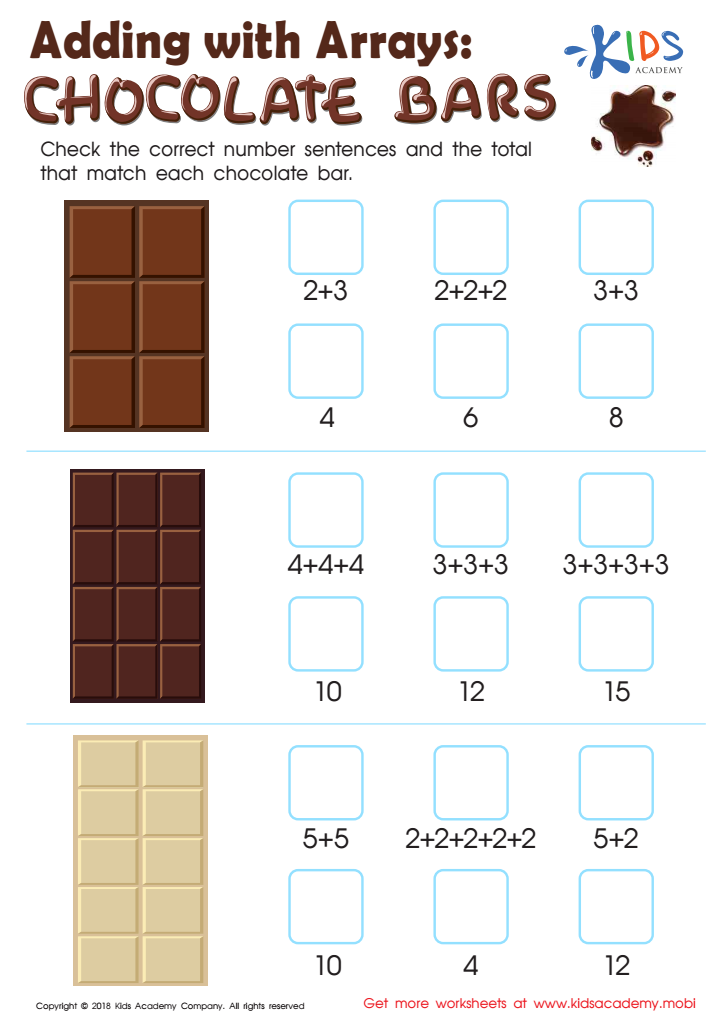
Adding with Arrays: Chocolate Bars Worksheet
 Assign to My Students
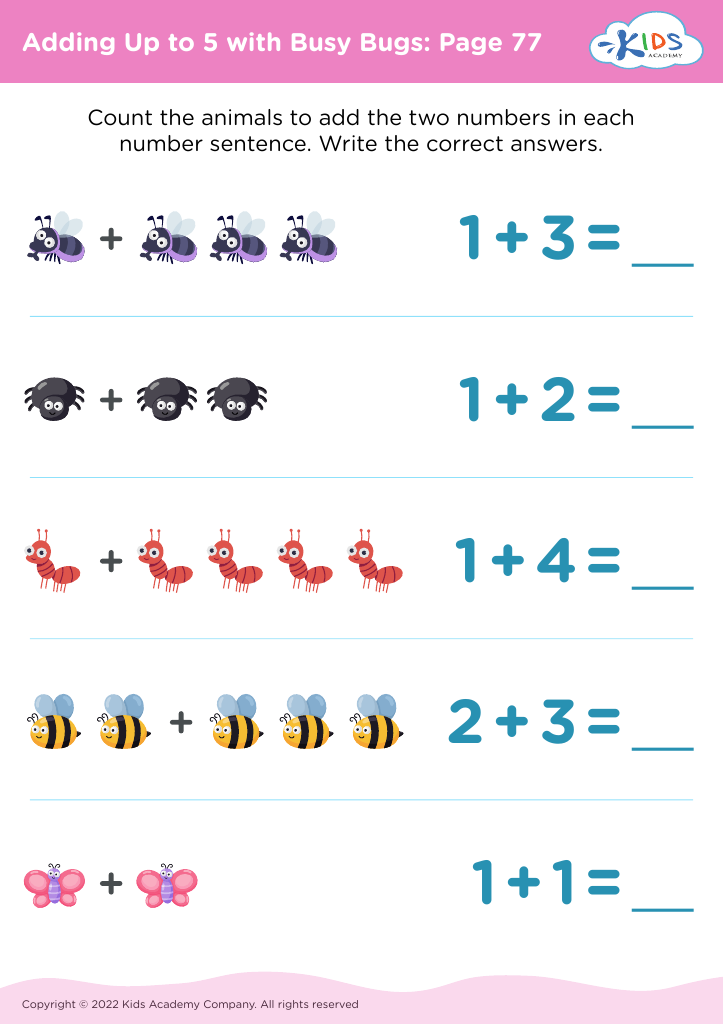
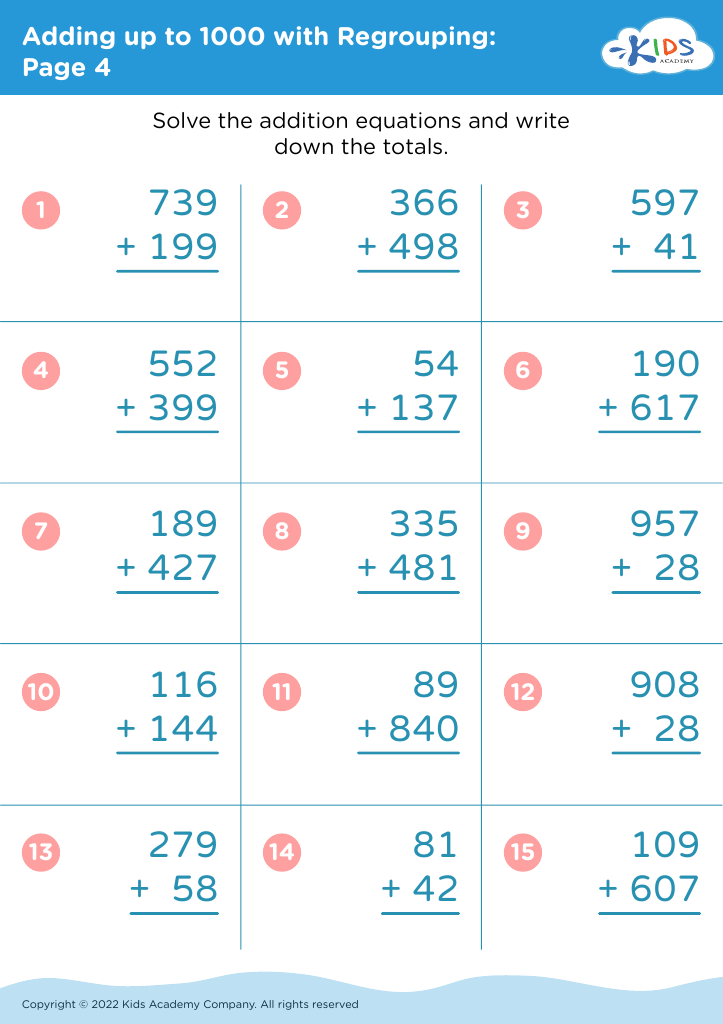
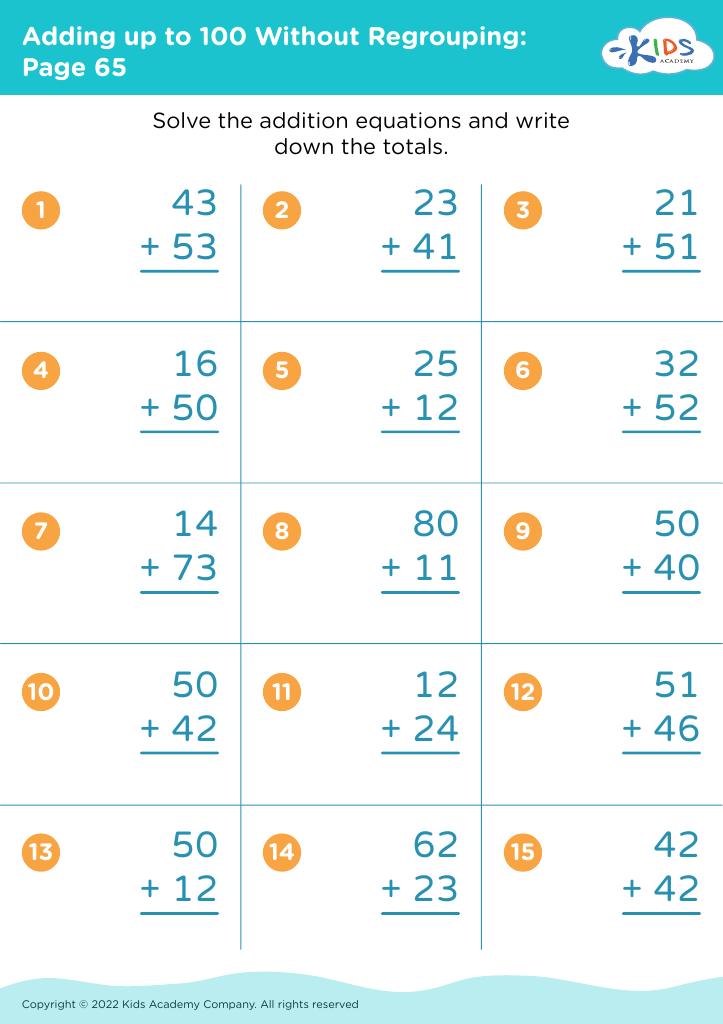
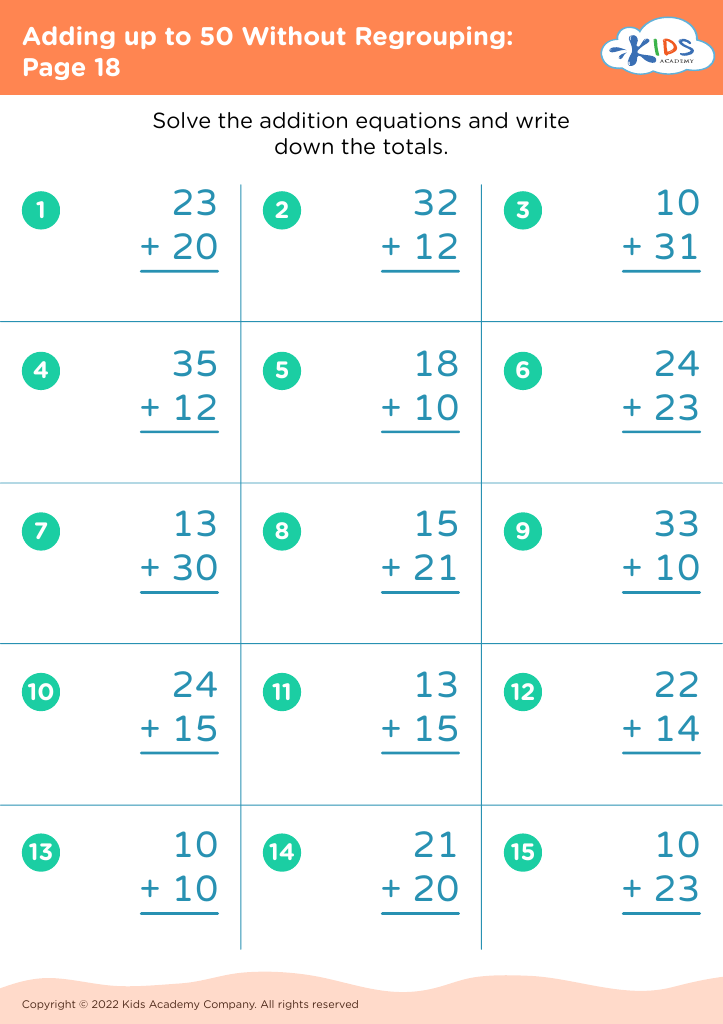
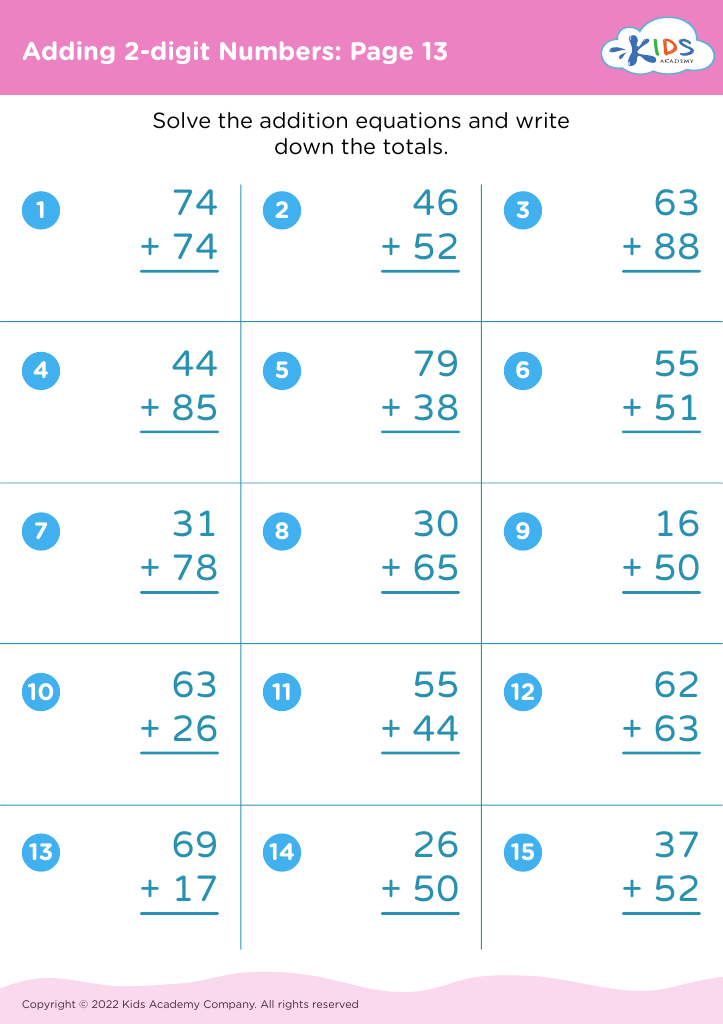
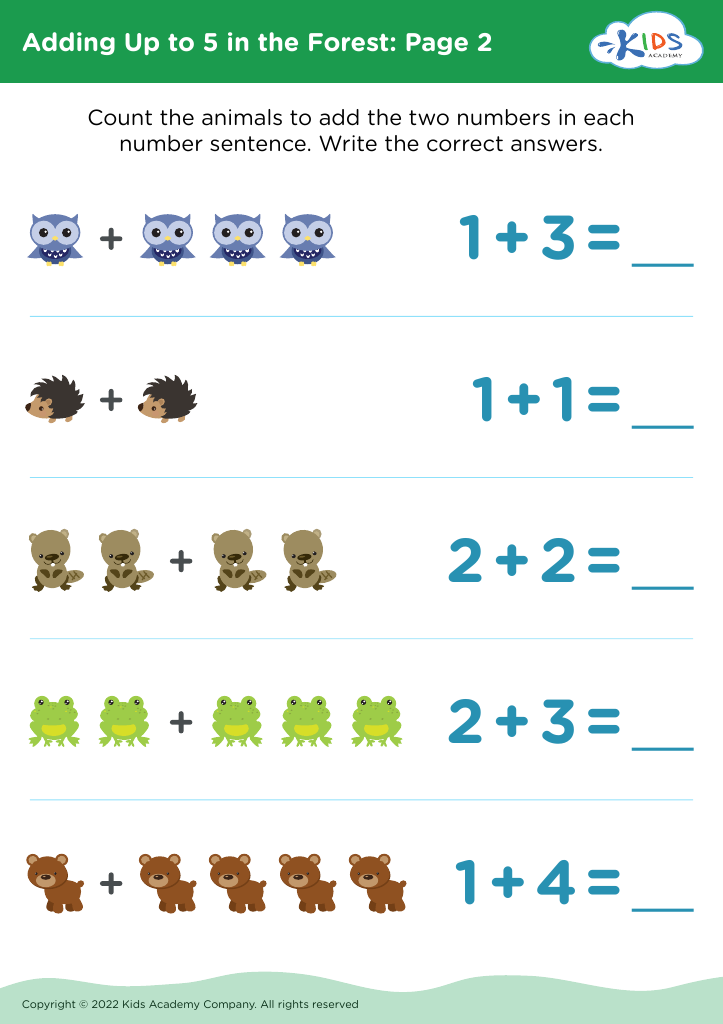
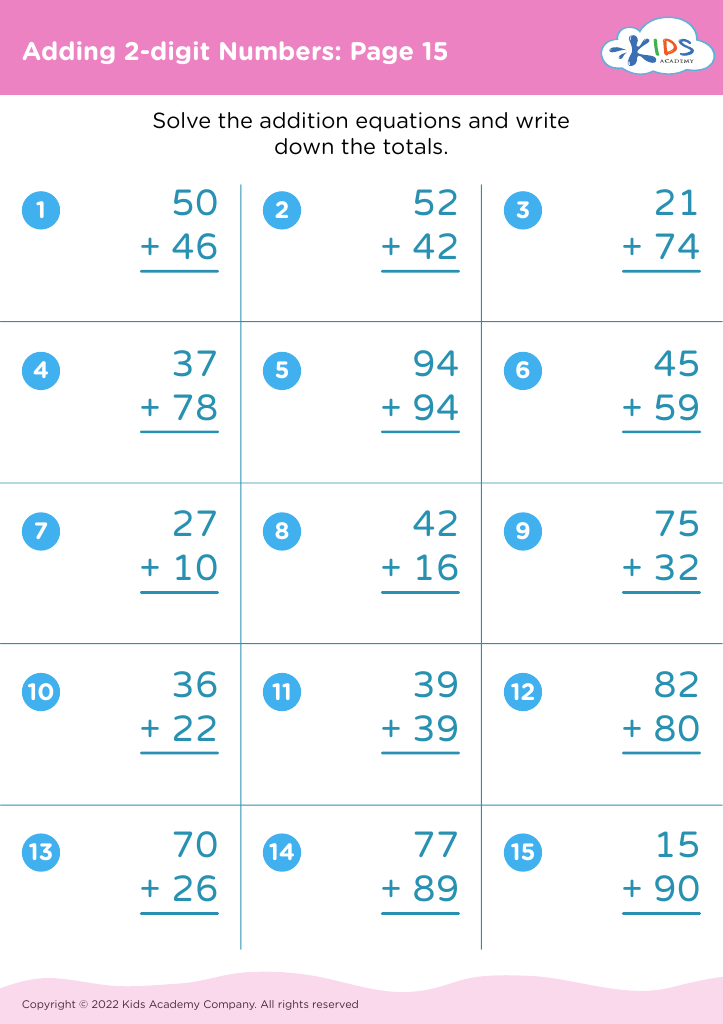
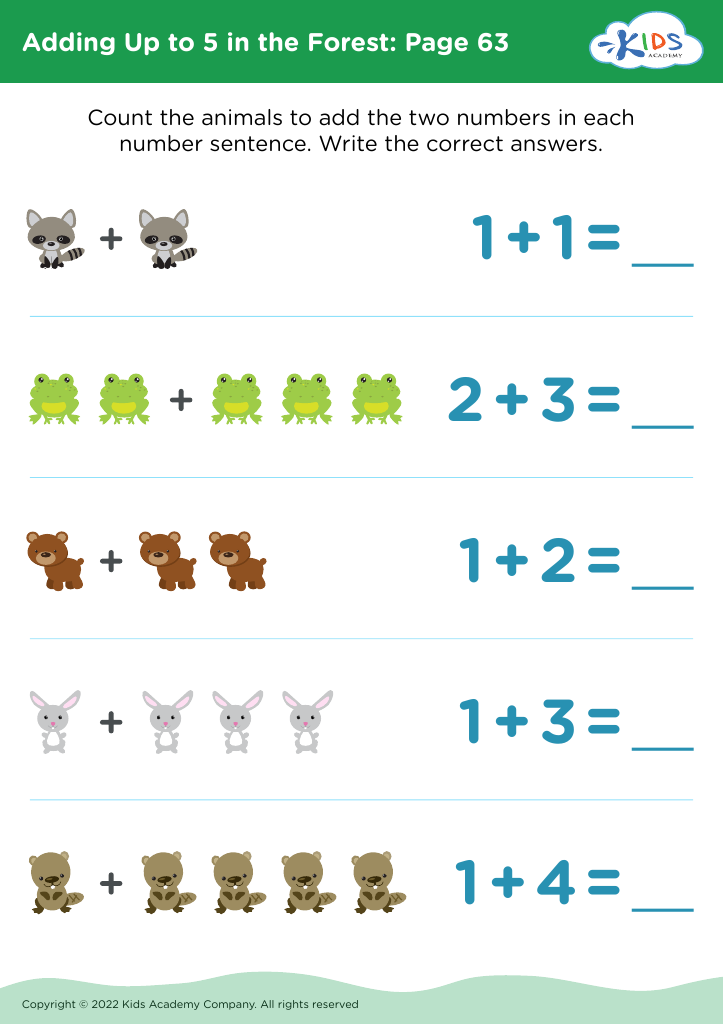
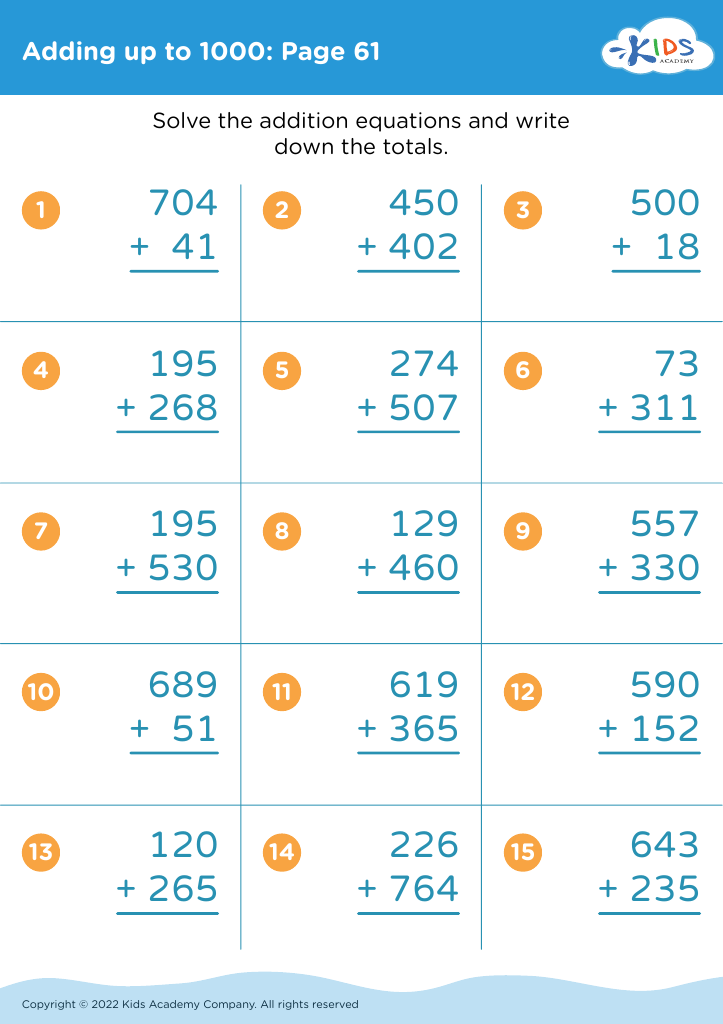
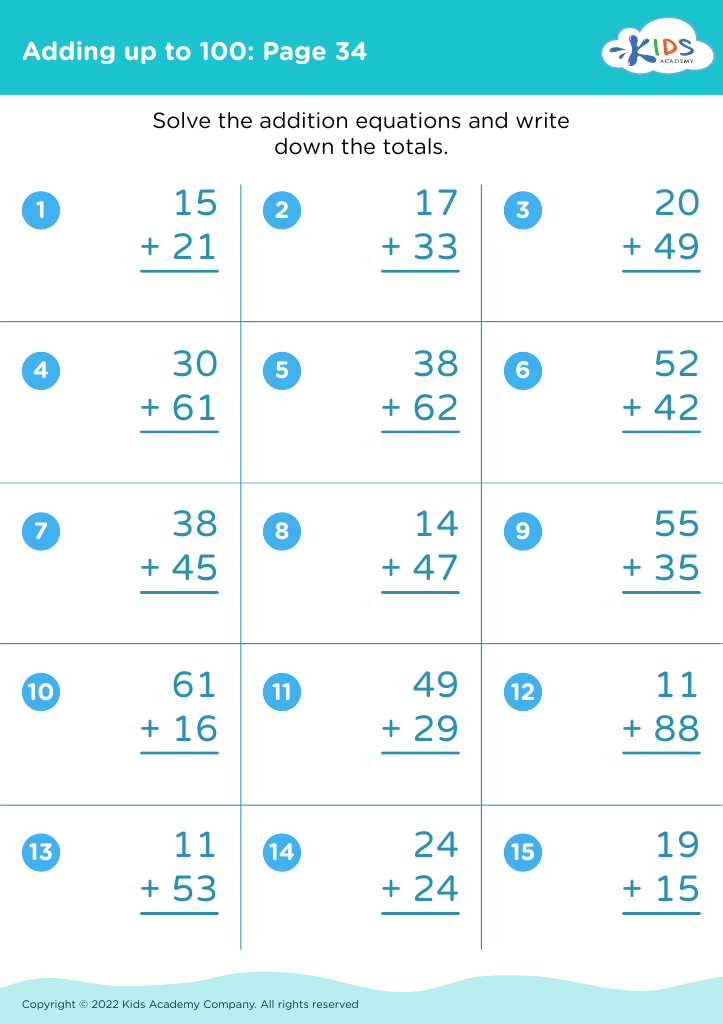
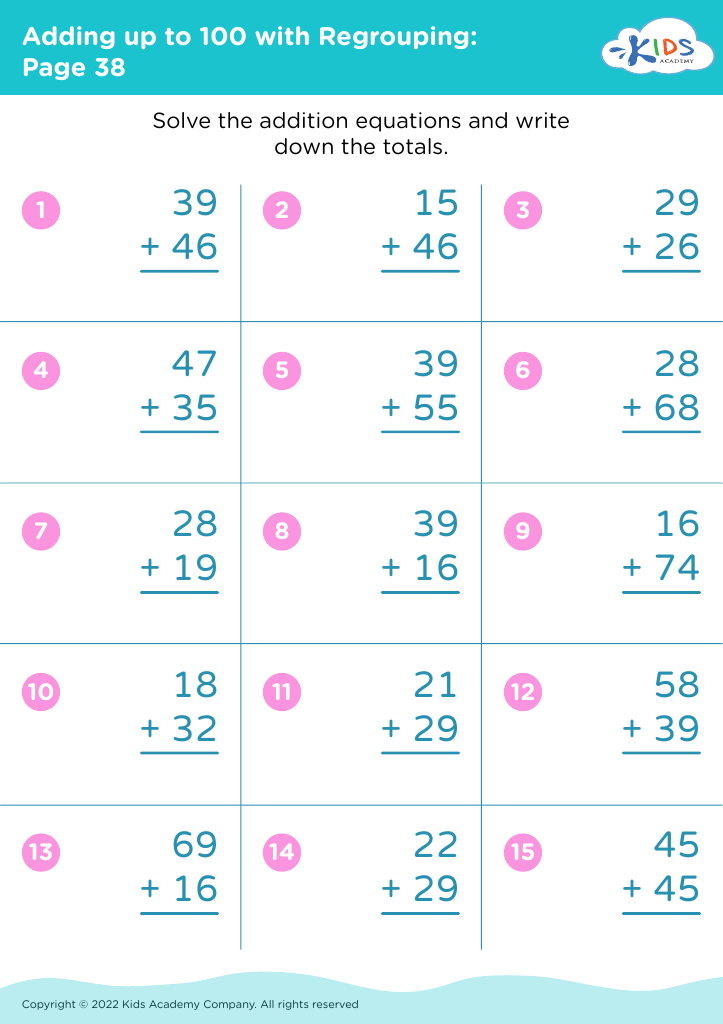
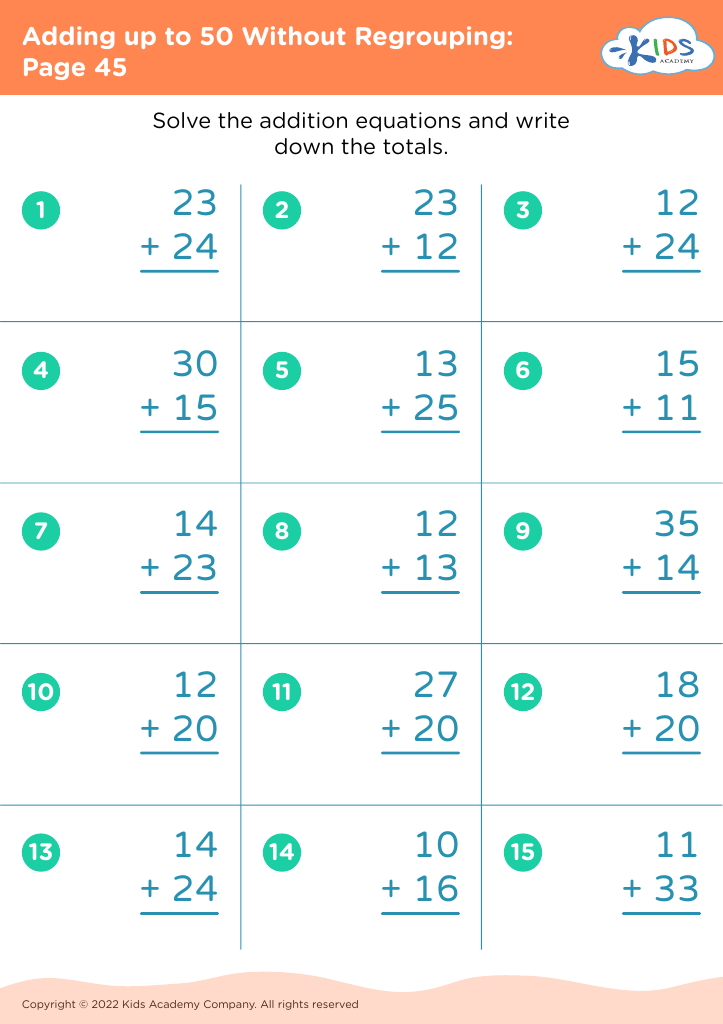
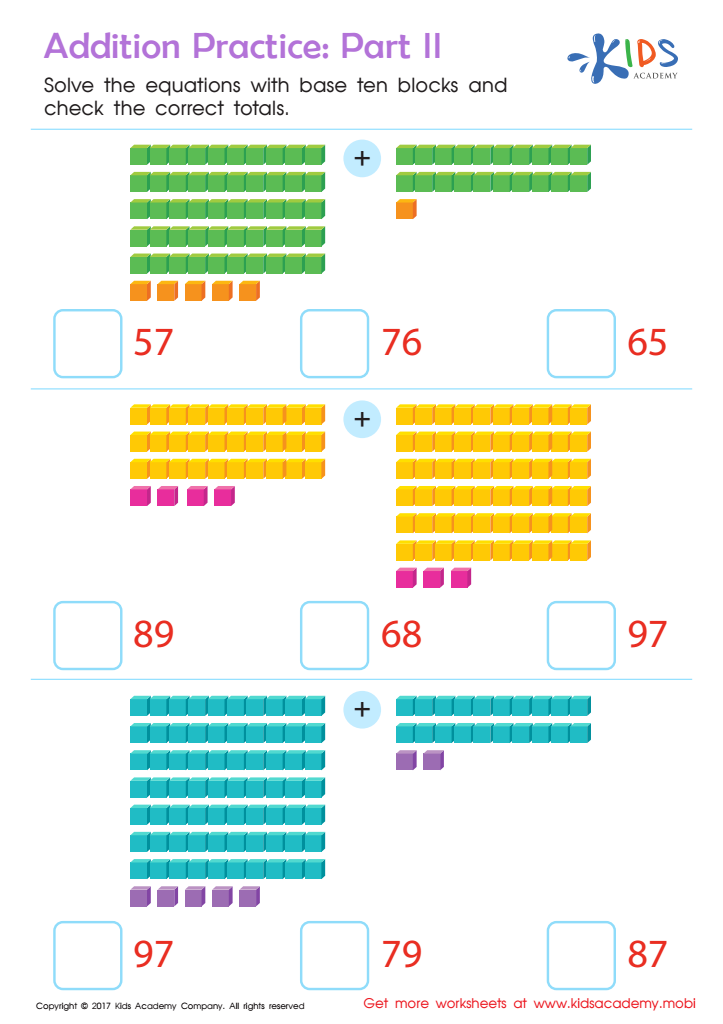
Addition Practice Sheet: Part 2
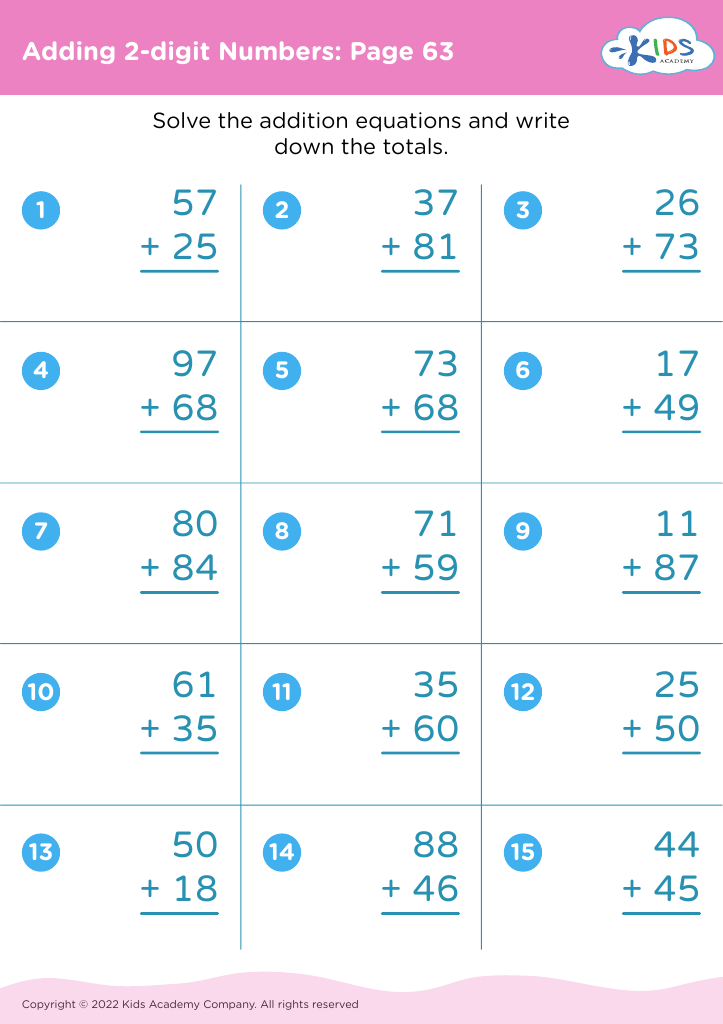
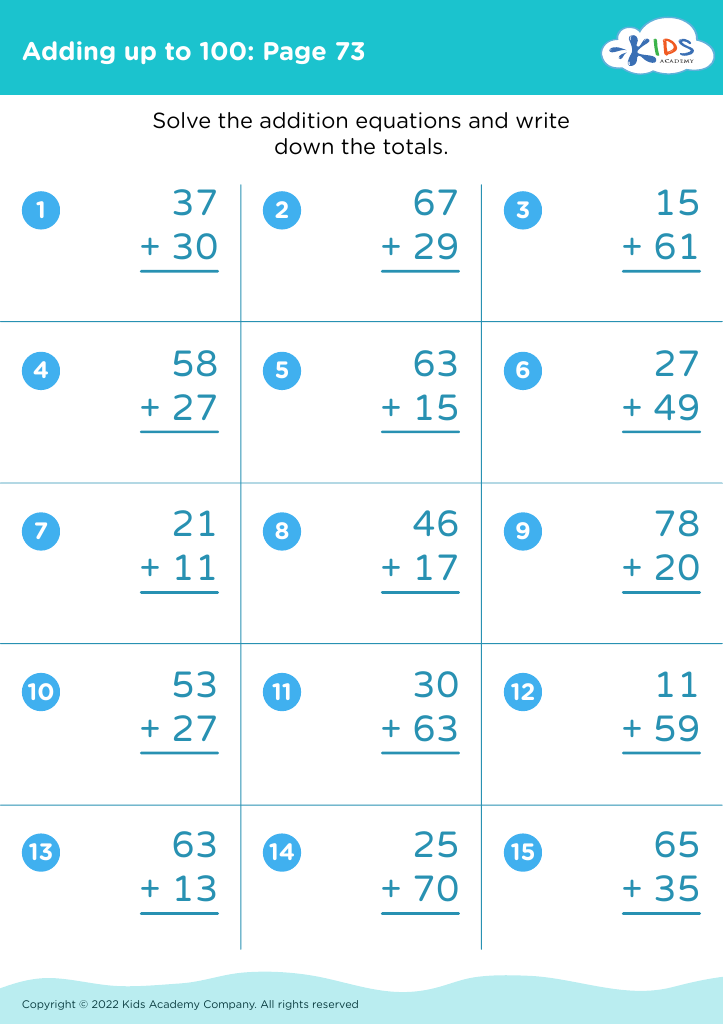
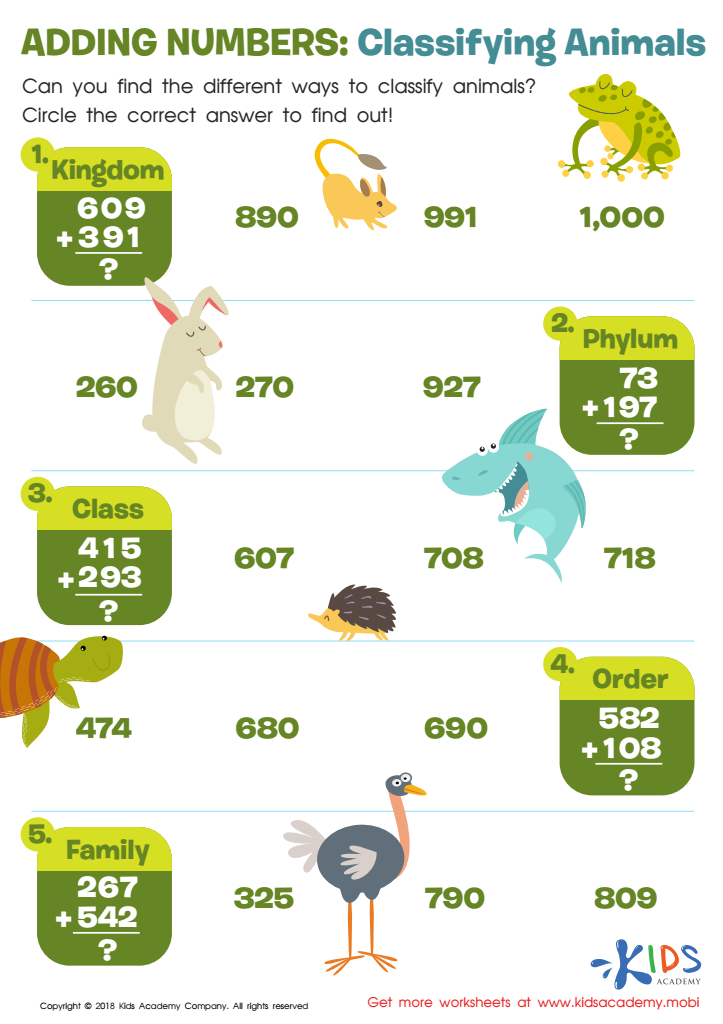
Adding Numbers: Classifying Animals Worksheet
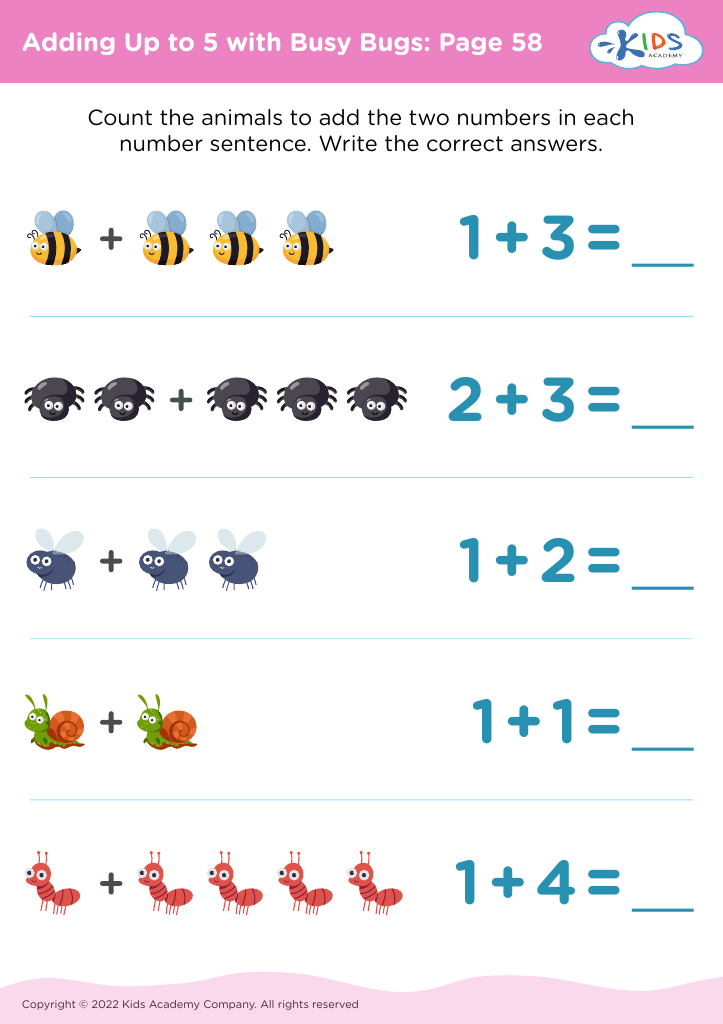
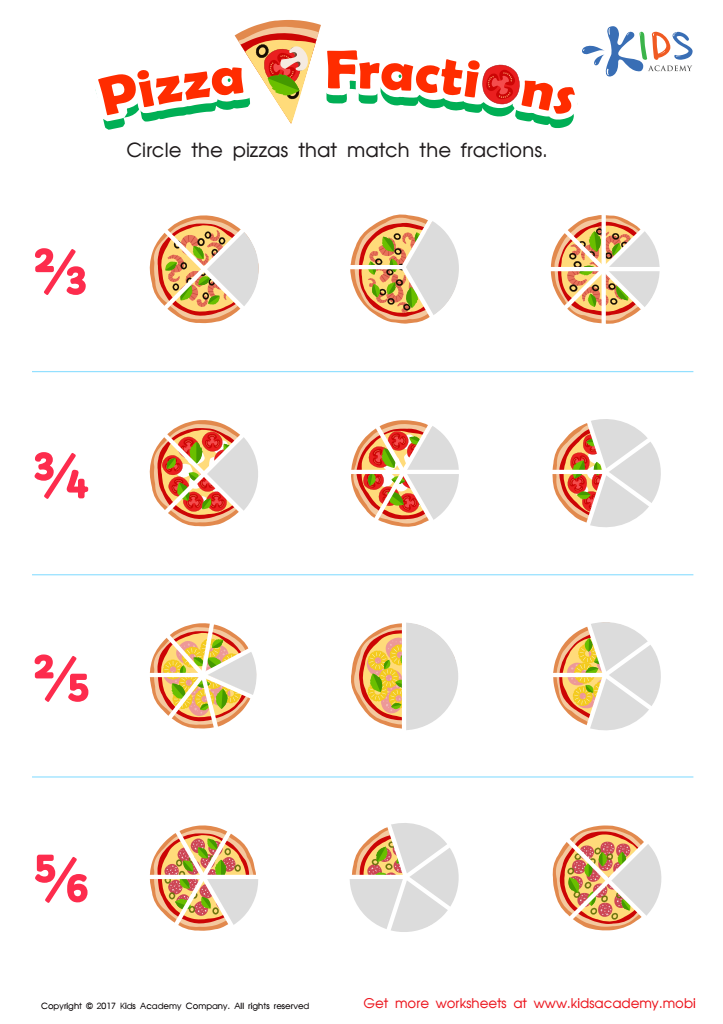
Fractions: Pizza Printable
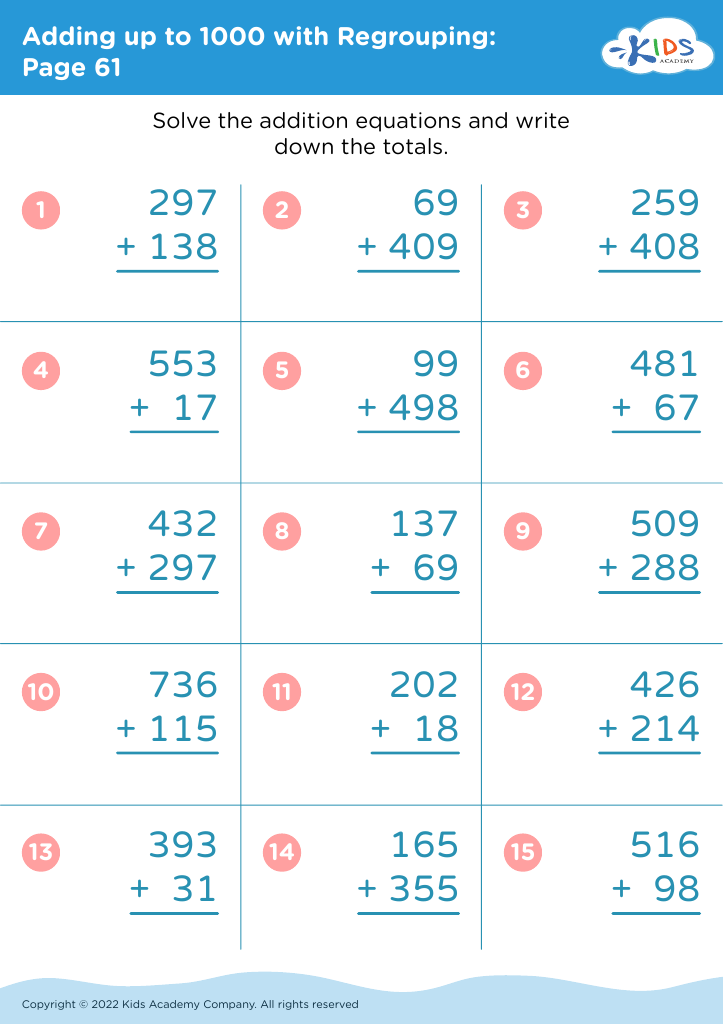
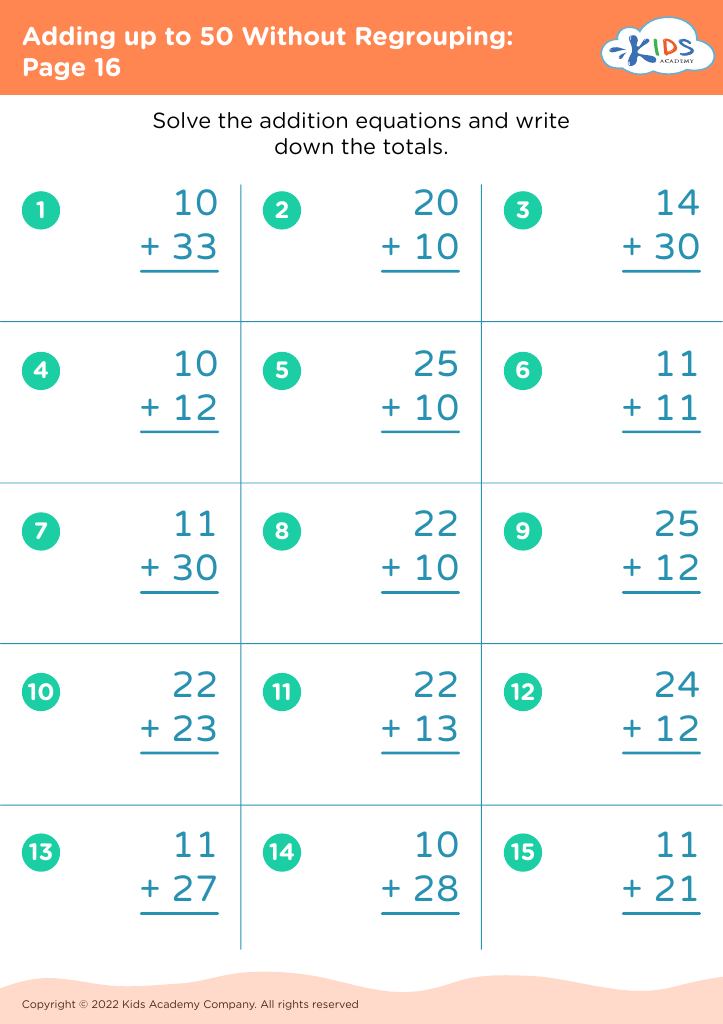








Fostering basic math skills in children aged 4-7 is crucial because it sets the foundation for their future learning and everyday problem-solving abilities. At this formative age, children are developing cognitive skills and are highly receptive to new information. Mastering addition and subtraction helps them understand more complex mathematical concepts later on, such as multiplication, division, and even algebra.
Early familiarity with these basic operations also equips children with critical thinking and logical reasoning skills. Engaging with numbers in practical, hands-on ways builds confidence and encourages a positive attitude towards math. Activities involving addition and subtraction can make math fun, instilling a love for learning while reducing math anxiety.
Moreover, math skills are essential for daily life activities, ranging from handling money to telling time to measuring and cooking. For young children, success in these small yet significant tasks can boost self-esteem and foster independence. When parents and teachers emphasize the importance of these skills and create supportive learning environments, children are more likely to perform better academically and carry those habits throughout their schooling.
In summary, caring about early math skills is pivotal for cognitive development, foundational learning, and everyday competence. Through regular practice and positive reinforcement, we can help children build a strong mathematics foundation that benefits them throughout their lives.








