Filters

305 filtered results

Clear all filters
Favorites
With answer key
Interactive

305 filtered results

Difficulty Level

Grade


Check out this FREE Trial Lesson on Addition & Subtraction for age 4-7!

A

Favorites
With answer key
Interactive
  • 4-7
  • Counting practice
  • Addition & Subtraction
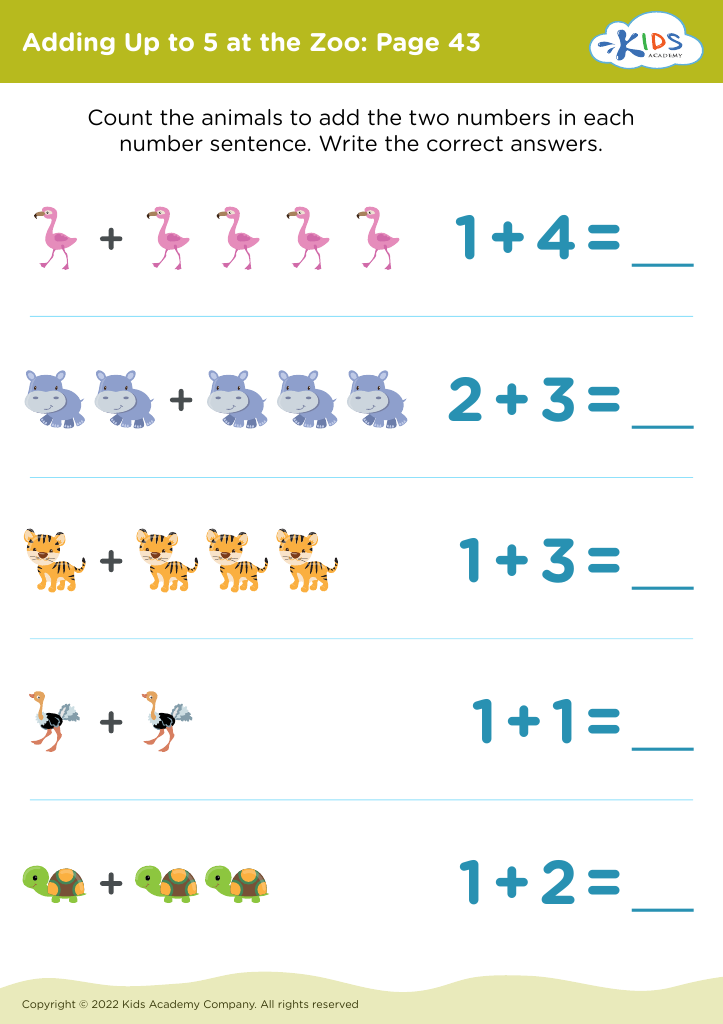
Adding Up to 5 at the Zoo: Page 43
Worksheet
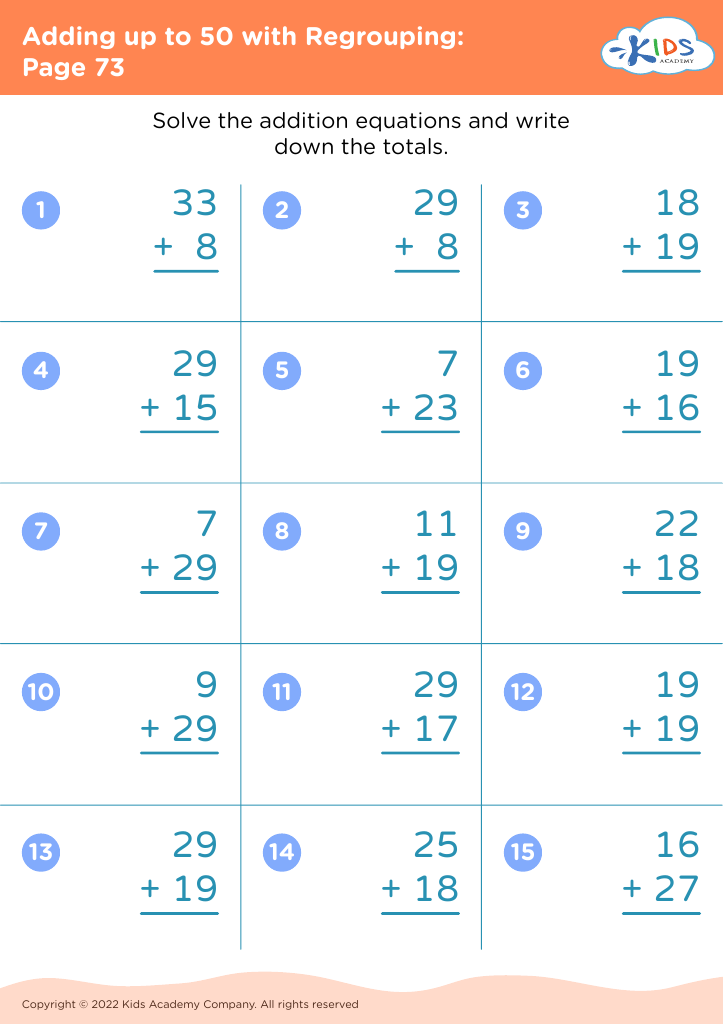
Adding up to 50 with Regrouping: Page 73
Worksheet
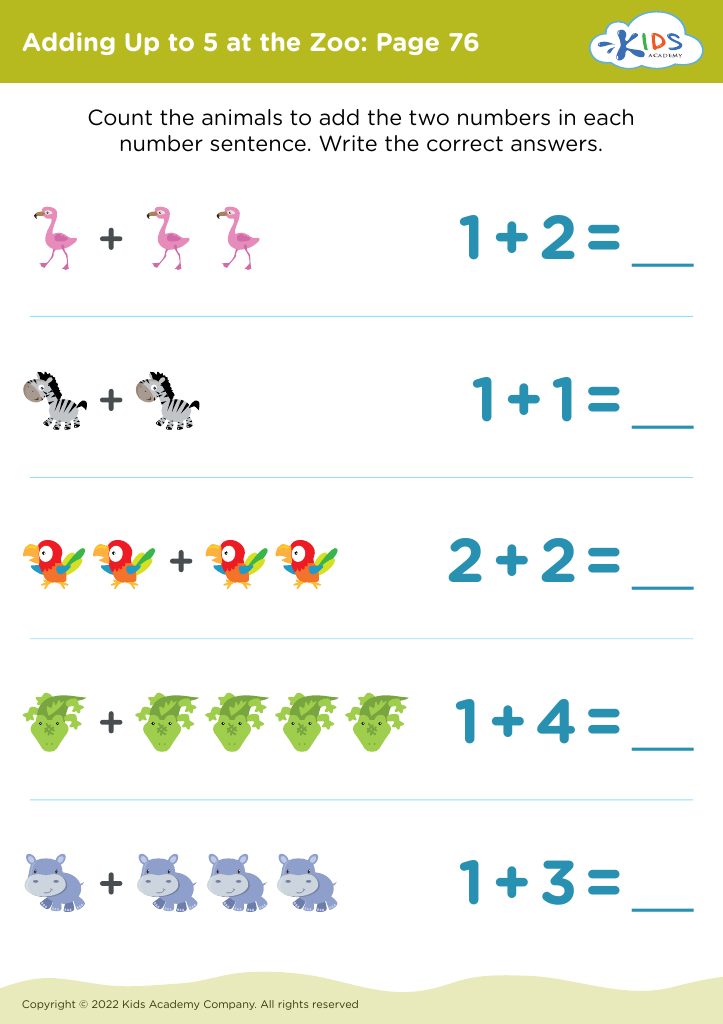
Adding Up to 5 at the Zoo: Page 76
Worksheet
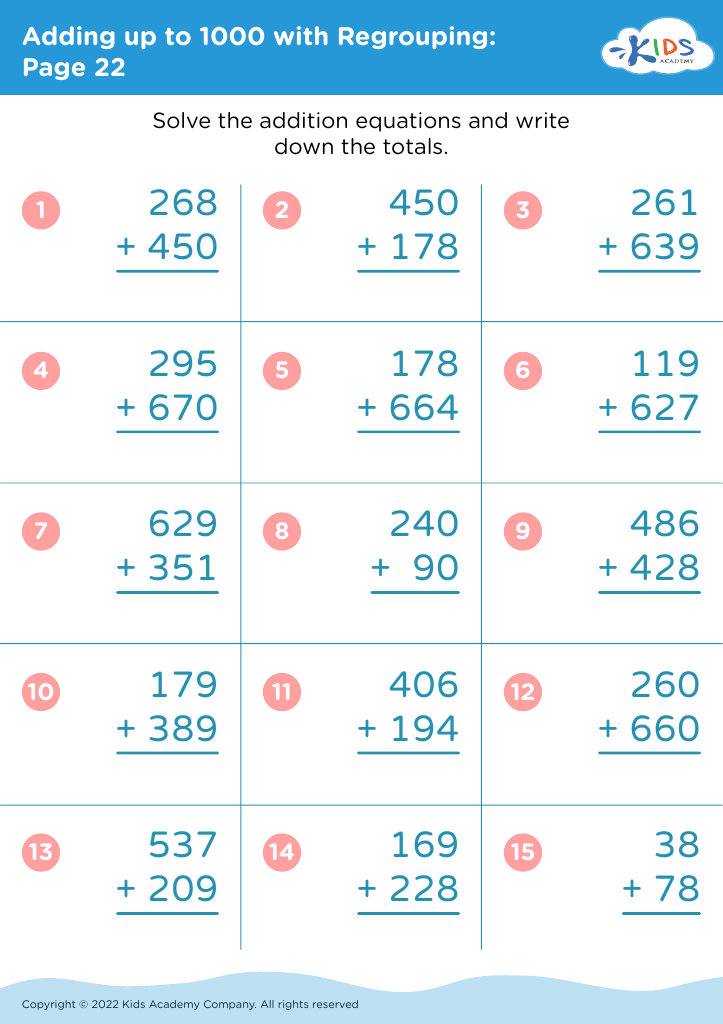
Adding up to 1000 with Regrouping: Page 22
Worksheet
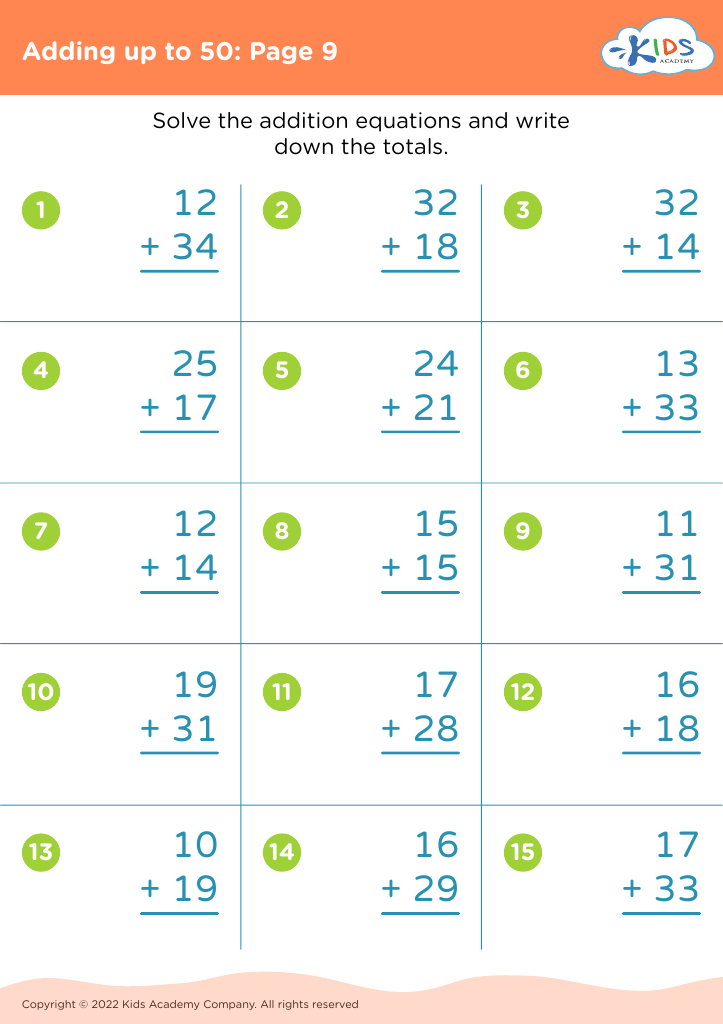
Adding up to 50: Page 9

Adding up to 50: Page 9

Adding up to 50: Page 9
Worksheet
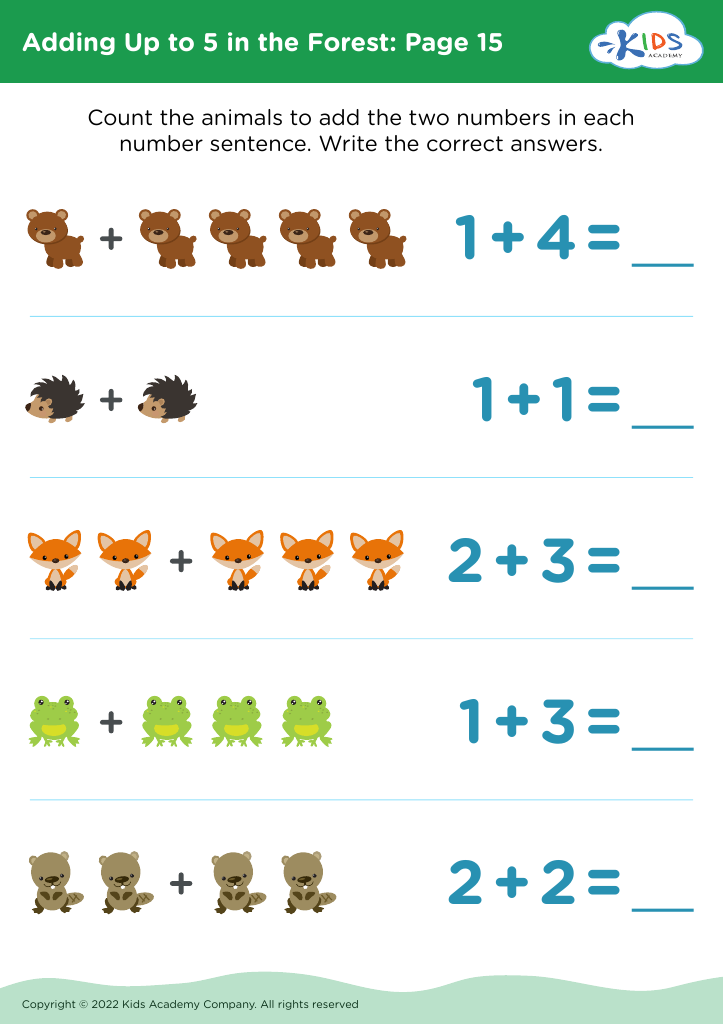
Adding Up to 5 in the Forest: Page 15
Worksheet
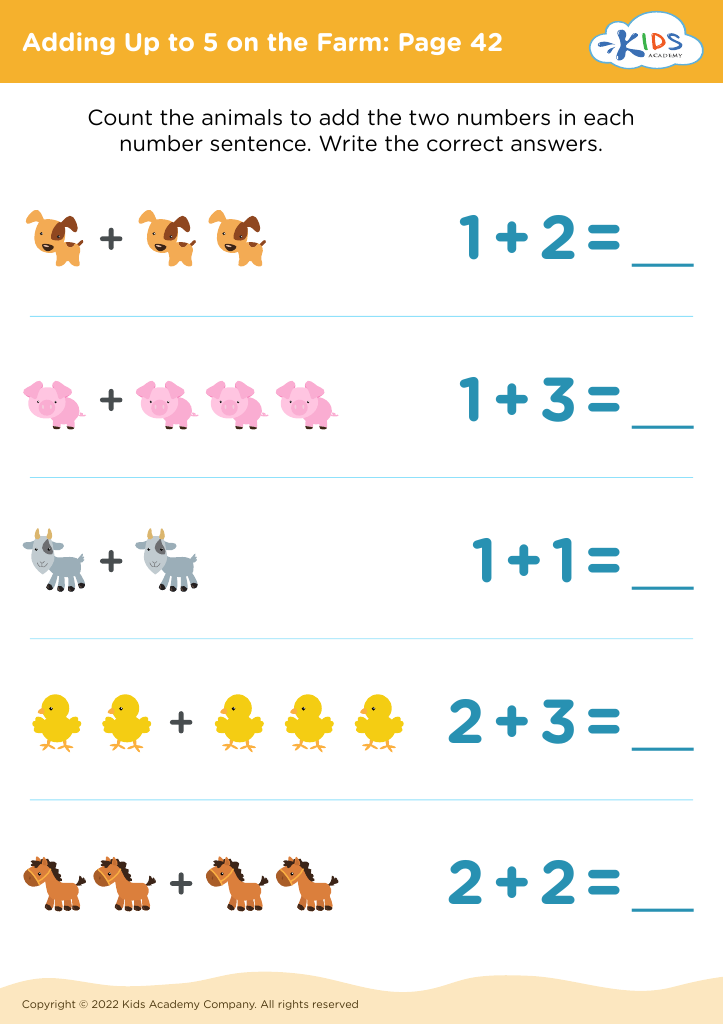
Adding Up to 5 on the Farm: Page 42
Worksheet
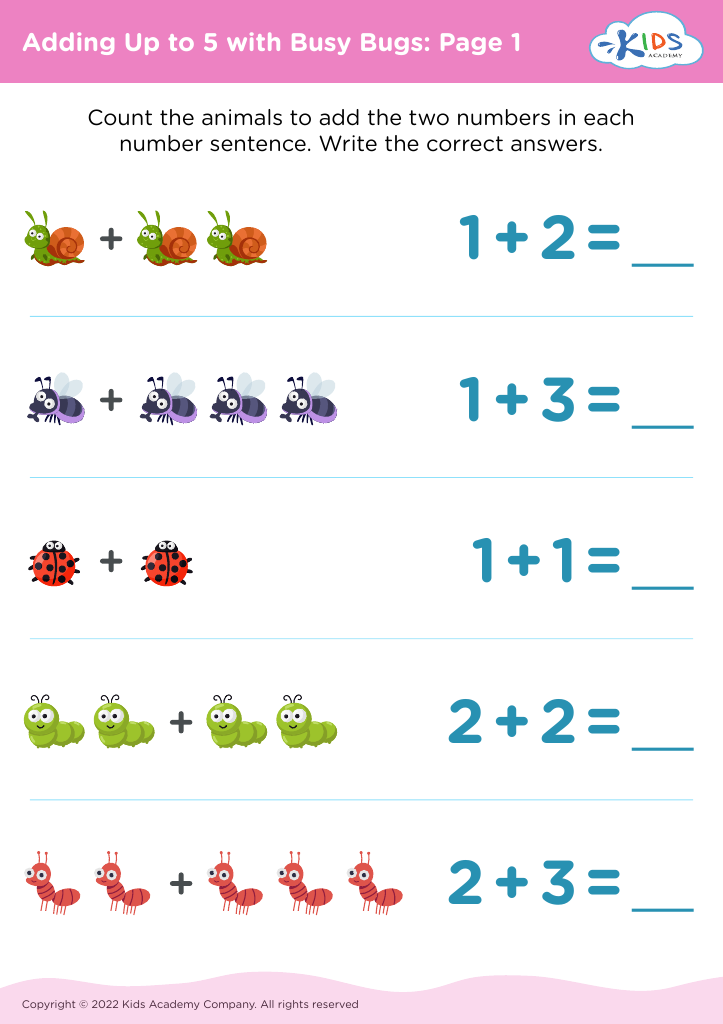
Adding Up to 5 with Busy Bugs: Page 1
Worksheet
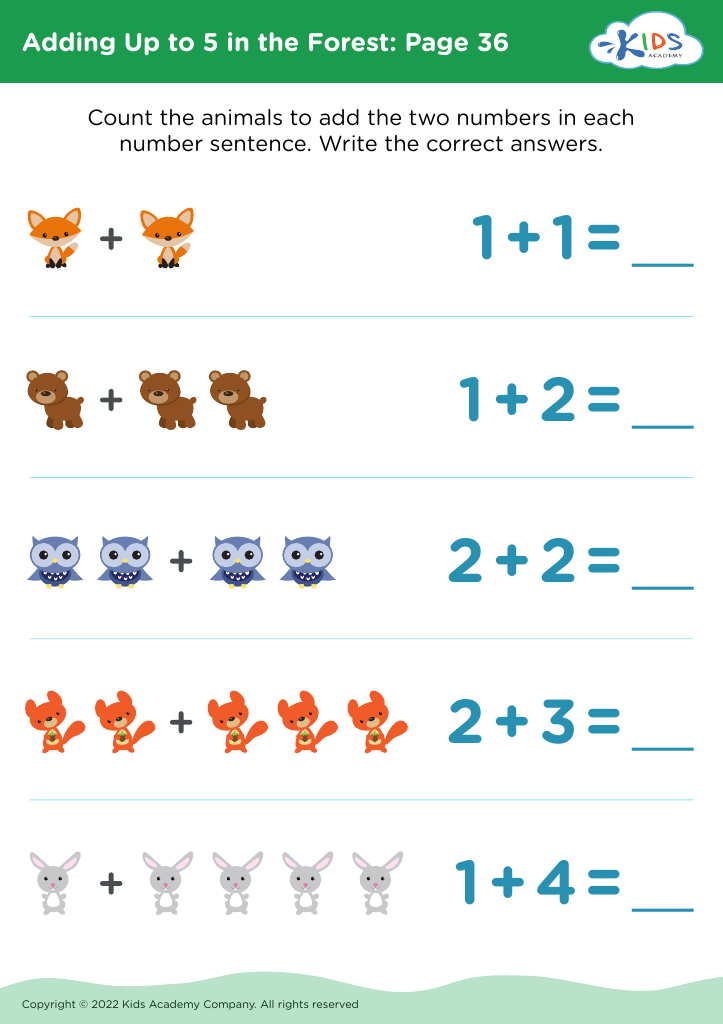
Adding Up to 5 in the Forest: Page 36
Worksheet
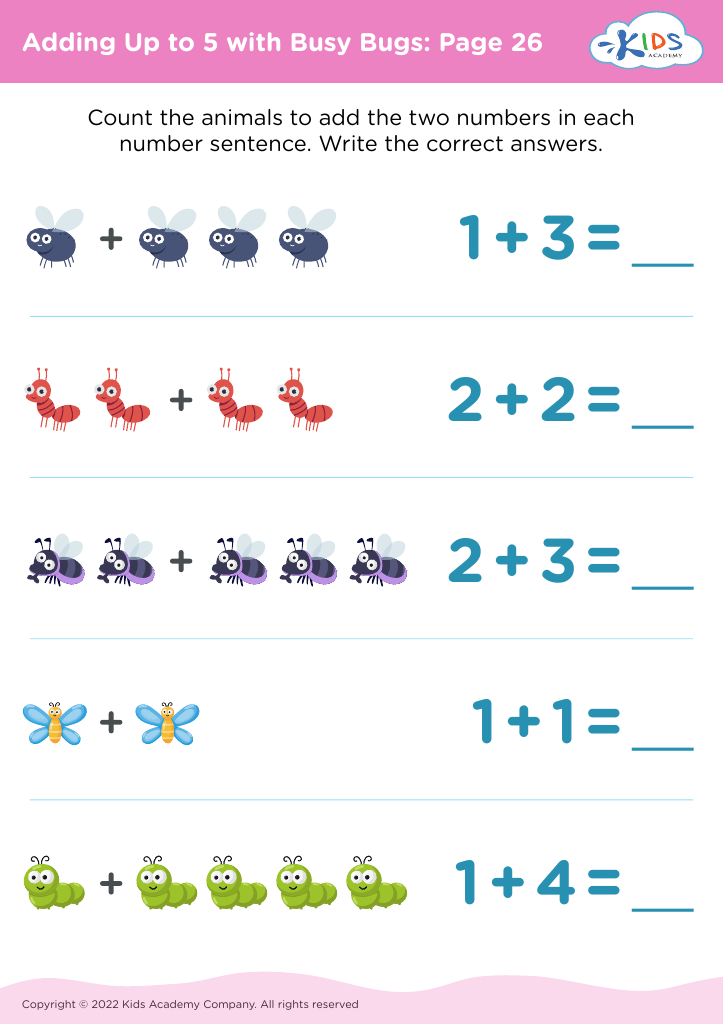
Adding Up to 5 with Busy Bugs: Page 26
Worksheet
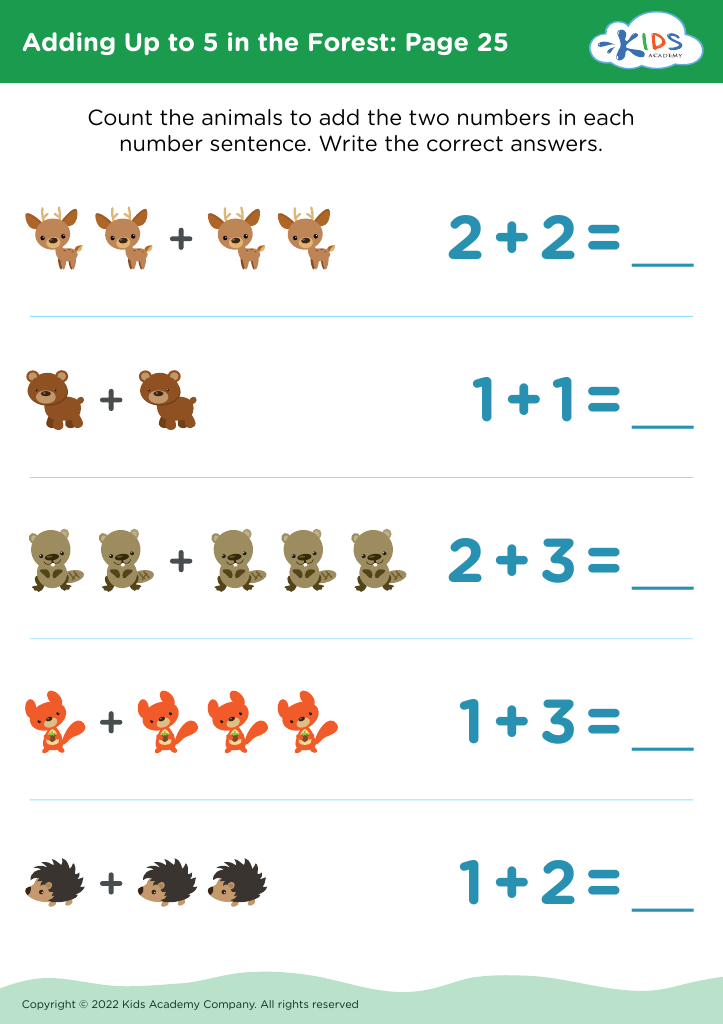
Adding Up to 5 in the Forest: Page 25
Worksheet
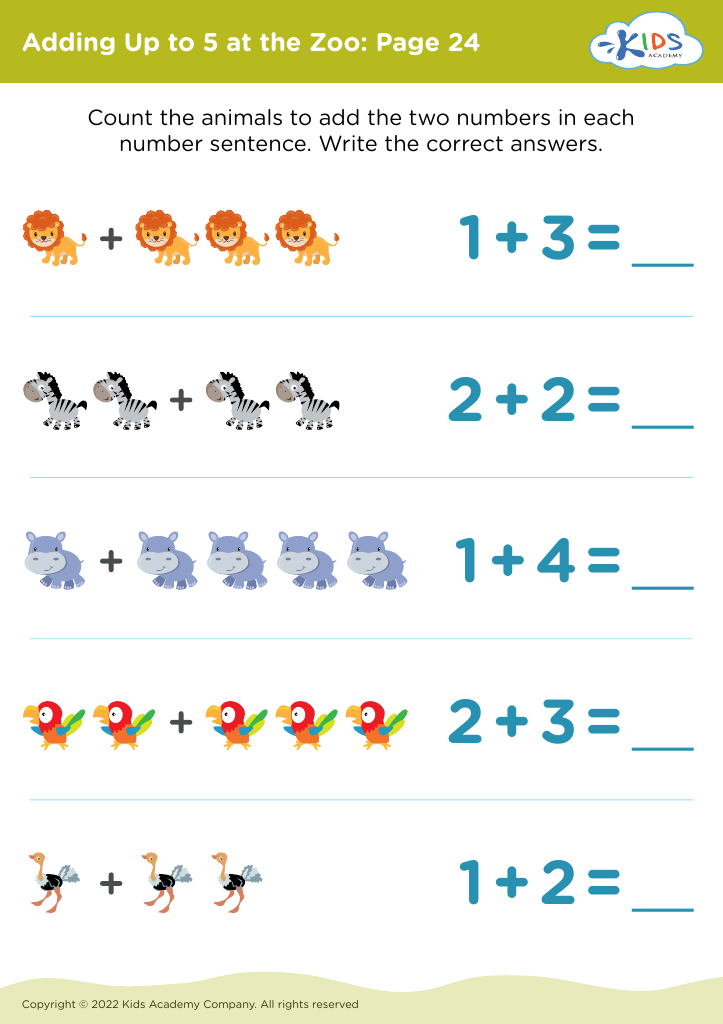
Adding Up to 5 at the Zoo: Page 24
Worksheet
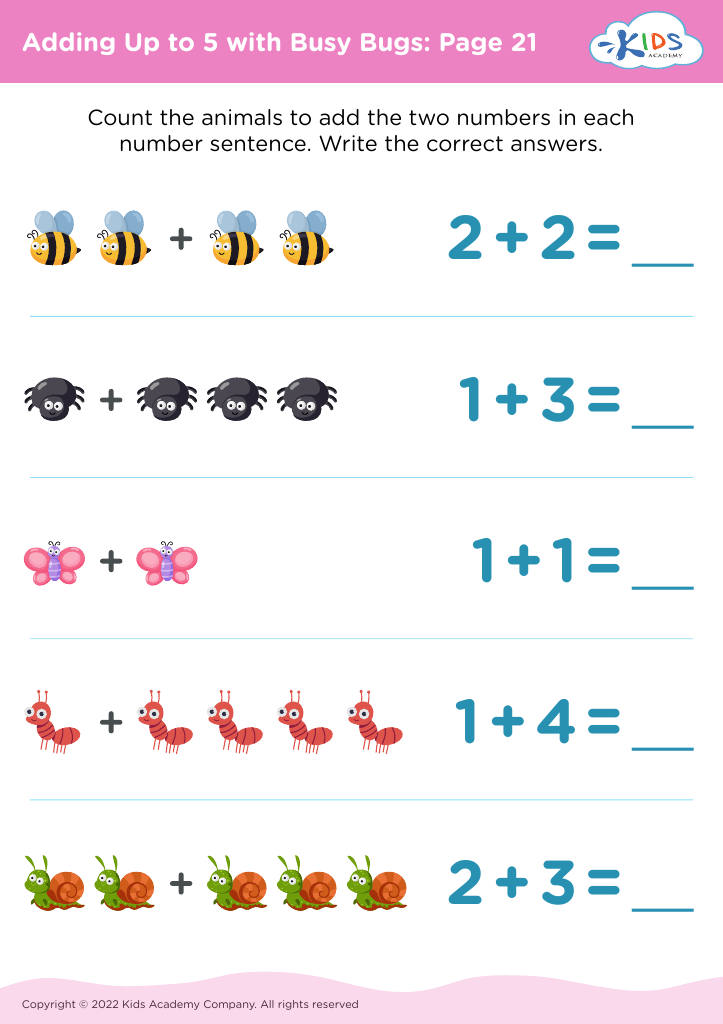
Adding Up to 5 with Busy Bugs: Page 21
Worksheet
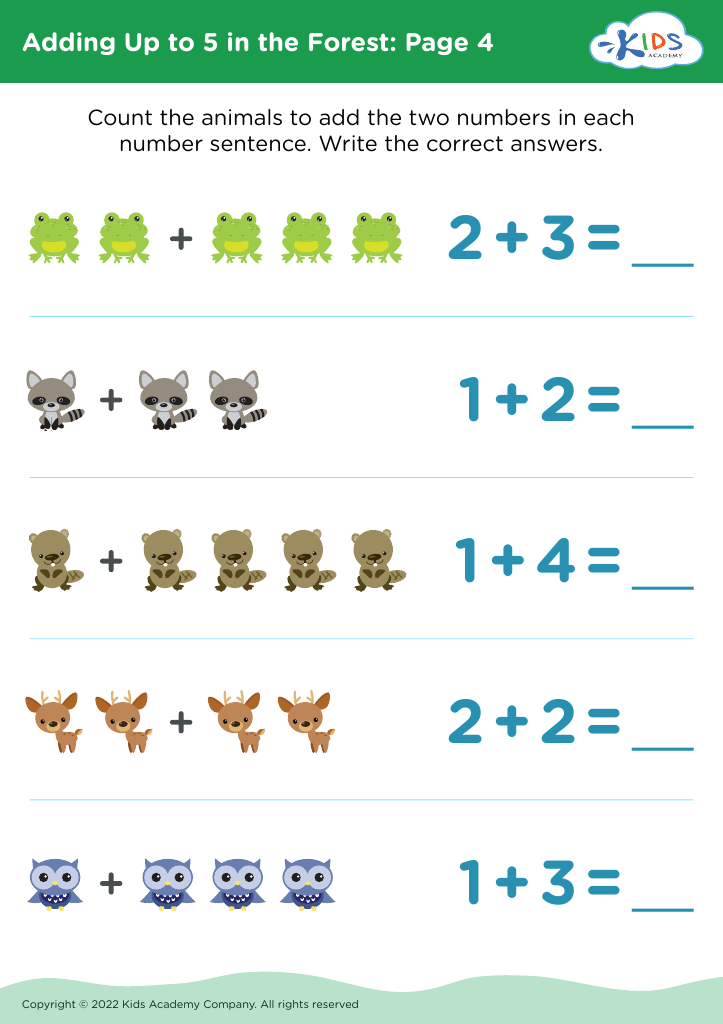
Adding Up to 5 in the Forest: Page 4
Worksheet
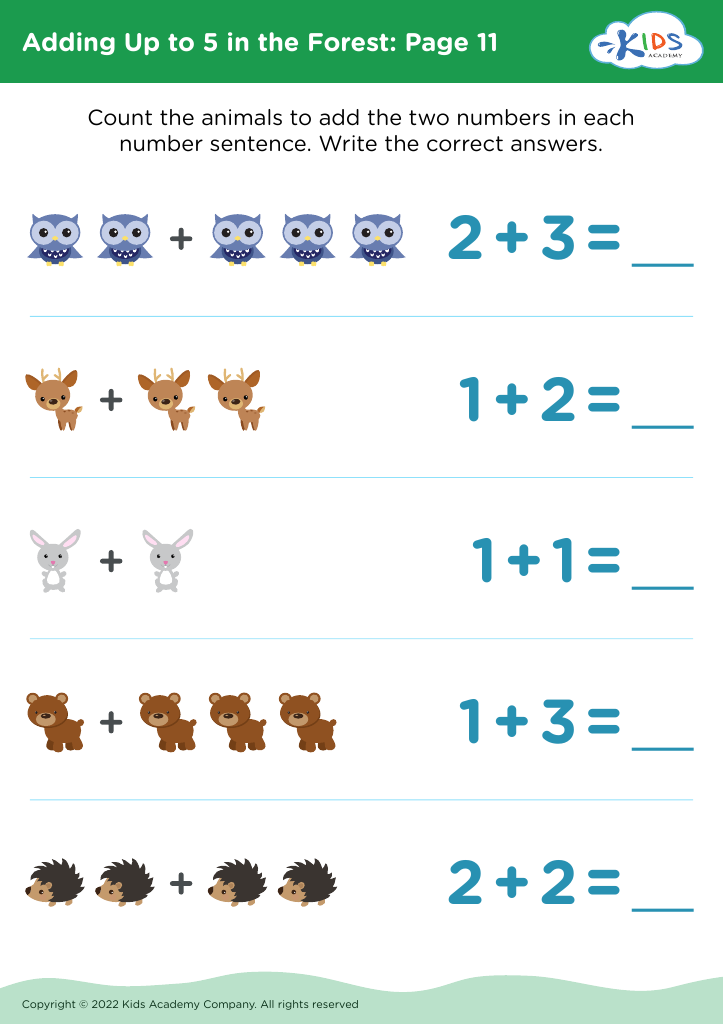
Adding Up to 5 in the Forest: Page 11
Worksheet
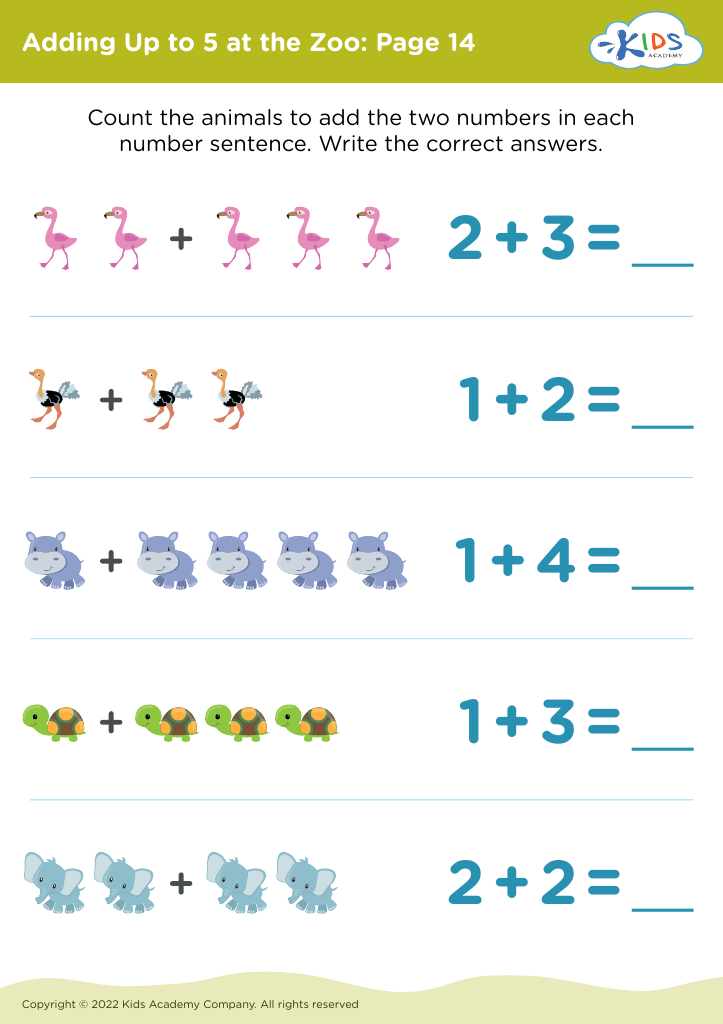
Adding Up to 5 at the Zoo: Page 14
Worksheet
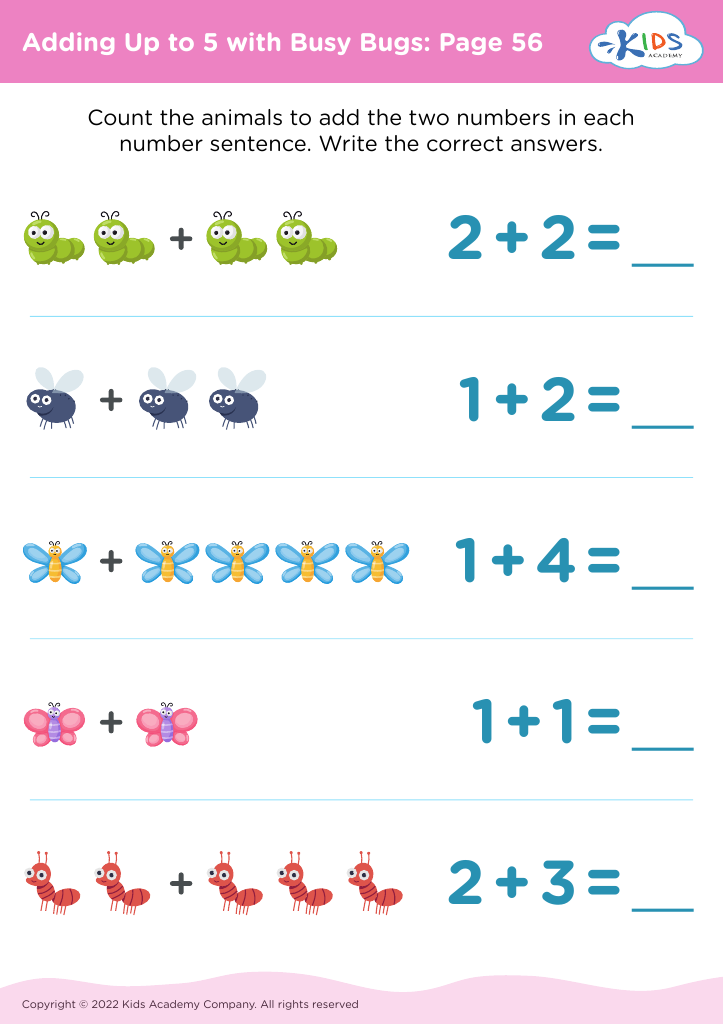
Adding Up to 5 with Busy Bugs: Page 56
Worksheet
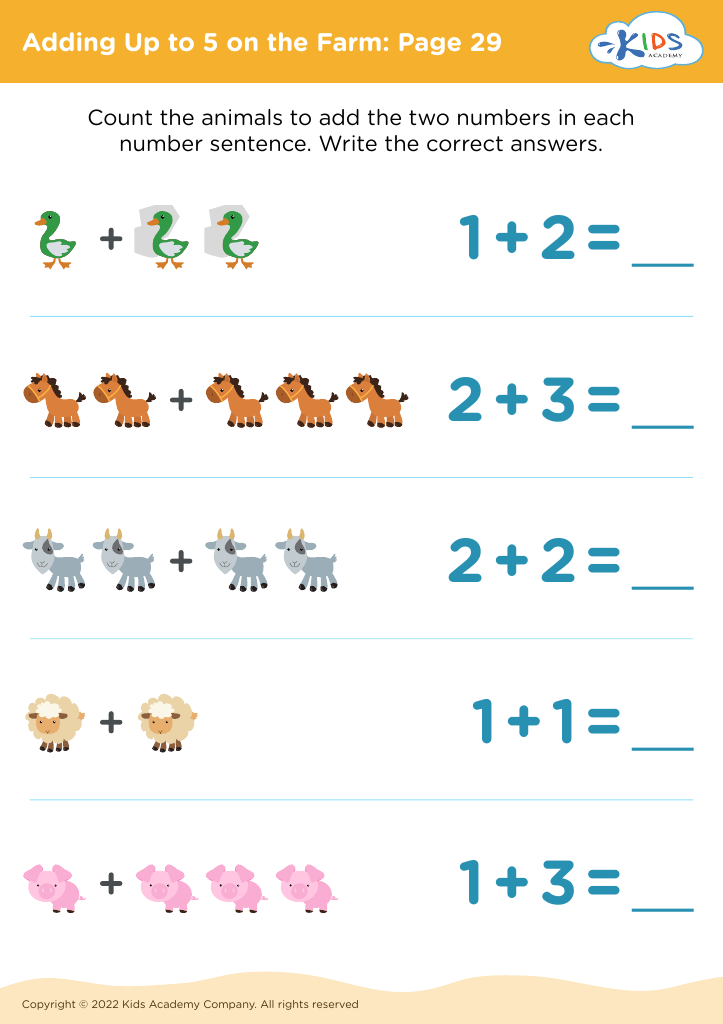
Adding Up to 5 on the Farm: Page 29
Worksheet
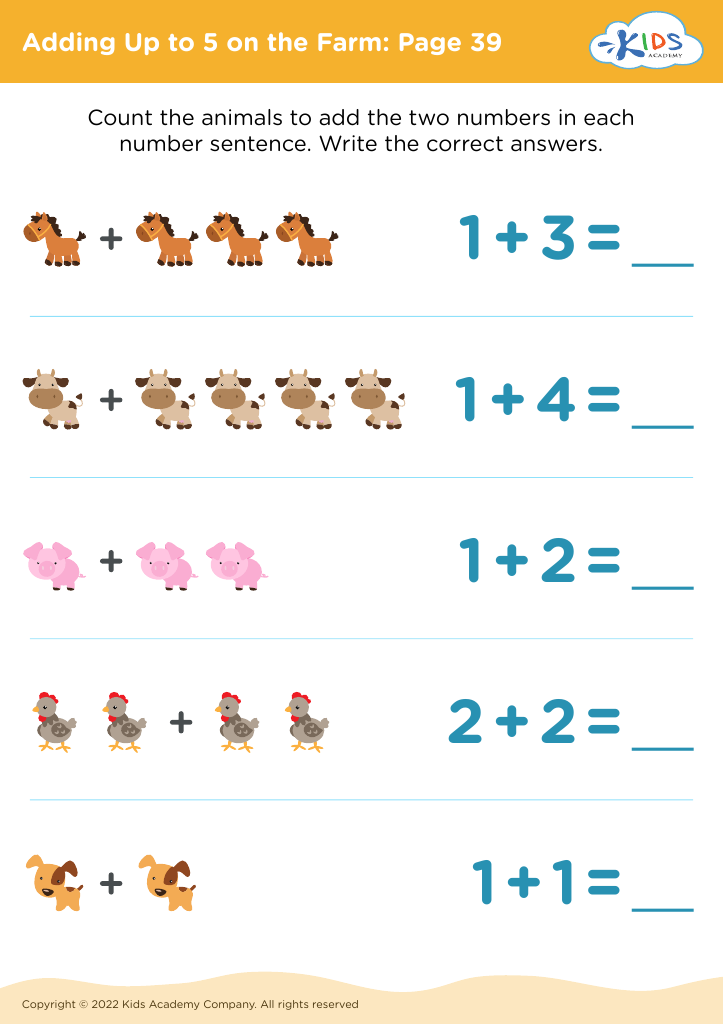
Adding Up to 5 on the Farm: Page 39
Worksheet
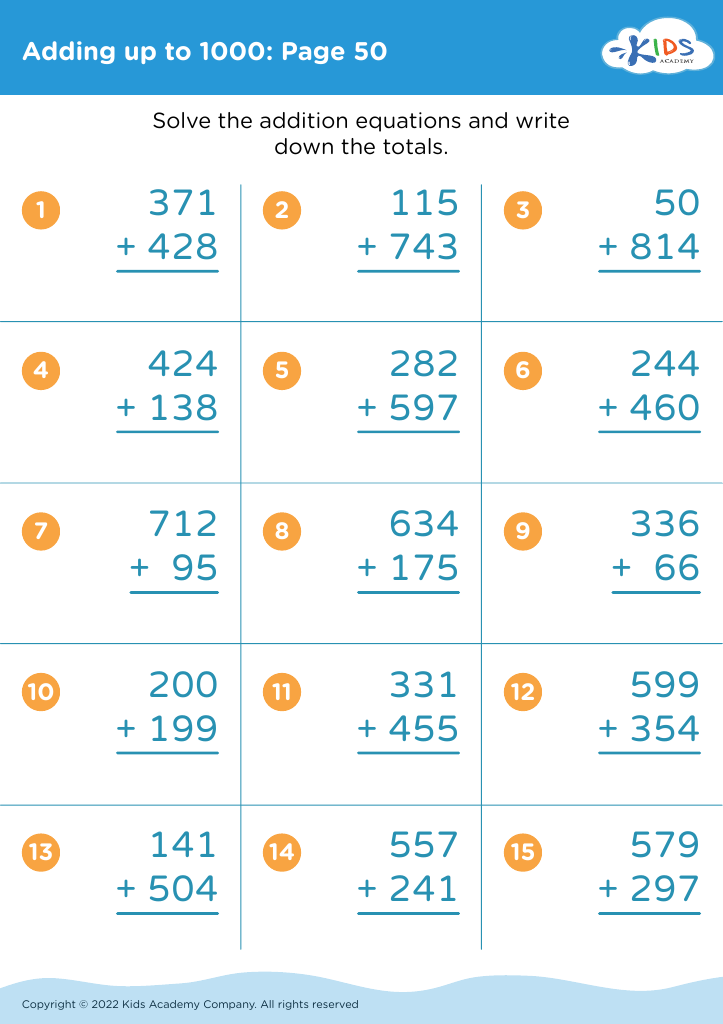
Adding up to 1000: Page 50

Adding up to 1000: Page 50

Adding up to 1000: Page 50
Worksheet
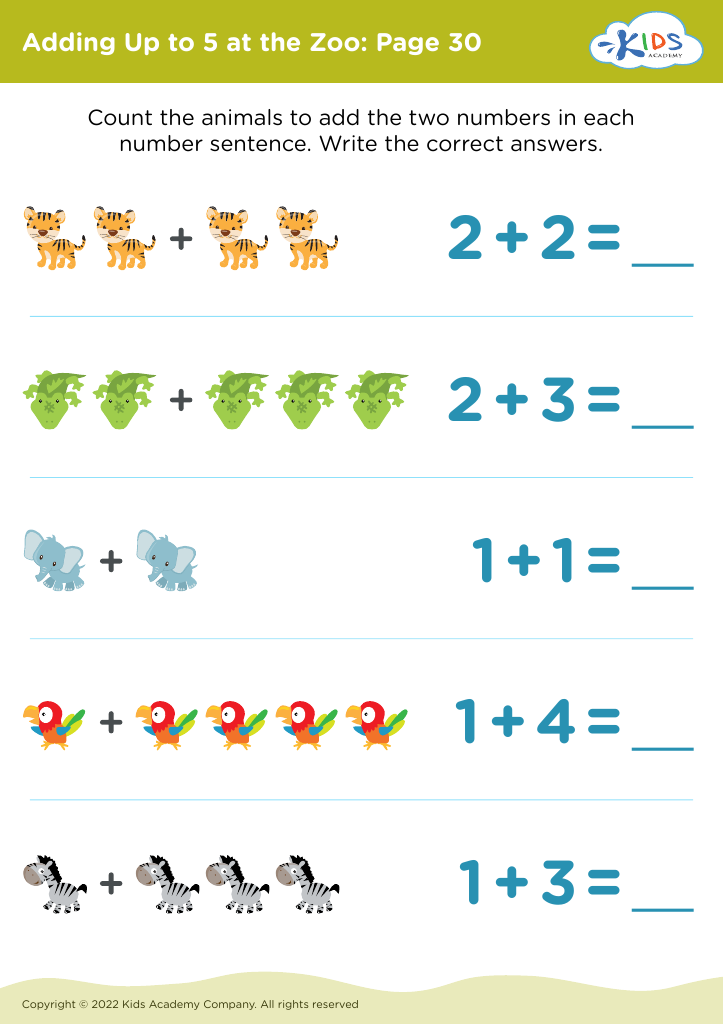
Adding Up to 5 at the Zoo: Page 30
Worksheet
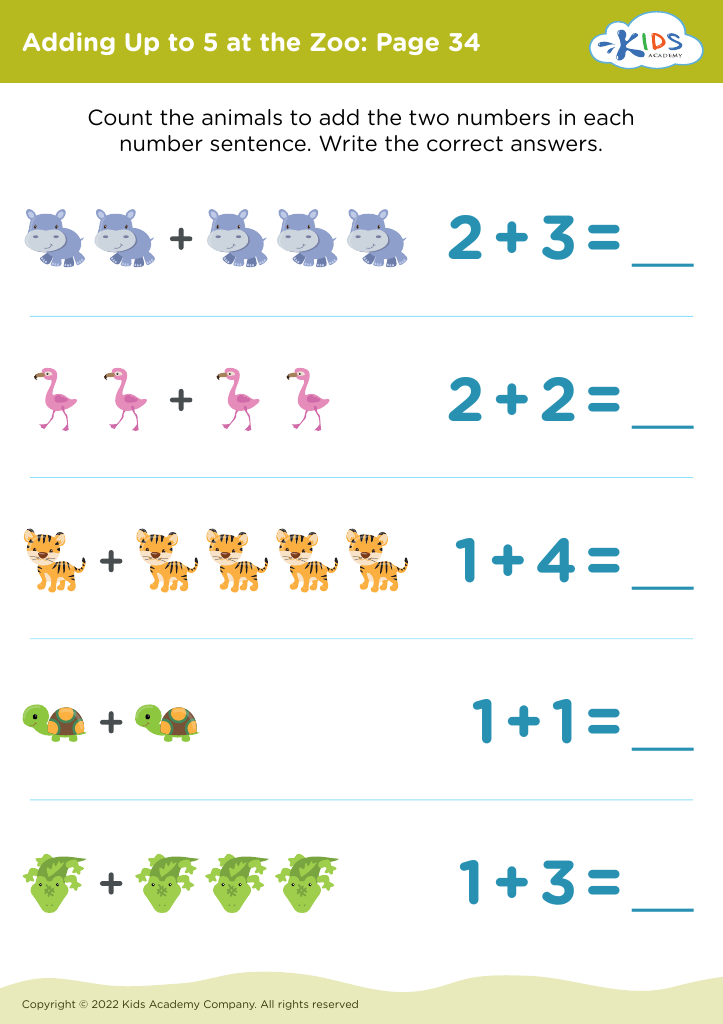
Adding Up to 5 at the Zoo: Page 34
Worksheet
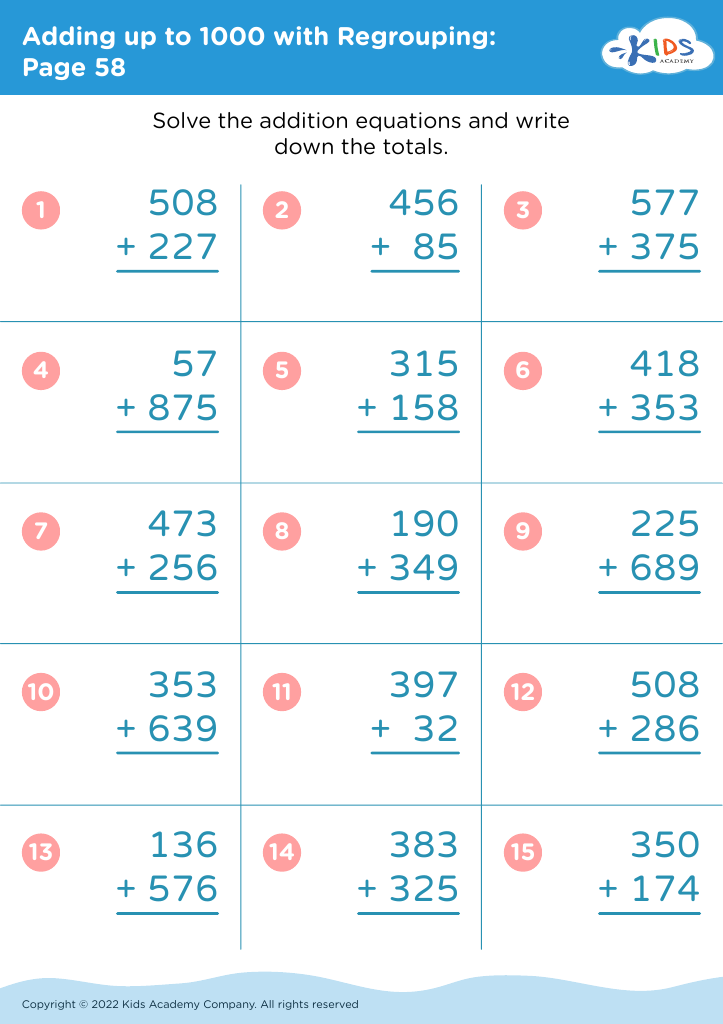
Adding up to 1000 with Regrouping: Page 58
Worksheet
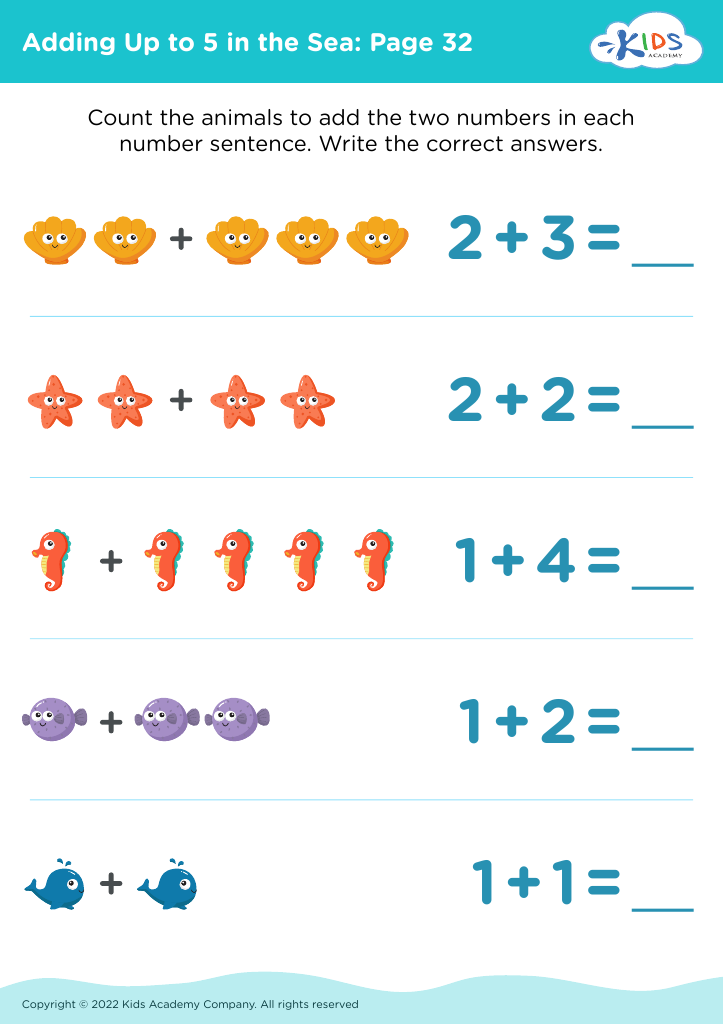
Adding Up to 5 in the Sea: Page 32
Worksheet


Counting practice in addition and subtraction for children aged 4-7 lays a crucial foundation for their mathematical understanding and overall cognitive development. At this age, children are naturally curious and eager to learn, making it the ideal time to introduce these fundamental concepts. Engaging young learners in counting practice helps them develop number sense, an essential skill that aids in recognizing patterns, comparing quantities, and understanding relationships between numbers.

Moreover, mastering basic addition and subtraction cultivates problem-solving skills and boosts confidence in young learners. When children grasp these concepts early, they are more likely to succeed in future math studies. Counting practice also enhances fine motor skills, especially when activities involve physical counting objects like blocks or beads.

Parents and teachers play pivotal roles in creating supportive learning environments. By encouraging counting practice through games, songs, or hands-on activities, they make learning enjoyable while fostering an early love for math. Understanding and engaging with these skills will not only improve children’s academic performance but also equip them with essential life skills, such as budgeting or cooking. Consequently, prioritizing addition and subtraction practices is vital for lifelong learning and development.