Unlock your child’s potential with our engaging "Fraction Comparison Addition & Subtraction Worksheets" designed for ages 4-7. These worksheets provide a fun and interactive way for young learners to grasp essential math concepts. Children will learn to understand and compare fractions through dynamic exercises that incorporate both addition and subtraction. Perfect for early grades, these activities help in developing critical thinking and problem-solving skills. Ideal for both classroom use and at-home learning, our worksheets ensure that your child builds a strong mathematical foundation while enjoying the learning process. Boost their confidence in math today!
Check out this FREE Trial Lesson on Addition & Subtraction for age 4-7!

Sorting Objects into 3 Categories

Favorites
With answer key
Interactive
  • 4-7
  • Fraction comparison
  • Addition & Subtraction
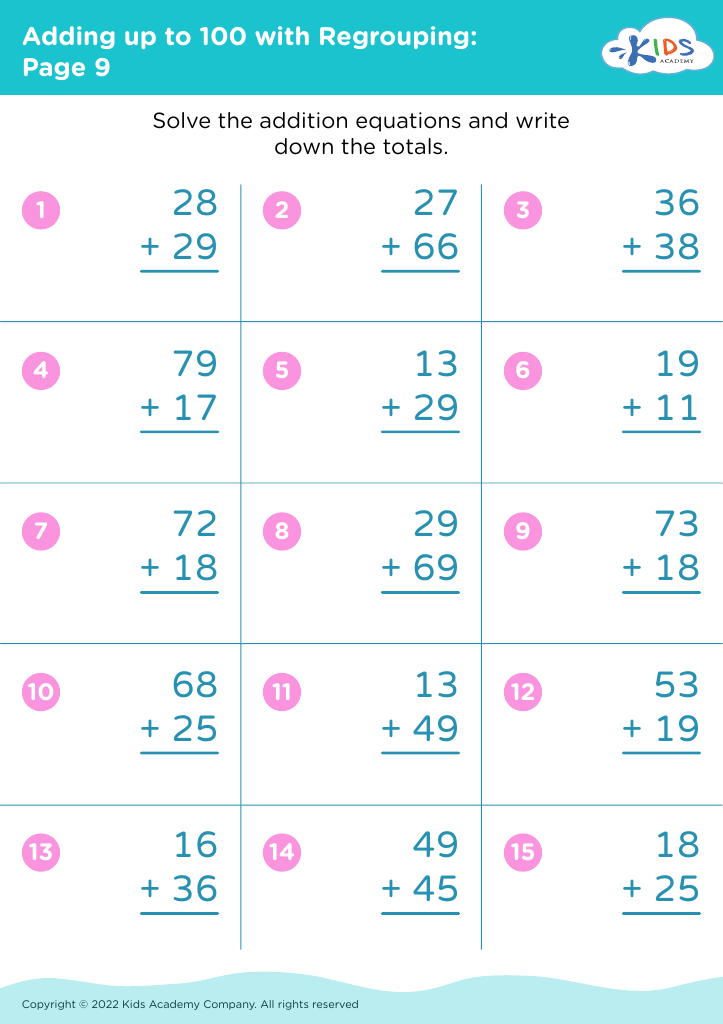
Adding up to 100 with Regrouping: Page 9
Worksheet
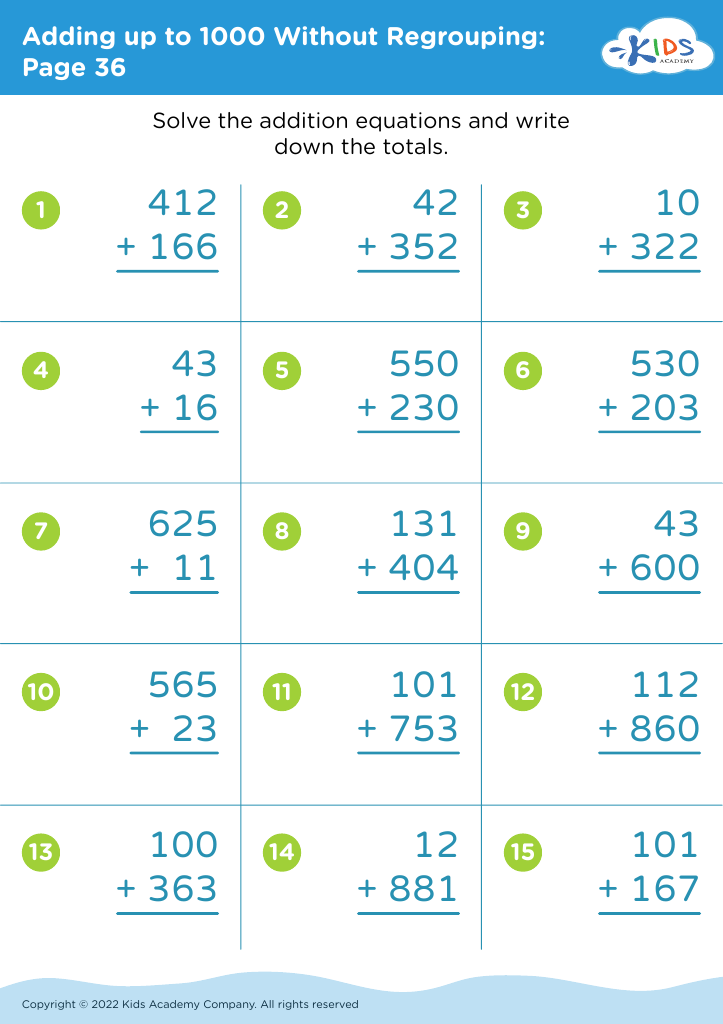
Adding up to 1000 Without Regrouping: Page 36
Worksheet
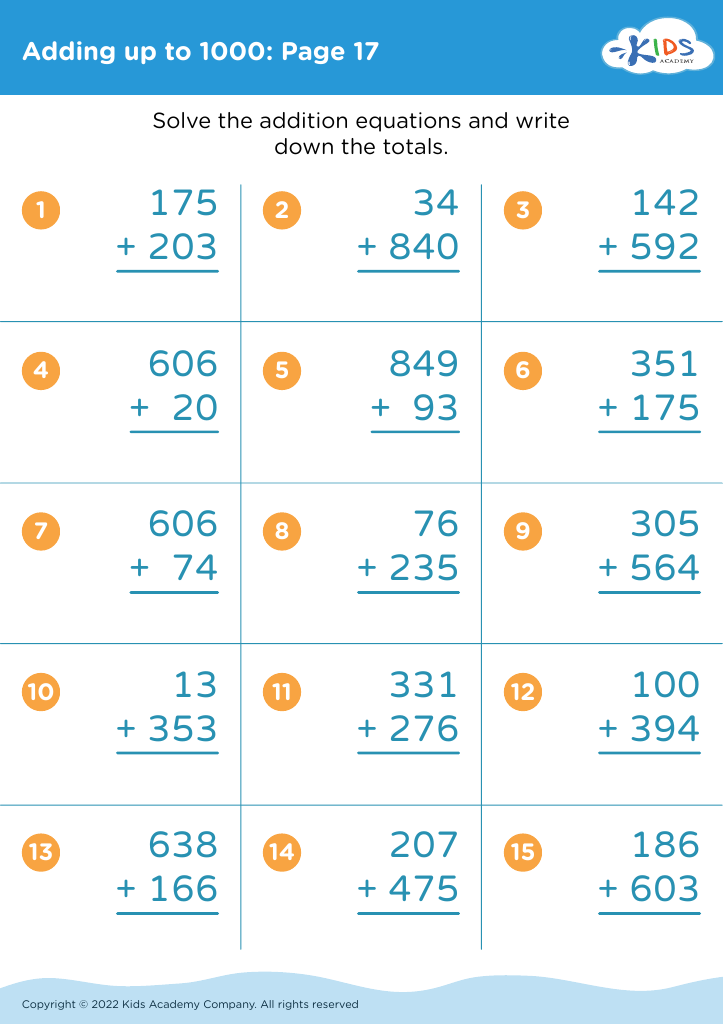
Adding up to 1000: Page 17

Adding up to 1000: Page 17

Adding up to 1000: Page 17
Worksheet
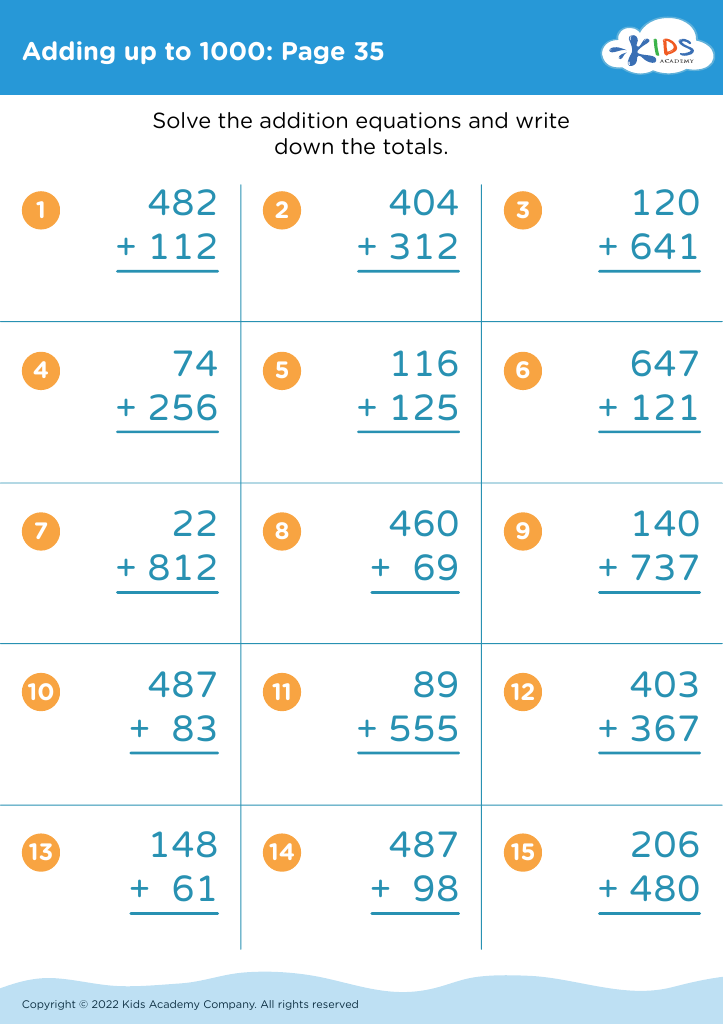
Adding up to 1000: Page 35

Adding up to 1000: Page 35

Adding up to 1000: Page 35
Worksheet
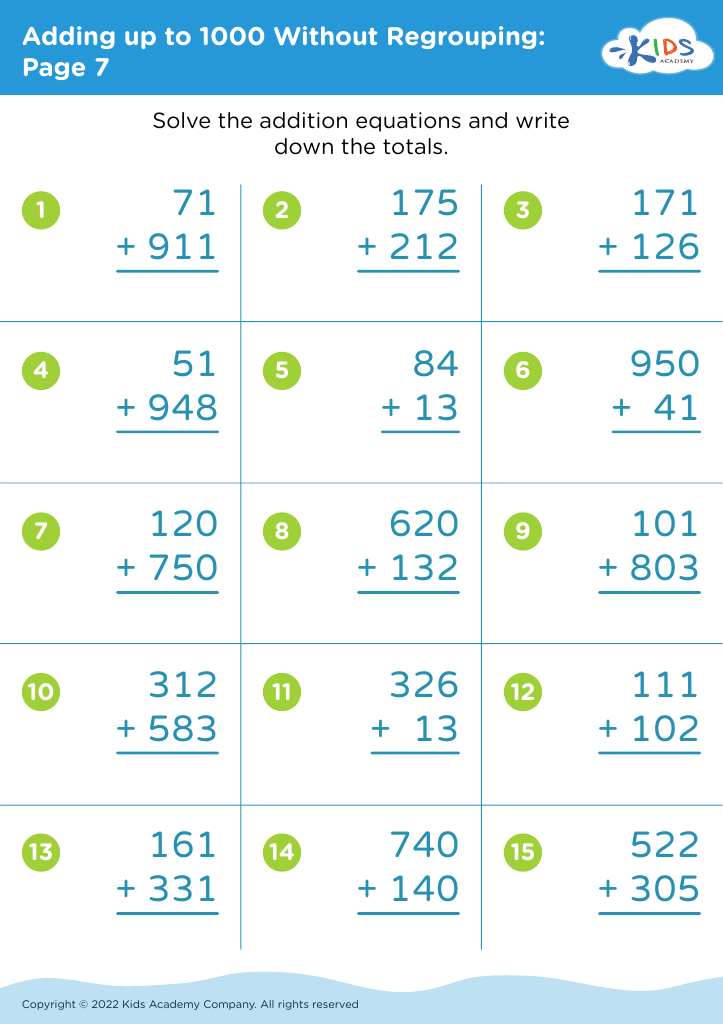
Adding up to 1000 Without Regrouping: Page 7
Worksheet
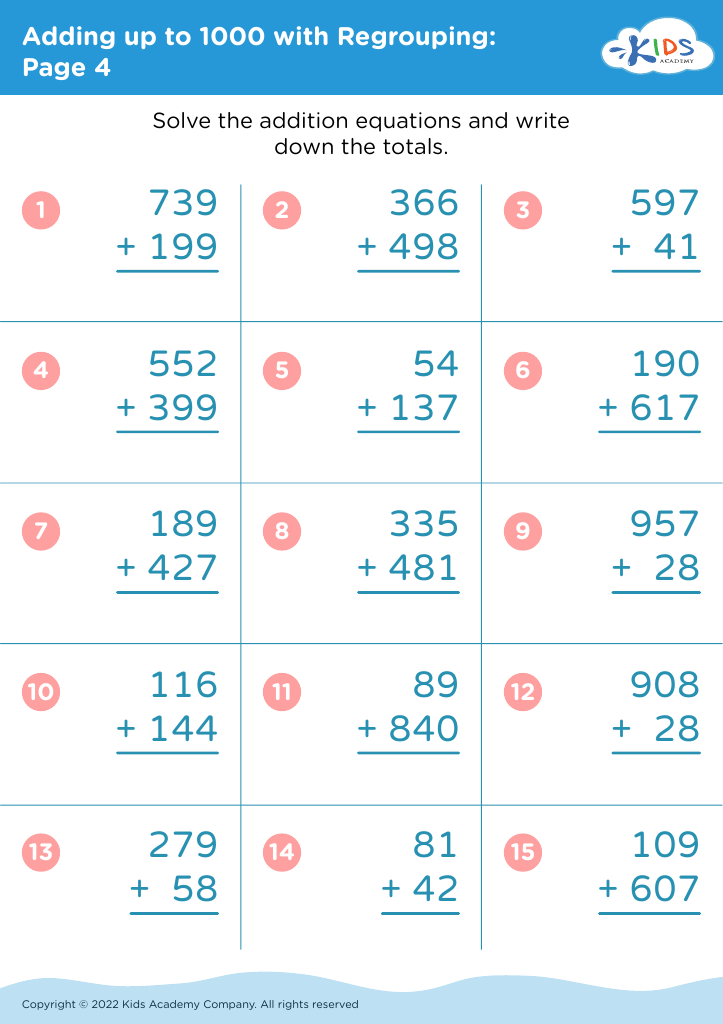
Adding up to 1000 with Regrouping: Page 4
Worksheet
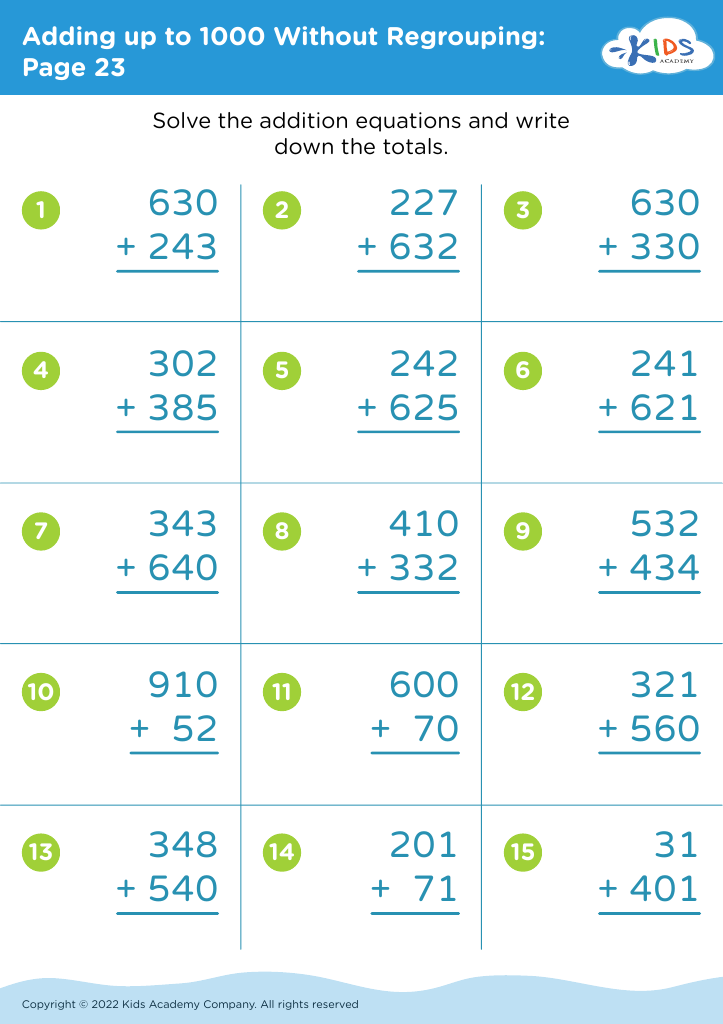
Adding up to 1000 Without Regrouping: Page 23
Worksheet
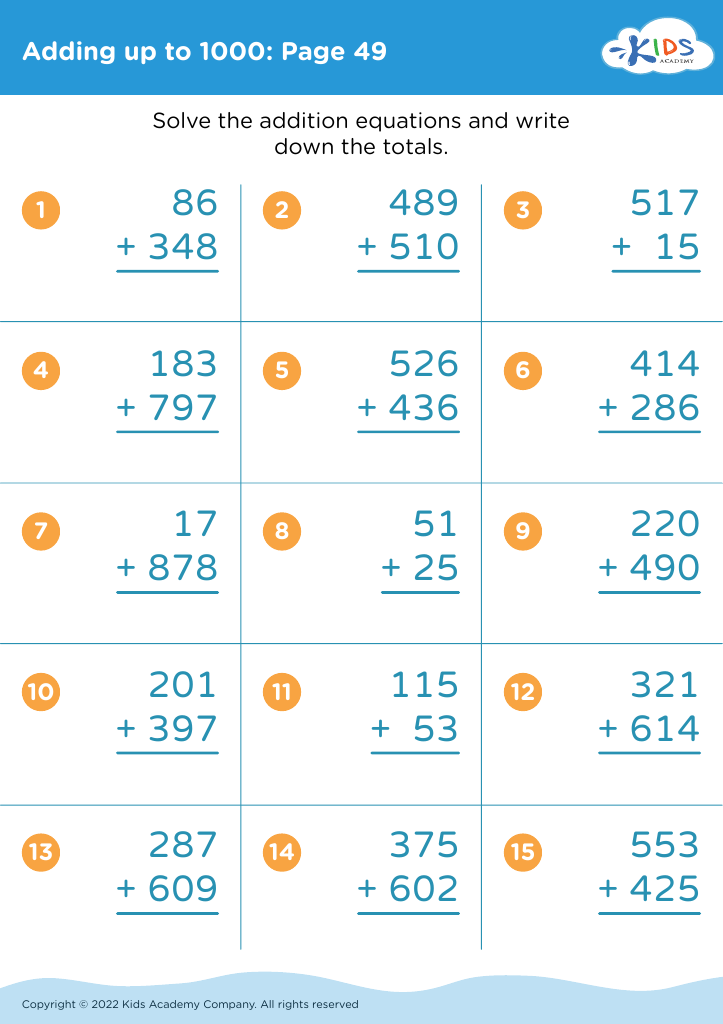
Adding up to 1000: Page 49

Adding up to 1000: Page 49

Adding up to 1000: Page 49
Worksheet
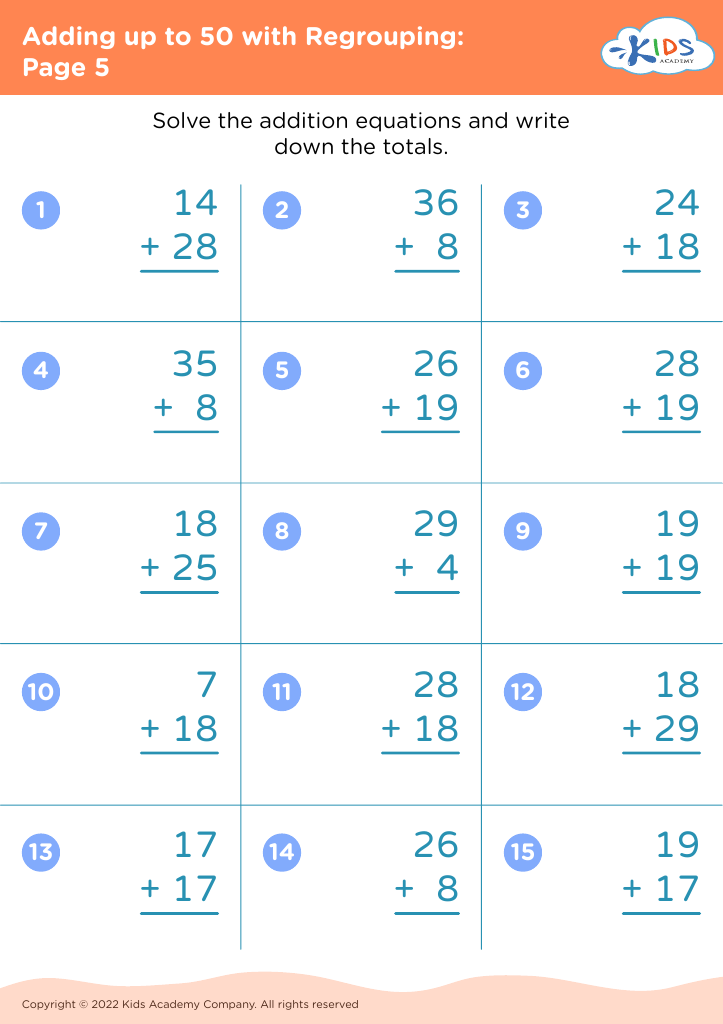
Adding up to 50 with Regrouping: Page 5
Worksheet
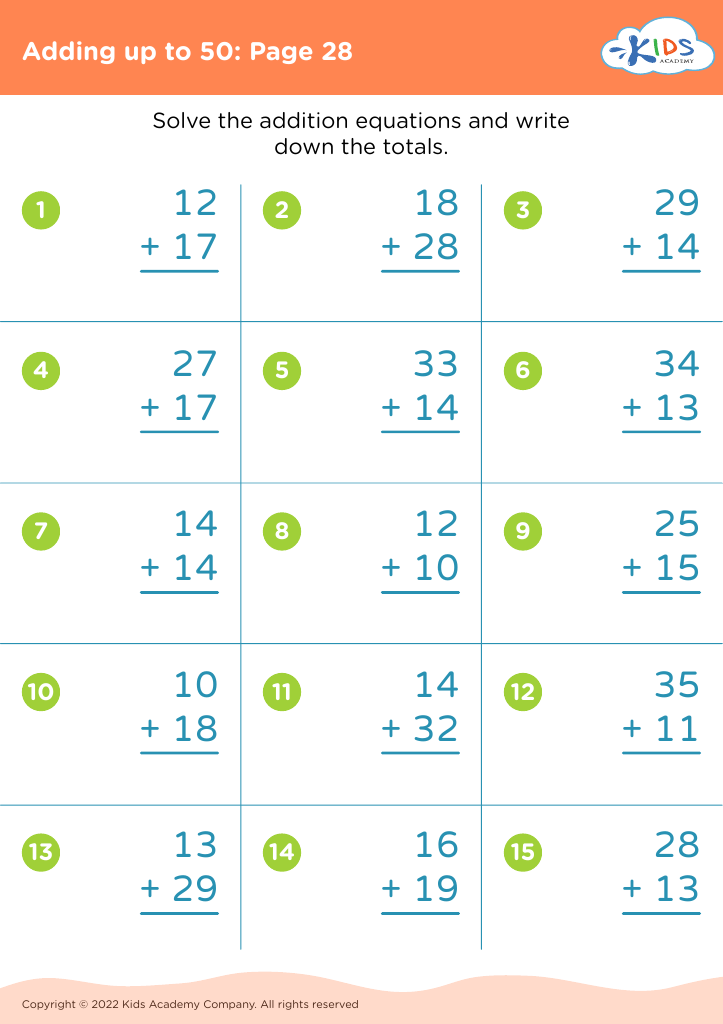
Adding up to 50: Page 28

Adding up to 50: Page 28

Adding up to 50: Page 28
Worksheet
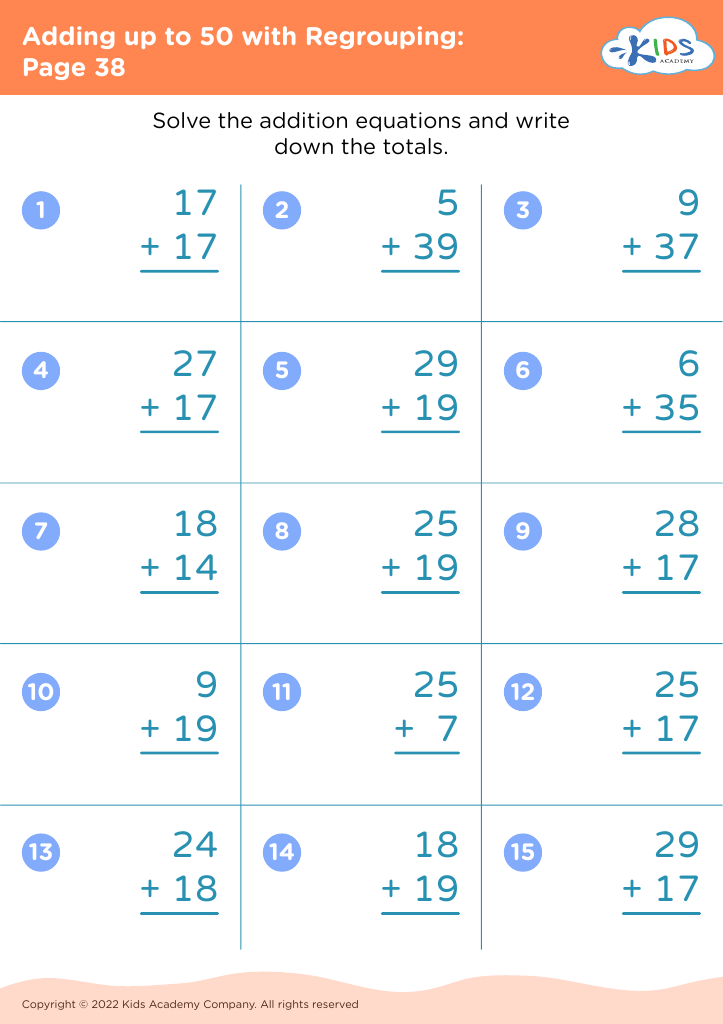
Adding up to 50 with Regrouping: Page 38
Worksheet
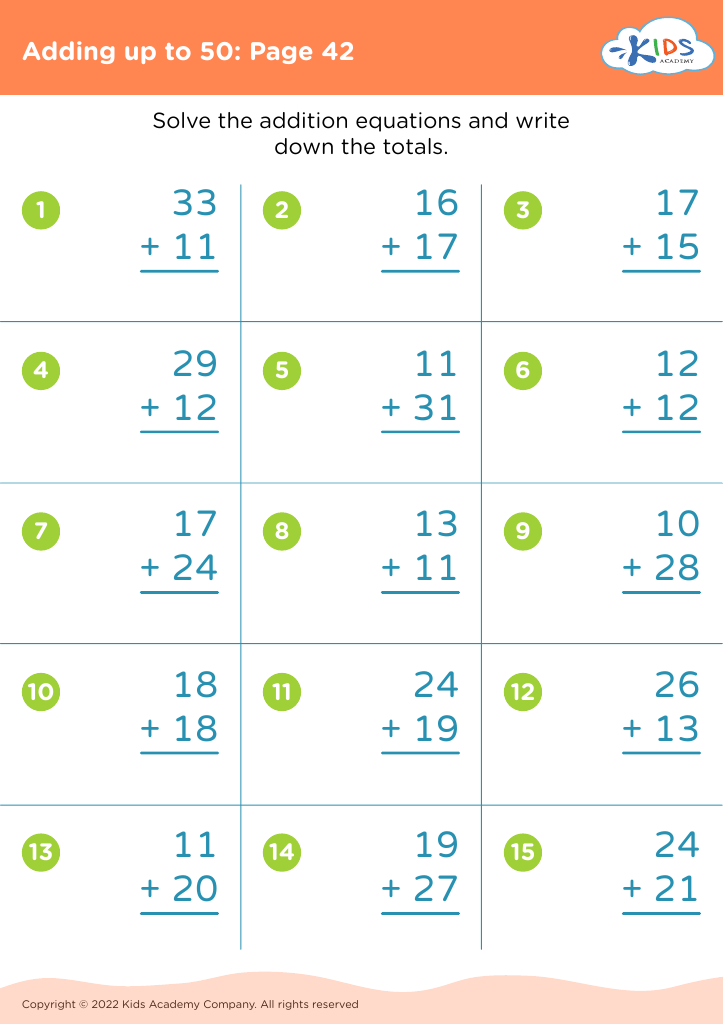
Adding up to 50: Page 42

Adding up to 50: Page 42

Adding up to 50: Page 42
Worksheet
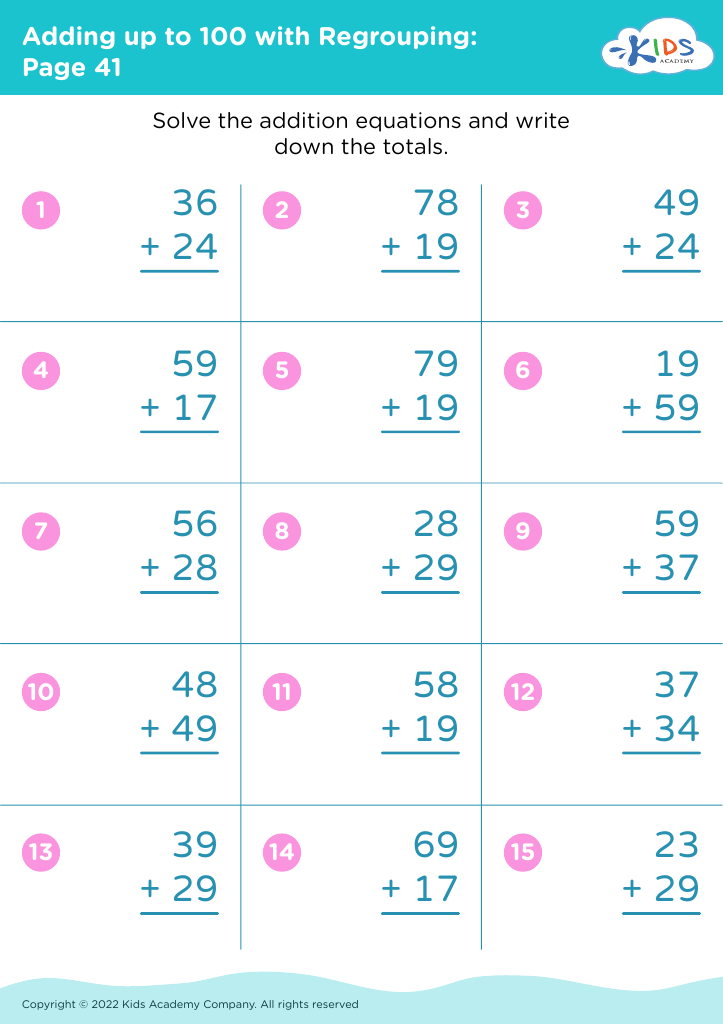
Adding up to 100 with Regrouping: Page 41
Worksheet
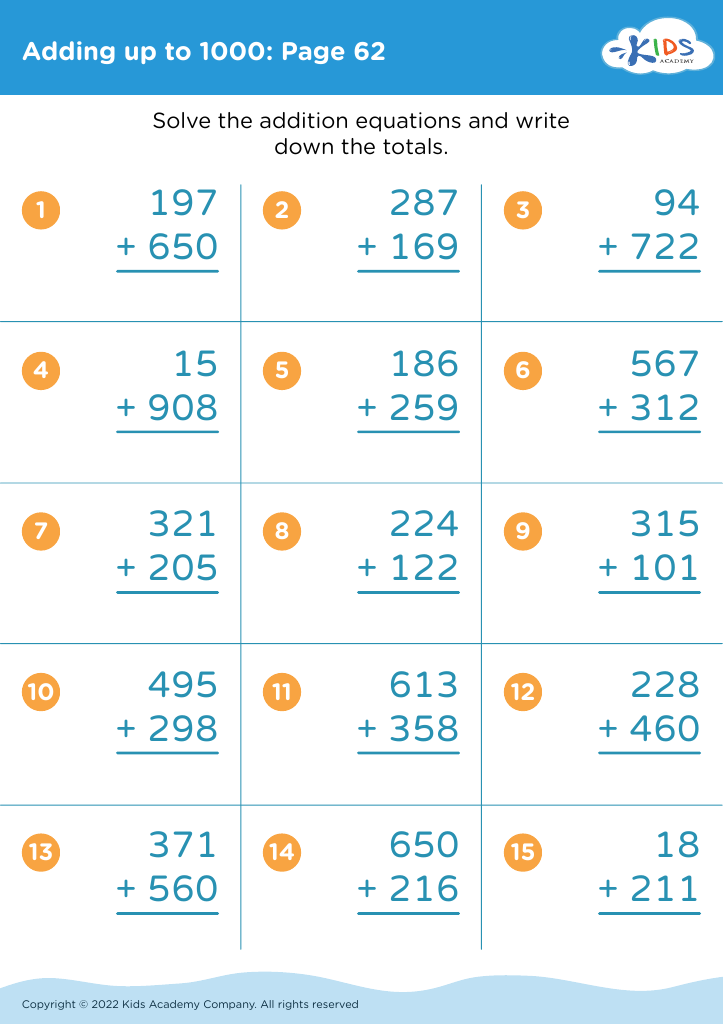
Adding up to 1000: Page 62

Adding up to 1000: Page 62

Adding up to 1000: Page 62
Worksheet
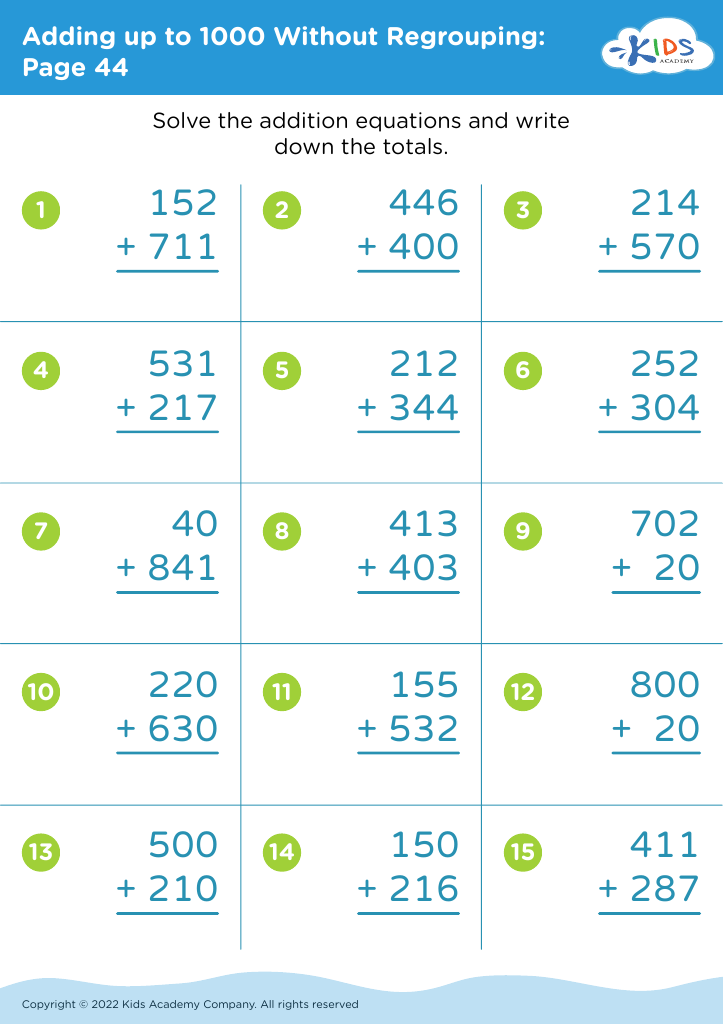
Adding up to 1000 Without Regrouping: Page 44
Worksheet
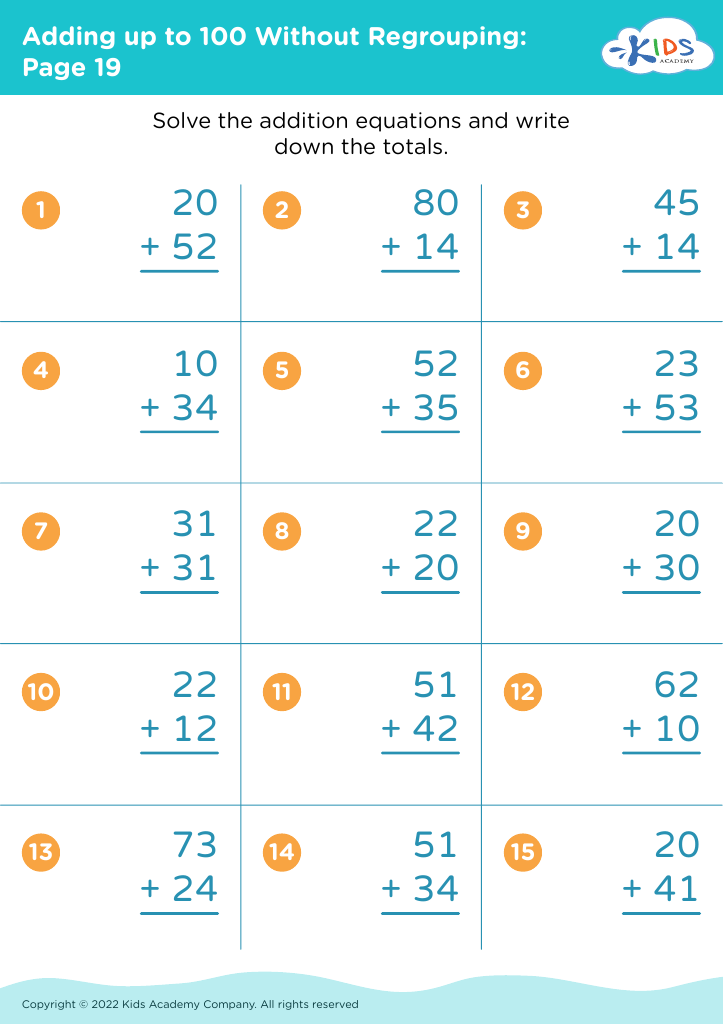
Adding up to 100 Without Regrouping: Page 19
Worksheet
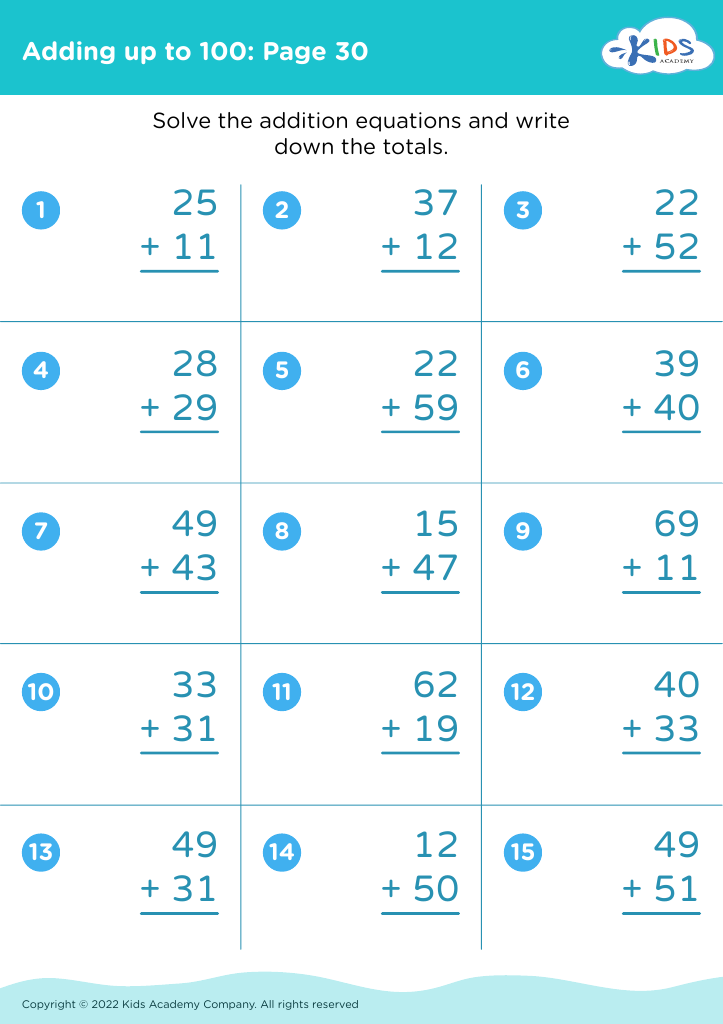
Adding up to 100: Page 30

Adding up to 100: Page 30

Adding up to 100: Page 30
Worksheet
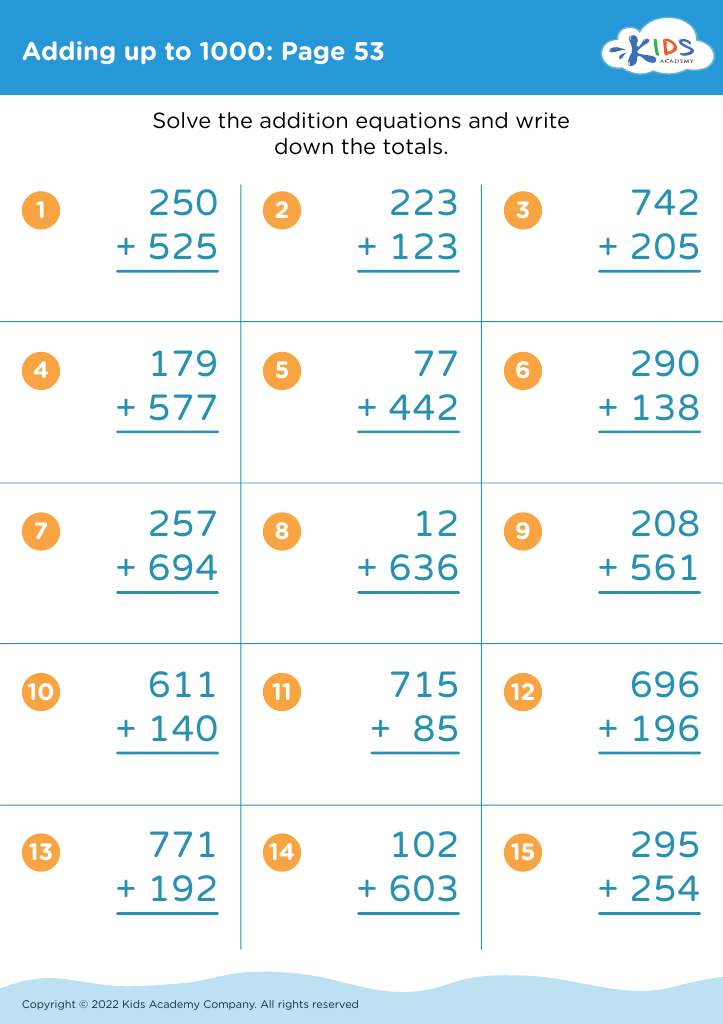
Adding up to 1000: Page 53

Adding up to 1000: Page 53

Adding up to 1000: Page 53
Worksheet
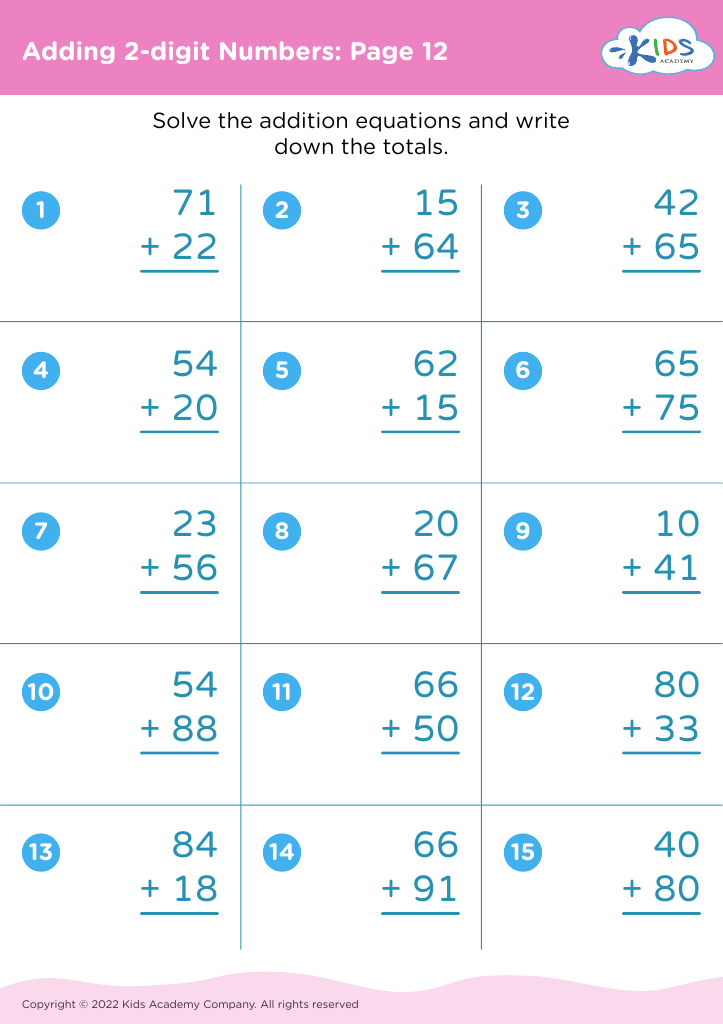
Adding 2-digit Numbers: Page 12

Adding 2-digit Numbers: Page 12

Adding 2-digit Numbers: Page 12
Worksheet
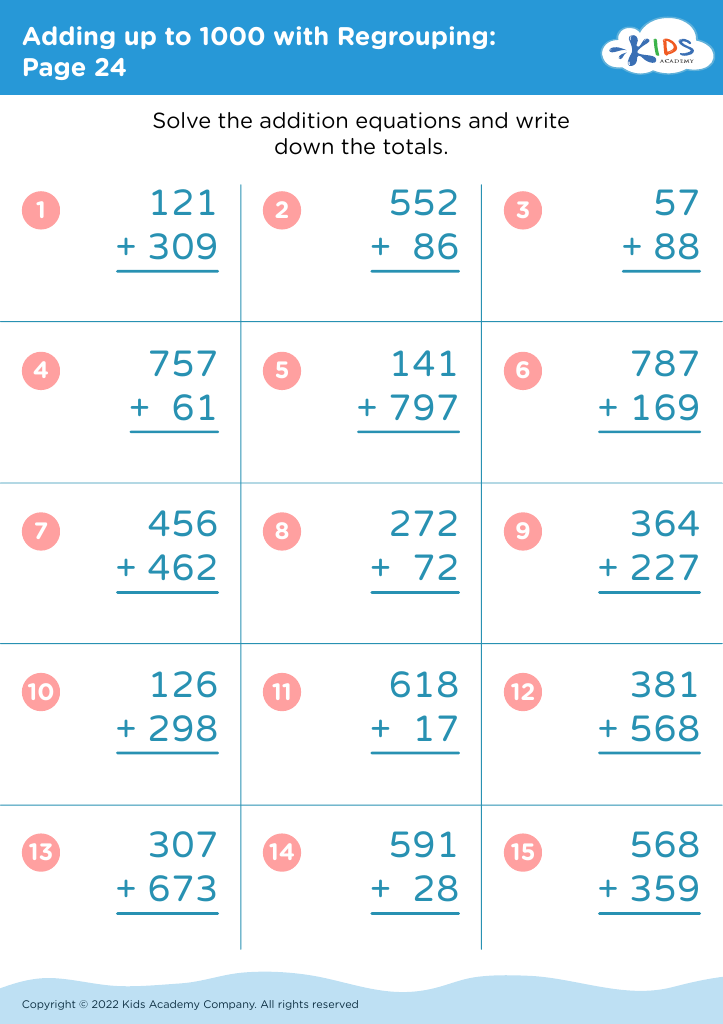
Adding up to 1000 with Regrouping: Page 24
Worksheet
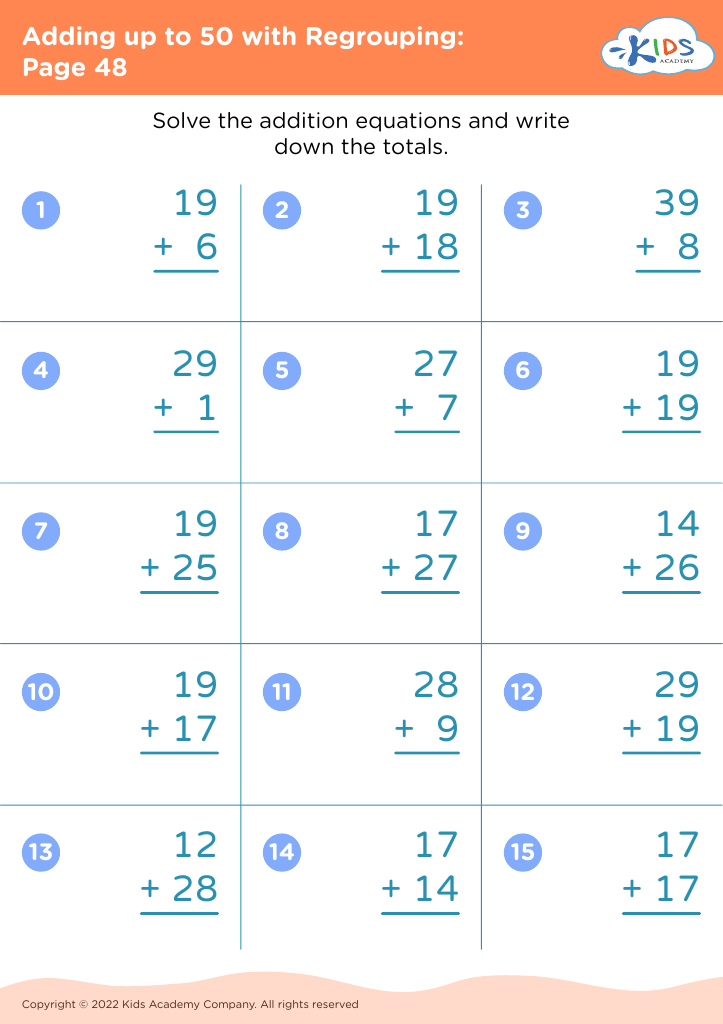
Adding up to 50 with Regrouping: Page 48
Worksheet
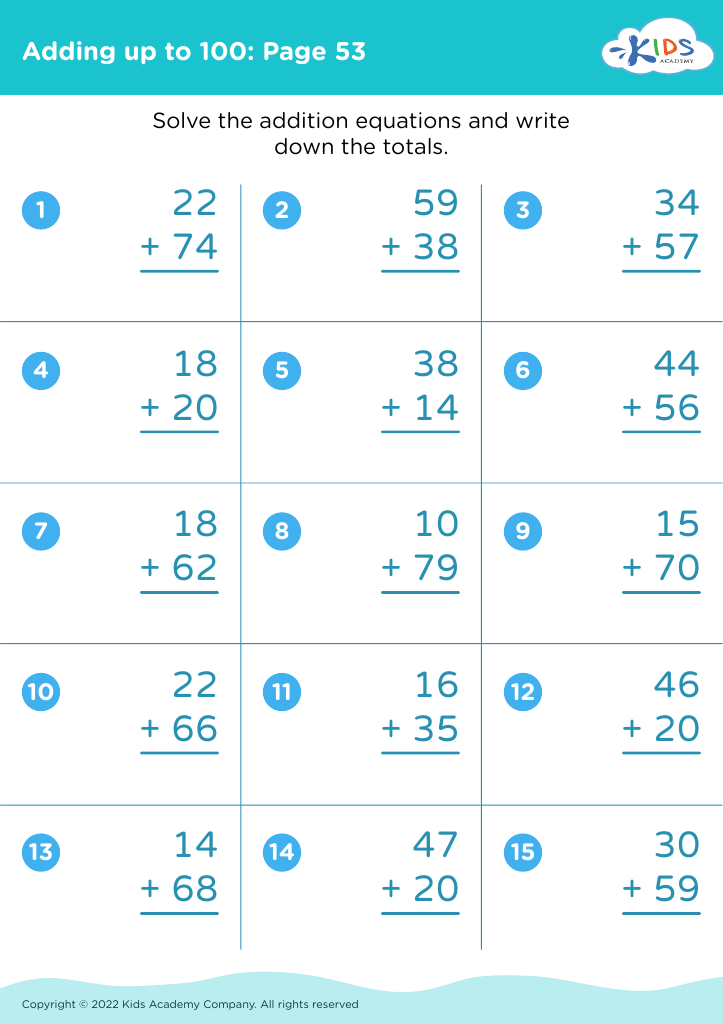
Adding up to 100: Page 53

Adding up to 100: Page 53

Adding up to 100: Page 53
Worksheet
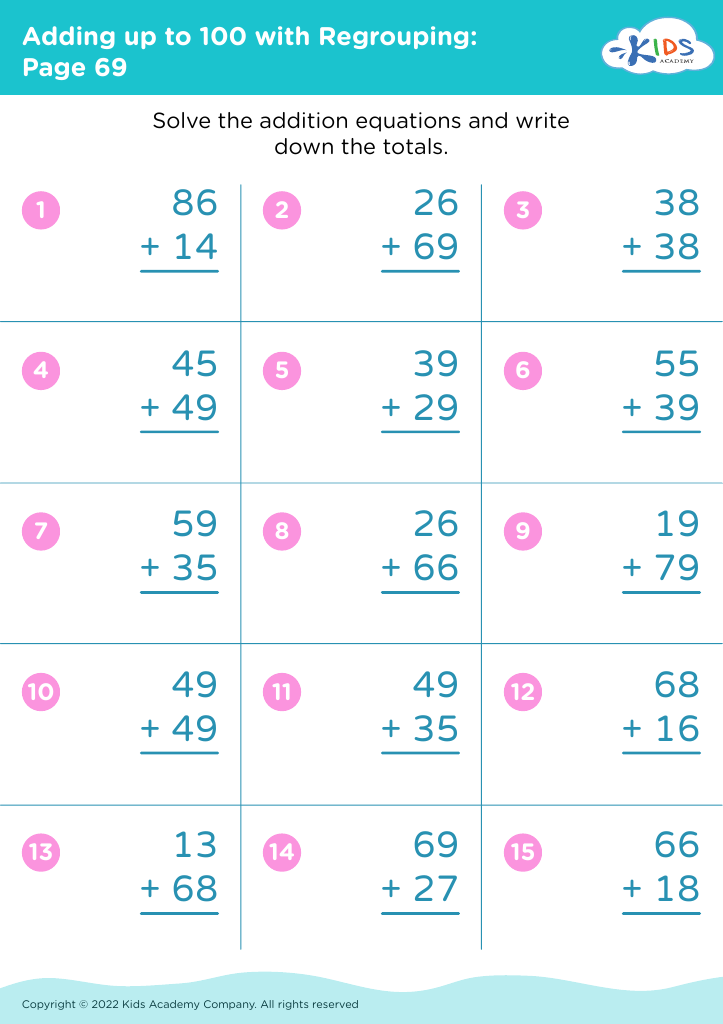
Adding up to 100 with Regrouping: Page 69
Worksheet
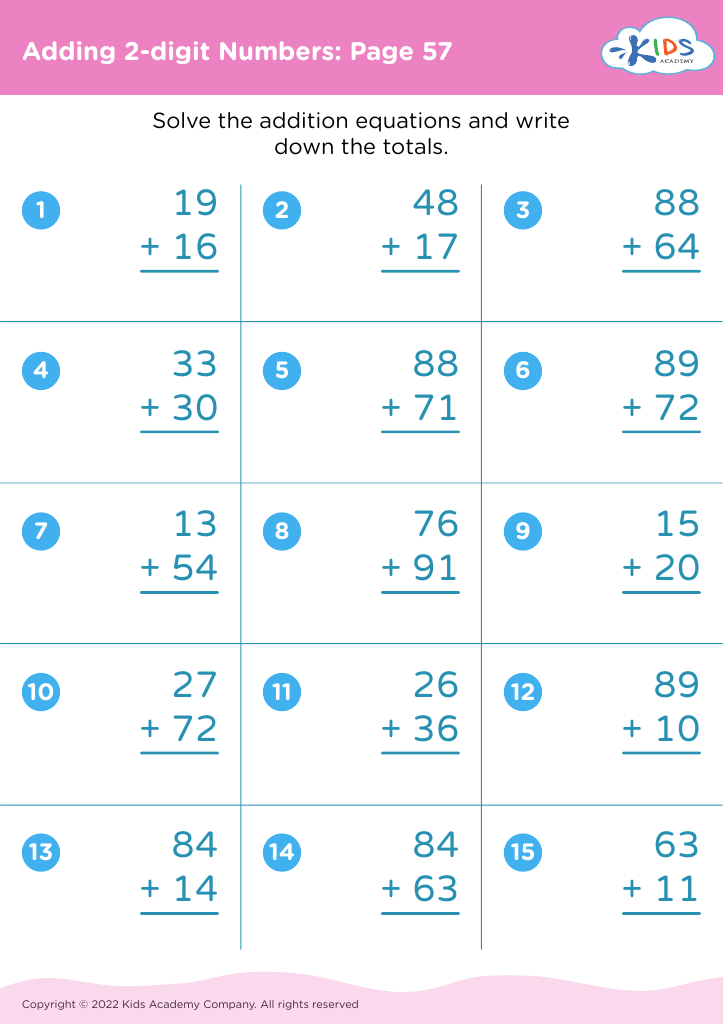
Adding 2-digit Numbers: Page 57

Adding 2-digit Numbers: Page 57

Adding 2-digit Numbers: Page 57
Worksheet


Understanding fraction comparison, addition, and subtraction at an early age lays a solid foundation for mathematical literacy and problem-solving skills in children aged 4-7. Engaging with these concepts helps develop critical thinking and promotes a deeper understanding of how numbers relate to one another. These fundamental skills are essential not only for advanced mathematical learning but also for daily practical situations, such as sharing, cooking, and measuring.

When children grasp fraction comparison, they learn to analyze sizes and amounts, enhancing their ability to make logical decisions. Involving addition and subtraction promotes arithmetic fluency and helps understand the part-whole relationships, which are key concepts in many areas of math and science.

Moreover, early mastery of these concepts can boost children's confidence and curiosity in mathematics, sparking a love for the subject that can lead to lifelong learning and academic success. Teachers and parents play a crucial role in this developmental phase by providing hands-on and visual learning opportunities, such as using pie charts, fraction strips, and real-life objects like pizza slices or fruit pieces.

Incorporating these activities into play ensures that children see mathematics as an enjoyable and integral part of their lives, leading to the holistic development of their cognitive and analytical abilities.