Improve reading skills Addition & Subtraction Worksheets for Ages 4-7 - Page 2
29 filtered results
-
From - To
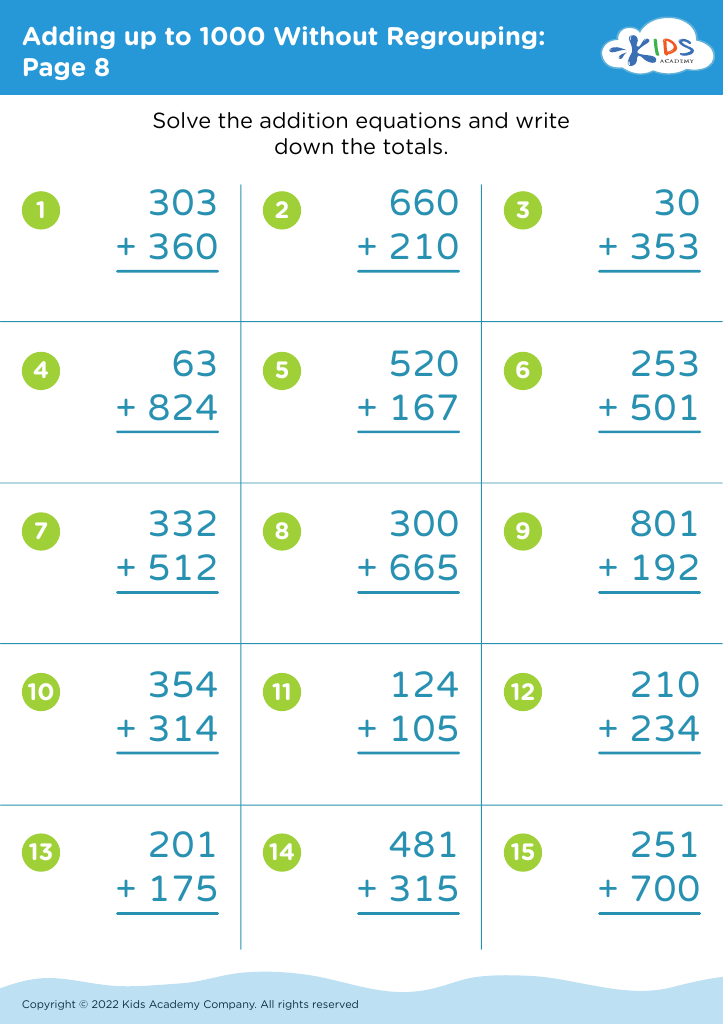
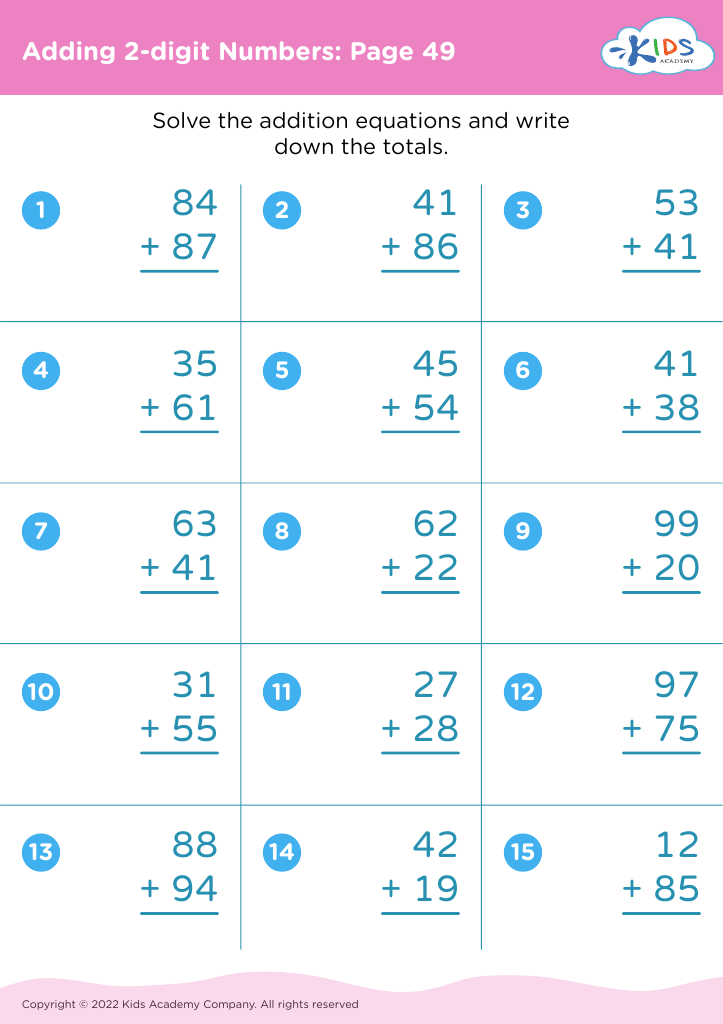
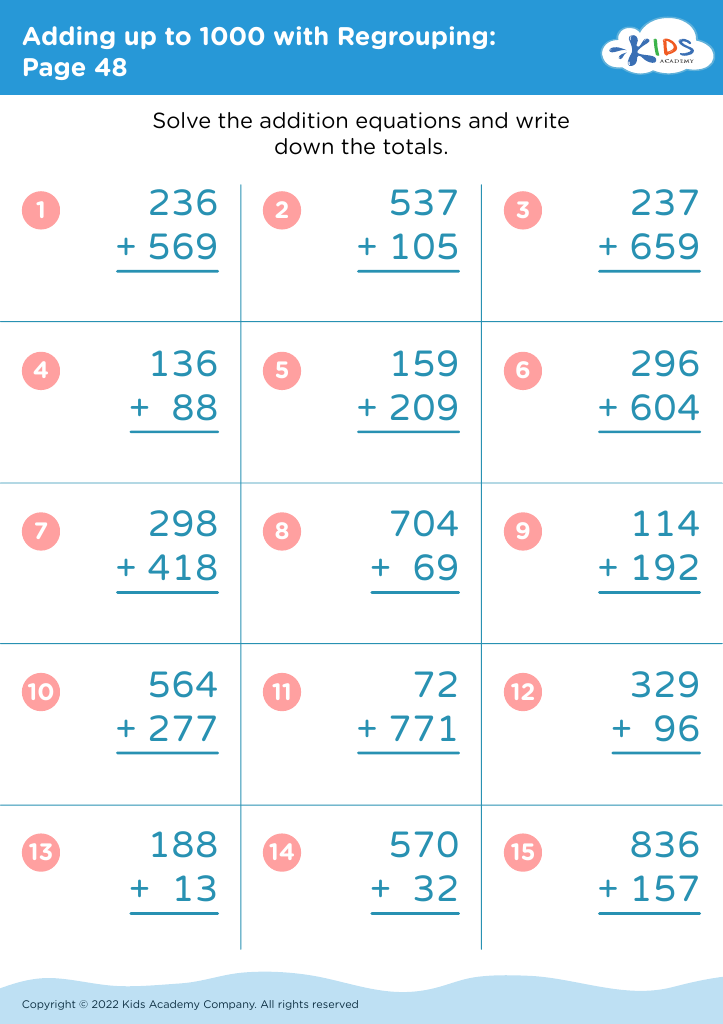
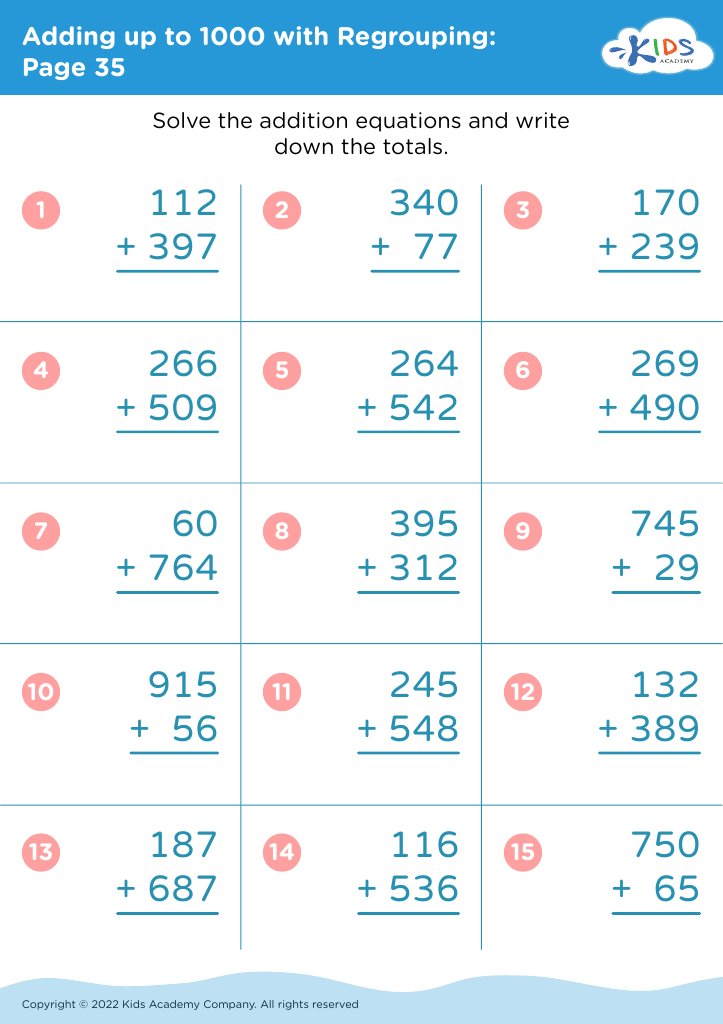
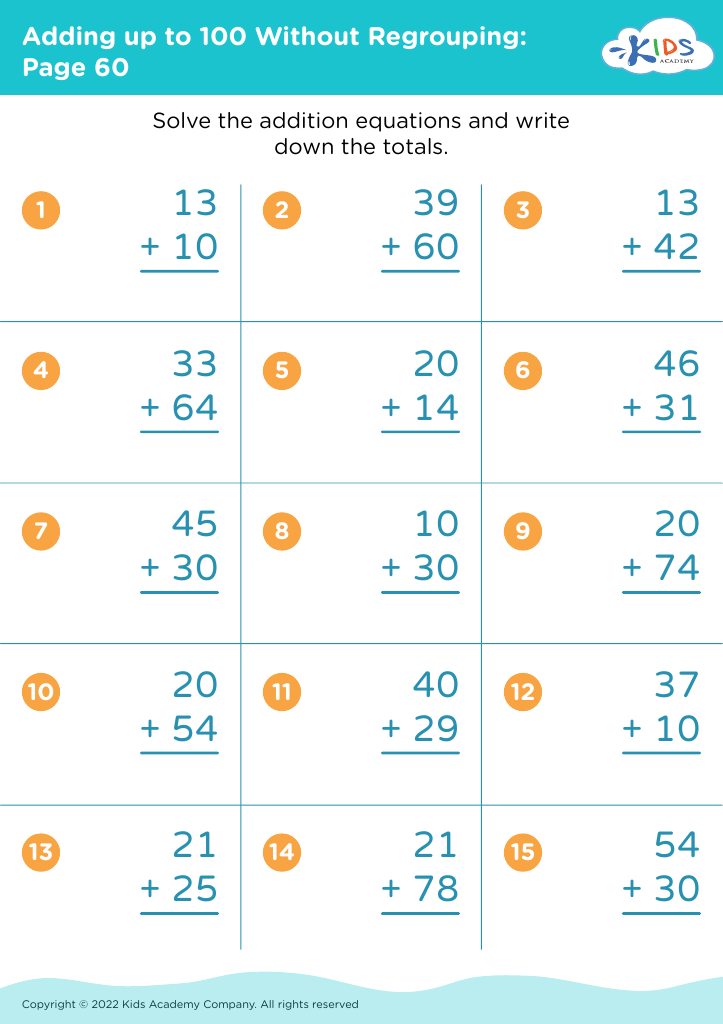








Parents and teachers play a crucial role in shaping the academic foundations of children aged 4-7, and focusing on improving reading skills along with addition and subtraction during these formative years yields significant benefits.
Reading skills are fundamental as they not only open up a world of knowledge and imagination but also build cognitive skills critical for all areas of learning. By fostering good reading habits early on, children develop better vocabulary, improved comprehension, and a strong foundation for writing skills. This competence supports overall academic success and boosts confidence in young learners.
On the other hand, addition and subtraction are the building blocks of mathematics. Mastery of these basic arithmetic operations creates a solid mathematical foundation that is essential for future learning. It helps develop problem-solving skills, logical thinking, and the ability to handle more complex concepts in later years. Engaging children in these activities also enhances their critical reasoning and analytical abilities.
Thus, by prioritizing reading along with basic arithmetic, parents and teachers help in nurturing well-rounded, confident individuals who are prepared for more complex learning and problem-solving in the future. This balanced approach contributes to overall cognitive development and sets a strong precedent for lifelong learning.








