Matching skills Addition & Subtraction Worksheets for Ages 4-7
5 filtered results
-
From - To
Discover the fun and engaging world of Matching Skills Addition & Subtraction Worksheets designed specifically for children ages 4-7. Tailored to enhance your child’s mathematical abilities, these worksheets encourage critical thinking and boost problem-solving skills through enjoyable activities. With colorful illustrations and age-appropriate challenges, your little ones will love exploring the concepts of addition and subtraction in a supportive environment. These worksheets not only strengthen math proficiency but also help foster confidence as kids learn to match numbers with corresponding visuals. Equip your child with essential foundational skills that pave the way for future academic success while having a blast!
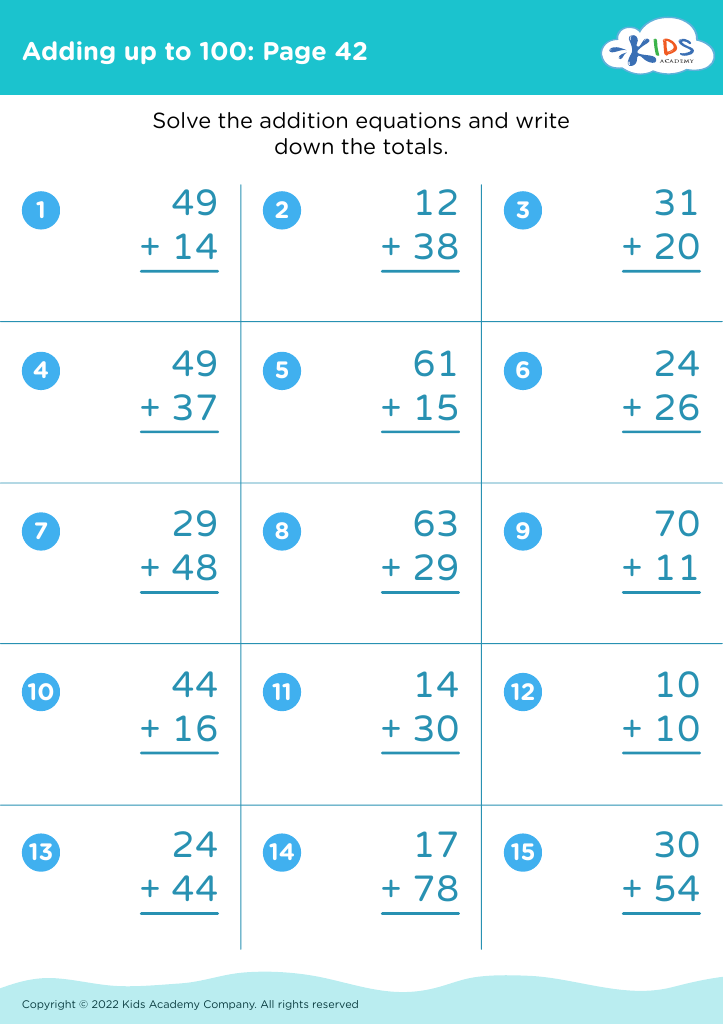
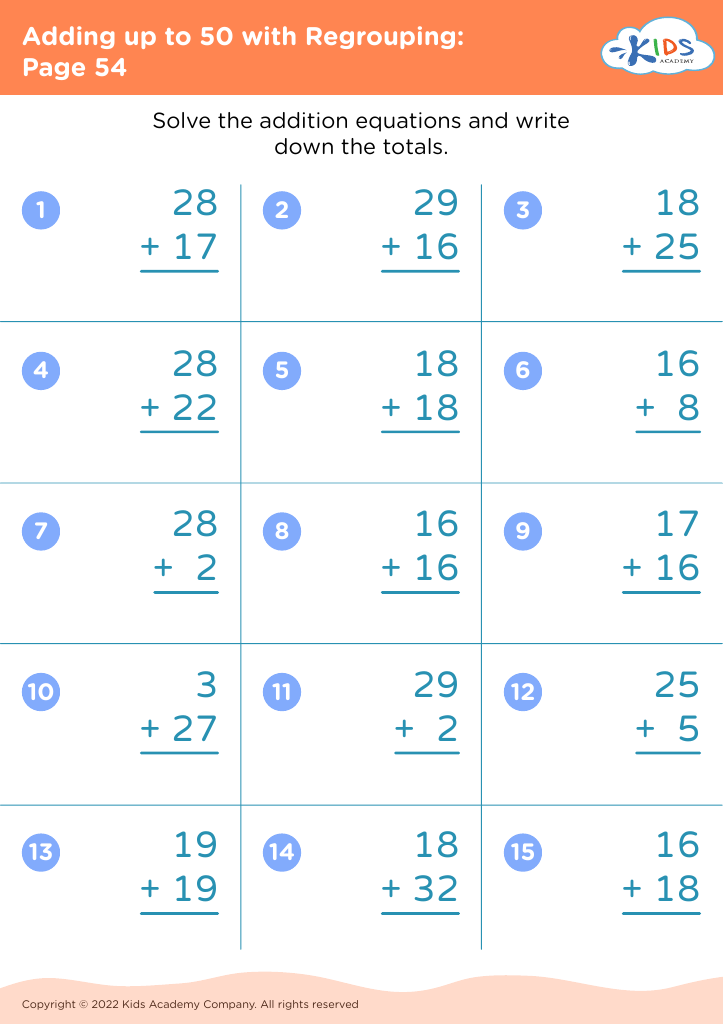
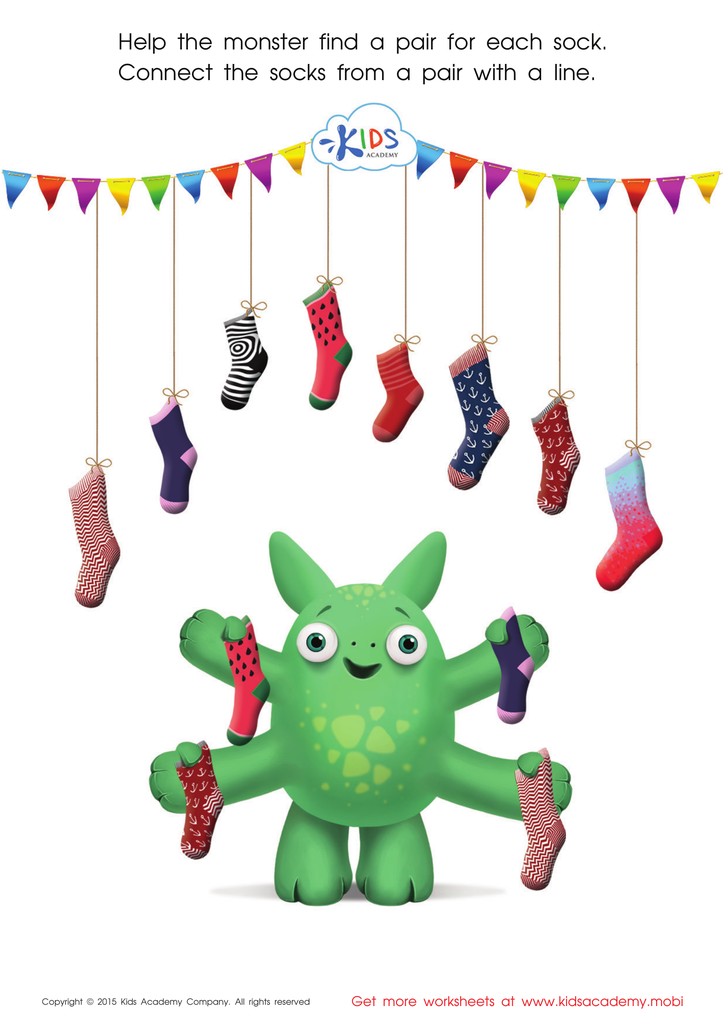
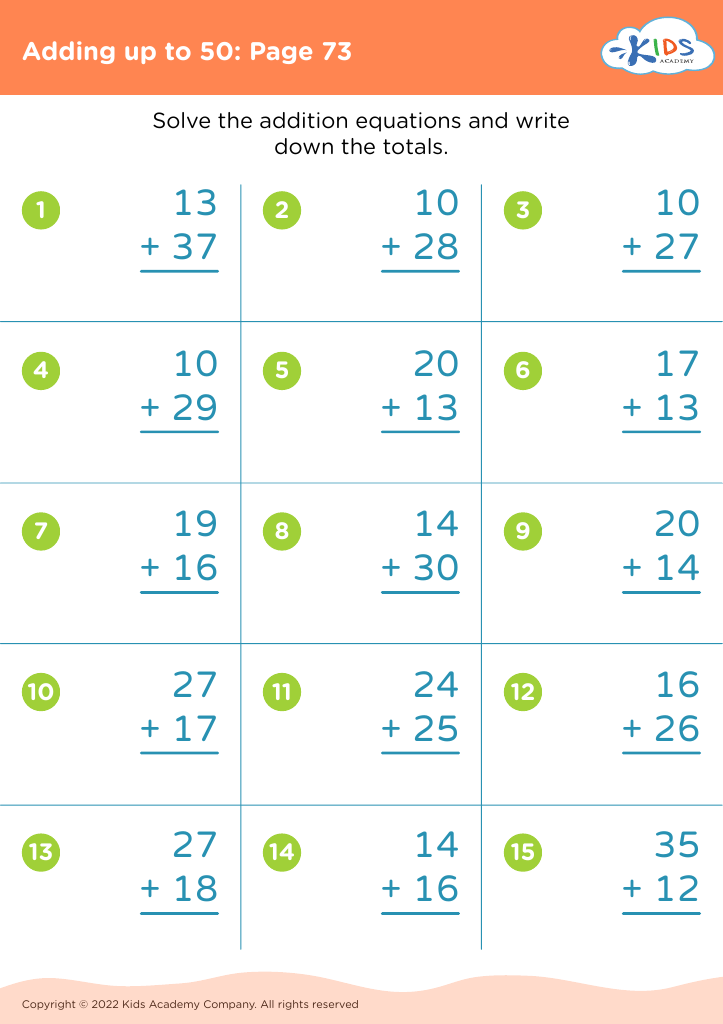
Math Matching Game: Monsterв's Socks Worksheet
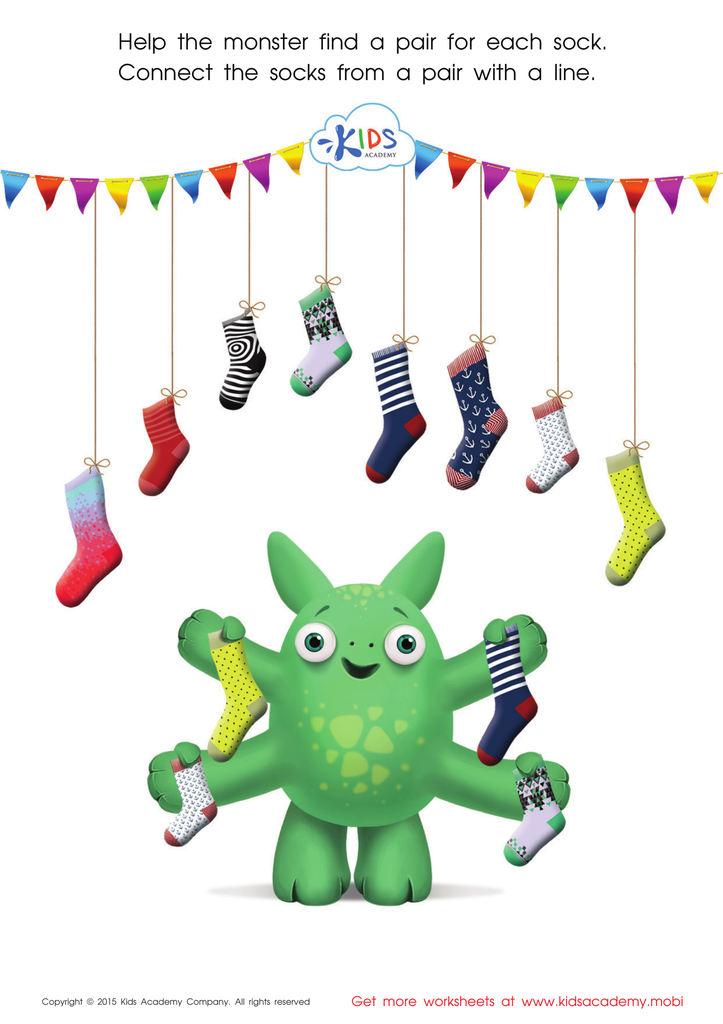
Math Matching Pairs Game: Monsterв's Socks Worksheet








Parents and teachers should prioritize matching skills for addition and subtraction in children aged 4-7 because these foundational abilities cultivate numeracy, critical thinking, and problem-solving skills. At this age, children are beginning to grasp basic arithmetic, and encouraging matching skills helps them make connections between numbers and their corresponding quantities. When youngsters engage in matching activities, such as pairing objects with the correct number or matching equations with their answers, they develop a deeper understanding of the concepts behind addition and subtraction.
Furthermore, these skills promote cognitive development. As children recognize patterns and relate numerical facts, they enhance their memory and reasoning capabilities. This active learning approach makes math more enjoyable, reducing anxiety and building confidence in their math abilities. Additionally, exposure to matching skills fosters early-stage math literacy, establishing a robust groundwork for more complex mathematical concepts in later grades.
By integrating matching activities into the learning process, parents and teachers can create a supportive environment that emphasizes both academic success and a love for learning. Investing time and resources into these skills will encourage children to see math as a fun and relatable part of their everyday lives, ultimately setting them up for future success.








