Basic Arithmetic Addition Worksheets for Ages 4-7 - Page 2
39 filtered results
-
From - To
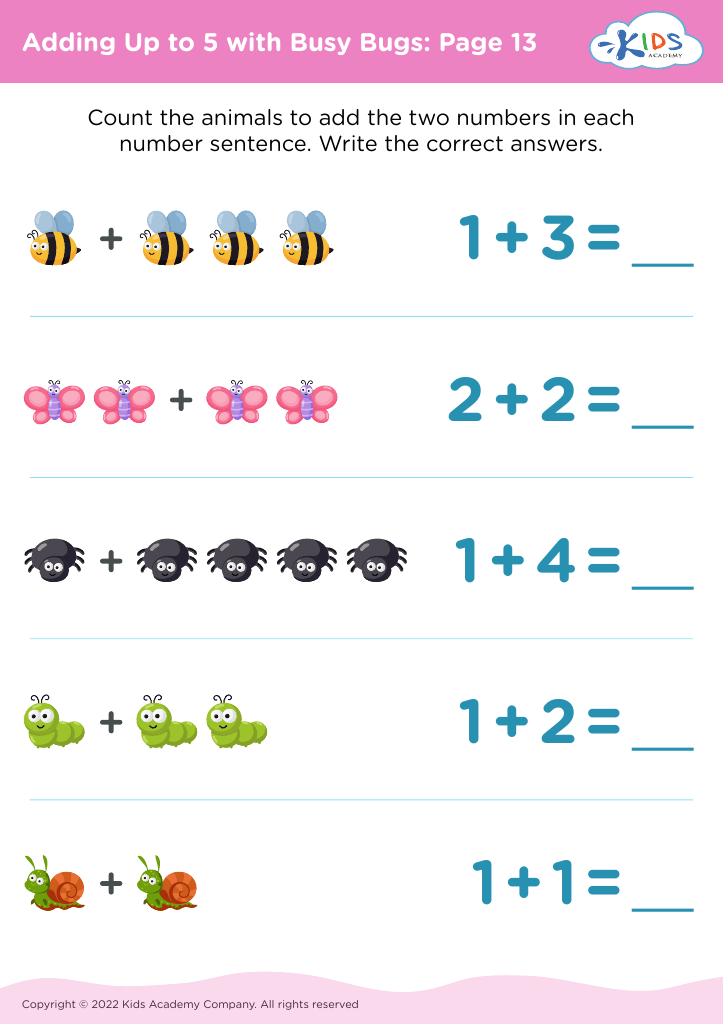
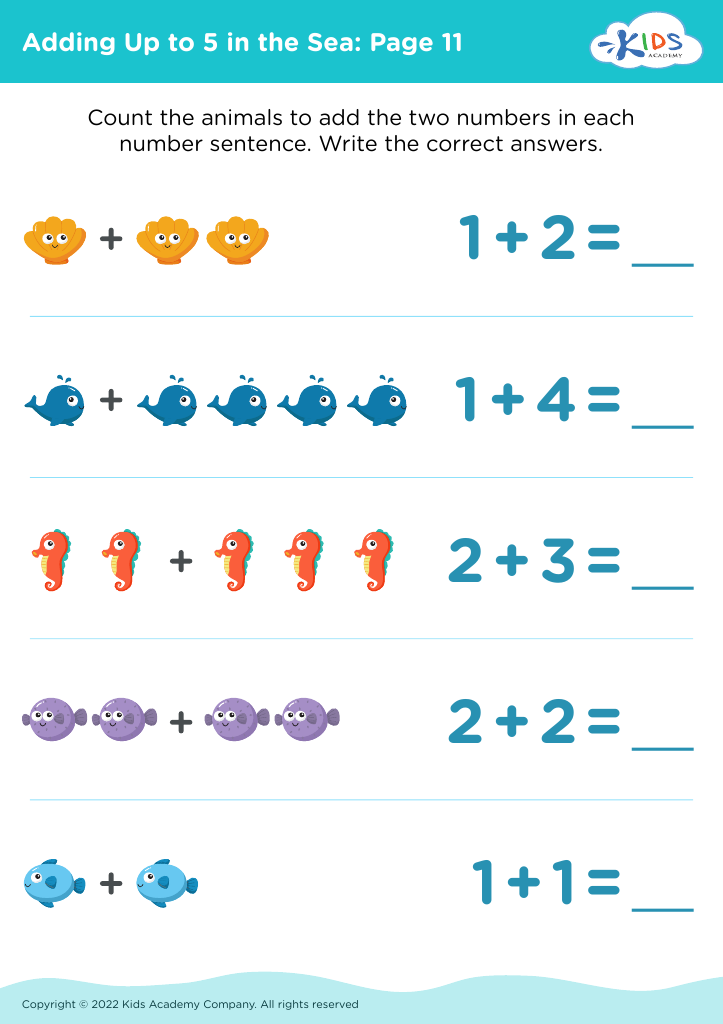
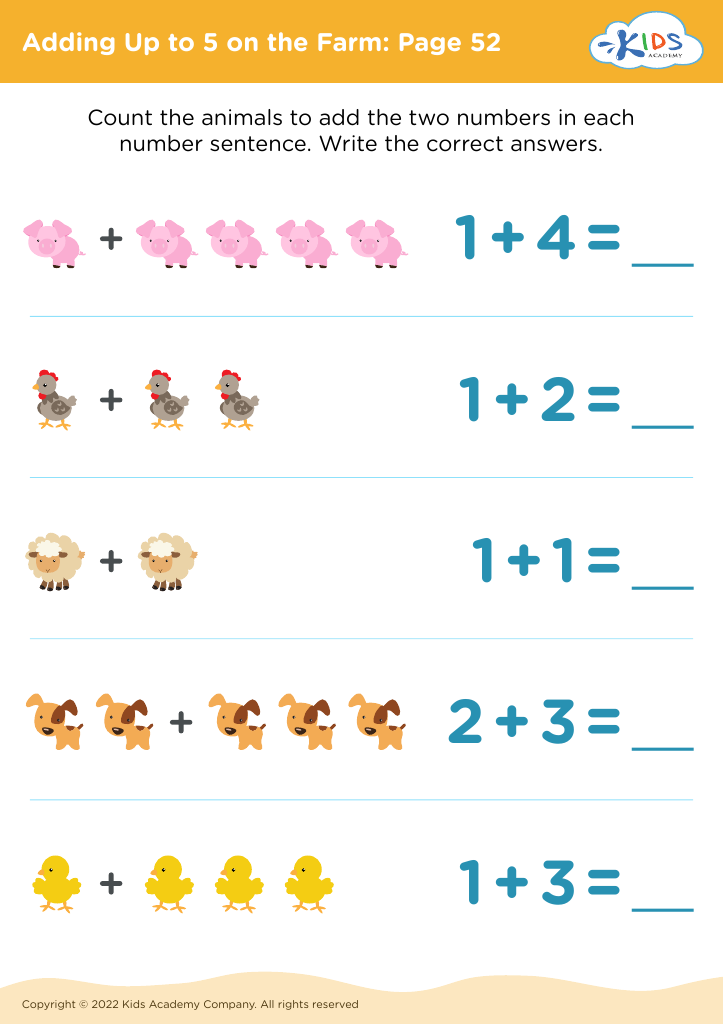
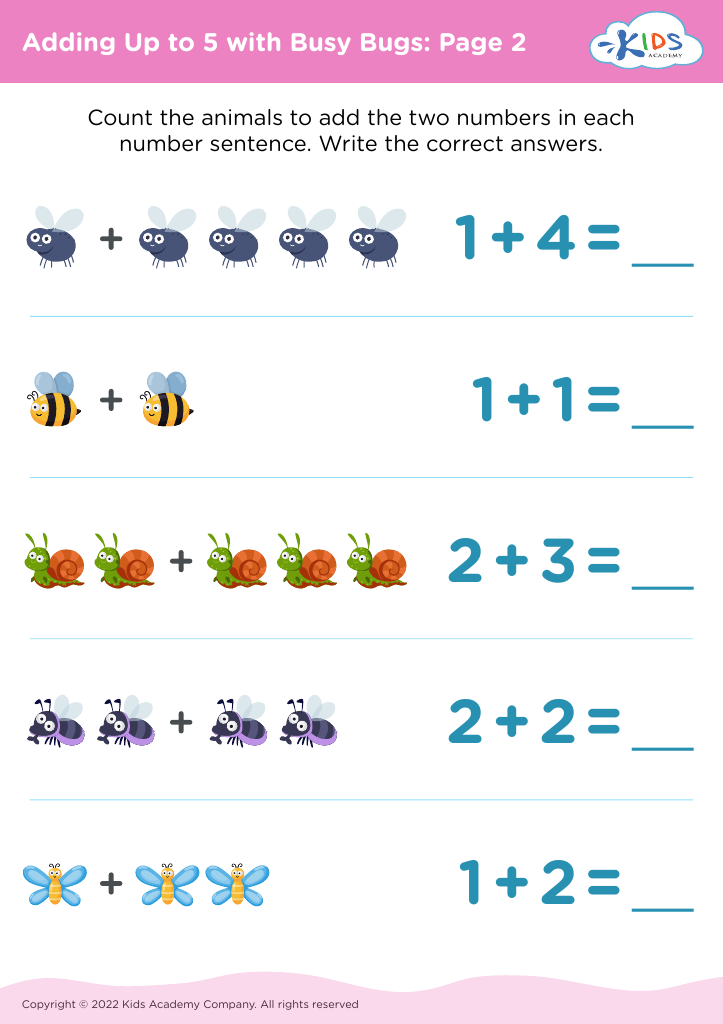
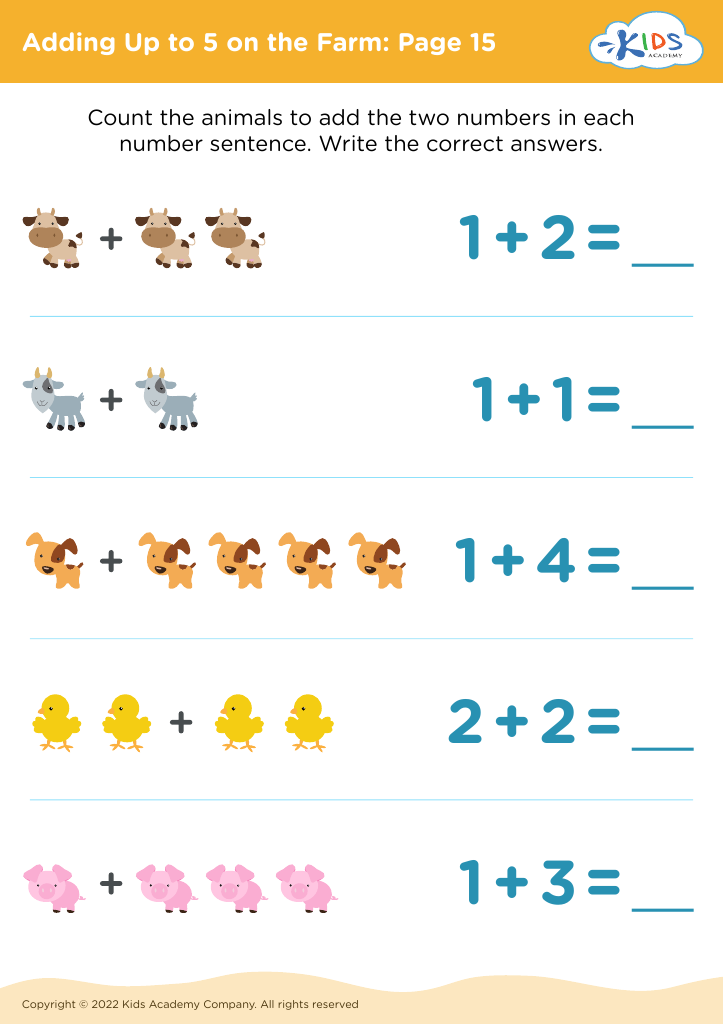
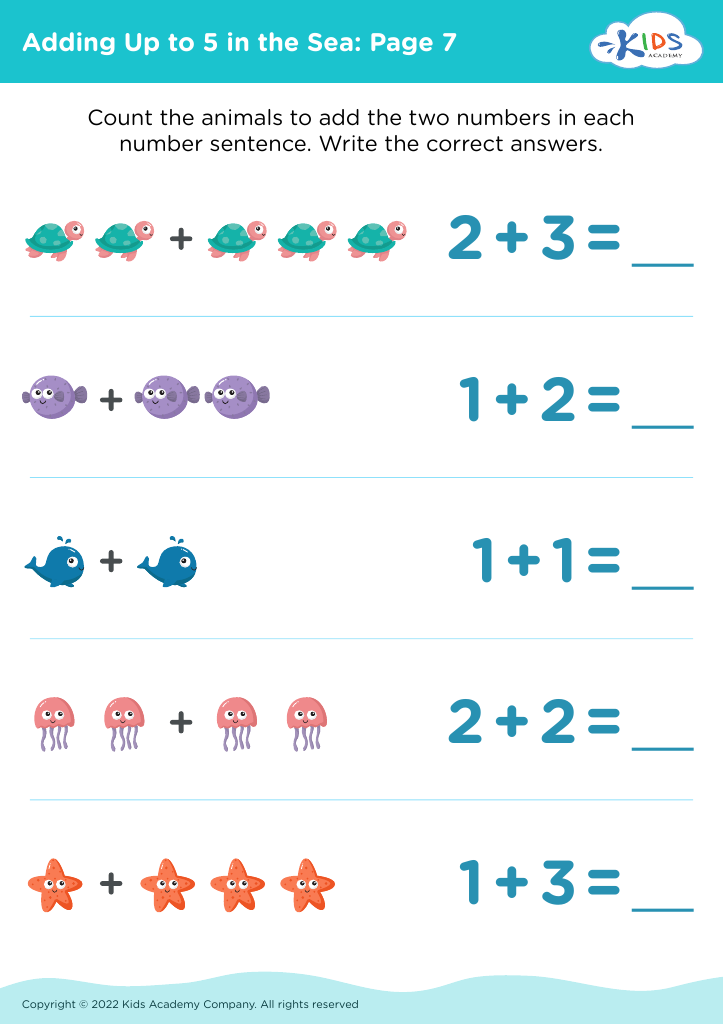
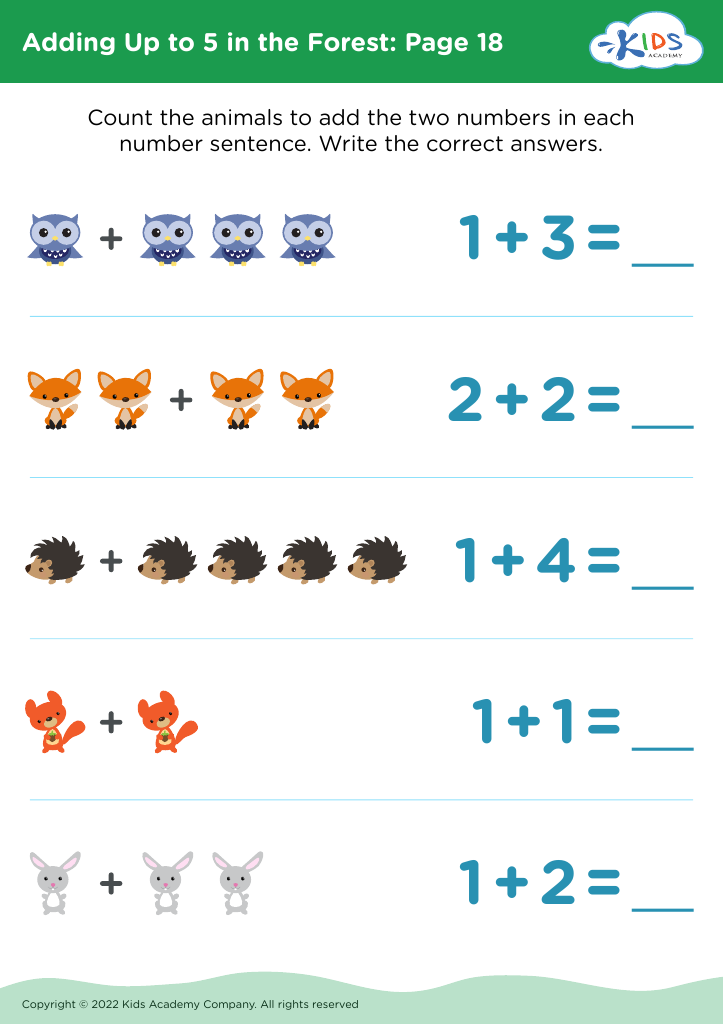
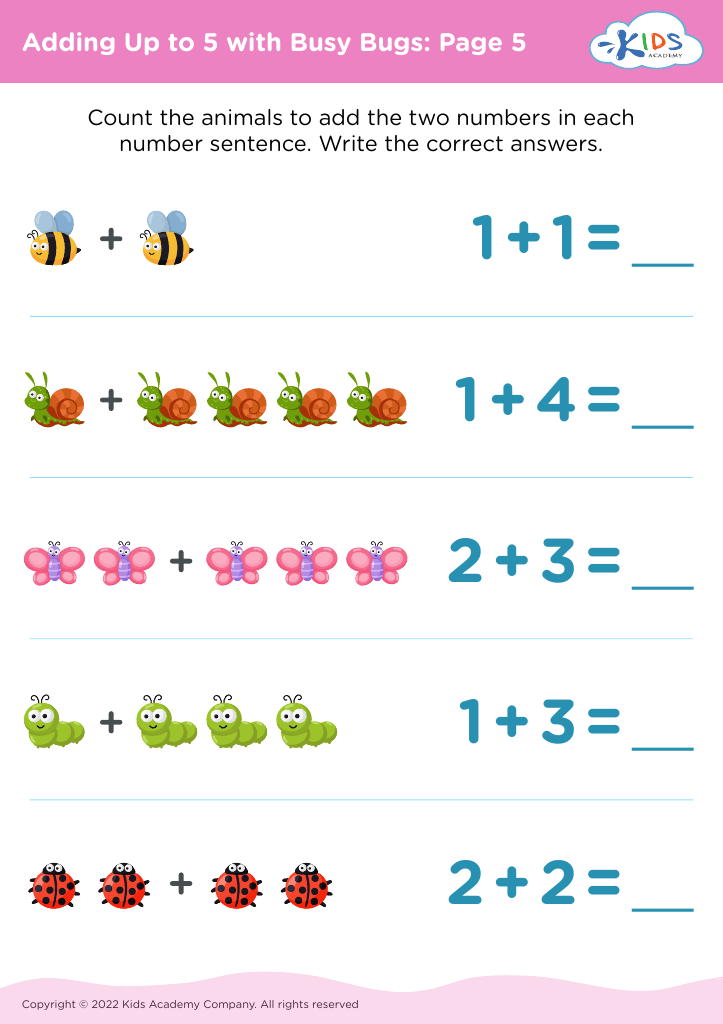
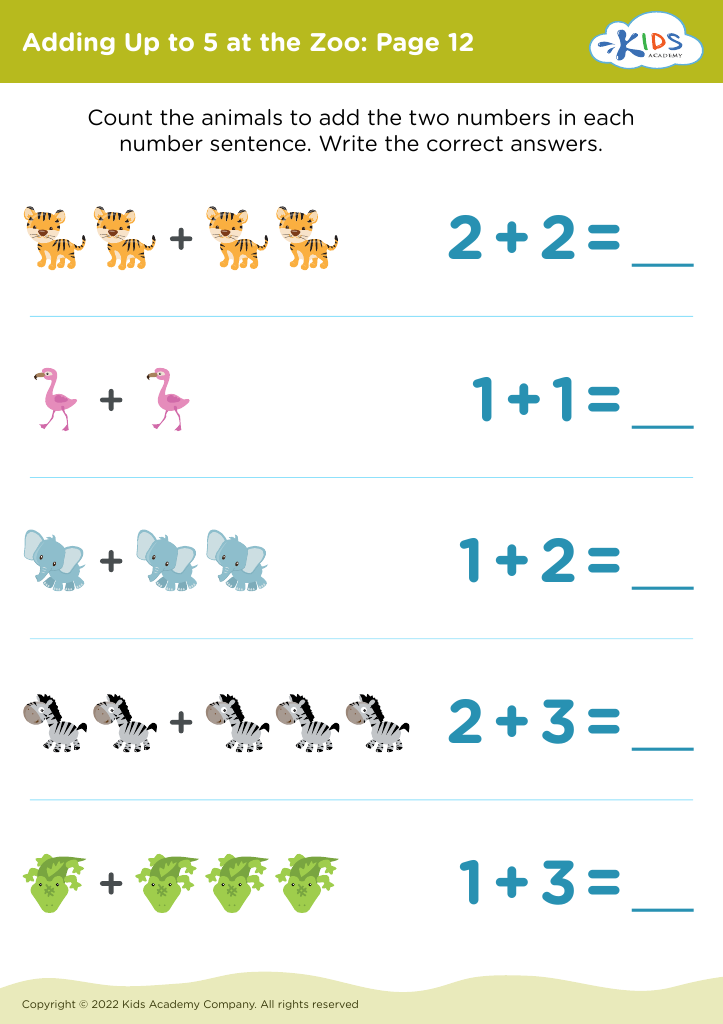
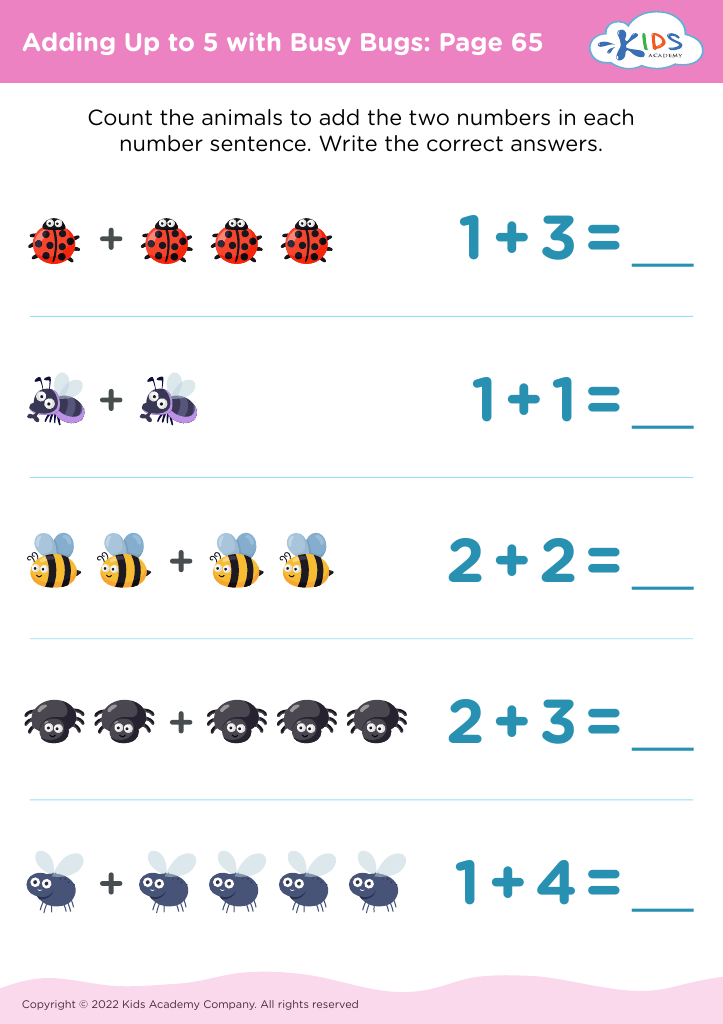
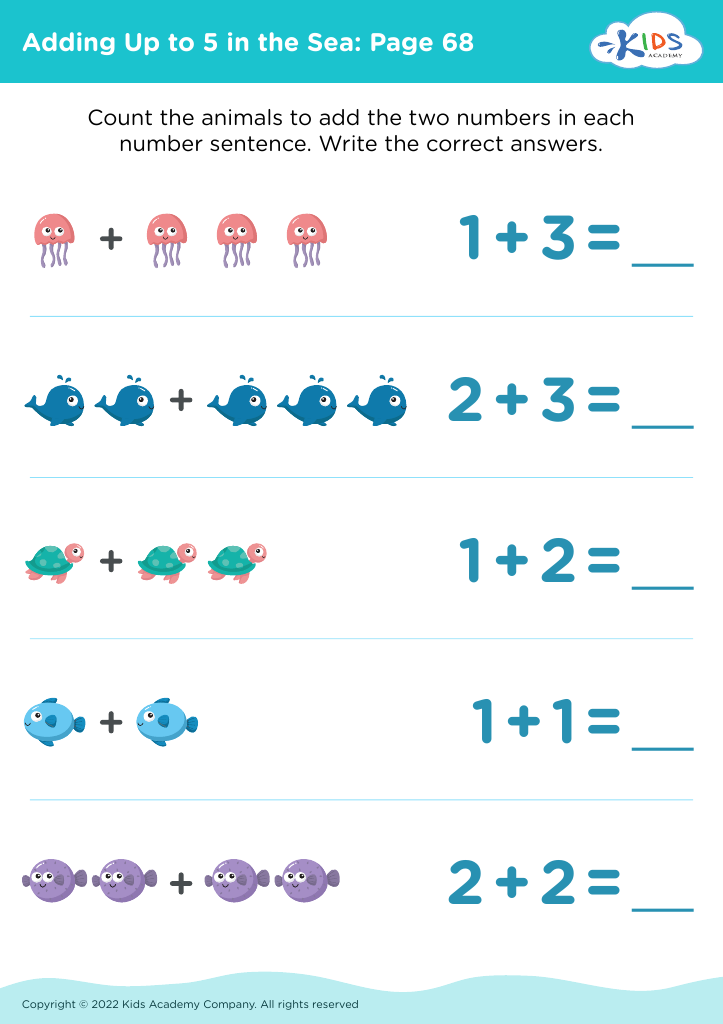
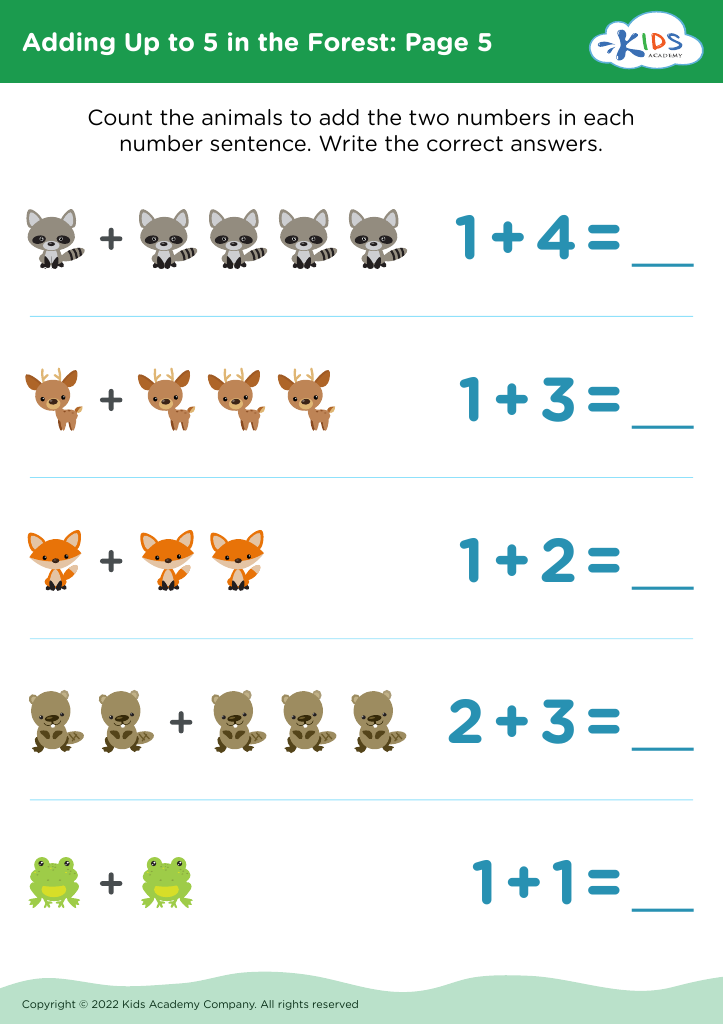
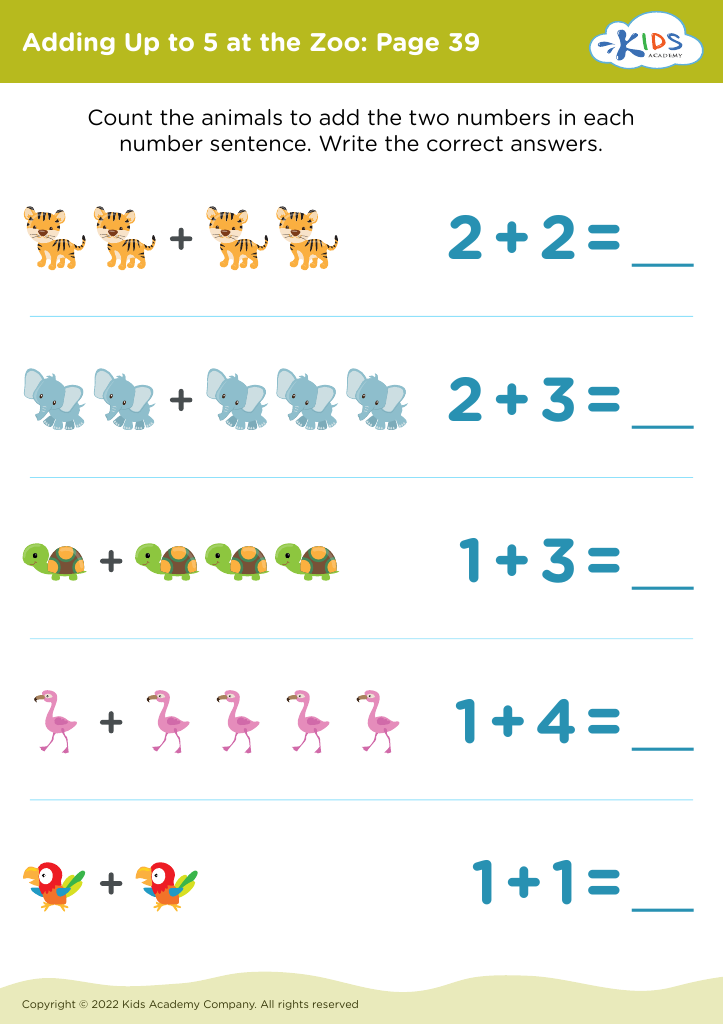
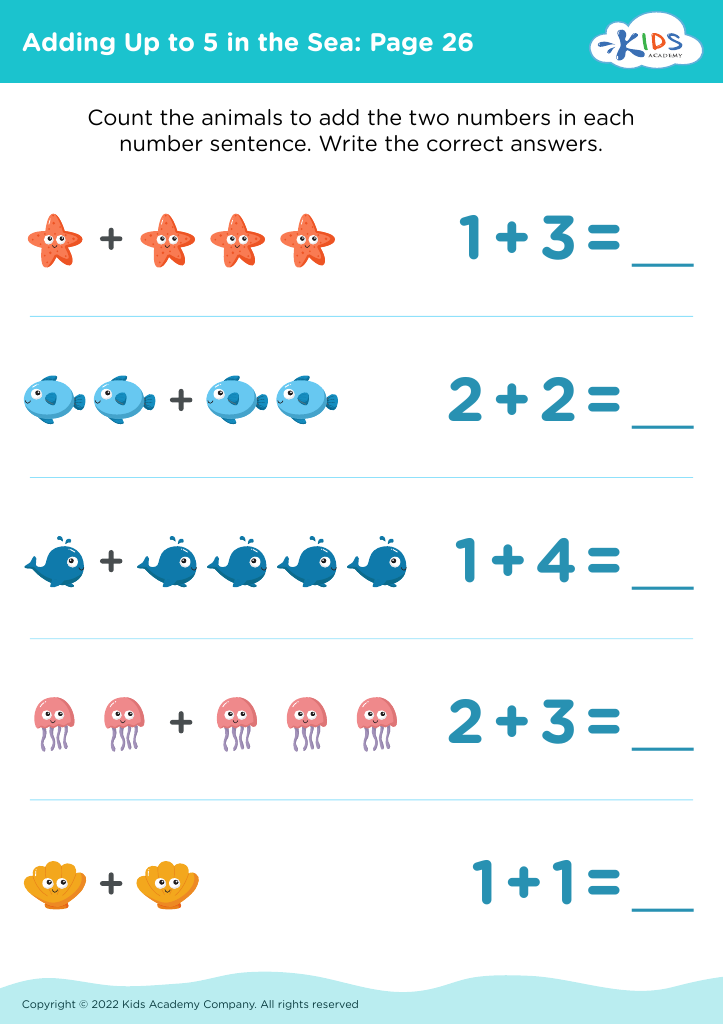
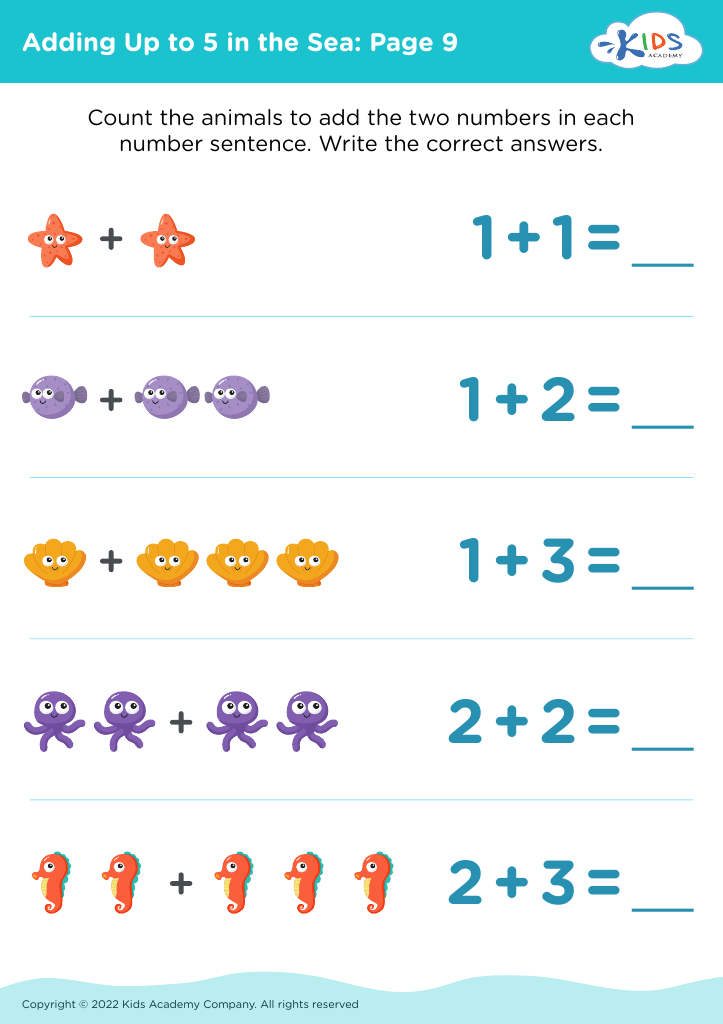






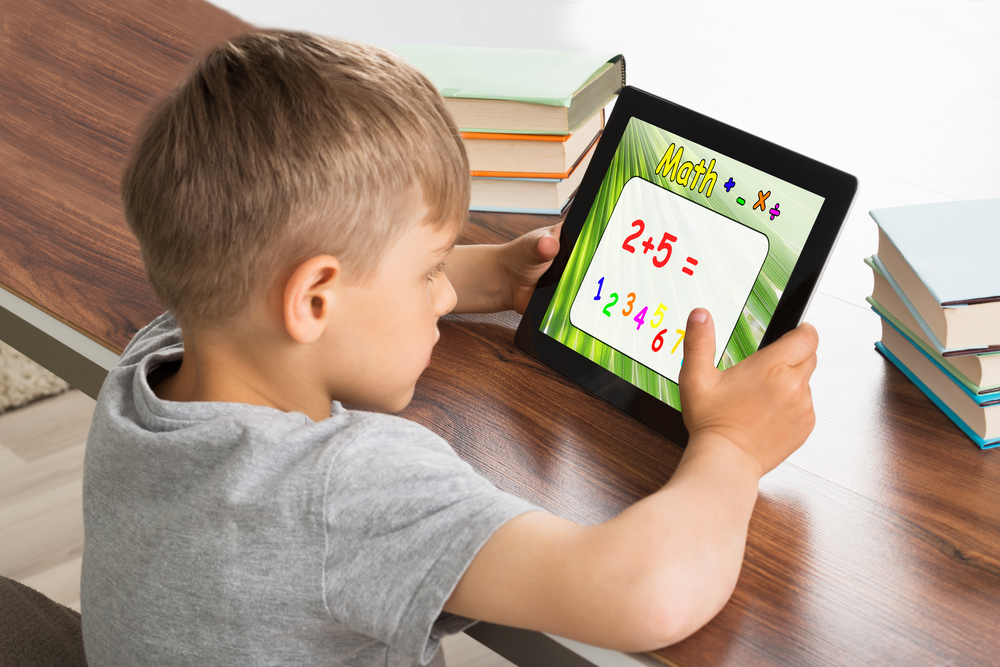

Parents and teachers should care deeply about teaching basic arithmetic addition to children aged 4-7 because it serves as the cornerstone for their overall mathematical development. At this formative age, children are incredibly receptive to new concepts and learning experiences. Mastering addition boosts their confidence and prepares them for more complex mathematical operations such as subtraction, multiplication, and division.
Basic arithmetic addition teaches kids fundamental skills like problem-solving, logical thinking, and the ability to recognize patterns, all of which are essential in everyday life beyond just mathematics. These early math skills also correlate strongly with academic success in other subjects and grades. For instance, children who are proficient in math are more likely to excel in science and technology-related subjects, enhancing their overall school performance.
Additionally, understanding addition helps children develop practical life skills such as counting money, telling time, and measuring ingredients while cooking. Learning in a structured but fun environment, possibly through games and interactive activities, can make the process enjoyable and stress-free. This positive early experience with math can foster a lifelong love for numbers and analytical thinking. Thus, ensuring that a child grasitates basic addition not only sets the stage for mathematical proficiency but offers benefits that extend across multiple aspects of their development and future success.








