Color Identification Addition Worksheets for Ages 4-7
24 filtered results
-
From - To
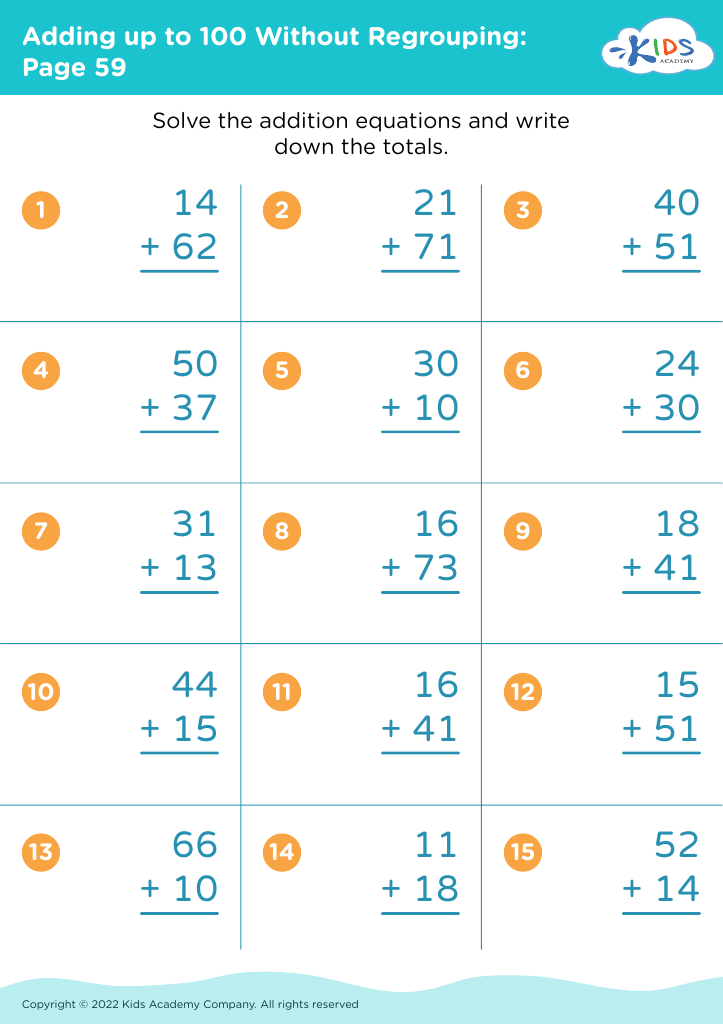
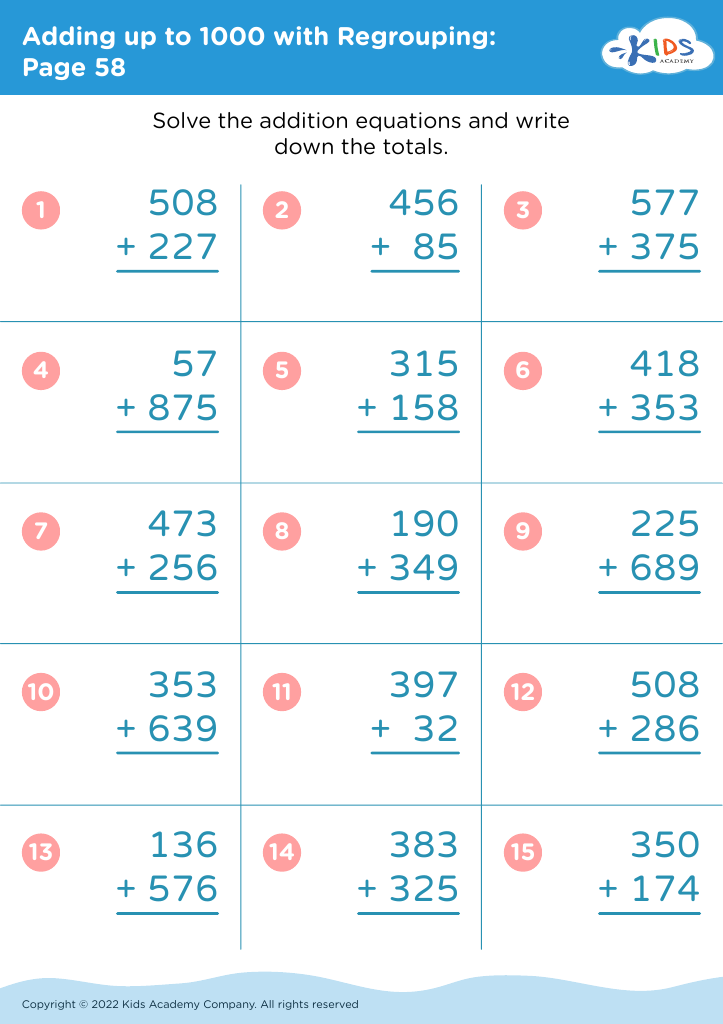
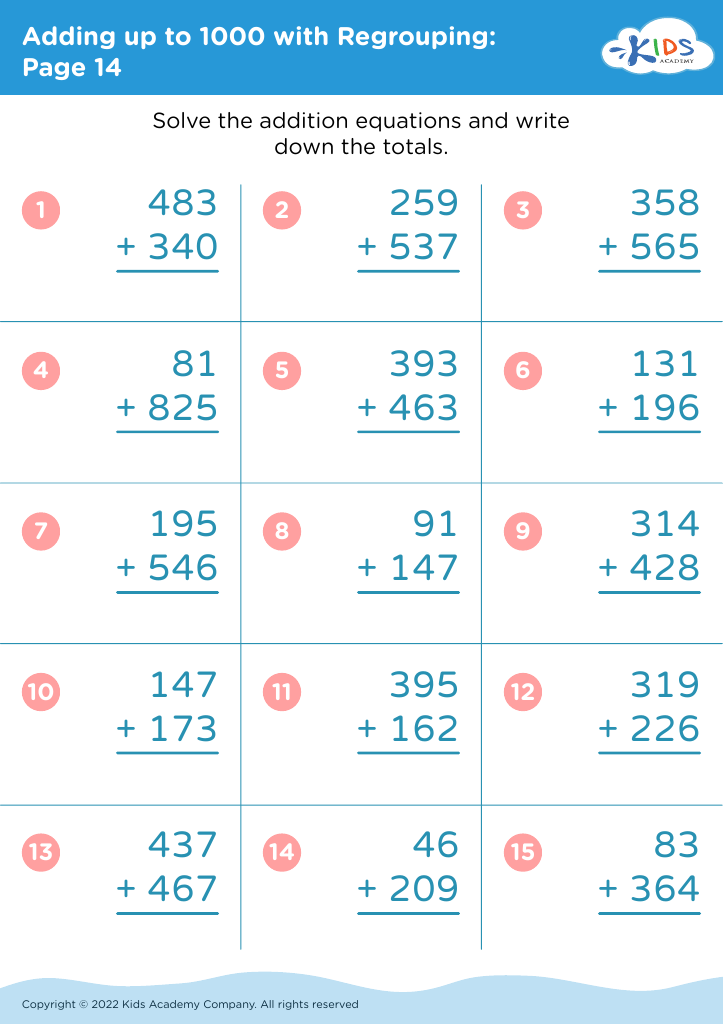
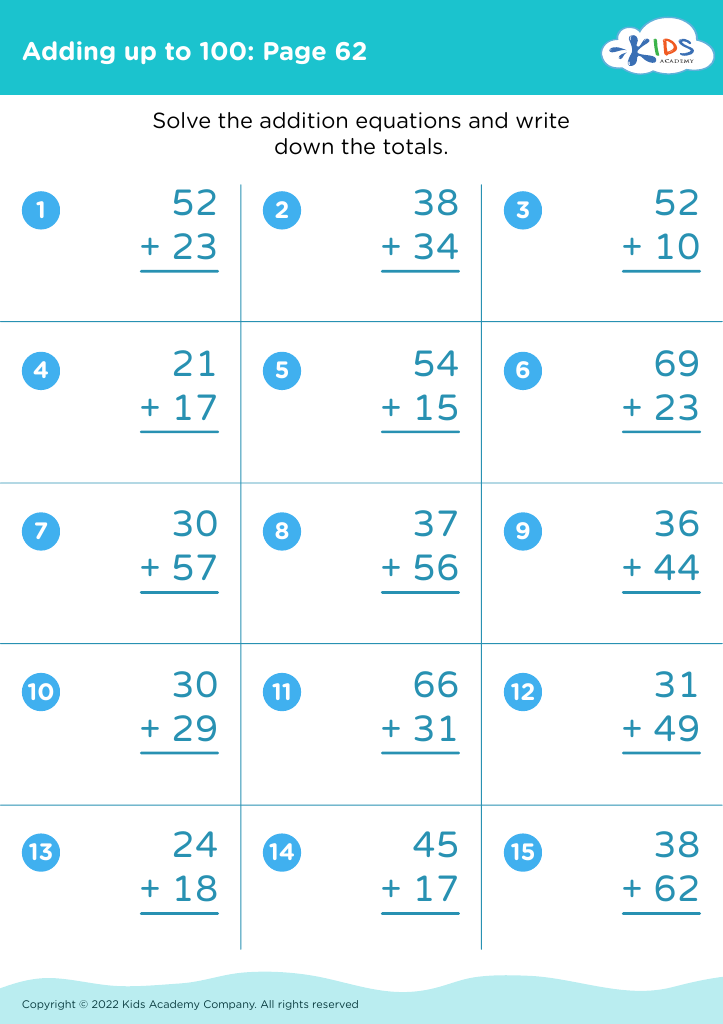
Discover our engaging Color Identification Addition Worksheets designed for children ages 4-7! These printable resources combine basic math practice with vibrant color recognition activities, making learning fun and dynamic. As kids solve simple addition problems, they'll also identify and color sections, enhancing their cognitive skills and reinforcing color names. Perfect for early learners, these worksheets support foundational math skills while providing an interactive experience to keep young minds active and entertained. Ideal for parents and educators looking to enrich their math lessons, our worksheets help children develop a love for learning through play and creativity.
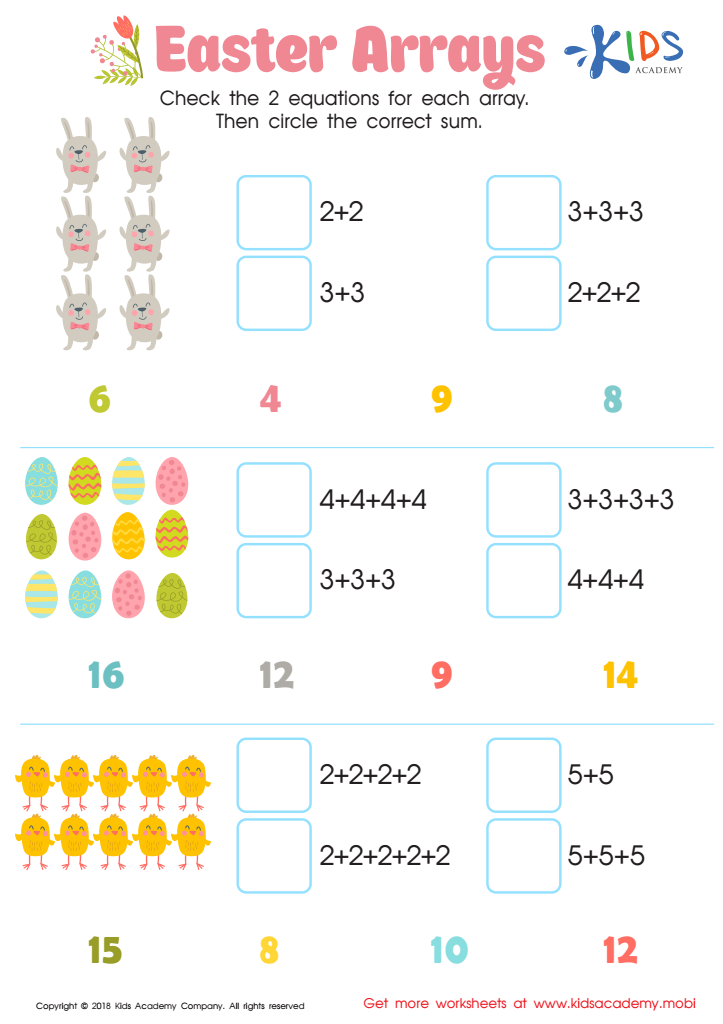
Easter Arrays Worksheet
 Assign to My Students
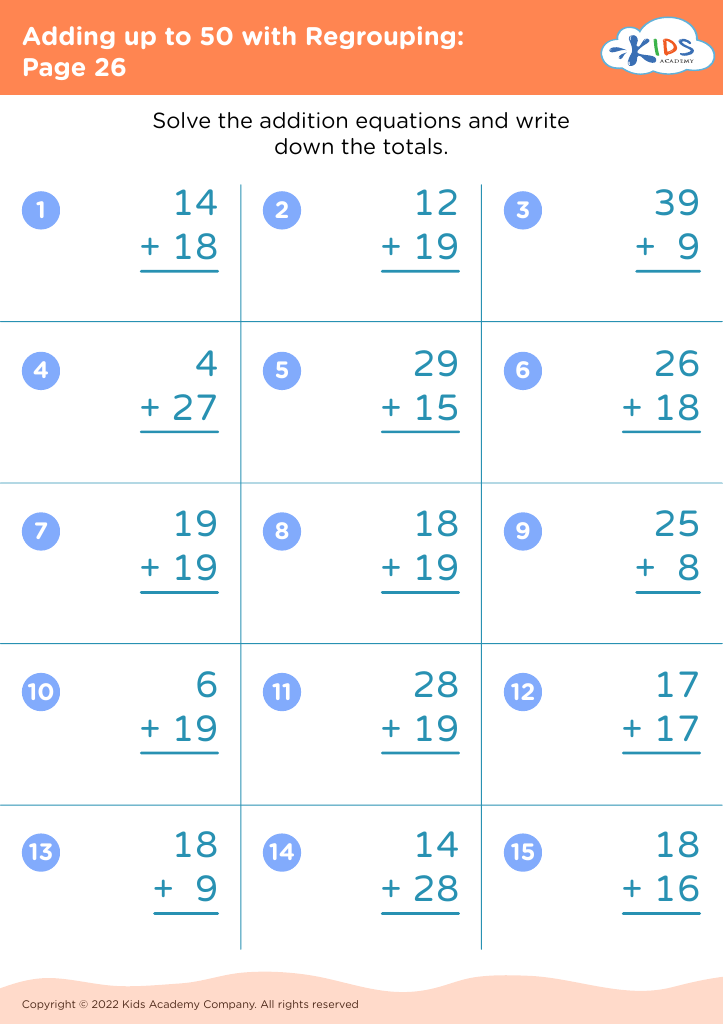
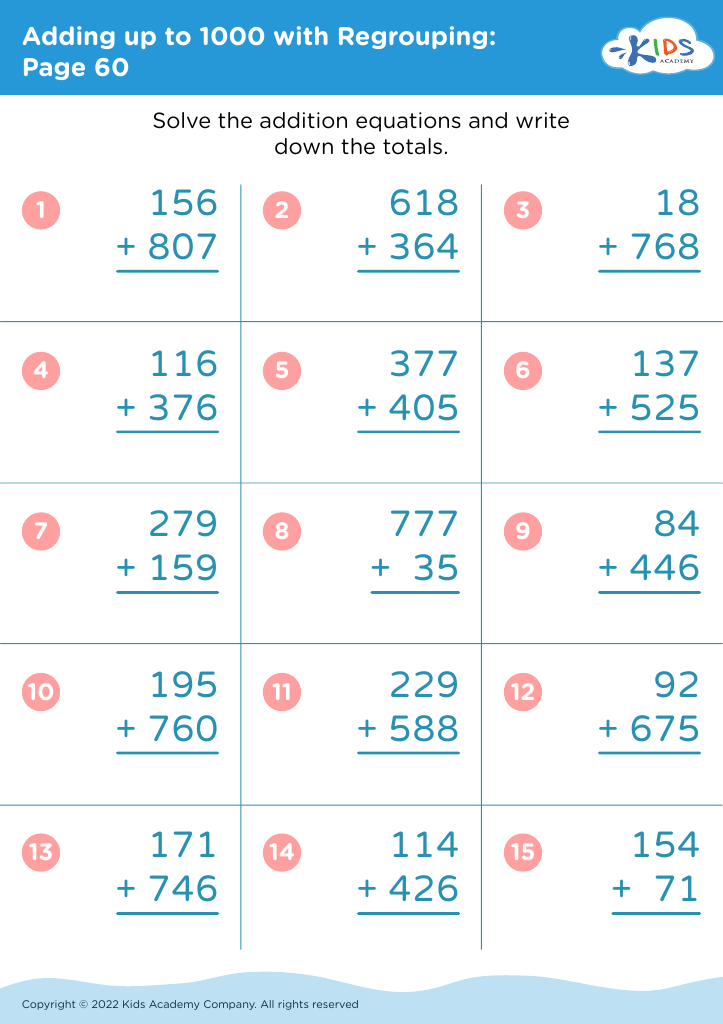
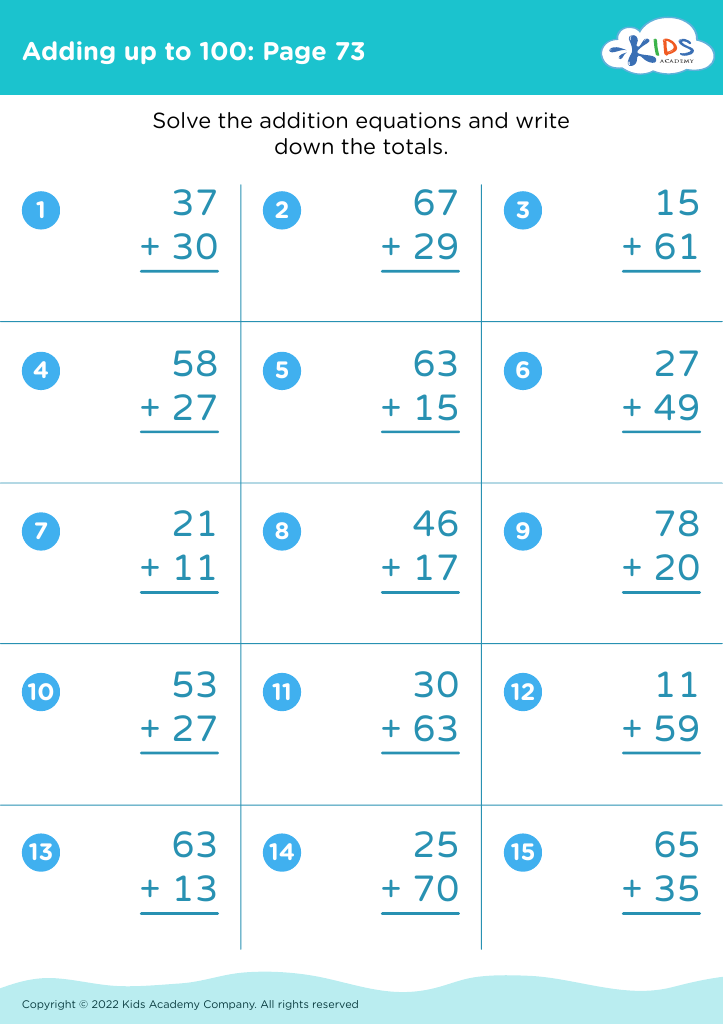
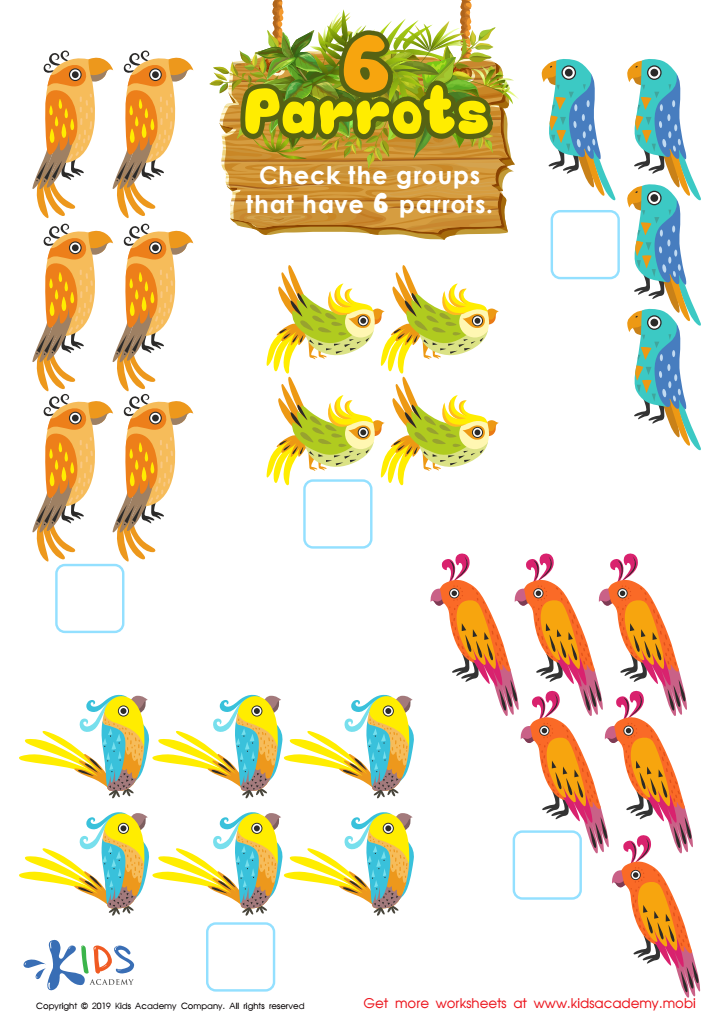
6 Parrots Worksheet
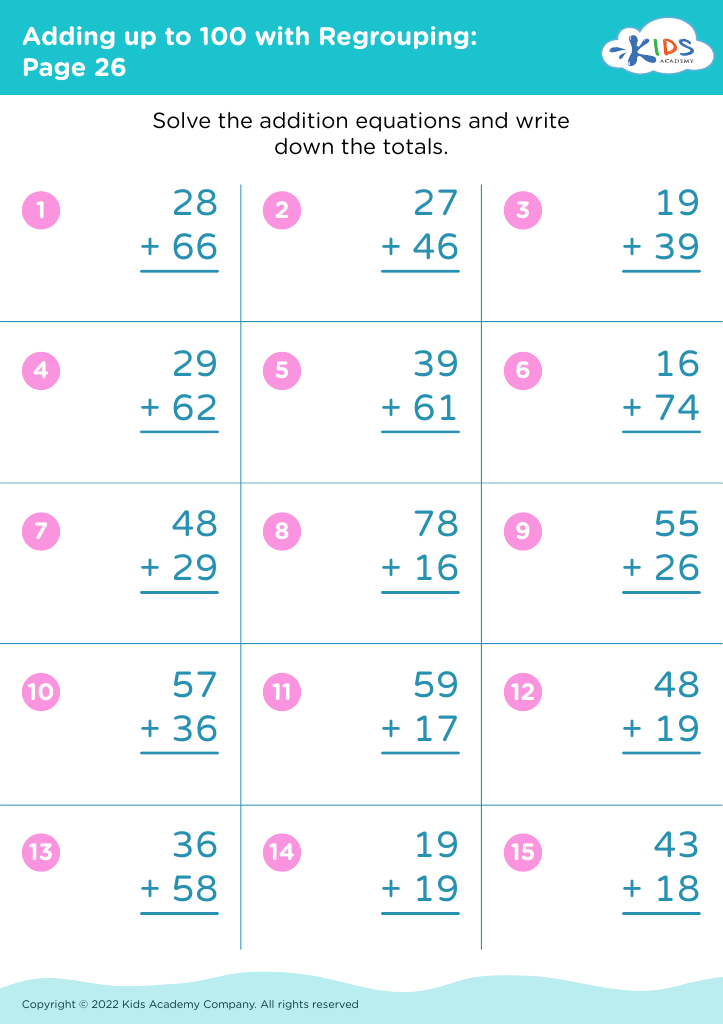
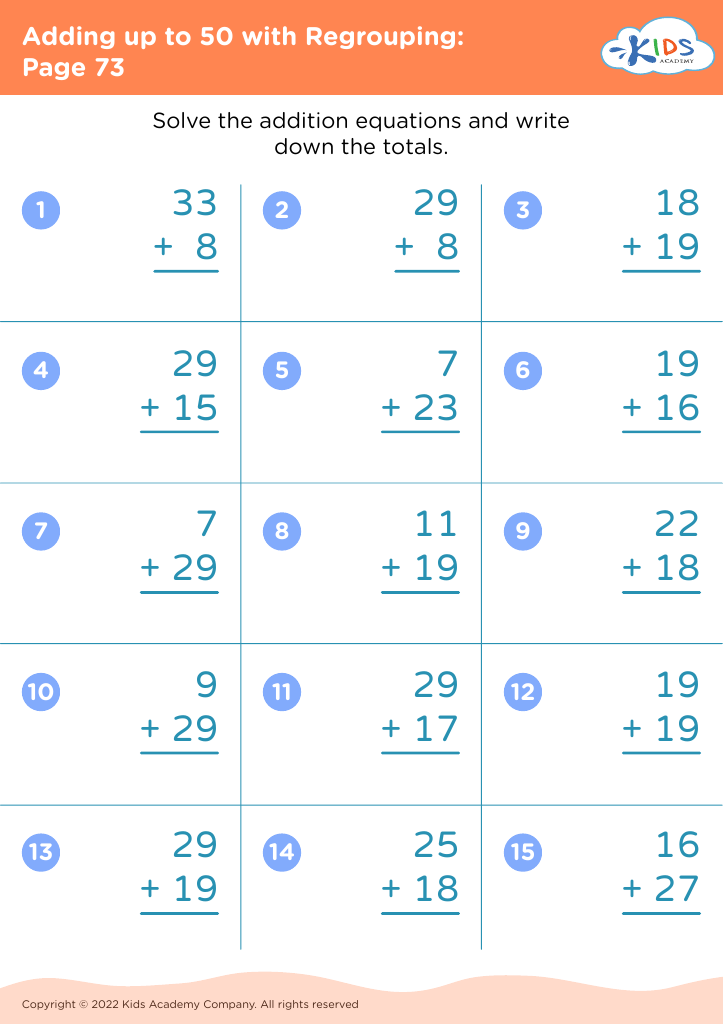
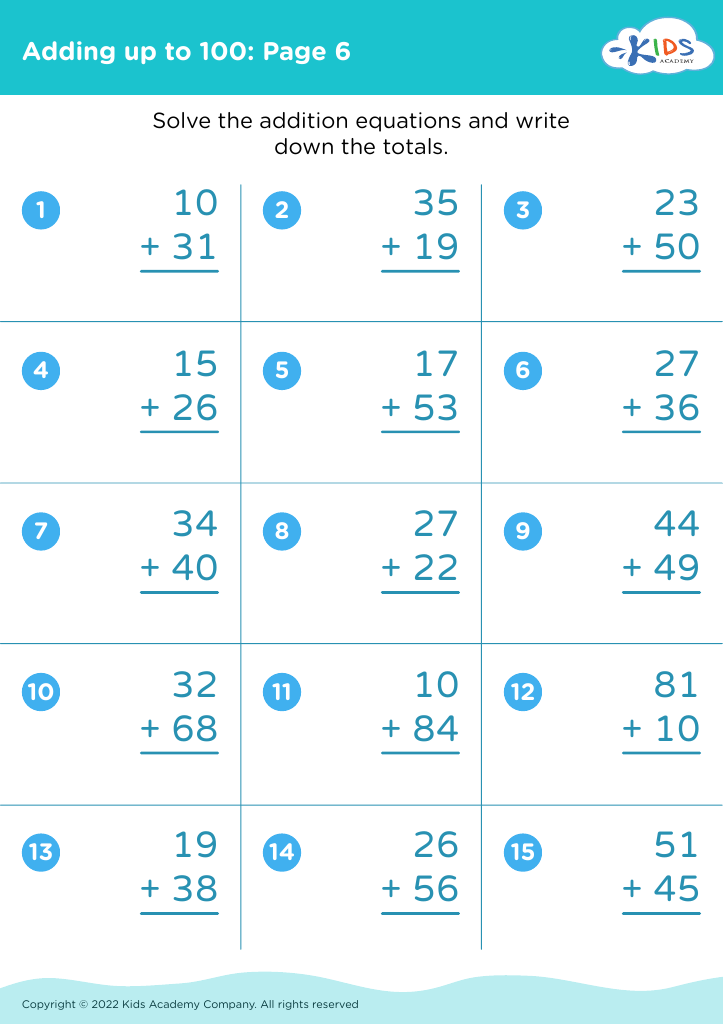
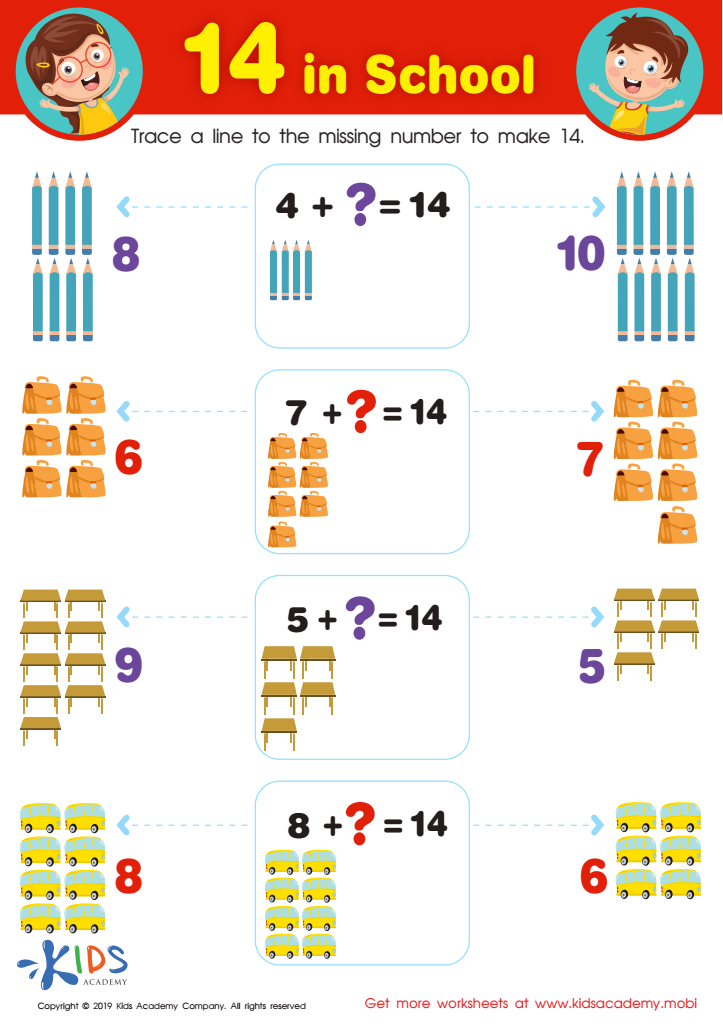
14 in School Worksheet
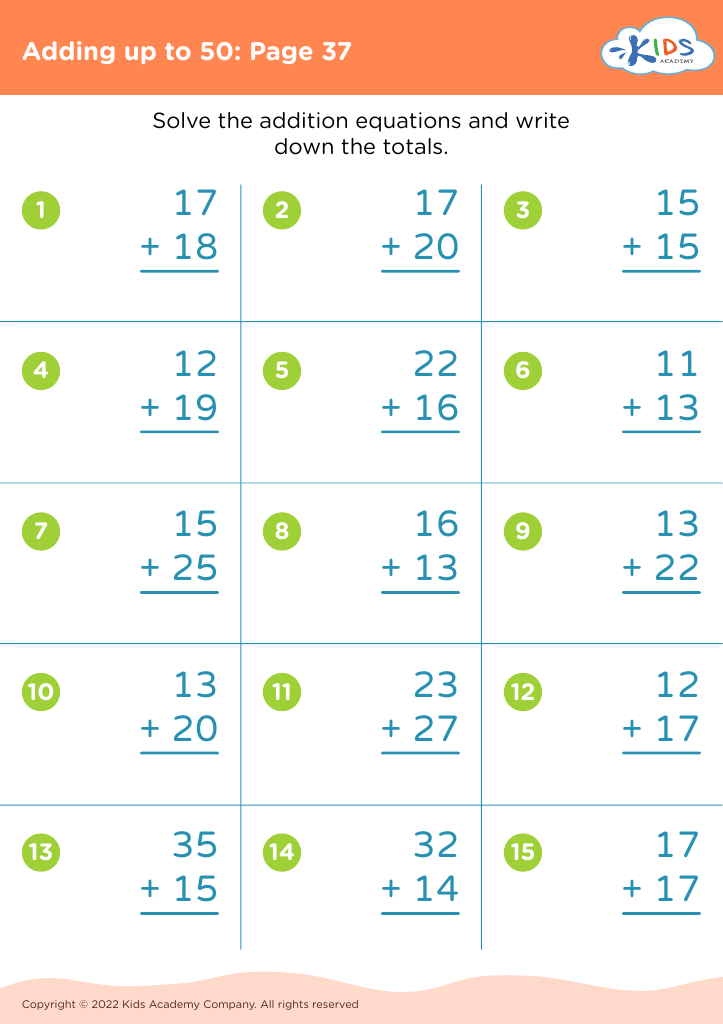
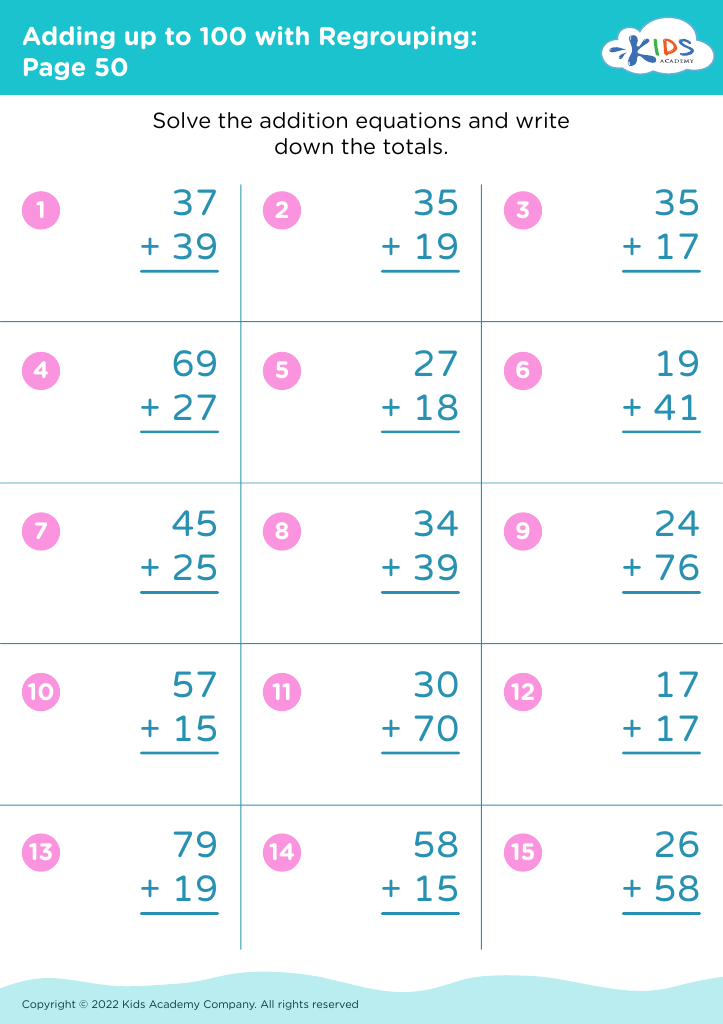
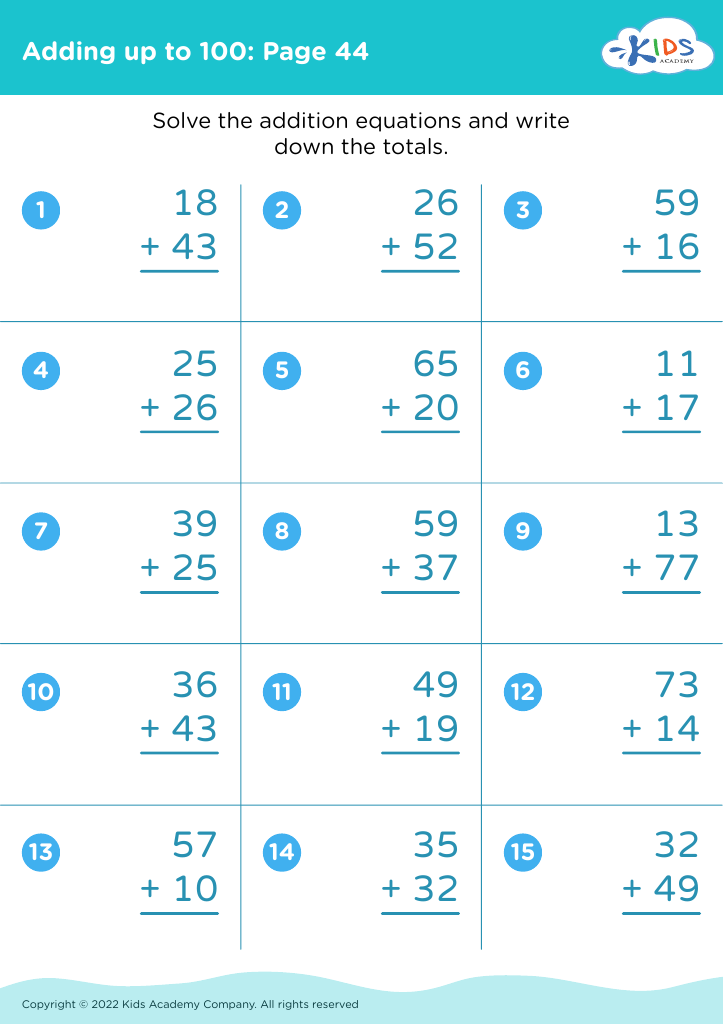






.jpg)

Parents and teachers should care about color identification addition for ages 4-7 because it plays a crucial role in a child's cognitive, academic, and social development. At this early stage, integrating color identification into learning can make abstract concepts more tangible and engaging for young children.
Colors are a common and easily recognizable attribute of everyday items, making them excellent tools for teaching basic math skills. By using colors to represent numbers or groups, children can visually comprehend addition concepts more concretely. For instance, adding two red apples to three green apples helps them understand that quantities combine to form a larger set.
This approach capitalizes on children's natural curiosity and attraction to vibrant, colorful materials, thereby fostering an enjoyable and inviting learning environment. Through interactive activities that incorporate colors, fine motor skills such as coloring and sorting are developed, which are essential for handwriting and other future academic tasks.
Moreover, early mastery of color identification addition enhances problem-solving skills, encourages logical thinking, and builds a sense of accomplishment, laying a solid foundation for more complex mathematical concepts. In social settings, the ability to discuss and share colored learning aids promotes communication, collaboration, and cooperative learning among peers.
Ultimately, focusing on color identification addition in early education supports holistic growth, ensuring children are well-equipped with the skills and confidence needed for ongoing learning success.








