Problem-solving abilities Addition Worksheets for Ages 4-7 - Page 2
29 filtered results
-
From - To
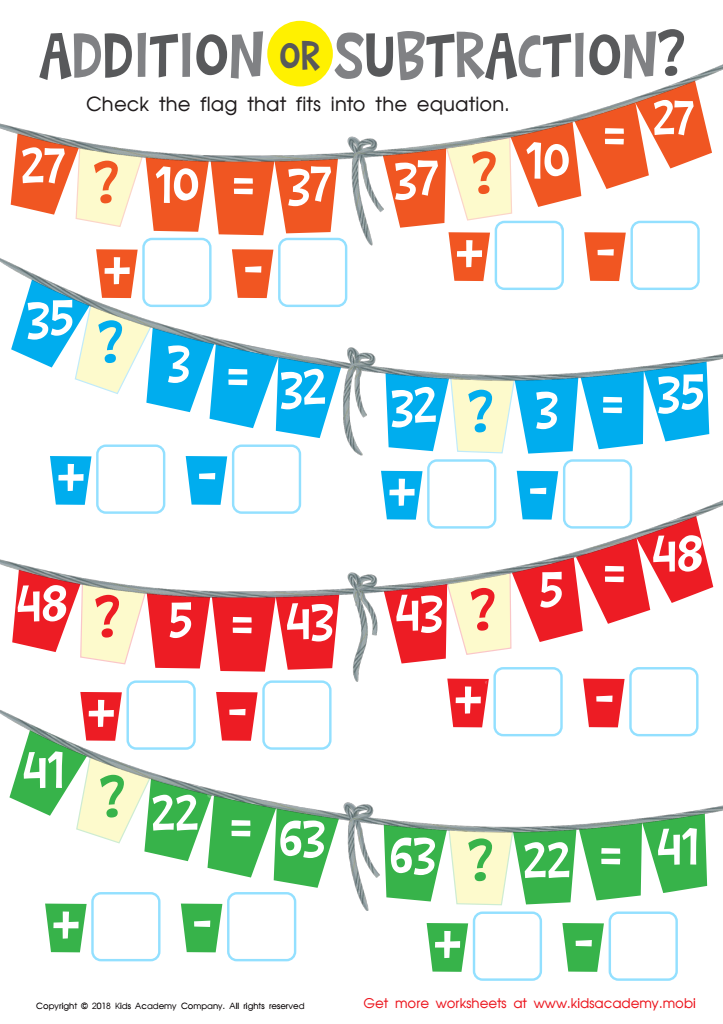
Addition or Subtraction? Worksheet
 Assign to My Students
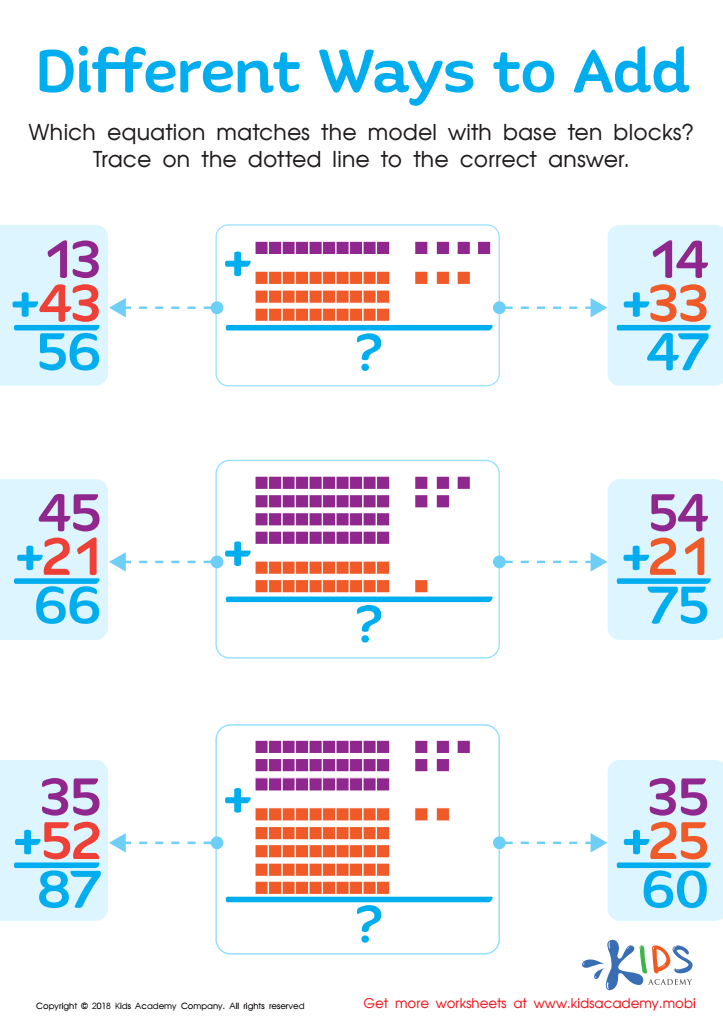
Different Ways to Add Worksheet
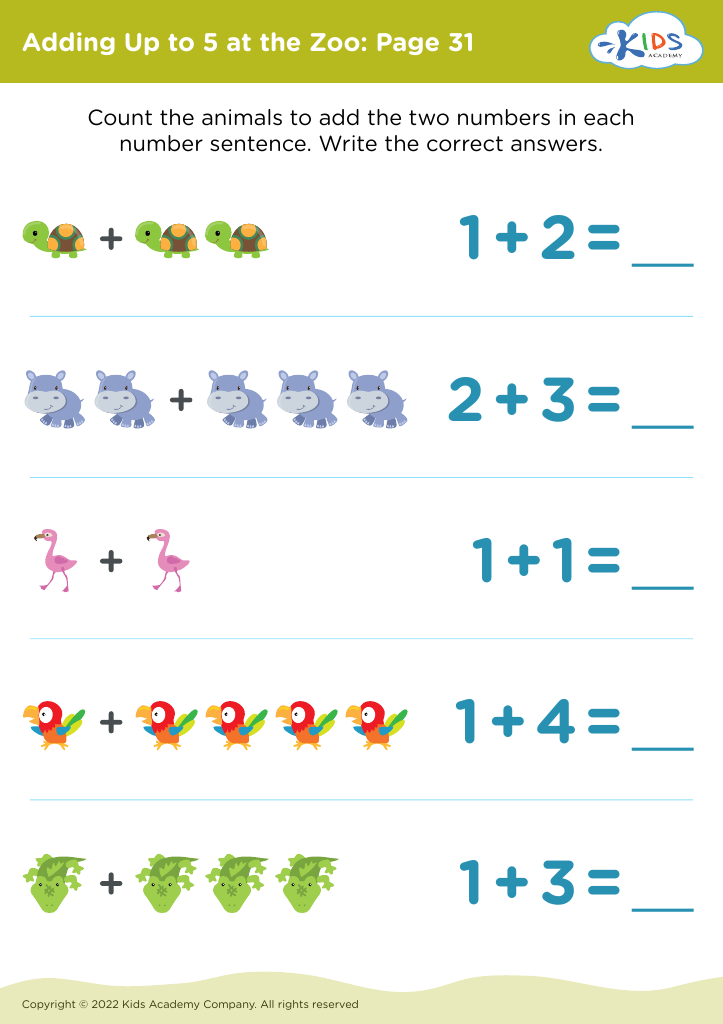
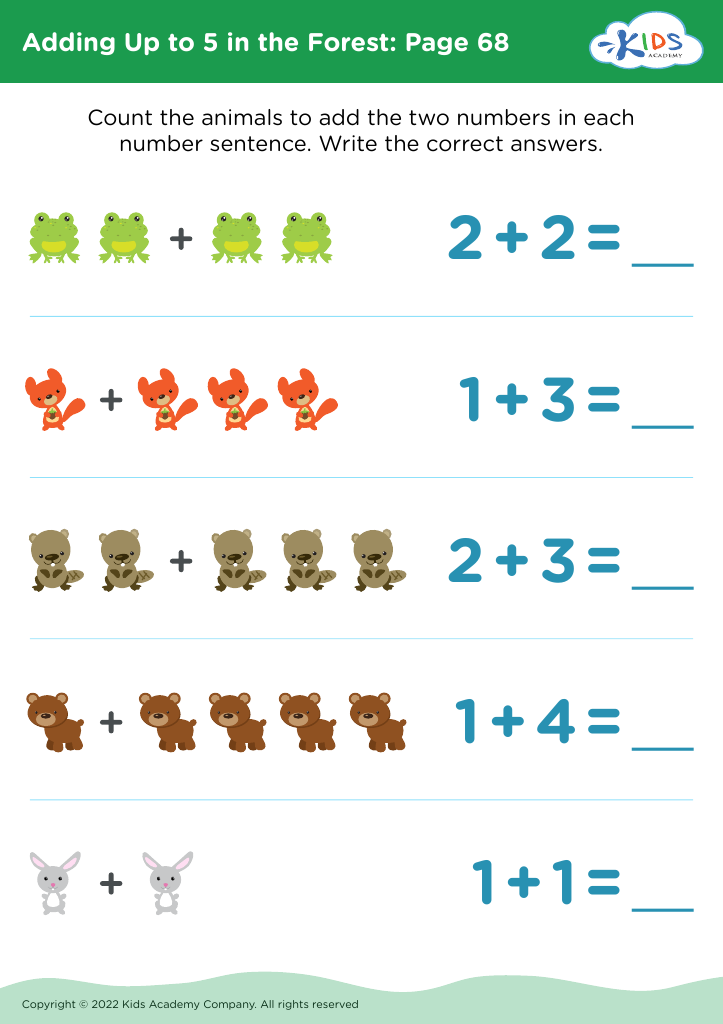
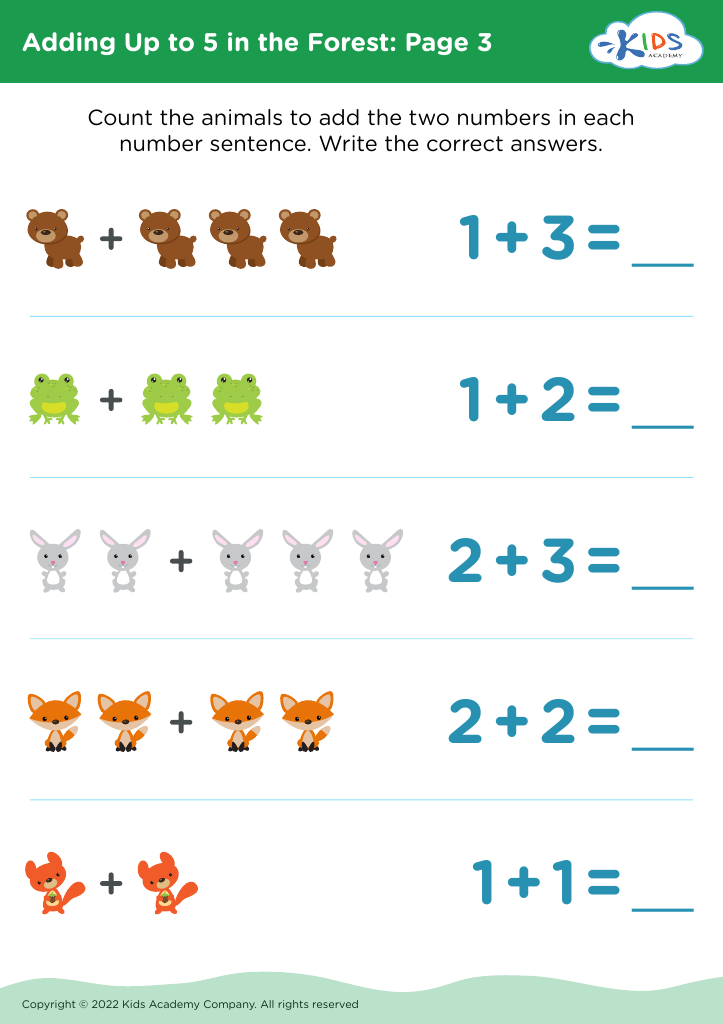


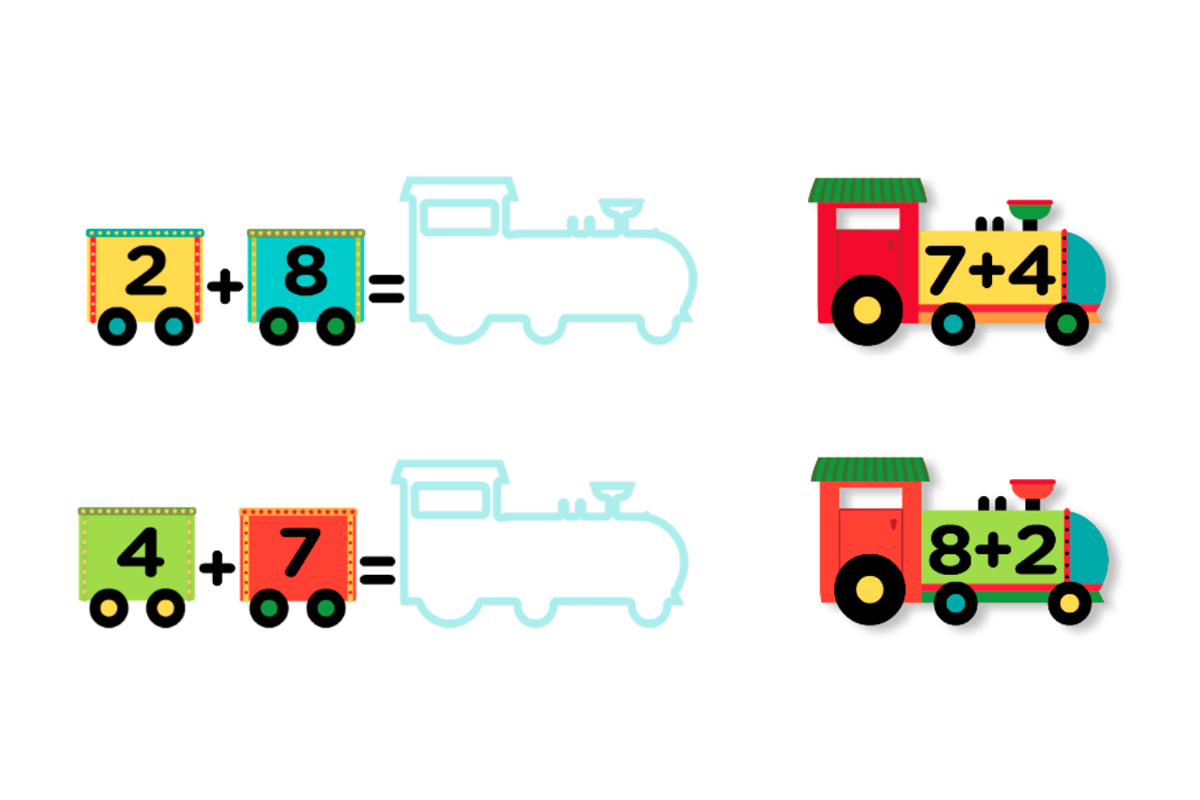





Problem-solving abilities, particularly addition, are foundational skills for young children aged 4-7 that play a critical role in their cognitive development and academic success. During these formative years, children's brains are highly adaptable, making it the ideal time to introduce concepts that strengthen their mathematical reasoning and logical thinking. Understanding addition is more than just learning to add numbers; it equips children with a strategy for approaching various problems in structured and systematic ways.
Parents and teachers should care deeply about nurturing these abilities because early proficiency in problem-solving sets the stage for later academic challenges. Addition fosters critical skills such as counting, recognizing number patterns, and basic arithmetic operations, which serve as building blocks for more complex math concepts. Moreover, these problem-solving abilities are transferable to other areas such as science and reading comprehension, promoting overall intellectual agility.
Furthermore, early success in math can boost a child's confidence and enthusiasm for learning. This positive experience helps mitigate the math anxiety that often develops during later school years. By prioritizing the development of problem-solving skills in addition, parents and teachers not only support children's immediate academic performance but also contribute to their long-term educational and life success.








