Filters

158 filtered results

Clear all filters
Favorites
With answer key
Interactive

158 filtered results

Difficulty Level

Grade


Check out this FREE Trial Lesson on Addition for age 4-7!

Match Exactly the Same

Favorites
With answer key
Interactive
  • 4-7
  • Understanding fractions
  • Addition
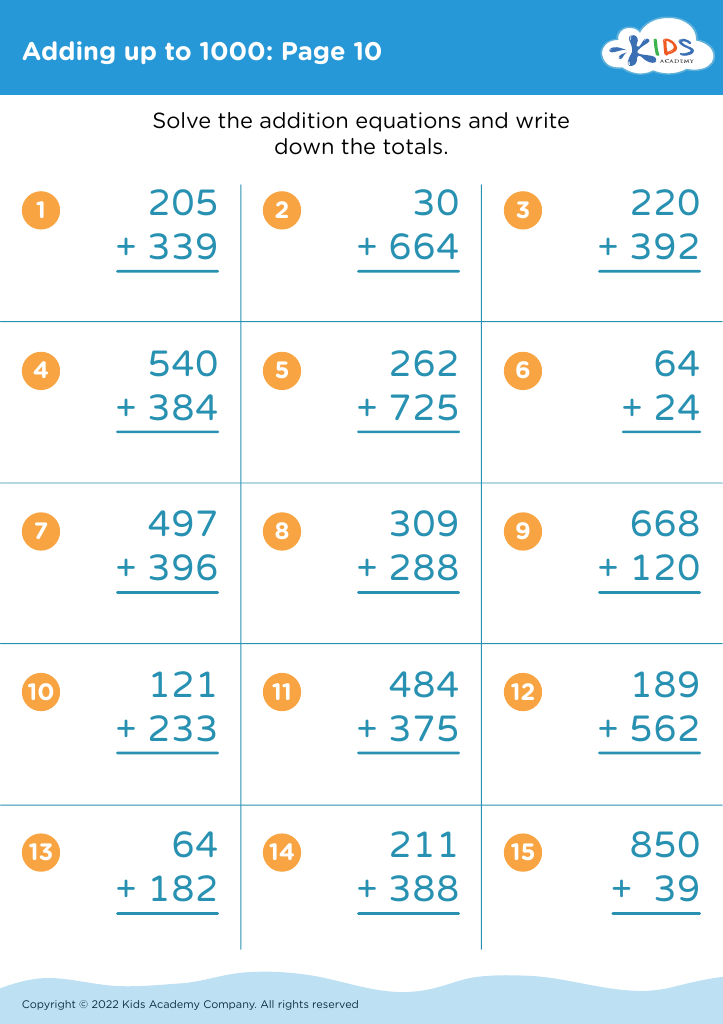
Adding up to 1000: Page 10

Adding up to 1000: Page 10

Adding up to 1000: Page 10
Worksheet
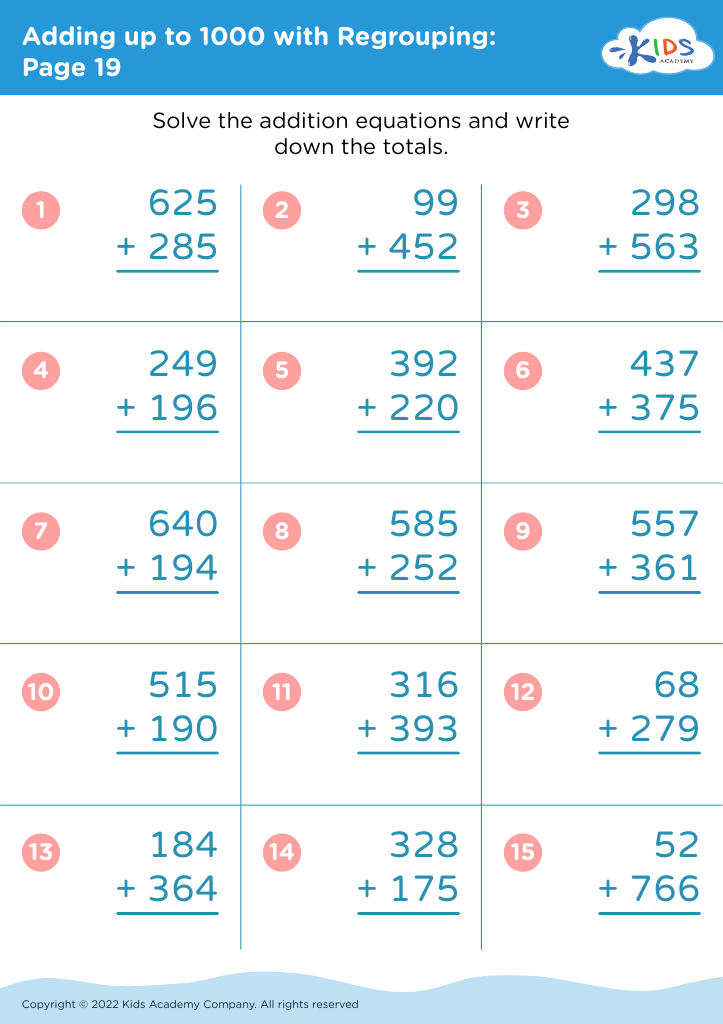
Adding up to 1000 with Regrouping: Page 19
Worksheet
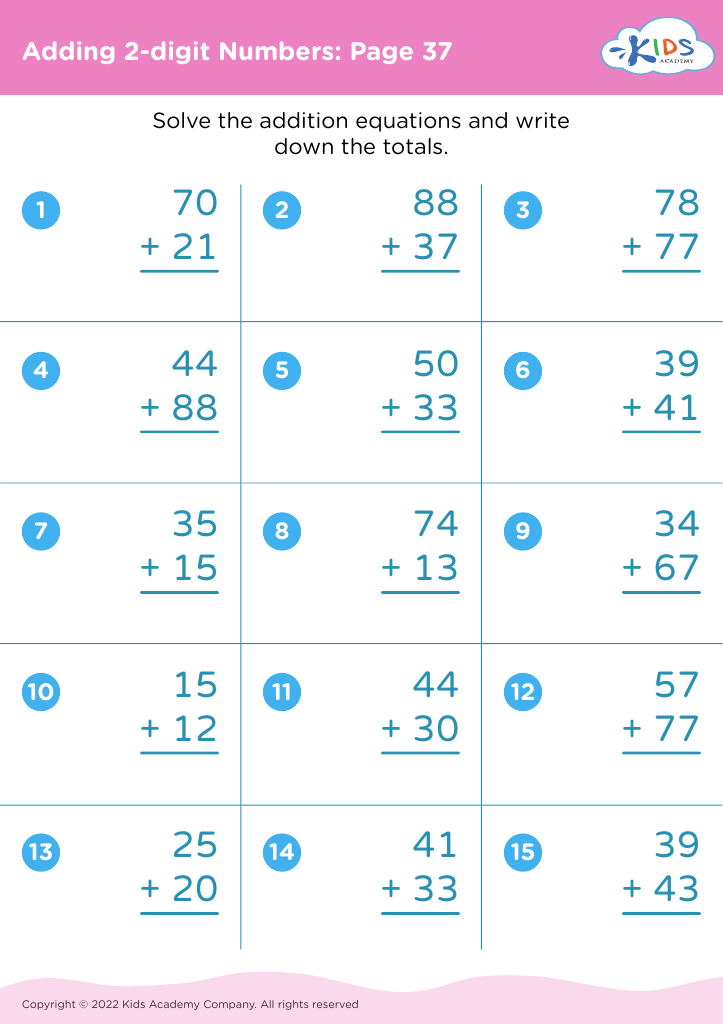
Adding 2-digit Numbers: Page 37

Adding 2-digit Numbers: Page 37

Adding 2-digit Numbers: Page 37
Worksheet
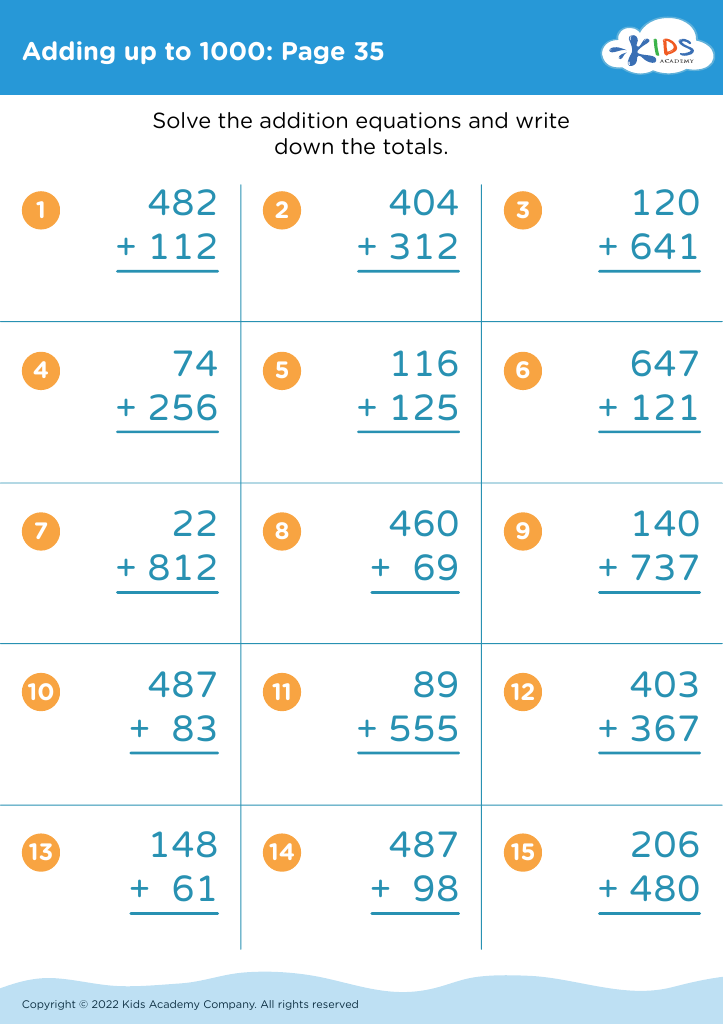
Adding up to 1000: Page 35

Adding up to 1000: Page 35

Adding up to 1000: Page 35
Worksheet
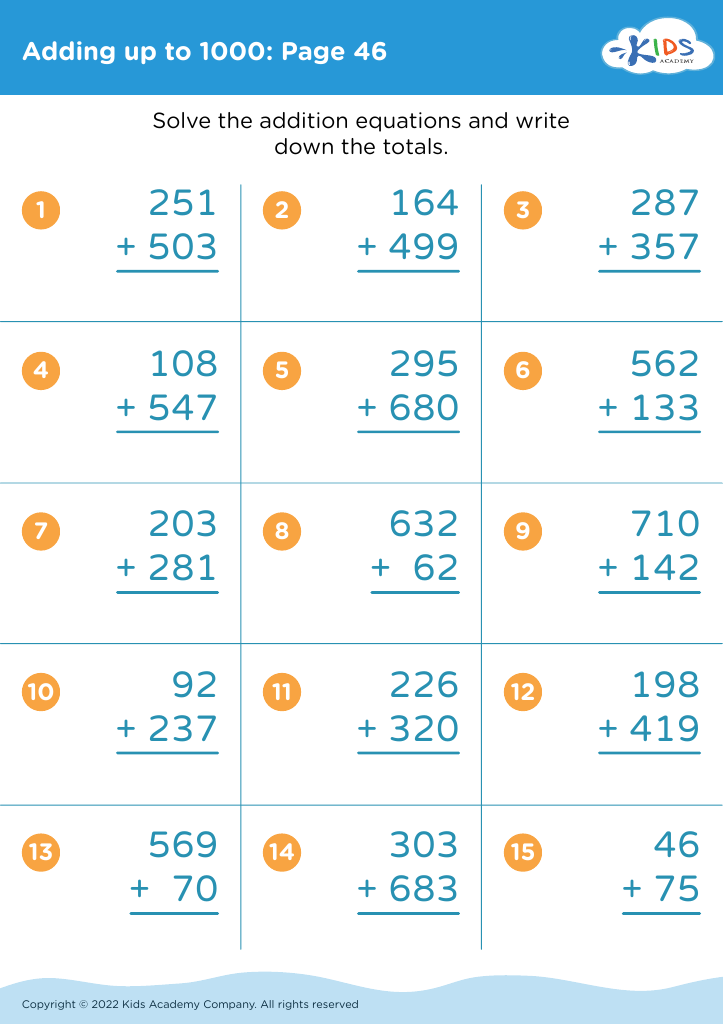
Adding up to 1000: Page 46

Adding up to 1000: Page 46

Adding up to 1000: Page 46
Worksheet
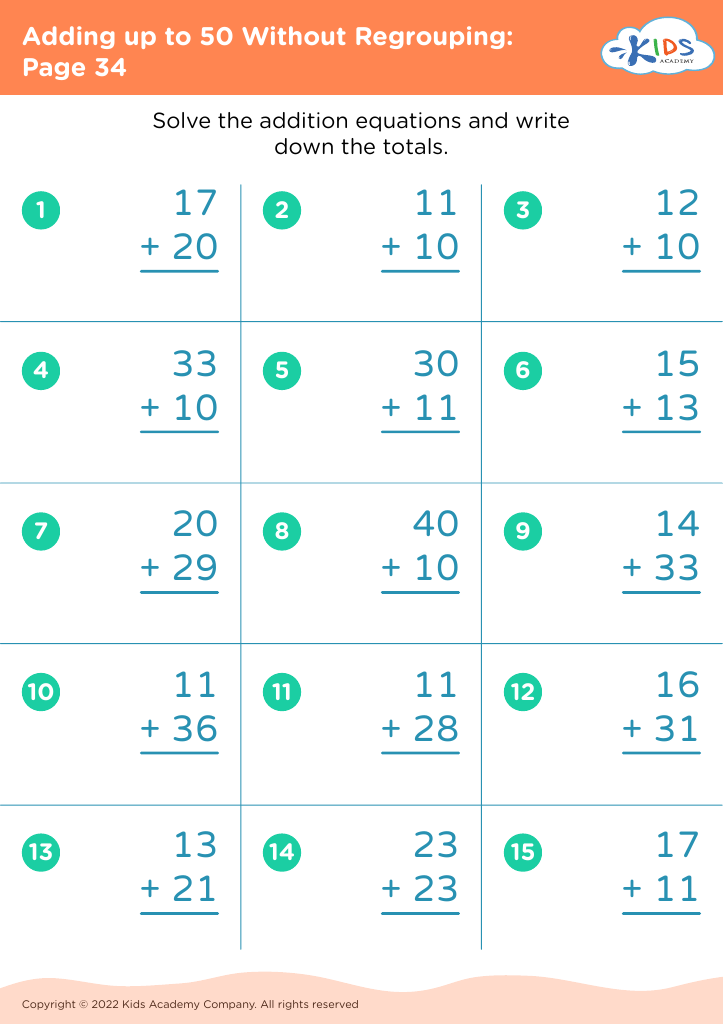
Adding up to 50 Without Regrouping: Page 34
Worksheet
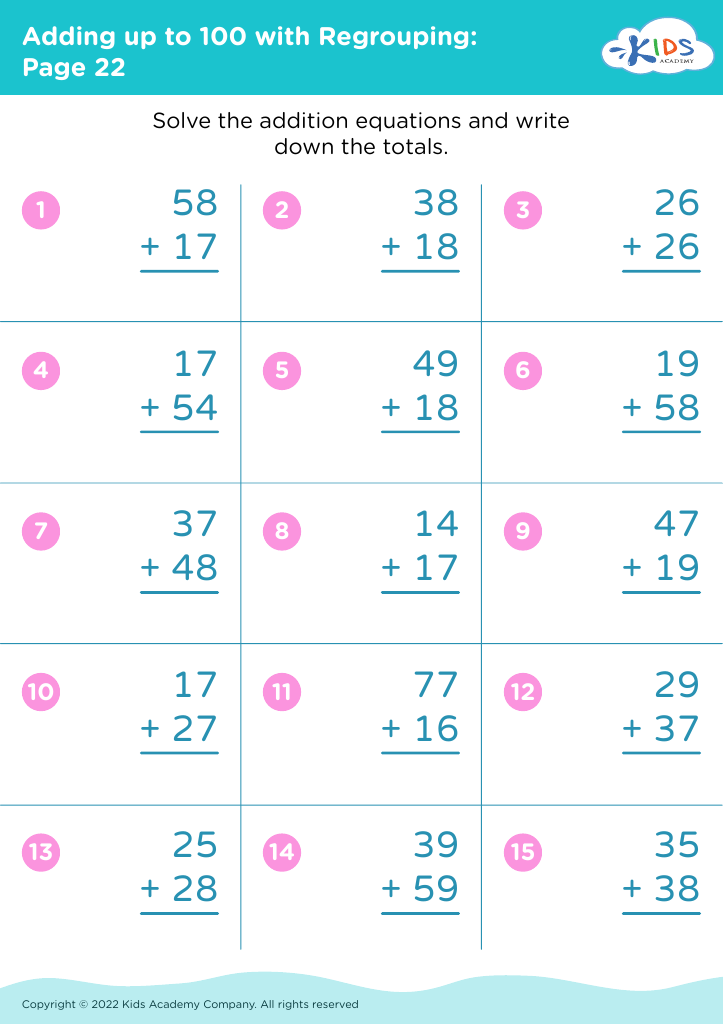
Adding up to 100 with Regrouping: Page 22
Worksheet
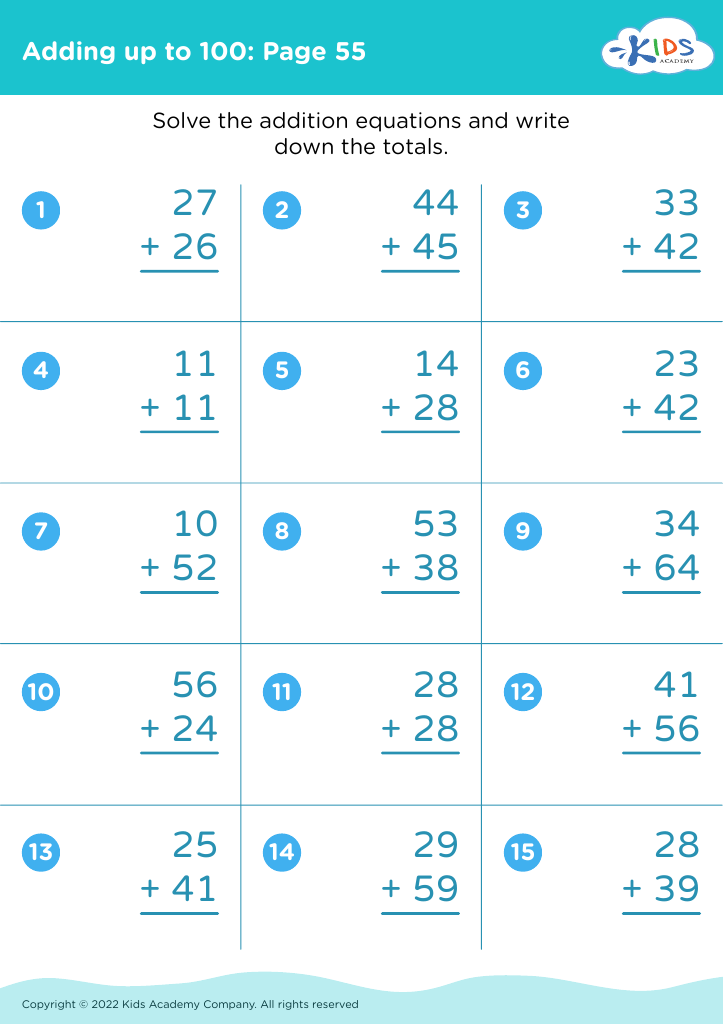
Adding up to 100: Page 55

Adding up to 100: Page 55

Adding up to 100: Page 55
Worksheet
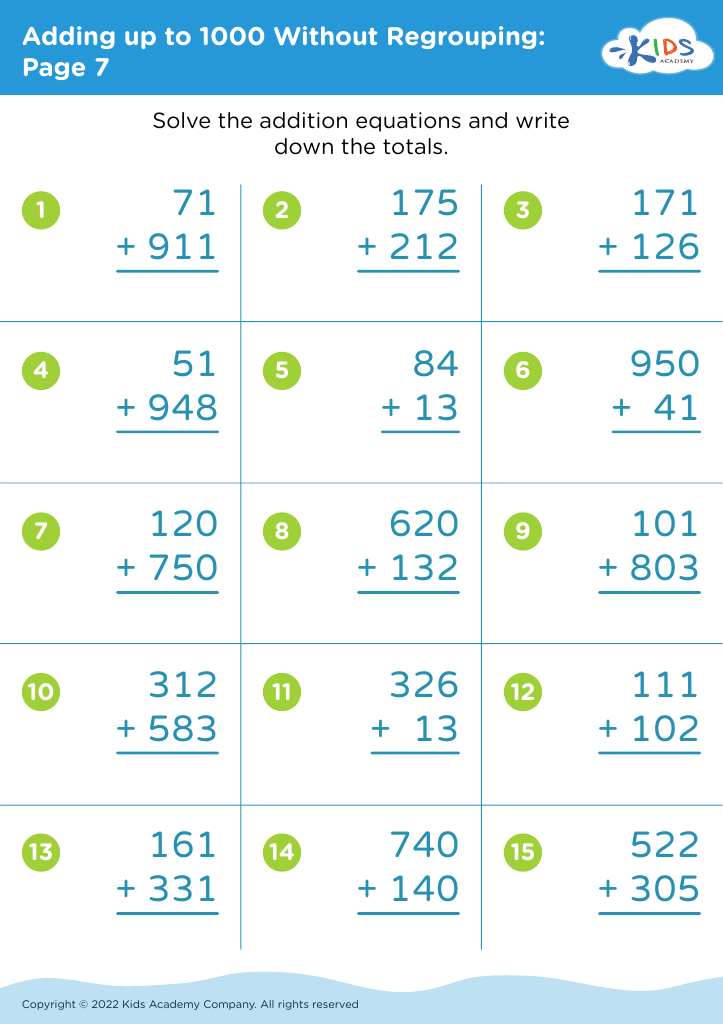
Adding up to 1000 Without Regrouping: Page 7
Worksheet
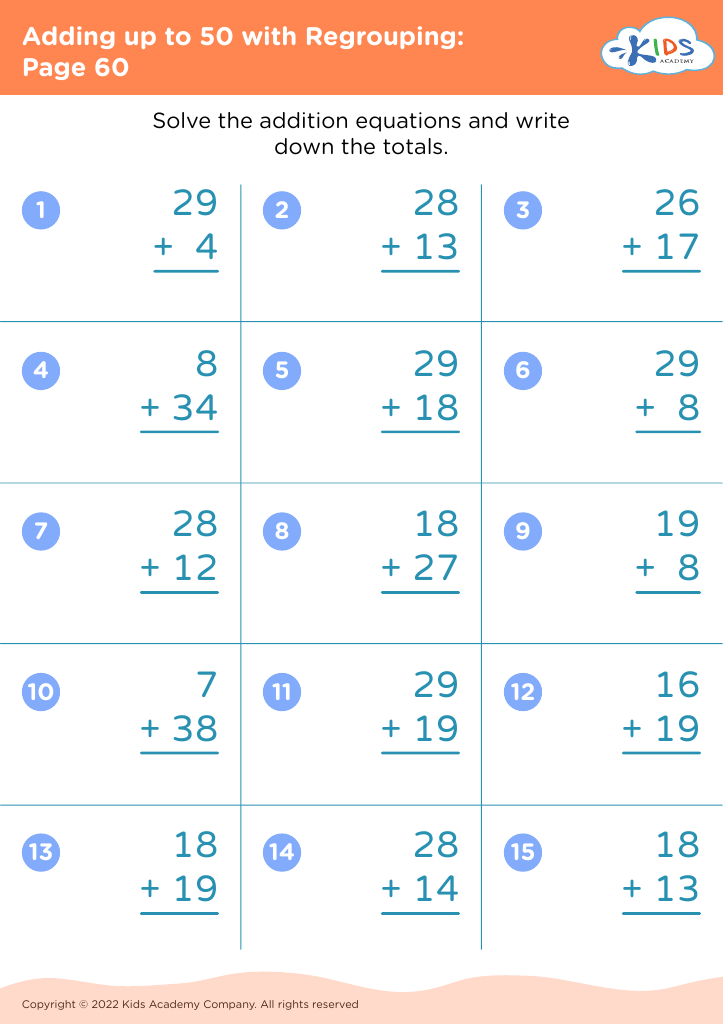
Adding up to 50 with Regrouping: Page 60
Worksheet
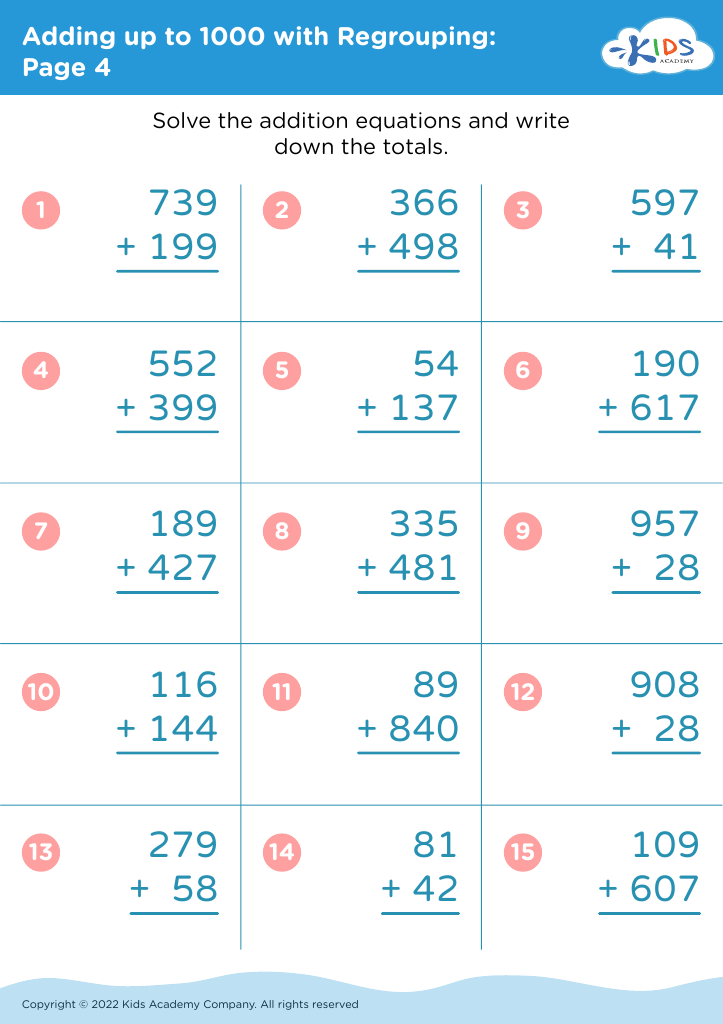
Adding up to 1000 with Regrouping: Page 4
Worksheet
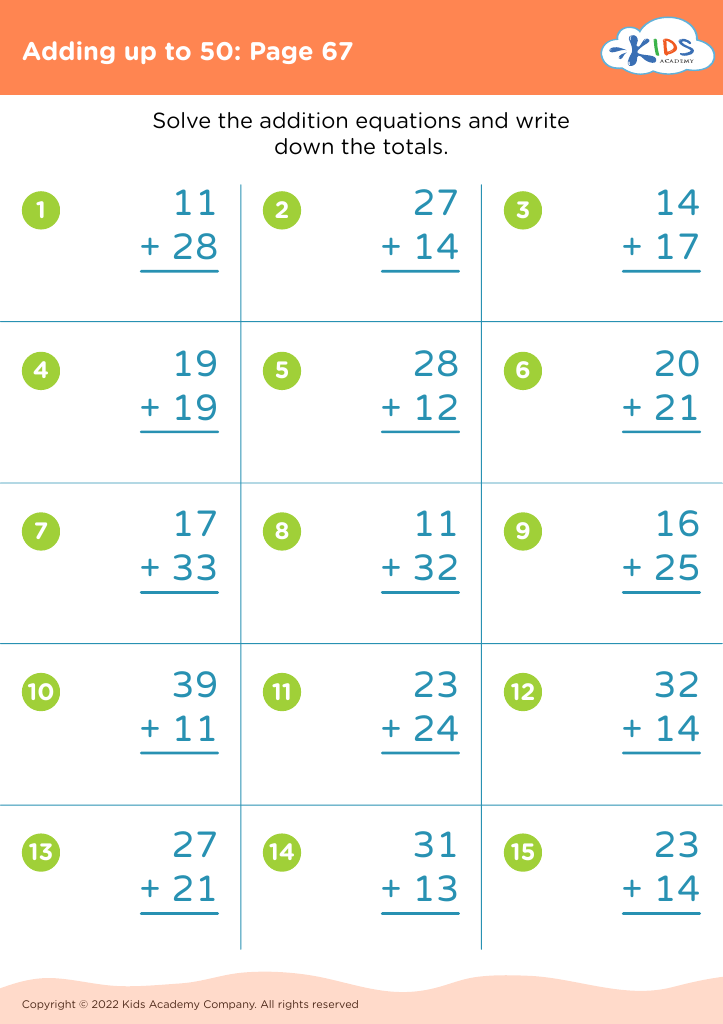
Adding up to 50: Page 67

Adding up to 50: Page 67

Adding up to 50: Page 67
Worksheet
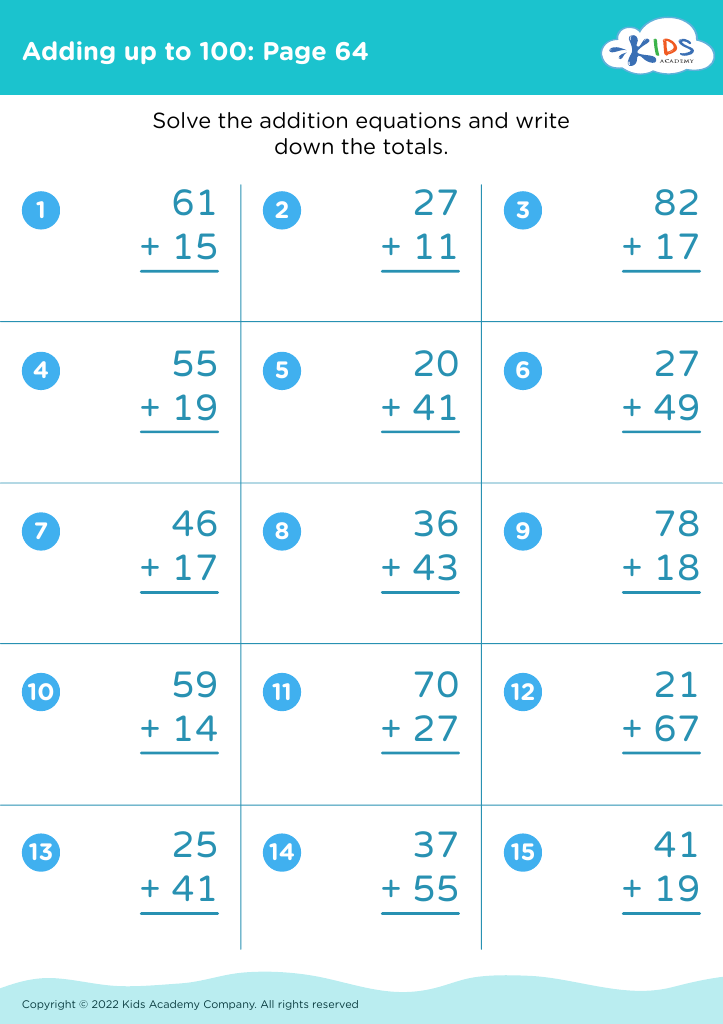
Adding up to 100: Page 64

Adding up to 100: Page 64

Adding up to 100: Page 64
Worksheet
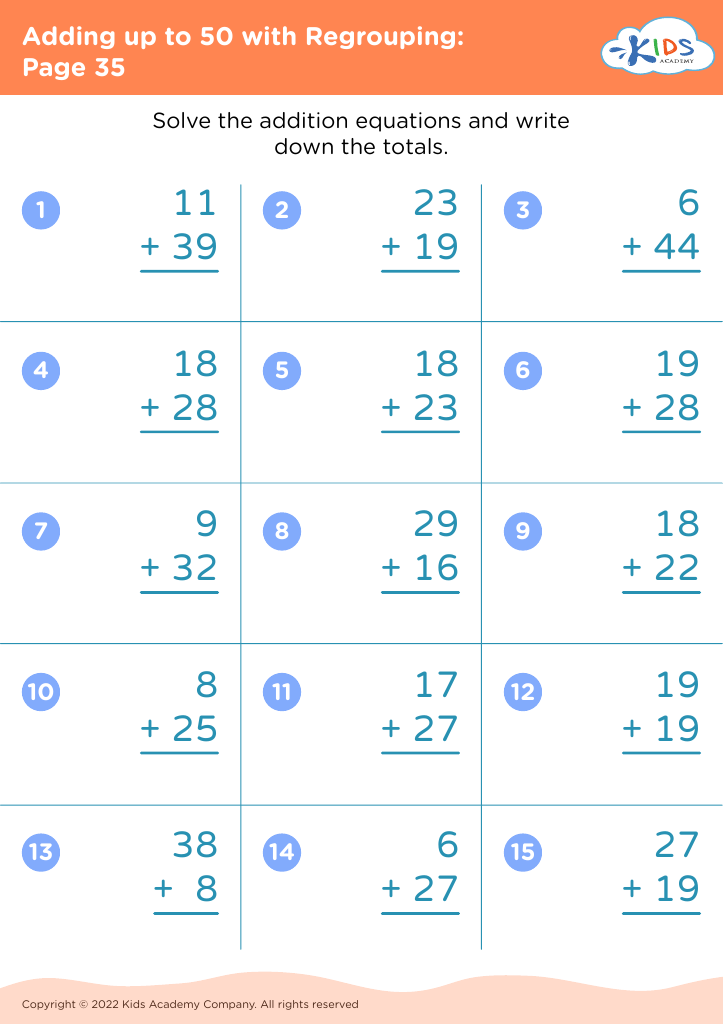
Adding up to 50 with Regrouping: Page 35
Worksheet
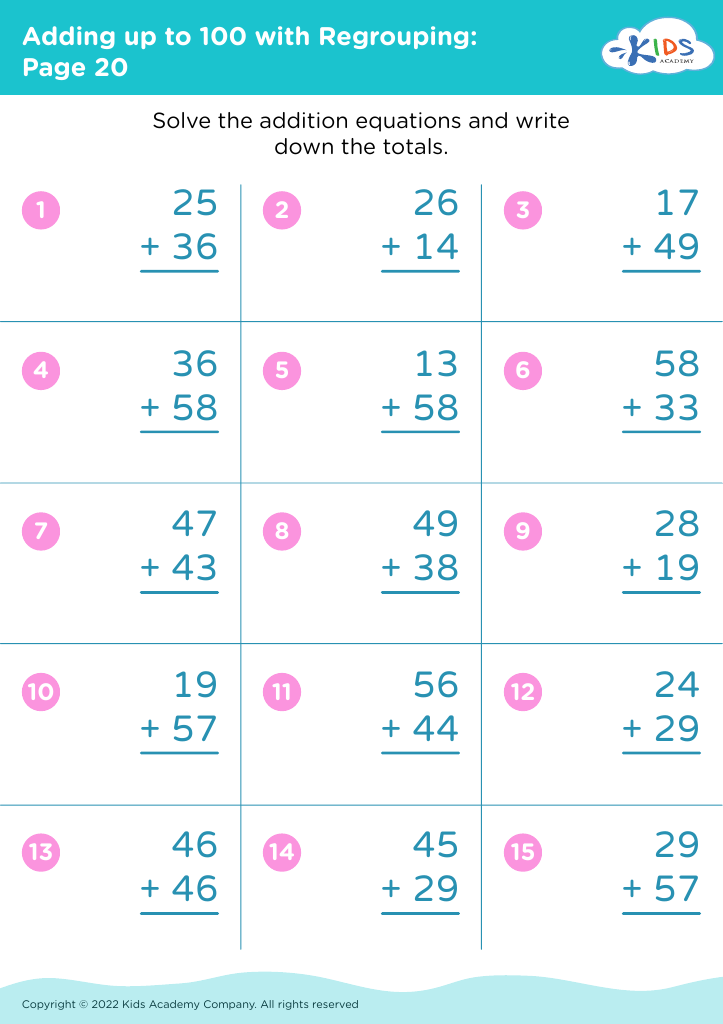
Adding up to 100 with Regrouping: Page 20
Worksheet
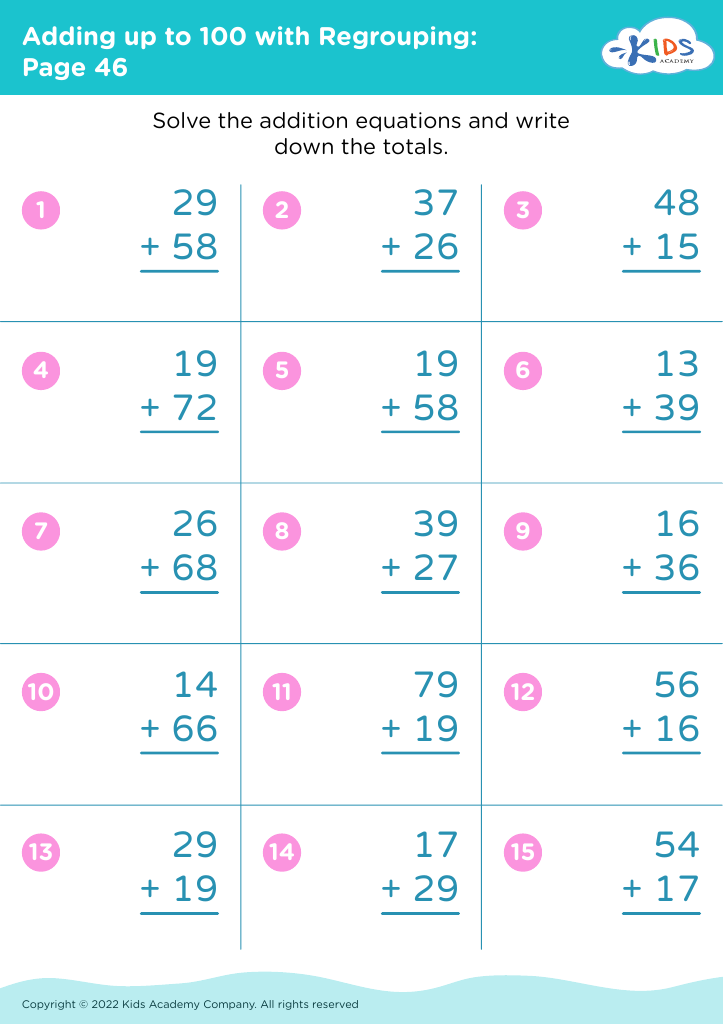
Adding up to 100 with Regrouping: Page 46
Worksheet
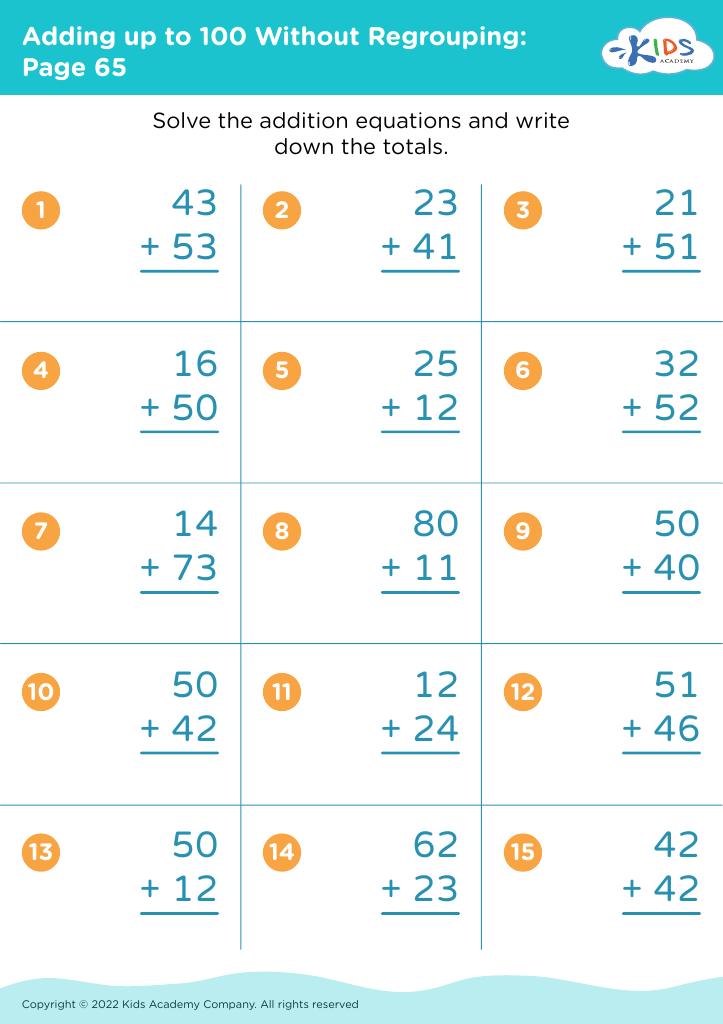
Adding up to 100 Without Regrouping: Page 65
Worksheet
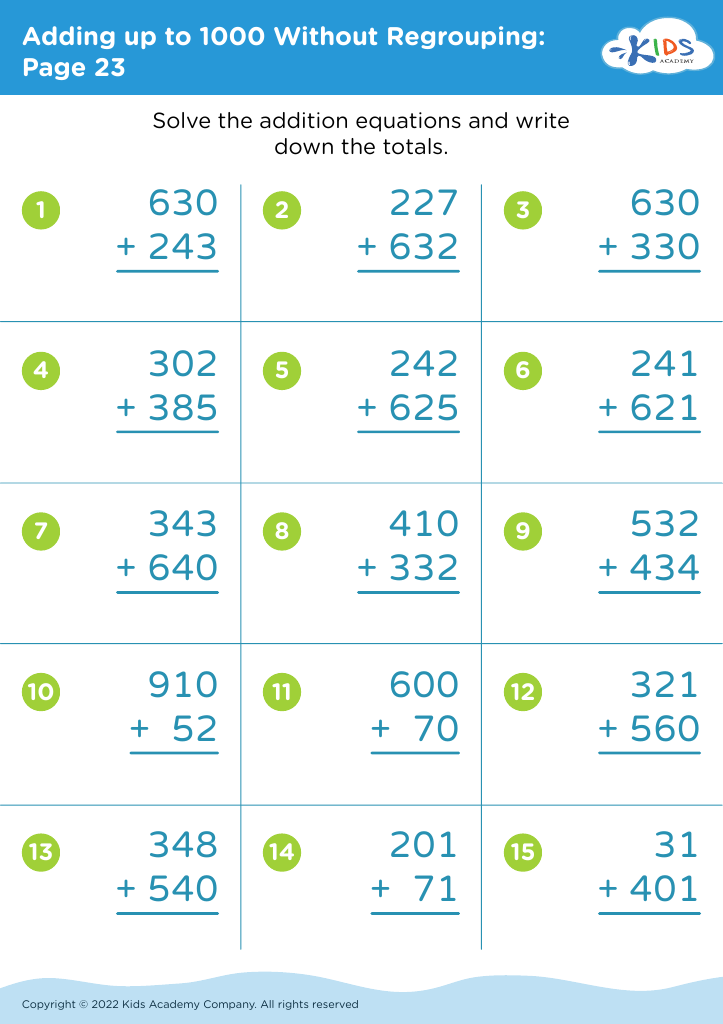
Adding up to 1000 Without Regrouping: Page 23
Worksheet
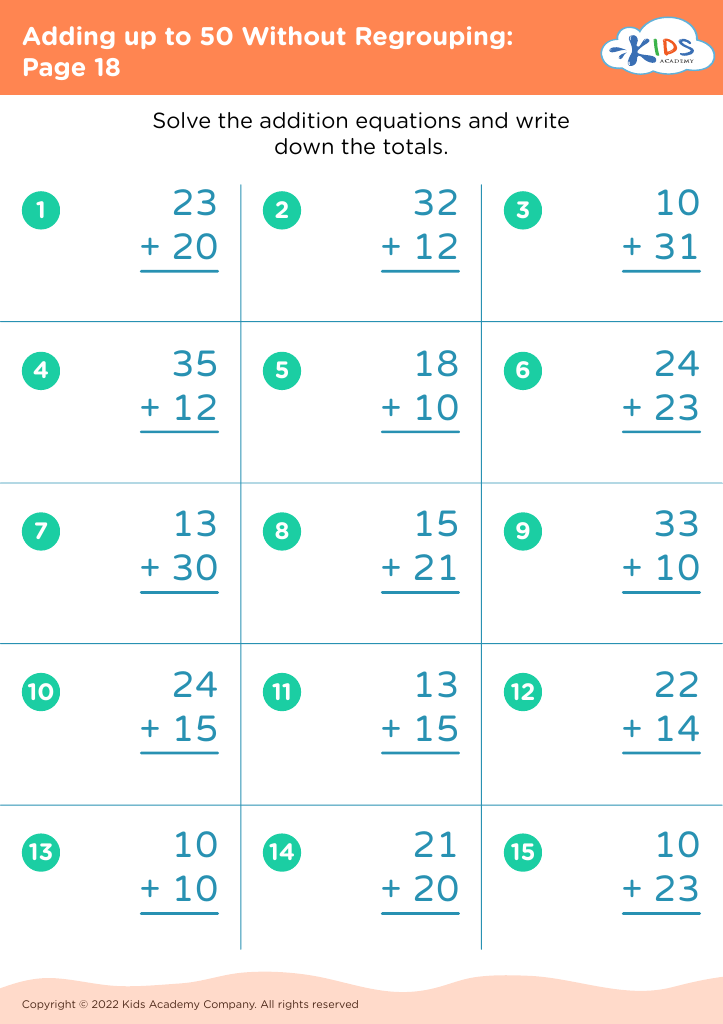
Adding up to 50 Without Regrouping: Page 18
Worksheet
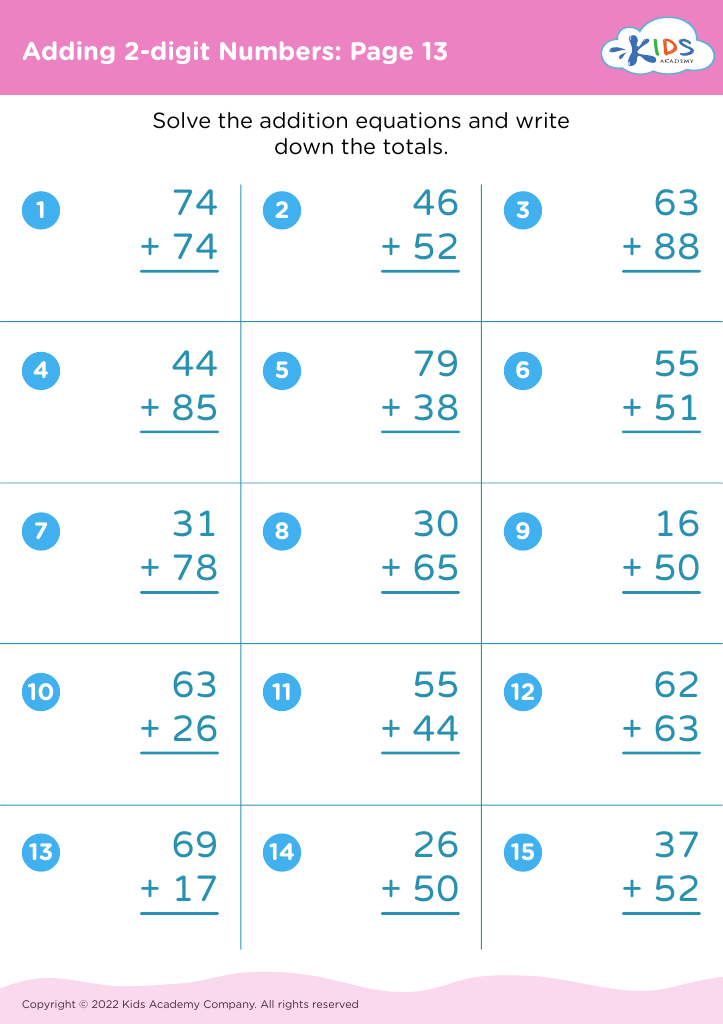
Adding 2-digit Numbers: Page 13

Adding 2-digit Numbers: Page 13

Adding 2-digit Numbers: Page 13
Worksheet
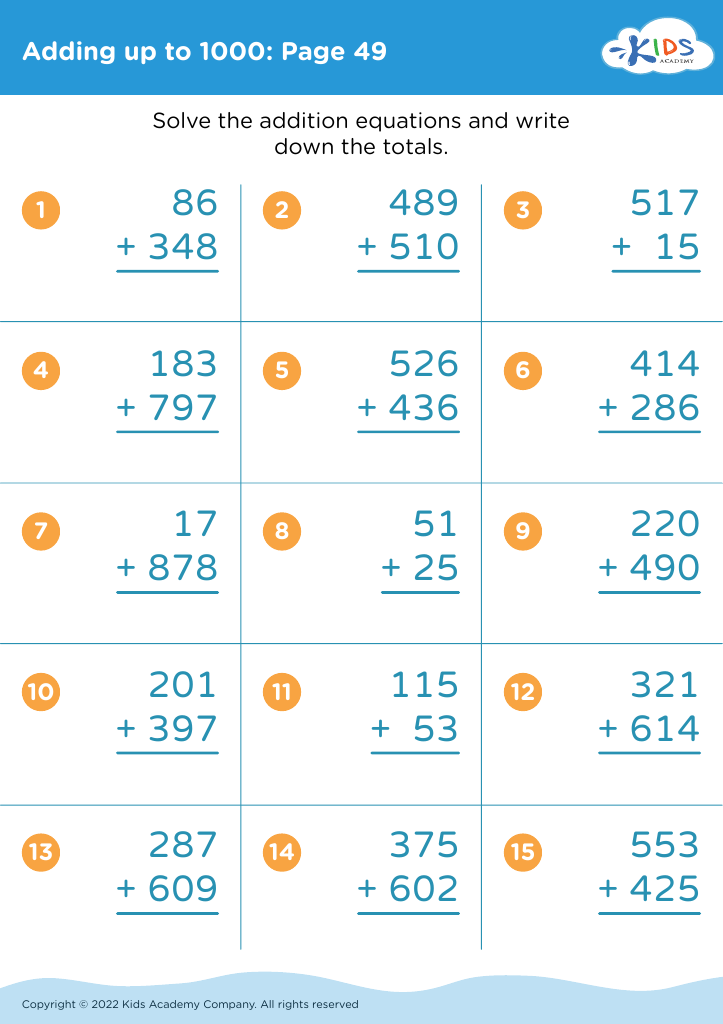
Adding up to 1000: Page 49

Adding up to 1000: Page 49

Adding up to 1000: Page 49
Worksheet
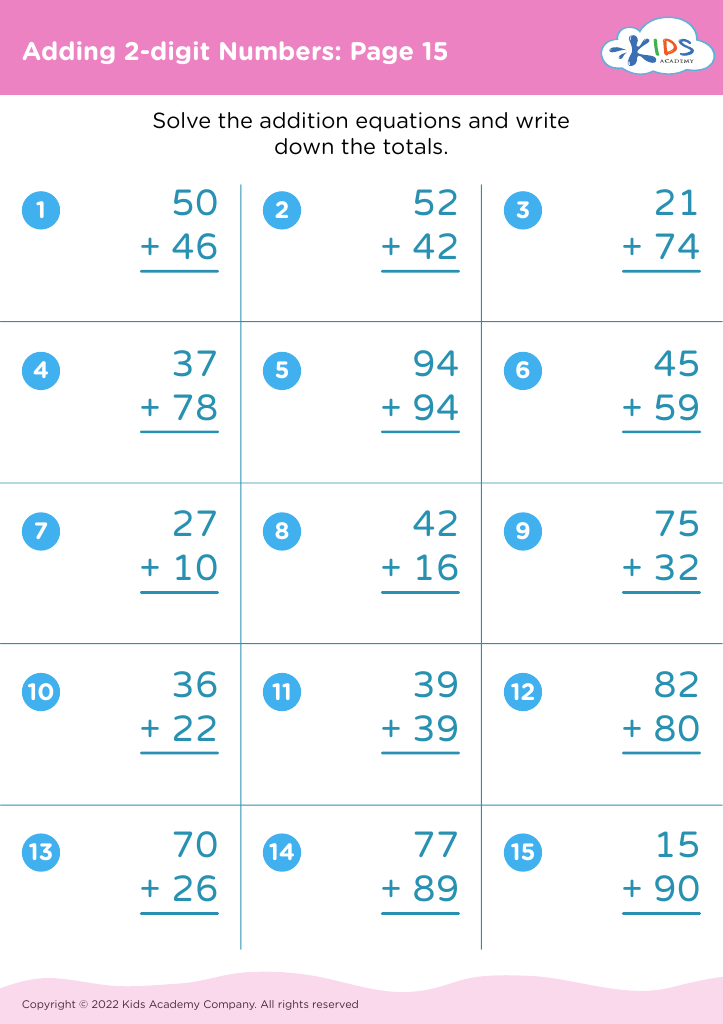
Adding 2-digit Numbers: Page 15

Adding 2-digit Numbers: Page 15

Adding 2-digit Numbers: Page 15
Worksheet
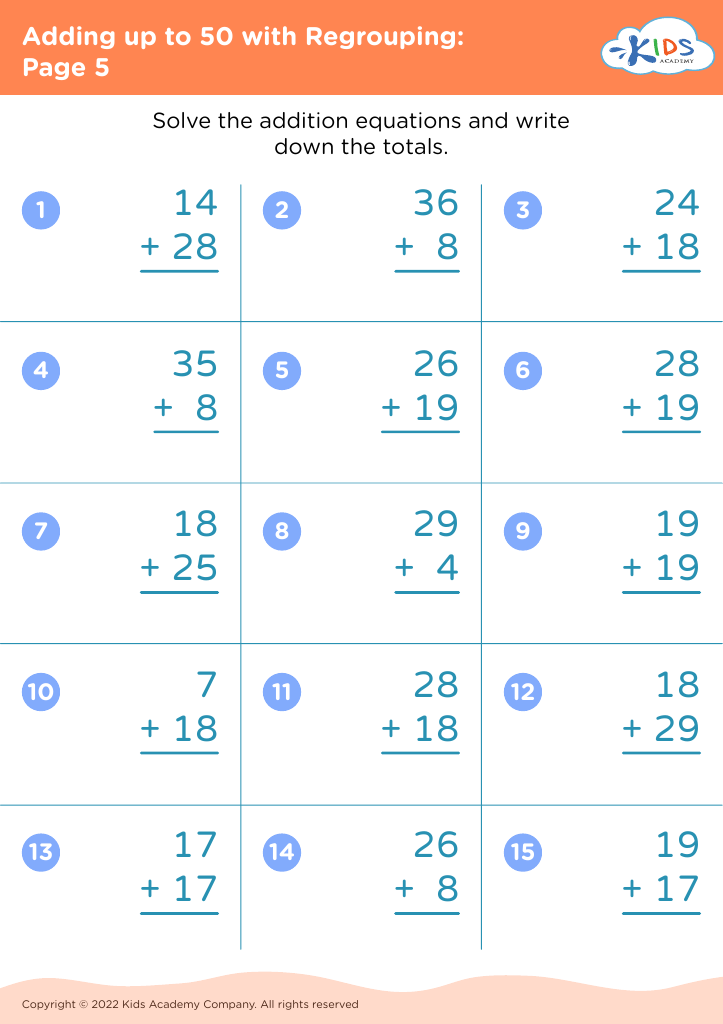
Adding up to 50 with Regrouping: Page 5
Worksheet
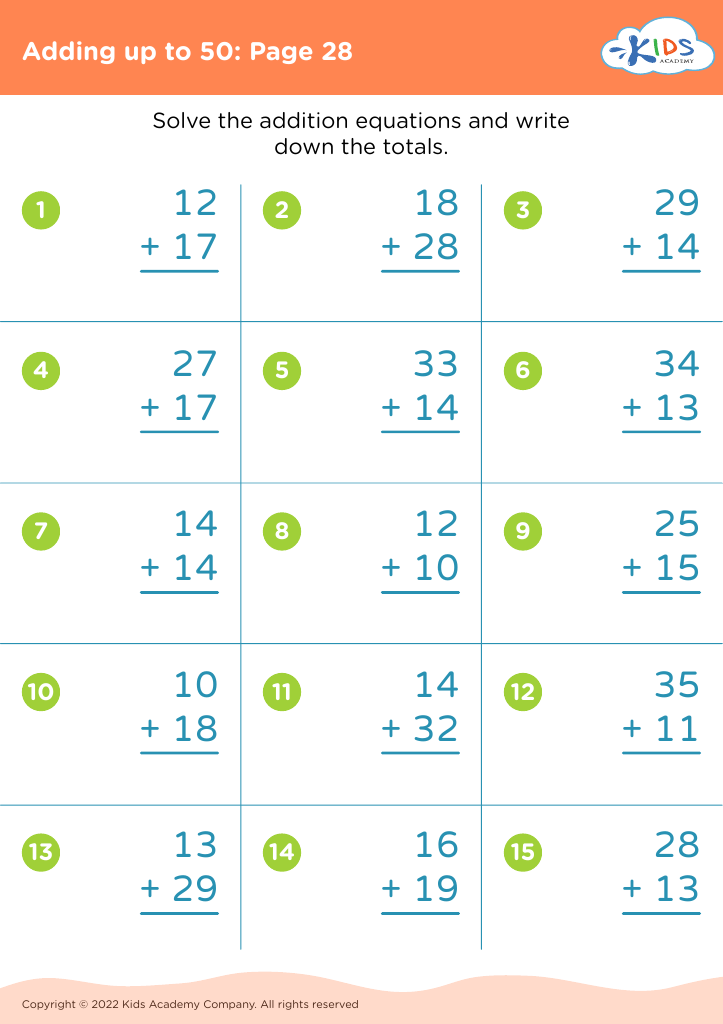
Adding up to 50: Page 28

Adding up to 50: Page 28

Adding up to 50: Page 28
Worksheet


Understanding fractions, particularly addition, is a crucial mathematical concept for children aged 4-7, and it merits the attention of both parents and teachers. At this developmental stage, children begin to explore their mathematical abilities, and introducing fractions lays the groundwork for more complex math skills in the future.

Teaching fractions fosters a sense of number sense, where children learn to understand parts of a whole and the relationship between numbers. Adding fractions promotes critical thinking and problem-solving skills, as children develop the ability to visualize and manipulate quantities. Furthermore, understanding fractions equips children with essential skills for everyday life, such as dividing food, sharing, and measuring, reinforcing the idea that math is practical and relevant.

Parents and teachers play a vital role in nurturing a child's interest in math by providing engaging, playful, and everyday scenarios that incorporate fractions. This can help destigmatize math anxiety and build confidence. Additionally, a solid understanding of fractions enhances a child's ability to comprehend more advanced topics in geometry, ratios, and proportions. By focusing on fractions addition, educators and parents can instill foundational skills that support a lifelong journey of mathematical exploration and literacy.