
Understanding money Addition Worksheets for Ages 4-7
3 filtered results
Difficulty Level
Grade
Age
-
From - To
Subject
Activity
Standards
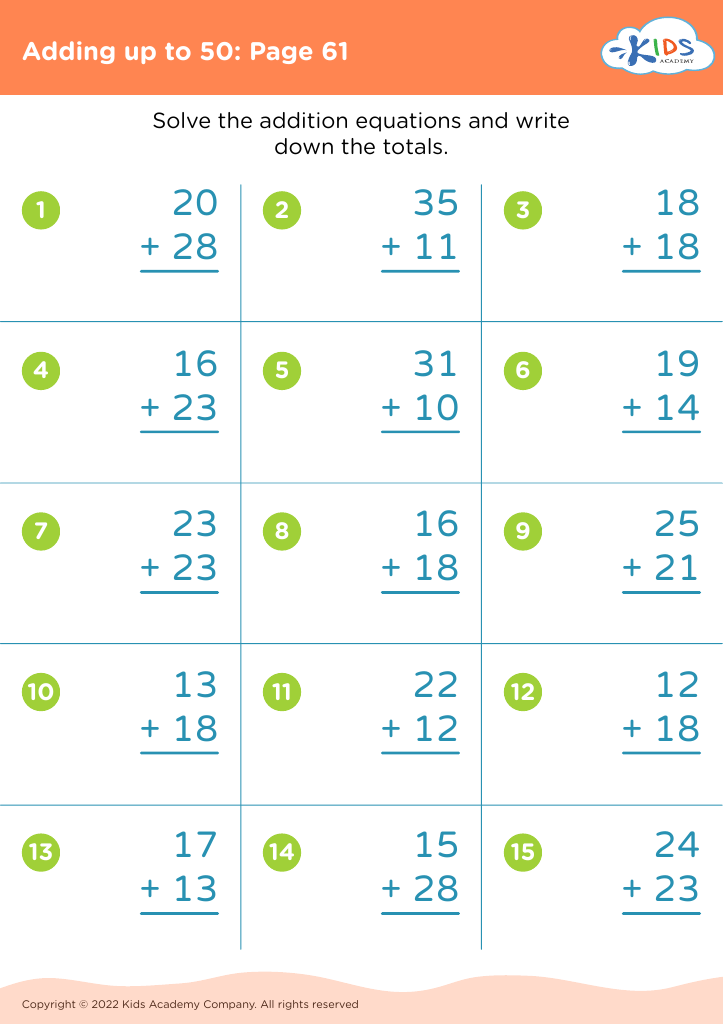
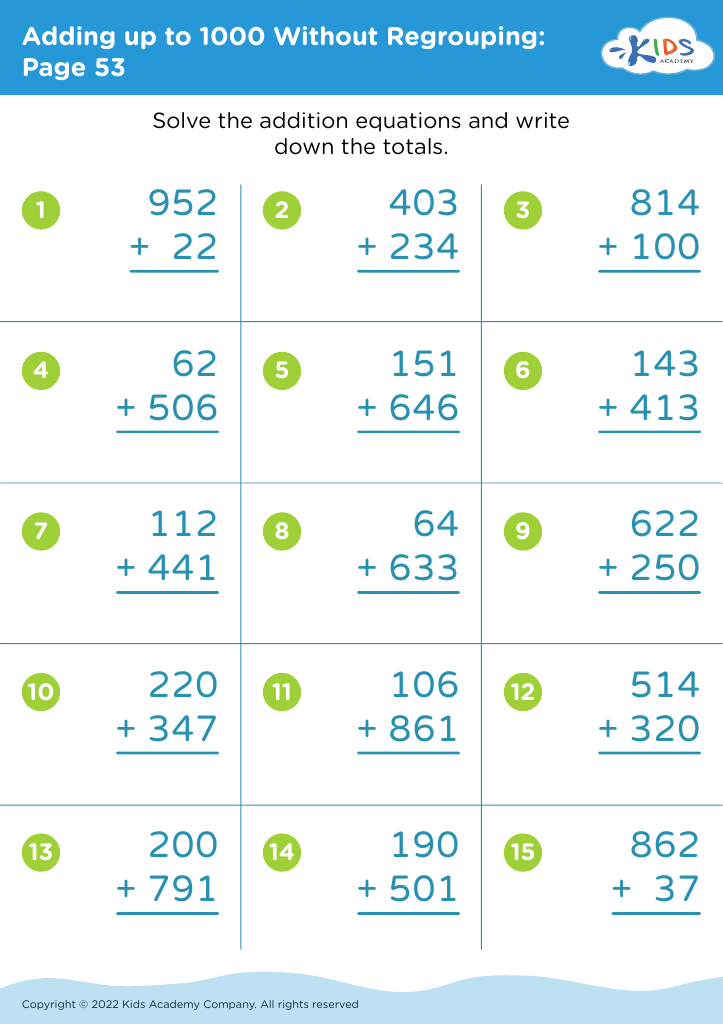
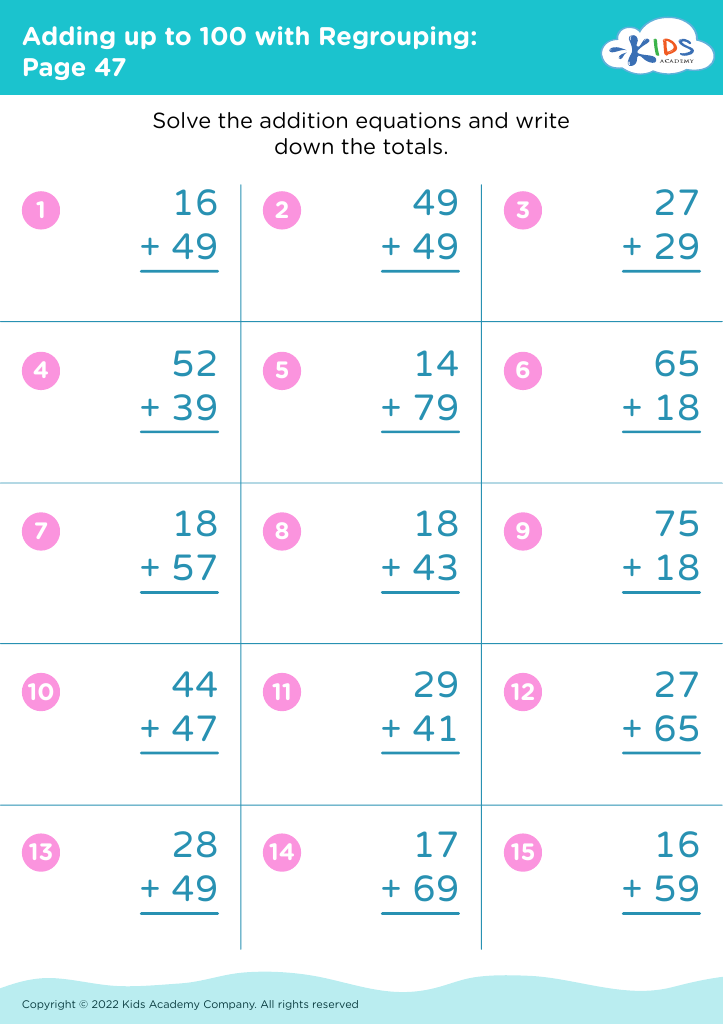
"Understanding Money Addition Worksheets for Ages 4-7" are designed to make learning fun and interactive for young children. These worksheets help kids grasp the concept of money by solving addition problems involving coins and bills. Perfect for developing essential math skills, they feature colorful illustrations and engaging exercises tailored to the learning pace of 4-7-year-olds. By using familiar everyday scenarios, these worksheets make abstract concepts more tangible, aiding in the seamless transition from recognizing money to performing basic arithmetic operations. Ideal for both classroom and home activities, they lay a solid foundation for future financial literacy.
Favorites
With answer key
Interactive
Join Kids Academy for Free
Who is primarily going to use this learning content?





.jpg)


Understanding money and addition at ages 4-7 is crucial for several reasons and is a fundamental life skill that lays the groundwork for future financial literacy and mathematical proficiency. Introducing young children to these concepts helps them develop a positive attitude towards mathematics, nurturing their confidence and competence from an early age.
Firstly, learning to add numbers within the context of money is a practical application of mathematical principles. Children easily grasp abstract concepts when they see their relevance in day-to-day activities, such as buying snacks or saving pennies in a piggy bank. This contextual understanding reinforces their counting skills, helps them recognize and understand different denominations, and enhances their cognitive development.
Secondly, instilling financial awareness early on encourages responsible attitudes towards spending and saving. When children comprehend the basic idea of money, they are less likely to develop unrealistic views and more inclined to make thoughtful decisions about their finances in the future.
Additionally, parents and teachers play a pivotal role in children's learning experiences. By introducing playful, engaging activities around money and addition, adults can spark curiosity and promote a joy of learning. Interactive games, pretend play, and hands-on experiences like sorting coins all make math enjoyable and relevant.
In summary, caring about young children's understanding of money and addition equips them with essential life skills, fosters a love for learning, and builds a strong foundation for their future academic and personal success.








