Understanding symmetry Addition Worksheets for Ages 4-7
24 filtered results
-
From - To
Welcome to our "Understanding Symmetry Addition Worksheets" tailored for children ages 4-7! These engaging printable worksheets help young learners grasp the concept of symmetry while practicing addition. Through colorful visuals and exciting activities, kids will explore balanced shapes and simple mathematical operations, fostering essential early math skills. Our interactive resources encourage hands-on learning and critical thinking, ensuring students enjoy the journey of understanding symmetry through addition. Perfect for home or classroom use, these worksheets provide a fun way for children to enhance their math abilities while developing an appreciation for symmetry in the world around them. Let the learning begin!
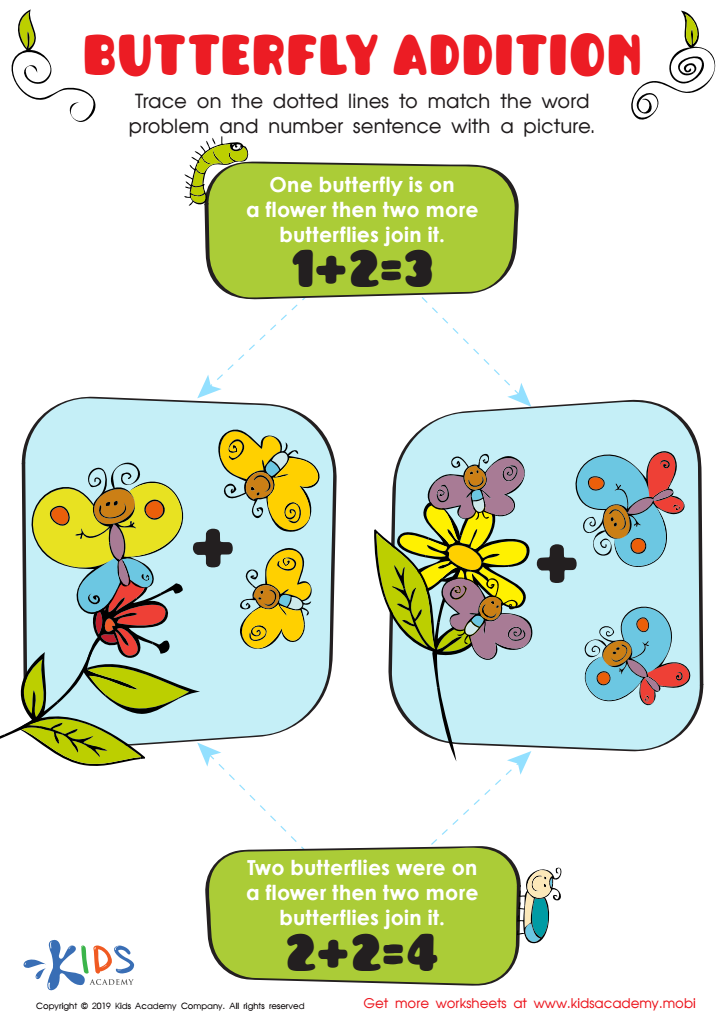
Butterfly Addition Worksheet
 Assign to My Students
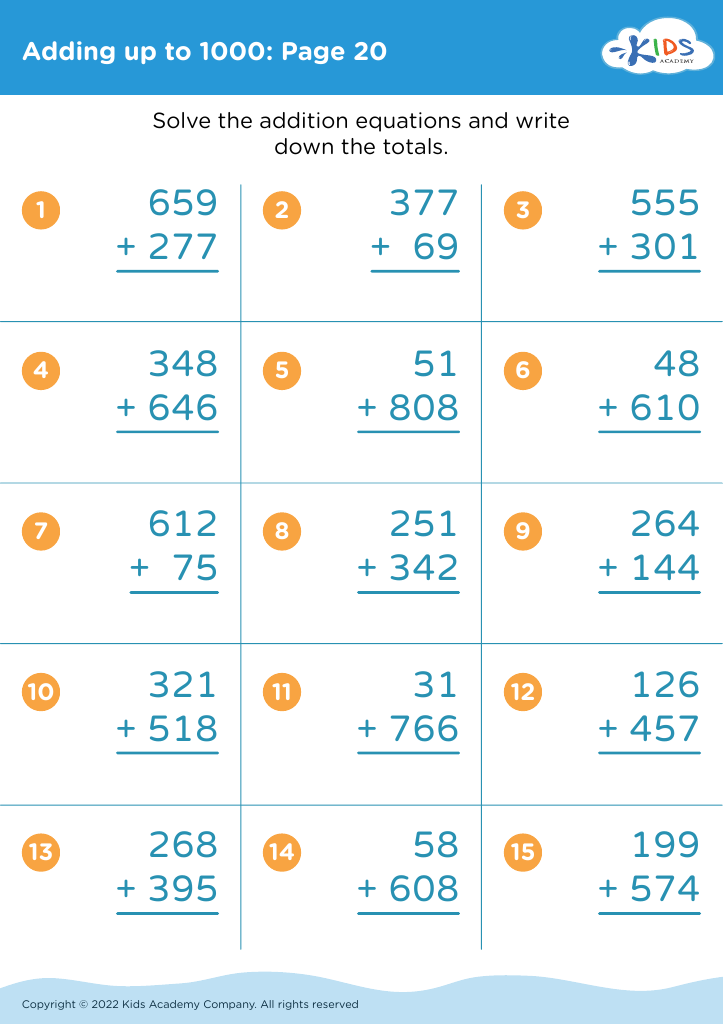
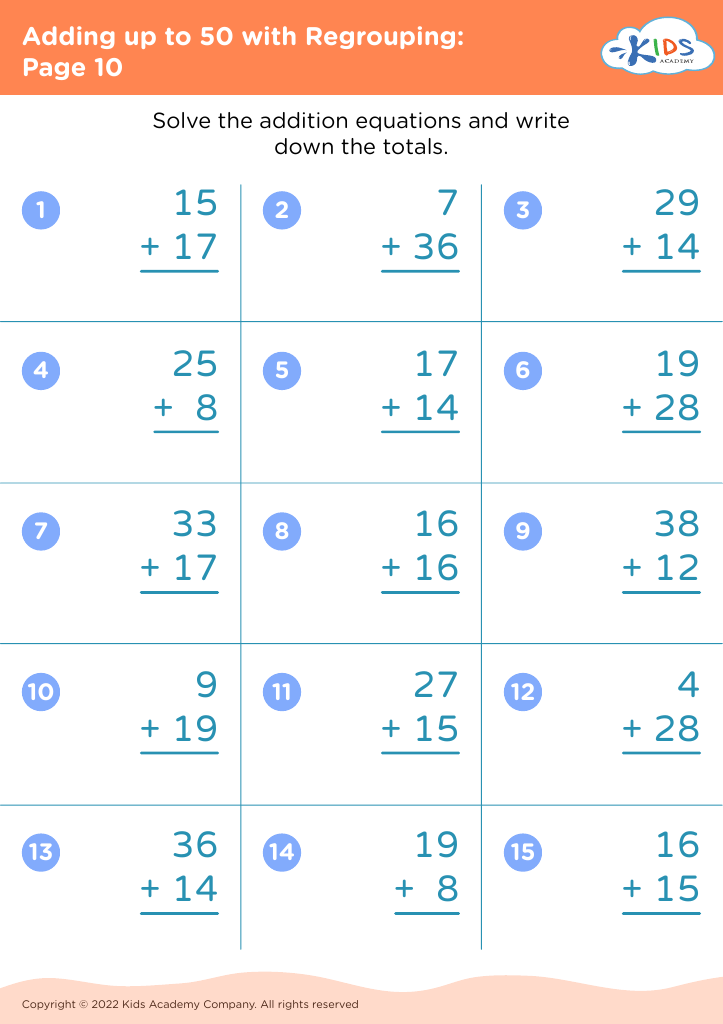
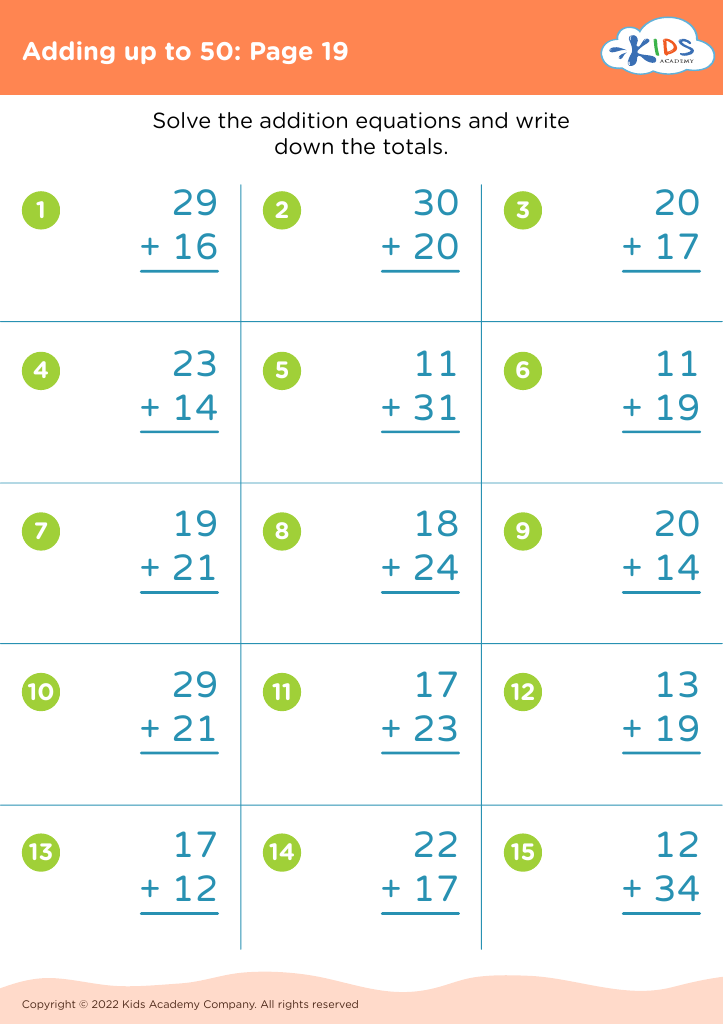
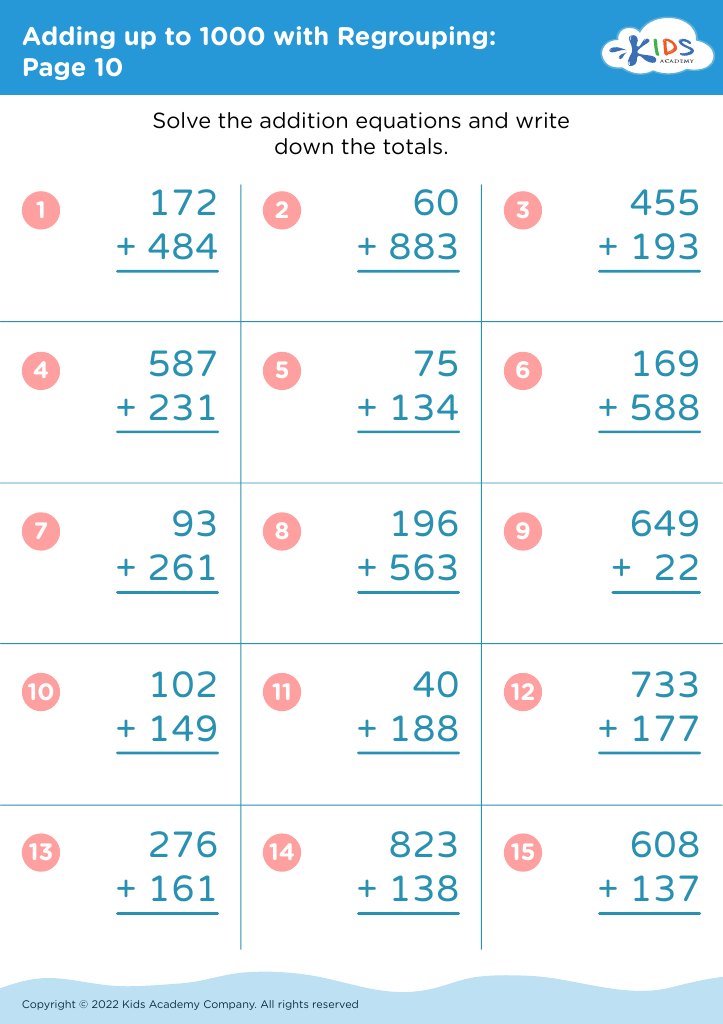
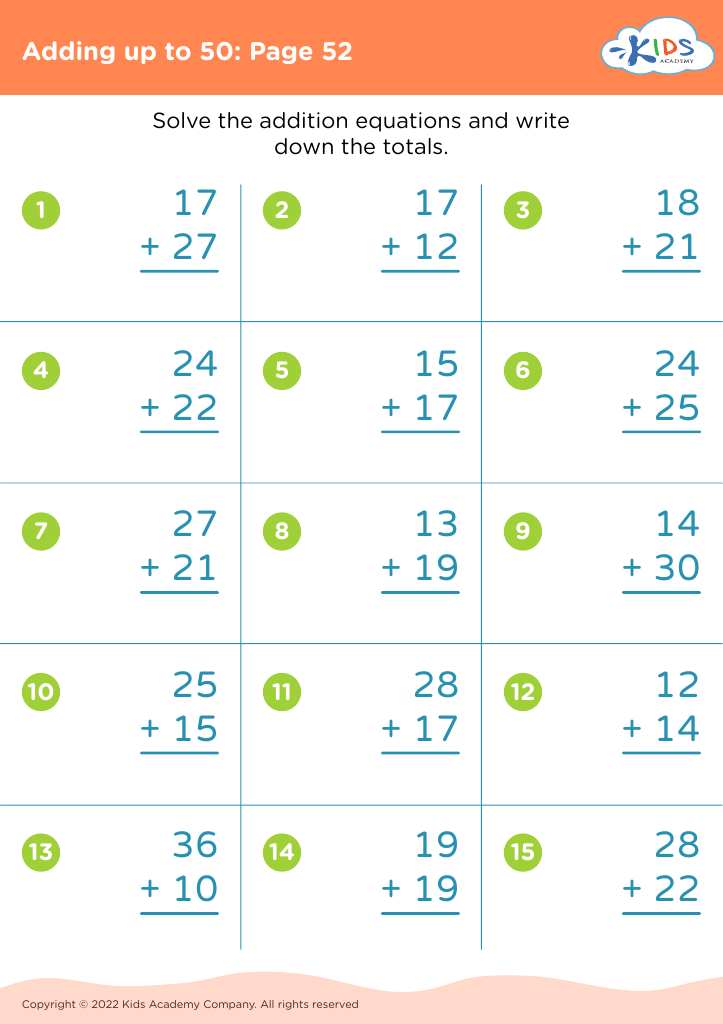
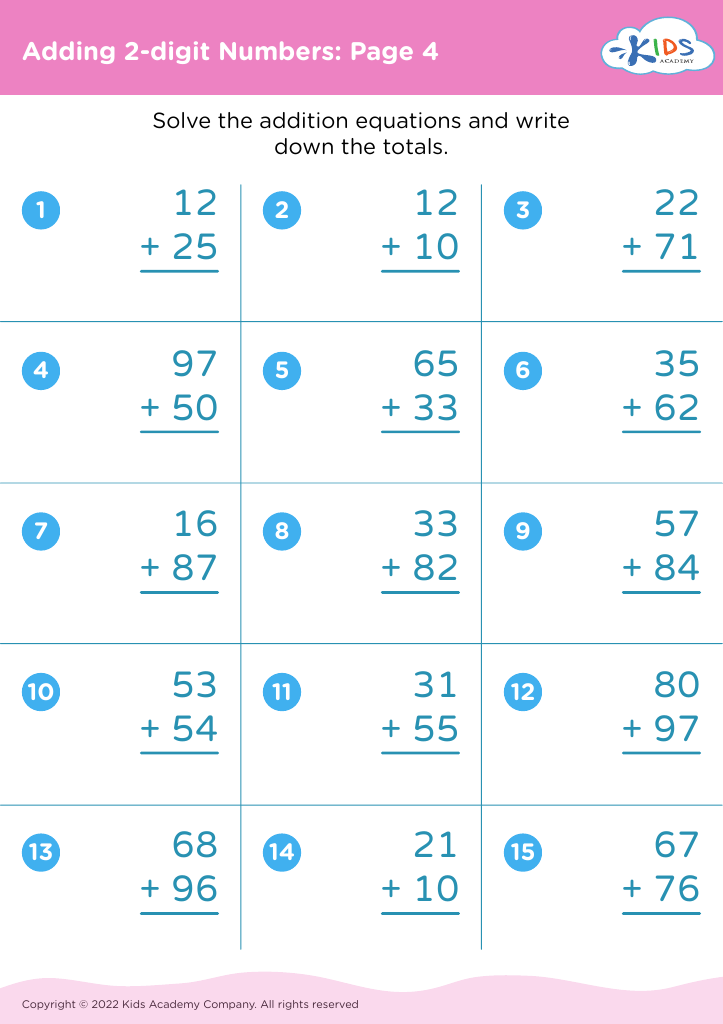
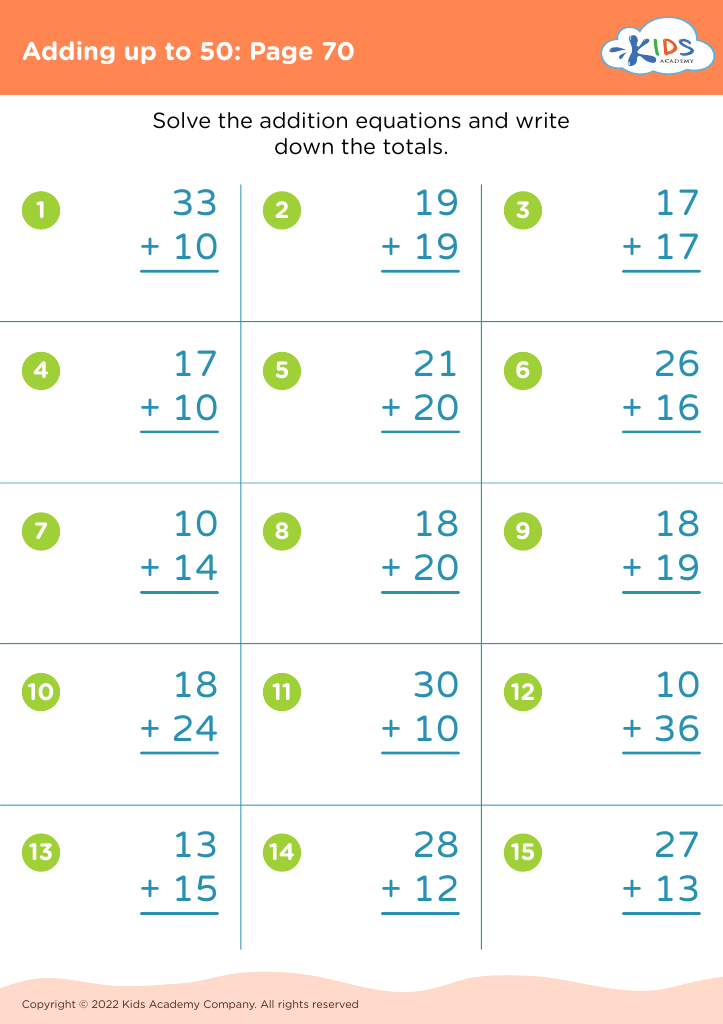
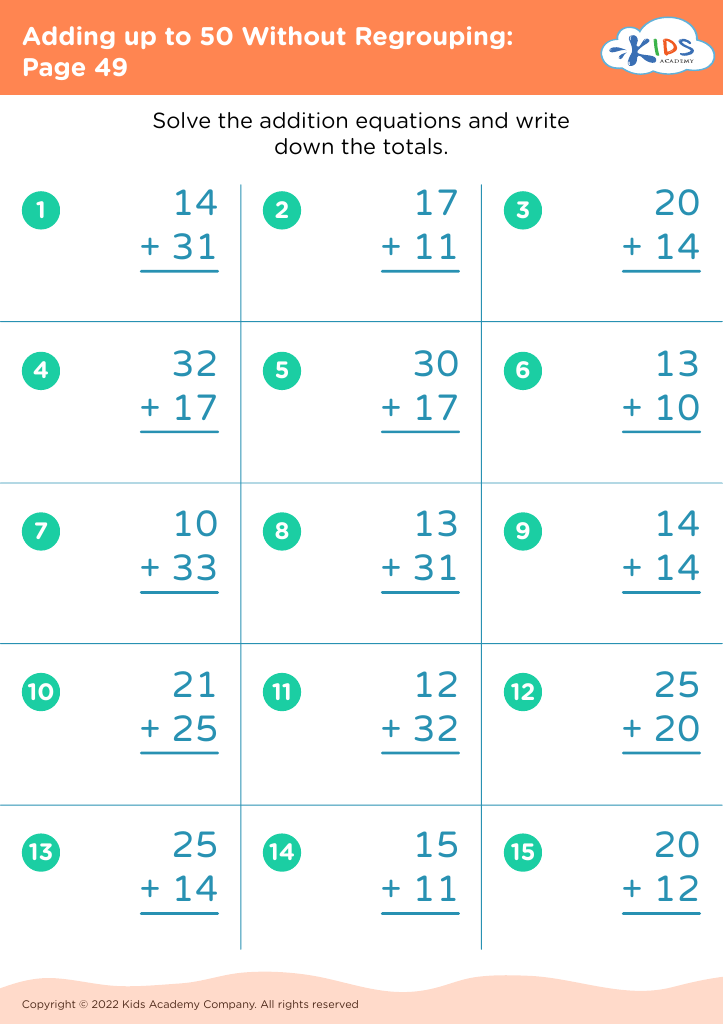
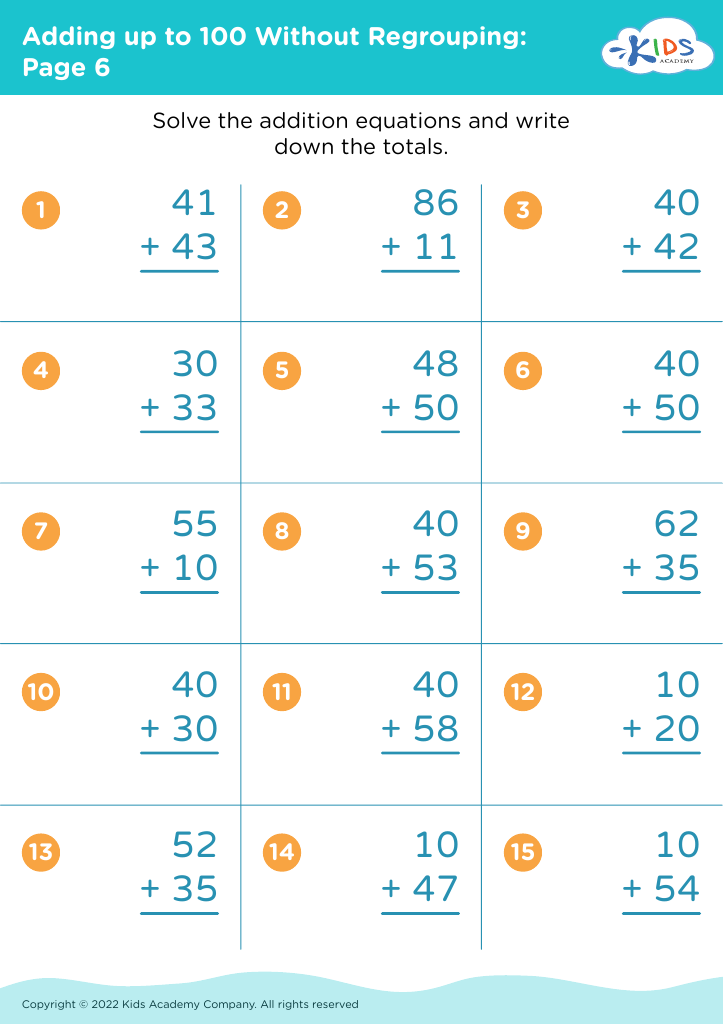
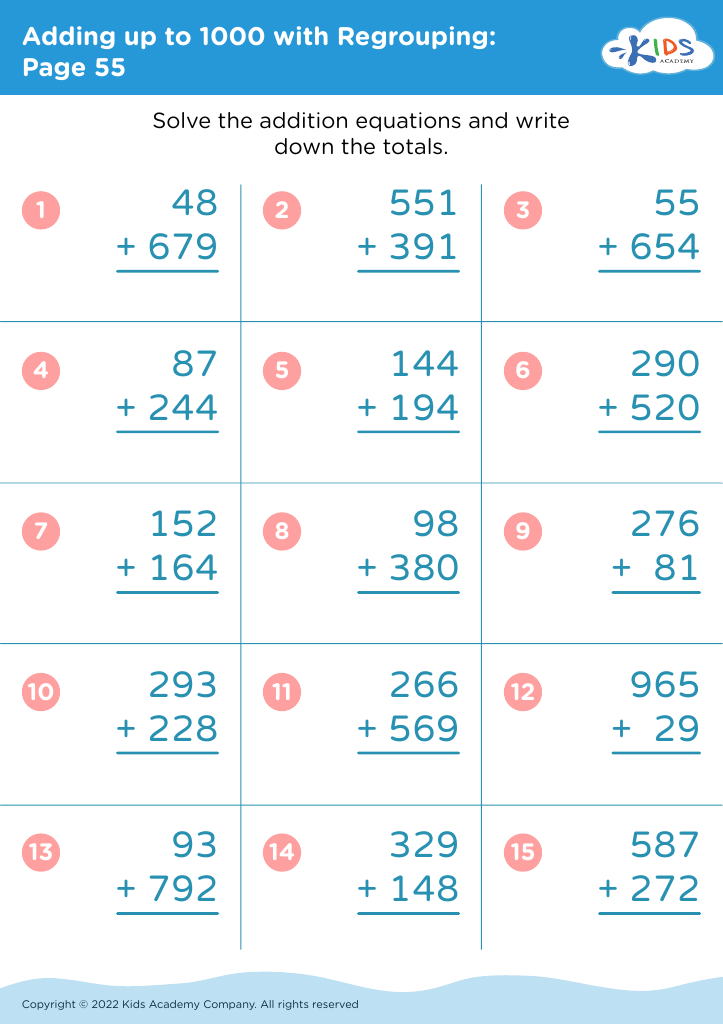
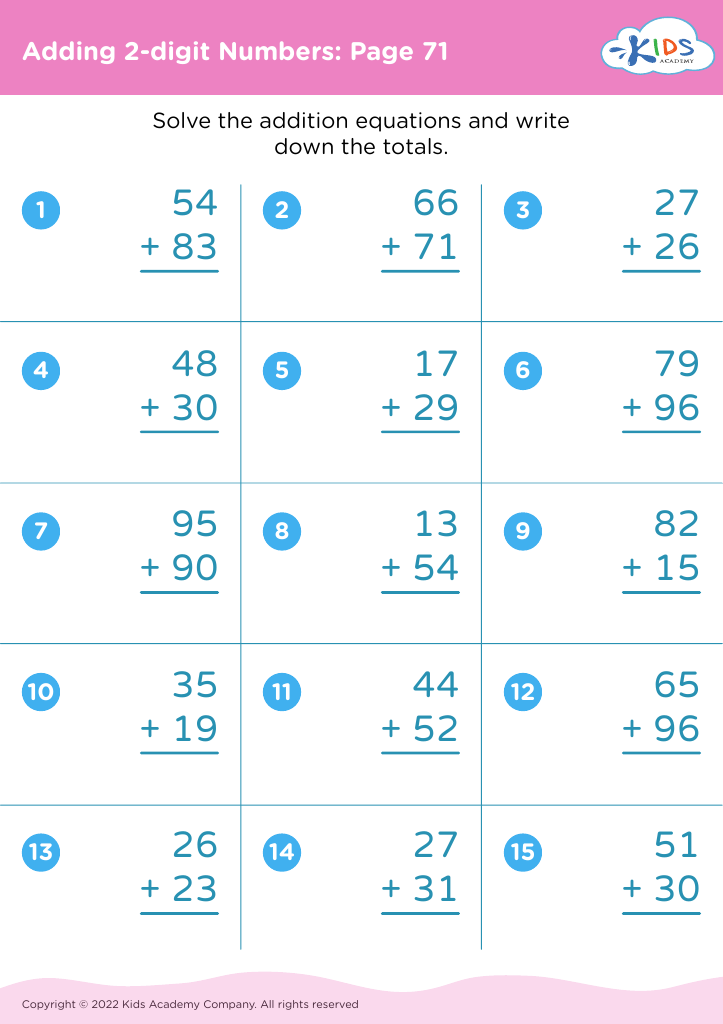
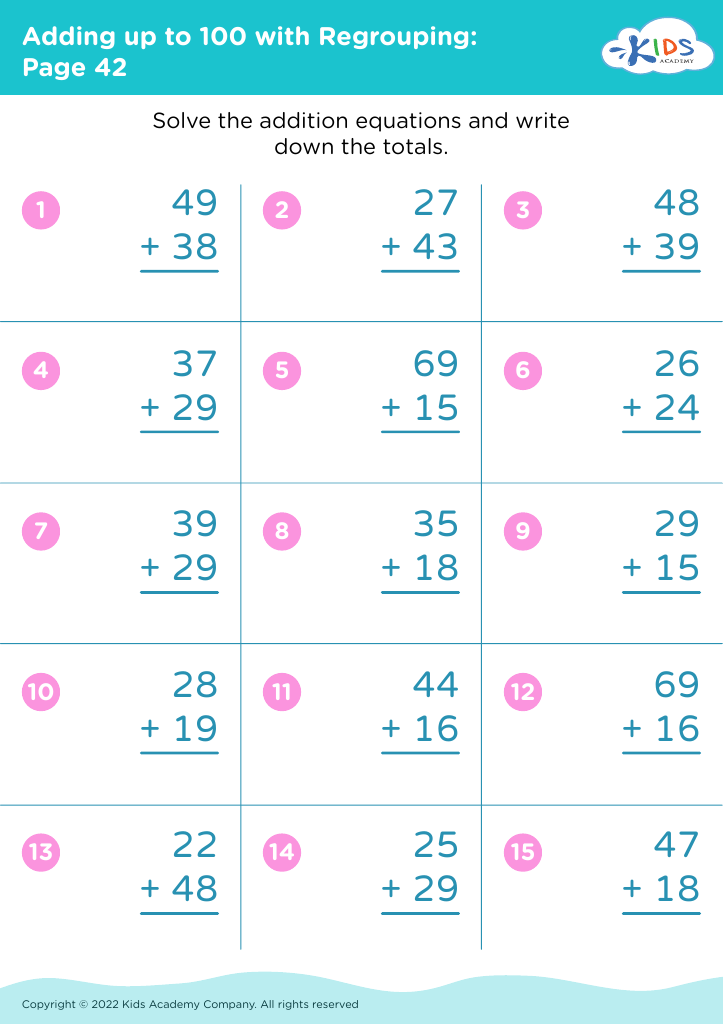







Understanding symmetry and addition is crucial for children aged 4-7, as it lays a foundational framework for their mathematical development. Symmetry introduces young learners to important concepts like balance and equality, encouraging them to recognize patterns in the world around them. This fosters critical thinking and visual-spatial skills, which are vital not only in math but in arts and sciences.
In conjunction with addition, symmetry helps children grasp basic number operations. For instance, when combining shapes or numbers, recognizing symmetrical patterns can aid them in visualizing addition problems. This linked understanding supports their ability to see relationships between numbers, enhancing their early algebraic thinking.
Moreover, engaging with these concepts inspires curiosity and creativity. Activities that involve symmetry and addition, such as creating symmetrical art or solving simple math puzzles, can make learning enjoyable and interactive.
Ultimately, parents and teachers who prioritize these foundational skills are equipping children with tools for problem-solving and analytical reasoning, which are crucial for their academic journeys. By fostering an understanding of symmetry in addition, adults are helping to create confident, capable learners who can navigate both mathematical concepts and real-world applications.








