
Visual discrimination Addition Worksheets for Ages 4-7
5 filtered results
Difficulty Level
Grade
Age
-
From - To
Subject
Activity
Standards
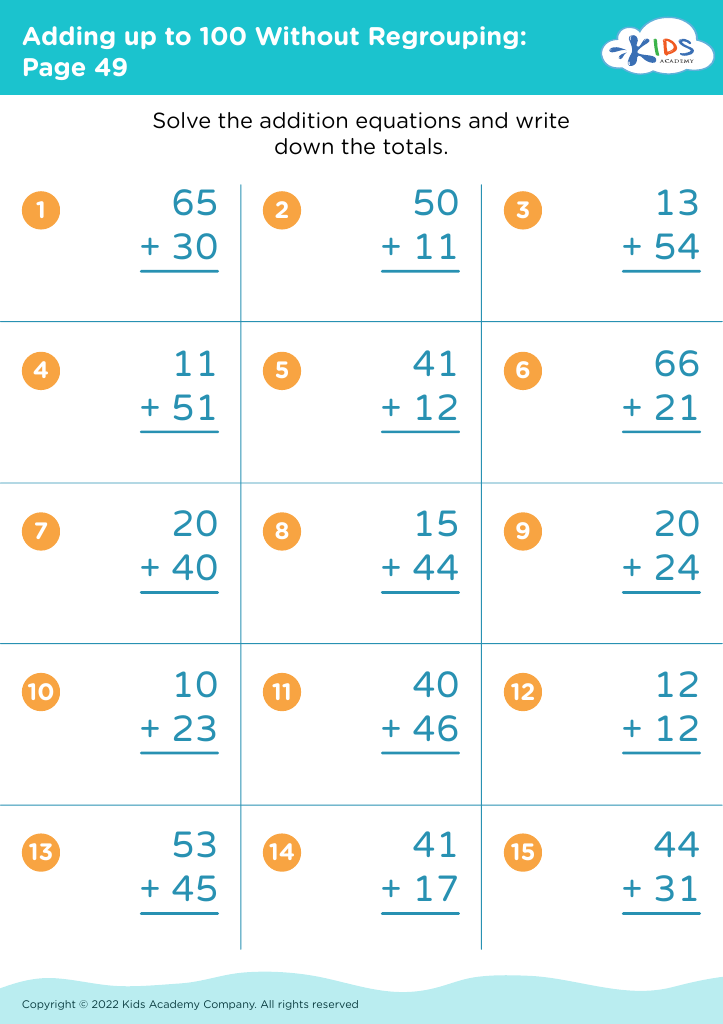
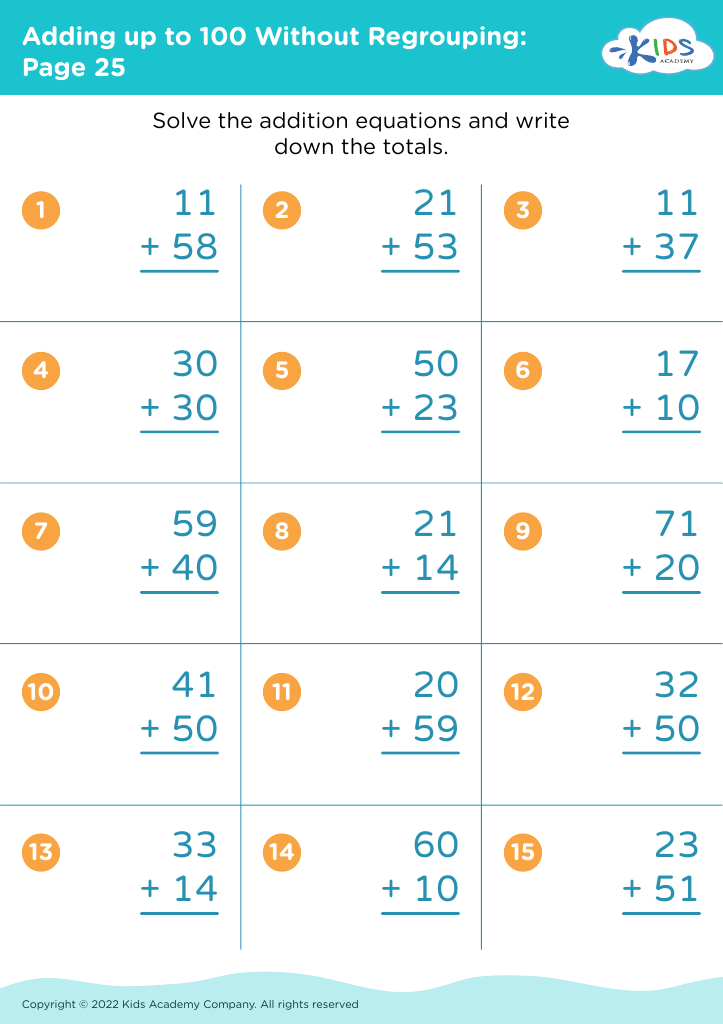
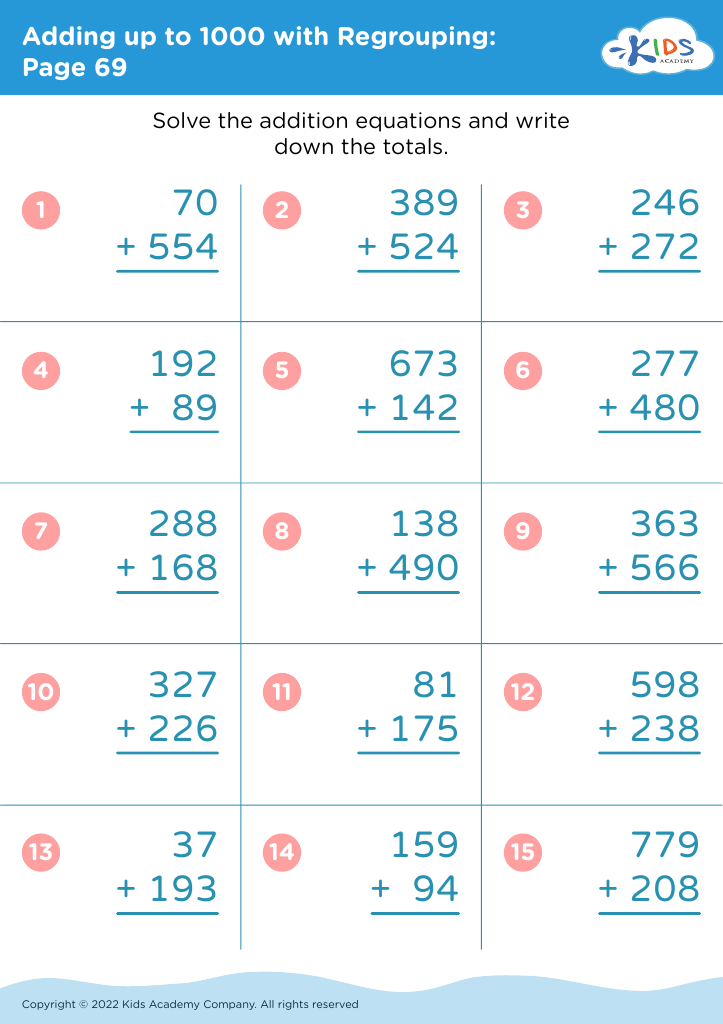
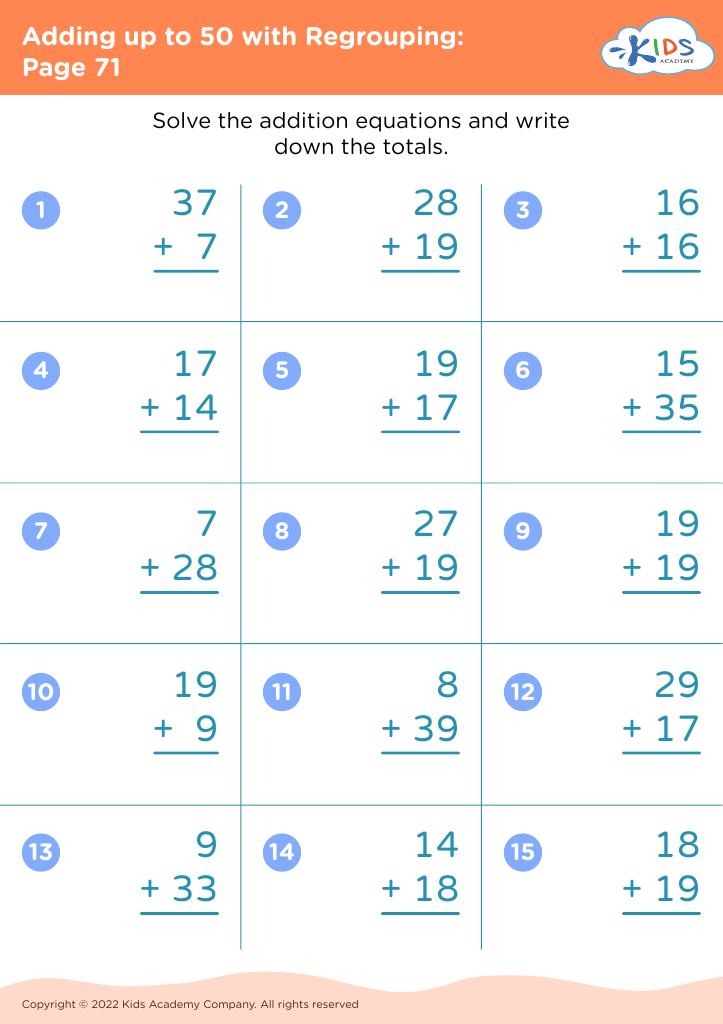
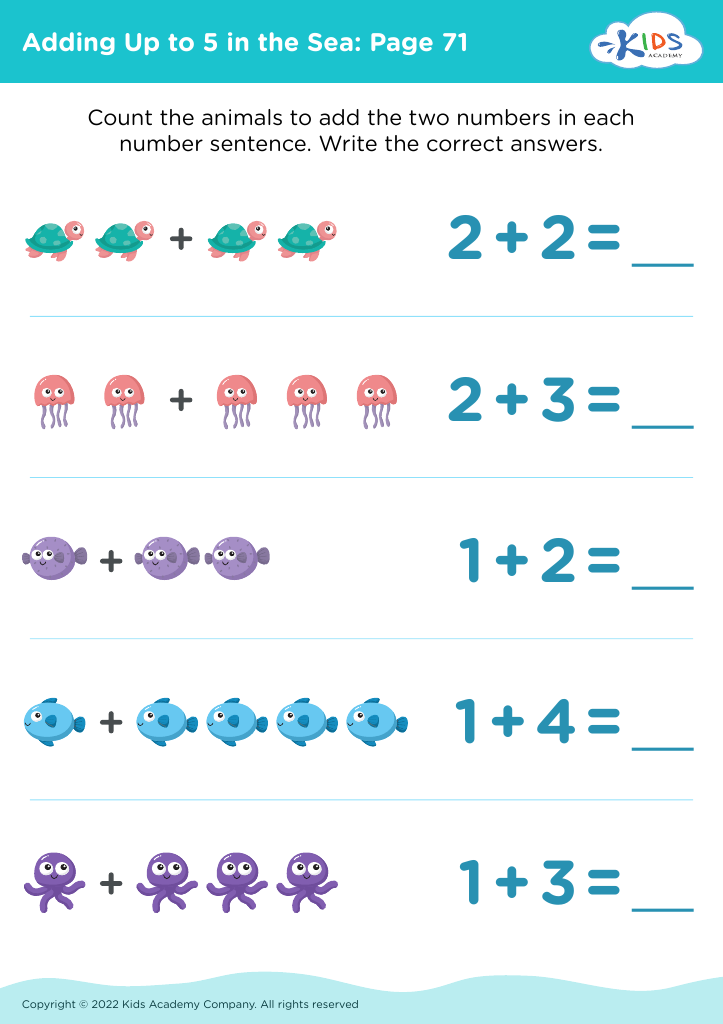
Boost your child's math skills with our Visual Discrimination Addition Worksheets for ages 4-7. These engaging worksheets are designed to help young learners develop their addition abilities while enhancing their visual discrimination skills. Each activity features colorful illustrations and intuitive exercises, ensuring a fun and interactive learning experience. Perfect for preschool and early grade children, these worksheets also support cognitive development by challenging kids to discern visual differences and patterns. Ideal for both classroom settings and homeschooling, promote your child’s mathematical confidence and fluency with our expertly crafted visual discrimination addition worksheets.
Favorites
With answer key
Interactive
Join Kids Academy for Free
Who is primarily going to use this learning content?








Visual discrimination is the ability to recognize differences and similarities in shapes, patterns, objects, and symbols. For children aged 4-7, this skill is critical for several reasons:
1. Early Reading Skills: Visual discrimination helps children distinguish between letters and words, laying a foundation for effective reading. Differentiating between ‘b’ and ‘d’, for instance, is crucial for phonetic understanding and reading fluency.
2. Mathematical Understanding: Addition at this stage introduces basic numerical and spatial concepts. Kids learn to recognize numbers and quantity differences, fostering essential math skills. Identifying and differentiating visual cues in numbers (e.g., spot the number ‘9’ amidst ‘6’s) ensures accuracy in simple computations like addition.
3. Cognitive Development: Visual discrimination activities, such as puzzles and matching games, enhance cognitive skills and brain development. They improve memory, attention, and problem-solving skills.
4. Hand-eye Coordination: Engaging in tasks that require visual discrimination, like drawing or sorting objects, promotes fine motor skills and hand-eye coordination.
5. Confidence and Independence: Mastery of these skills enables children to tackle more complex tasks independently and confidently, boosting self-esteem.
In summary, visual discrimination skills, coupled with foundational math concepts such as addition, empower young learners to excel academically and developmentally. Parental or teacher involvement is crucial in nurturing these foundational skills during early, formative years.








