Understanding Quantities Numbers Worksheets for Ages 4-7
6 filtered results
-
From - To
Enhance your child's math skills with our "Understanding Quantities Numbers Worksheets," designed for ages 4-7. These engaging worksheets help young learners grasp the concept of quantities through fun activities that promote number recognition and counting abilities. Children will enjoy interactive exercises that use visual aids, lively illustrations, and practical examples, making math both enjoyable and effective. Perfect for homeschooling or classroom use, our worksheets bolster critical thinking and problem-solving skills, laying a strong foundation for future math learning. Download now and watch your child boost confidence and proficiency as they explore the exciting world of numbers and quantities!
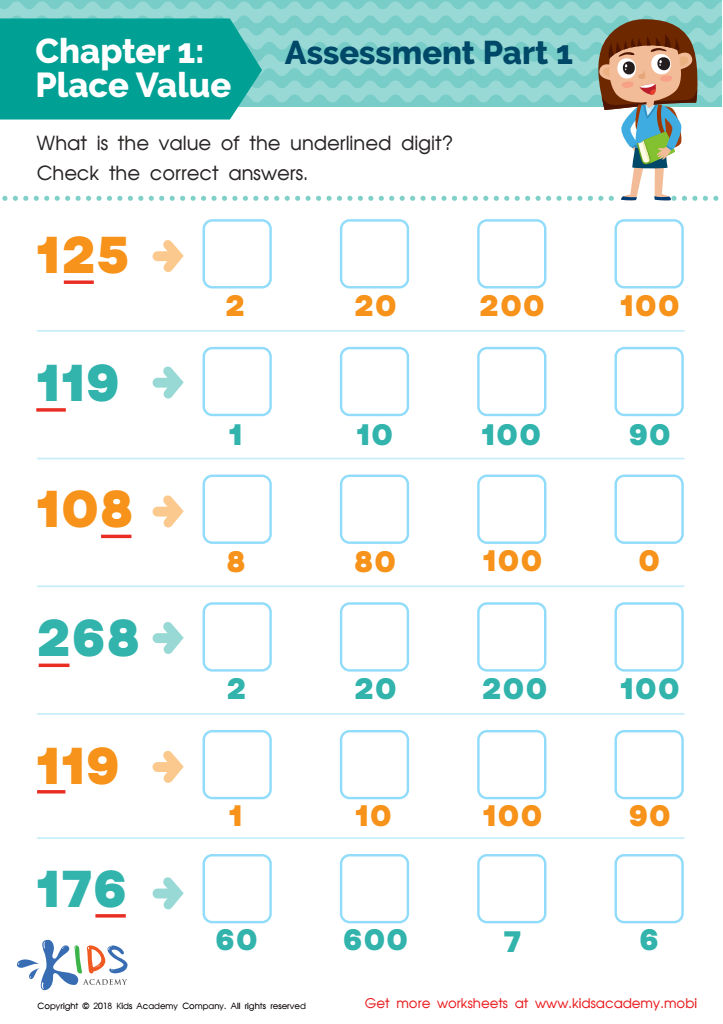
Place Value: Chapter 1 Worksheet
 Assign to My Students
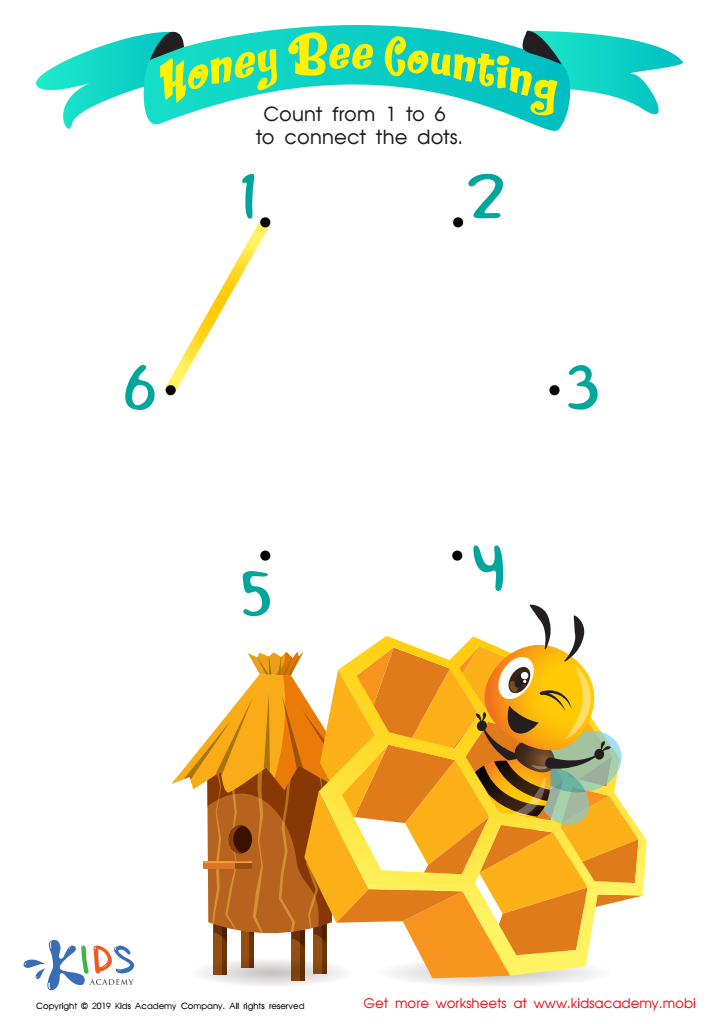
Honey Bee Counting Worksheet
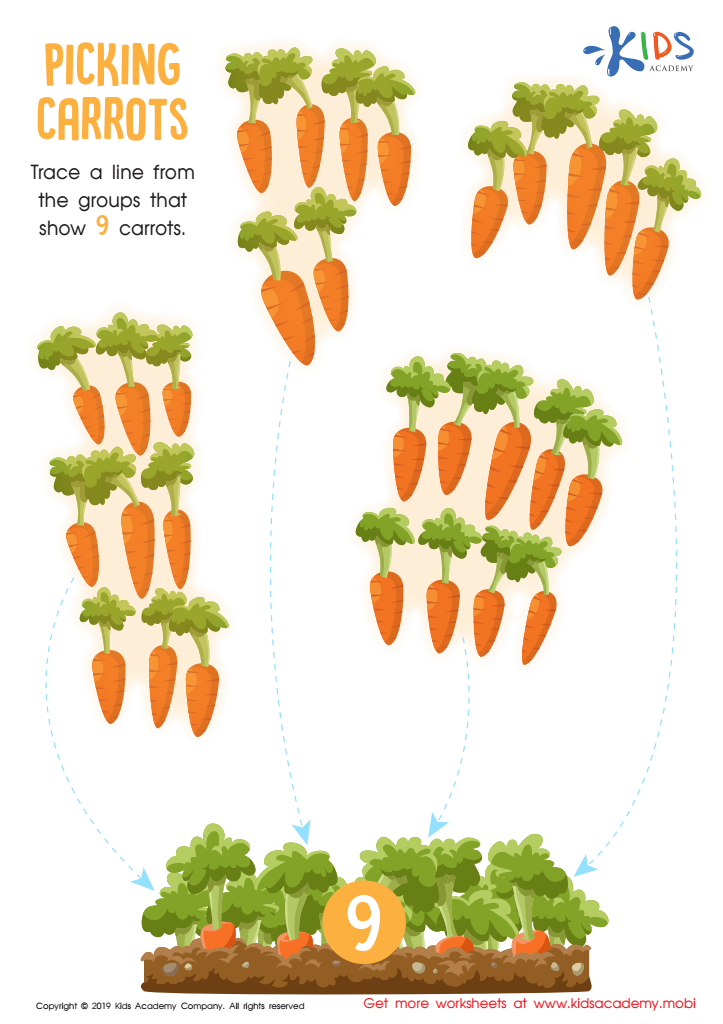
Picking Carrots Worksheet
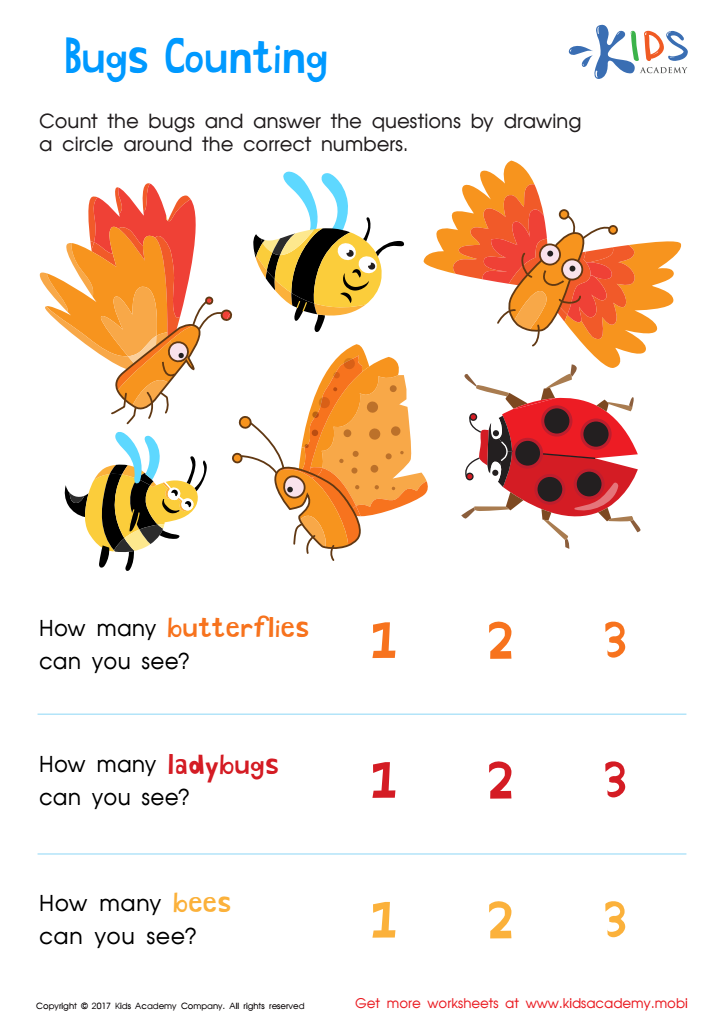
Bugs Counting Worksheet
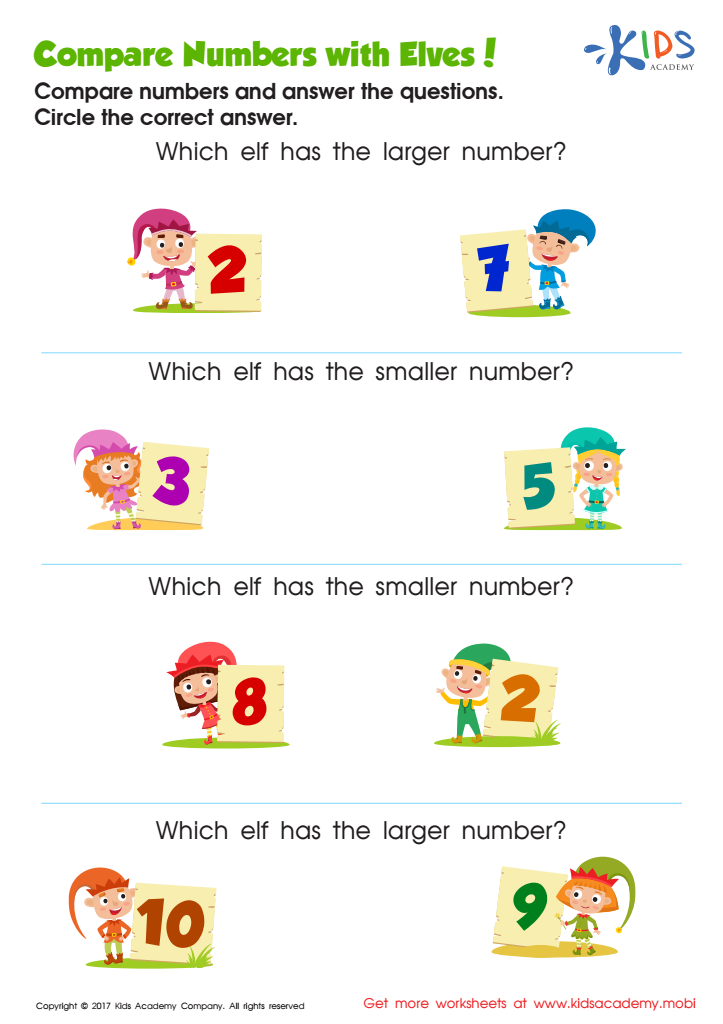
Comparing Numbers Worksheet for Kindergarten
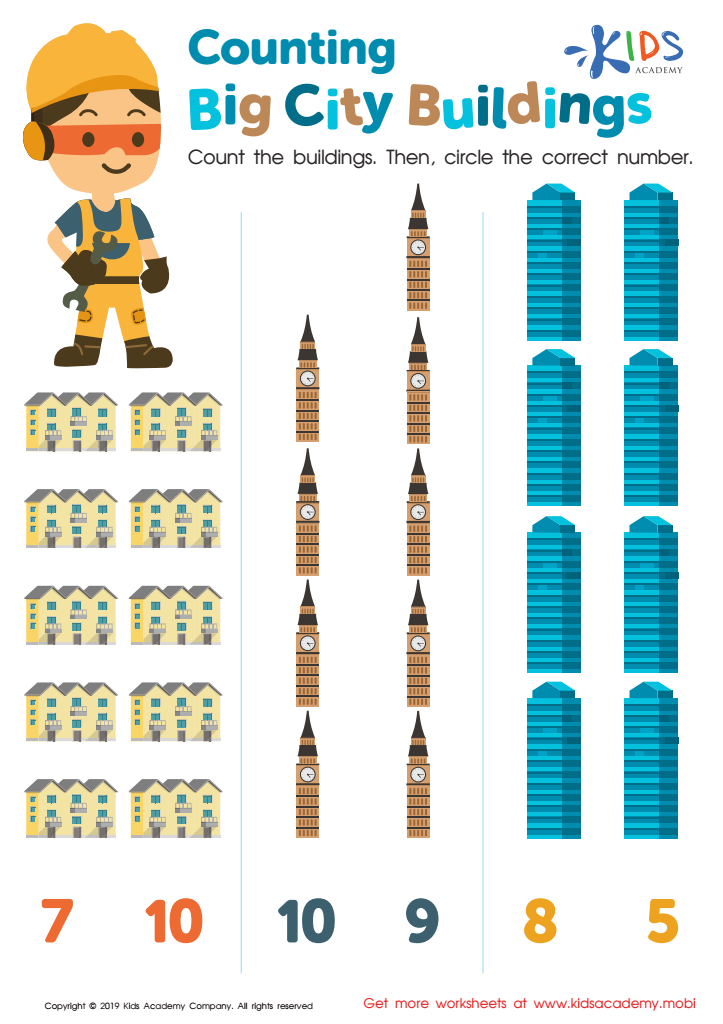
Counting Big City Buildings Worksheet



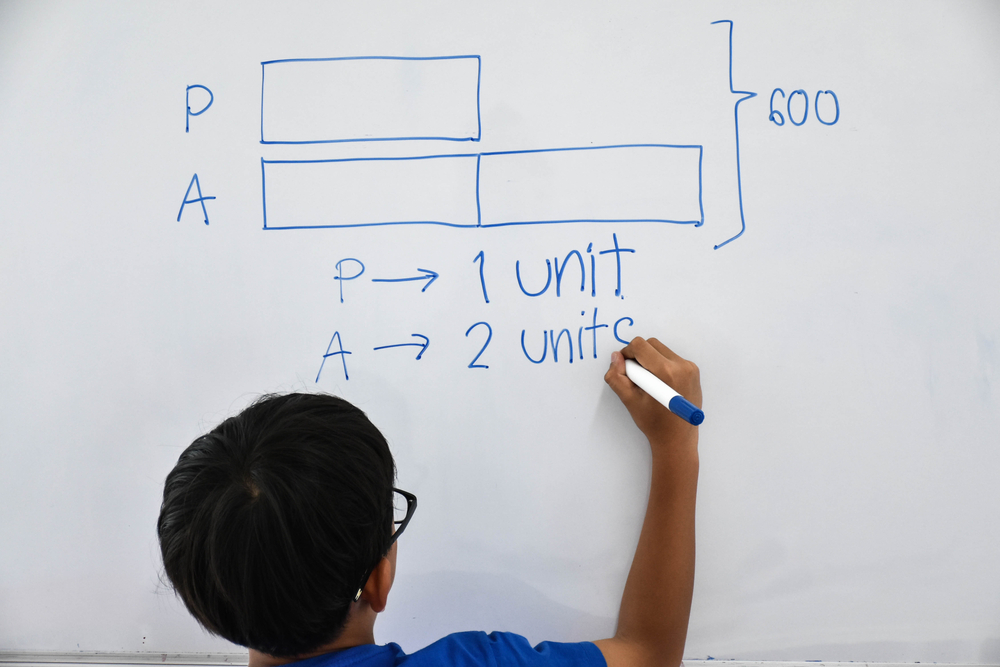




Understanding quantities and numbers is foundational for young learners aged 4 to 7, making it essential for parents and teachers to prioritize this skill. During this stage, children begin to develop mathematical thinking and problem-solving abilities that pave the way for future academic success. When children grasp the concept of quantity, they learn to notice relationships between numbers and understand their value, which enhances their abilities in counting, comparing, and performing basic arithmetic.
By fostering an early understanding of quantities, parents and teachers create a solid base for mathematical literacy. This knowledge encourages critical thinking skills and helps children establish connections between math and real-life situations, from sharing snacks to measuring ingredients while cooking.
Moreover, early math skills can boost a child’s confidence and enthusiasm for learning. By engaging with numbers through fun activities, games, and everyday experiences, children develop a positive attitude toward mathematics, which can reduce anxieties about the subject in later years.
Ultimately, teaching youngsters about quantities not only supports cognitive development but also enhances social and emotional skills as they learn to collaborate and communicate effectively during activities. By investing in foundational math knowledge, we set our children up for long-term success.








