Basic math application Math Worksheets for Ages 4-7
5 filtered results
-
From - To
Unlock your child's potential with our Basic Math Application Worksheets for ages 4-7! At Kids Academy, we offer engaging, printable worksheets designed to strengthen foundational math skills in young learners. These activities help children grasp essential concepts like addition, subtraction, counting, and early problem-solving through fun and interactive exercises. Our worksheets are created by experts to support preschool and early elementary curriculum goals, ensuring your child gains confidence and proficiency in math. Perfect for both classroom use and at-home practice, our resources make learning math enjoyable and effective for every child. Start exploring today!
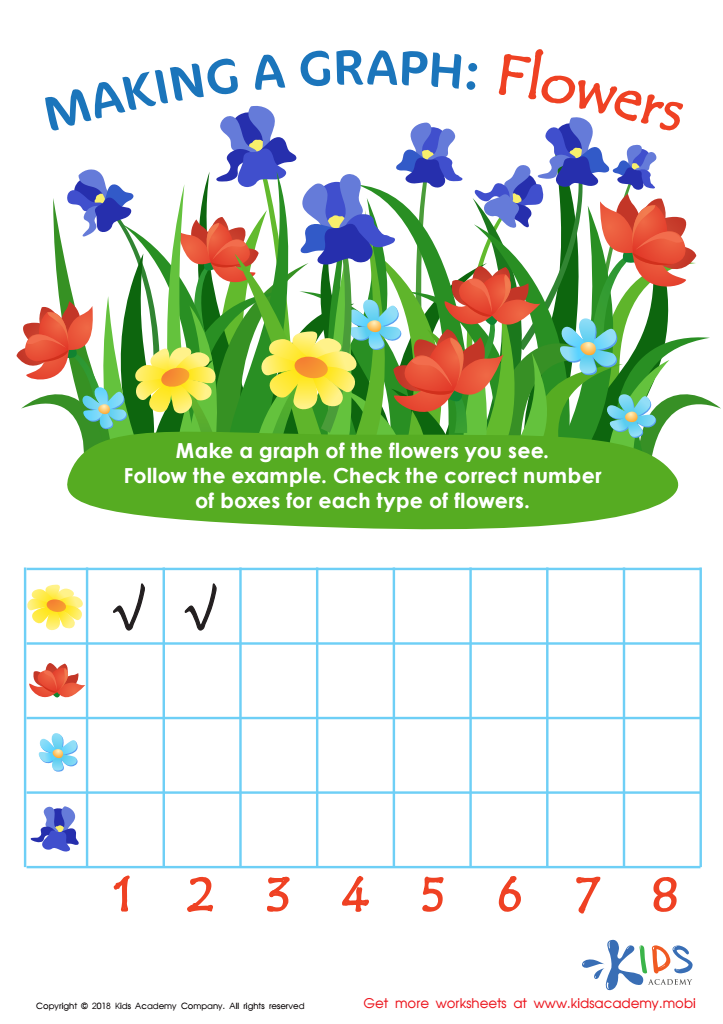
Making a Graph: Flowers Worksheet
 Assign to My Students
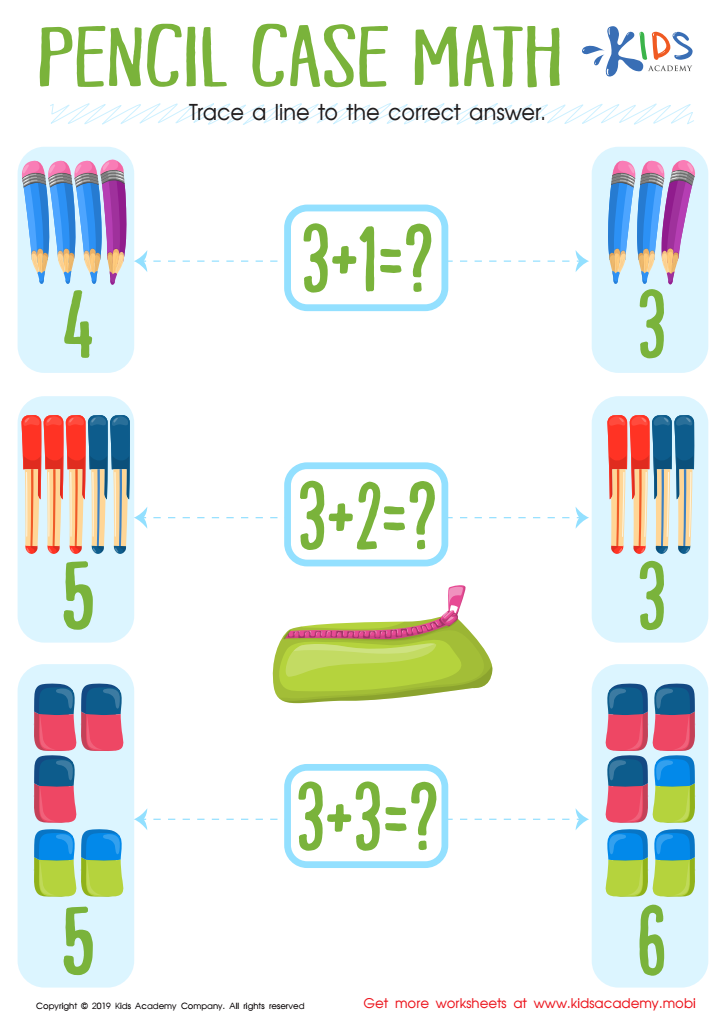
Pencil Case Math Worksheet
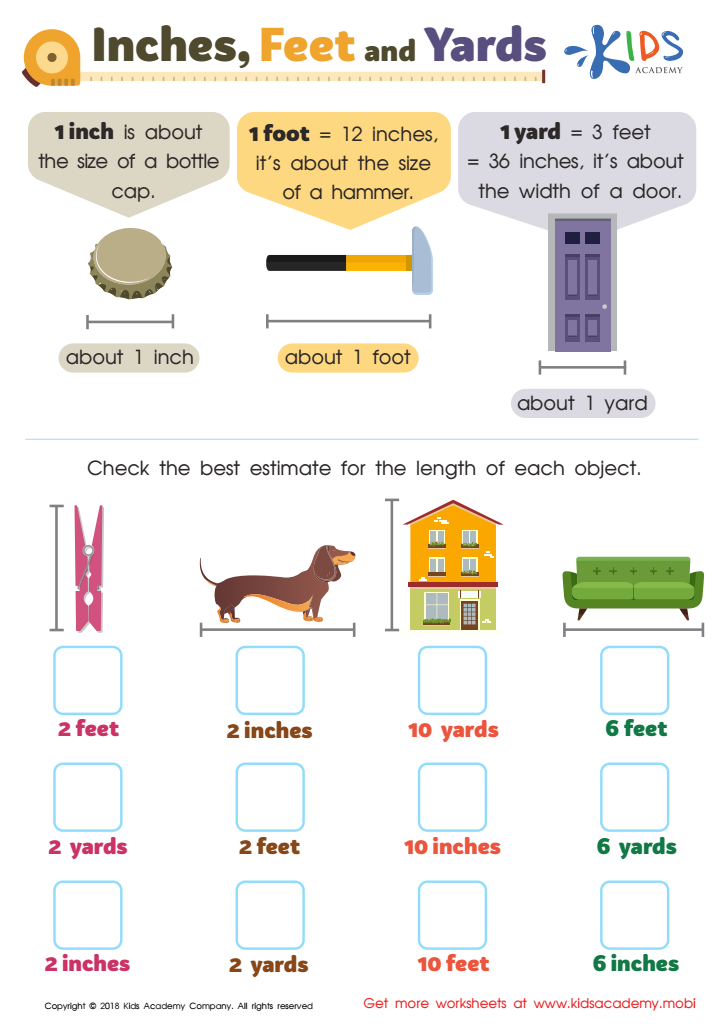
Inches, Feet and Yards Worksheet
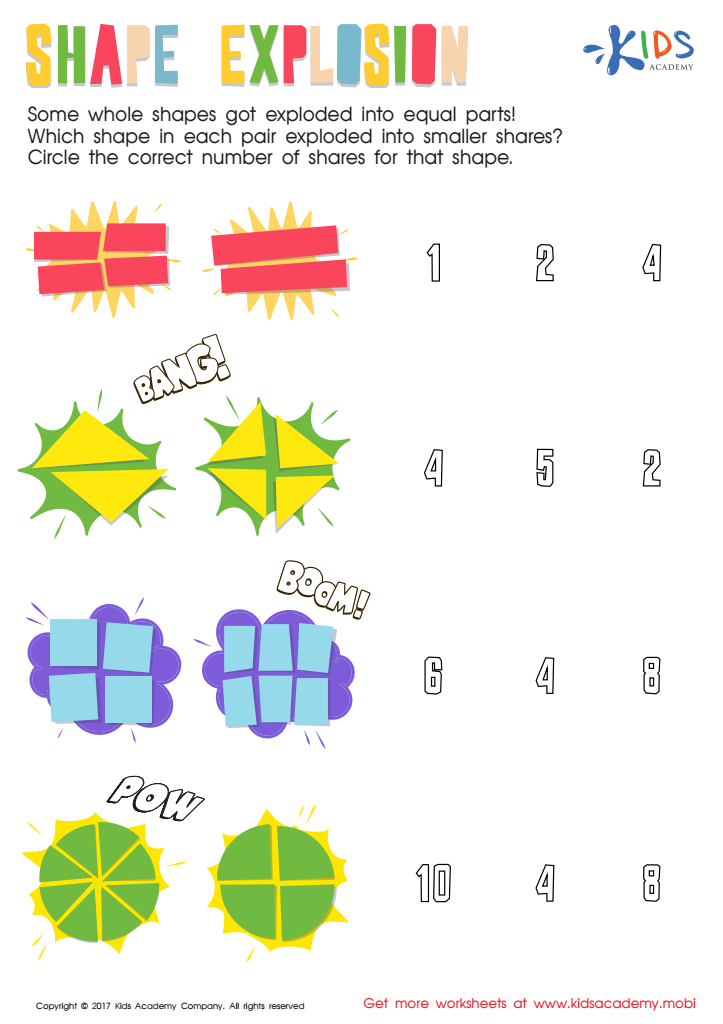
Shape Explosion Worksheet
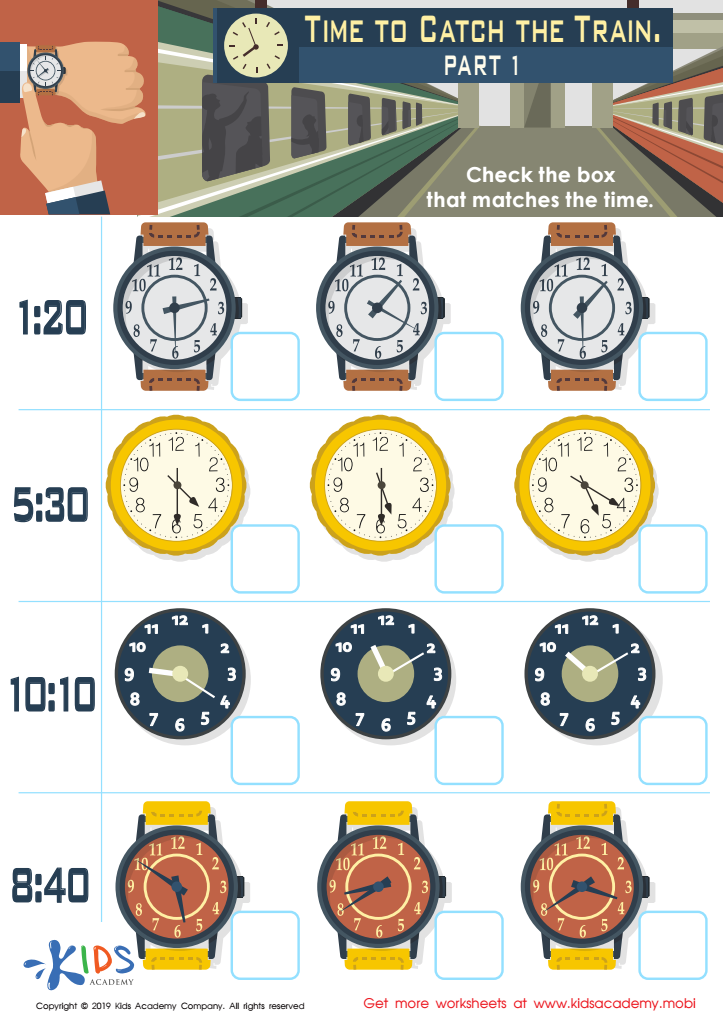
Time to Catch the Train Part 1 Worksheet






.jpg)
Parents and teachers should deeply value basic math applications for children ages 4-7 because early math skills form the foundation for future academic success and everyday life. Mastery of basic concepts, such as counting, simple addition and subtraction, recognizing shapes, and understanding quantities, equips young learners with essential problem-solving skills. This stage of cognitive development is critical, and engaging in math activities fosters logical thinking, spatial awareness, and the ability to follow structured procedures.
Moreover, early exposure to math helps children build confidence and a positive attitude towards learning, alleviating math anxiety often seen in later years. Consistent practice with basic math also enhances fine motor skills through activities like writing numbers and manipulating objects for counting.
Math applications in early years encourage curiosity and tenacity by presenting toddlers with challenges and puzzles that are age-appropriate and engaging. This cultivates an environment where children are enthusiastic about learning. Parents and teachers who prioritize early math education enable children to seamlessly integrate more complex mathematical principles as they grow, ensuring a smoother academic transition and better preparation for advanced topics.
Ultimately, fostering these skills at a young age can ripple positively into many spheres of life, influencing one’s ability to manage personal finances, analyze information critically, and navigate a technology-driven world with ease.








