
Classification skills Math Worksheets for Ages 4-7
3 filtered results
Difficulty Level
Grade
Age
-
From - To
Subject
Activity
Standards
Enhance your child’s logical reasoning with our Classification Skills Math Worksheets for ages 4-7! These fun and engaging worksheets are meticulously designed to help young learners develop essential classification and sorting skills. From identifying shapes to sorting objects by size, color, and category, these activities boost critical thinking and foundational math abilities. Perfect for early learners, our worksheets keep kids entertained while they learn and build a strong mathematical foundation. Explore our collection now and watch your child unlock new levels of understanding, all while having a blast! Ideal for preschools, kindergartens, and homeschooling classrooms.
Favorites
With answer key
Interactive
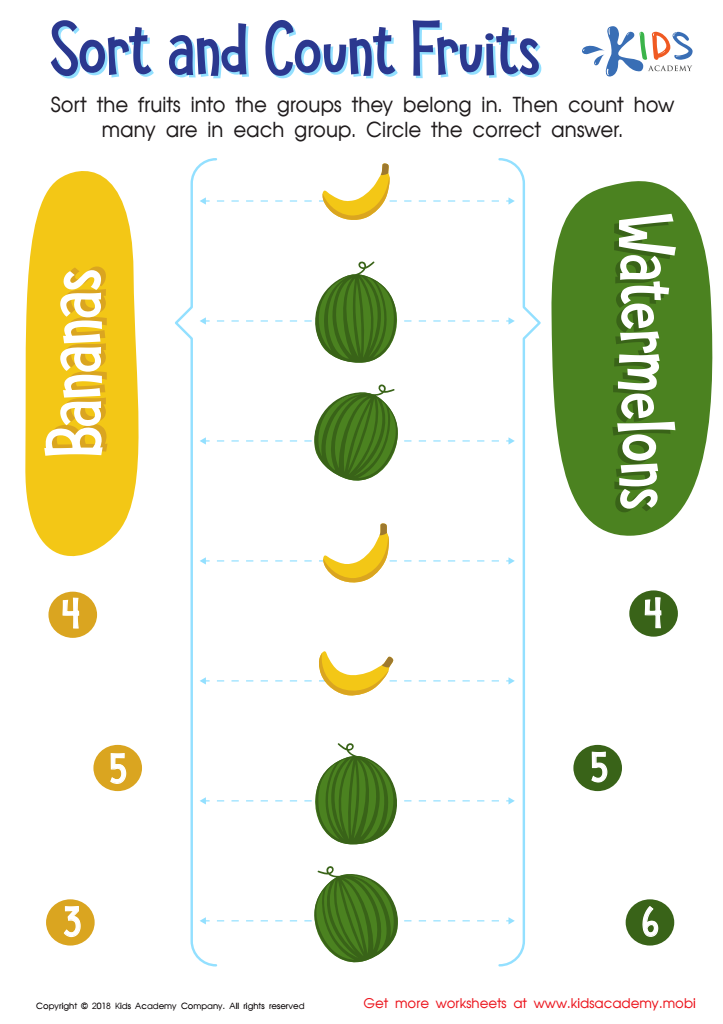
Sort and Count Fruits Worksheet
Allow your children to hone their critical thinking and number reasoning skills with this free worksheet. They'll sort, count, and trace fruits while learning basic number sense. A fun, delicious learning experience with familiar pictures they'll love.
 Assign to My Students
Sort and Count Fruits Worksheet
Worksheet
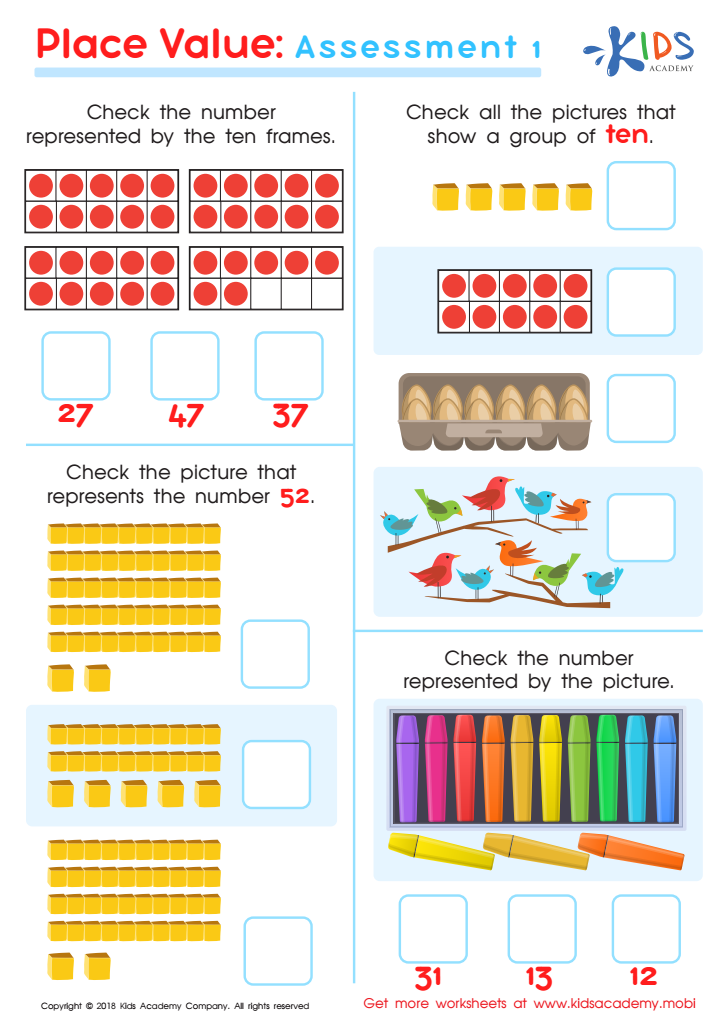
Place Value: Assessment 1 Worksheet
Assess your child's place value and number representation with this PDF worksheet. It lets them count and compare numbers and practice chiseling numbers into groups of ten. It's a great way to identify any concepts that need to be reinforced.
Place Value: Assessment 1 Worksheet
Worksheet
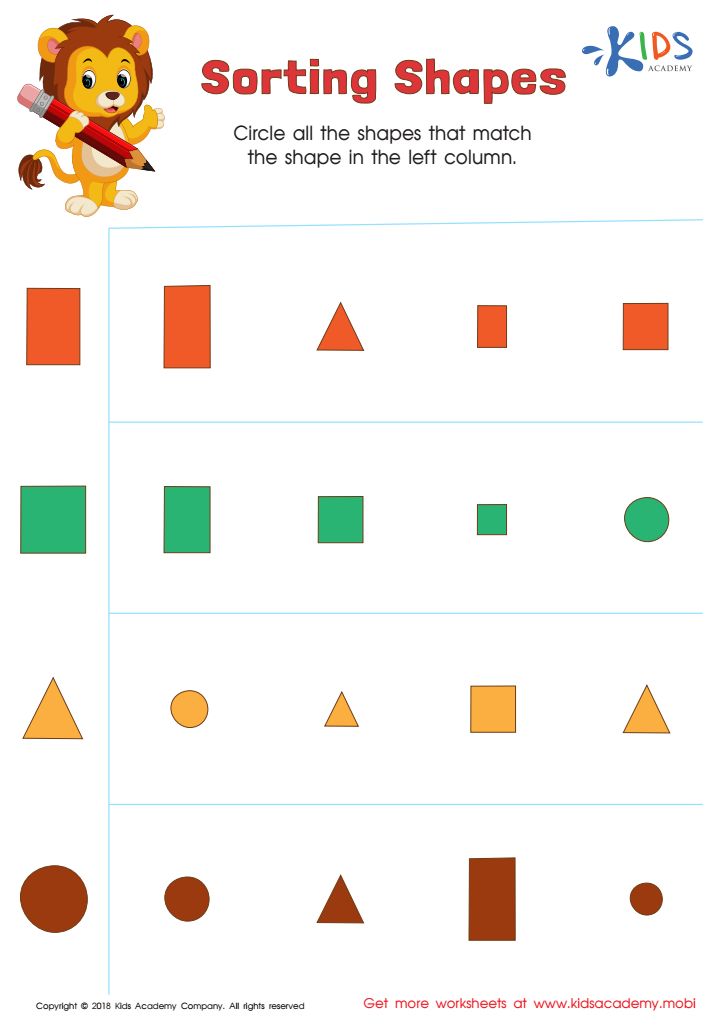
Sorting Shapes - Part 2 Worksheet
Tired of dull worksheets? Look no further than Kids Academy's colorful shape-sorting worksheet! It's perfect for challenging your toddler's problem-solving skills. Print the free PDF page and let your child practice the basics of geometry. Have them work down the left column, circling the shapes on the right that match. It's a great way to form a strong foundation in early learning.
Sorting Shapes - Part 2 Worksheet
Worksheet
Join Kids Academy for Free
Who is primarily going to use this learning content?


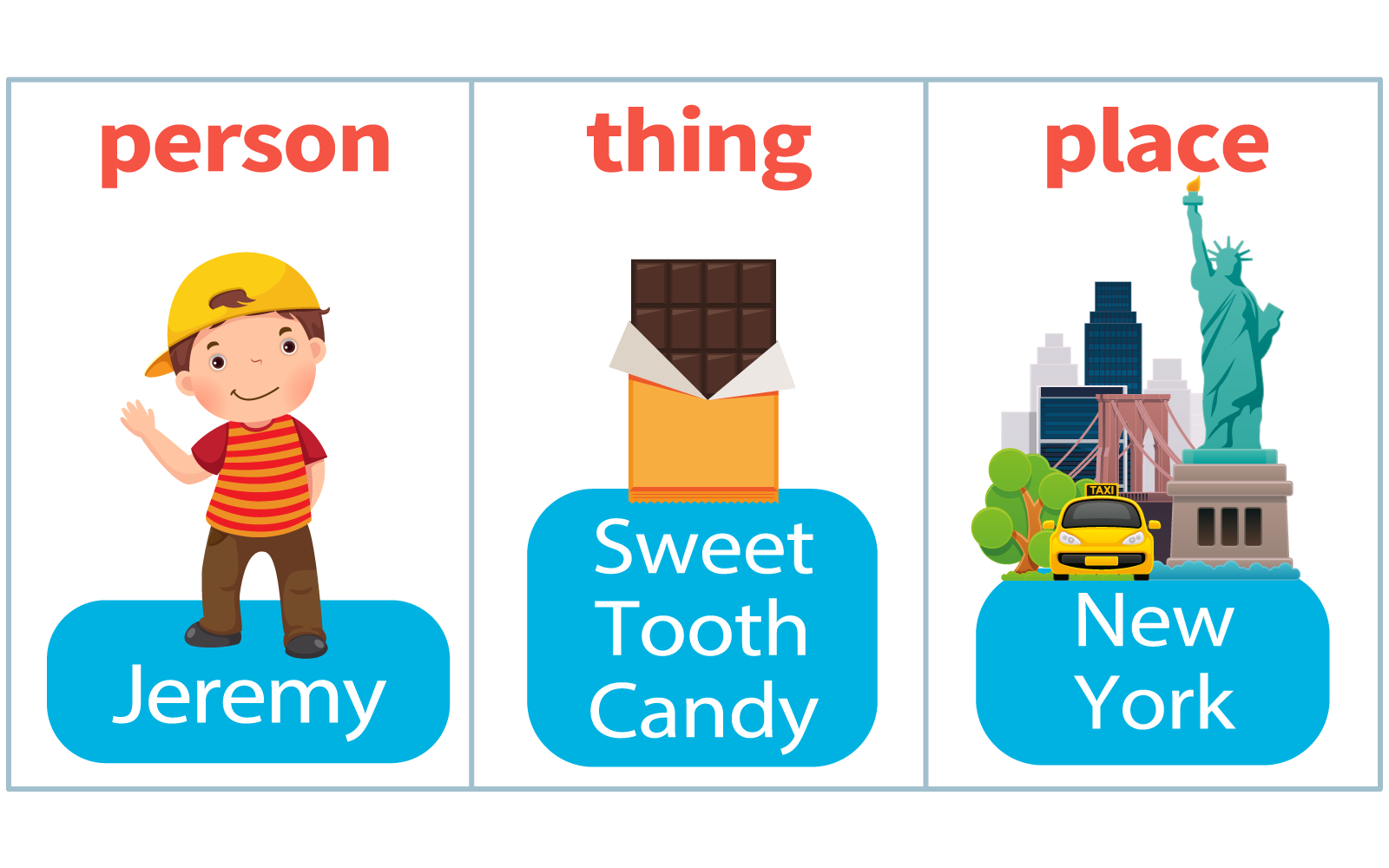





Classification skills are foundational in early math education and play a critical role in the cognitive development of children aged 4-7. These skills involve grouping objects based on specific attributes such as size, shape, color, or type, and help young learners organize their world in a meaningful way.
Fostering classification skills from a young age empowers children to recognize patterns, differentiate between different sets, and understand relationships among objects. This ability is integral not only to mathematics but also to science and general problem-solving. When children classify objects, they learn about sorting and categorizing, which are essential pre-math skills that pave the way for more complex concepts like counting, addition, and multiplication.
Additionally, classification helps enhance critical thinking and analytical skills. It encourages children to observe details, make comparisons, and articulate reasons for their choices, thereby boosting their language and communication abilities. For example, when a student explains why they grouped certain items together, they are practicing reasoning and descriptive skills.
Teachers and parents who support the development of classification skills provide children with a strong foundation for future academic subjects. By engaging children in sorting games, encouraging them to classify toys during play, or using everyday activities to talk about similarities and differences, adults can make learning interactive, enjoyable, and deeply impactful.








