Cognitive Development Math Worksheets for Ages 4-7 - Page 2
182 filtered results
-
From - To

 Assign to My Students
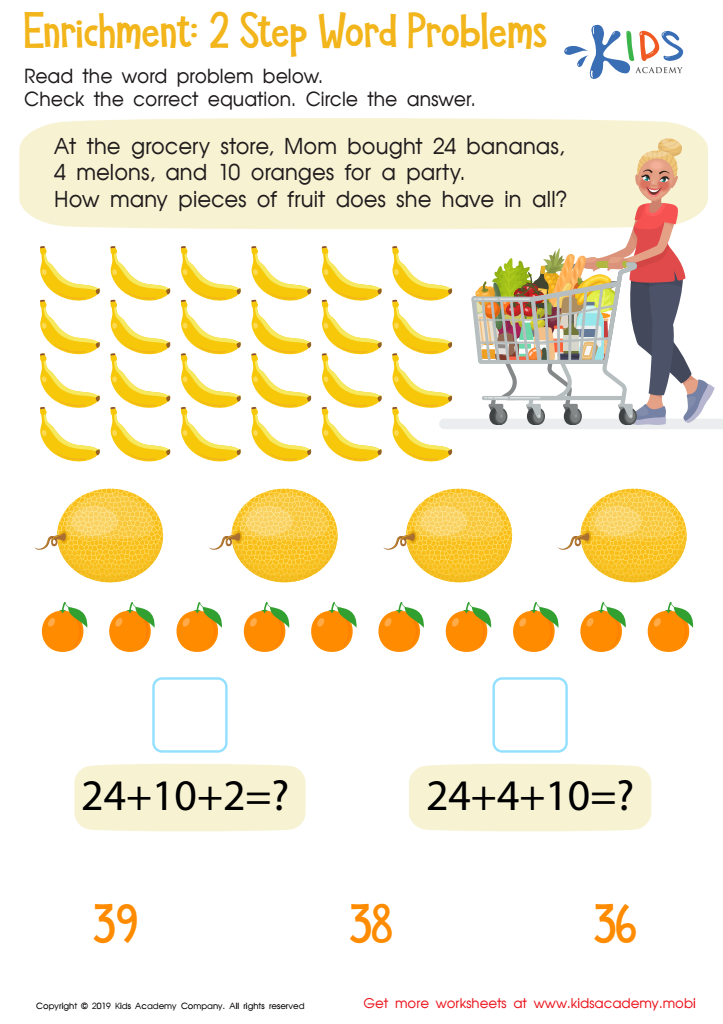
Enrichment -2 Step Word Problems Worksheet
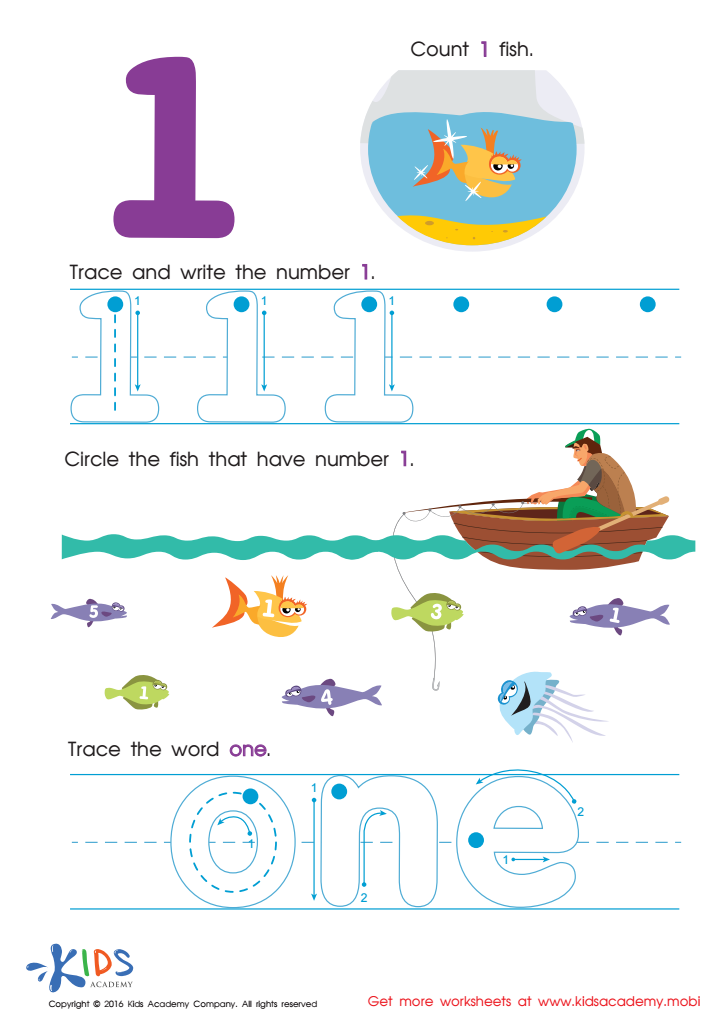
Learning to Write 1 Worksheet
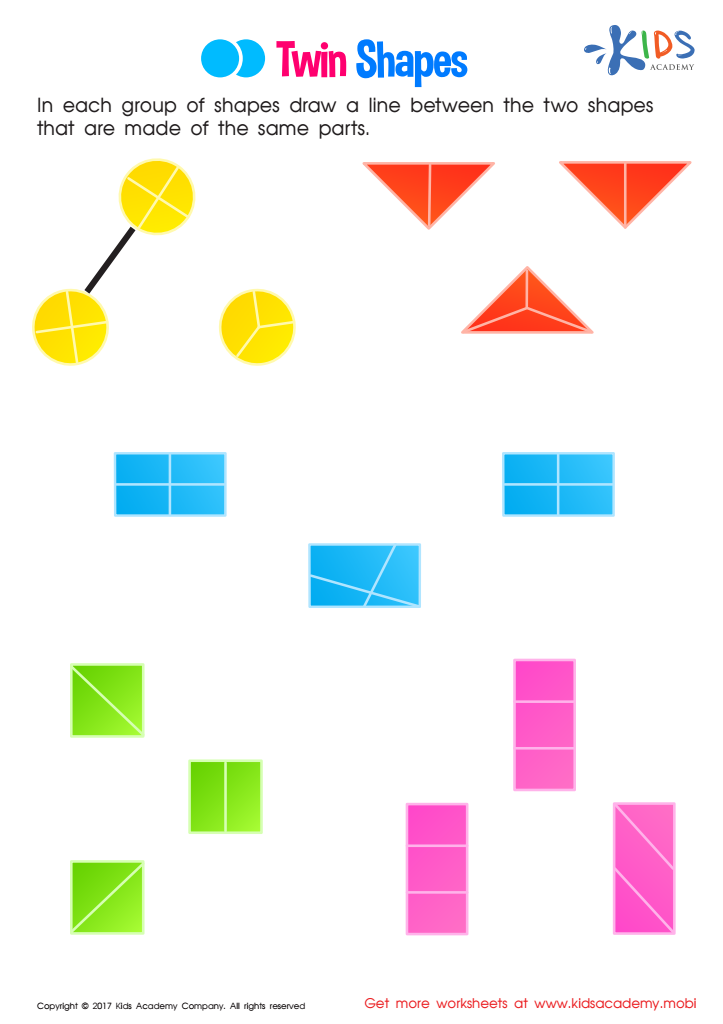
Twin Shapes Worksheet
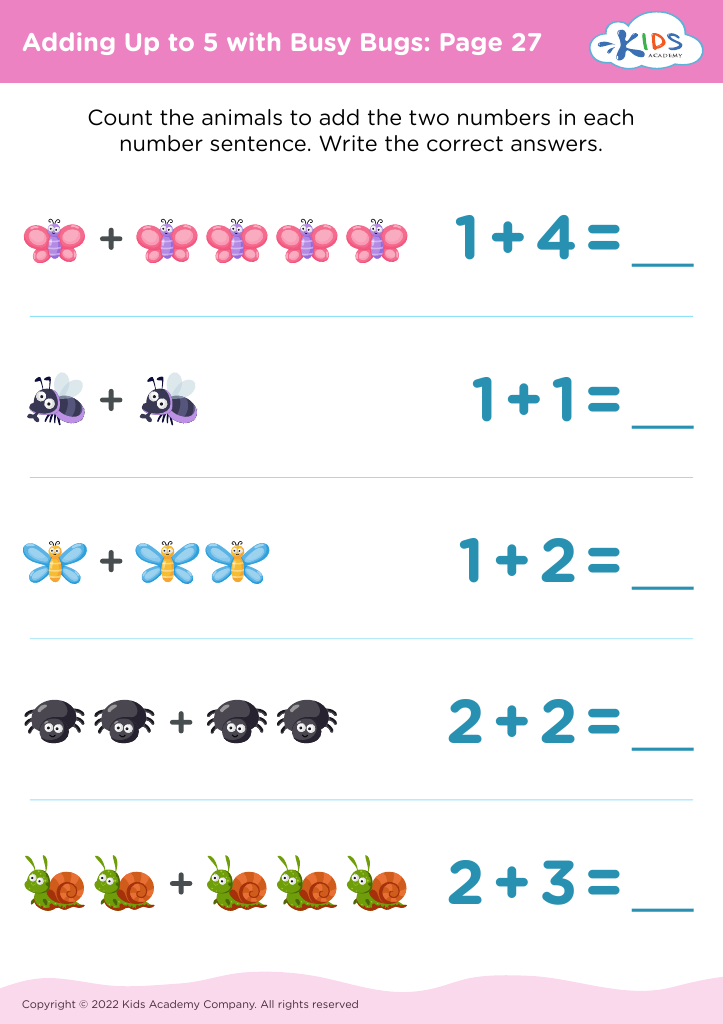
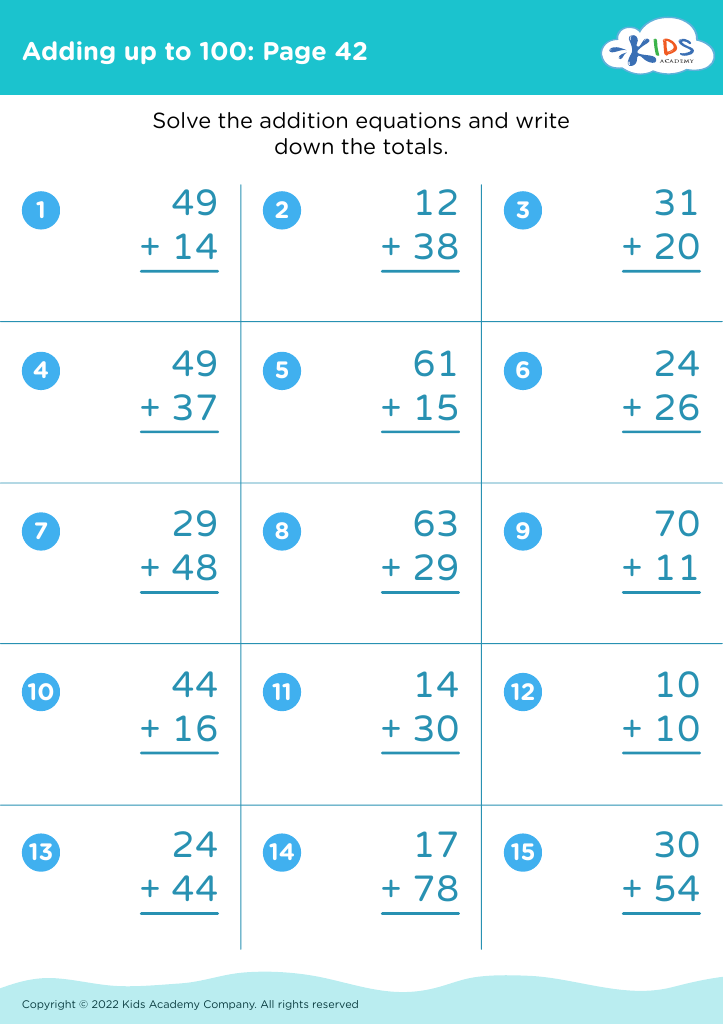
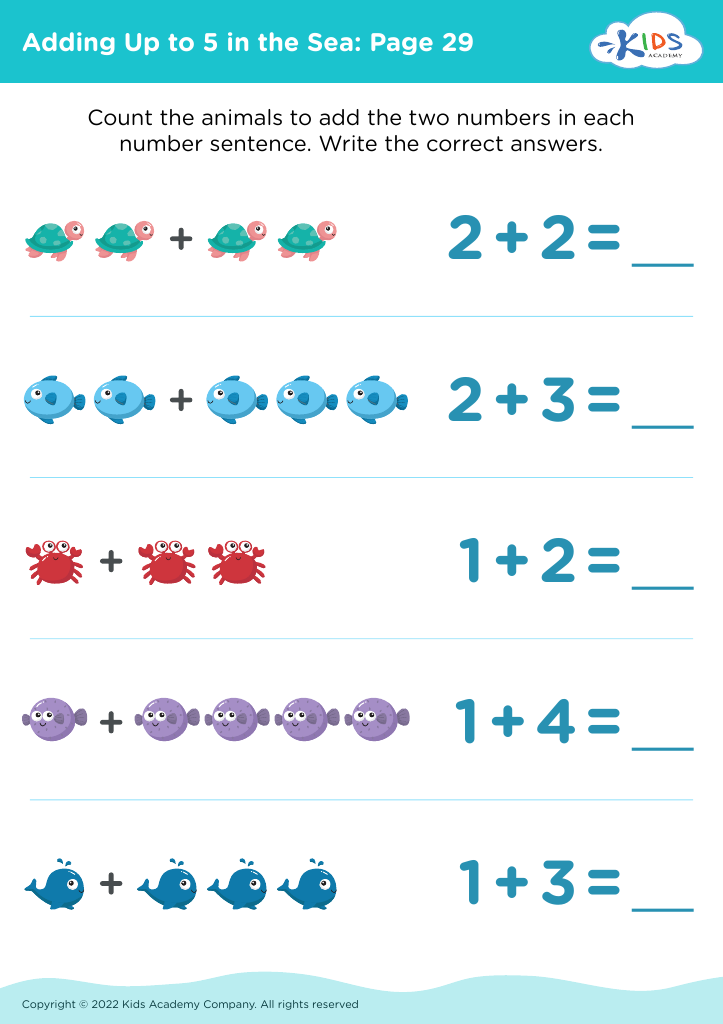
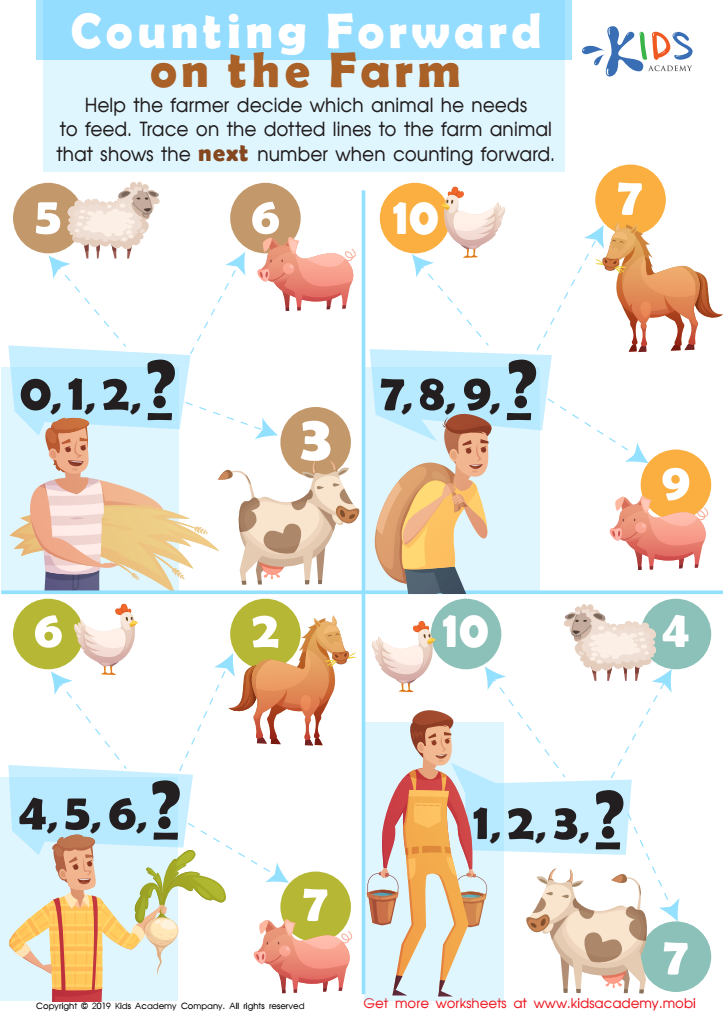
Counting Forward On the Farm Worksheet
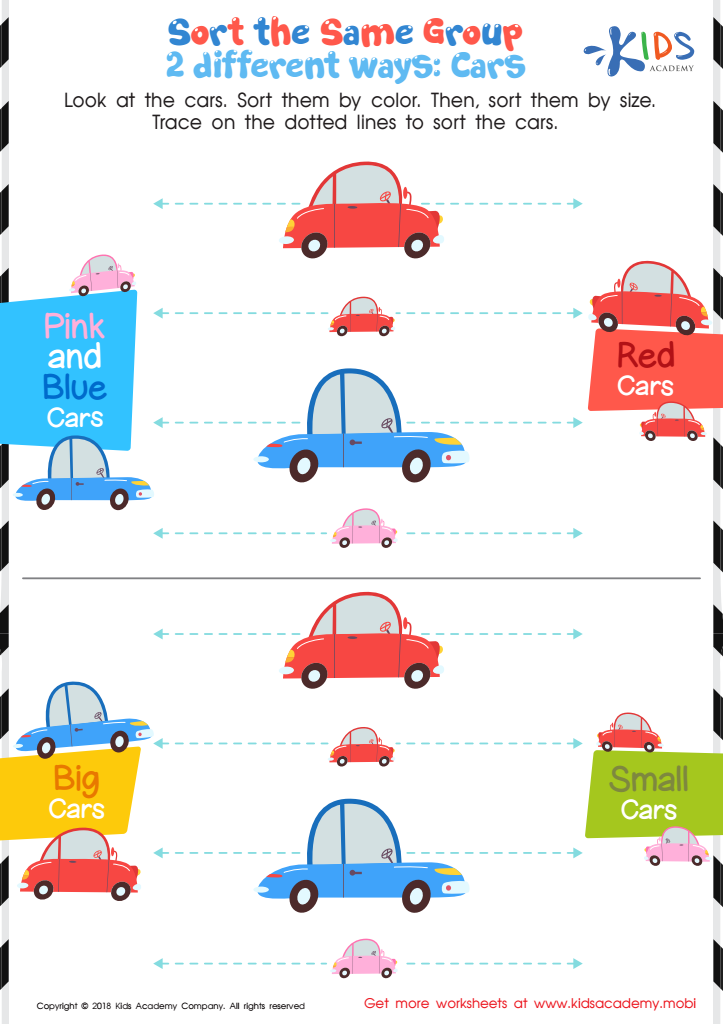
Sort the Same Group 2 Different Ways: Cars Worksheet
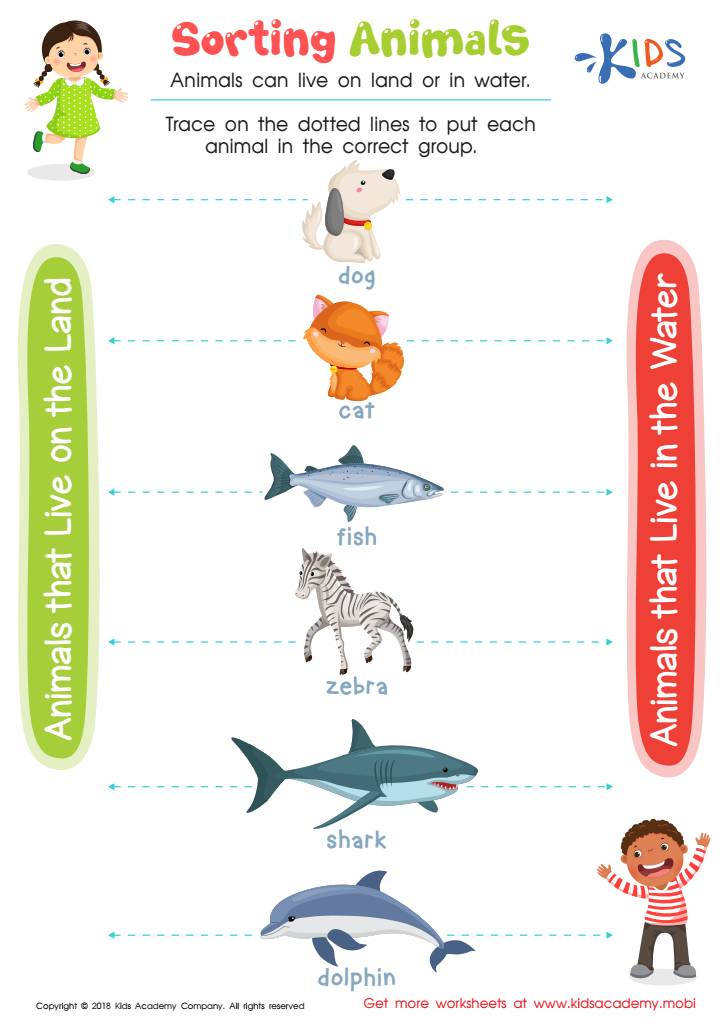
Sorting Animals Worksheet

Matching: Shapes and Colors Worksheet
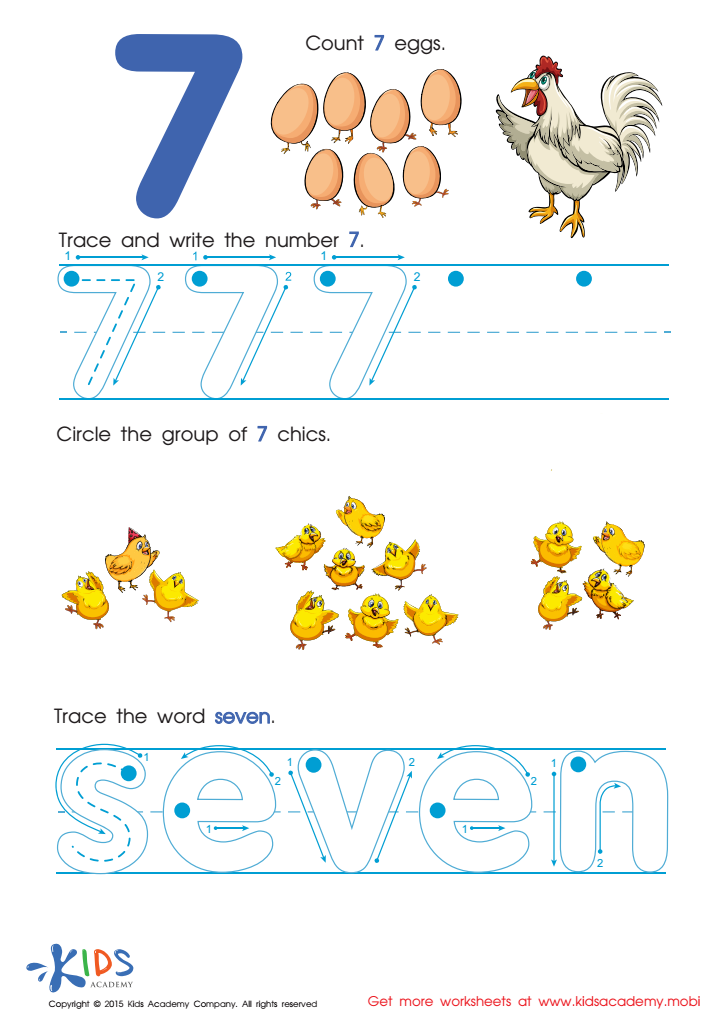
Trace And Write Number 7 with Fun Worksheet
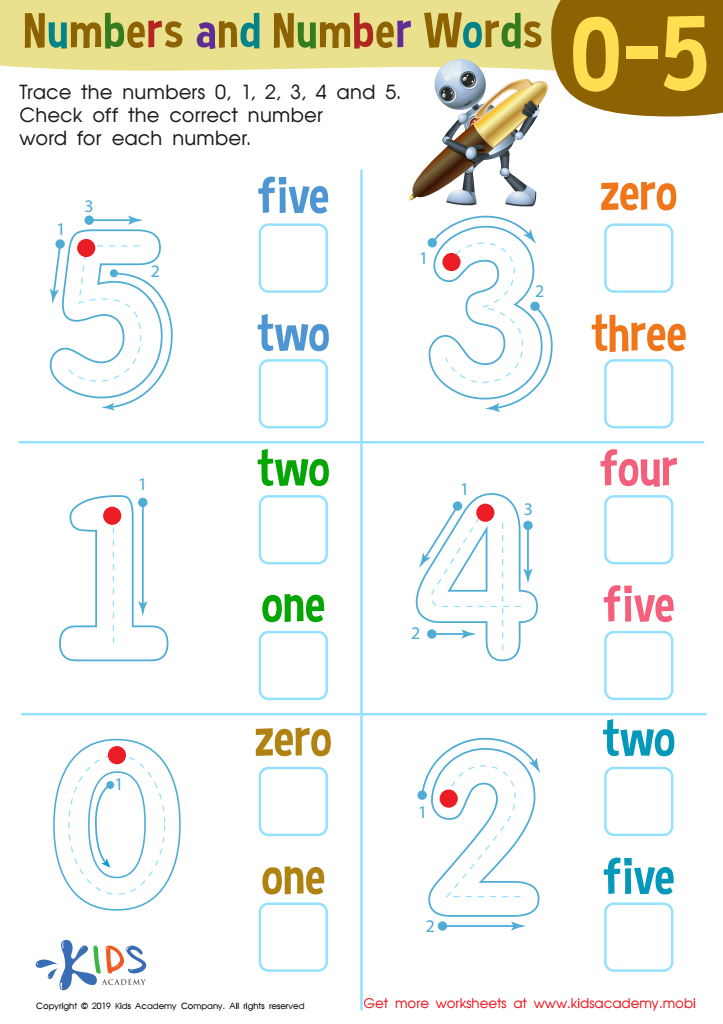
Numbers and Number Words Worksheet


.jpg)




Cognitive development in math during early childhood, particularly for ages 4-7, is crucial because it lays the foundation for future academic success and everyday problem-solving skills. At this age, children's brains are highly adaptable and receptive, making it an ideal time to cultivate mathematical thinking and skills. Engaging in math-based activities fosters critical thinking, enhances logical reasoning, and improves understanding of abstract concepts.
Parents and teachers should care about this crucial stage as it significantly influences children's attitudes towards math. Positive early experiences cultivate confidence and reduce anxiety related to mathematics, encouraging a positive mindset that leads to persistence in learning. Moreover, cognitive development in math encourages the interplay of various skills, such as language, memory, and spatial awareness, which are foundational for overall learning.
Encouraging exploration through hands-on activities, games, and problem-solving helps children not only develop their quantitative skills but also breed curiosity and motivate them to explore the world around them. Early investment in cognitive math development cultivates lifelong learners who view math as a valuable and enjoyable skill, enabling them to tackle increasingly complex problems as they grow. Thus, fostering early math skills is an investment in their future educational and personal success.








