Develop critical thinking Math Worksheets for Ages 4-7
13 filtered results
-
From - To
Boost your child's analytical skills with our "Develop Critical Thinking Math Worksheets for Ages 4-7". Expertly designed, these worksheets make learning math both engaging and educational. Each activity encourages young learners to explore patterns, solve puzzles, and tackle problems creatively. Our worksheets not only reinforce essential math concepts but also enhance logic and critical thinking needed for lifelong problem-solving success. Ideal for classroom use or at-home practice, they offer a vibrant, interactive way to stimulate young minds. Equip your child with a strong foundational understanding of math and critical thinking skills that will benefit them beyond the classroom.
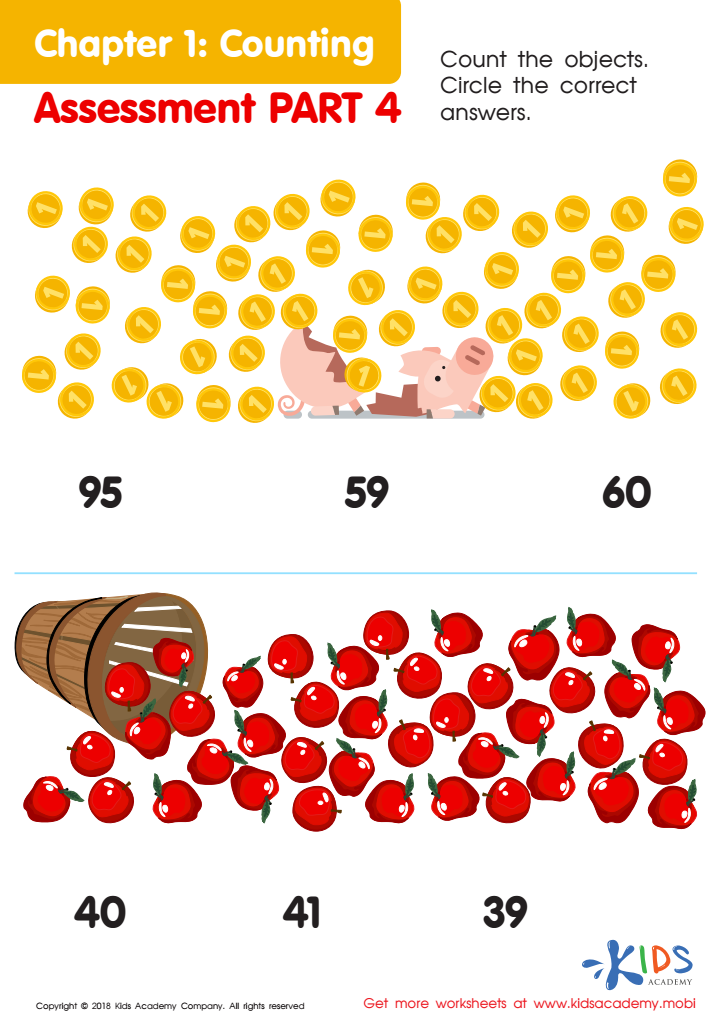
Counting: Assessment 4 Worksheet
 Assign to My Students
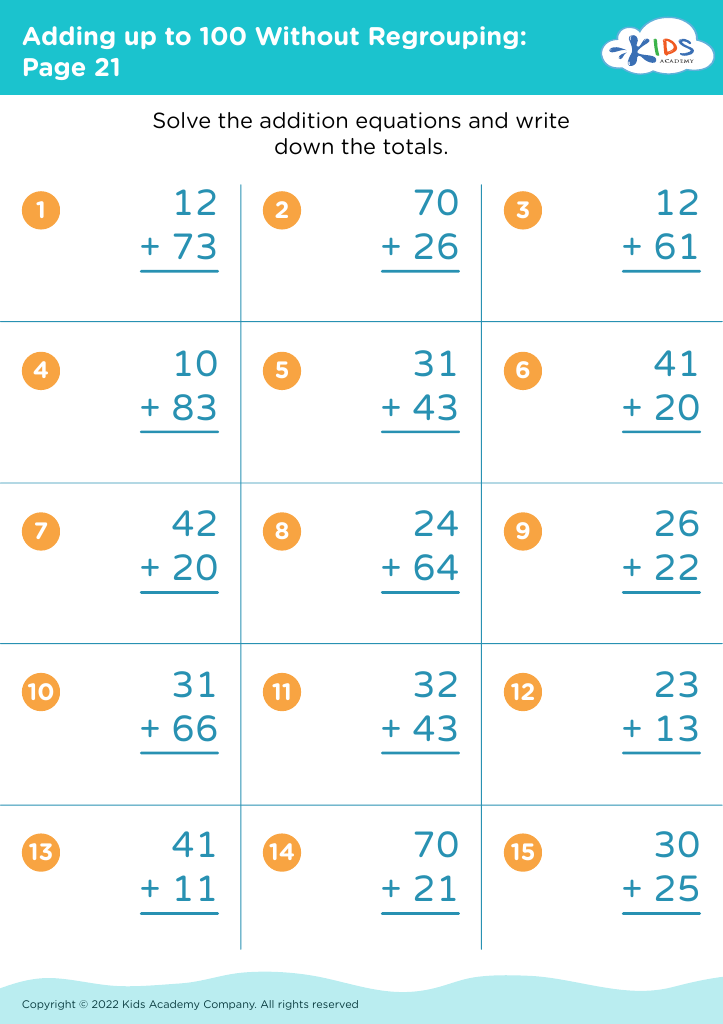
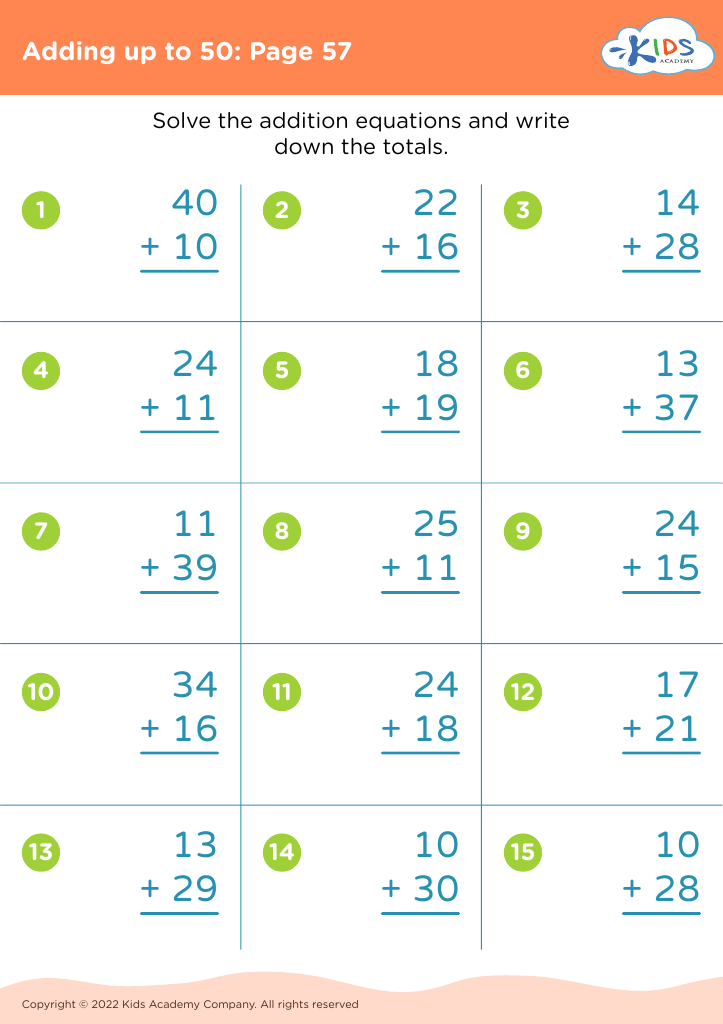
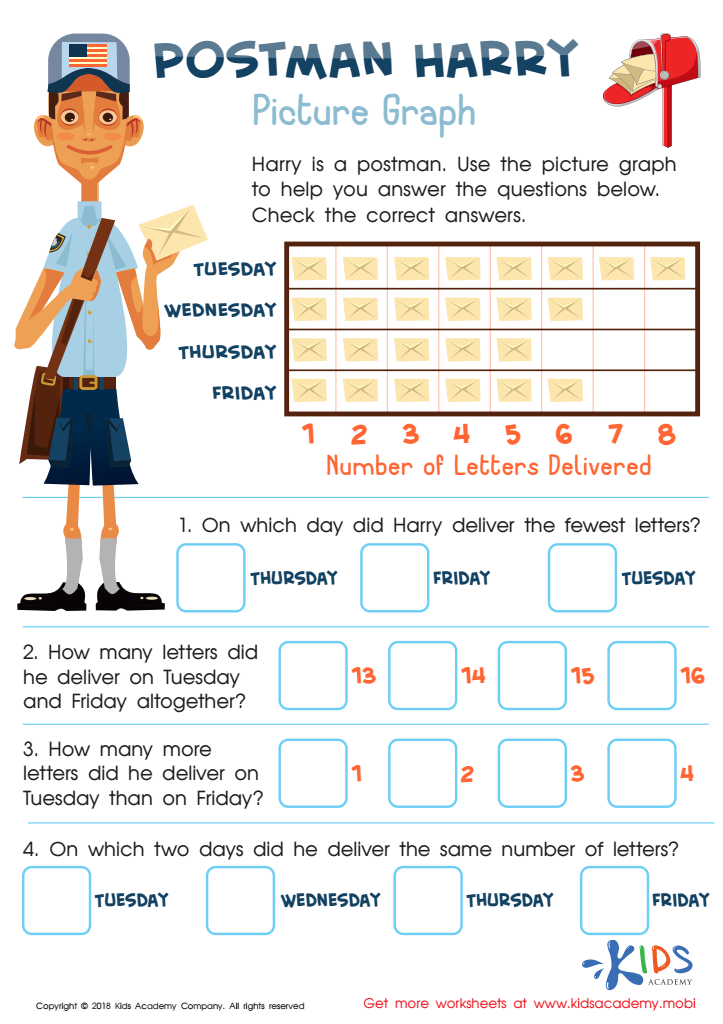
Postman Harry: Picture Graph Worksheet








Parents and teachers should prioritize developing critical thinking in math for children aged 4-7 because it lays the foundation for a lifetime of problem-solving abilities and academic success. During these early years, children's brains are exceptionally receptive to learning new concepts. Encouraging critical thinking in math helps them to not just learn numbers and arithmetic, but to understand the "why" behind these concepts.
For example, when children are asked to think critically about why 2+3=5, rather than just memorizing it, they begin to understand mathematical relationships more deeply. This deep understanding fosters a sense of curiosity and promotes cognitive development, enhancing their ability to think logically and make connections.
Moreover, critical thinking in math translates to improved decision-making and analytical skills in other areas of life. For instance, a child who learns to evaluate math problems critically will be better equipped to tackle complex challenges, reason through unexpected situations, and navigate various problem-solving scenarios both inside and outside the classroom.
Early development of these skills also helps to dispel math anxiety and builds confidence, creating a positive attitude towards learning. When students feel competent and confident in their abilities to think critically about math, they are more likely to persist in their academic pursuits, opening doors to future career and life opportunities.








