
Enhance fine motor skills Math Worksheets for Ages 4-7
5 filtered results
Difficulty Level
Grade
Age
-
From - To
Subject
Activity
Standards
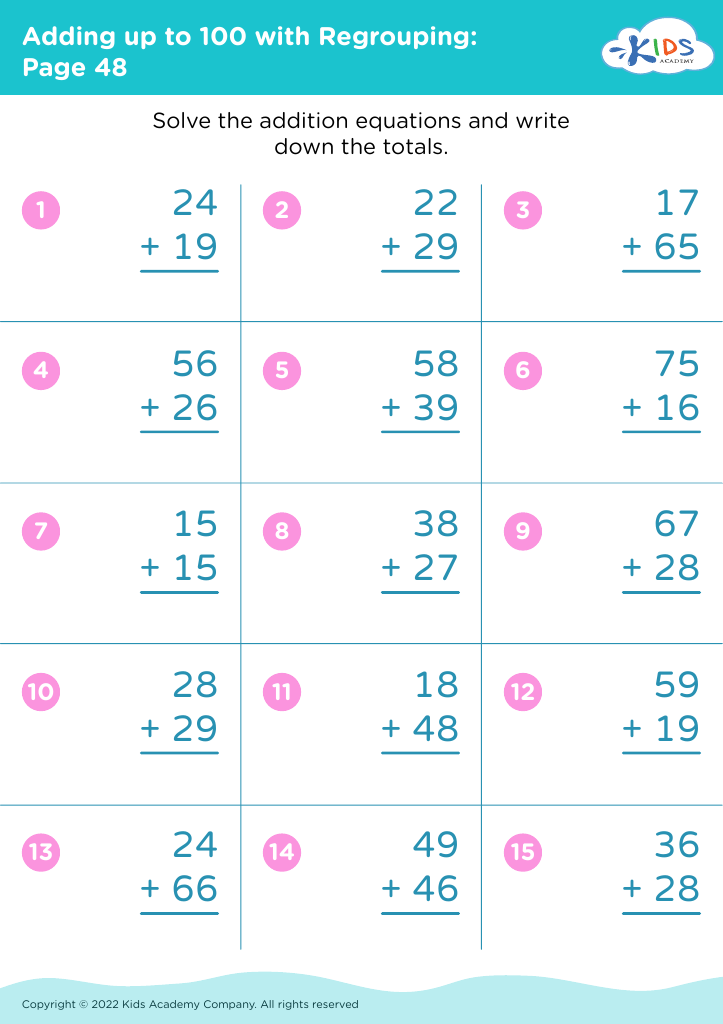
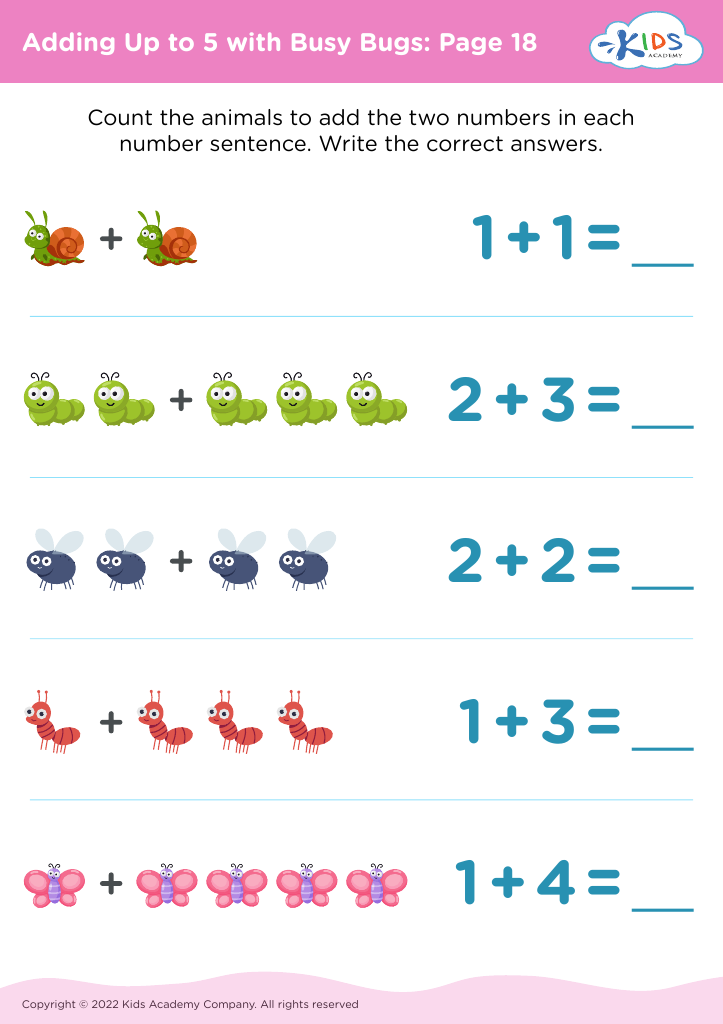
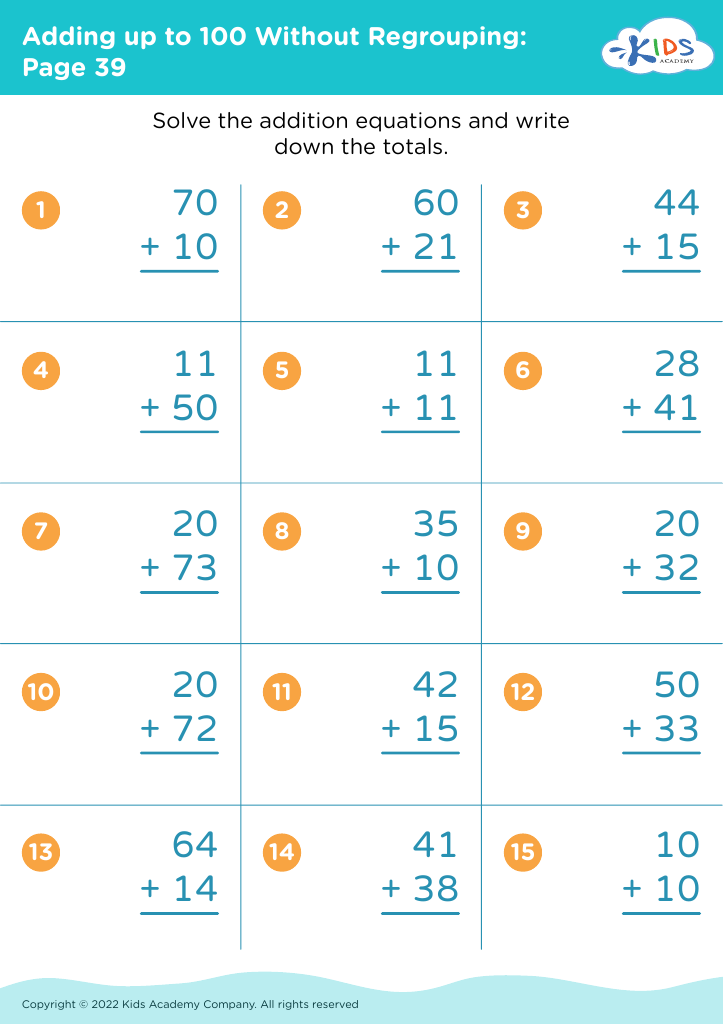
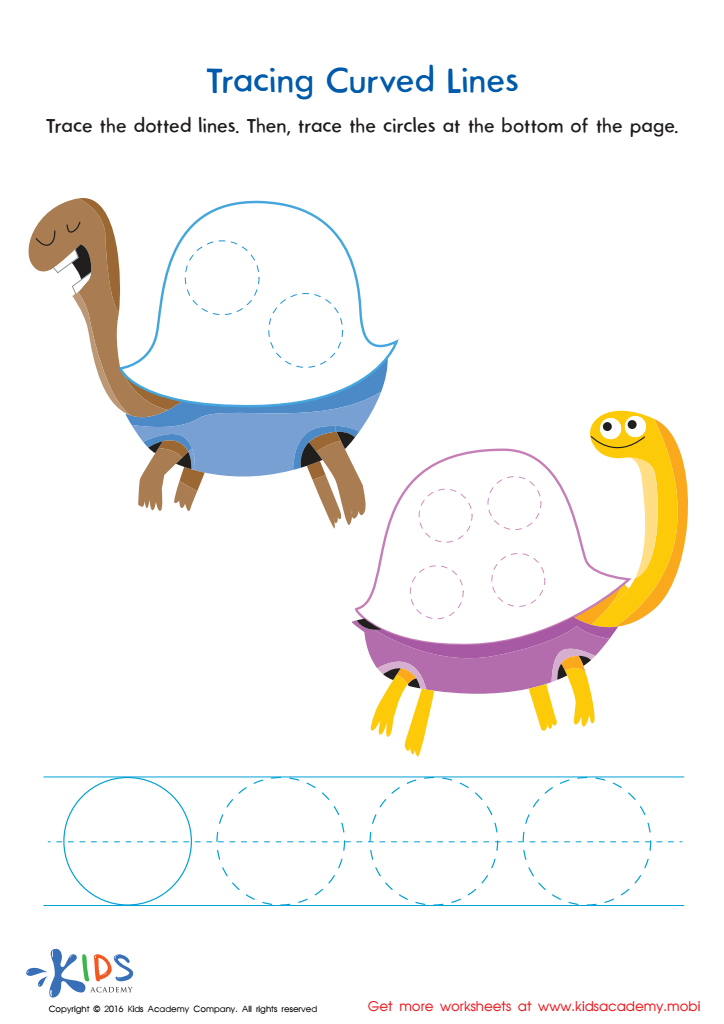
Unlock your child’s potential with our engaging "Enhance Fine Motor Skills Math Worksheets" tailored for ages 4-7. These worksheets combine essential math concepts with fun activities that promote hand-eye coordination and dexterity. Through coloring, tracing, and cutting exercises, kids will practice number recognition, basic addition, and subtraction while strengthening their fine motor skills. Each worksheet is designed to provide a hands-on learning experience, making math enjoyable and interactive. Perfect for home or classroom use, these resources ensure that learning math becomes a creative adventure. Help your child build confidence and readiness for future academic challenges with our thoughtfully crafted worksheets!
Favorites
With answer key
Interactive
 Assign to My Students
Join Kids Academy for Free
Who is primarily going to use this learning content?








Enhancing fine motor skills in children ages 4-7 is essential not only for their physical development but also for their foundational math skills. During this stage, children are developing the ability to manipulate small objects with precision, which is crucial for tasks like writing, drawing, and using tools. Activities that promote fine motor skills—such as cutting, pasting, and threading beads—can also introduce math concepts such as counting, shapes, and patterns.
As children engage in these activities, they are honing their hand-eye coordination and dexterity, which are indicators of future success in various academic skills, including mathematics. When children can effectively manage tools and materials, they experience increased confidence, focus, and engagement in learning activities.
Moreover, children with stronger fine motor abilities can better access math resources, like drawing shapes or organizing counting materials, making abstract concepts more tangible. Teachers and parents should recognize these connections and incorporate playful, hands-on activities into the learning process. Fostering fine motor skills not only supports early math development but also sets the stage for lifelong learning and problem-solving abilities in a variety of subjects. Thus, prioritizing these skills enriches children’s overall educational experience.








