Fine motor development Math Worksheets for Ages 4-7
7 filtered results
-
From - To
Unlock your child's potential with our engaging Fine Motor Development Math Worksheets designed for ages 4-7! These worksheets combine essential math skills with fun activities that promote fine motor skills, ensuring a comprehensive learning experience. Through tracing, cutting, and drawing, young learners will enhance their hand-eye coordination, dexterity, and control, all while practicing foundational math concepts. Our resources are tailored to make learning enjoyable and interactive, fostering both confidence and competence in young mathematicians. Explore our collection of printable worksheets today and support your child's growth in mathematics and fine motor development effortlessly!
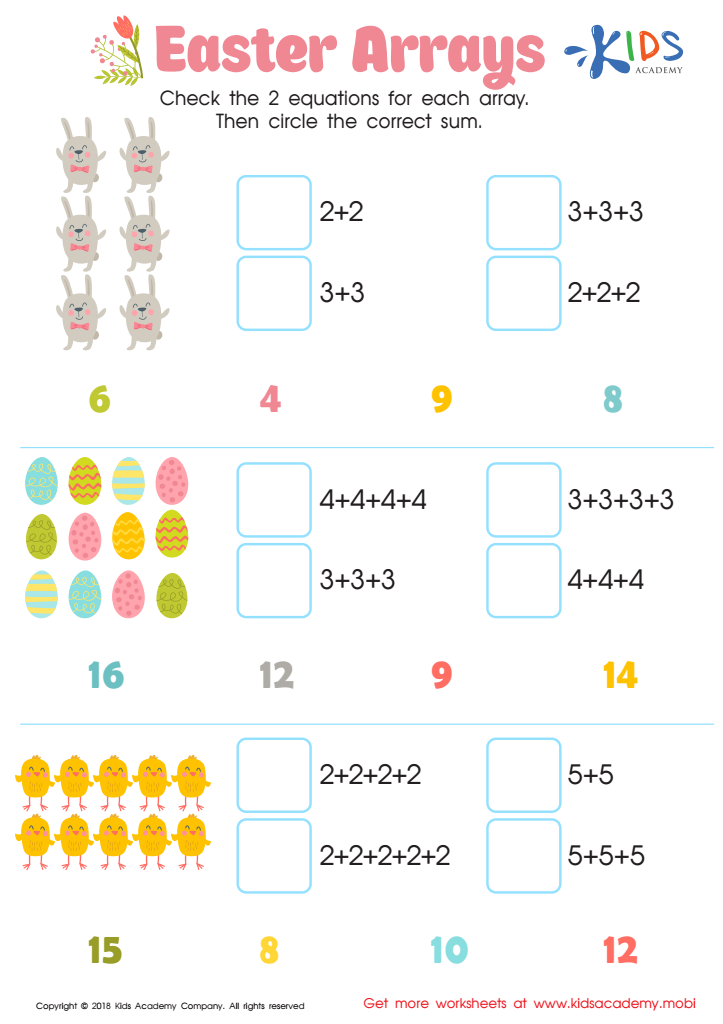
Easter Arrays Worksheet
 Assign to My Students
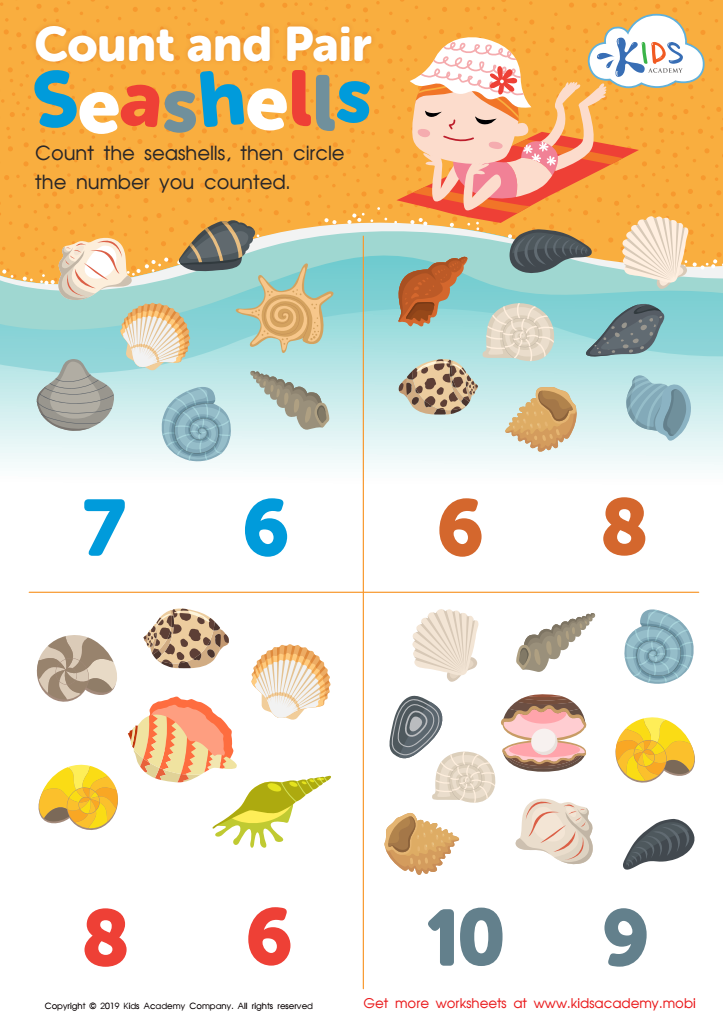
Count and Pair Seashells Worksheet
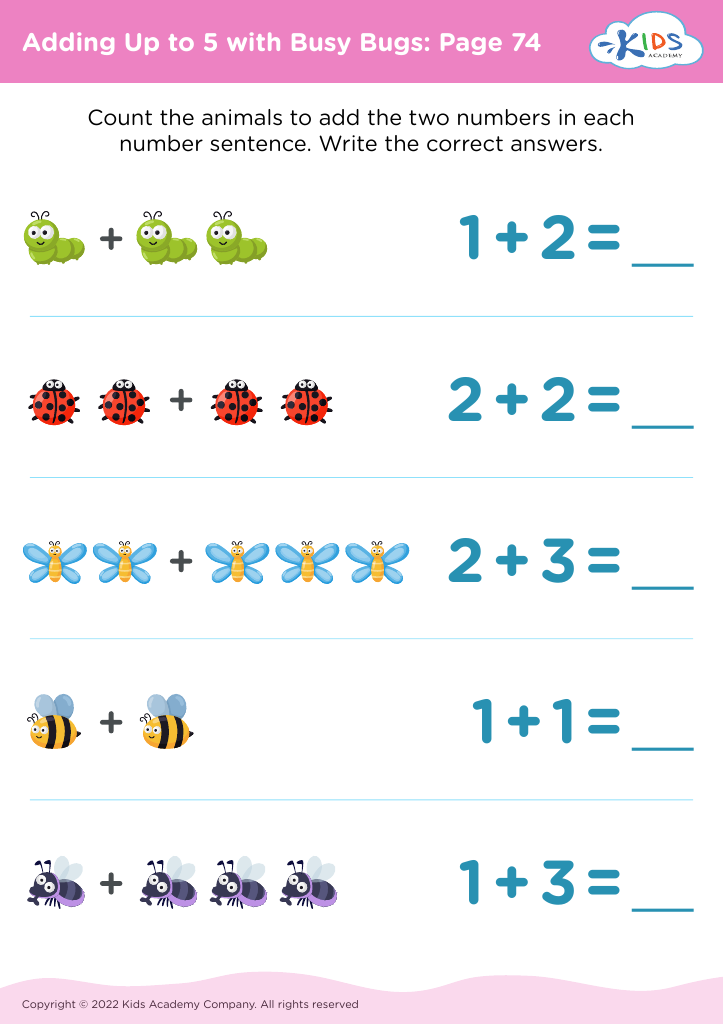
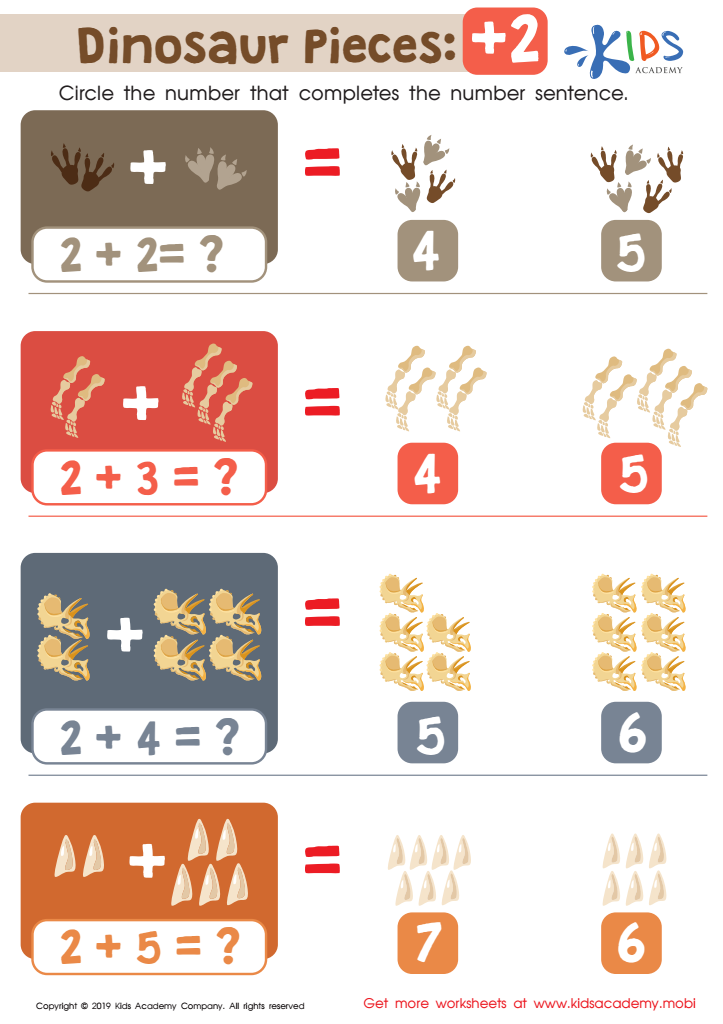
Dinosaur Pieces: +2 Worksheet
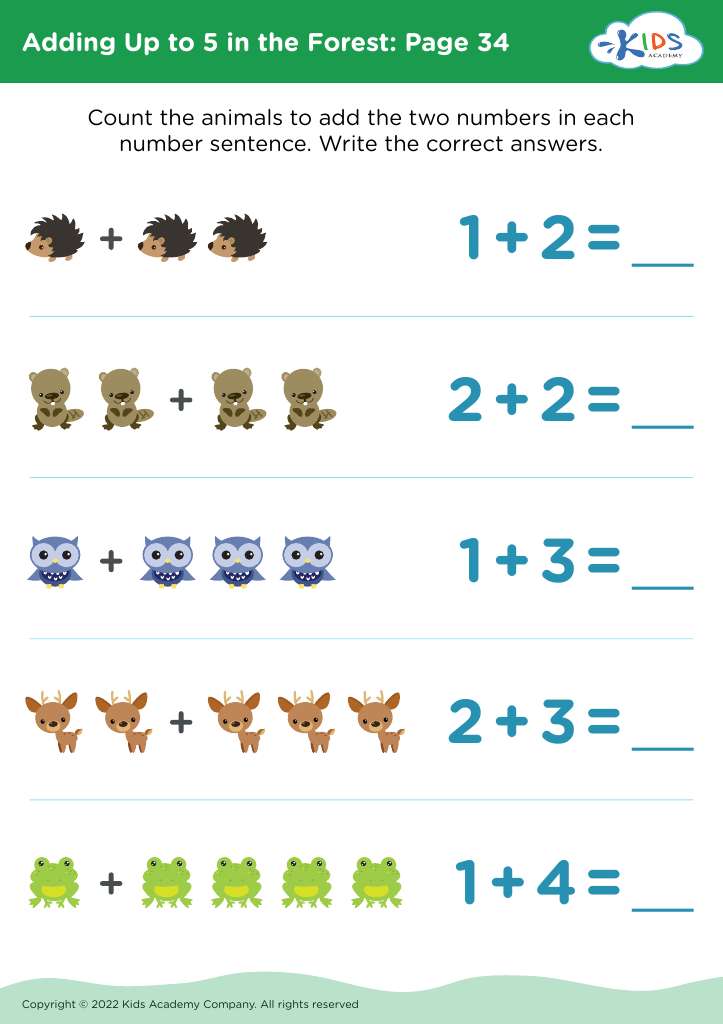
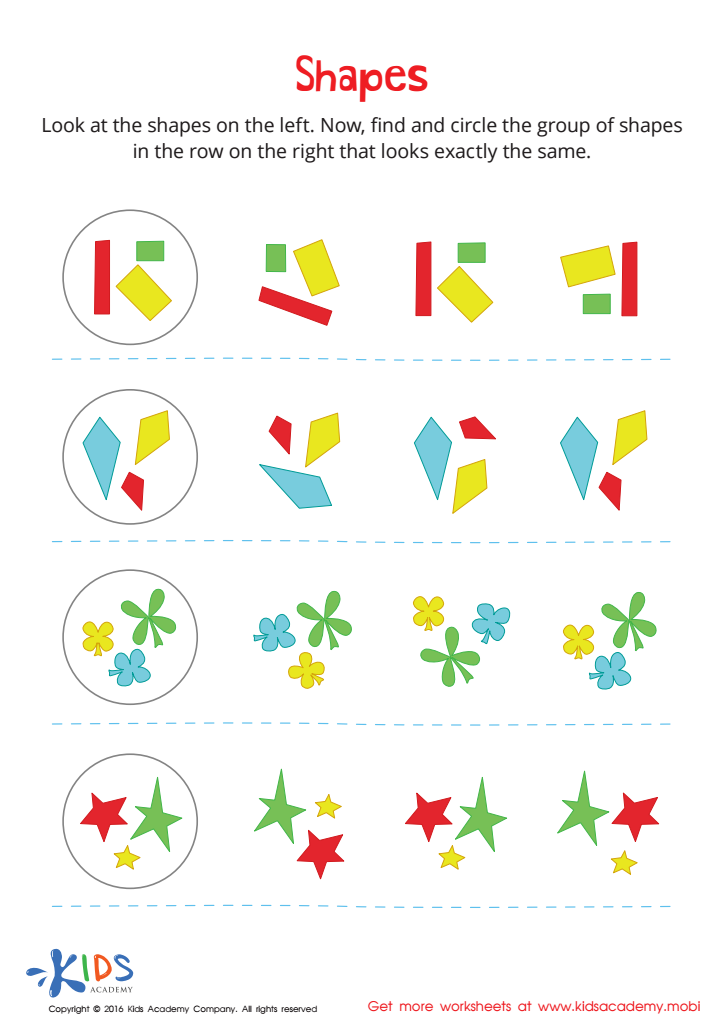
Shapes Worksheet
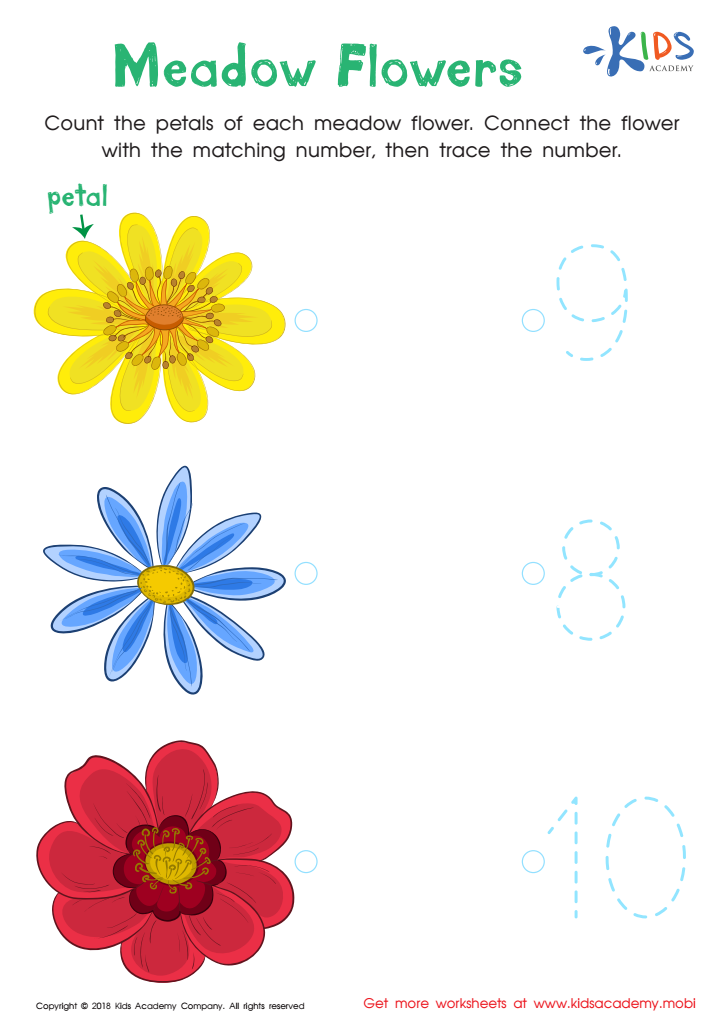
Kindergarten Number Tracing: Medow Flowers Worksheet








Fine motor development is a crucial aspect of early childhood education, particularly for children aged 4 to 7, and it plays an essential role in math skills. As children engage in activities that enhance their fine motor skills—such as cutting, drawing, and manipulating small objects—they also develop hand-eye coordination, grip strength, and dexterity. These skills are foundational for writing numbers and letters, and for using tools like rulers or scissors, all of which are important in mathematical learning.
Moreover, fine motor development is closely linked to cognitive development. When children manipulate objects, they are not only practicing their motor skills but also engaging in problem-solving and spatial awareness, both of which are critical components of mathematics. For instance, stacking blocks can introduce concepts of addition and subtraction in a tangible way.
Parents and teachers should prioritize fine motor activities in their classrooms and homes, integrating them with math-related tasks. Simple activities like coloring, threading beads, or using tweezers to pick up objects can be powerful tools for learning. By supporting fine motor development, adults effectively set the groundwork for children's future success in math and other academic areas, fostering confidence and enthusiasm for learning early on.








