Fractions understanding Math Worksheets for Ages 4-7
3 filtered results
-
From - To
Unlock your child's potential with our engaging Fractions Understanding Math Worksheets, tailored for ages 4-7! These beautifully designed worksheets introduce young learners to the concept of fractions in a fun and interactive way. Through visually appealing exercises and hands-on activities, children will explore halves, thirds, and quarters while developing crucial math skills. Perfect for building a strong foundation in mathematics, our worksheets help young minds grasp complex concepts with ease. Whether learning at home or in the classroom, our printable resources are an excellent addition to any curriculum. Start your child’s fractions journey today and watch their skills grow!
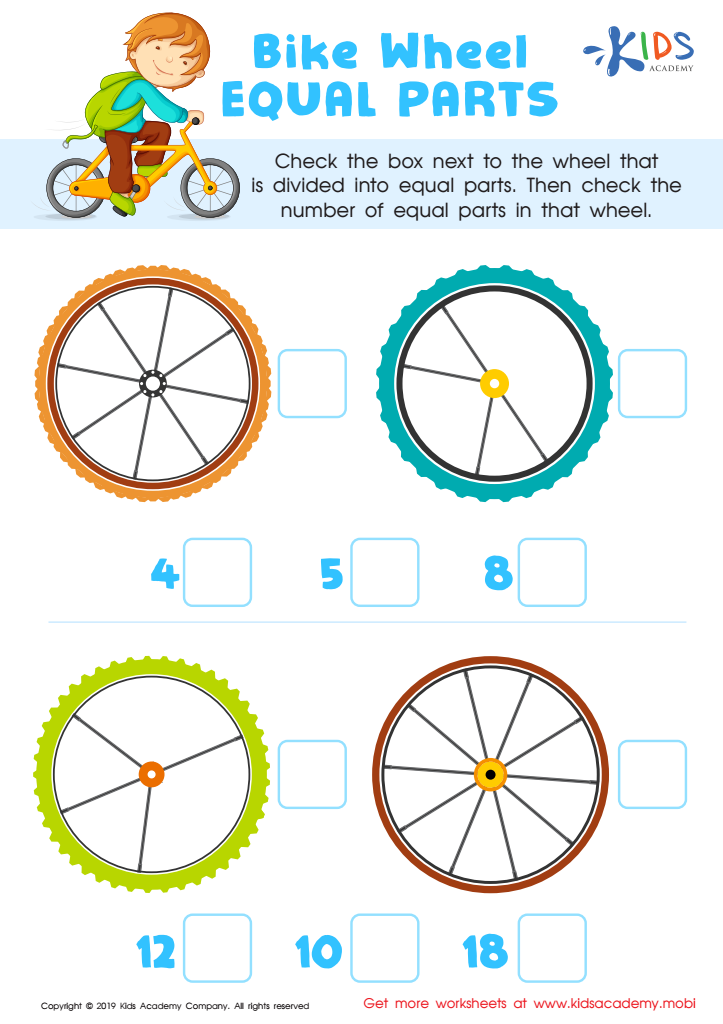
Bike Wheel Equal Parts Worksheet
 Assign to My Students
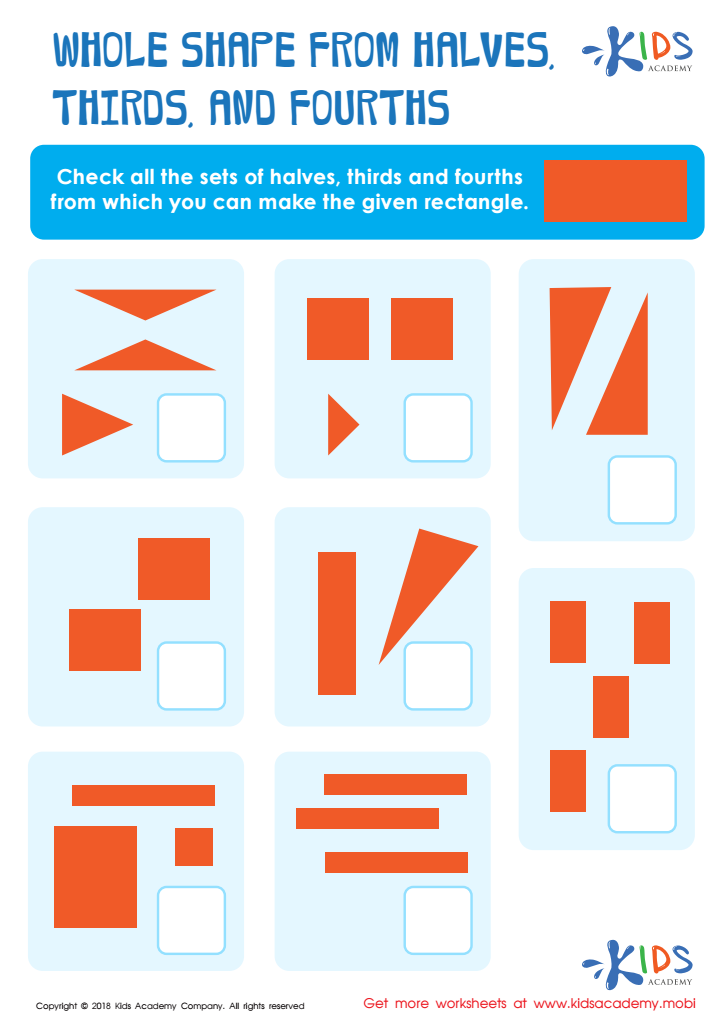
Whole Shape from Halves, Thirds and Fourths Worksheet





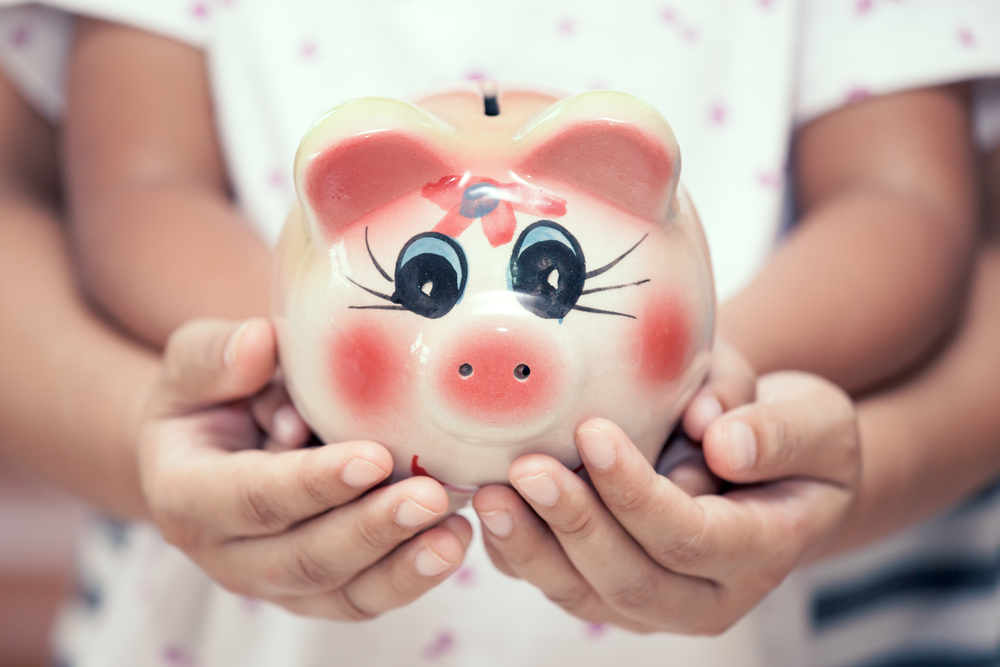

Understanding fractions is crucial for children aged 4-7 because it lays the foundation for more complex mathematical concepts they will encounter later in their education. At this age, kids are developing their number sense and spatial awareness—two key skills necessary for grasping fractions. Early exposure to fractions helps students understand that numbers can represent parts of a whole, which is essential for real-world applications like cooking, measuring, and even music.
Parents and teachers should care about this aspect of math education because it fosters critical thinking and problem-solving abilities. When children learn to manipulate and visualize fractions, they develop a stronger understanding of division, ratios, and proportional reasoning, all of which are pivotal in higher-level math and science courses.
Moreover, early fraction education contributes to the child's confidence in math. Struggling with fractions later in schooling can lead to a sense of inadequacy and math anxiety. By introducing fractions early, in a fun and engaging way, parents, and teachers make math feel more approachable and enjoyable. Begin with hands-on activities, such as cutting fruits into halves and quarters or dividing groups of objects, to bring fractions to life. Nurturing this understanding early simplifies complex future learning, making continued math education a more positive experience.








