Math skills development Math Worksheets for Ages 4-7
4 filtered results
-
From - To
Unlock your child’s potential with our Math Skills Development Math Worksheets for ages 4-7! These engaging and educational worksheets are designed to make learning fun and effective. Our expertly crafted activities focus on fundamental math skills, such as number recognition, addition, subtraction, and basic geometry. Perfect for preschool, kindergarten, and early elementary students, these worksheets blend creativity with essential math practice, helping young learners build a strong foundation for future success. Make math learning enjoyable and accessible with our comprehensive, age-appropriate worksheets, tailored to inspire confidence and a love for numbers. Explore our collection today!
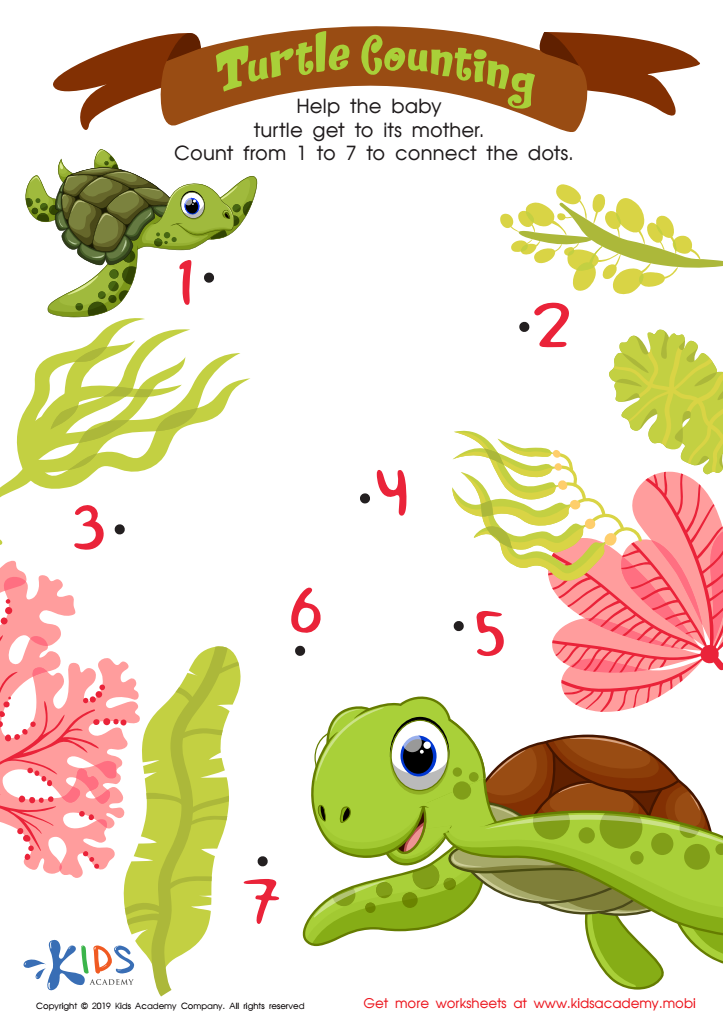
Turtle Counting Worksheet
 Assign to My Students
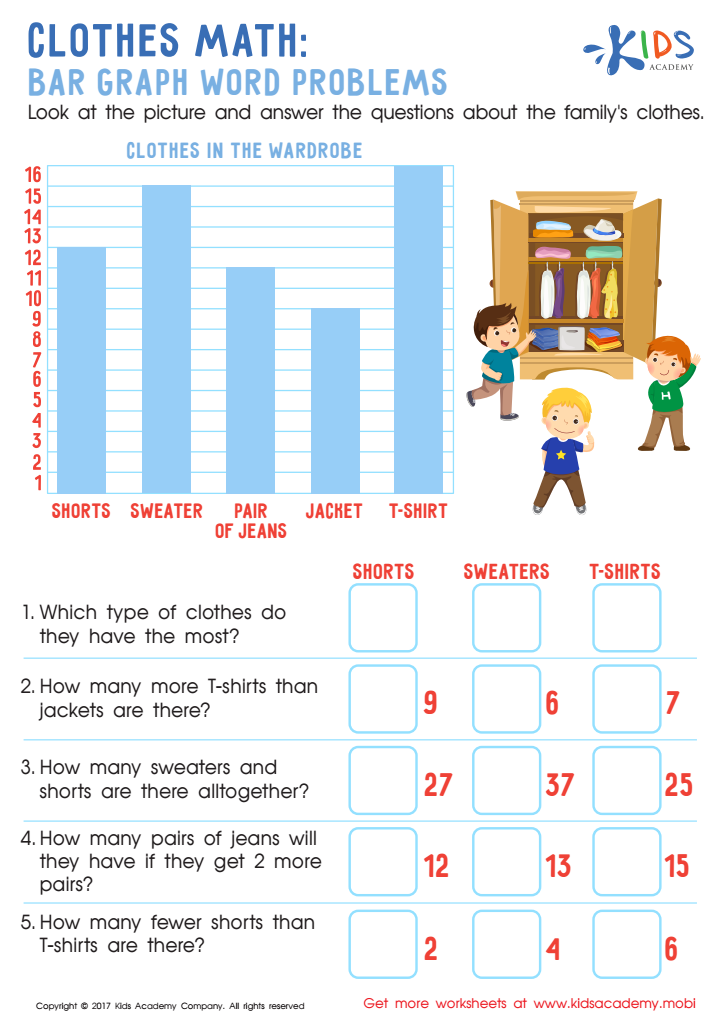
Clothes Math: Bar Graph Word Problems Worksheet
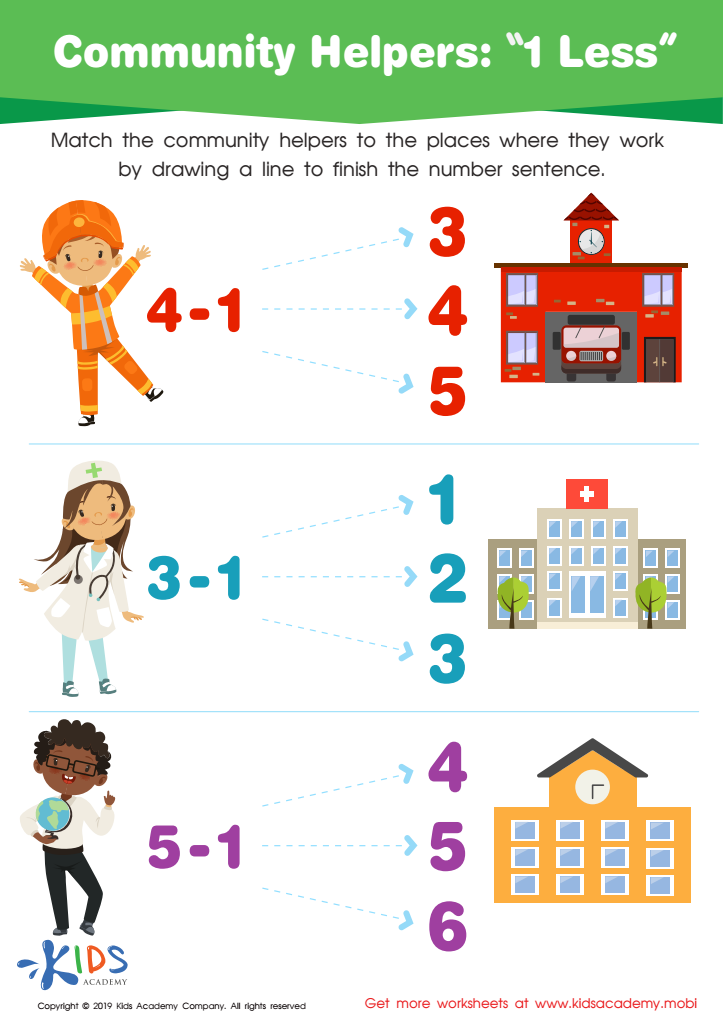
Community Helpers: 1 less Worksheet
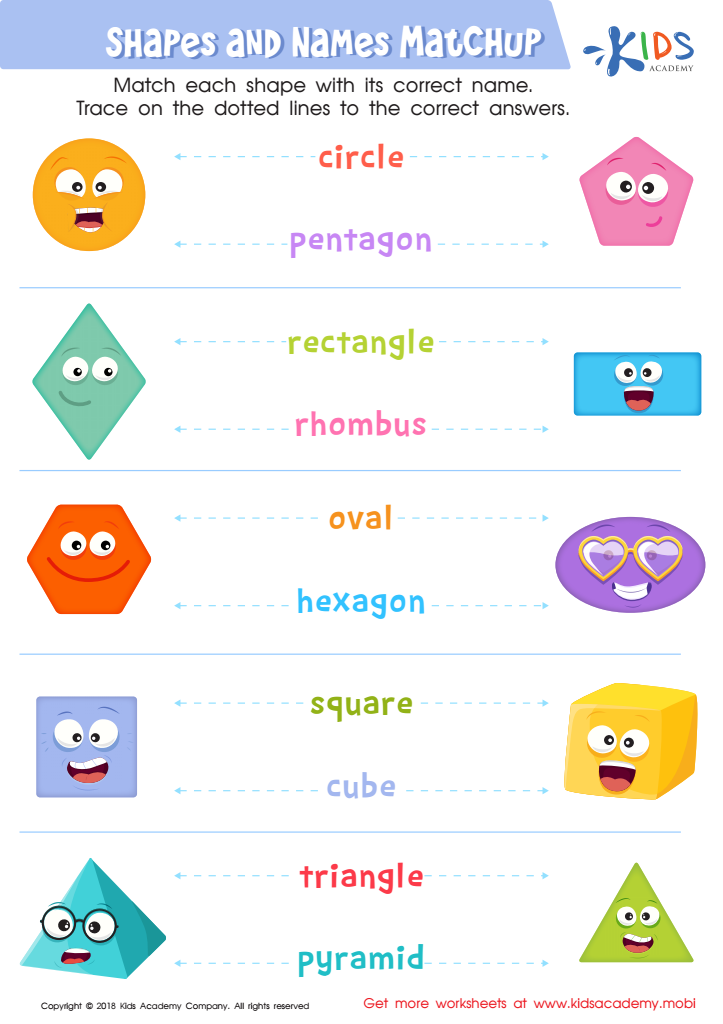
Shapes and Names Matchup Worksheet








Developing math skills in children aged 4-7 is vitally important as it lays a solid foundation for future learning and everyday life. At this formative stage, children's brains are uniquely receptive to learning and absorbing new concepts. Introducing math skills early helps kids develop critical thinking and problem-solving abilities, which are essential not just for mathematical proficiency but for navigating daily challenges.
Math is integral to understanding and interacting with the world. Young children often encounter numbers, shapes, measurements, and patterns in everyday activities, such as counting toys, sharing snacks, or recognizing the time. By introducing math concepts early, parents and teachers can make these encounters meaningful and enriching, instilling a sense of curiosity and confidence in children.
Early math skills are also predictors of later academic success. Children who grasp basic concepts such as counting, sorting, and recognizing patterns are better prepared to tackle more complex mathematical challenges as they grow. Additionally, early success in math fosters a positive attitude towards the subject, reducing anxiety and promoting lifelong learning.
Ensuring that children develop robust math skills at a young age prepares them for a future where mathematical literacy is increasingly crucial, both in academic pursuits and everyday decision-making. Therefore, investing time and effort in developing these skills is essential for helping children achieve their full potential.








