Mathematical reasoning Math Worksheets for Ages 4-7 - Page 2
53 filtered results
-
From - To
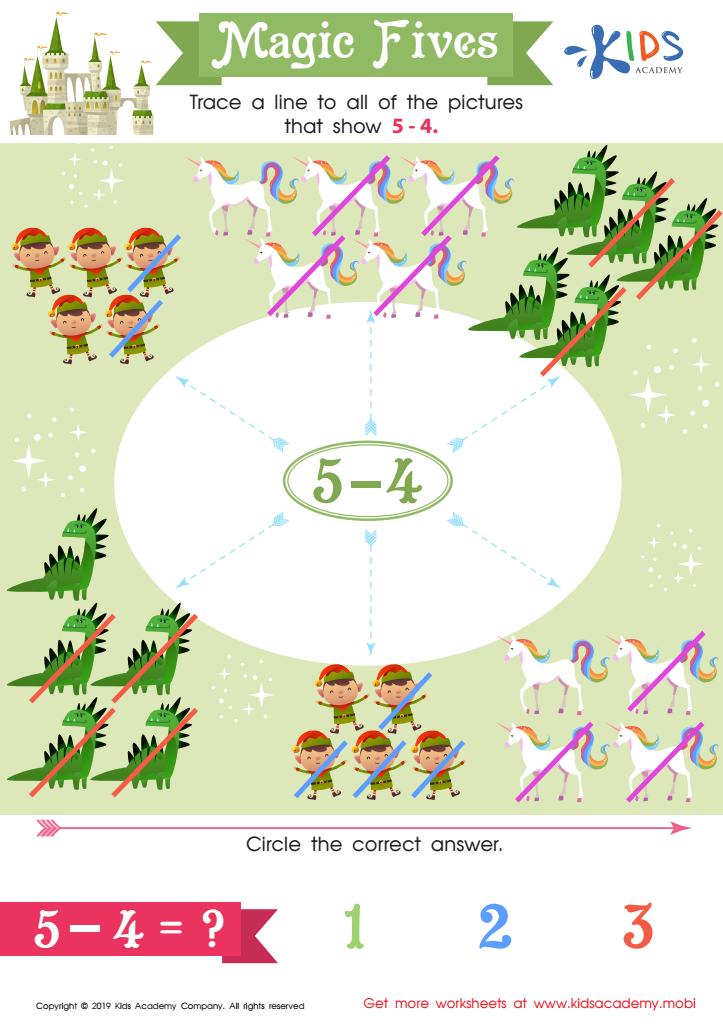
Magic Fives Worksheet
 Assign to My Students
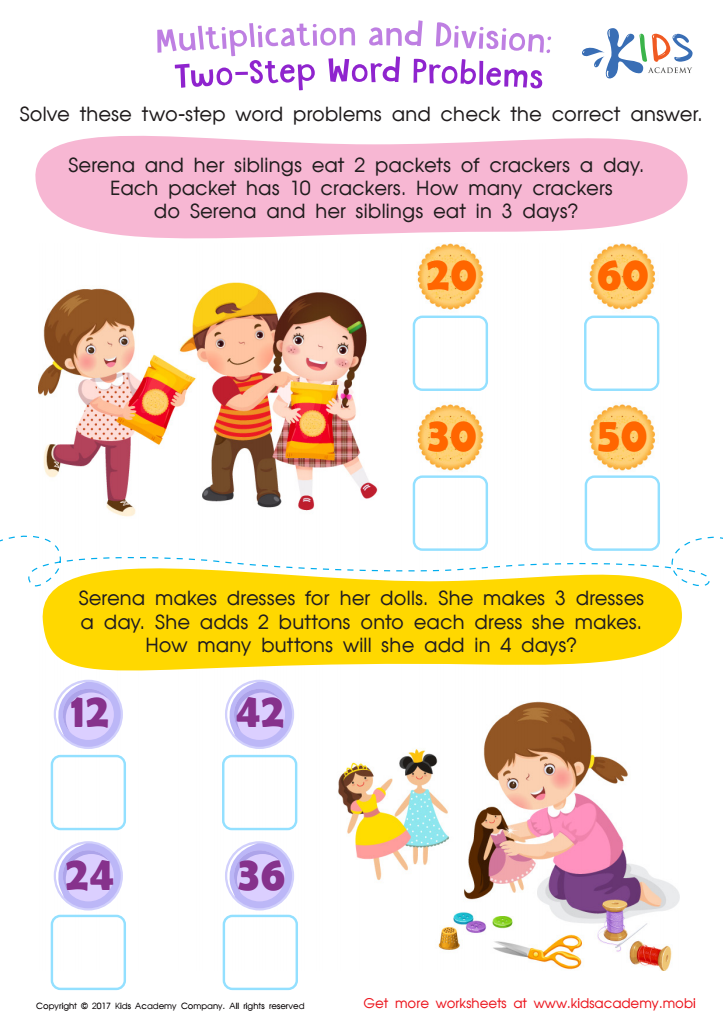
Two Step Word Problems Worksheet
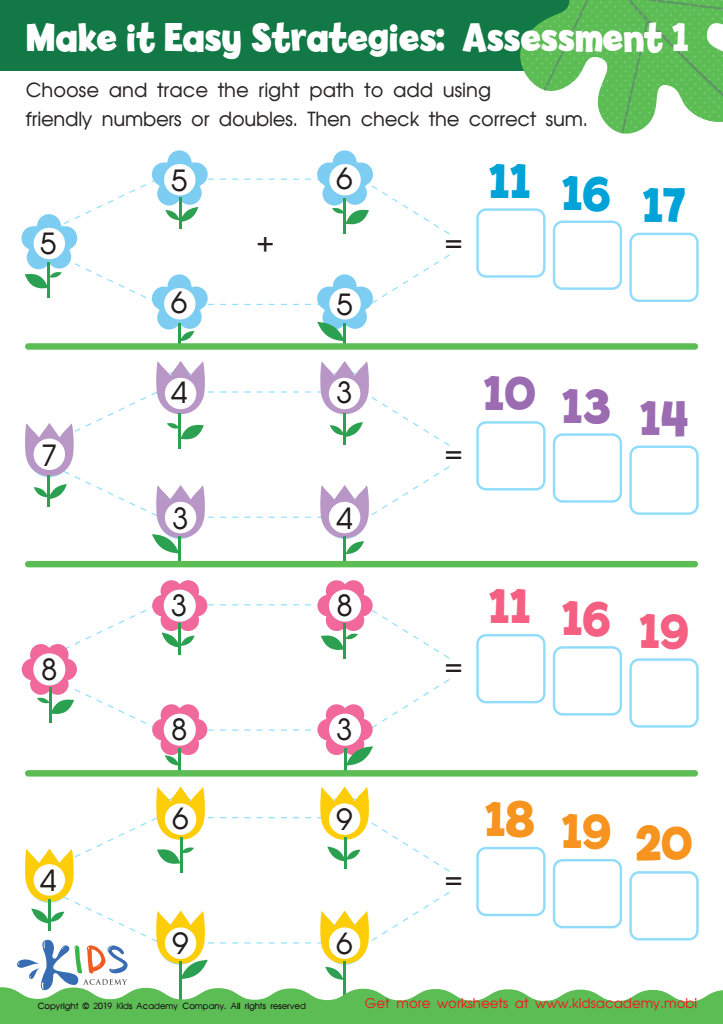
Make it Easy Strategies: Assessment 1 Worksheet
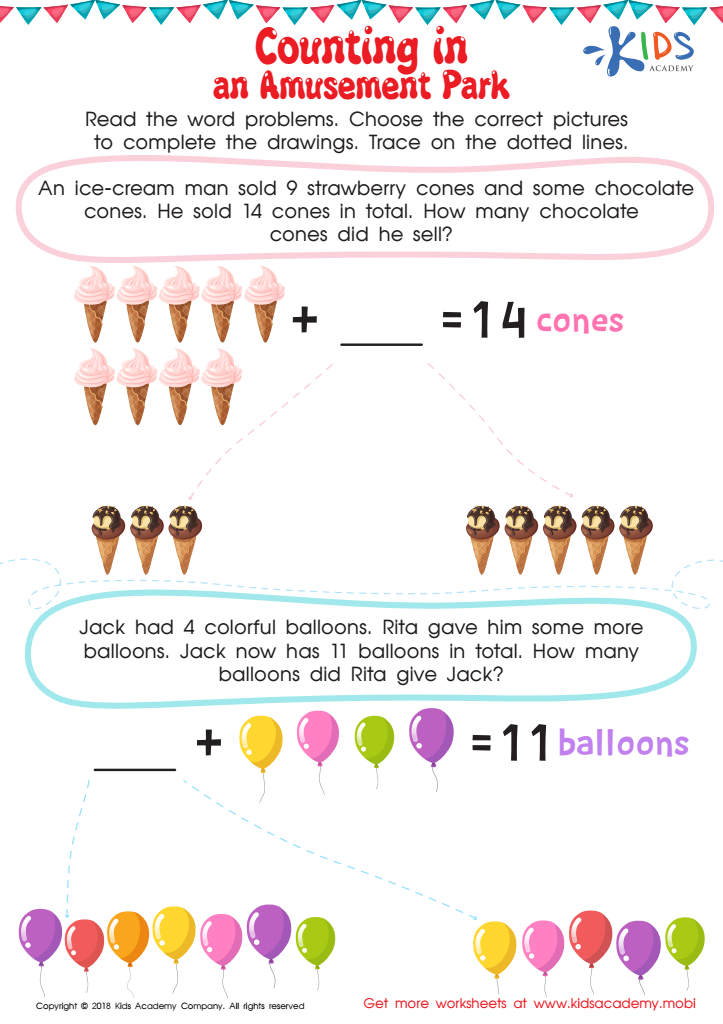
Counting in an Amusement Park Worksheet
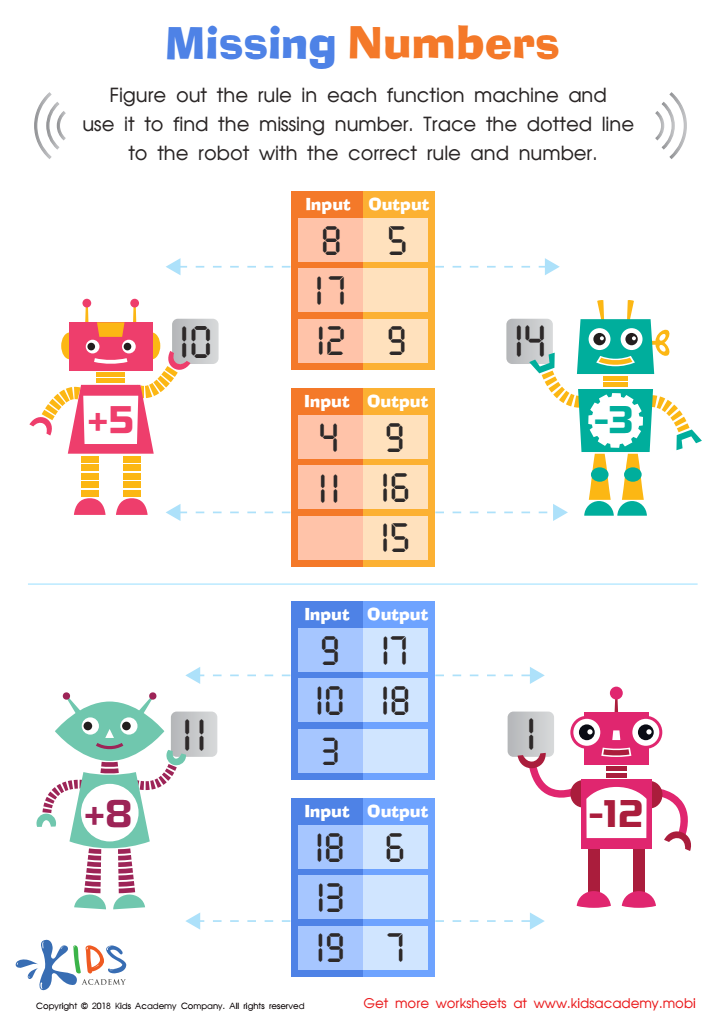
Missing Numbers Worksheet
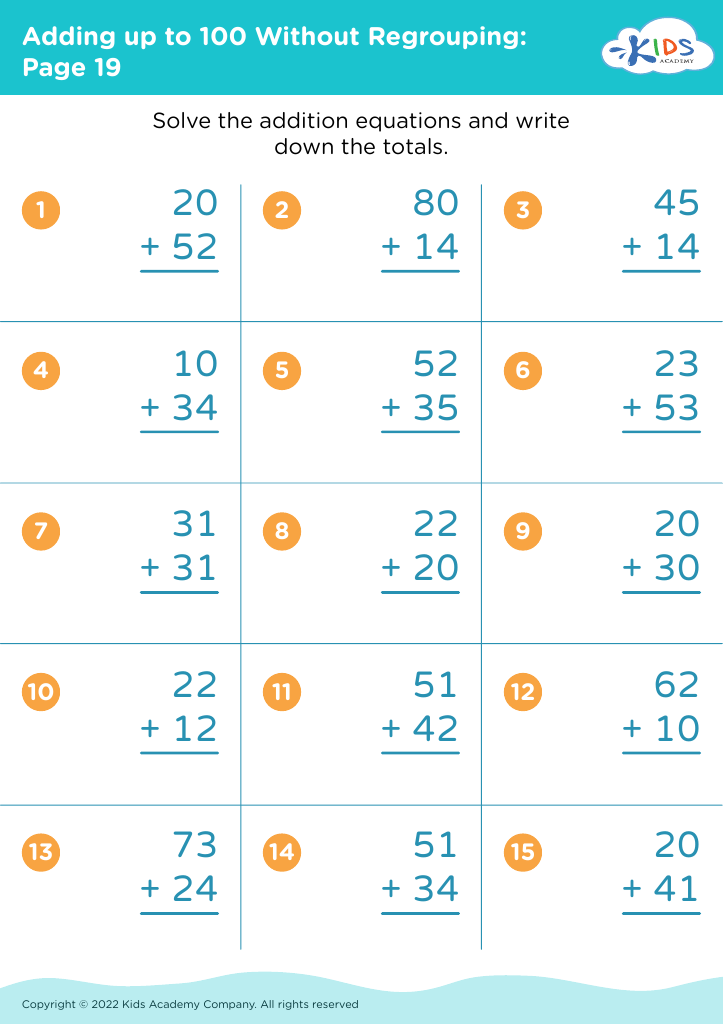
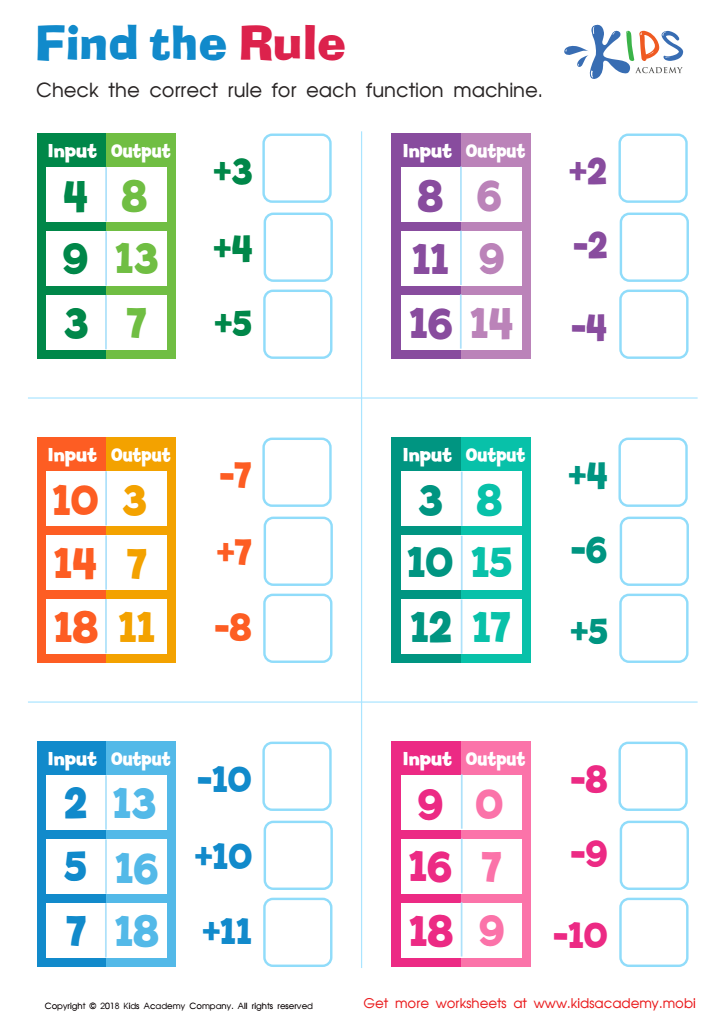
Find the Rule Worksheet
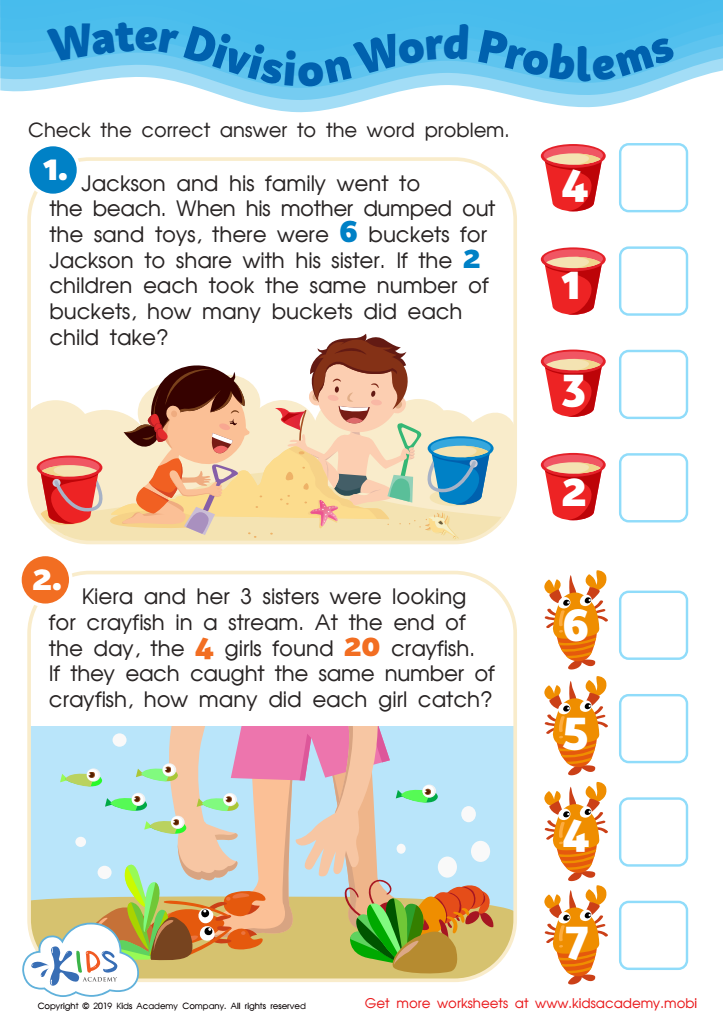
Water Division Word Problems Worksheet
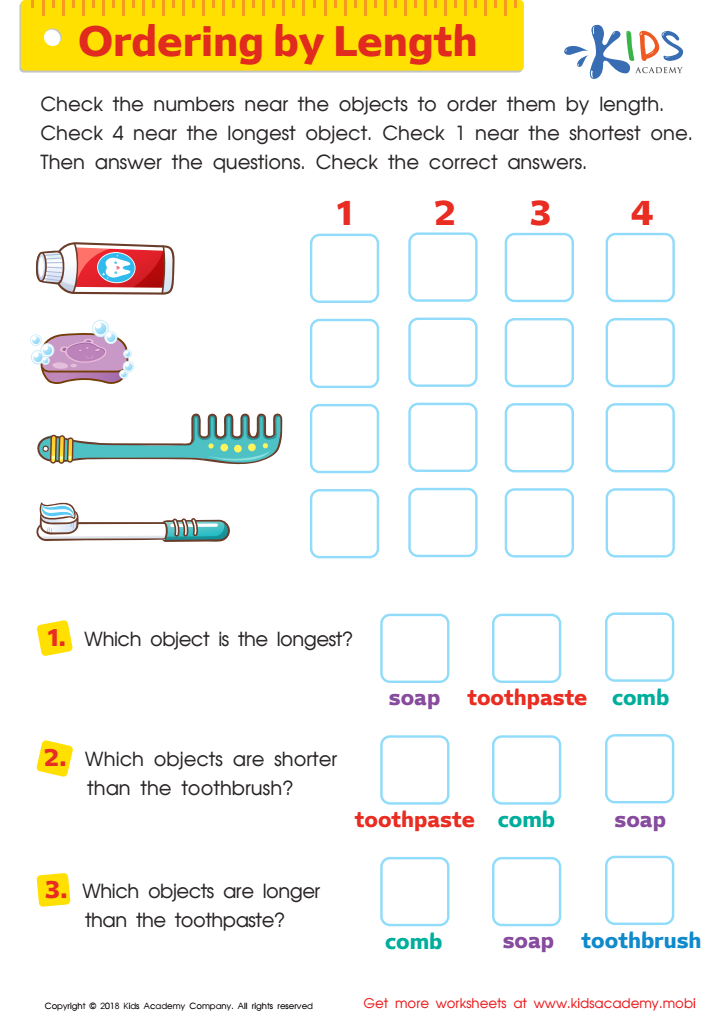
Ordering by Length Worksheet
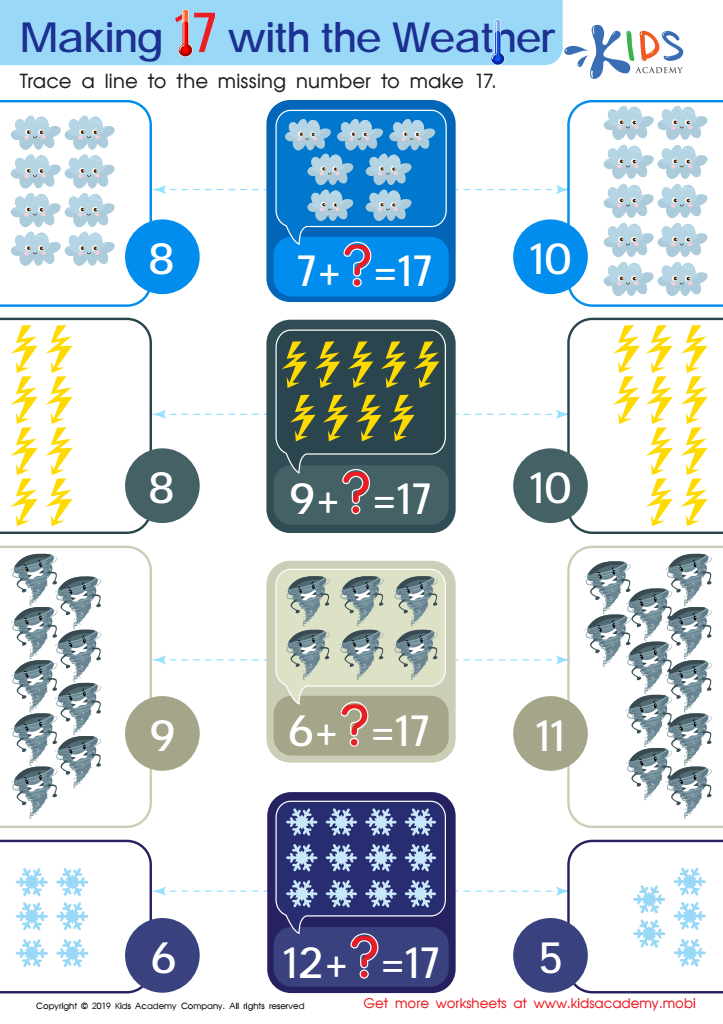
Making 17 with the Weather Worksheet
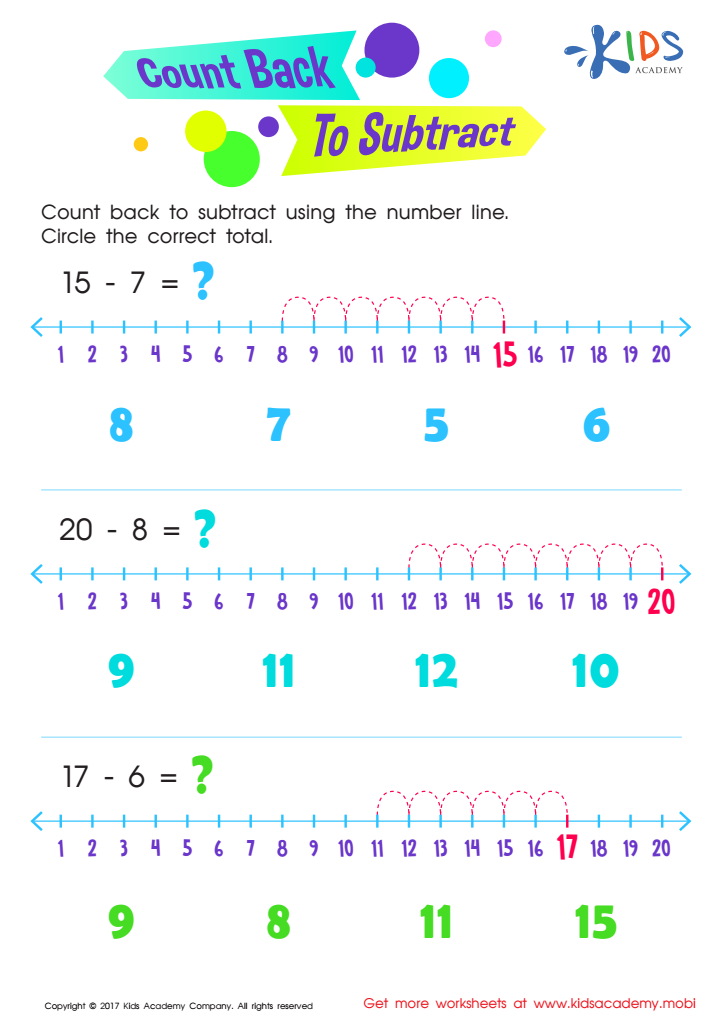
Count Back to Subtract Substraction Worksheet
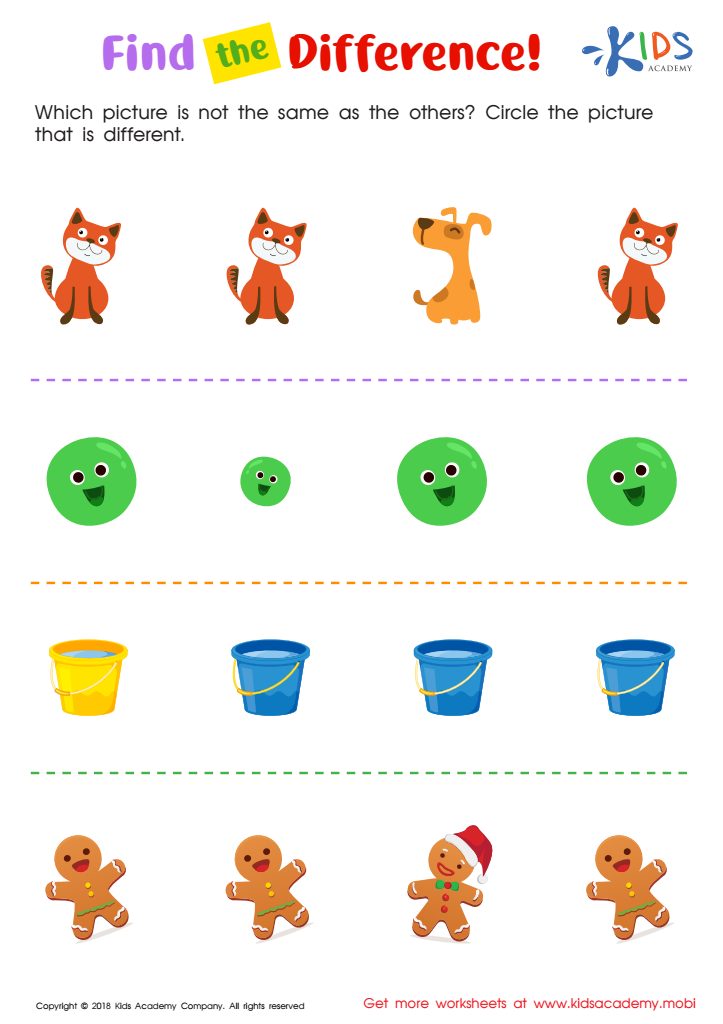
Find the Difference Worksheet
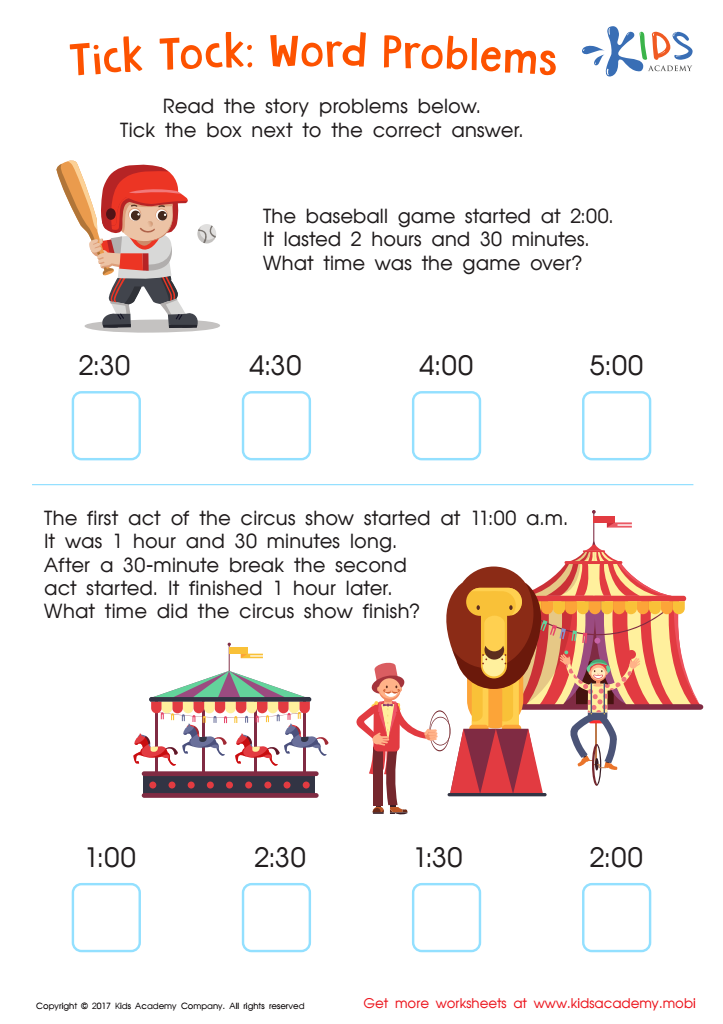
Tick Tock Word Problems Time Worksheet
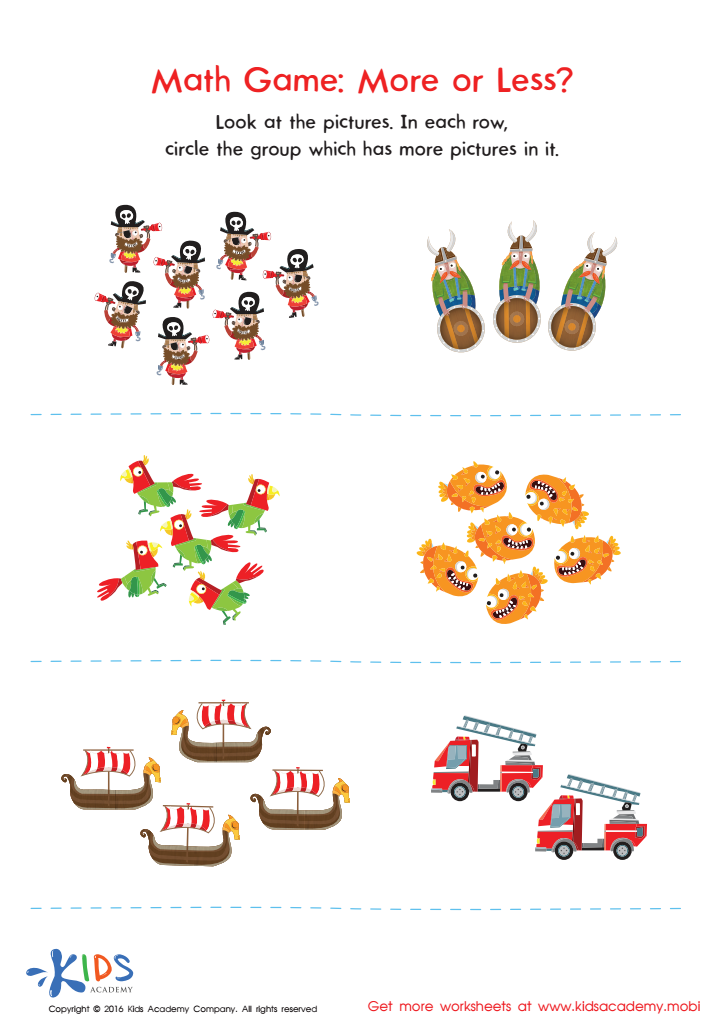
More or Less Worksheet
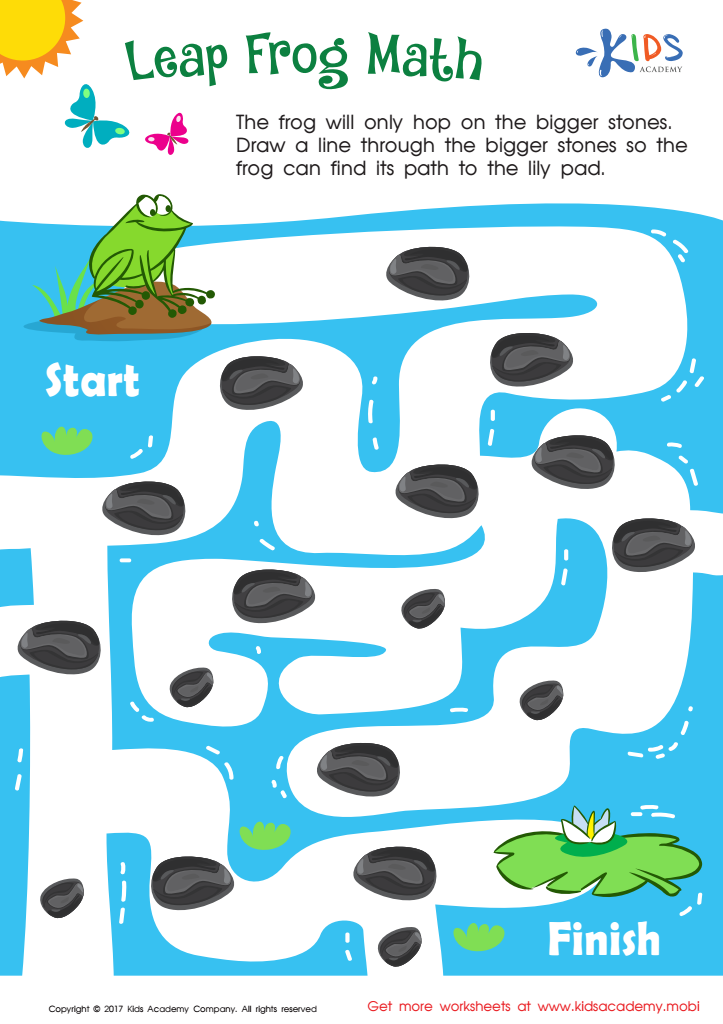
Math Puzzle Worksheet
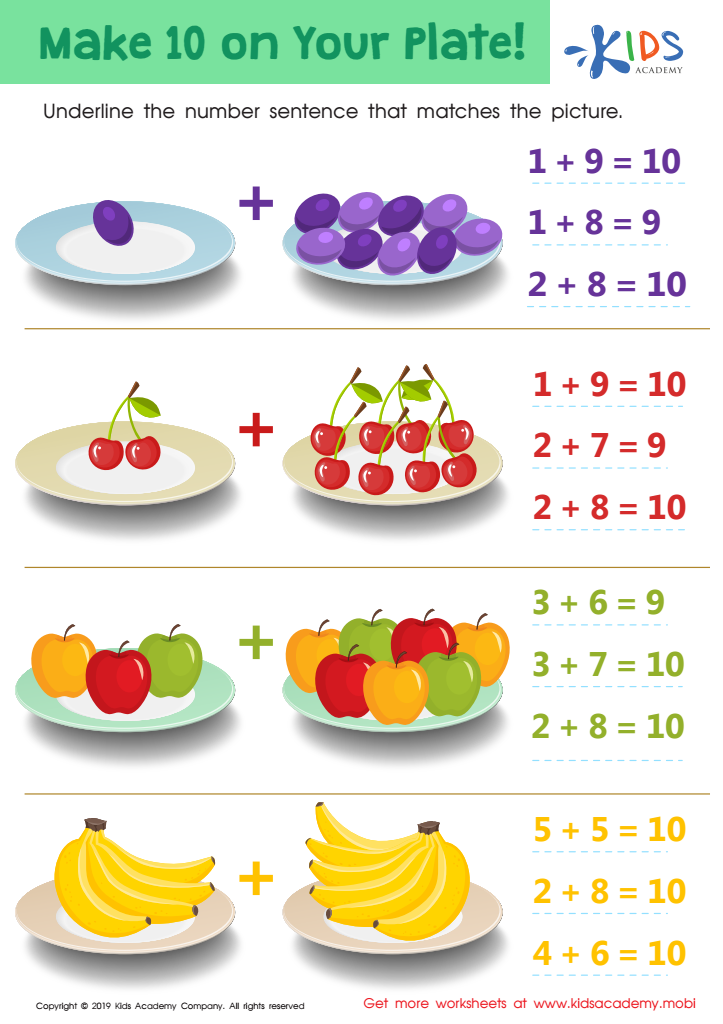
Make 10 on Your Plate! Worksheet
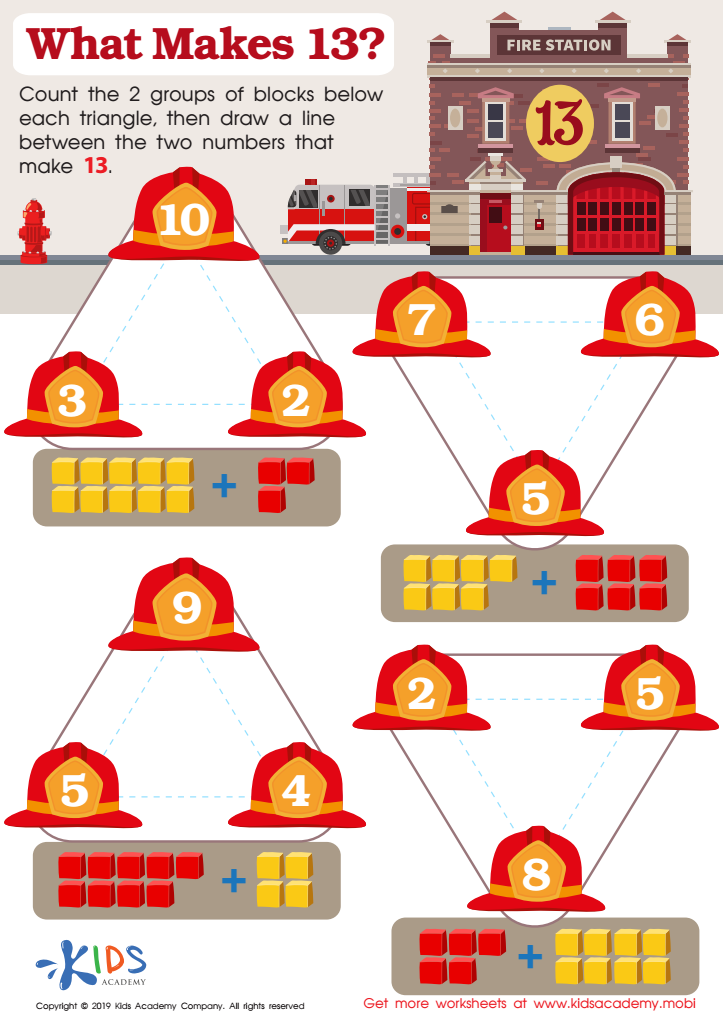
What Makes 13 Worksheet
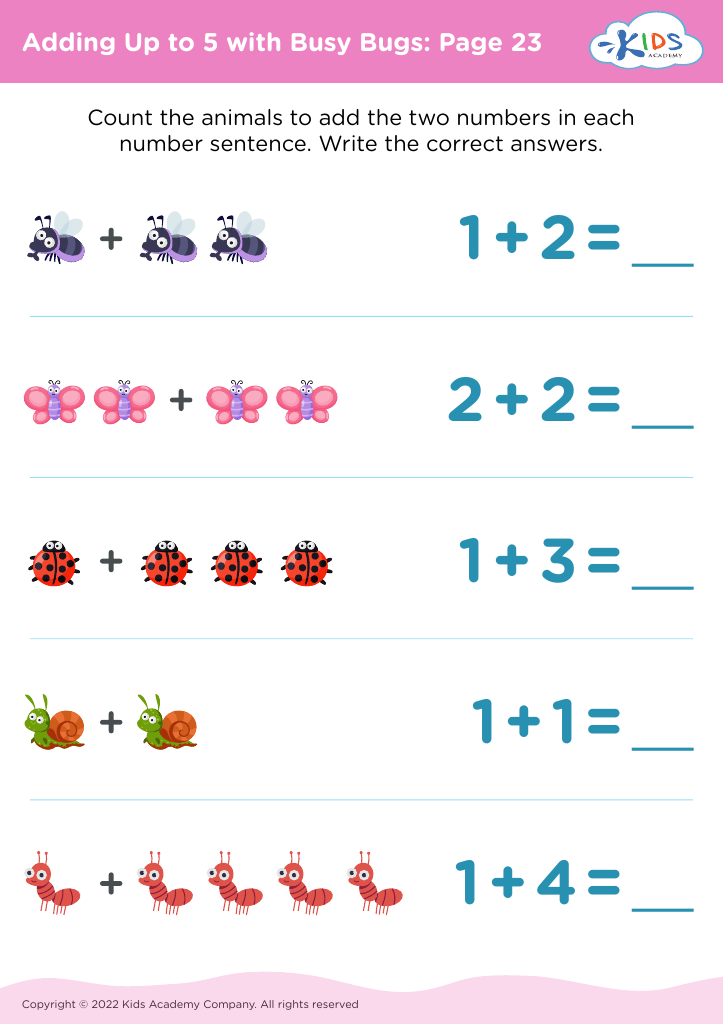
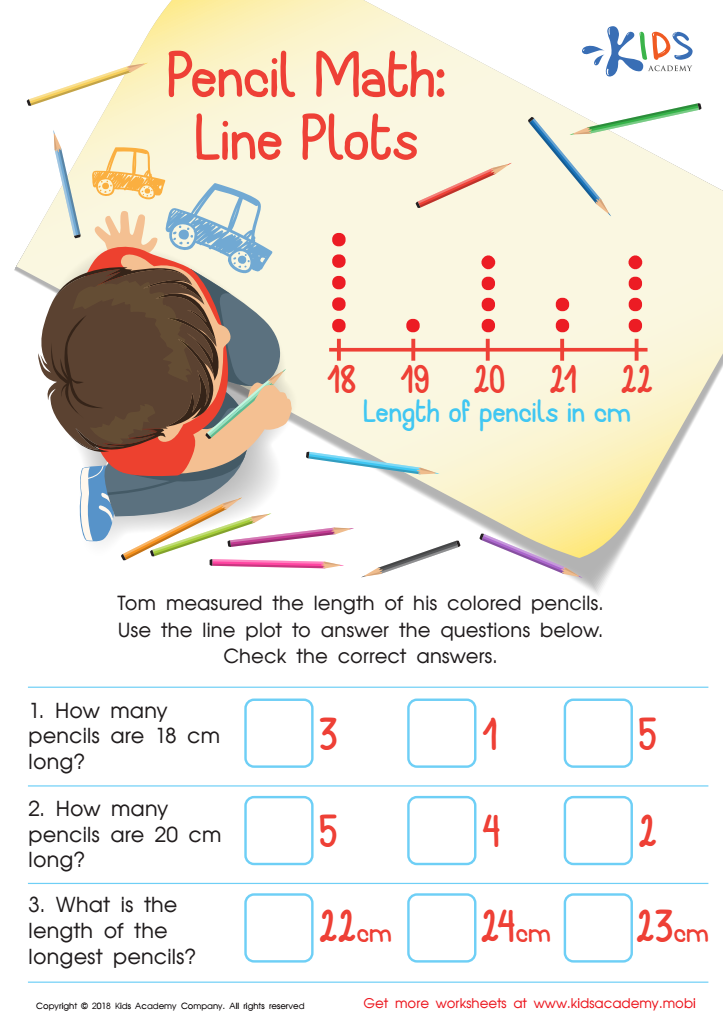
Pencil Math: Line Plots Worksheet





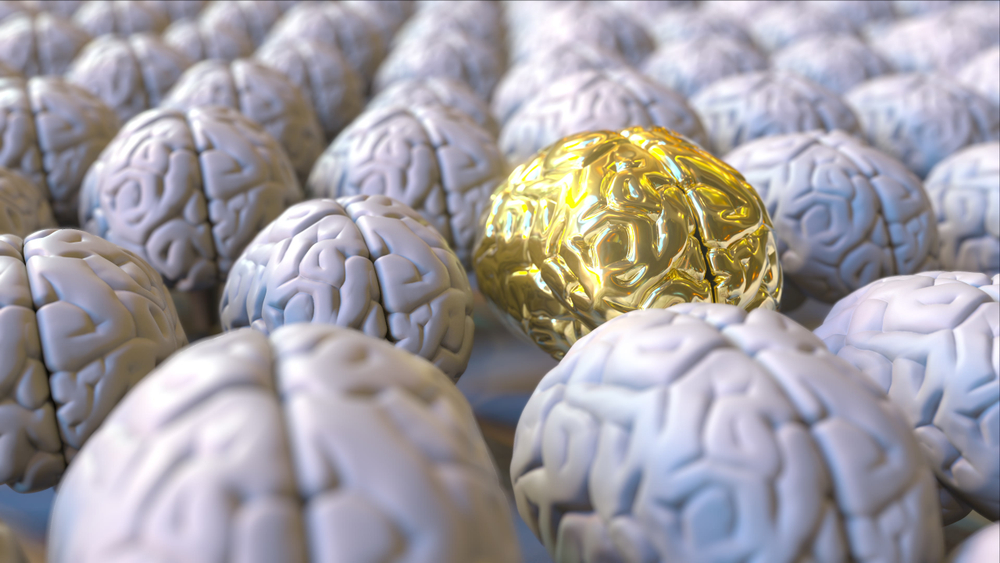


Mathematical reasoning is fundamental during the early years of a child's education, especially for ages 4-7. Parents and teachers should care about nurturing this skill because it lays the groundwork for critical thinking and problem-solving abilities that extend beyond mathematics. At this age, children begin to understand concepts such as comparisons, patterns, and basic arithmetic. Engaging in mathematical reasoning helps them make sense of the world around them, fostering curiosity and a love for learning.
Moreover, strong mathematical reasoning early on boosts confidence and can influence a child's future academic performance. Research shows that children who develop solid reasoning skills are more likely to excel in higher-level mathematics later and perform better in STEM fields. This competency is not only crucial for personal achievement but also for long-term societal advancements.
Additionally, integrating math reasoning into everyday activities makes learning more relatable and enjoyable. Activities like measuring ingredients during cooking or playing games involving counting can enhance children's mathematical thinking organically. Support from parents and teachers is essential to create an enriching environment where children can explore, question, and develop their reasoning skills, ensuring a strong foundation for future learning and application in real-life situations.








