Recognition skills Math Worksheets for Ages 4-7
3 filtered results
-
From - To
Boost your child's mathematical foundation with our Recognition Skills Math Worksheets for Ages 4-7! Designed to enhance early learning, these engaging activities help young students identify and understand numbers, shapes, patterns, and colors. Through fun, interactive exercises, kids practice essential skills that pave the way for advanced mathematical concepts. Perfect for both classroom use and at-home practice, our worksheets encourage active learning and cognitive development. Give your child a head start in math with age-appropriate, printable activities from Kids Academy and watch their recognition skills soar!
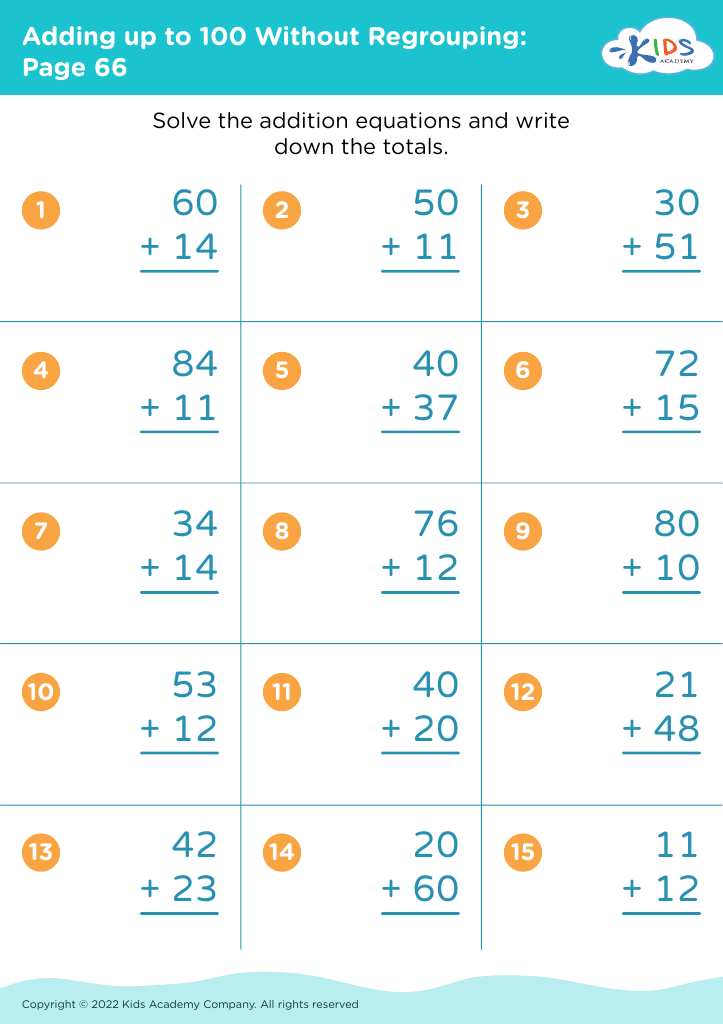
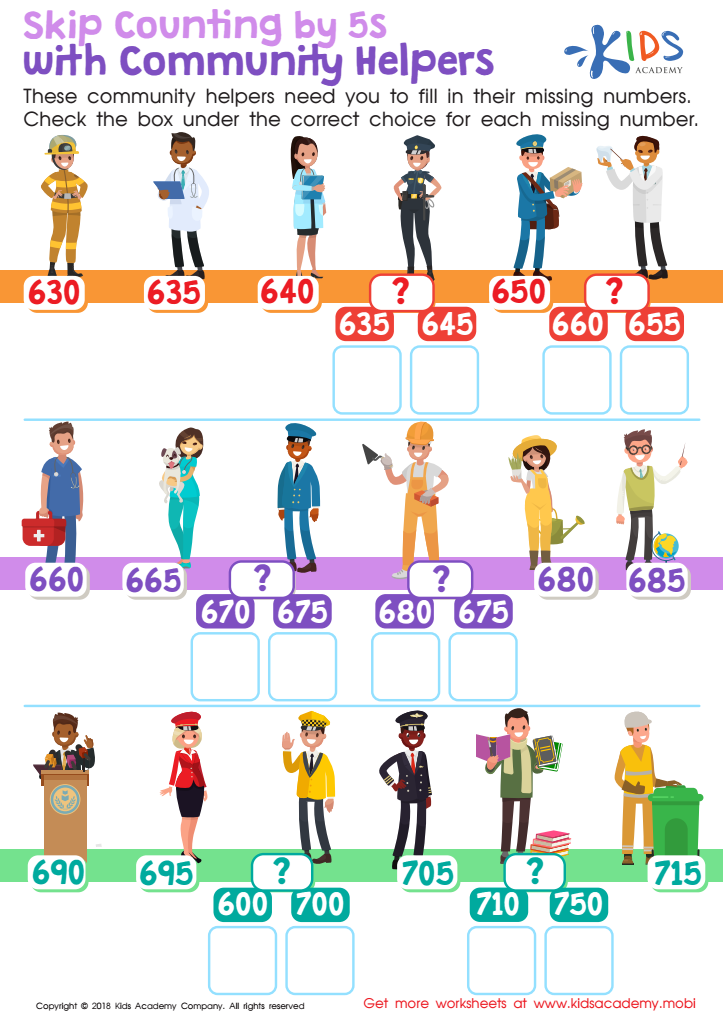
Skip Counting by 5s With Community Helpers Worksheet
 Assign to My Students
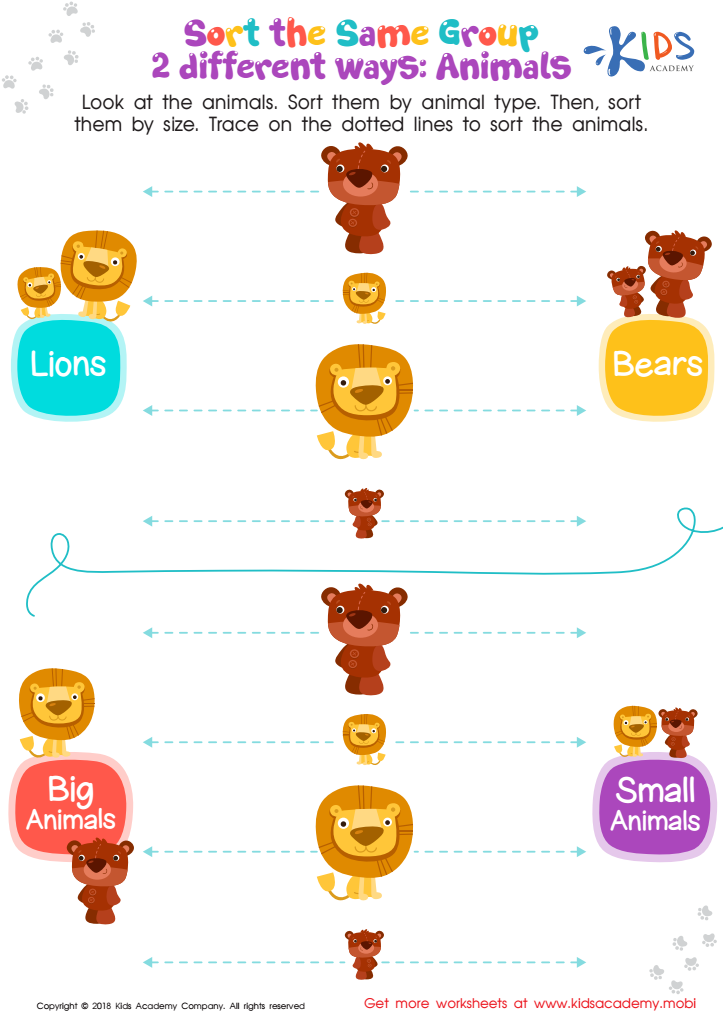
Sort the Same Group 2 Different Ways: Animals Worksheet






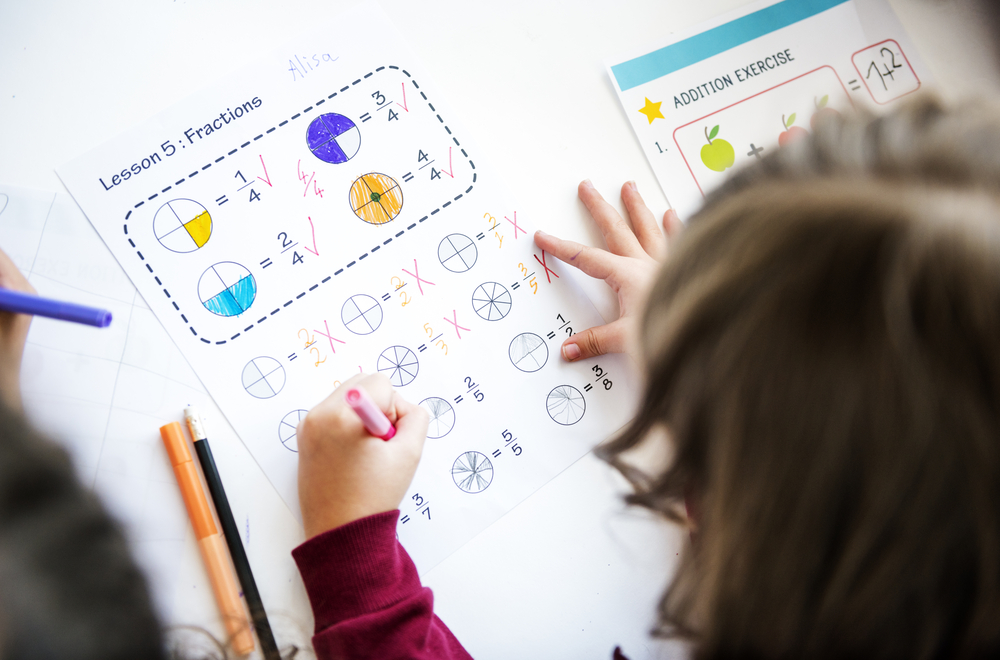
Recognition skills in math for children ages 4-7 are foundational for developing strong numeracy skills that are essential throughout their academic journey and daily life. During these formative years, young children are highly receptive to learning, and their developing brains are particularly adept at recognizing patterns, understanding relationships, and building basic mathematical concepts. Introducing recognition skills at this stage lays the groundwork for more complex math learning, such as addition, subtraction, and later, multiplication and division.
Recognition skills help children identify numerals, understand one-to-one correspondence, and grasp the significance of numbers in representing quantities. For example, being able to recognize that the numeral "3" corresponds to three objects is crucial. Additionally, these skills facilitate cognitive development, enhance problem-solving abilities, and encourage logical thinking. Early exposure also reduces math anxiety by making children comfortable and confident with numbers from a young age.
For parents and teachers, investing time in nurturing these skills can lead to long-term academic success and a positive attitude toward math. Engaging activities like counting games, number puzzles, and pattern recognition tasks make learning enjoyable and interactive. Consequently, it sets the stage for a lifetime of learning and application of mathematical concepts in real-world scenarios, from simple budgeting to more complex tasks in science and technology.








