
Simplifying Fractions Math Worksheets for Ages 4-7
18 filtered results
Difficulty Level
Grade
Age
-
From - To
Subject
Activity
Standards
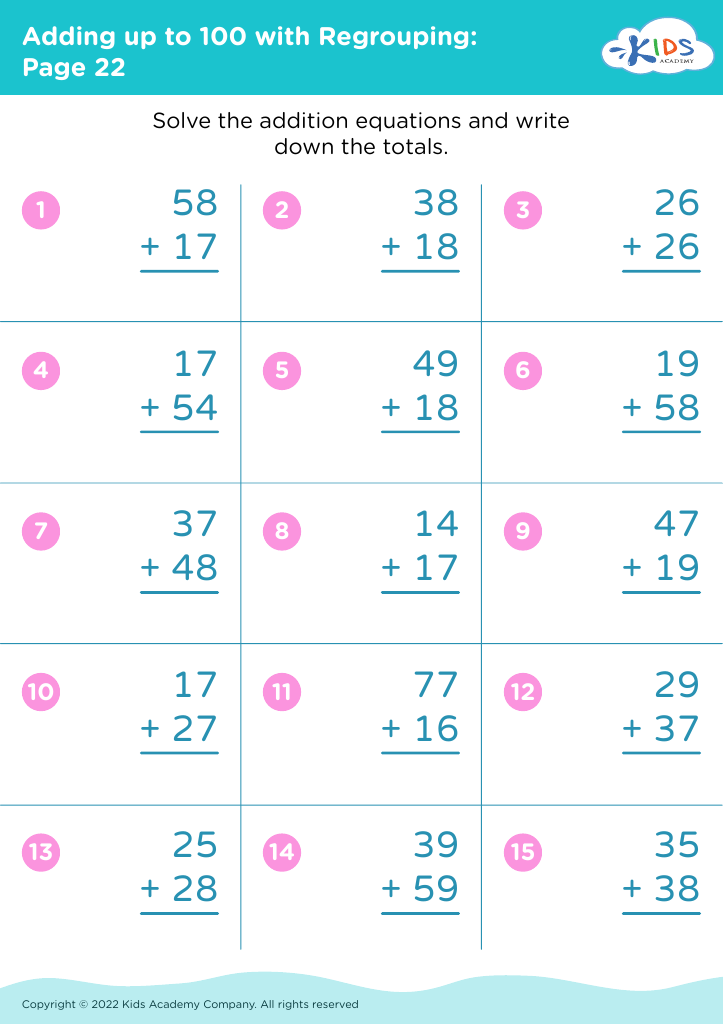
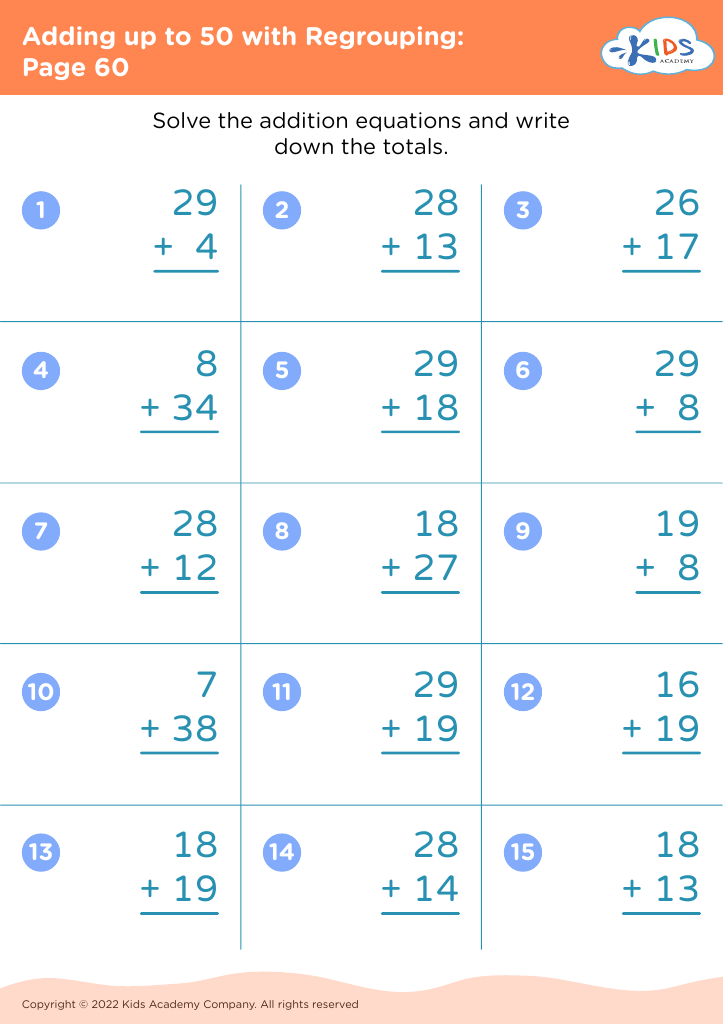
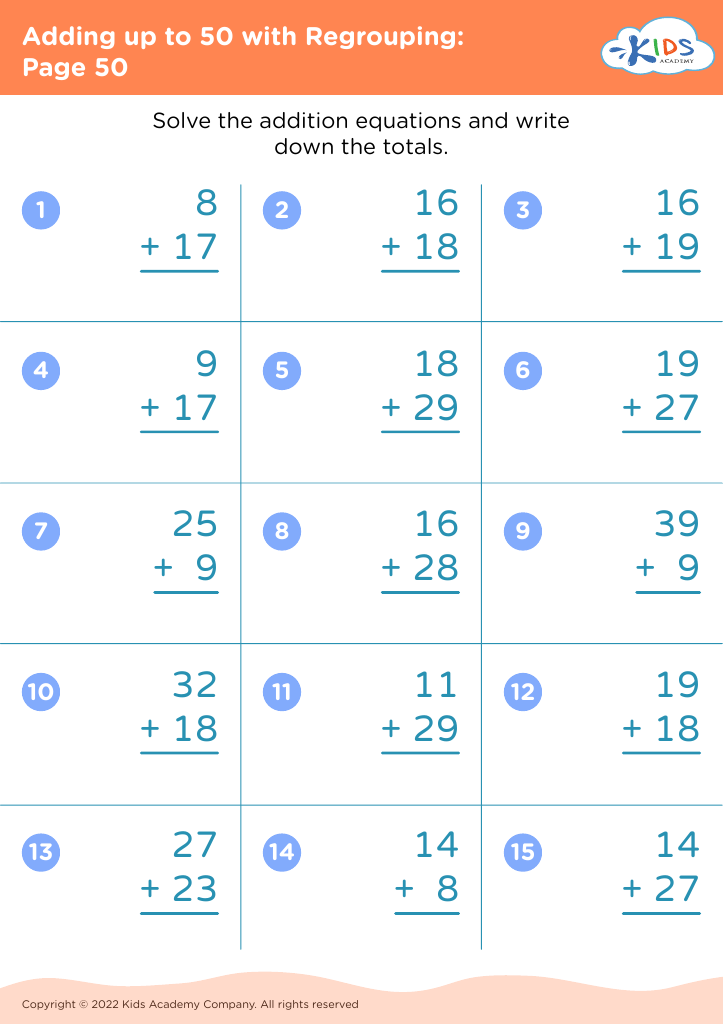
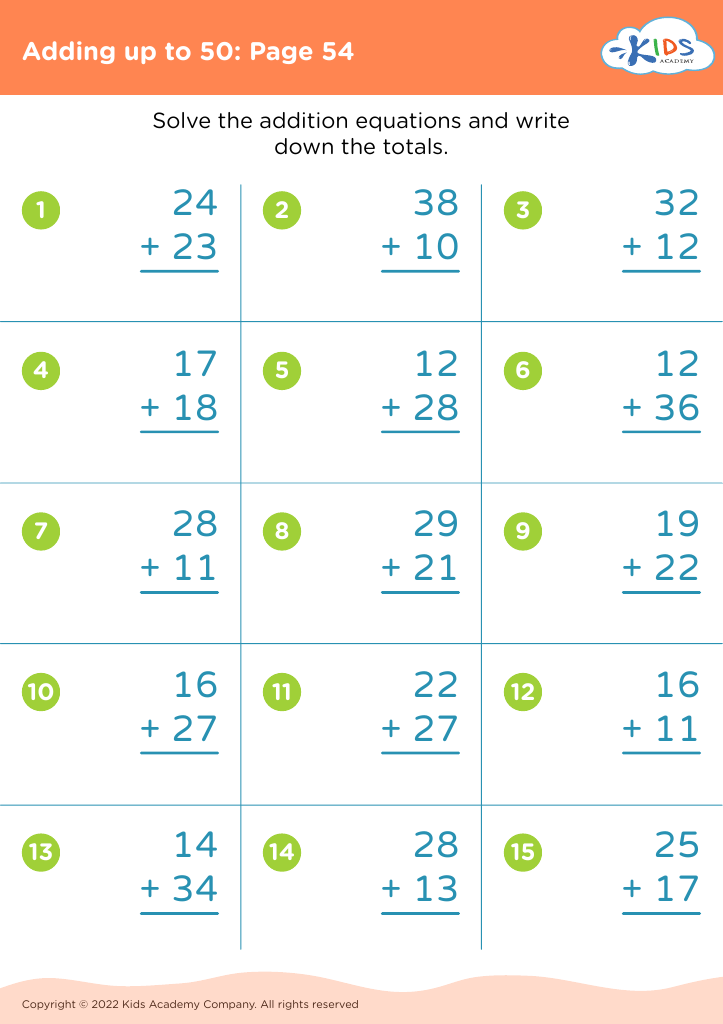
Welcome to our "Simplifying Fractions Math Worksheets" designed for children aged 4-7! These engaging worksheets aim to make learning about fractions fun and accessible for young learners. With vibrant illustrations and age-appropriate exercises, children will gain a foundational understanding of simplifying fractions. Each worksheet encourages critical thinking and problem-solving skills, helping kids to visualize and grasp basic fraction concepts. Perfect for classroom use or homeschooling, these resources are crafted to inspire confidence in mathematics. Start your child's journey to mastering fractions today and watch them flourish in their learning process! Dive into hands-on practice and let the fun begin!
Favorites
With answer key
Interactive
Join Kids Academy for Free
Who is primarily going to use this learning content?








Understanding simplifying fractions is crucial for early learners aged 4-7 as it lays the foundation for their overall mathematical journey. At this age, children are beginning to grasp basic mathematical concepts, and introducing fractions helps them develop a sense of number relationships. Simplifying fractions demonstrates the idea of equivalence—teaching children that many numbers and fractions can represent the same value.
When parents and teachers emphasize simplifying fractions, they are helping children cultivate critical thinking and problem-solving skills. This concept encourages them to view mathematics as more than just computation; it fosters a holistic understanding of numbers and their relationships. Moreover, simplifying fractions supports the development of reasoning abilities, as children learn to recognize patterns and make connections between different mathematical concepts.
Additionally, early mastery of fractions can spark an interest in math, providing a strong start for future learning. It enables learners to progress to more complex topics with confidence, whether in geometry, measurement, or arithmetic. By prioritizing this foundational skill, parents and teachers promote confidence and enthusiasm for learning math, ultimately setting the stage for academic success and a positive attitude towards mathematics in the years to come.








