Spatial Orientation Math Worksheets for Ages 4-7
4 filtered results
-
From - To
Introducing our engaging Spatial Orientation Math Worksheets for ages 4-7, designed to help young learners develop essential skills in understanding space and position. These worksheets encourage children to explore concepts like direction, arrangement, and spatial relationships through fun activities and visual aids. Each worksheet is crafted to promote critical thinking and problem-solving, making math a delightful experience. Perfect for both classroom settings and at-home learning, our resources ensure that children build a strong foundation in spatial awareness while boosting their confidence in math. Discover new dimensions of learning today with our interactive and entertaining worksheets that make education enjoyable!
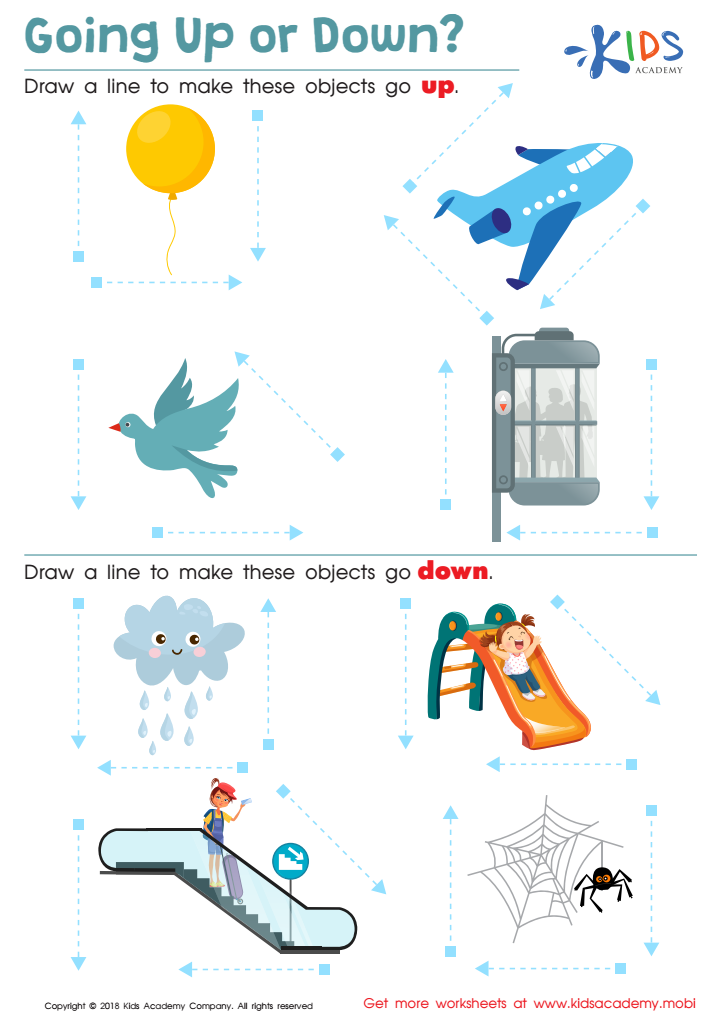
Going up or Down? Worksheet
 Assign to My Students
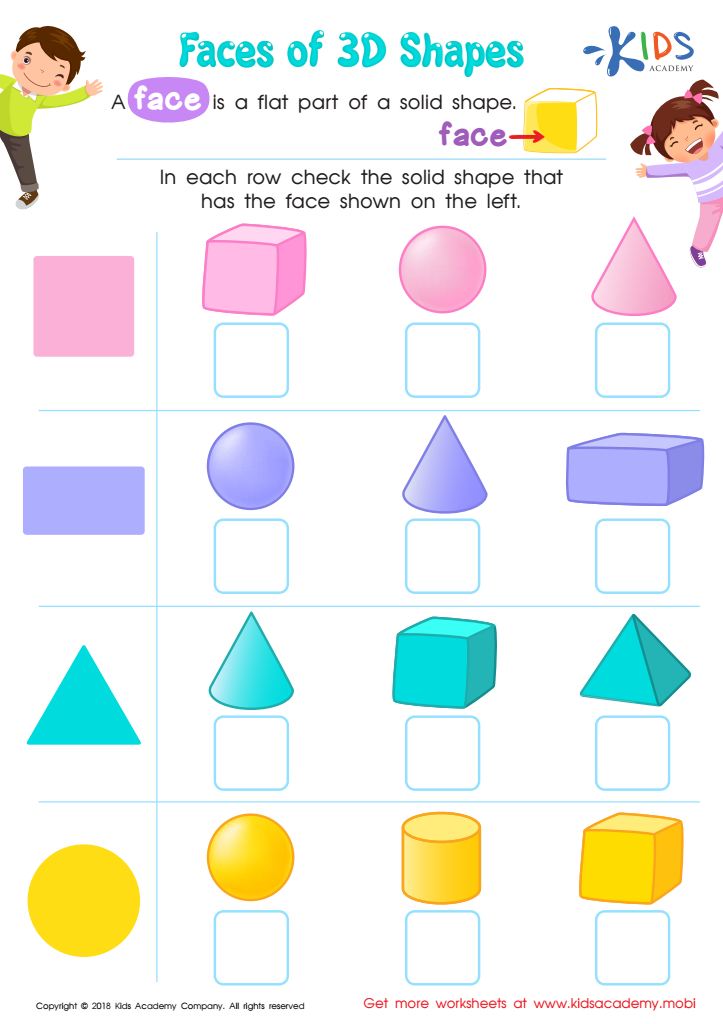
Faces of 3D Shapes Worksheet
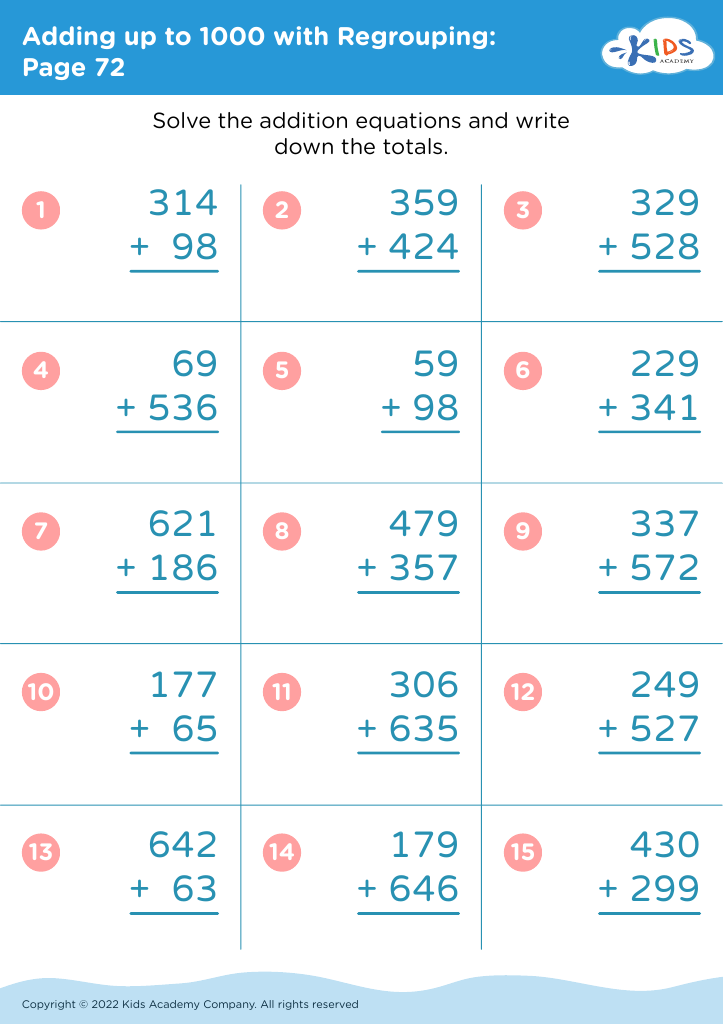
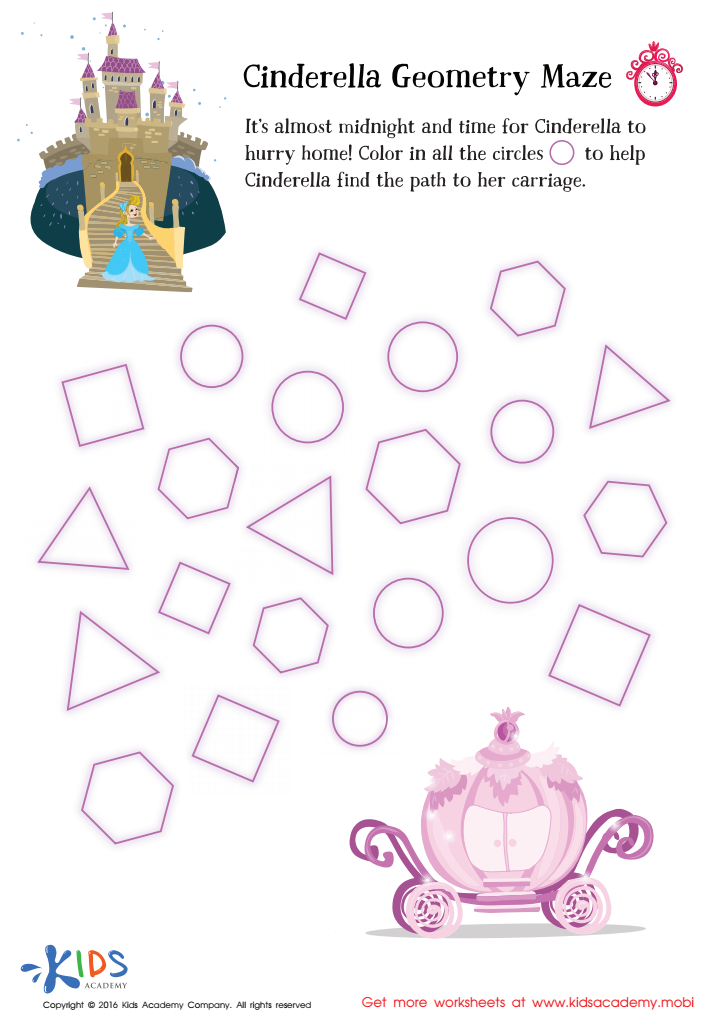
Cinderella Geometry Maze Worksheet







Spatial orientation math is essential for children ages 4 to 7 as it lays the foundation for critical cognitive and academic skills. At this age, children are rapidly developing their understanding of the world, and spatial orientation helps them comprehend how objects relate to each other and their environment. This includes concepts such as position, distance, and direction, which are vital for developing strong problem-solving abilities.
When parents or teachers prioritize spatial orientation, they nurture children's abilities to recognize shapes, navigate spaces, and understand geometric relationships. These skills are key not just in math but also in subjects like science and engineering. For instance, early spatial understanding correlates with future abilities in geometry and algebra.
Moreover, via activities that enhance spatial reasoning—such as puzzles, block building, and interactive games—children also develop fine motor skills and teamwork. Engaging with spatial concepts fosters creativity and improves confidence, as children explore and manipulate their surroundings.
By recognizing the importance of spatial orientation, parents and teachers can better support children's overall intellectual growth, preparing them for a more complex academic landscape and instilling a love for learning that lasts a lifetime. Emphasizing spatial skills is an investment in a child's future success in various disciplines.








