
Understand number relationships Math Worksheets for Ages 4-7
3 filtered results
Difficulty Level
Grade
Age
-
From - To
Subject
Activity
Standards
Discover the "Understand Number Relationships" math worksheets tailored for children ages 4-7. These engaging resources are designed to help young learners grasp number concepts and relationships through fun, interactive activities. The worksheets cover counting, comparing numbers, basic addition, and subtraction, enhancing foundational math skills. Each activity aligns with educational standards, making it perfect for classroom use or extra practice at home. Foster a love for math in your child with our vibrant, easy-to-follow worksheets that turn learning into an exciting adventure. Empower your child's math journey with these essential tools today!
Favorites
With answer key
Interactive
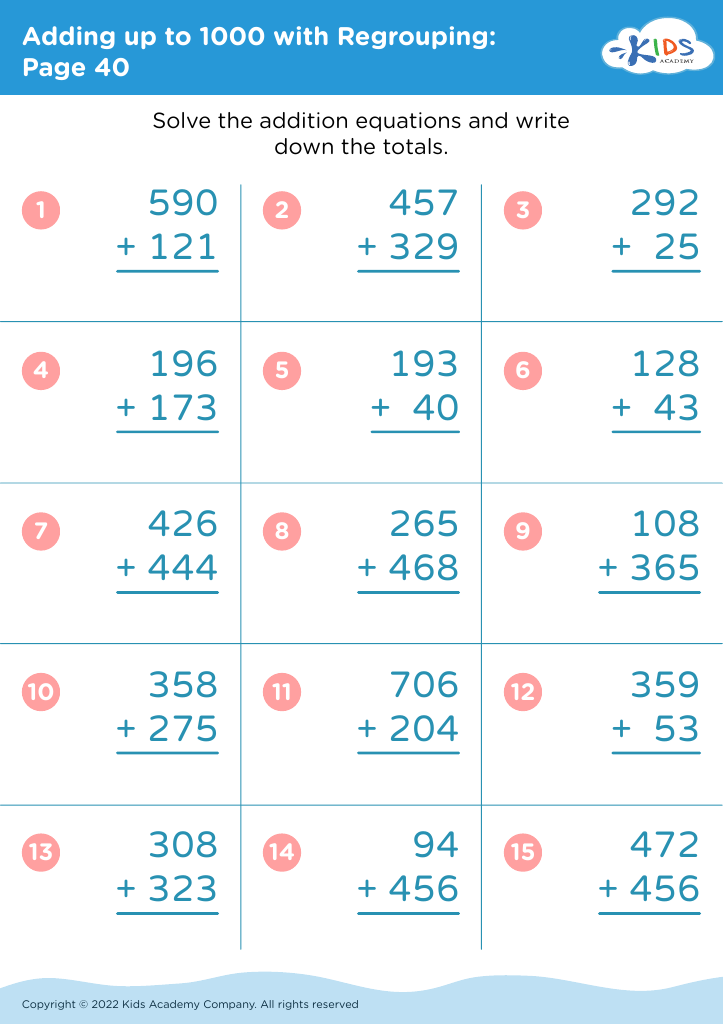
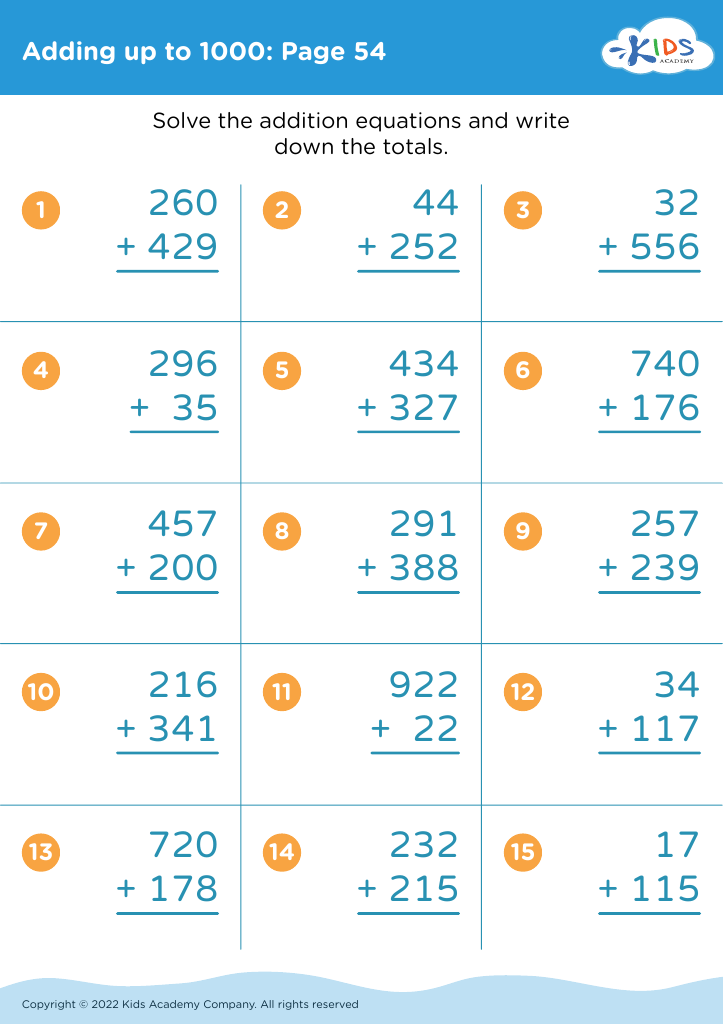
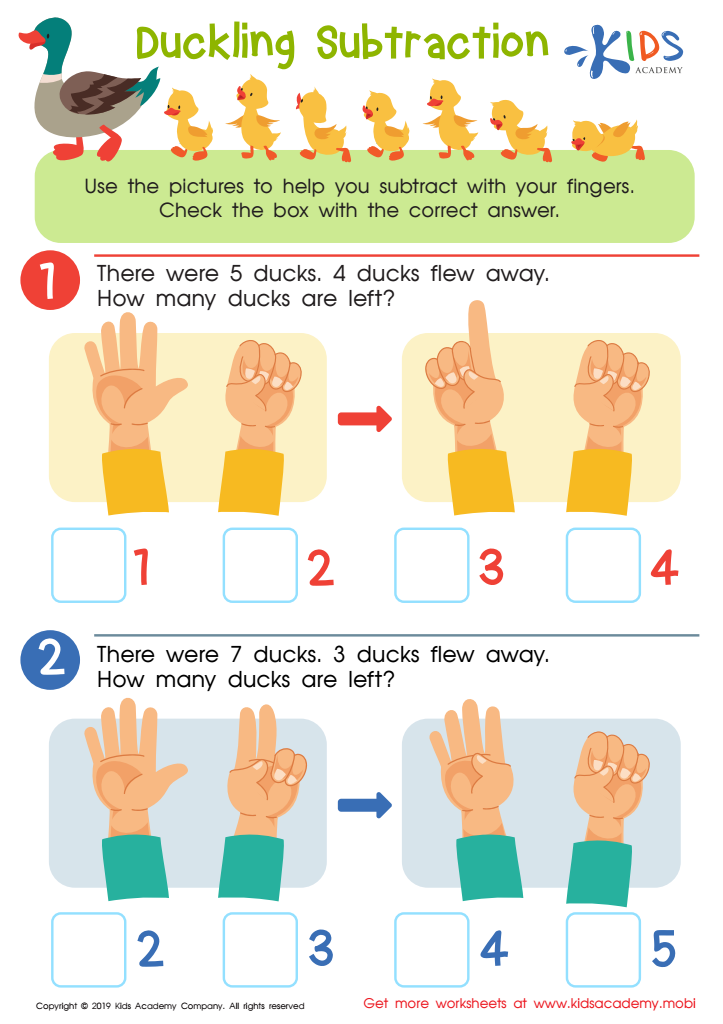
Duckling Subtraction Worksheet
Help your students learn equations and math with this fun worksheet. There are two questions to solve with the help of the pictures. Ask them to subtract with their fingers and check the box with the correct answer. This makes math easier and more enjoyable!
 Assign to My Students
Duckling Subtraction Worksheet
Worksheet
Join Kids Academy for Free
Who is primarily going to use this learning content?








Teaching children aged 4–7 to understand number relationships is crucial because it lays the groundwork for their future mathematical success and overall cognitive development. Number relationships, such as recognizing that 6 is more than 5 or that 4+3 equals 7, help children grasp the concept of numbers and how they interact. This foundational understanding is essential for mastering more complex math topics as they progress in school.
When children understand number relationships, they can solve problems more efficiently and develop critical thinking skills. These skills not only apply to math but also to everyday situations that require logical thinking and decision-making. For example, understanding number relationships can help children manage their time, share fairly, and even budget their pocket money in the future.
Additionally, early mastery of number relationships boosts a child’s confidence in their mathematical abilities. Confidence in math at a young age can lead to a more positive attitude toward the subject, which is important for sustained engagement and success. Furthermore, parents and teachers who invest time in teaching these concepts help instill a lifelong interest in learning and curiosity in their children.
By caring about and investing in early number relationship skills, parents and teachers provide children with tools that are critical for academic success and everyday life skills.








