Understanding number value Math Worksheets for Ages 4-7
4 filtered results
-
From - To
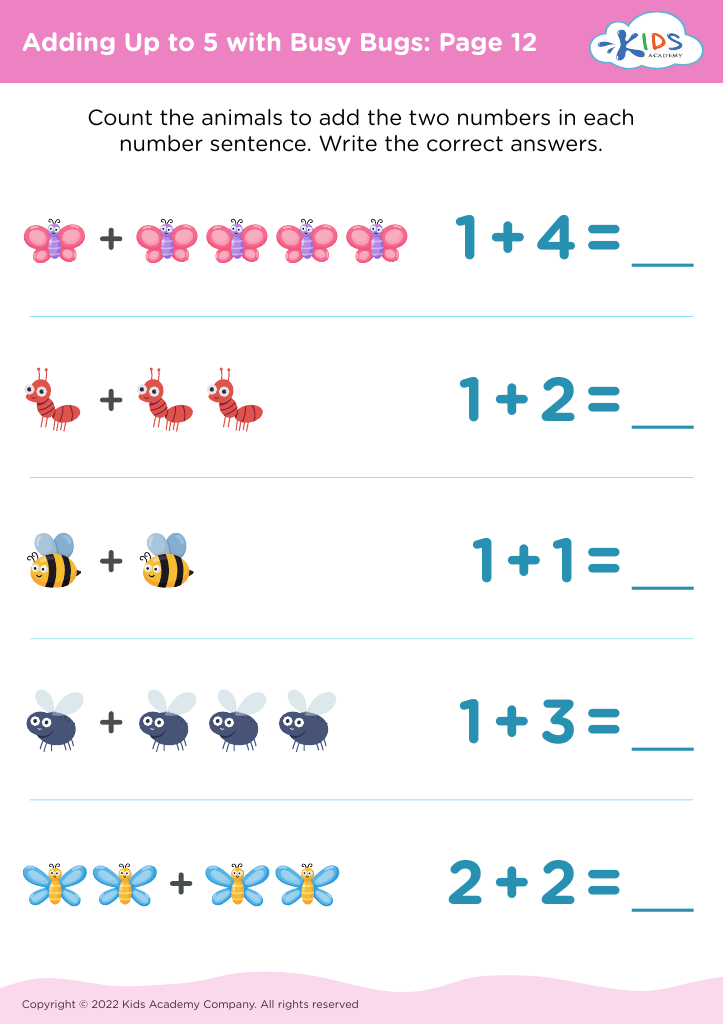
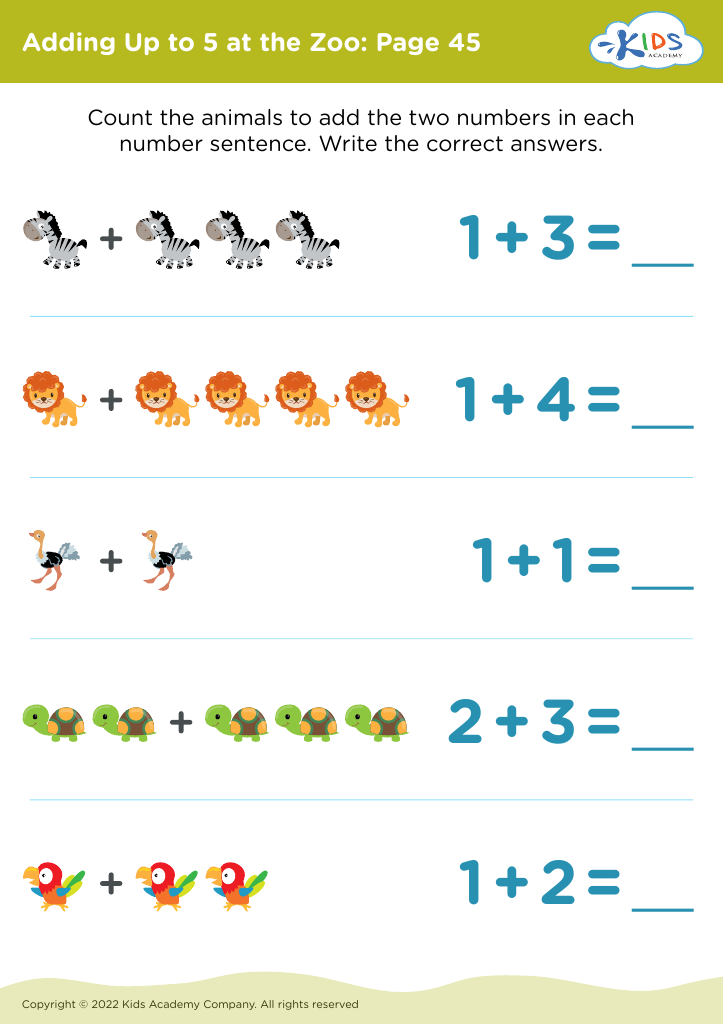
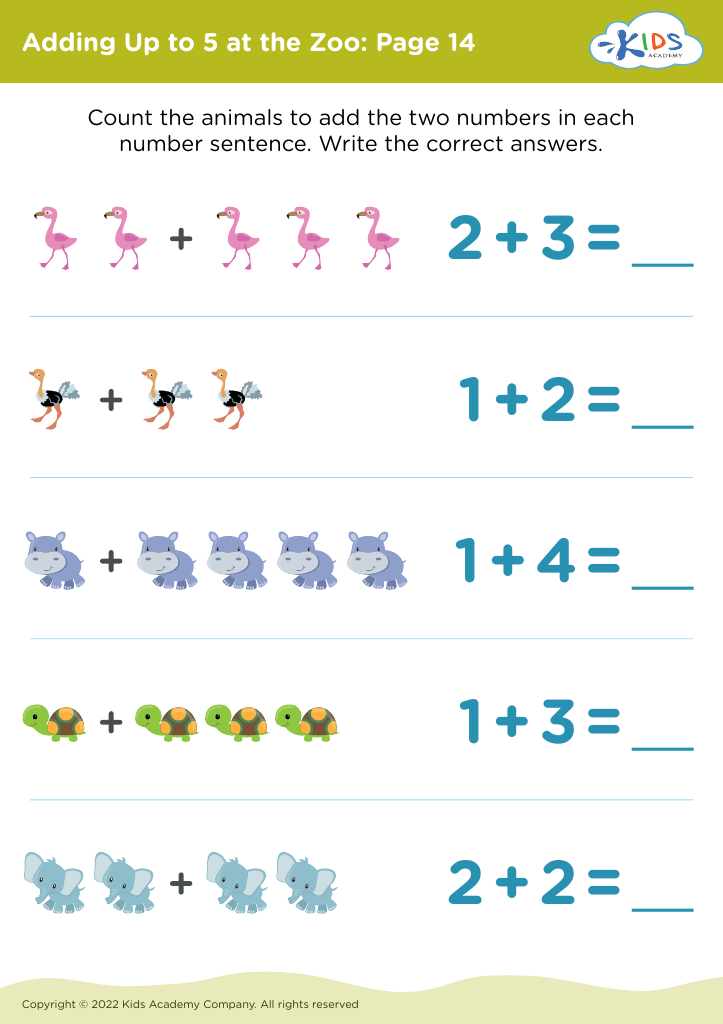
Unlock the world of numbers with our "Understanding Number Value Math Worksheets" tailored for ages 4-7. These engaging, printable worksheets are designed to help young learners grasp the essential concept of number value. Through a variety of fun activities and exercises, children will develop their ability to recognize, compare, and understand numbers. Perfect for both classroom and at-home learning, these resources support foundational math skills that are critical for future math success. Start your child's mathematical journey with our expertly crafted worksheets, fostering confidence and proficiency in early math skills.
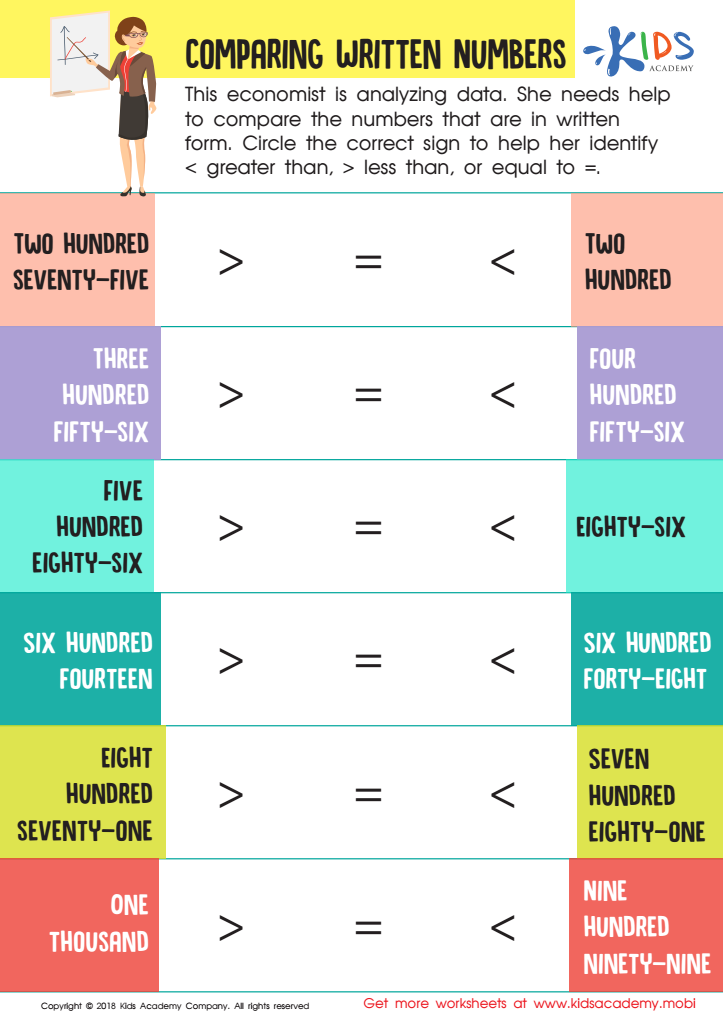
Comparing Written Numbers Worksheet
 Assign to My Students







Understanding number value is fundamental for young children, ages 4-7, as it lays the groundwork for all future mathematical learning. Grasping concepts such as counting, recognizing numbers, and understanding their value builds a strong numerical foundation. When parents and teachers focus on these concepts early on, children develop critical thinking and problem-solving skills that extend beyond math itself.
Early math skills are also vital for everyday activities. Recognizing and understanding number values helps children with essential tasks such as telling time, measuring ingredients while cooking, and even managing money. These skills promote independence and confidence.
Moreover, proficiency in early math is closely linked to success in later academic pursuits. Research demonstrates that early math skills are a strong predictor of achievement in school, even more so than early reading abilities. By fostering a solid comprehension of number value, parents and teachers can set children on a path to academic success in various subjects.
In addition, engaging children in math routines supports brain development. Activities such as counting objects, comparing amounts, and understanding the notion of more or less stimulate cognitive growth and neural connections.
Overall, ensuring young children understand number value equips them with essential life skills, promotes academic success, and supports cognitive development, making it crucial for parents and teachers to prioritize.








