Understanding sequencing Math Worksheets for Ages 4-7
11 filtered results
-
From - To
Enhance your child's mathematical skills with our engaging "Understanding Sequencing" math worksheets designed for ages 4-7! These carefully crafted activities help young learners grasp the fundamental concepts of sequencing, an essential math skill that lays the groundwork for more complex problem-solving. Our worksheets feature colorful visuals and fun exercises that make learning enjoyable while reinforcing critical thinking and logical reasoning. From arranging numbers to sequencing events, each worksheet nurtures your child's cognitive development. Perfect for at-home practice or classroom use, our resources offer a comprehensive approach to building a strong math foundation. Explore our collection and watch your child thrive!
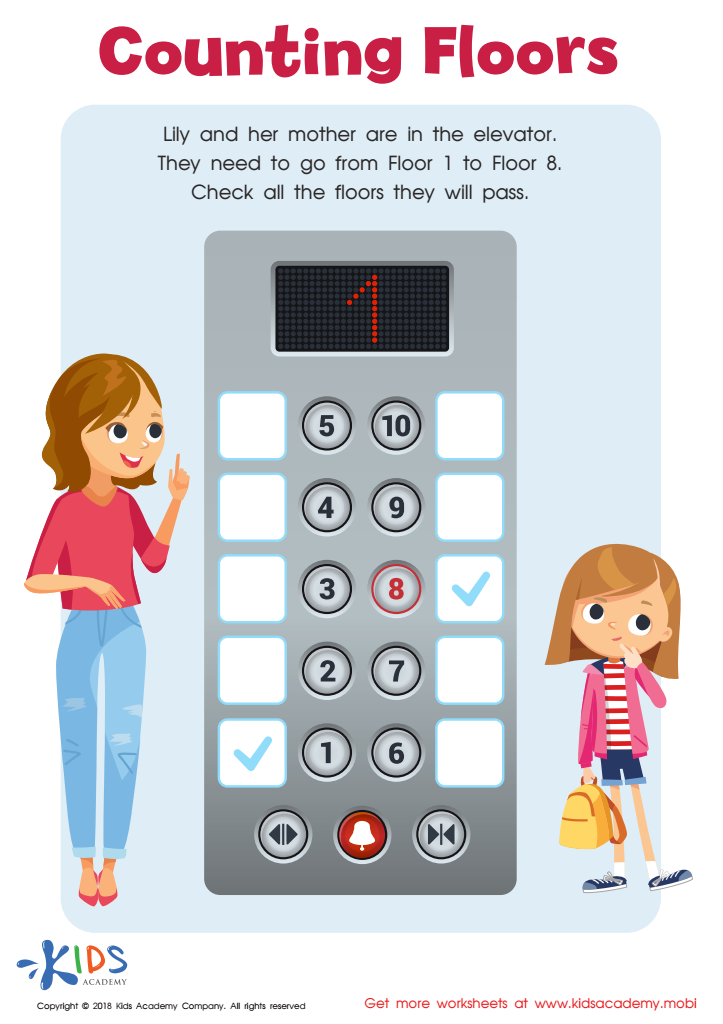
Counting Floors Worksheet
 Assign to My Students
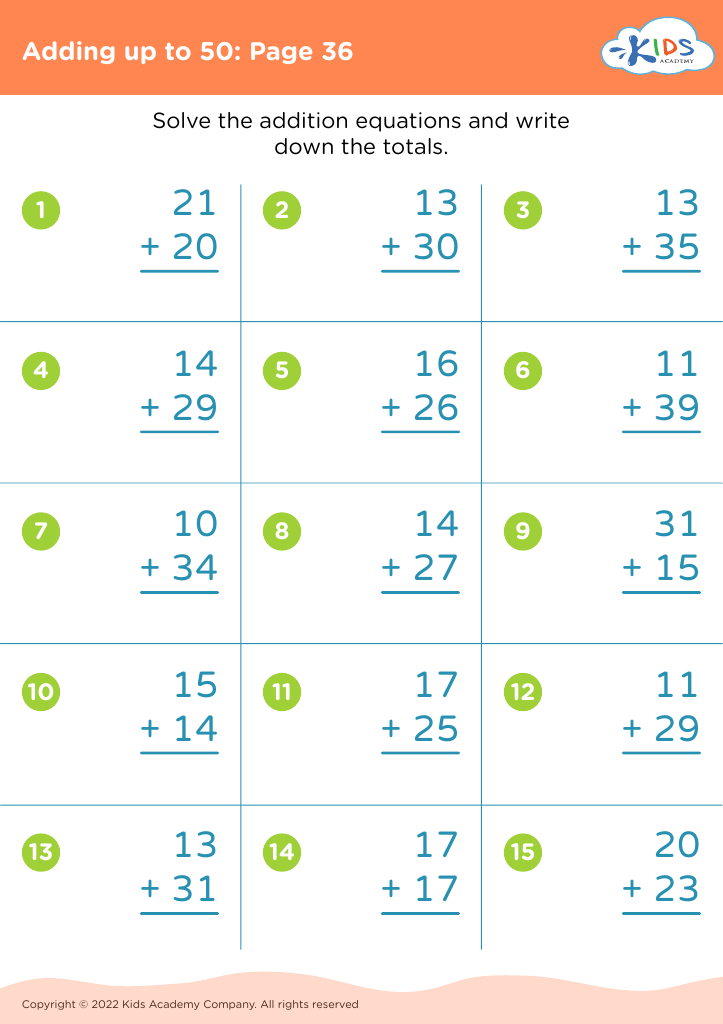
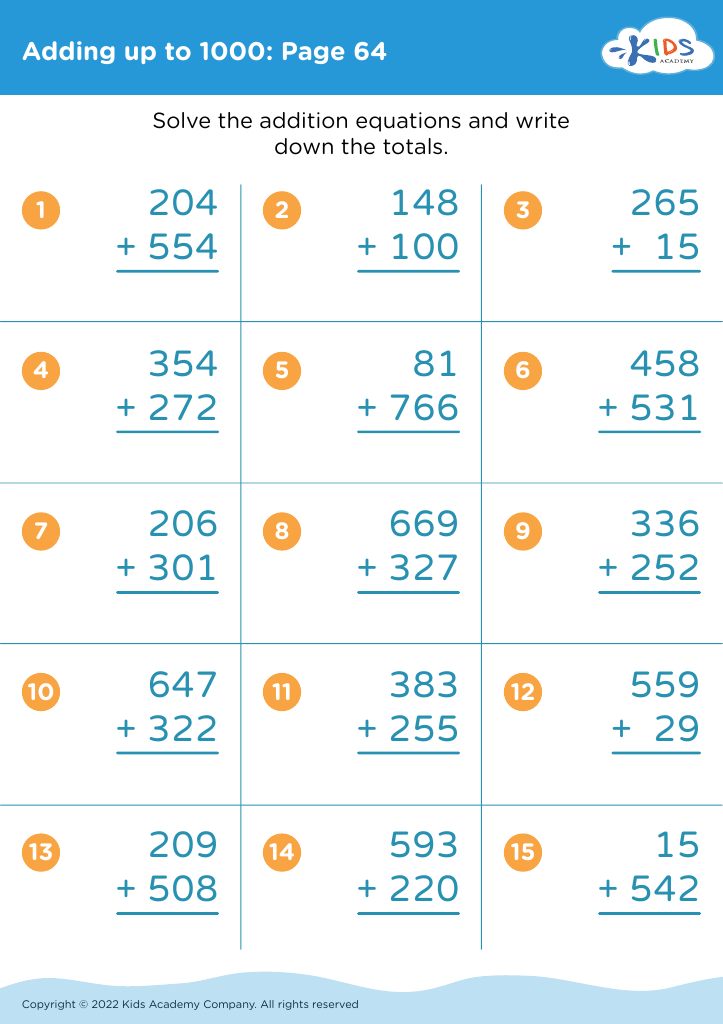
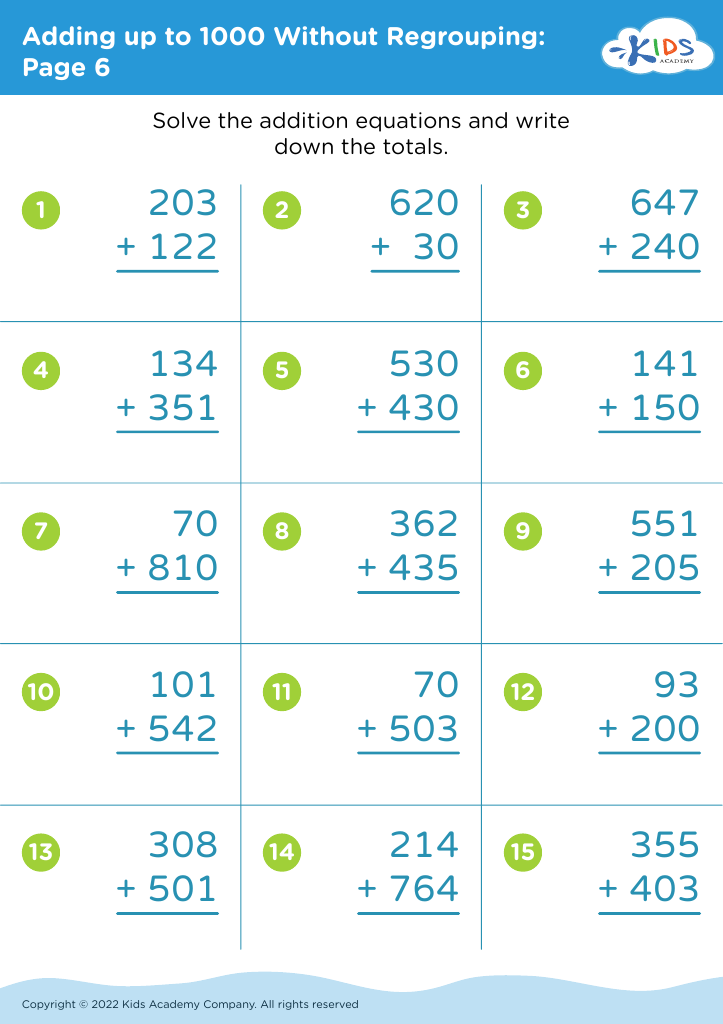
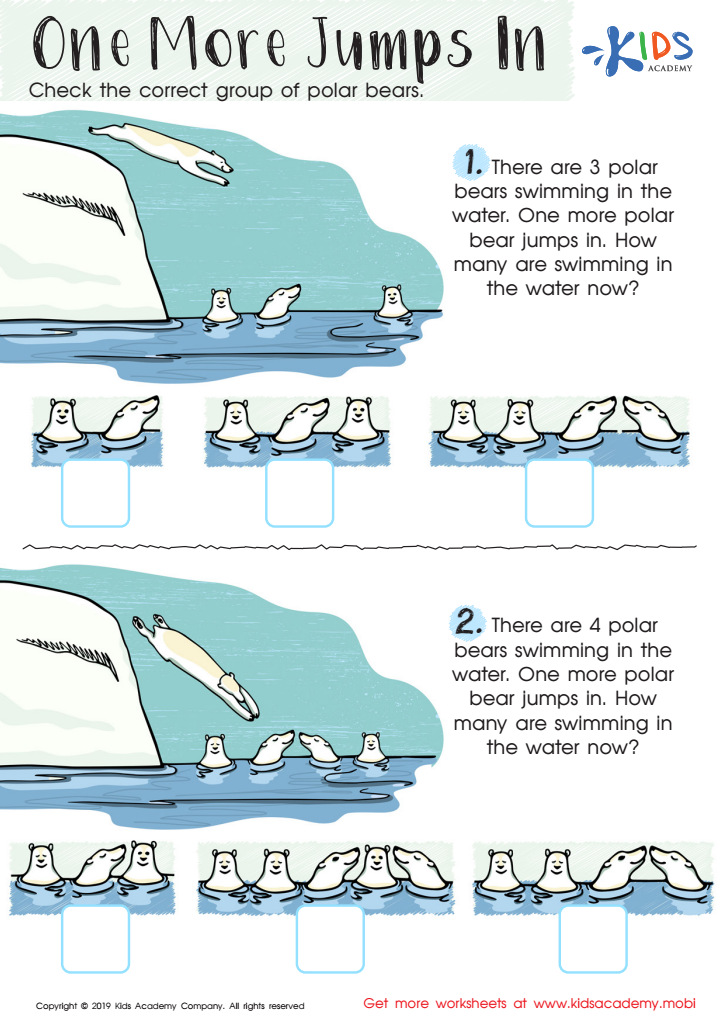
One More Jumps In Worksheet
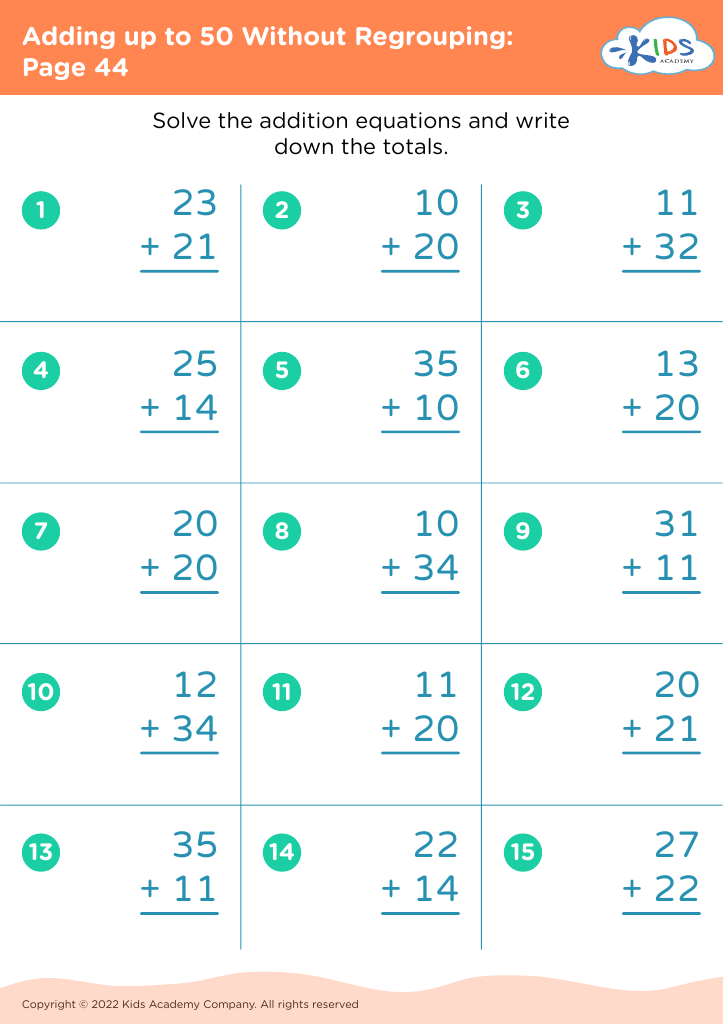
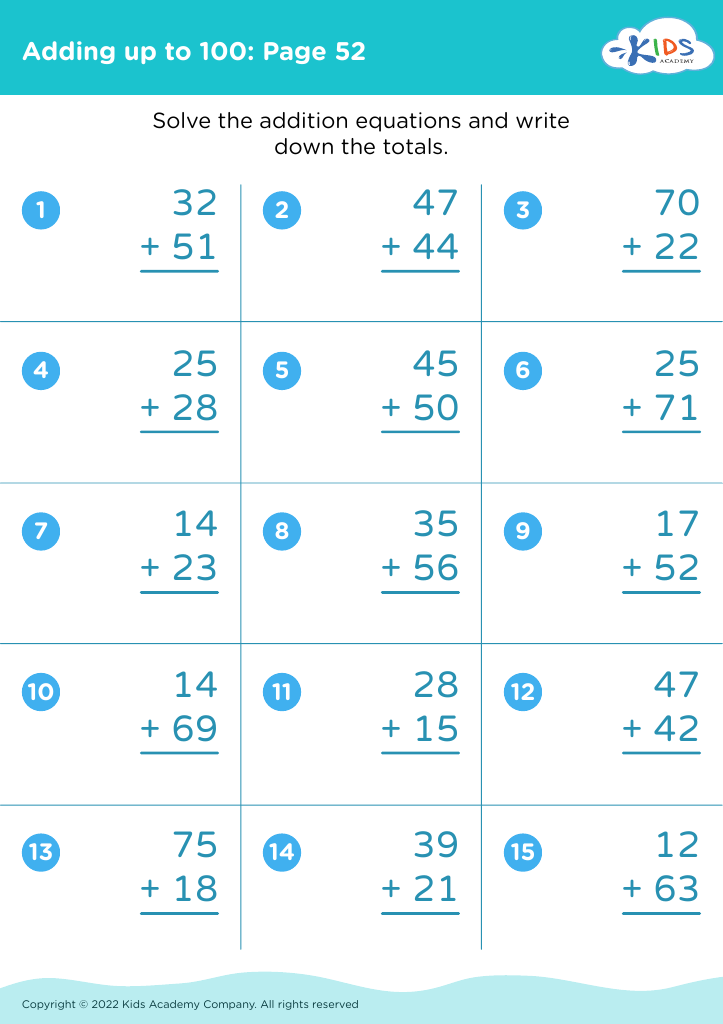
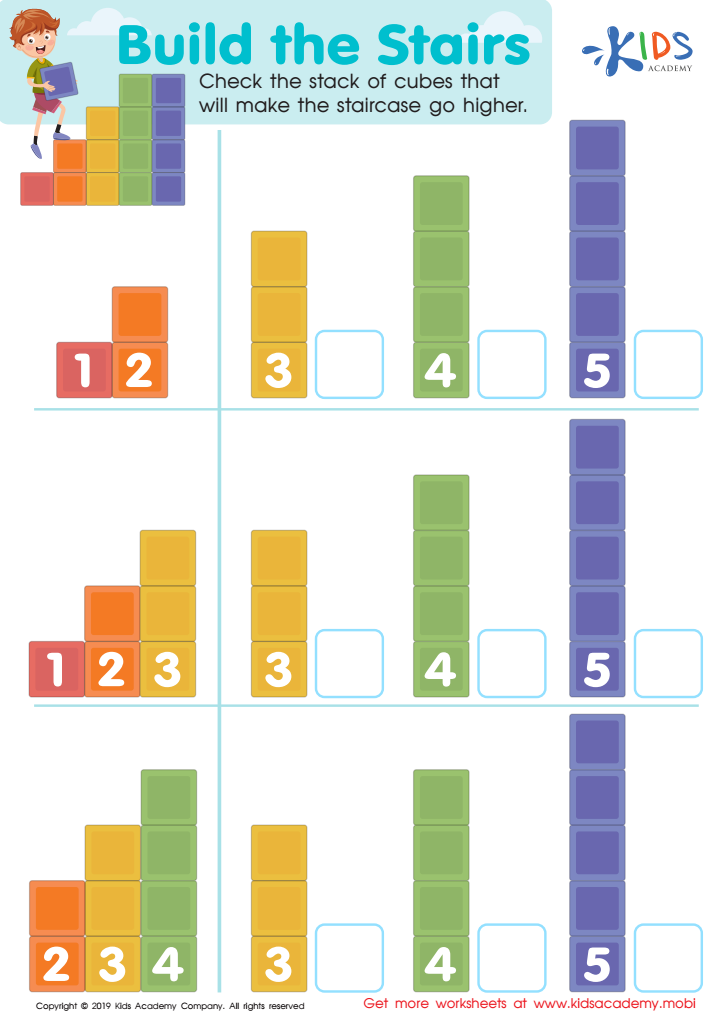
Build the Stairs Worksheet
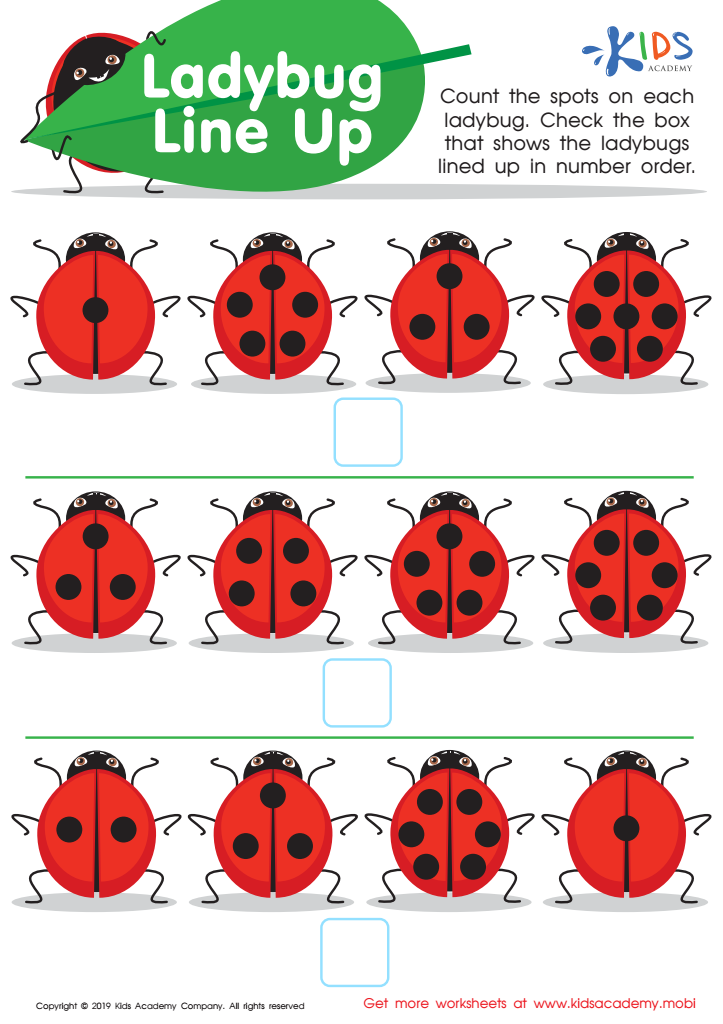
Ladybug Line Up Worksheet








Understanding sequencing in math is crucial for children ages 4-7, laying the foundation for their future learning. At this age, kids are developing essential cognitive skills, and sequencing helps them organize their thoughts and understand relationships between numbers.
When children learn to recognize patterns and sequences, they enhance their problem-solving abilities and logical thinking. This skill is not just limited to math; it extends to reading comprehension and daily life, where sequencing becomes crucial for following instructions, storytelling, or understanding procedures.
Moreover, early exposure to sequencing fosters a sense of accomplishment as children begin to grasp concepts such as larger vs. smaller, before vs. after, and increasing vs. decreasing patterns. This promotes confidence in their abilities, encouraging a positive attitude towards learning.
Parents and teachers play a vital role in integrating sequencing into everyday activities, making it enjoyable and engaging. Simple exercises, like creating routines or sorting objects, can reinforce these skills. By prioritizing sequencing in math education, adults equip children with the tools they need for academic success and critical thinking in the future. Ultimately, understanding sequencing builds a strong mathematical foundation that will benefit children throughout their education.








