Visual perception development Math Worksheets for Ages 4-7
5 filtered results
-
From - To
Boost your child's visual perception skills with our engaging Math Worksheets designed for ages 4-7! These expertly crafted worksheets help young learners refine their ability to interpret and process visual information, a crucial foundation for success in math. Through fun activities that involve shapes, patterns, and comparisons, children enhance their problem-solving abilities and develop critical thinking skills. Our interactive and age-appropriate resources make learning enjoyable while supporting early mathematics understanding. Transform tricky concepts into enjoyable challenges and watch your child thrive! Explore our collection today to empower your little learner on their educational journey!
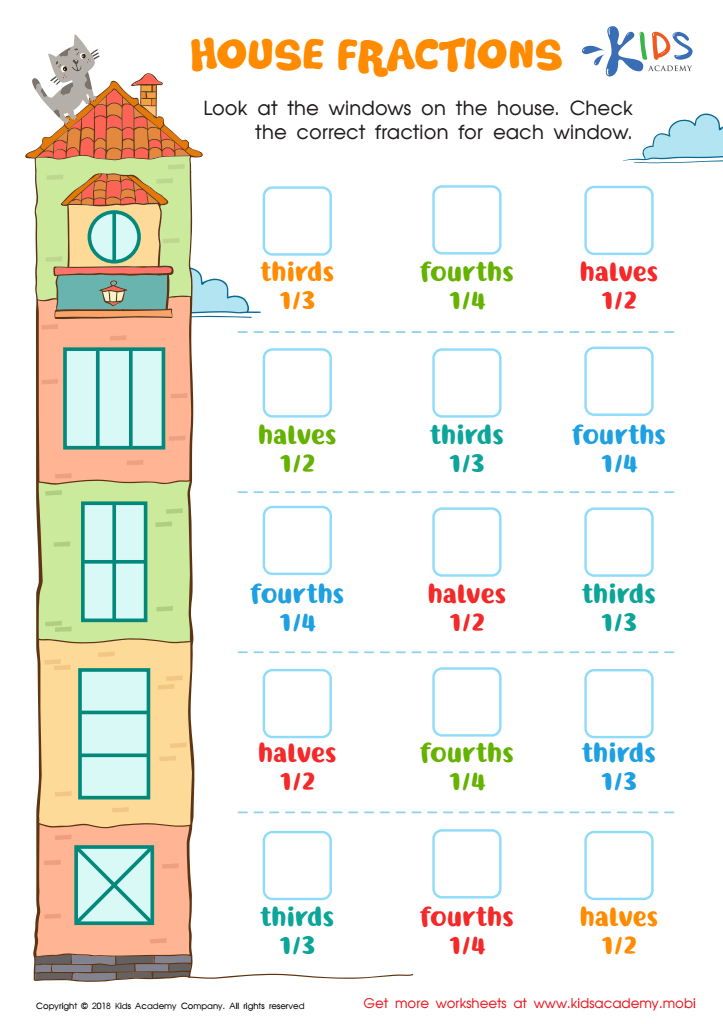
House Fractions Worksheet
 Assign to My Students
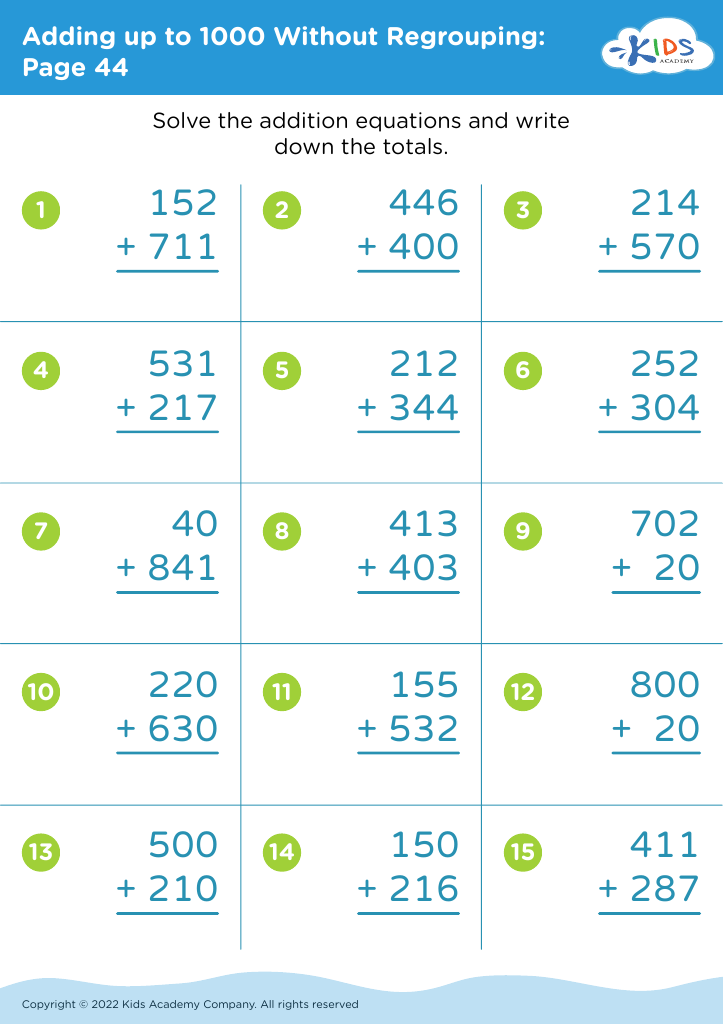
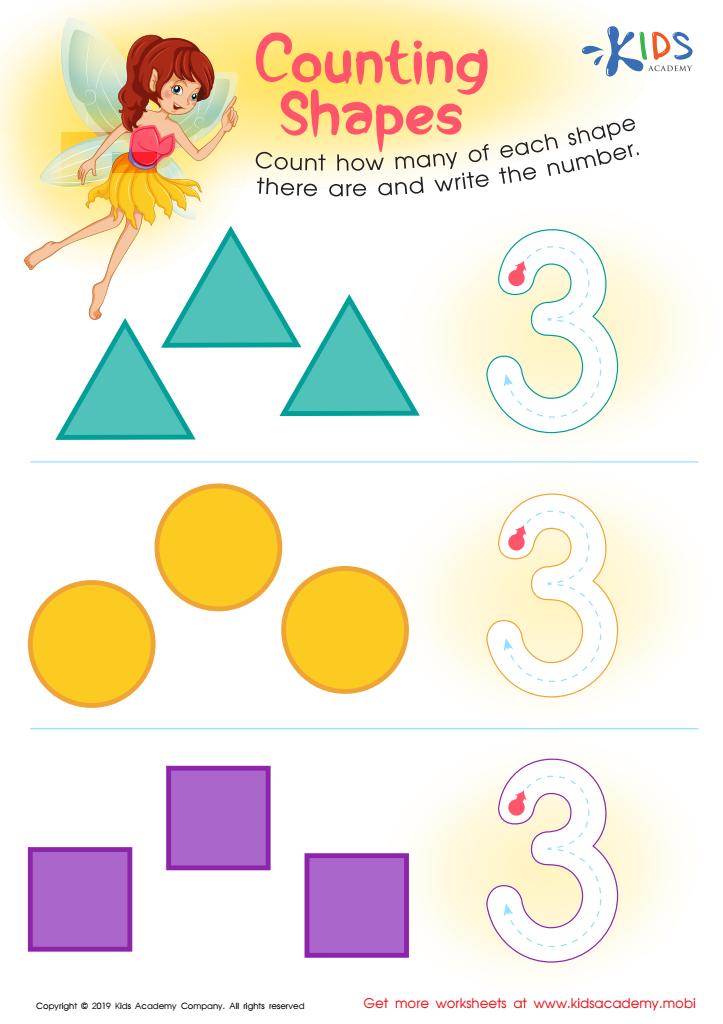
Counting Shapes Worksheet

Math Matching Pairs Game: Monsterв's Socks Worksheet
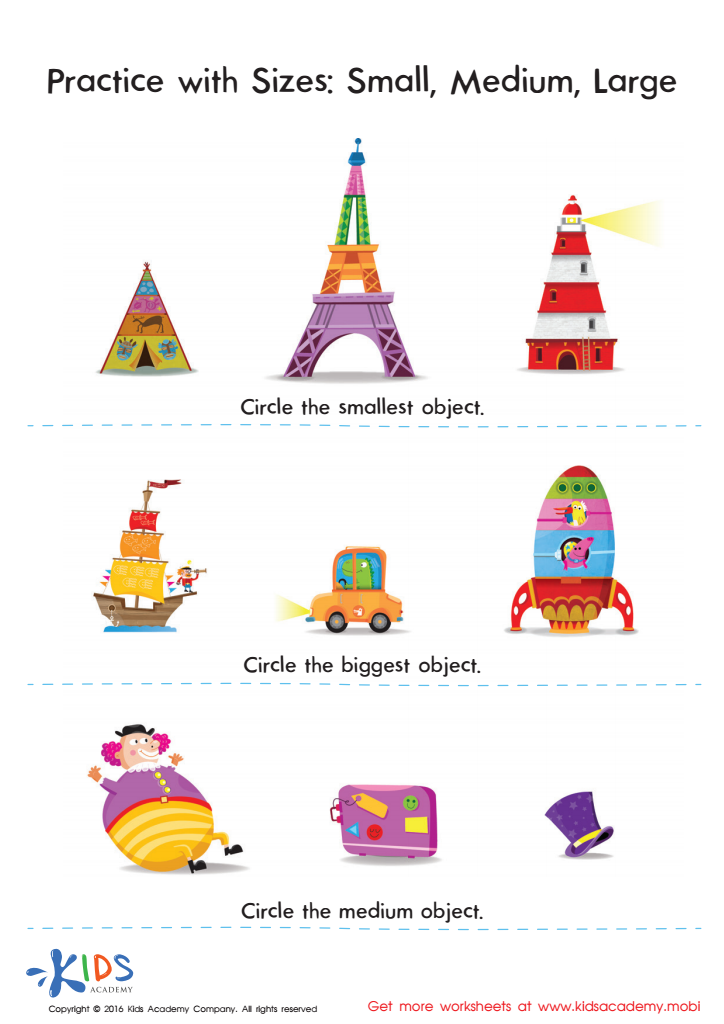


.jpg)


.jpg)


Visual perception development is crucial for young learners, particularly in the early stages of mathematics education for children aged 4-7. At this age, children are not only learning to recognize numbers and shapes, but they are also beginning to understand spatial relationships, patterns, and mathematical concepts such as addition and subtraction.
Strong visual perception skills help children accurately interpret visual information, making it easier for them to identify and manipulate shapes, understand symmetry, and visualize mathematical problems. This foundational ability enhances their problem-solving skills and encourages logical reasoning, which is essential for more complex mathematics as they progress in their education.
Moreover, a deficiency in visual perception can lead to difficulties in math and overall academic performance. Parents and teachers who prioritize visual perception development can implement engaging activities like puzzles, matching games, and constructive play, fostering a supportive learning environment. By doing so, they help children build confidence and enjoyment in math, which can counteract anxiety and aversion to the subject in later years.
Ultimately, nurturing visual perception not only strengthens mathematical foundation skills but also contributes to holistic cognitive development, setting the stage for lifelong learning and success.








