Filters

57 filtered results

Clear all filters
Favorites
With answer key
Interactive

57 filtered results

Difficulty Level

Grade


Check out this FREE Trial Lesson on Math for age 4-7!

Count up to 3 Objects

Favorites
With answer key
Interactive
  • 4-7
  • Visual perception
  • Math
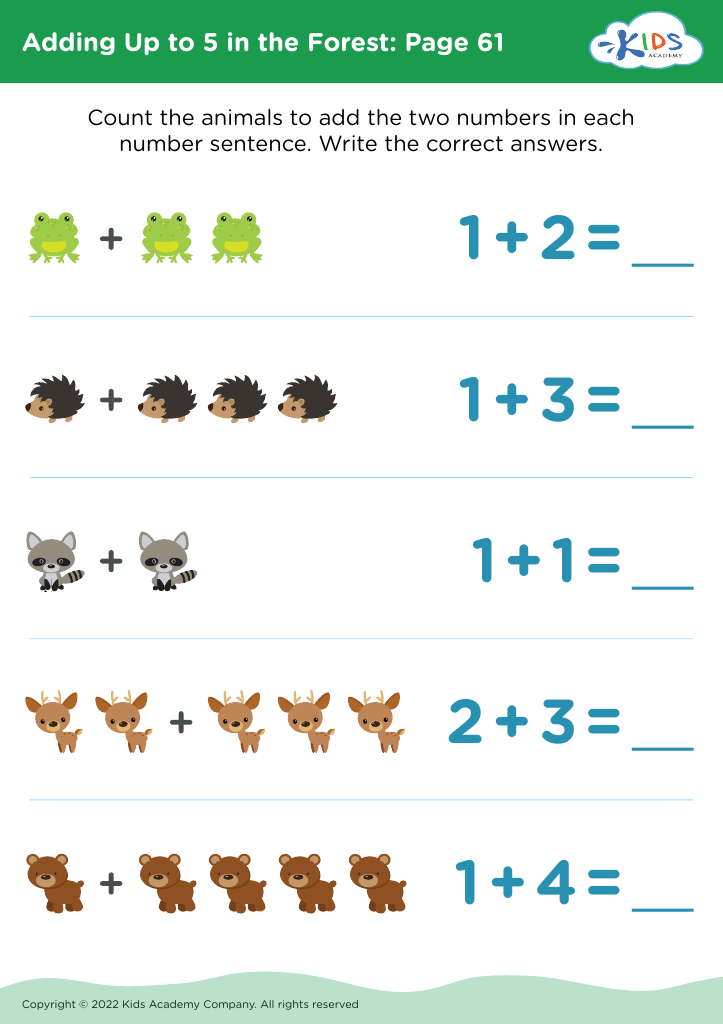
Adding Up to 5 in the Forest: Page 61
Worksheet
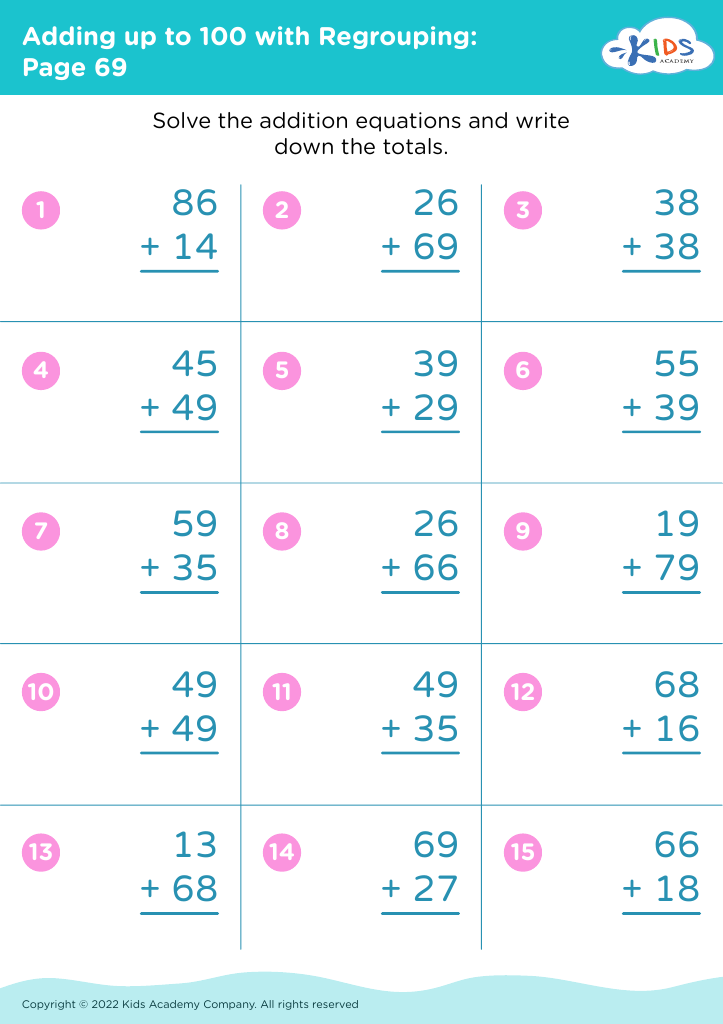
Adding up to 100 with Regrouping: Page 69
Worksheet
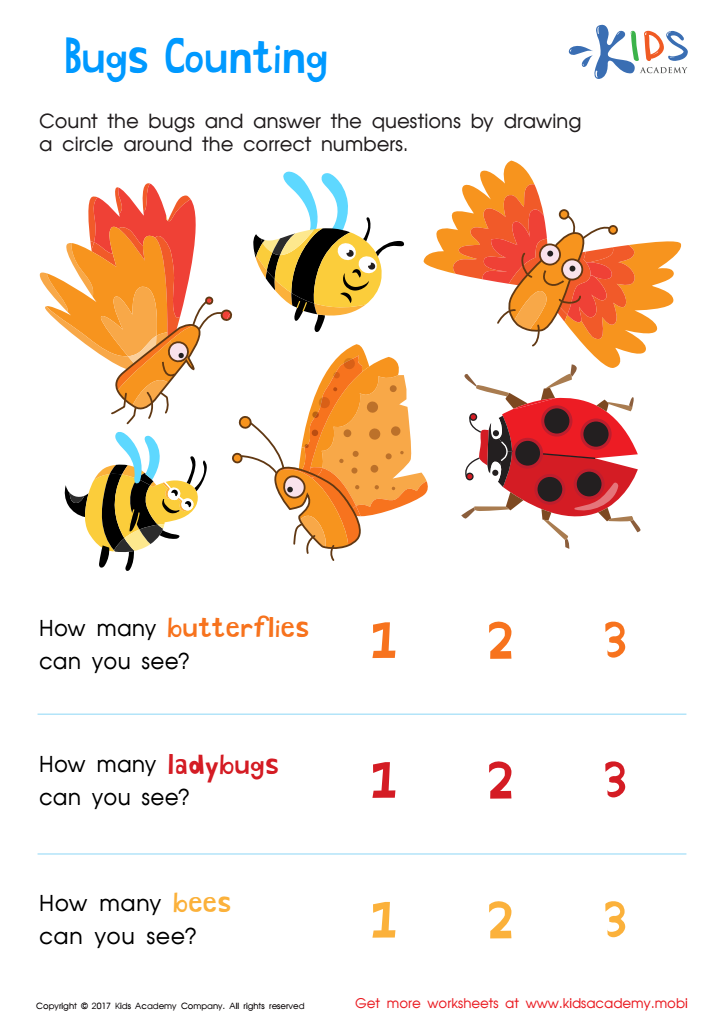
Bugs Counting Printable Worksheet

Bugs Counting Worksheet

Filled with bright reds, yellows, and oranges, your child will love solving these fun bug-related math problems.
Bugs Counting Worksheet
Worksheet
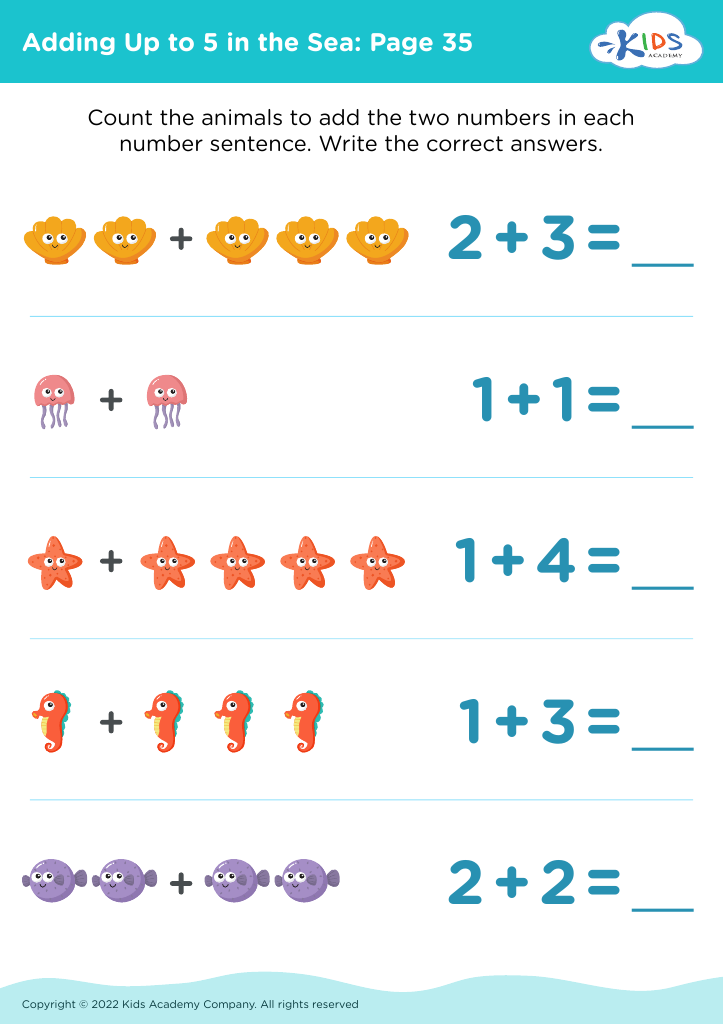
Adding Up to 5 in the Sea: Page 35
Worksheet
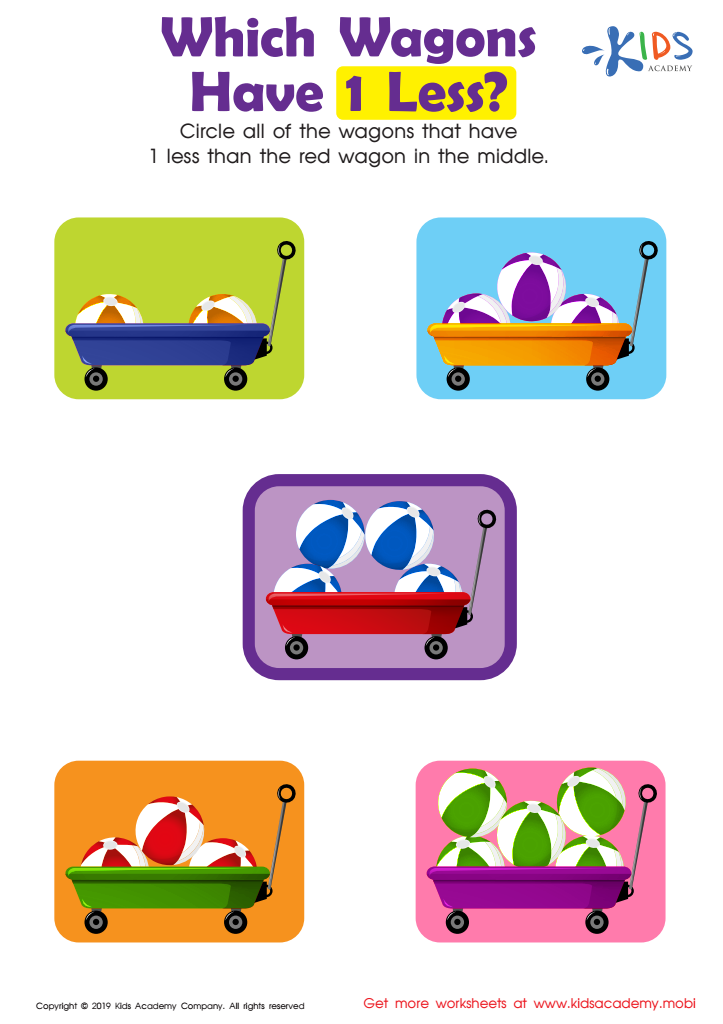
Which Wagons Have 1 Less? Worksheet

Which Wagons Have 1 Less? Worksheet

Test your kid's counting skills with a simple exercise. Ask them to count the balls in the five wagons shown and to circle the wagons with one less than the red wagon in the middle. This will give their brains a simple task that tests their knowledge of numbers.
Which Wagons Have 1 Less? Worksheet
Worksheet
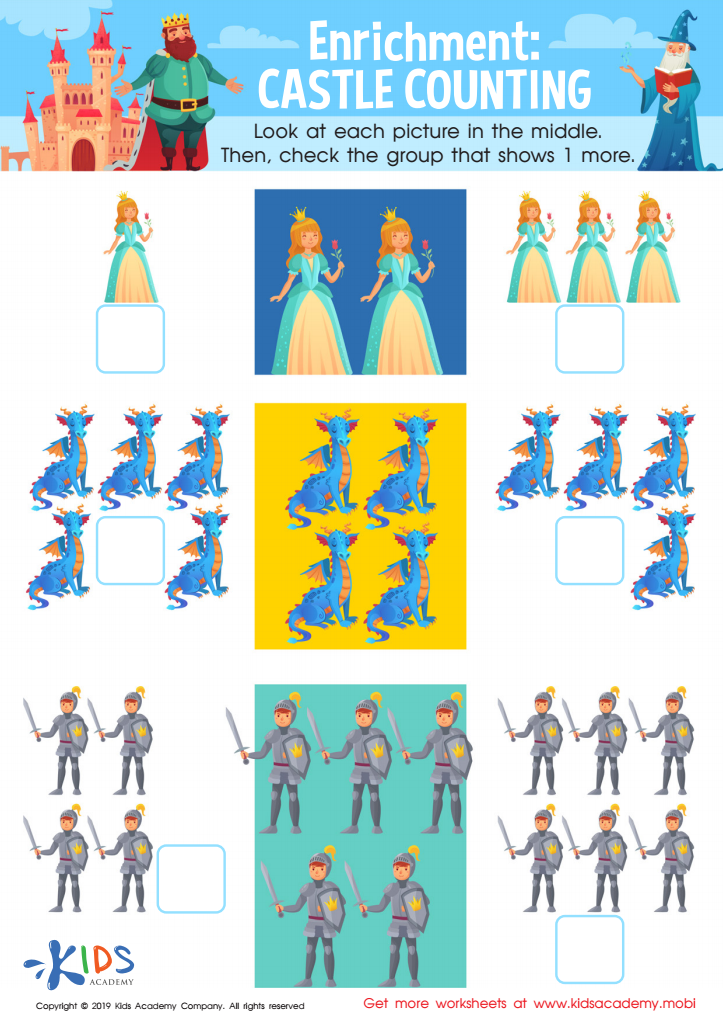
Enrichment: Castle Counting Worksheet

Enrichment: Castle Counting Worksheet

Help your kids learn to count. Start with easy counting of numbers as high as possible. Use the pictures in this printout. Point to the middle one, help them identify it and then count one more than it. Do this to help them get ready for more difficult math concepts like addition, subtraction and multiplication.
Enrichment: Castle Counting Worksheet
Worksheet
Math PDF Worksheets - Count and Match Vegetables: 1 – 5

Count and Match Vegetables 1 – 5 Math Worksheet
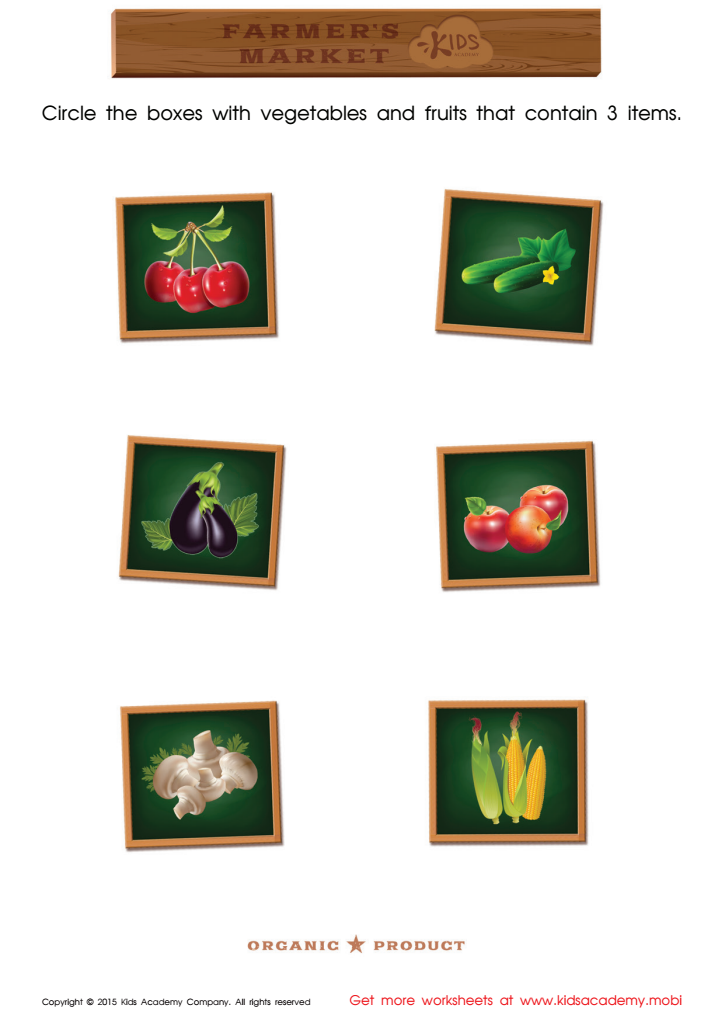
Get your kindergartener to match the same number of vegetables with the boxes using this fantastic math worksheet. Using the Singapore approach, this printable worksheet makes math problems easy and fun for kids. Want more free worksheets? Click here for Kids Academy's selection!
Count and Match Vegetables 1 – 5 Math Worksheet
Worksheet
Size Comparison Worksheet

Classifying by Size Sorting Worksheet
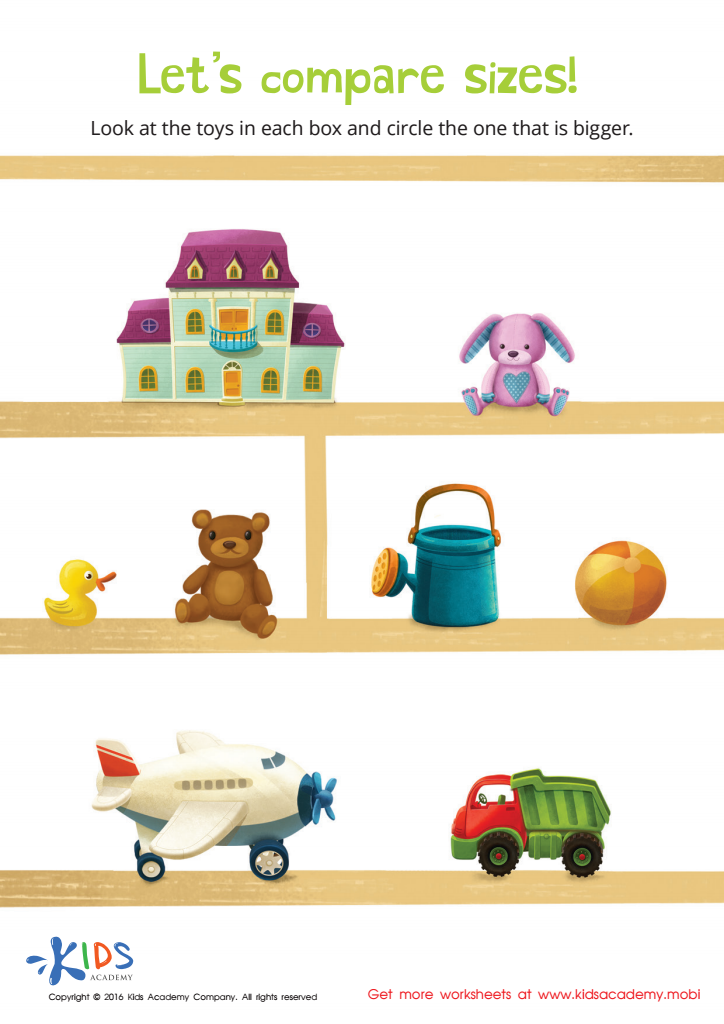
Help your preschooler recognize differences in size using this fun worksheet! Your child will engage in important spatial recognition and problem-solving skills while talking with you about objects that can be small or large. Enjoy the vibrant pictures together!
Classifying by Size Sorting Worksheet

Worksheet
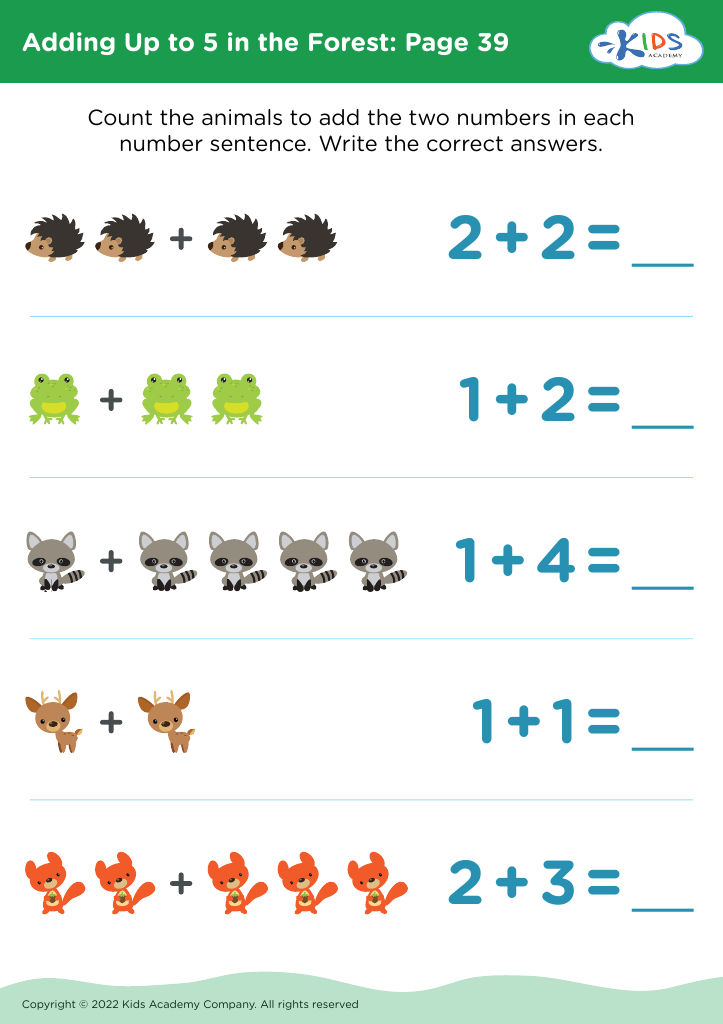
Adding Up to 5 in the Forest: Page 39
Worksheet


... 2 3

Visual perception plays a crucial role in a child's ability to understand mathematics, especially for ages 4-7, a critical stage in their cognitive development. This foundational period is when children build essential skills necessary for more advanced mathematical concepts.

Parents and teachers should care about visual perception math because it enhances a child's ability to recognize shapes, understand spatial relationships, and make sense of numerical patterns. Strong visual perception significantly contributes to a child's proficiency in tasks such as counting, sorting, and problem-solving. Through activities that engage visual perception—like puzzles, shape sorting, and visual-spatial games—children develop a deeper understanding of mathematical concepts.

Moreover, visual perception math encourages critical thinking and boosts confidence, as children begin to trust their abilities in recognizing patterns and solving problems. This can lead to a positive attitude toward math as they progress in their educational journeys. By integrating visual perception into math learning, educators and parents can create enriching experiences that promote skill development and prepare children for future academic success. Thus, fostering visual perception is key to nurturing well-rounded, confident learners in mathematics.