Visual perception Math Worksheets for Ages 4-7 - Page 2
57 filtered results
-
From - To

Count and Pair on the Farm Worksheet
 Assign to My Students
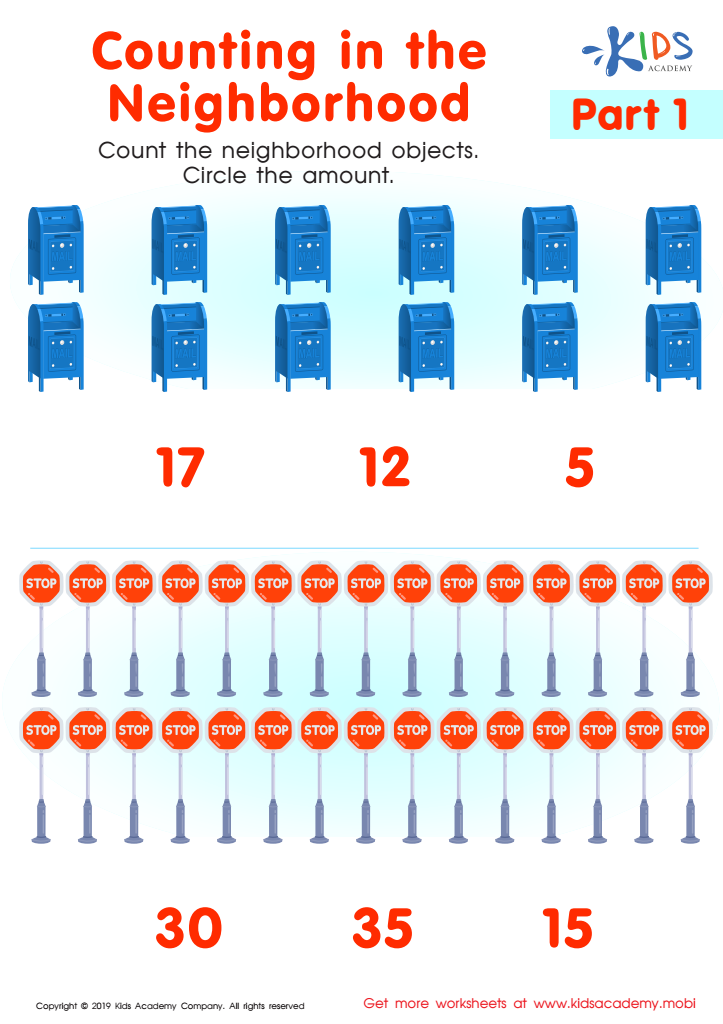
Counting in the Neighborhood Part1 Worksheet
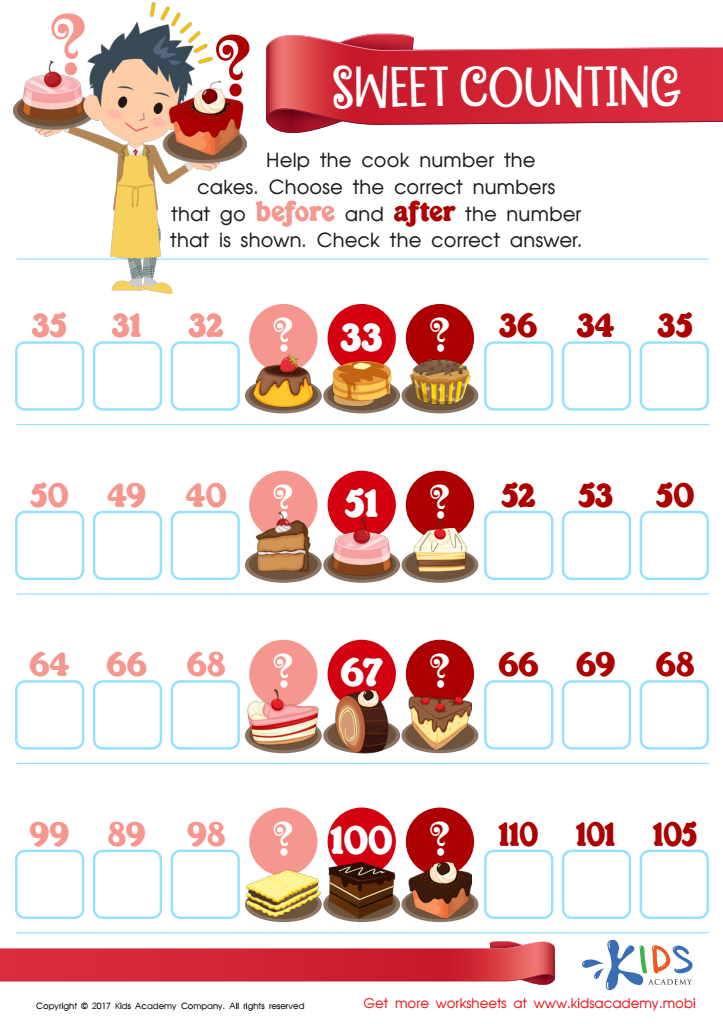
Sweet Counting - Part 1 Worksheet
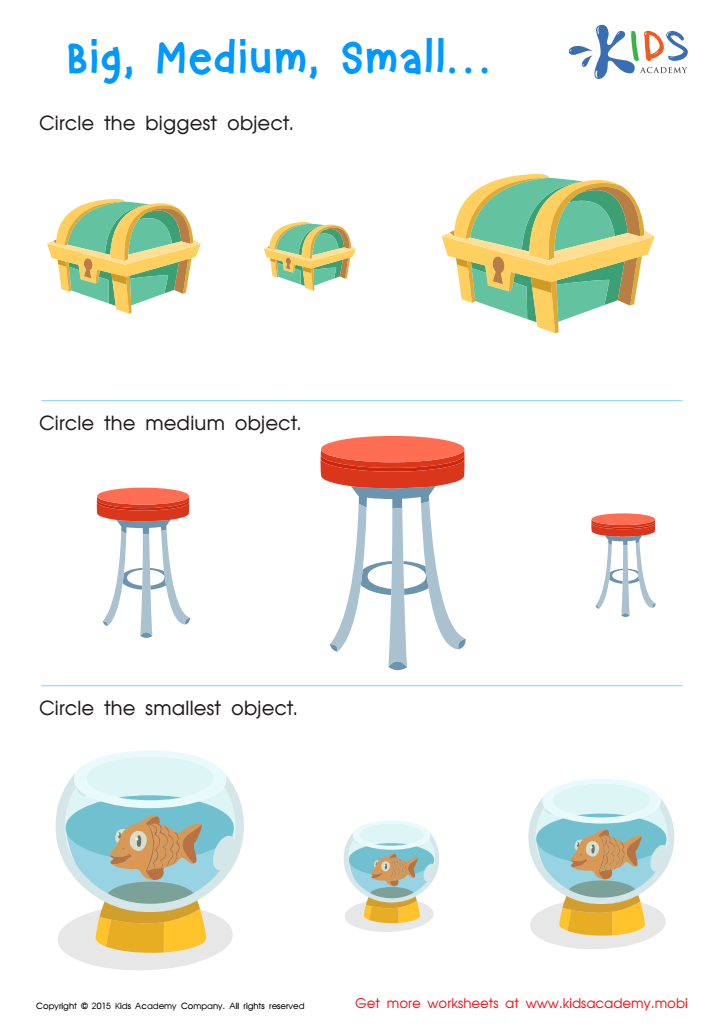
Big Medium Small Worksheet
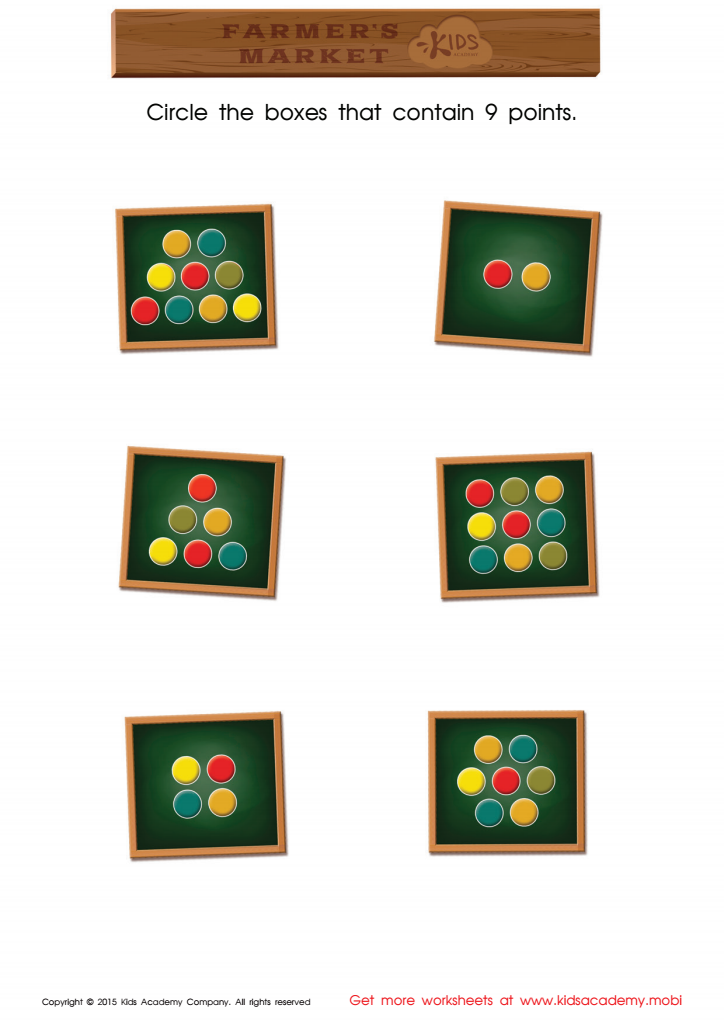
Count and Match Points 9 Math Worksheet
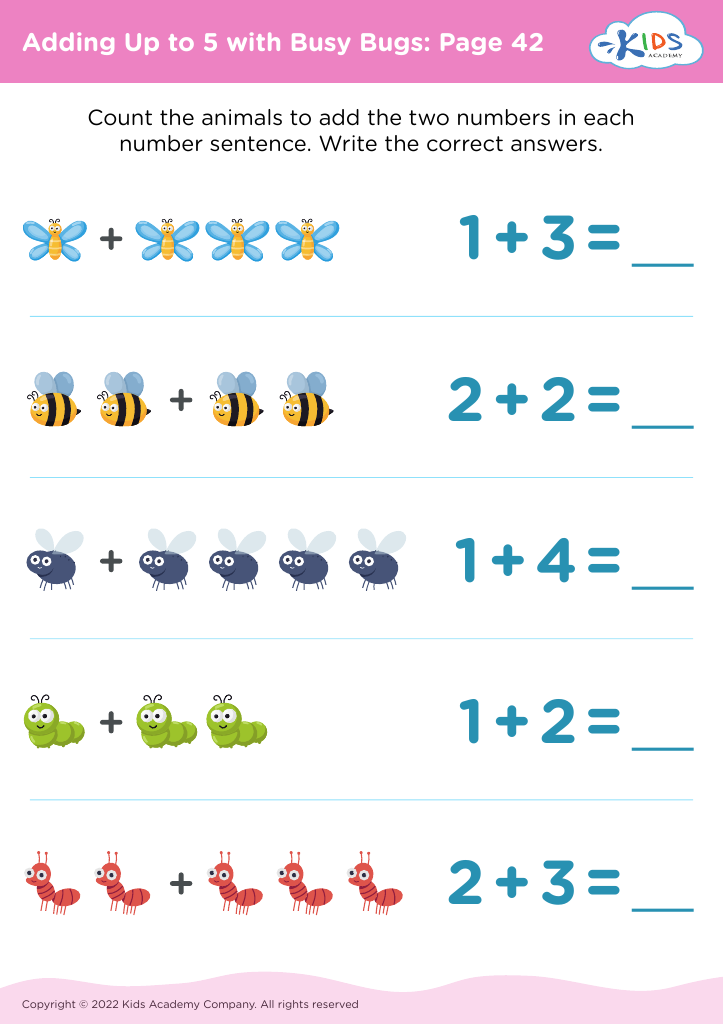
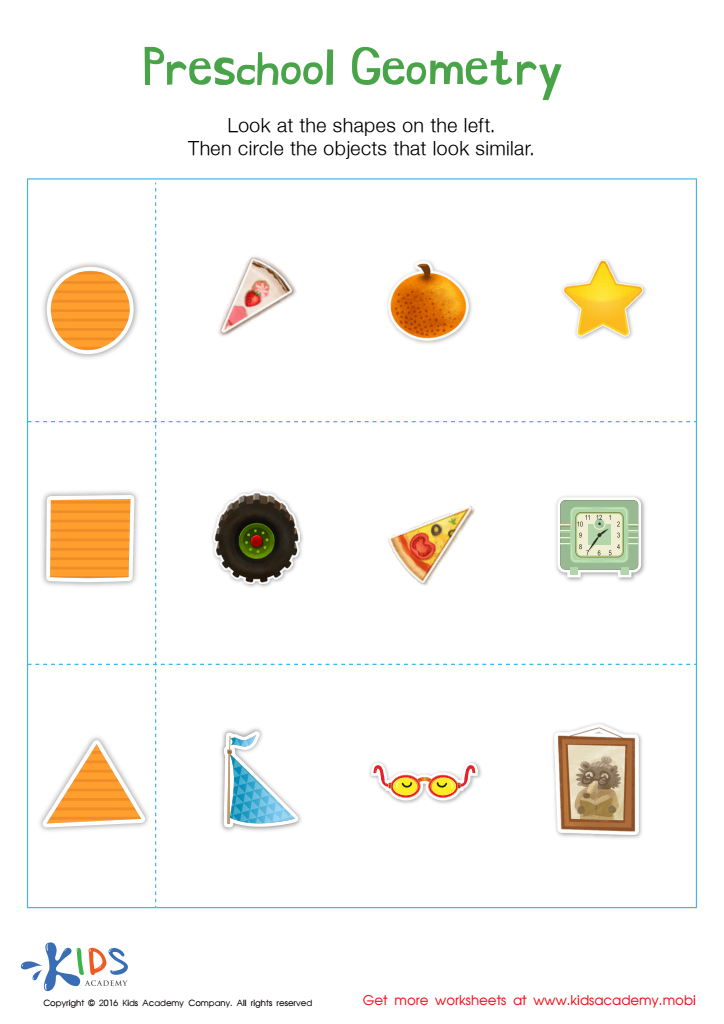
Preschool Geometry Match Up Worksheet
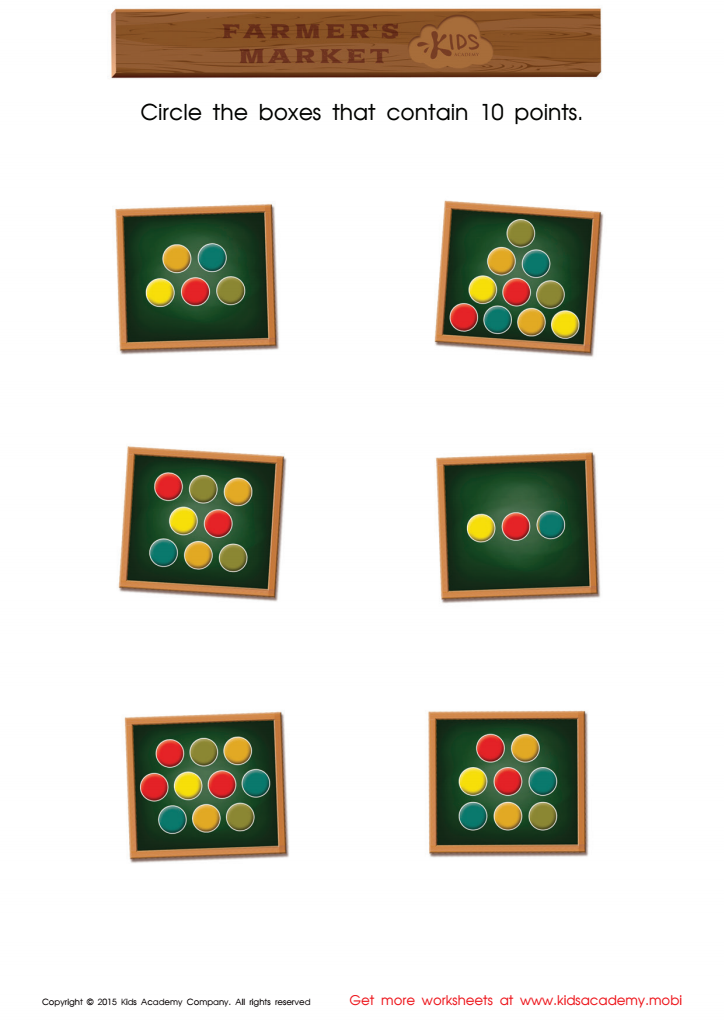
Count and Match Points 10 Math Worksheet
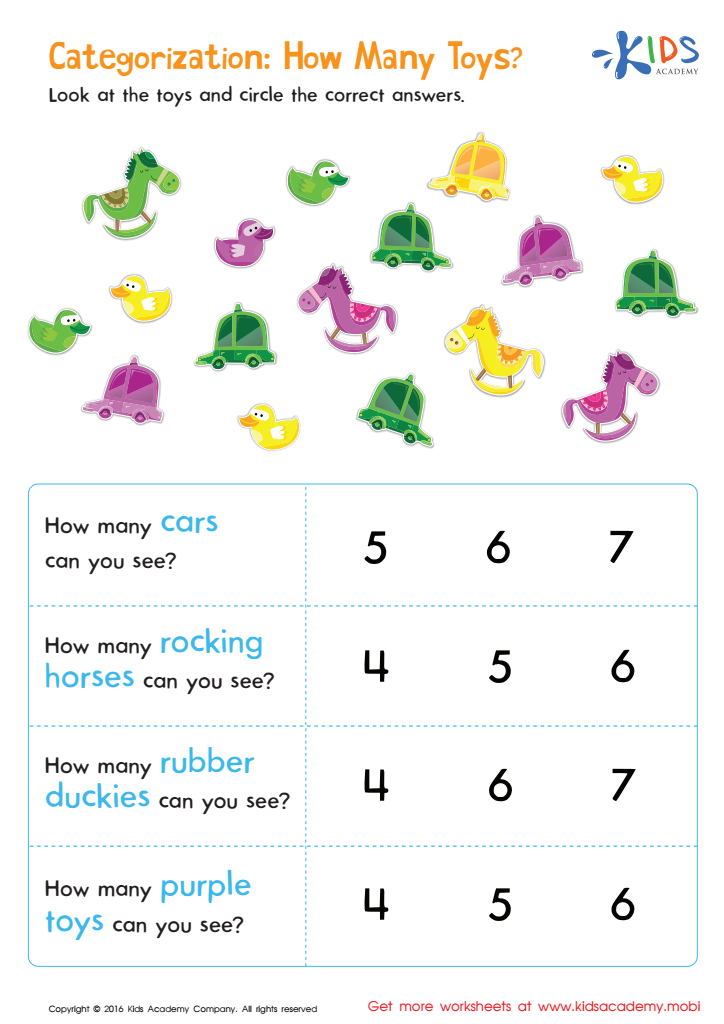
Classifying Toys by Type and Color Sorting Worksheet
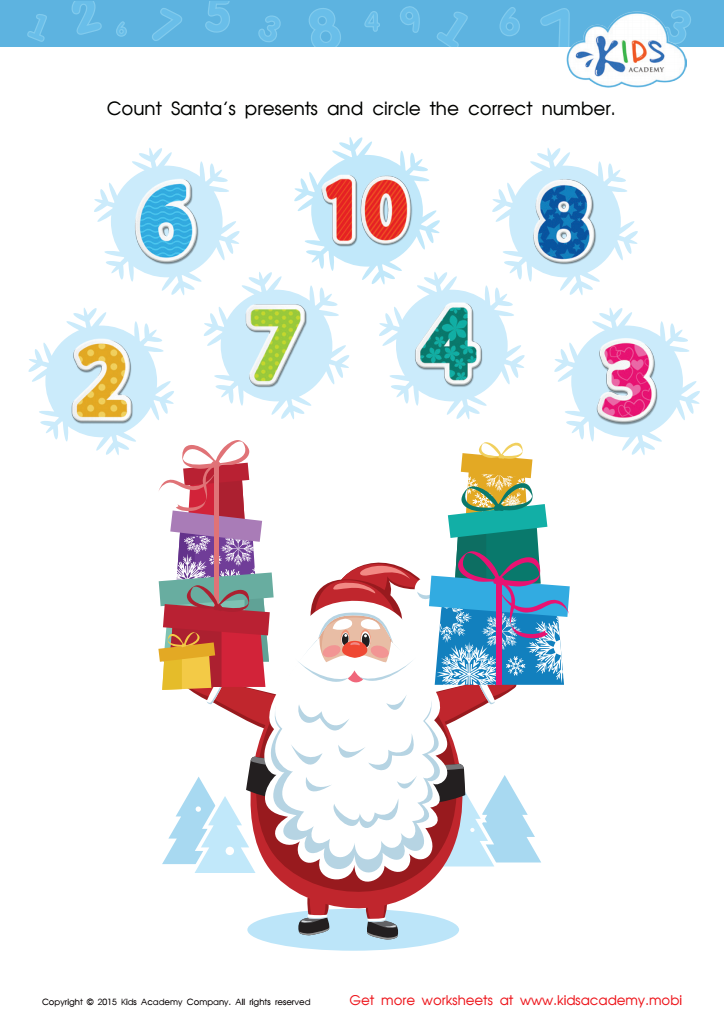
Count Santa's Presents Worksheet
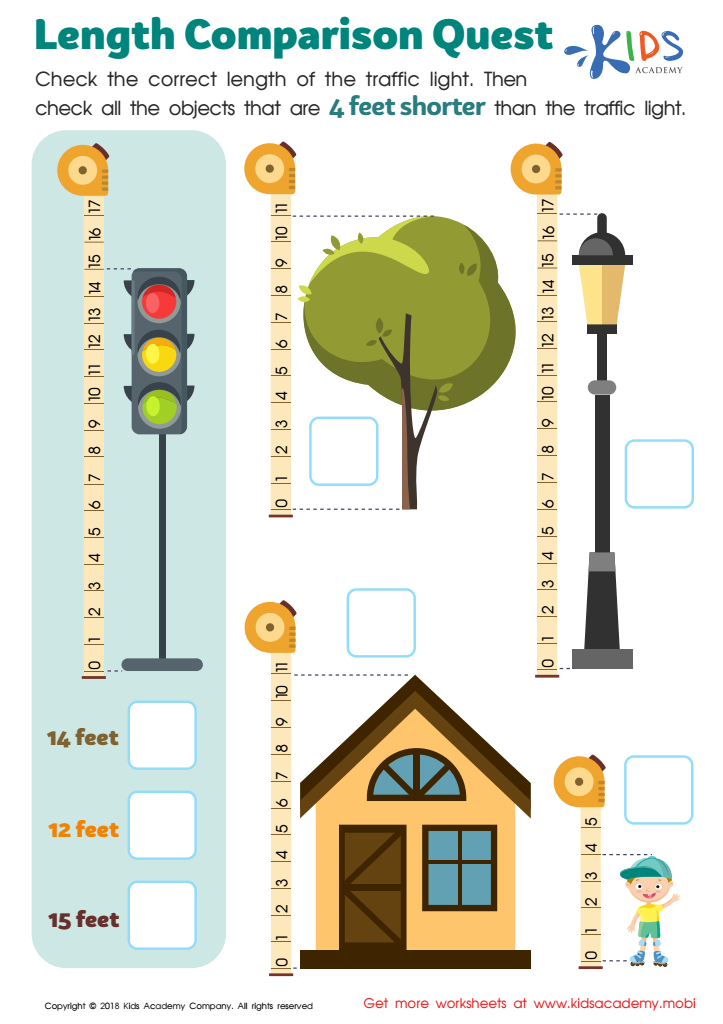
Length Comparison Quest Worksheet
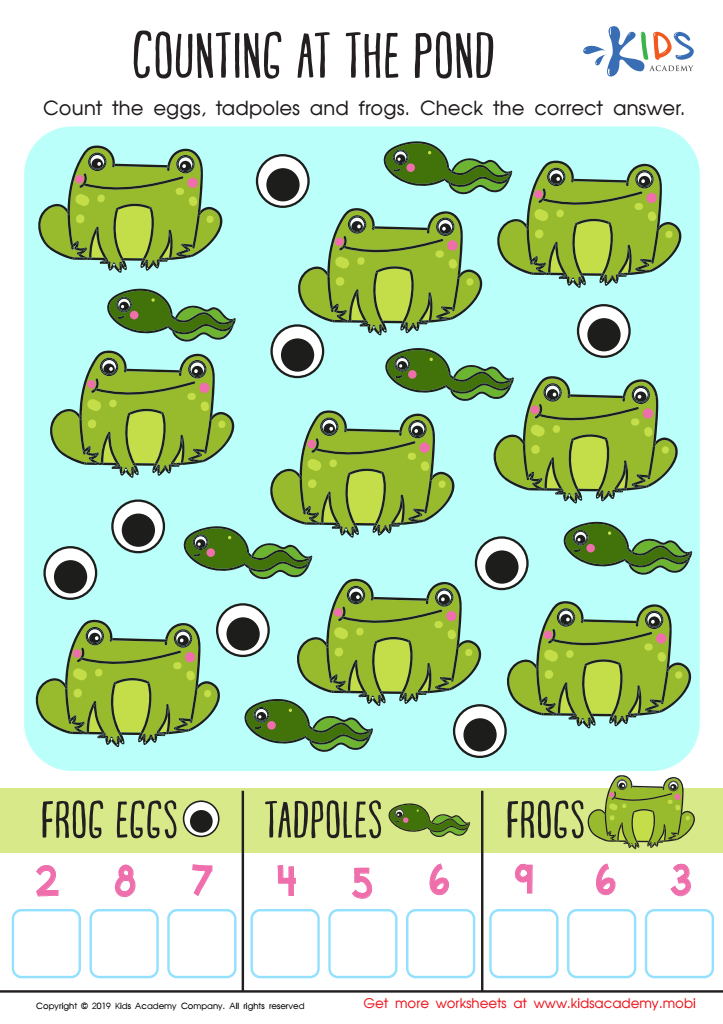
Counting at the Pond Worksheet
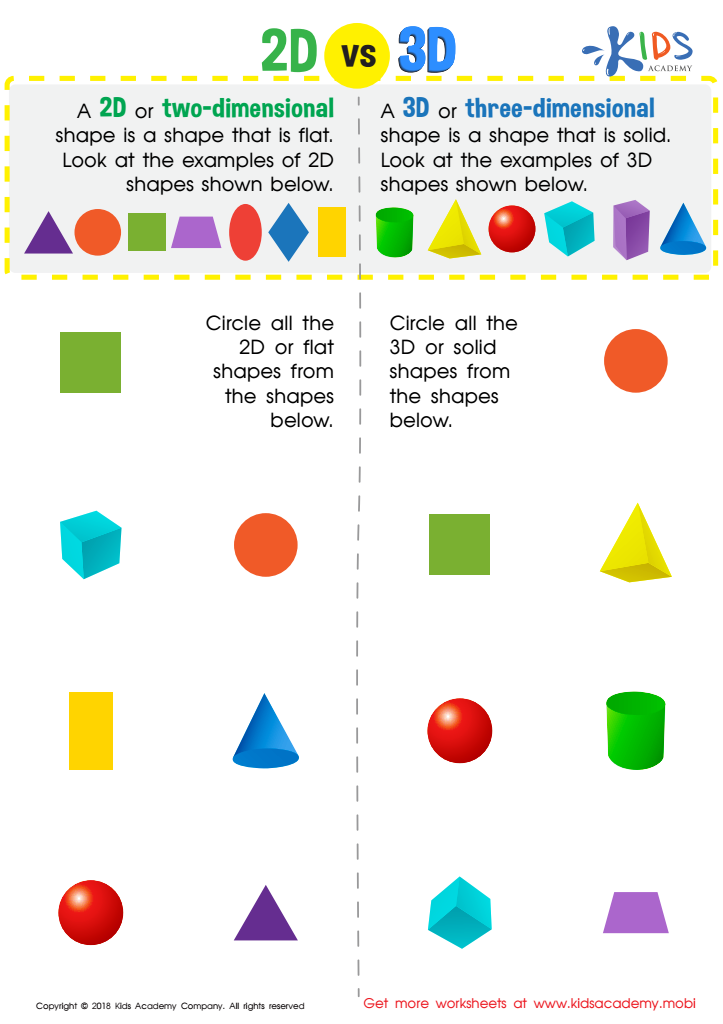
2D vs 3D Shapes Worksheet
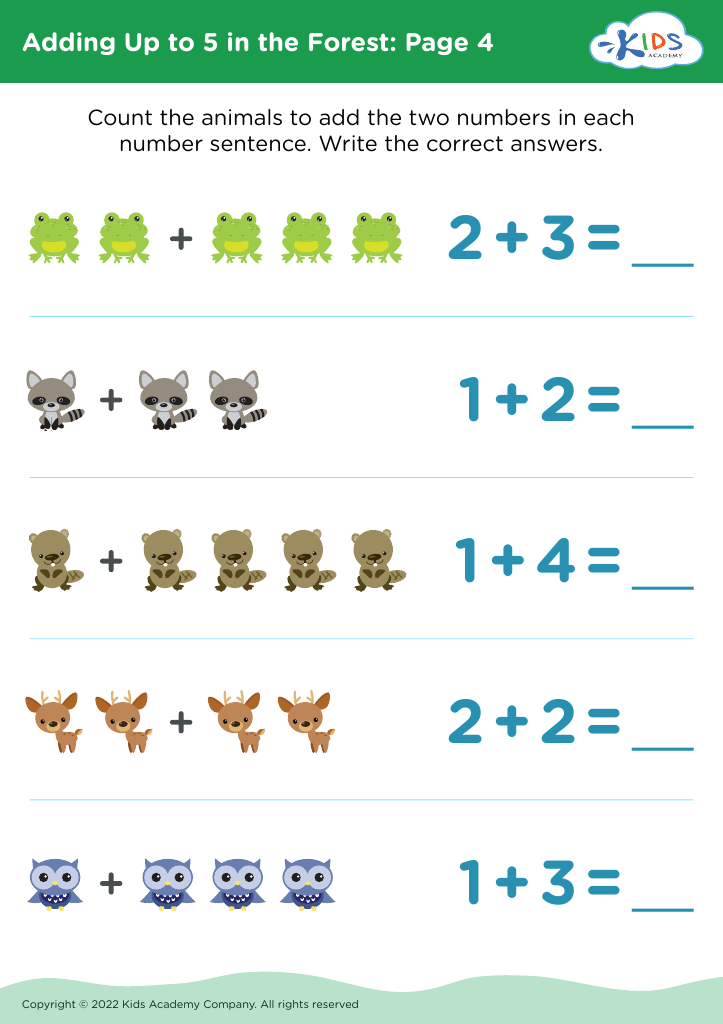
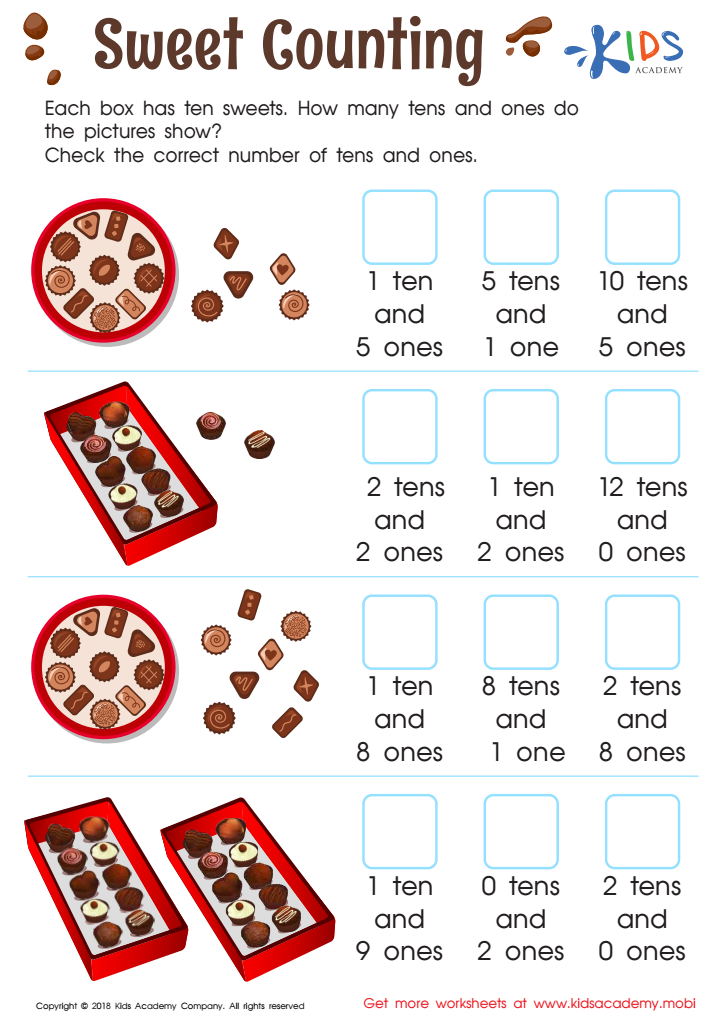
Sweet Counting - Part 2 Worksheet
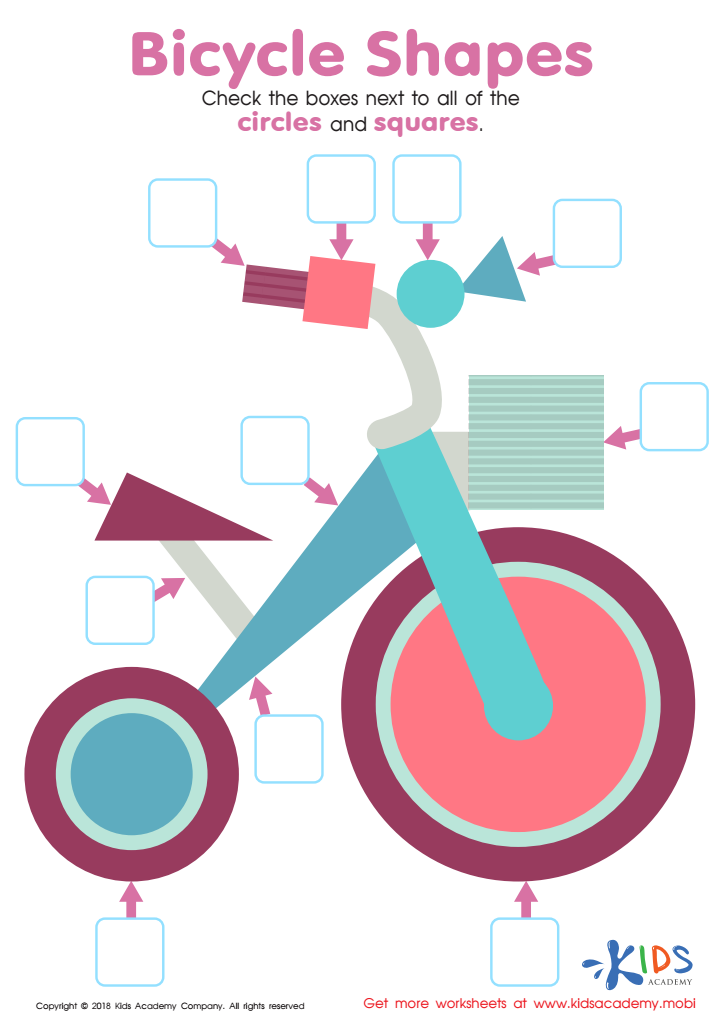
Bicycle Shapes Worksheet
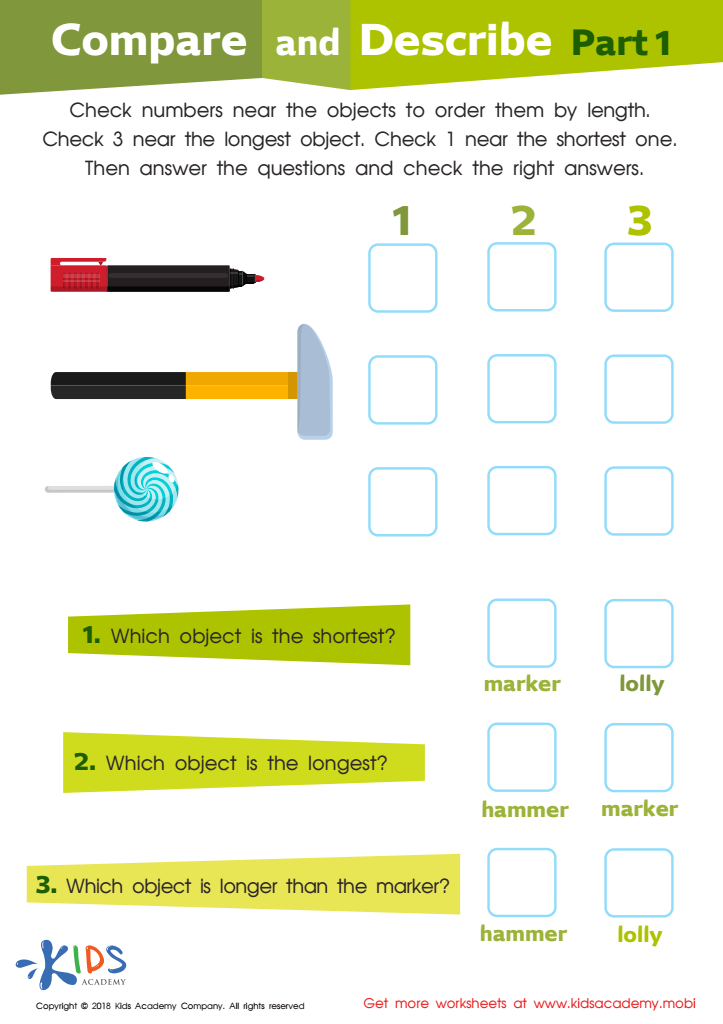
Compare and Describe: Part 1 Worksheet
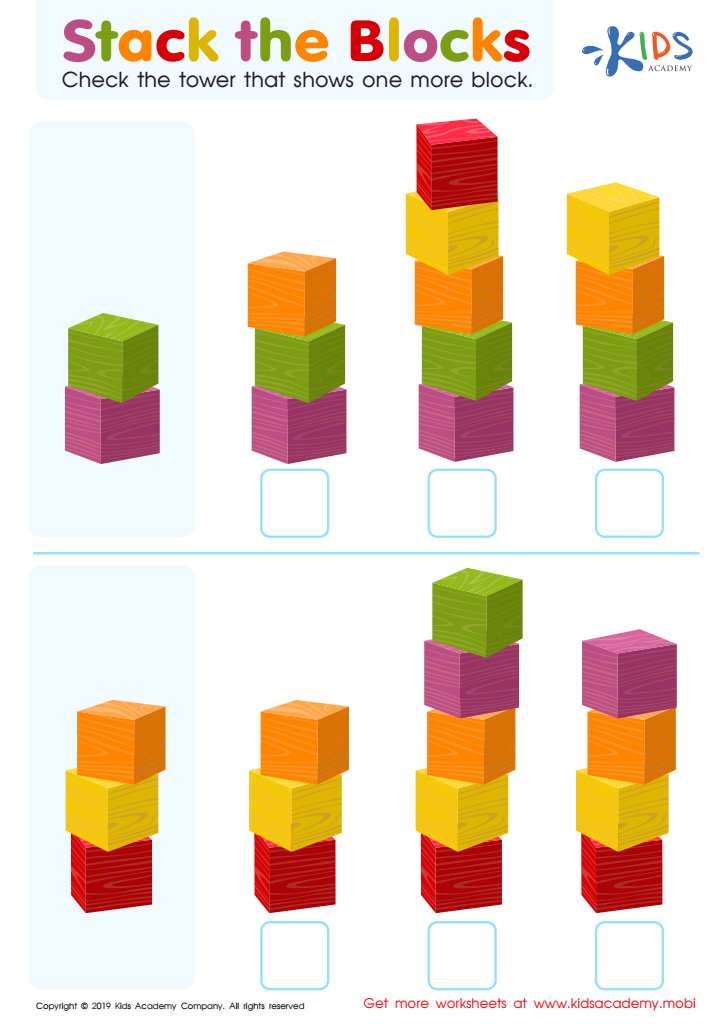
Stack the Blocks Worksheet
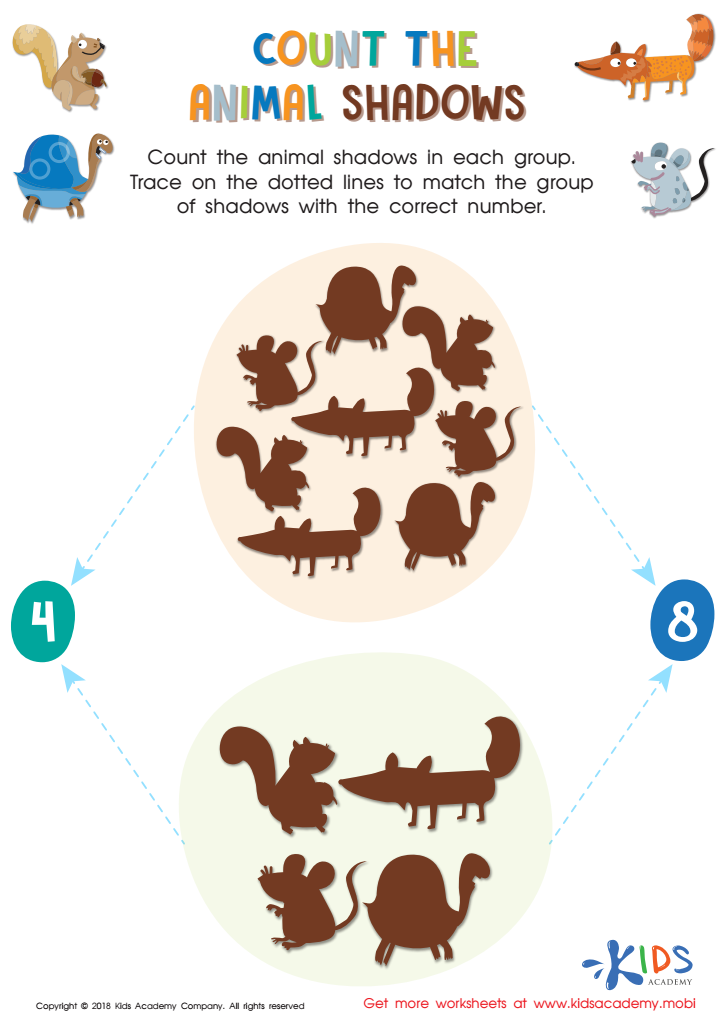
Count the Animal Shadows Worksheet
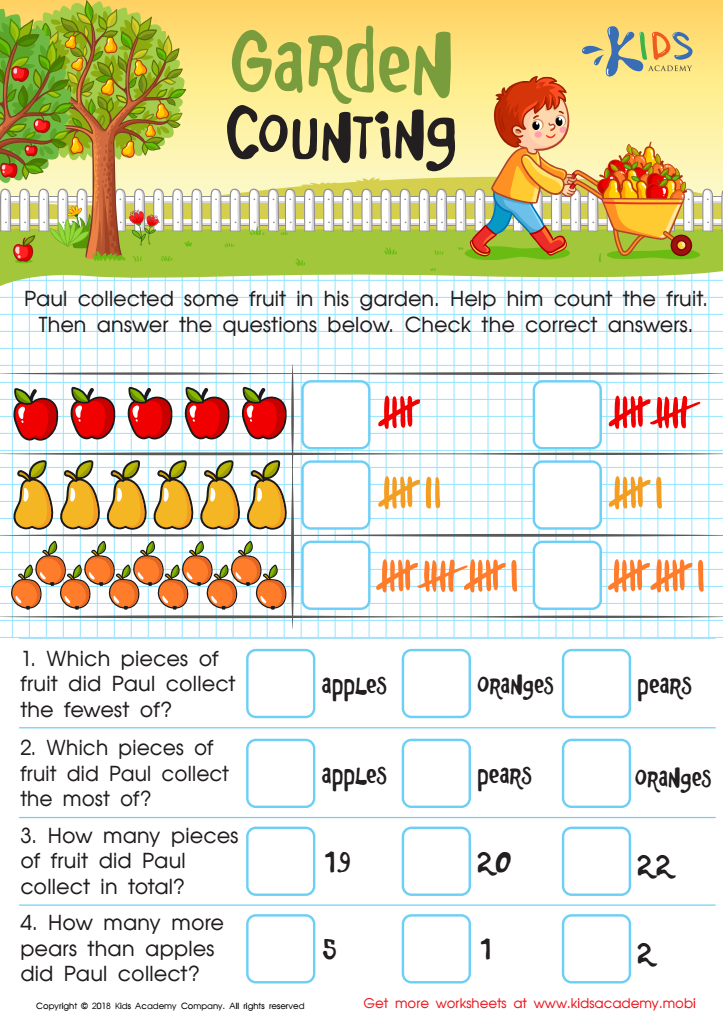
Garden Counting Worksheet
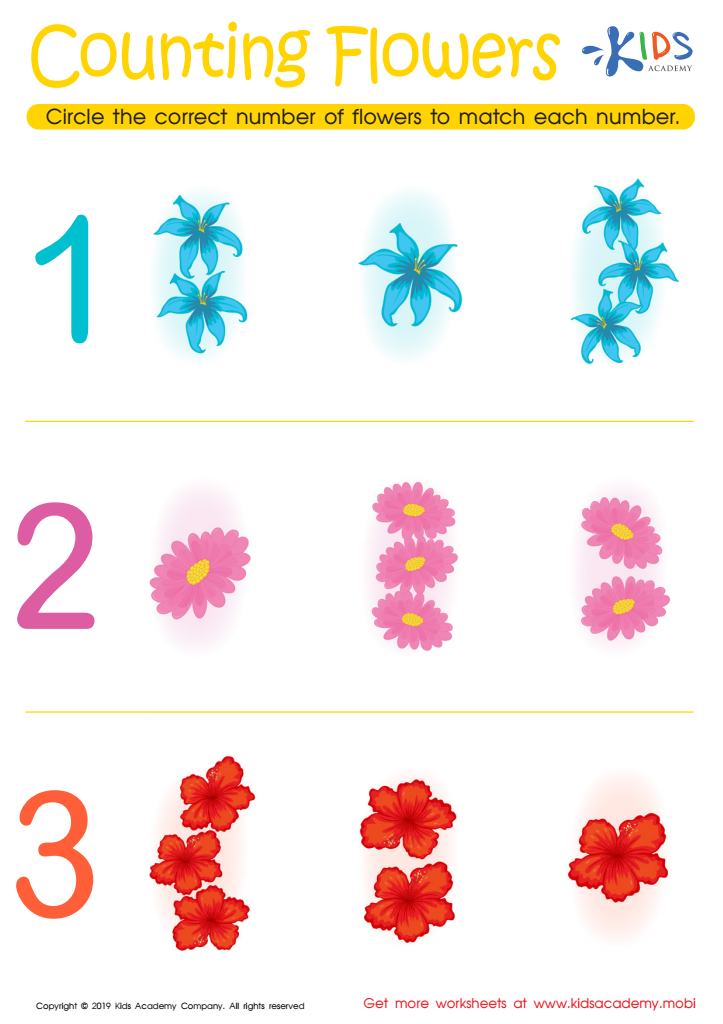
Counting Flowers Worksheet
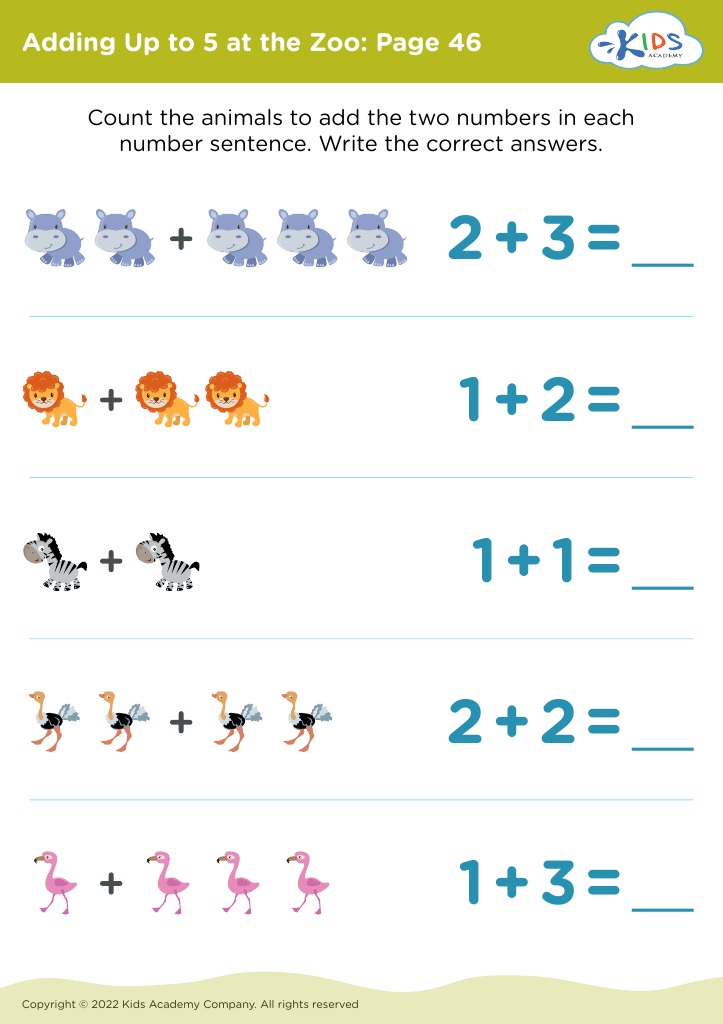
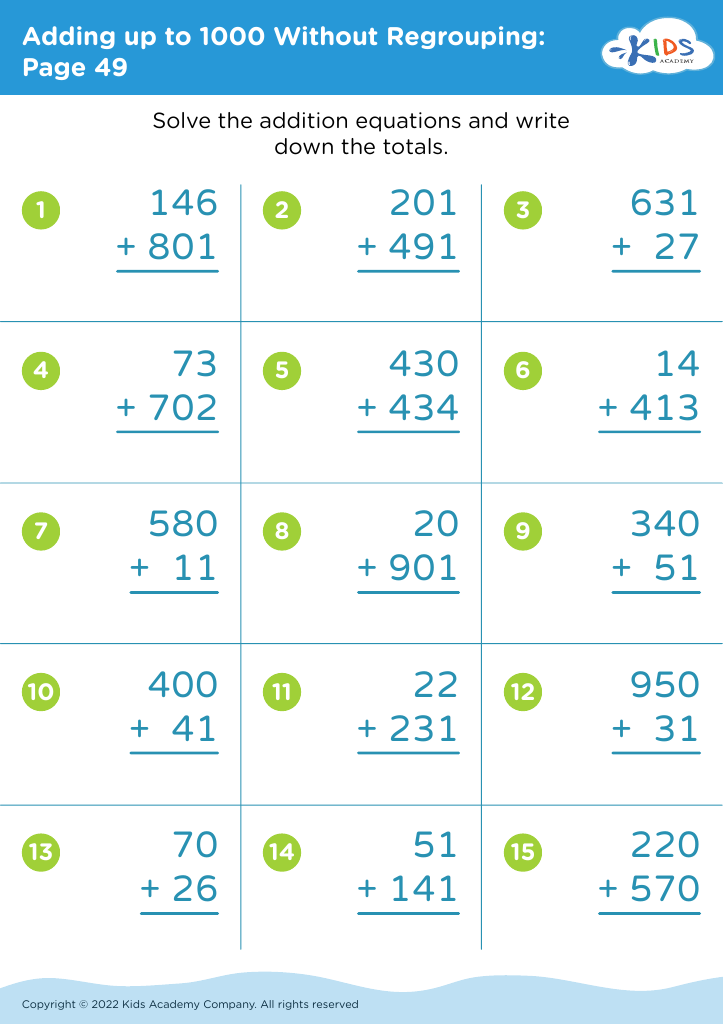
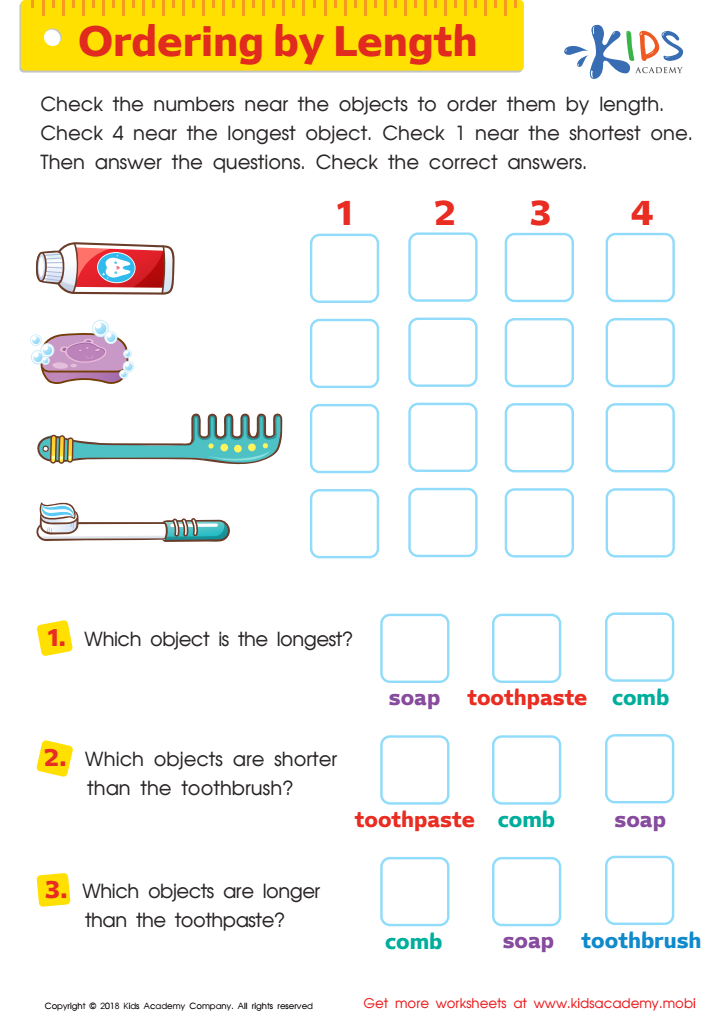
Ordering by Length Worksheet








Visual perception plays a crucial role in a child's ability to understand mathematics, especially for ages 4-7, a critical stage in their cognitive development. This foundational period is when children build essential skills necessary for more advanced mathematical concepts.
Parents and teachers should care about visual perception math because it enhances a child's ability to recognize shapes, understand spatial relationships, and make sense of numerical patterns. Strong visual perception significantly contributes to a child's proficiency in tasks such as counting, sorting, and problem-solving. Through activities that engage visual perception—like puzzles, shape sorting, and visual-spatial games—children develop a deeper understanding of mathematical concepts.
Moreover, visual perception math encourages critical thinking and boosts confidence, as children begin to trust their abilities in recognizing patterns and solving problems. This can lead to a positive attitude toward math as they progress in their educational journeys. By integrating visual perception into math learning, educators and parents can create enriching experiences that promote skill development and prepare children for future academic success. Thus, fostering visual perception is key to nurturing well-rounded, confident learners in mathematics.








