Problem-Solving Skills Two-step Word Problems Worksheets for Ages 4-7
12 filtered results
-
From - To
Enhance your child's critical thinking with our Problem-Solving Skills Two-step Word Problems Worksheets for Ages 4-7! These carefully designed exercises help young students tackle challenges by breaking problems into manageable steps. Through fun and engaging scenarios, kids develop essential problem-solving skills while building a strong math foundation. Perfect for school or home use, our worksheets support cognitive growth, encourage logical thinking, and promote confidence in young learners. Accessible and easy to follow, they are an invaluable resource for parents and educators aiming to inspire a love for mathematics. Boost your child's abilities now with our expertly crafted materials!
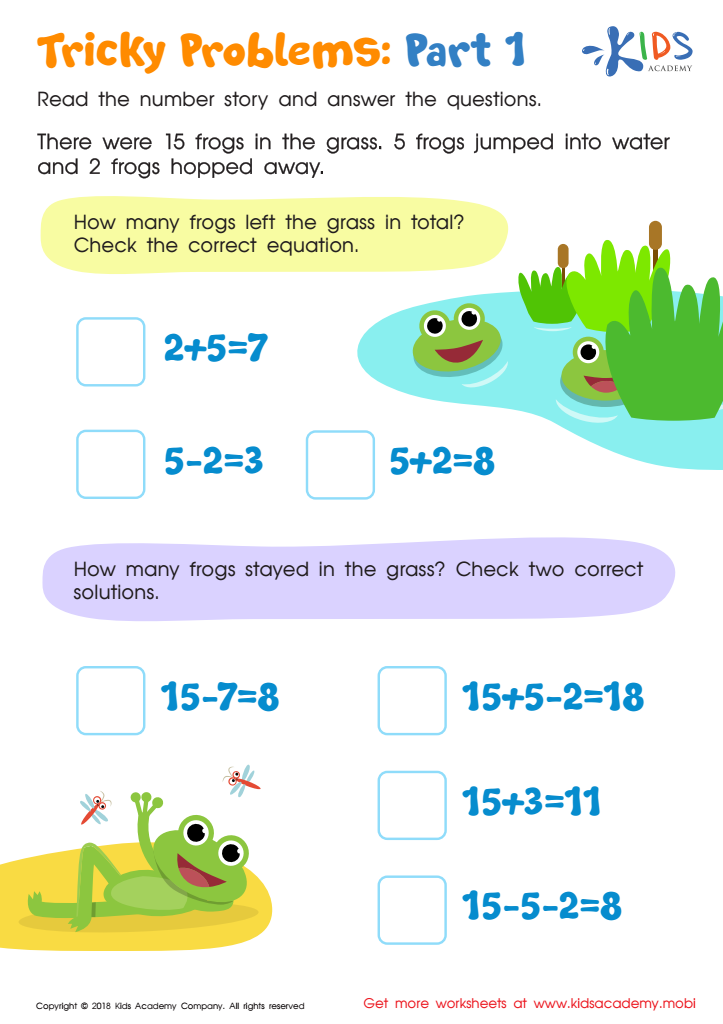
Tricky Problems Worksheet: Part 1
 Assign to My Students
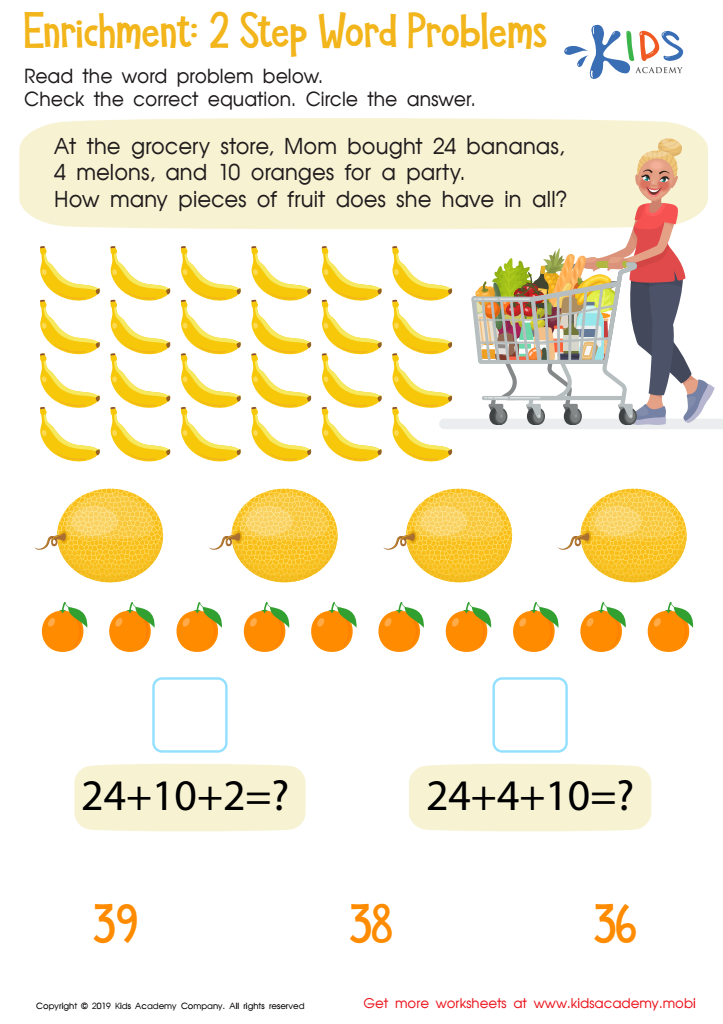
Enrichment -2 Step Word Problems Worksheet
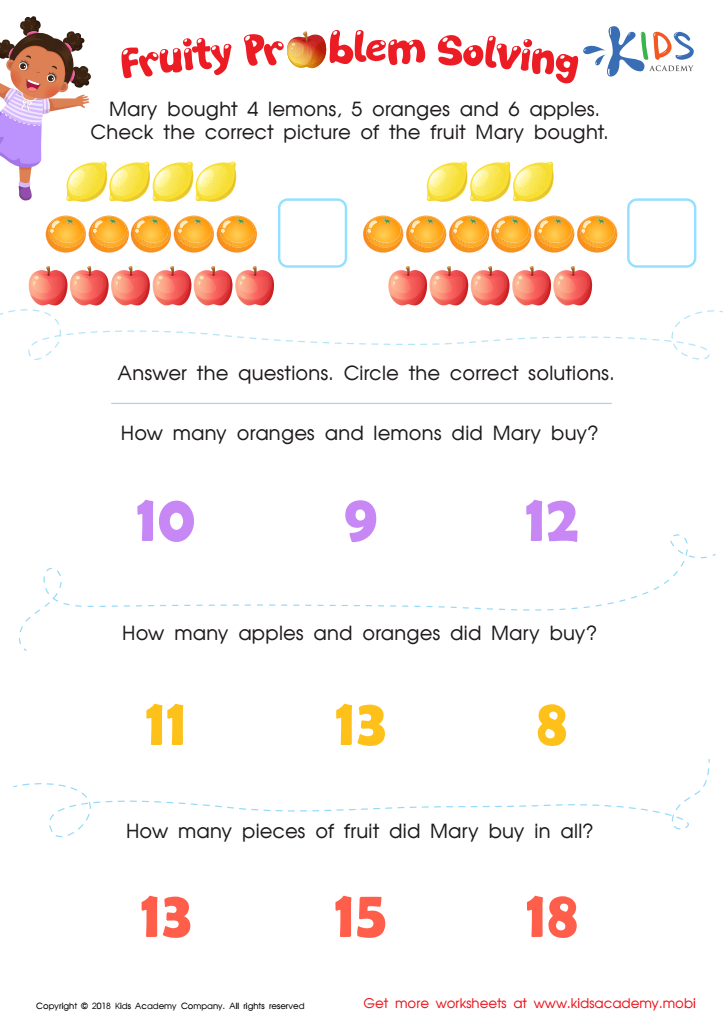
Fruity Problem Solving Worksheet
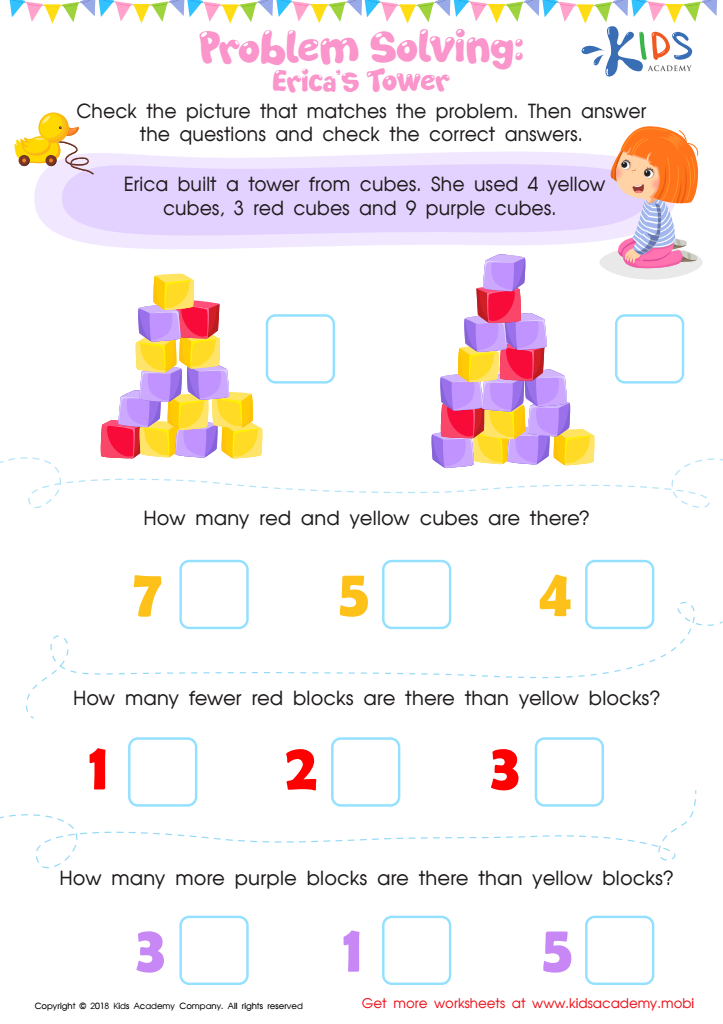
Problem Solving: Erica's Tower Worksheet
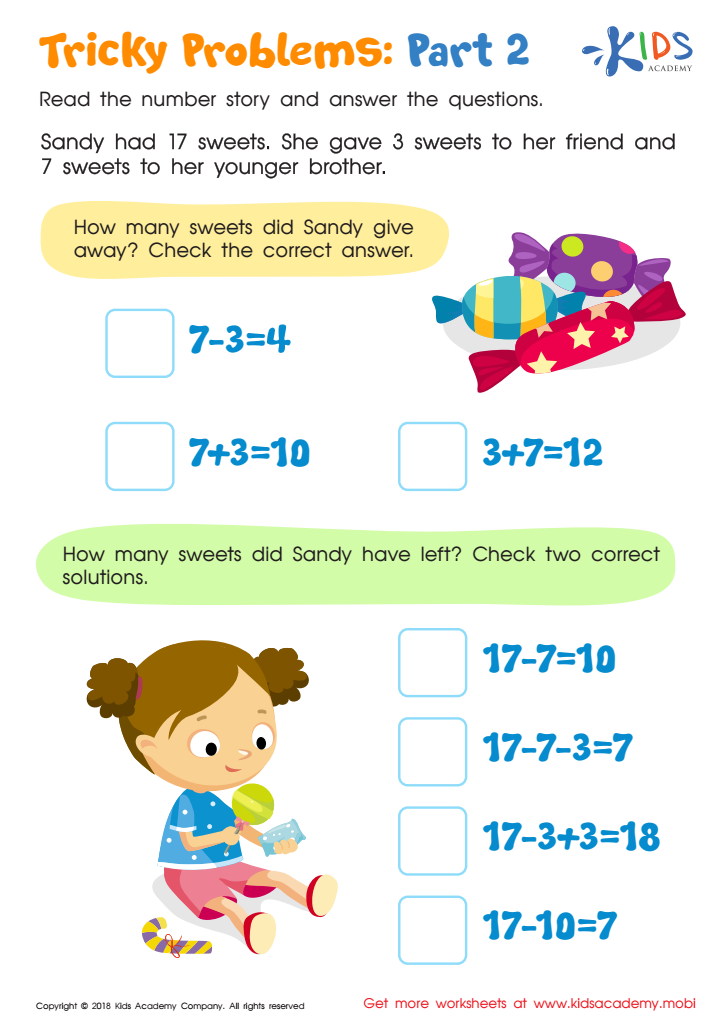
Tricky Problems Worksheet: Part 2
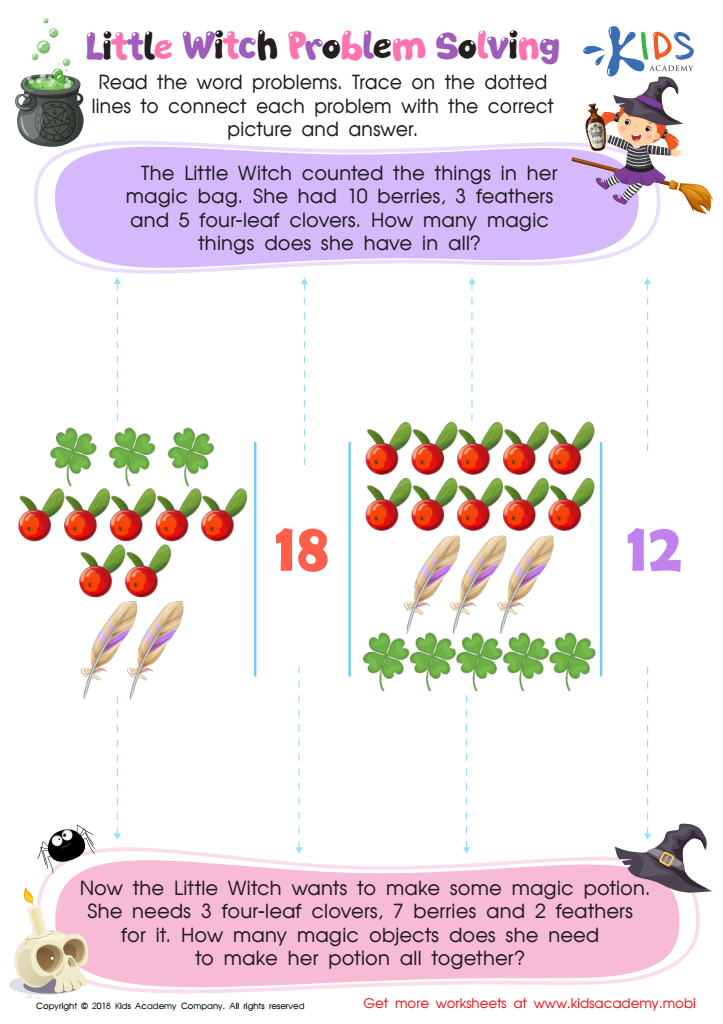
Little Witch Problem Solving Worksheet
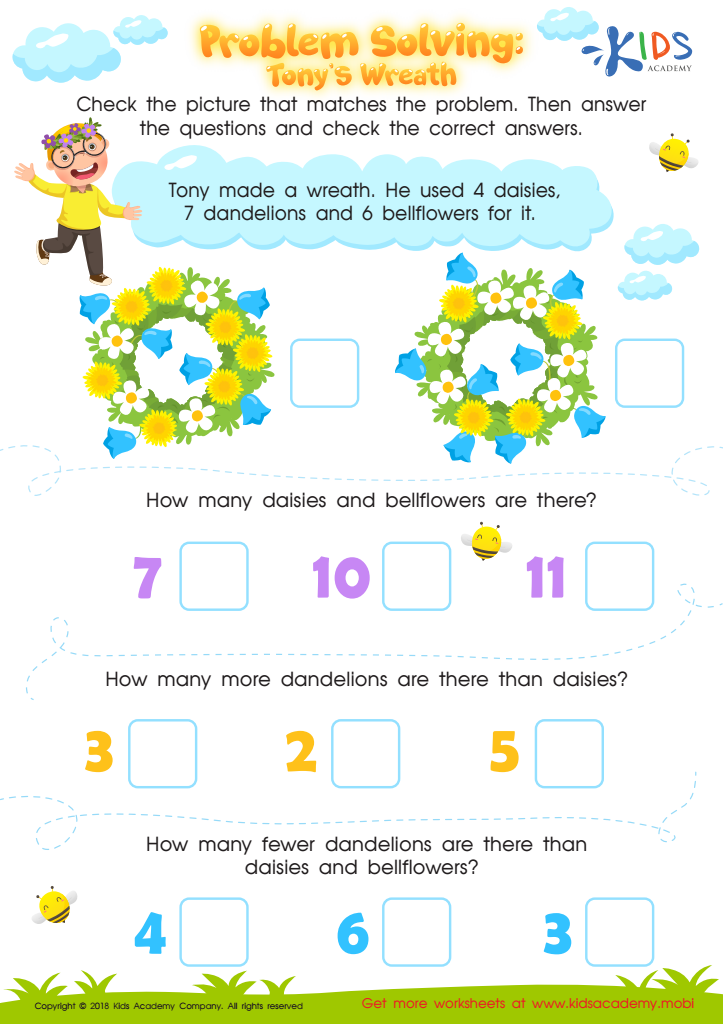
Problem Solving: Tony's Wreath Worksheet
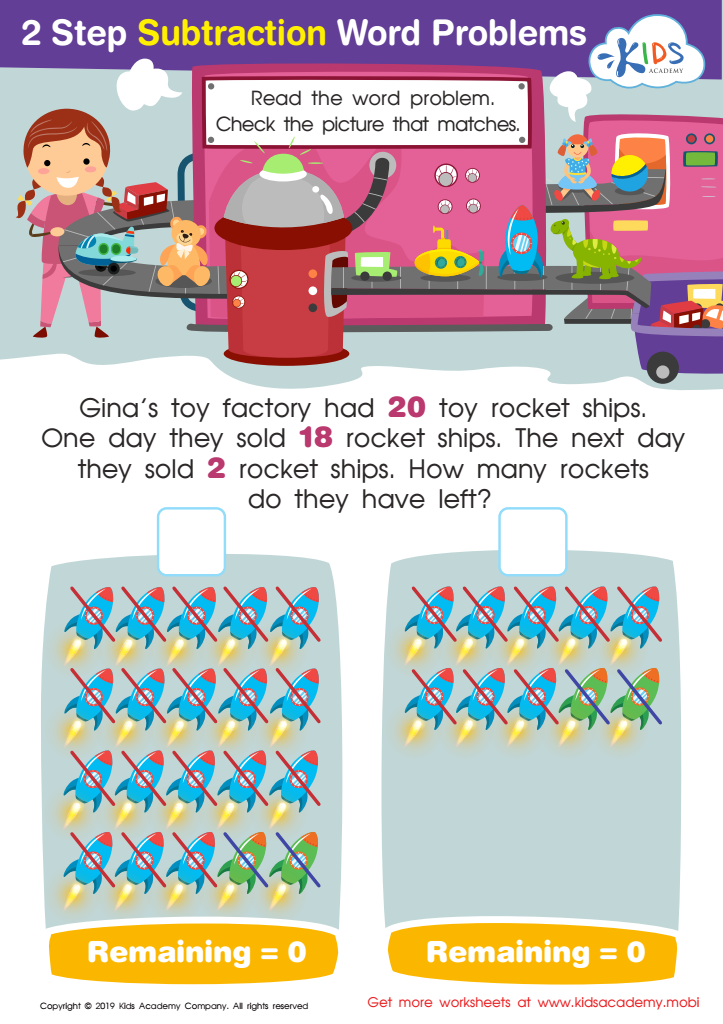
Step Subtraction Word Problems Worksheet
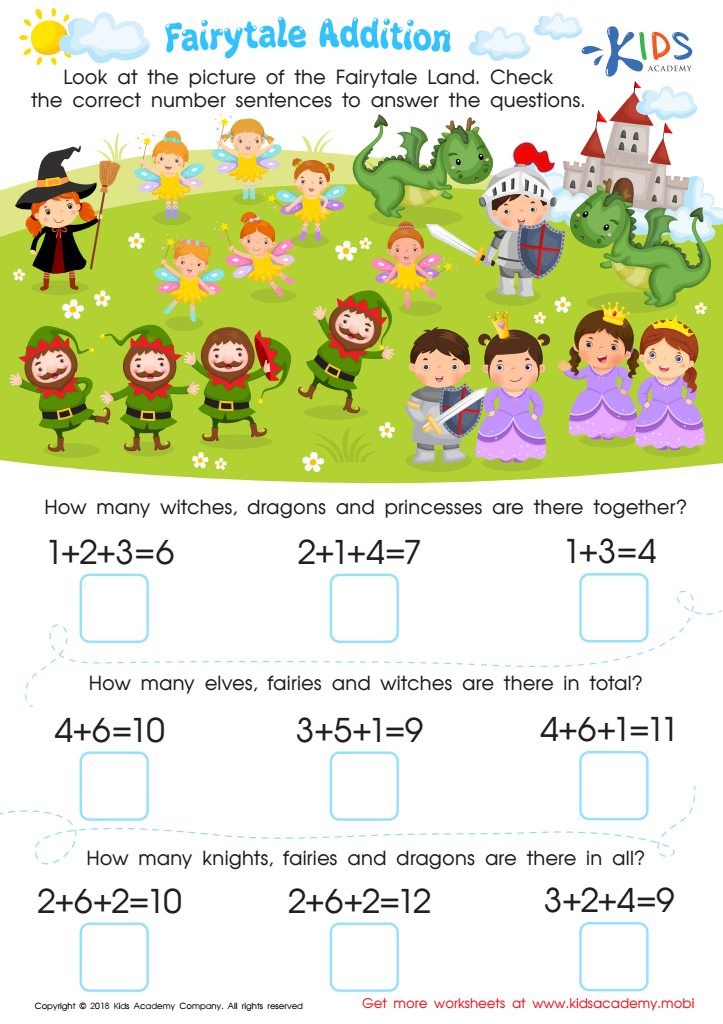
Fairytale Addition Worksheet
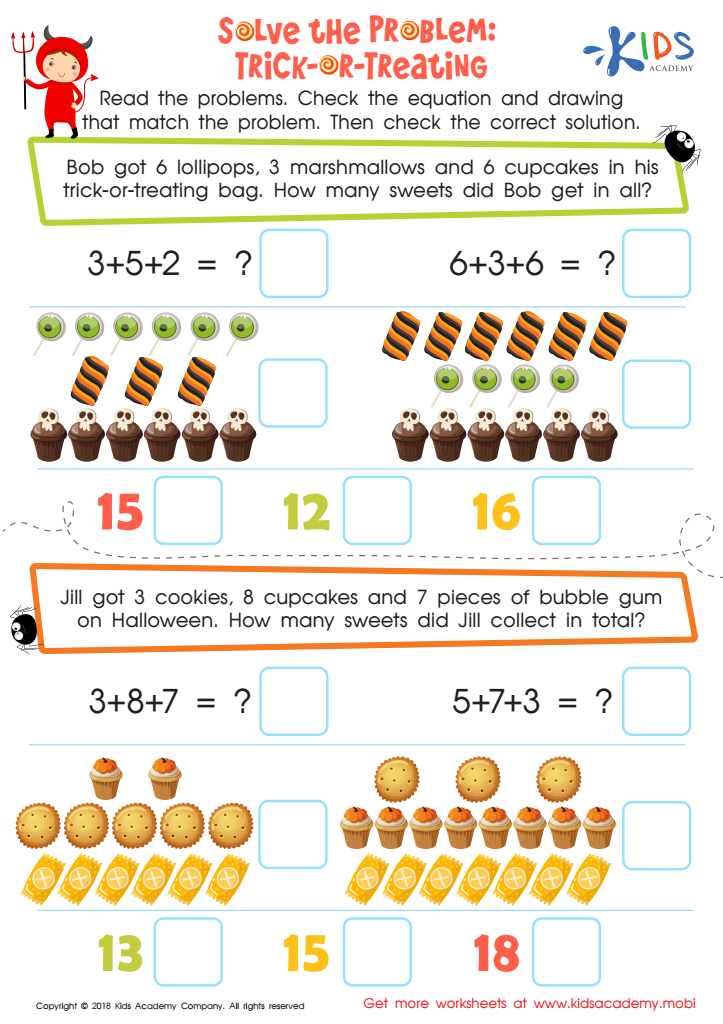
Solve the Problem: Trick–or–treating Worksheet
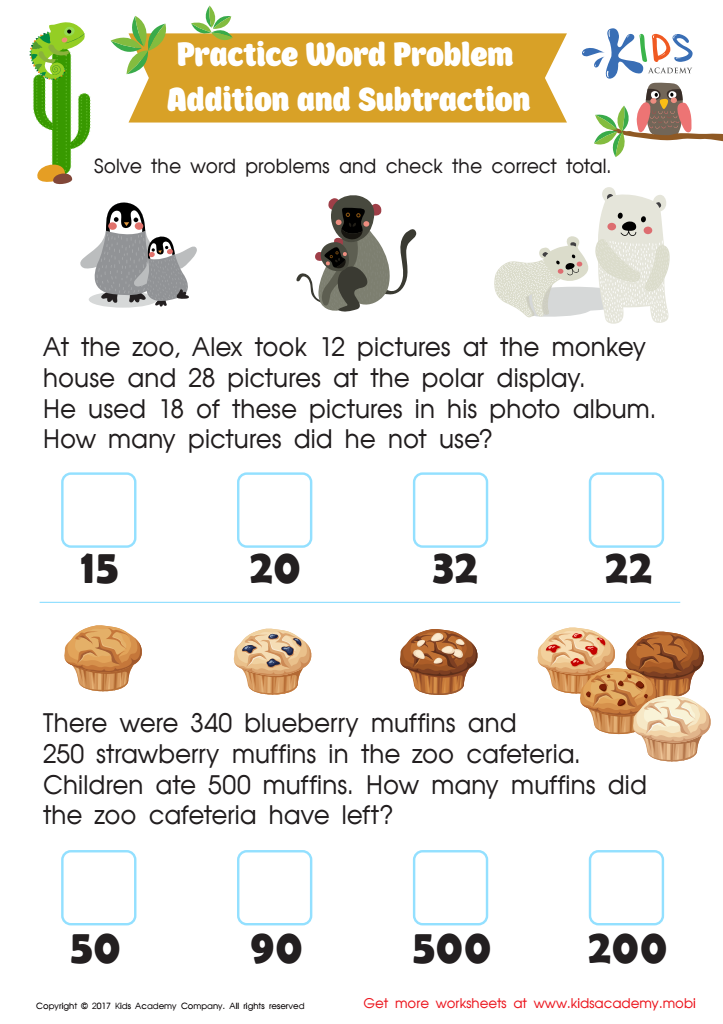
Addition and Subtraction: Word Problems Worksheet
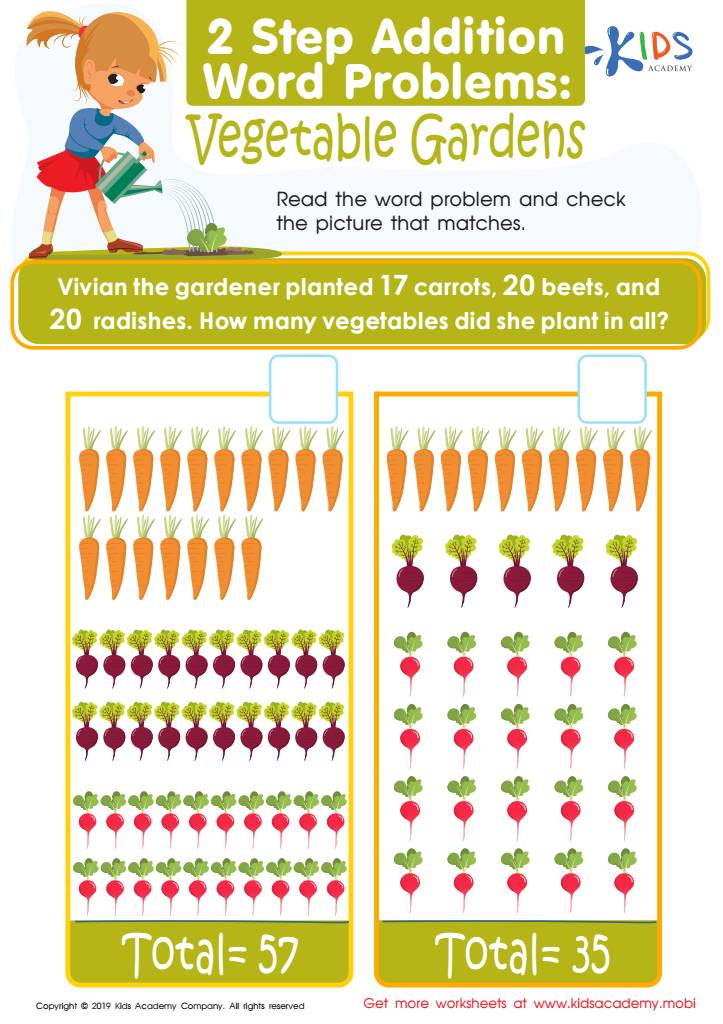
Vegetable Gardens Worksheet



Problem-solving skills, particularly when dealing with two-step word problems, are fundamental for children aged 4-7 because they lay the groundwork for critical thinking, mathematical comprehension, and real-world applications. At this formative stage, children's brains are highly malleable, making it the perfect time to nurture their cognitive and analytical abilities. Engaging with two-step word problems helps kids understand the importance of sequence and organization in solving complex issues, cultivating both patience and perseverance.
Additionally, these problems enhance mathematical literacy. Basic arithmetic operations become more meaningful when applied to story-like scenarios, enabling children to grasp the practical use of addition, subtraction, and other mathematical concepts. This dual-step framework encourages them to break down problems into manageable parts, fostering an analytical mindset that is valuable in every subject area.
Moreover, tackling such challenges boosts confidence and encourages a growth mindset. When kids solve these problems successfully, they learn to see mistakes as opportunities for learning rather than failures. This resilience is crucial for their future academic journey and life skills. Therefore, parents and teachers should care about incorporating two-step word problems into early education, as these exercises provide invaluable tools for cognitive development, practical mathematics, and emotional growth.