Basic Math Skills Building Vocabulary Worksheets for Ages 4-7
15 filtered results
-
From - To
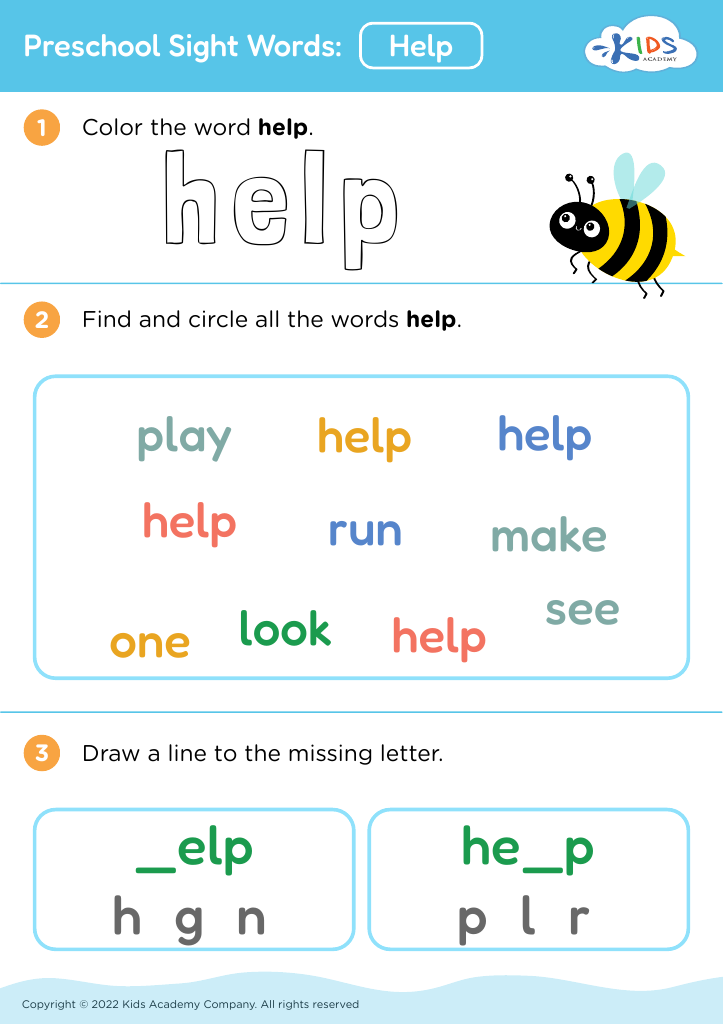
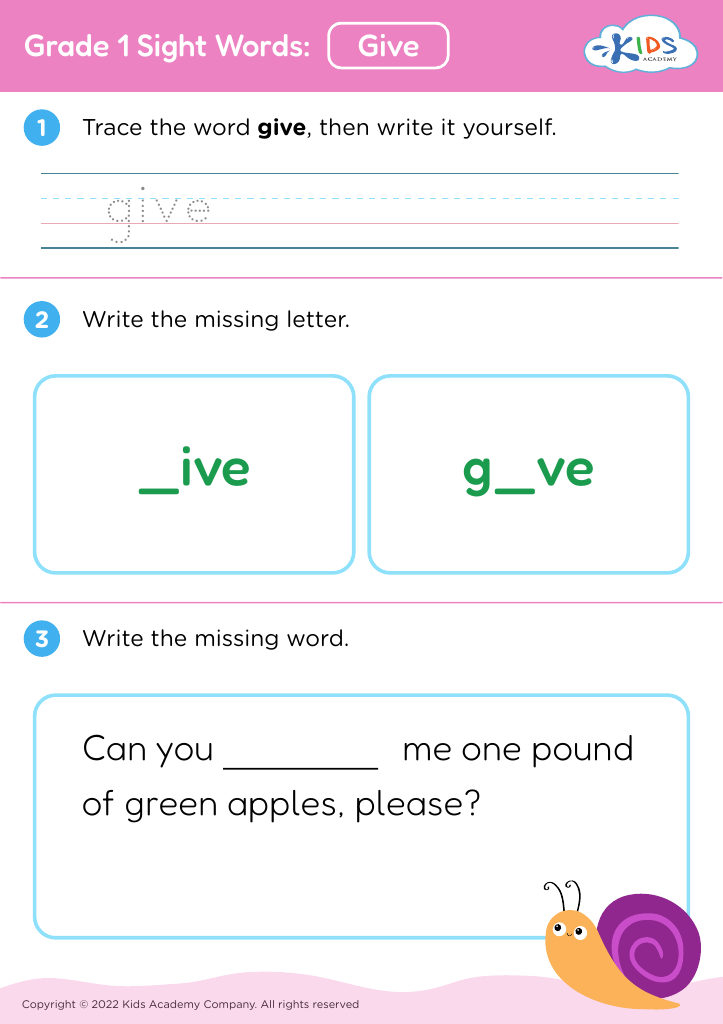
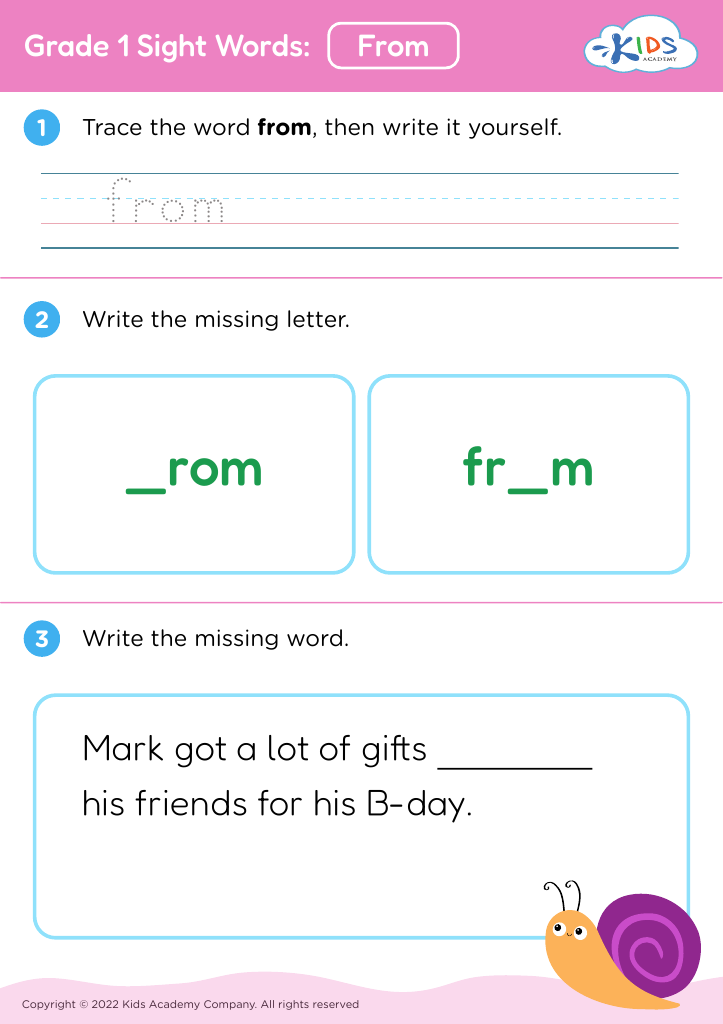
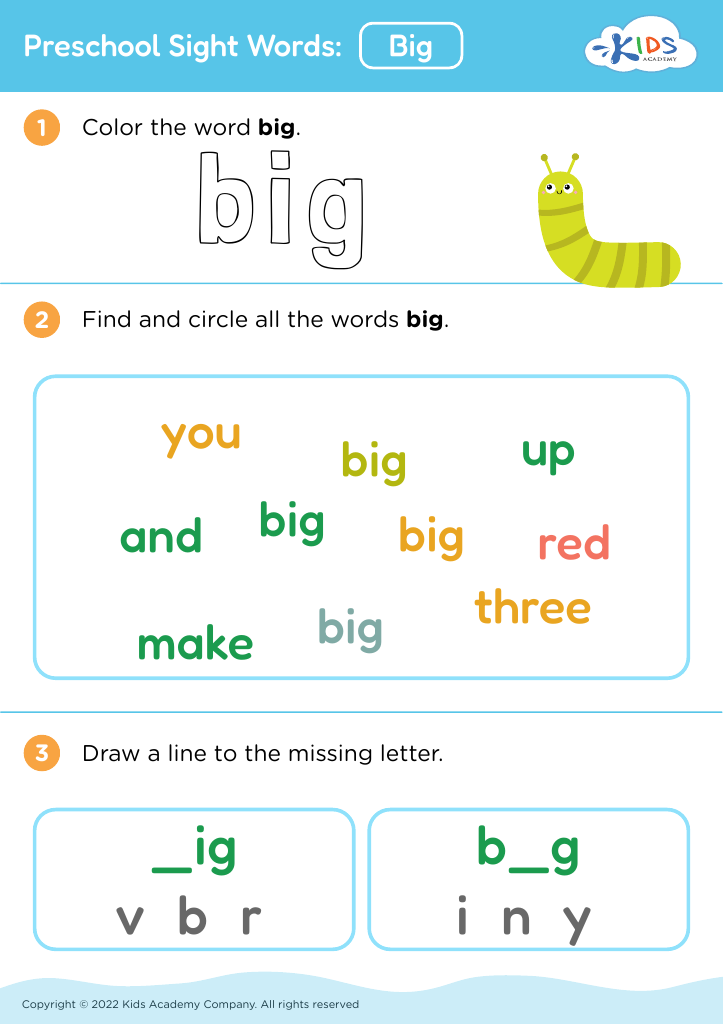
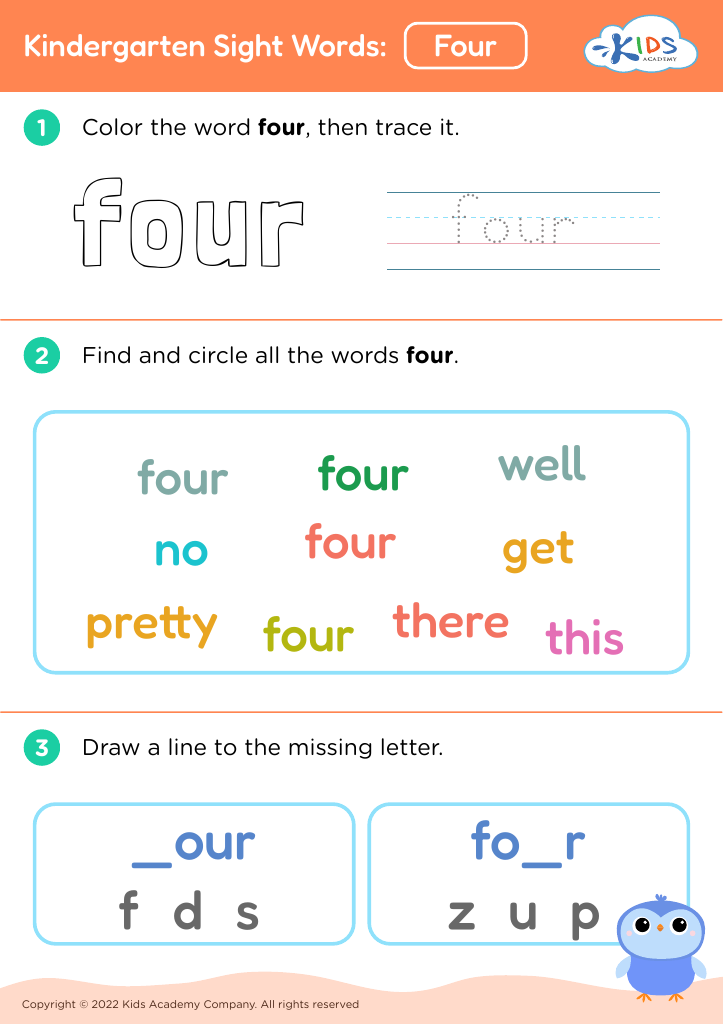
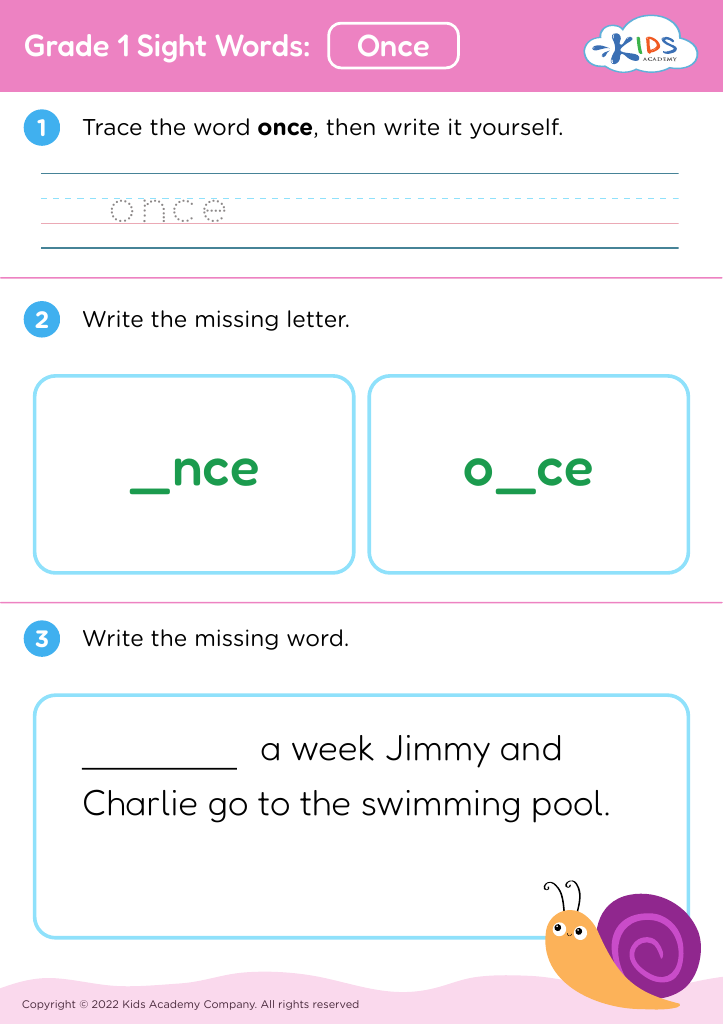
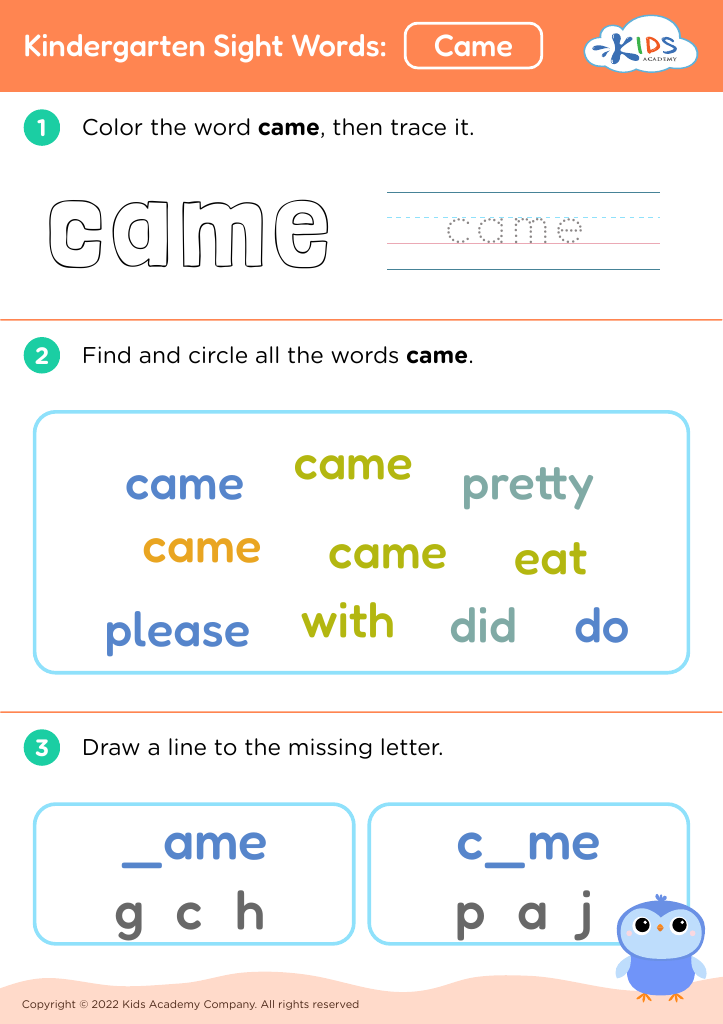
Enhance your child's learning journey with our "Basic Math Skills Building Vocabulary Worksheets" designed specifically for ages 4-7. These engaging worksheets help young learners master essential math vocabulary, making foundational concepts accessible and fun. Each worksheet is carefully crafted to reinforce skills such as counting, addition, subtraction, and shape recognition while promoting language development. With colorful illustrations and interactive exercises, your child will stay motivated and excited about learning. Perfect for home or classroom use, these worksheets will lay the groundwork for a lifetime of mathematical understanding. Start building confidence in math today while expanding your child's vocabulary!











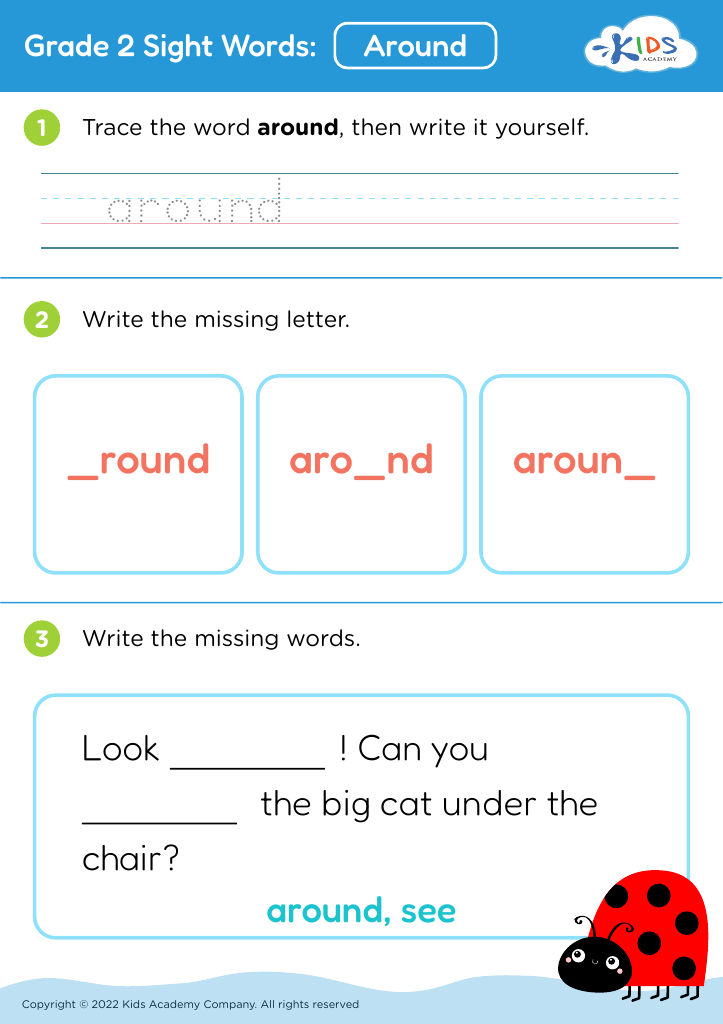
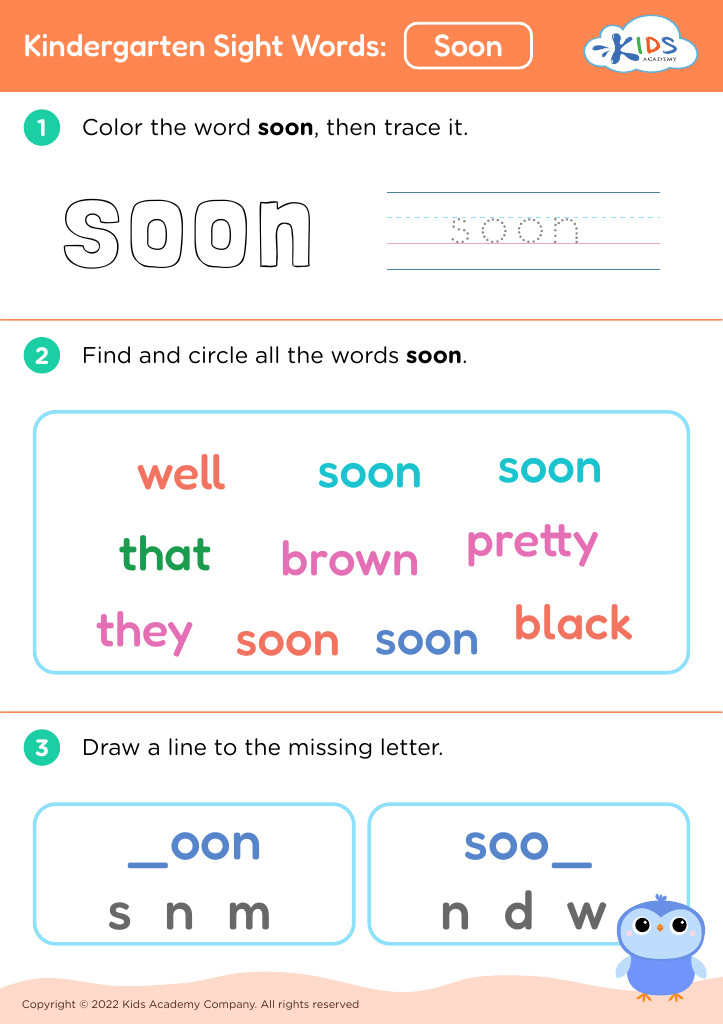
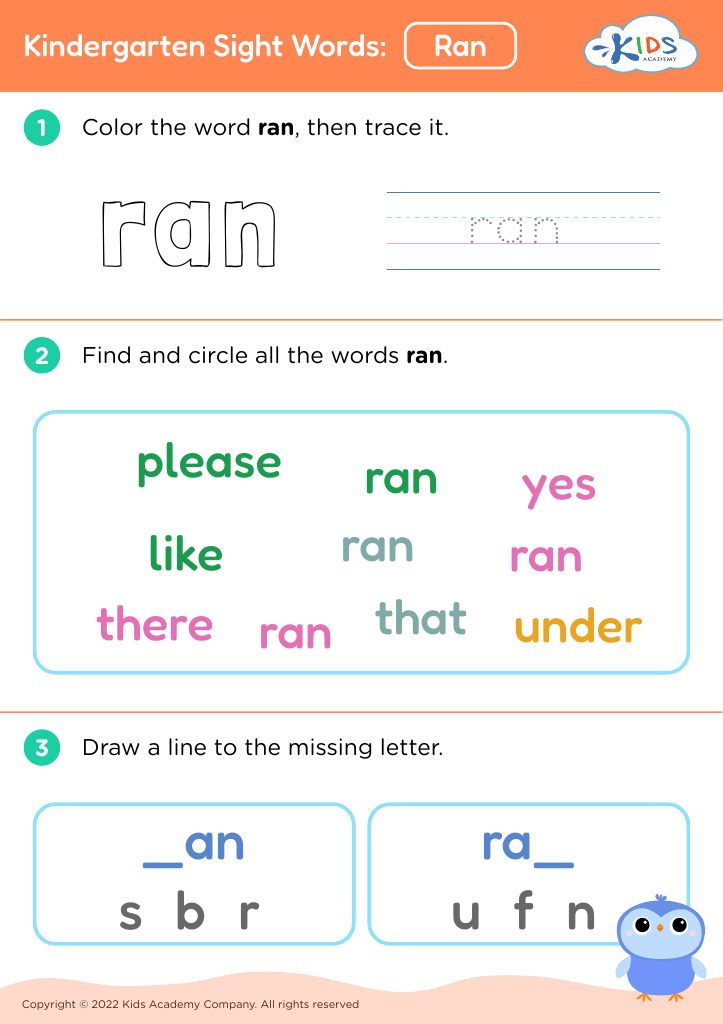
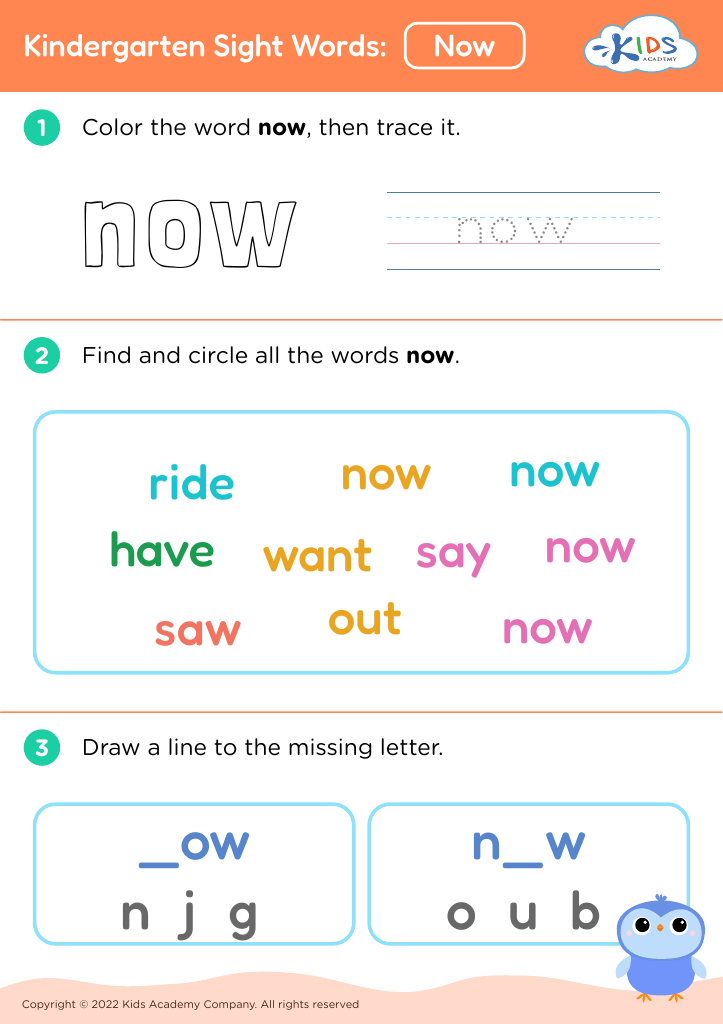








Basic math skills and vocabulary are foundational for children aged 4-7, and parents and teachers should prioritize their development for several reasons. First, a solid math vocabulary enhances comprehension. When children understand terms like "add," "subtract," "more," and "less," they can better grasp mathematical concepts and problem-solving strategies.
Moreover, math is present in everyday experiences. By equipping children with the necessary vocabulary, they can articulate their thoughts and understanding about quantities, shapes, and patterns, making learning more applicable and relevant. This foundation helps foster confidence and positive attitudes towards math, setting the stage for future academic success.
Additionally, language and math skills are interconnected. Developing vocabulary supports cognitive skills, enabling enhanced reasoning and critical thinking. Early exposure to math terms cultivates curiosity and encourages exploration, making it easier for children to engage in discussions about math and share their reasoning with peers, further enhancing collaborative learning.
In summary, nurturing basic math skills and vocabulary propels academic development, bolsters problem-solving abilities, enriches everyday experiences, and builds confidence, all of which prepare young learners for more complex mathematical concepts in the future. For these reasons, parents and teachers play a crucial role in fostering early math literacy.








