Improve reading comprehension Building Vocabulary Worksheets for Ages 4-7
5 filtered results
-
From - To
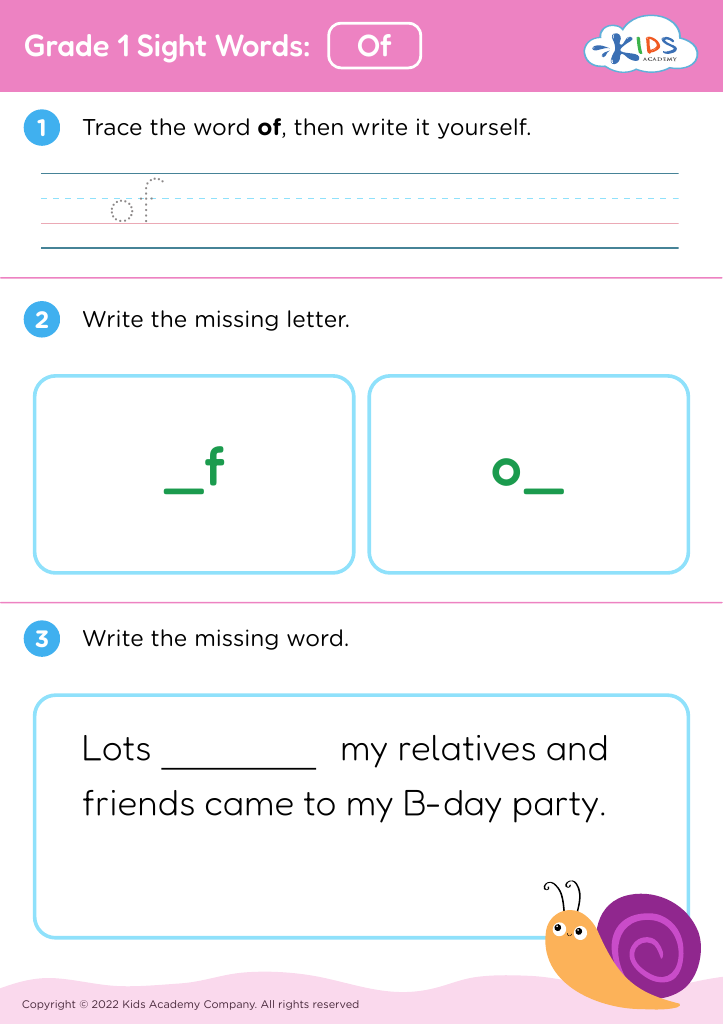
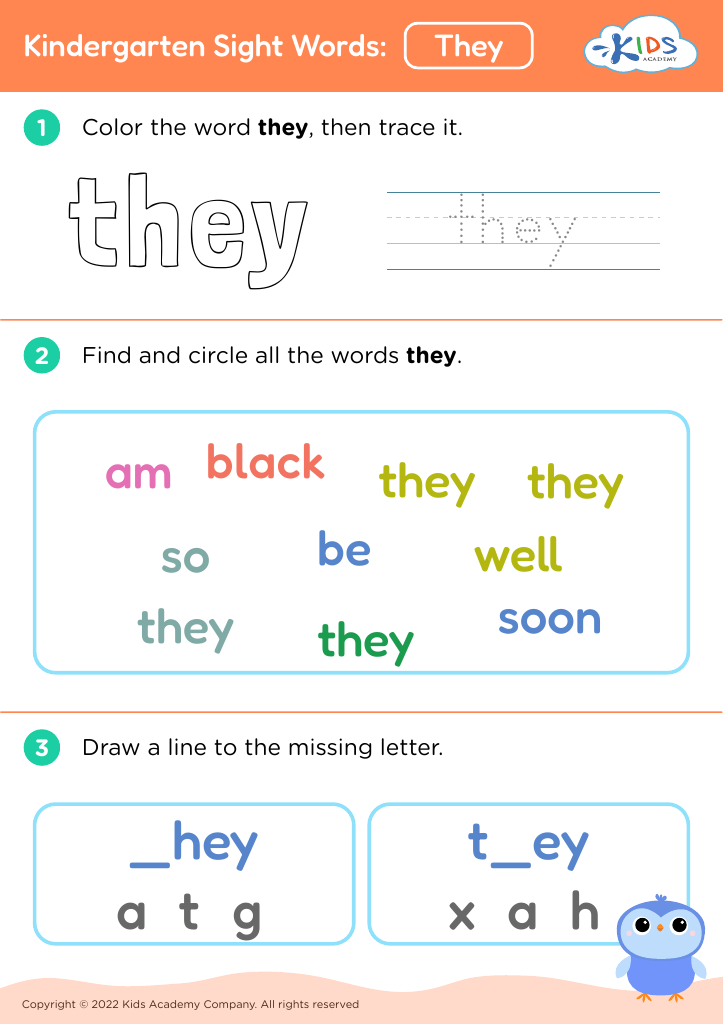
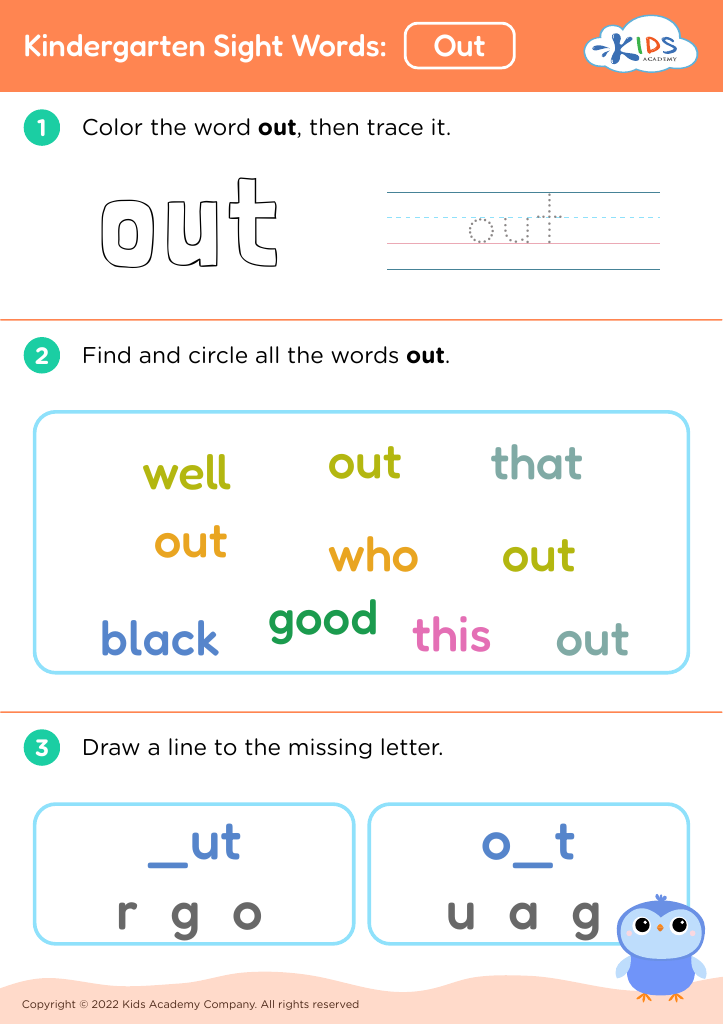
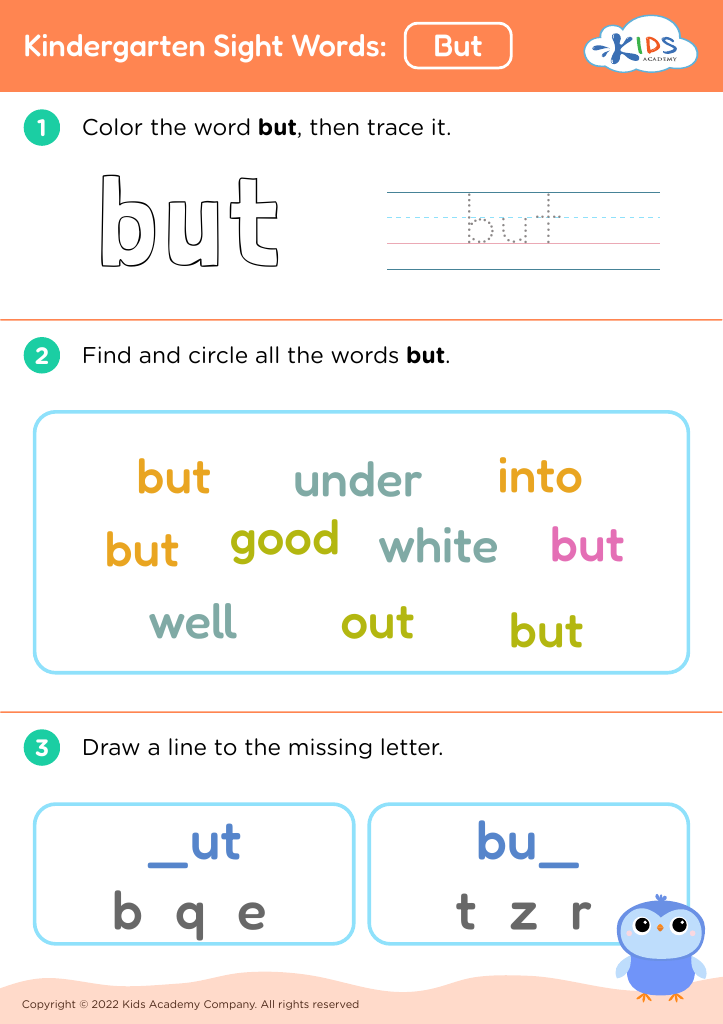
Enhancing reading comprehension in young learners is crucial for their academic success. Our "Improve Reading Comprehension: Building Vocabulary Worksheets" caters to children aged 4-7, helping to develop essential skills through engaging activities. Designed to stimulate curiosity and foster a love for reading, these worksheets focus on vocabulary building, encouraging children to explore new words in context. Interactive exercises promote retention and understanding, paving the way for stronger reading abilities. With bright illustrations and relatable themes, our resources make learning fun and effective. Give your child the tools they need to excel in reading and become confident, lifelong learners!
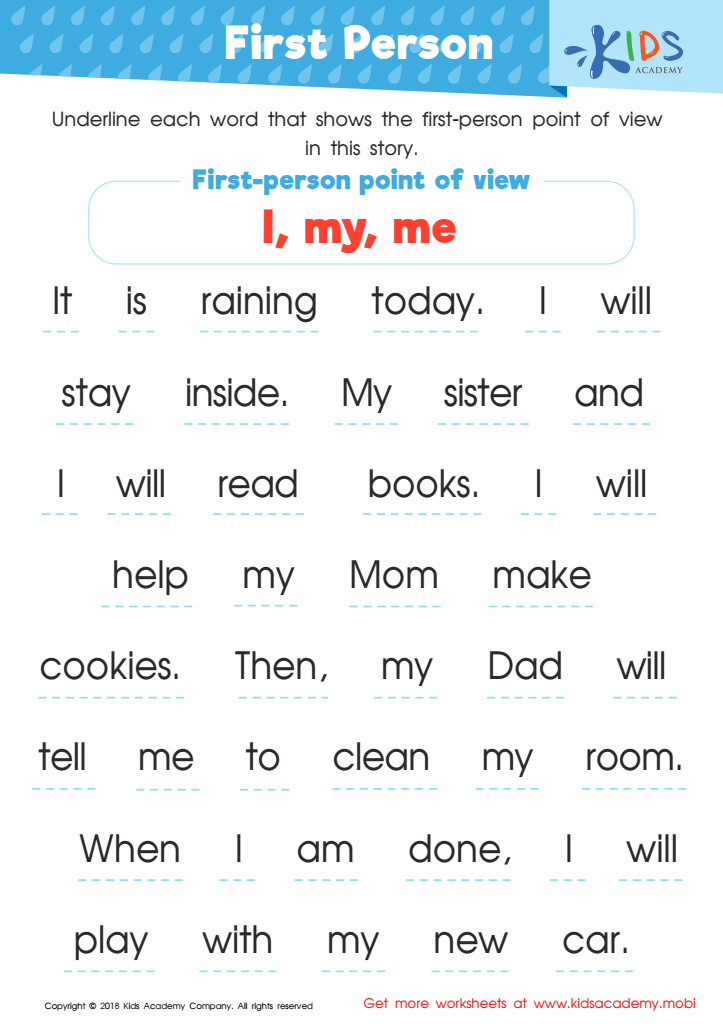
First Person Worksheet
 Assign to My Students













.jpg)





Improving reading comprehension and building vocabulary in ages 4-7 is crucial for fostering a child’s overall literacy development and academic success. During these formative years, children are introduced to the fundamentals of language, which lay the groundwork for their future reading and writing abilities. A robust vocabulary enhances a child's ability to understand and engage with texts, making reading both enjoyable and informative. When children encounter new words, they increase their understanding of the world around them, aiding their critical thinking skills and boosting their cognitive development.
Moreover, strong reading comprehension allows children to grasp the themes, ideas, and nuances of stories, facilitating better communication skills and self-expression. Engaging in dialogue about books, asking questions, and encouraging prediction about stories also help children develop analytical thinking skills. Parents and teachers play a pivotal role by creating an enriching environment where vocabulary is prioritized through playful activities, shared reading, and exposure to diverse language and literature. Ultimately, caring for reading comprehension and vocabulary wouldn't only enhance a child’s immediate literacy skills but also set them up with essential tools for lifelong learning and successful interpersonal communication. Investing time and resources in this area yields significant returns for classroom engagement and future academic achievements.








