Letter recognition Building Vocabulary Worksheets for Ages 4-7
8 filtered results
-
From - To
Enhance your child's literacy skills with our engaging Letter Recognition Building Vocabulary Worksheets designed for ages 4-7! These interactive worksheets make learning fun, allowing kids to practice identifying letters and associating them with corresponding words. Perfect for early learners, our resources improve letter recognition and vocabulary simultaneously. Activities include tracing letters, matching letters to images, and coloring exercises that reinforce learning through creativity. Ideal for classroom or home use, these worksheets support a strong foundation in reading and writing. Help your child develop essential language skills while fostering a love for learning with our delightful letter recognition worksheets! Explore our collection today!
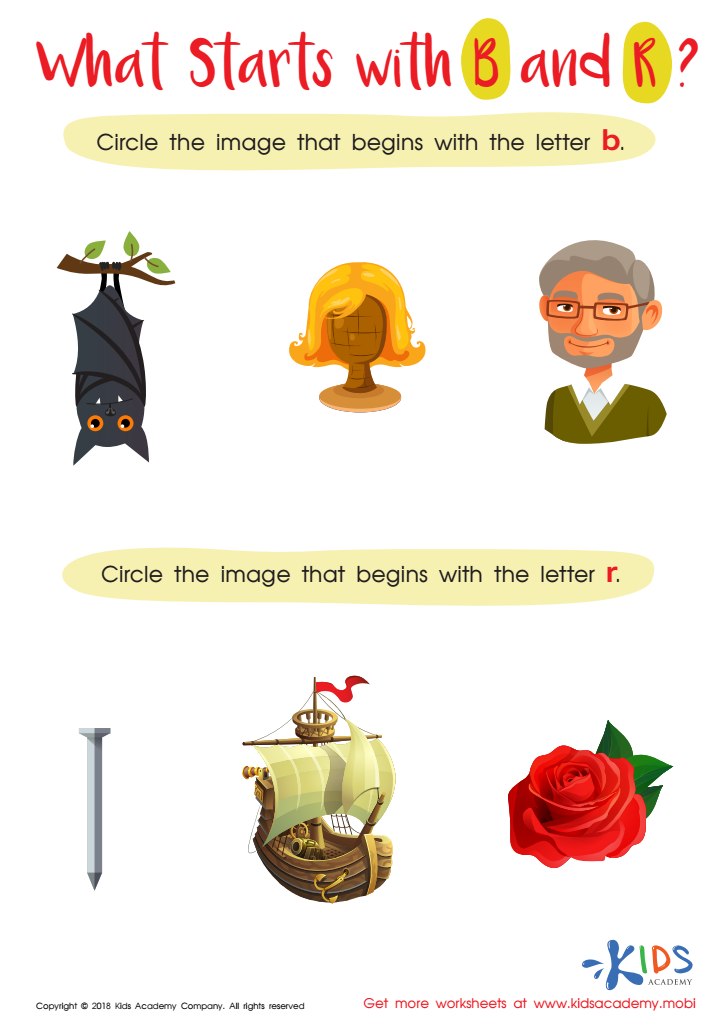
What Starts with B and R? Worksheet
 Assign to My Students











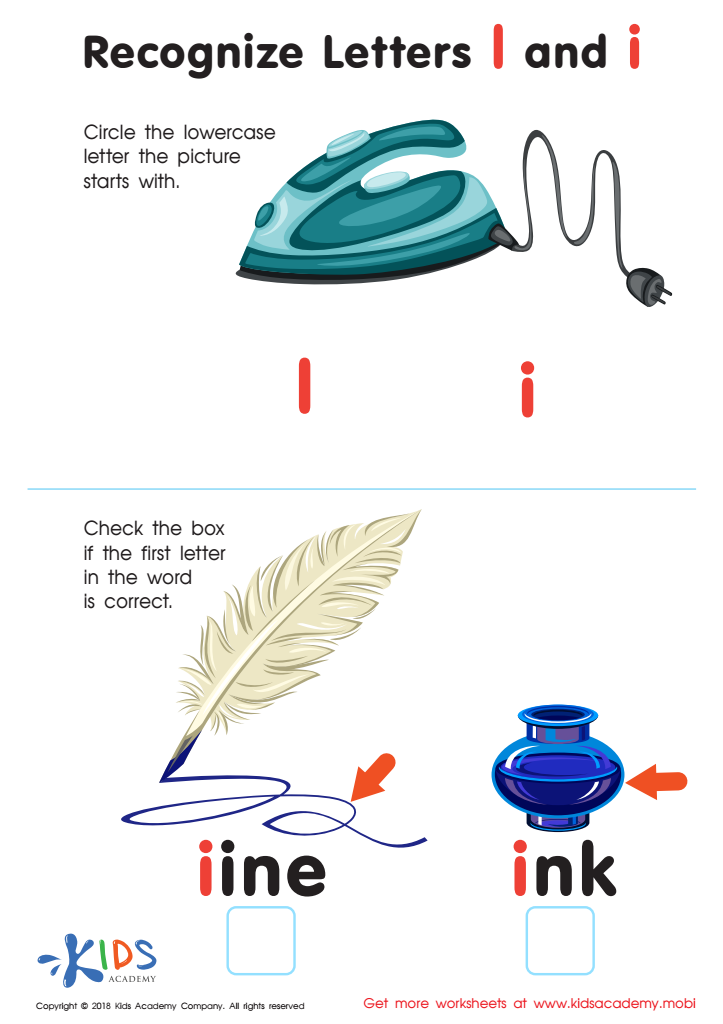
Recognize Letters l and i Worksheet
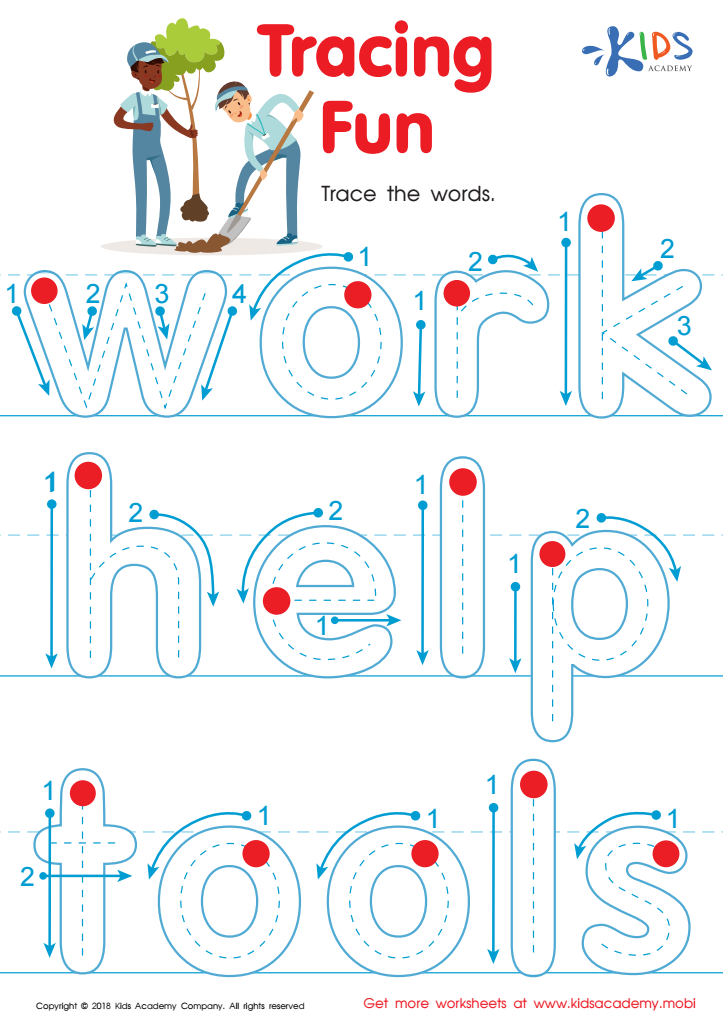
Tracing Fun Worksheet
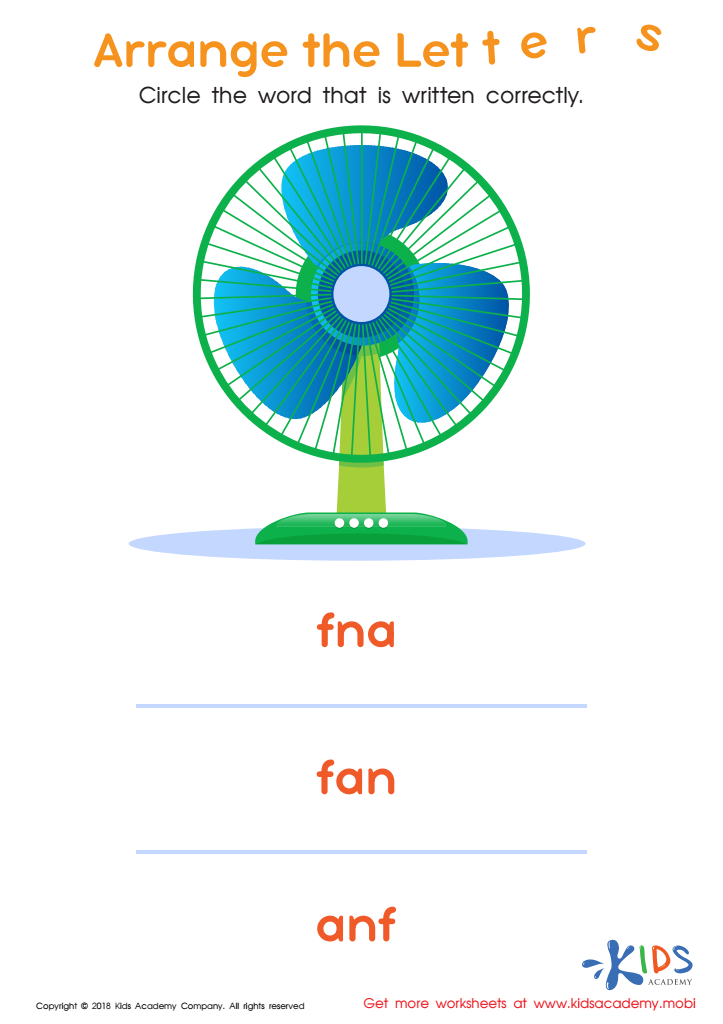
Arrange the Letters Worksheet
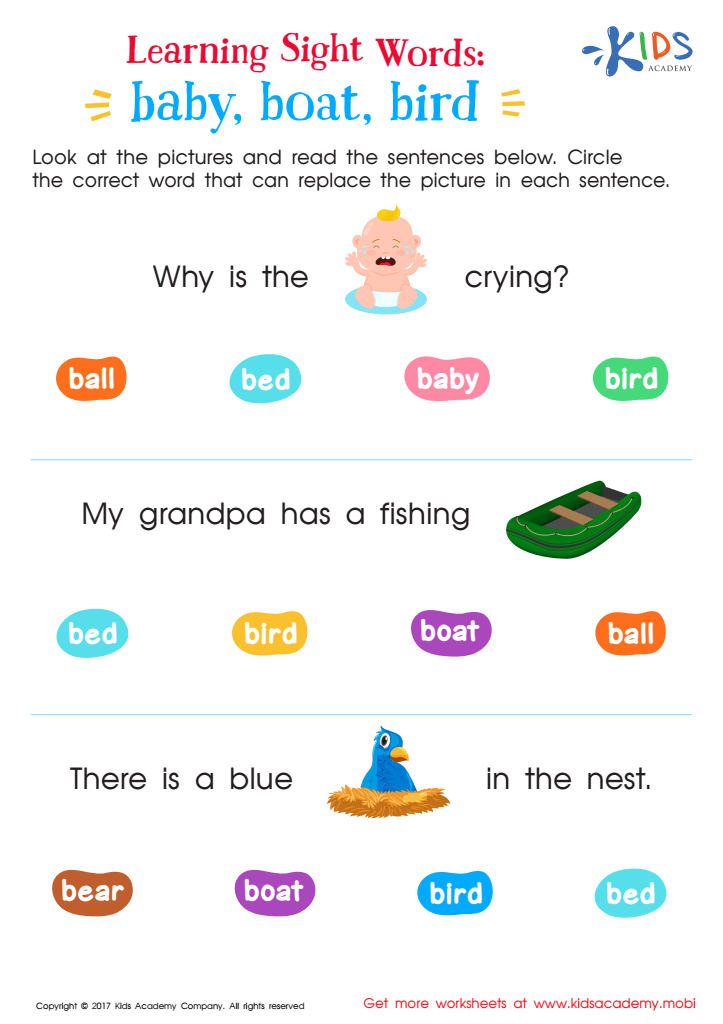
Baby, Boat, Bird Worksheet Sight Words Worksheet
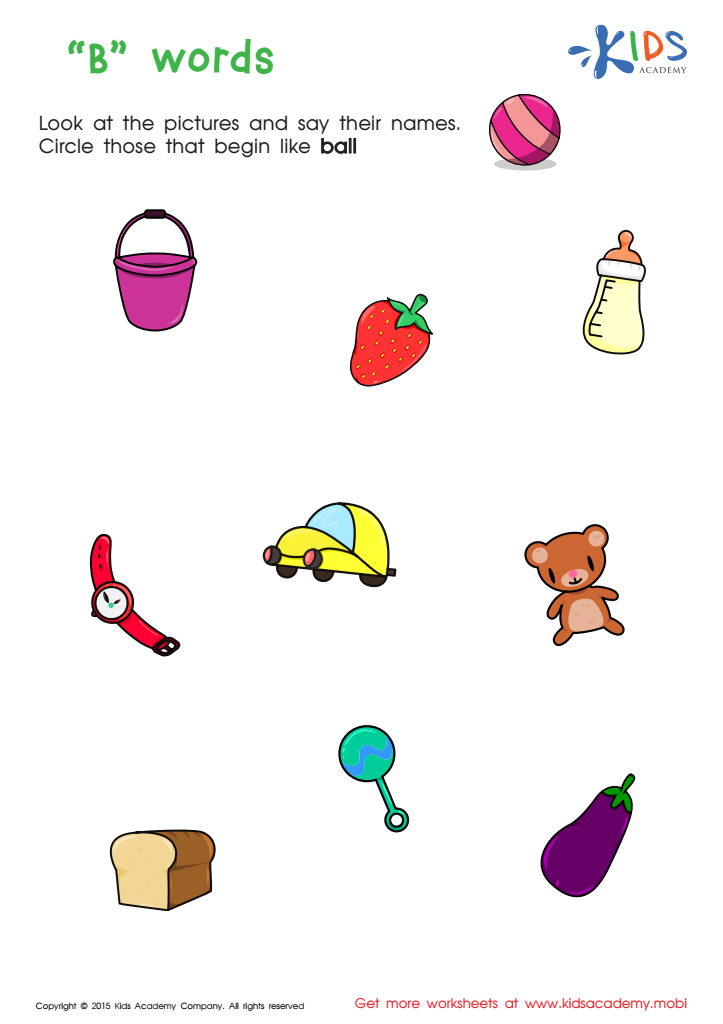
First Words Worksheet
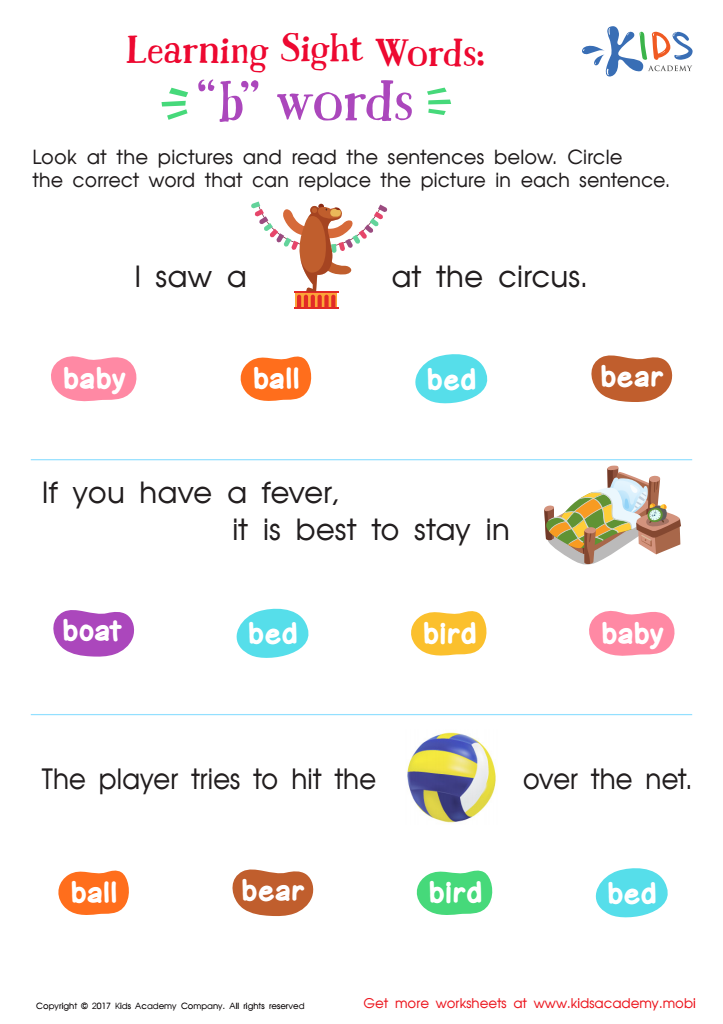
"B" Words Printable Sight Words Worksheet
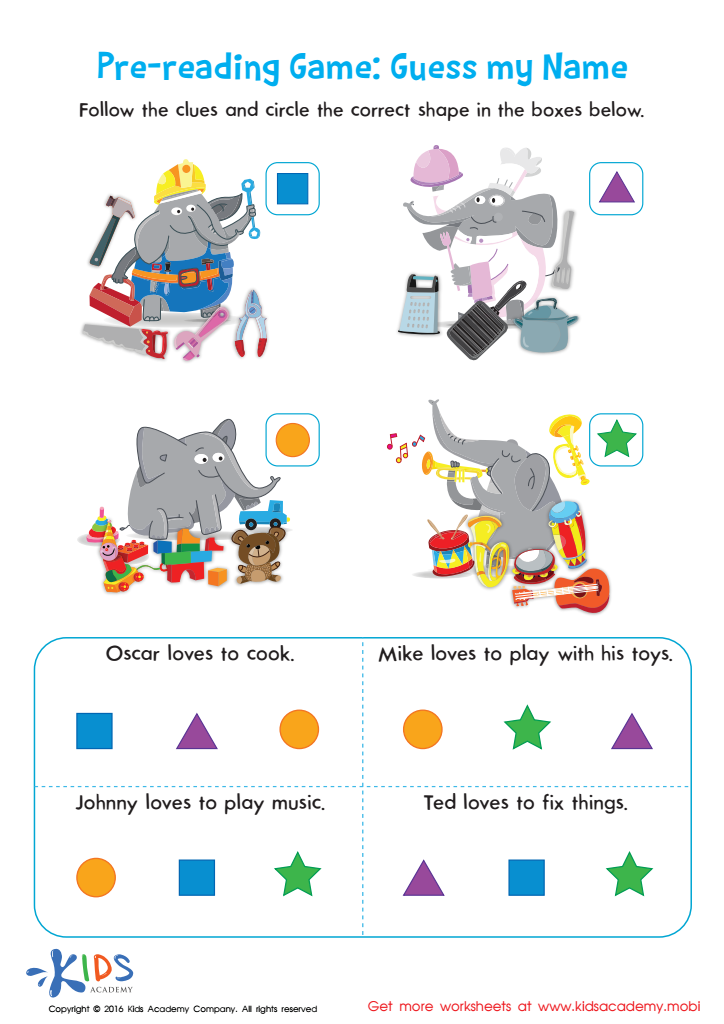
Pre Reading Worksheet Guess My Name






.jpg)

Letter recognition and vocabulary building are crucial for children's early literacy development, especially for ages 4-7. At this critical stage, children begin to form the foundation for reading and writing skills that will greatly impact their academic success.
Parents and teachers should care about letter recognition as it helps children identify and differentiate between letters, which is essential for reading proficiency. When children can recognize letters, they become more confident in their ability to read words, fostering a love for books and learning.
Building vocabulary during these formative years is equally important. A rich vocabulary enhances children's communication skills, enabling them to express their thoughts and feelings more effectively. When children are exposed to new words through conversations, reading, and engaging activities, they can better understand the world around them, which promotes cognitive development.
Moreover, early vocabulary development correlates with success in later academics. Evidence shows that children with strong vocabulary skills in the early years tend to perform better in school later on.
In essence, nurturing letter recognition and vocabulary in young children fosters essential skills that set the stage for lifelong learning and achievement. Parents and teachers play pivotal roles in this nurturing process, helping to cultivate a confident and literate generation.








