
Problem Solving Building Vocabulary Worksheets for Ages 4-7
3 filtered results
Difficulty Level
Grade
Age
-
From - To
Subject
Activity
Standards
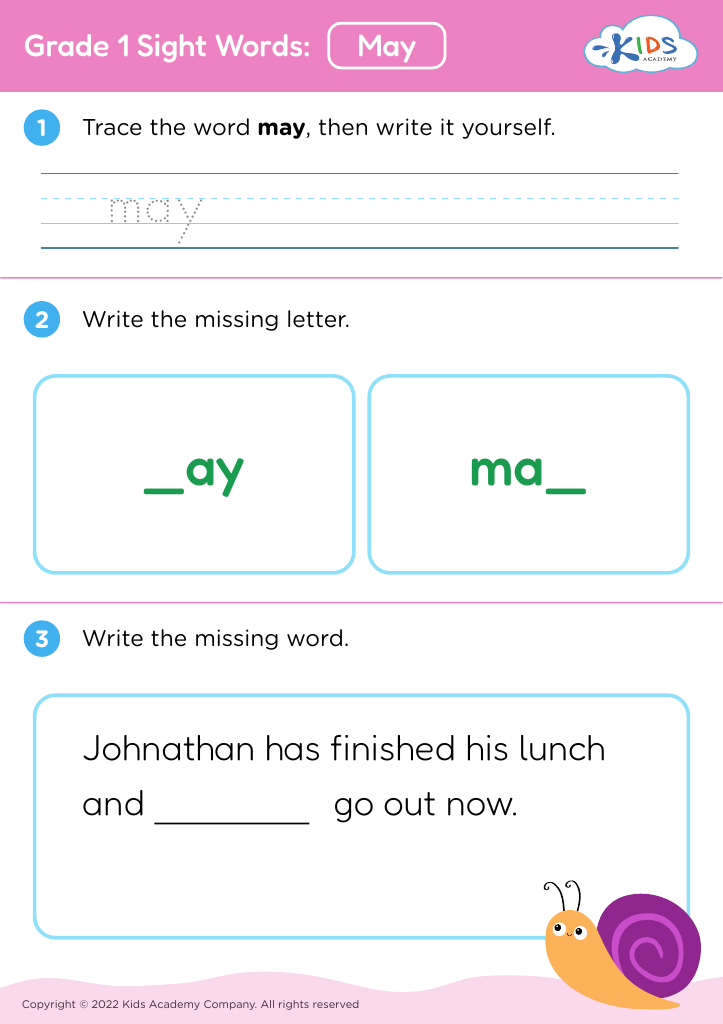
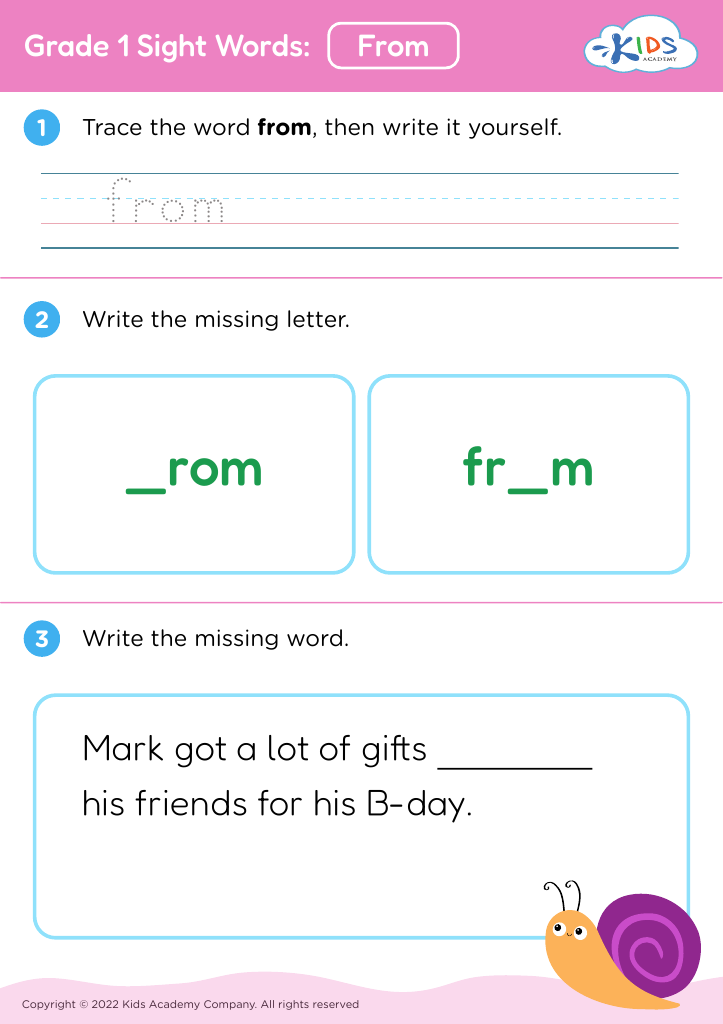
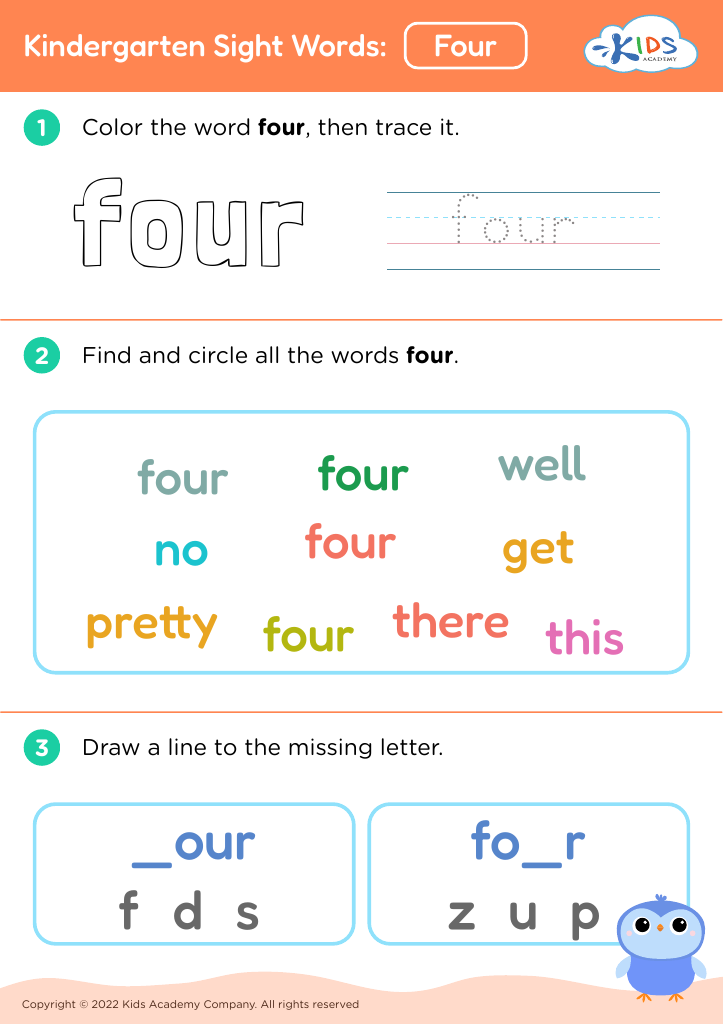
Discover our expertly designed Problem-Solving Building Vocabulary Worksheets tailored for children ages 4-7. These engaging activities not only enhance reading skills but also boost critical thinking by incorporating problem-solving exercises. Each worksheet focuses on expanding vocabulary through fun puzzles, matching games, and simple challenges, ensuring that young learners stay motivated and excited. By blending essential literacy practices with interactive tasks, our worksheets provide a comprehensive approach to early childhood education. Perfect for both classroom settings and at-home learning, these resources lay a strong foundation for future academic success while making learning enjoyable. Explore now to empower your little one's vocabulary and problem-solving skills!
Favorites
With answer key
Interactive











Join Kids Academy for Free
Who is primarily going to use this learning content?








Parents and teachers should place a high priority on building problem-solving vocabulary in children aged 4-7 because it lays the foundation for effective communication, critical thinking, and independence. At this formative age, children's brains are extraordinarily receptive to learning new concepts and words. Introducing them to vocabulary related to problem-solving—such as "choices," "solutions," "consequences," and "reasoning"—equips them with the linguistic tools necessary for navigating social and cognitive challenges.
When children possess a rich problem-solving vocabulary, they can better articulate their thoughts, understand instructions, and engage constructively with peers and adults. This assists them in negotiating conflicts, finding creative solutions to everyday problems, and expressing emotions or frustrations in a healthy manner. Furthermore, problem-solving skills are integral to academic success; they enhance a child's ability to tackle math problems, comprehend stories, and participate in scientific inquiry.
Including problem-solving vocabulary early on nurtures a growth mindset, encouraging children to see challenges as opportunities rather than obstacles. This not only builds their cognitive abilities but also boosts self-esteem and resilience. Thus, investing time and effort in developing a child's problem-solving vocabulary can have long-lasting positive effects on their emotional, social, and academic development.








