Shape Recognition Building Vocabulary Worksheets for Ages 4-7
6 filtered results
-
From - To
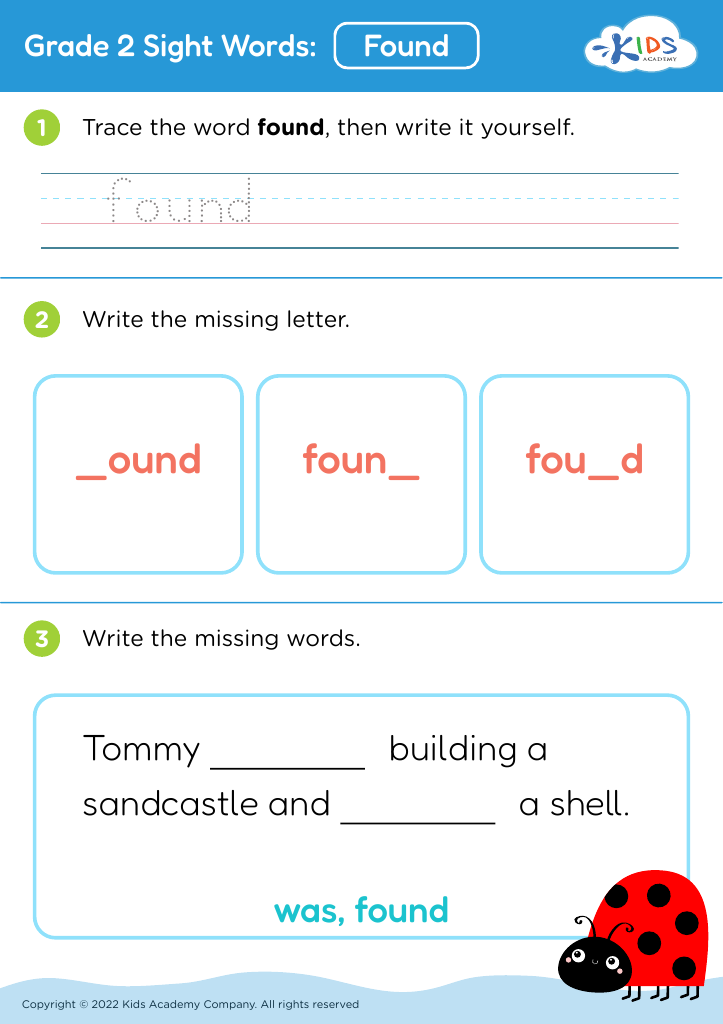
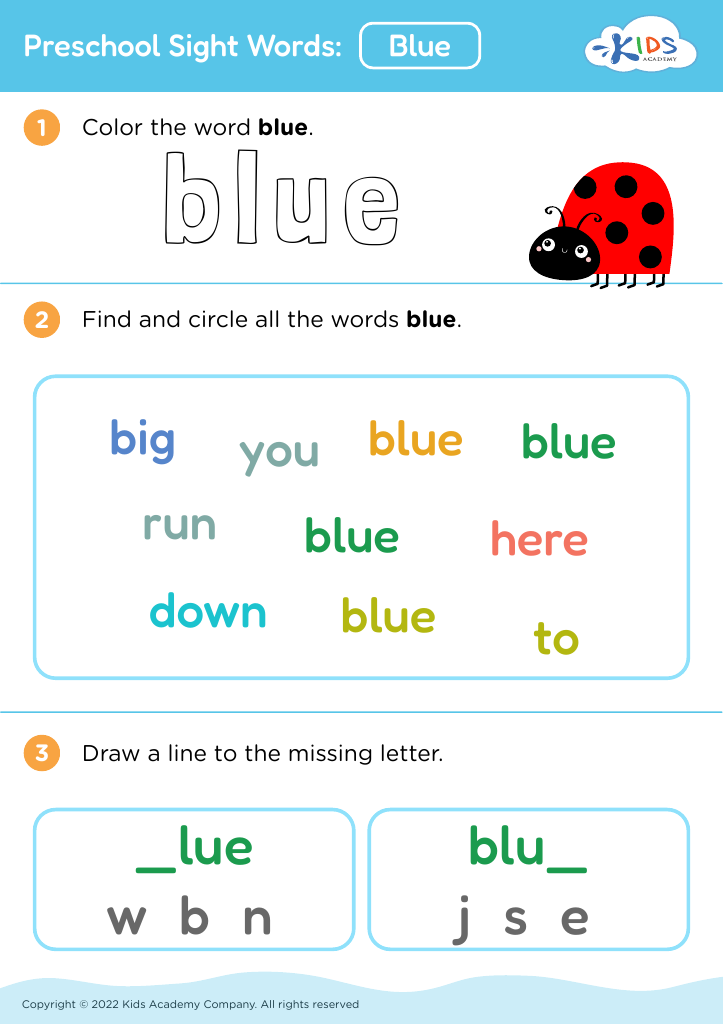
Discover our engaging Shape Recognition Building Vocabulary Worksheets, specially designed for children ages 4-7. These interactive resources help young learners identify and name various shapes, enhancing their vocabulary and spatial awareness. Through fun activities such as coloring, matching, and tracing, kids will enjoy exploring shapes while building essential language skills. Our worksheets align with early learning standards, making them perfect for both classroom and home use. Foster a love for learning as children develop critical thinking and cognitive skills through hands-on shape recognition exercises. Explore our collection today and support your child’s journey in mastering shapes and vocabulary!
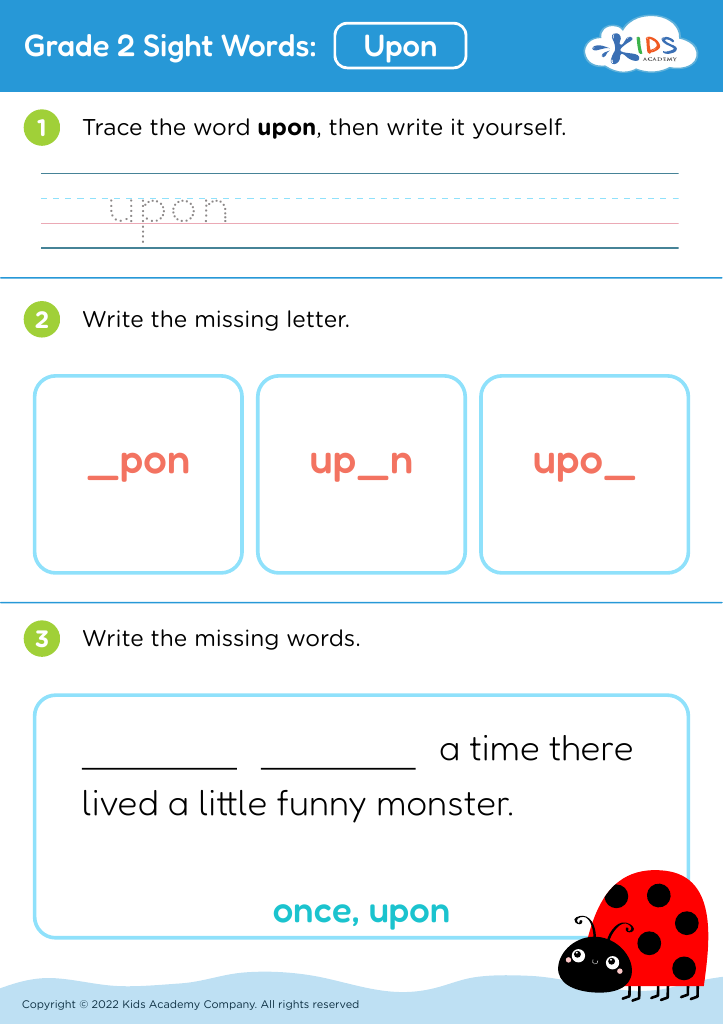











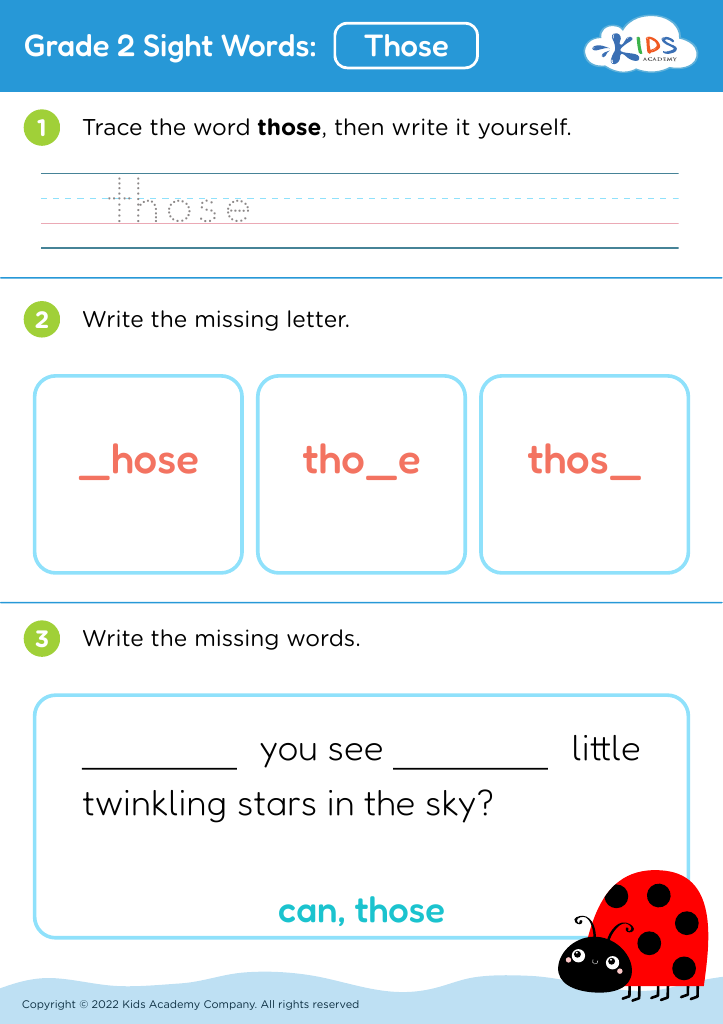
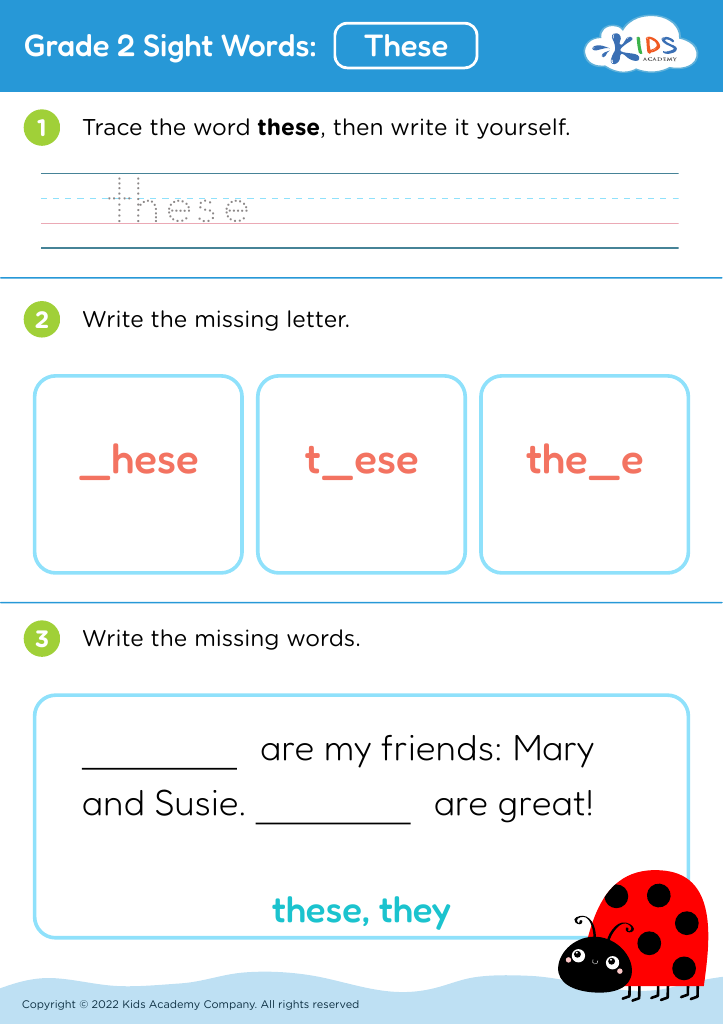
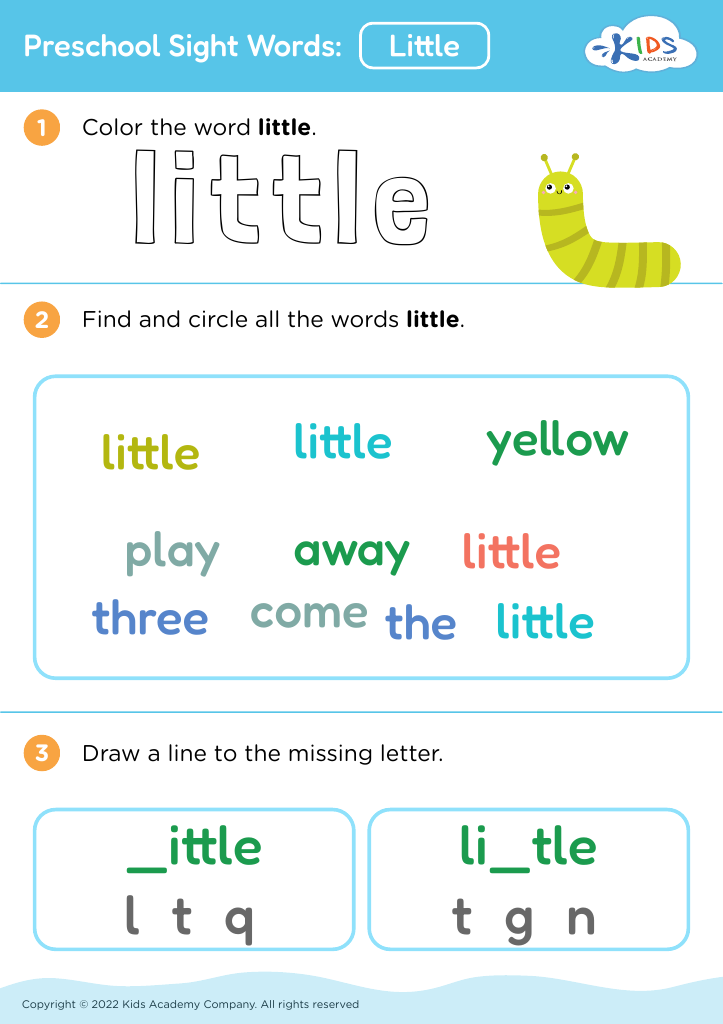







.jpg)
Shape recognition and building vocabulary are crucial developmental milestones for children aged 4-7, and parents and teachers should prioritize these elements for several reasons. First, shape recognition lays the foundation for critical thinking and problem-solving skills. Understanding shapes helps children categorize objects, identify patterns, and approach mathematical concepts with confidence.
Moreover, building vocabulary in early childhood enhances communication skills; children are better equipped to express their thoughts and feelings verbally. A robust vocabulary complements shape recognition, as many geometric and spatial terms—a triangle, radius, and angle—are essential for fostering conceptual understanding in math and other areas.
Teaching shapes and vocabulary together can make learning more engaging and through activities such as games, art projects, and storytelling. This multi-faceted approach activates different learning styles, keeping children motivated and making lessons memorable.
Lastly, early exposure to these concepts can support later academic success. Children with strong shape recognition and vocabulary skills are often better prepared for more advanced subjects in STEM and literacy, leading to greater confidence and achievement levels. In essence, caring about shape recognition and vocabulary not only enriches a child's current understanding but also enhances future learning and cognitive development.








