Addition Practice Reading Worksheets for Ages 4-7
8 filtered results
-
From - To
Enhance your child's reading and comprehension skills with our Addition Practice Reading Worksheets, specifically designed for ages 4-7. These engaging worksheets fuse the fundamentals of math with fun reading activities, making learning enjoyable and effective. Each worksheet challenges young learners to practice addition through interactive reading exercises, aiding in their literacy development and numerical understanding. With colorful illustrations and age-appropriate content, these resources foster a love for learning while building essential skills. Perfect for at-home learning or classroom activities, our worksheets are an excellent addition to your teaching toolkit. Nurture your child's growth today with our carefully crafted materials!
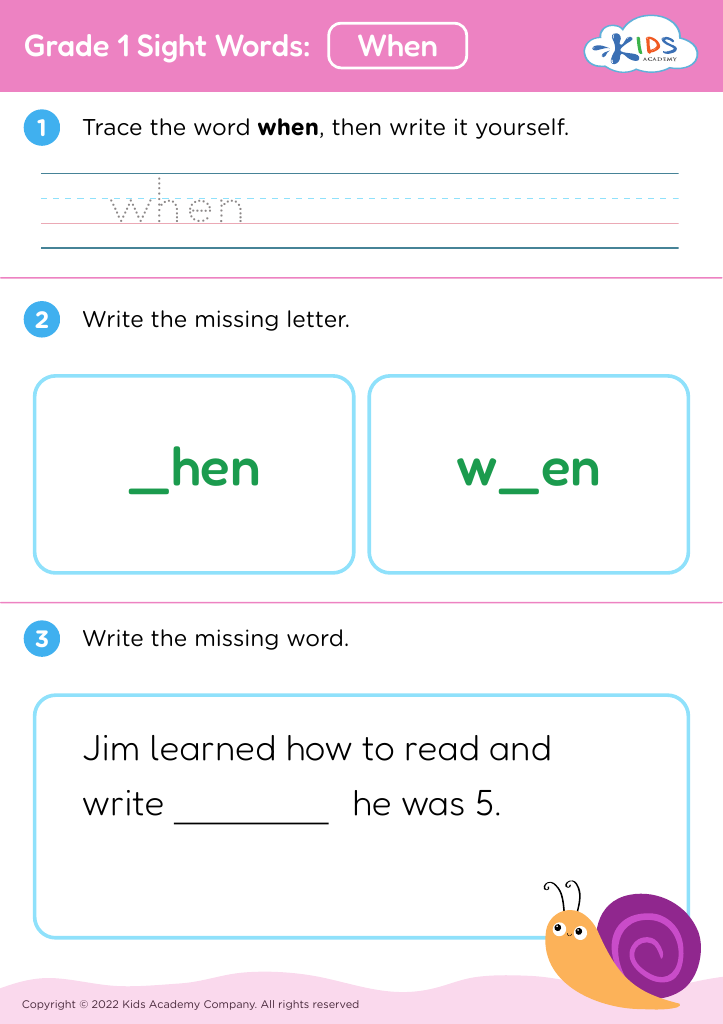
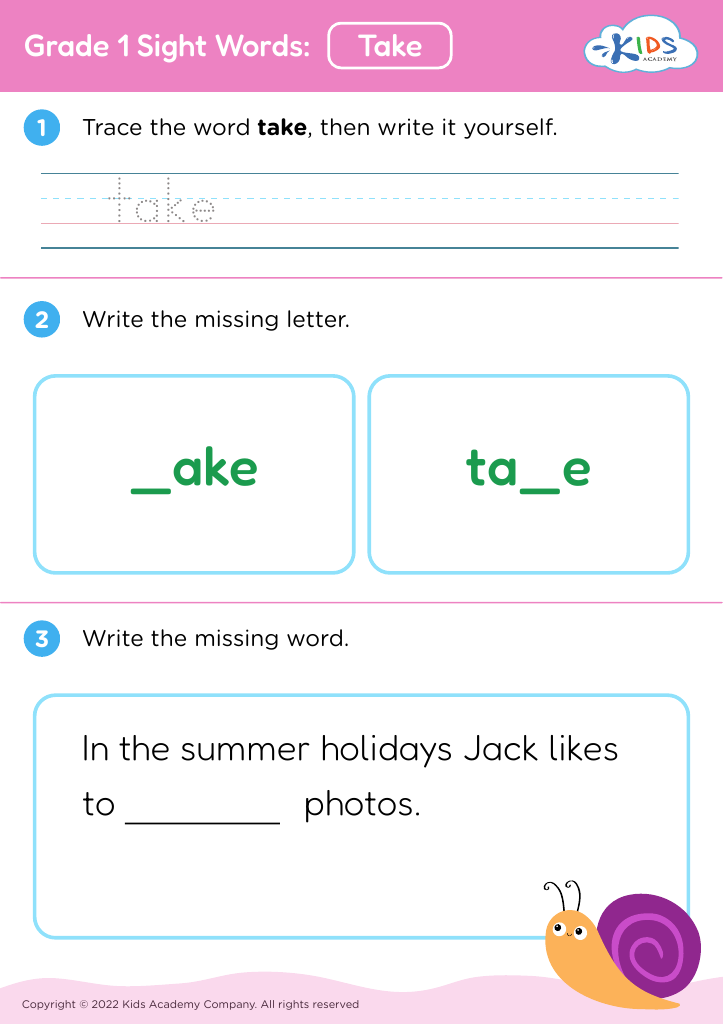
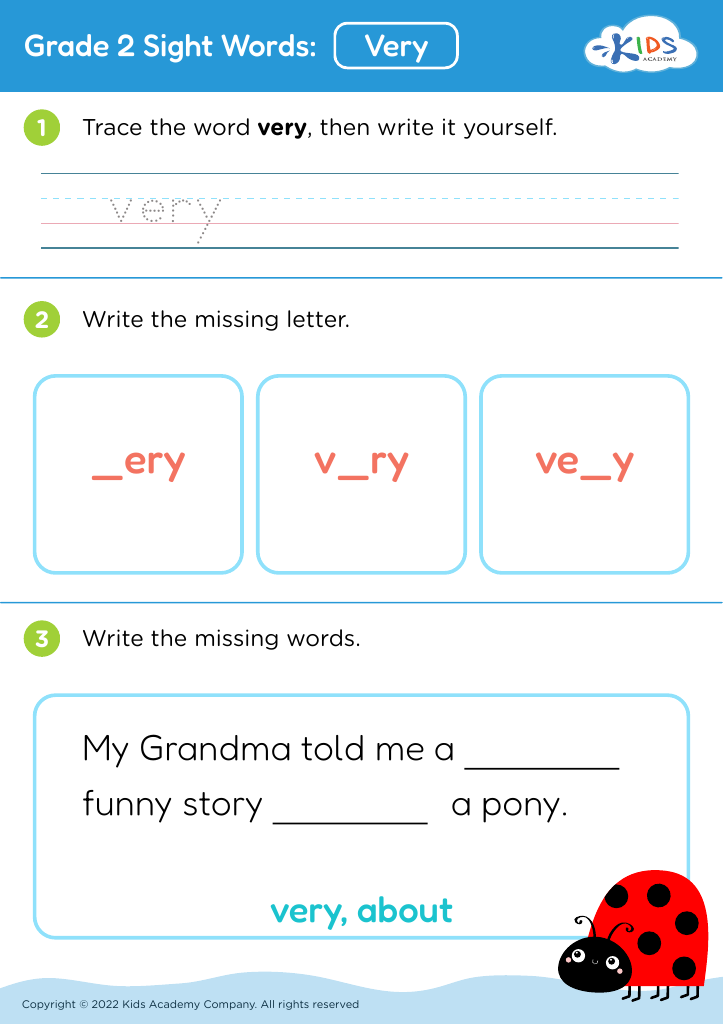
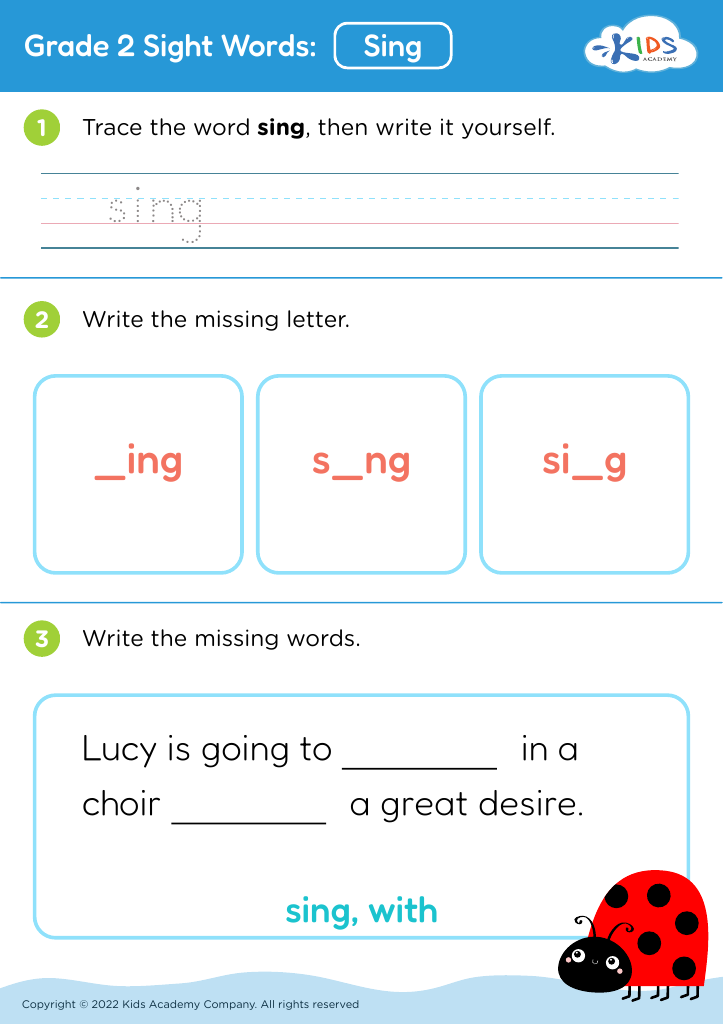
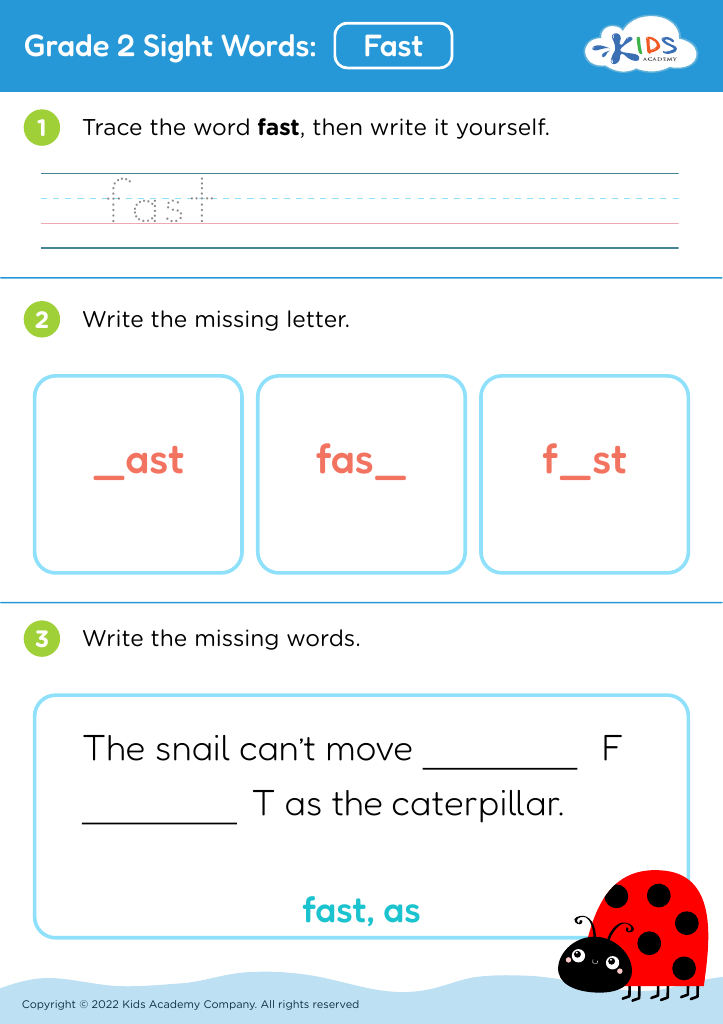
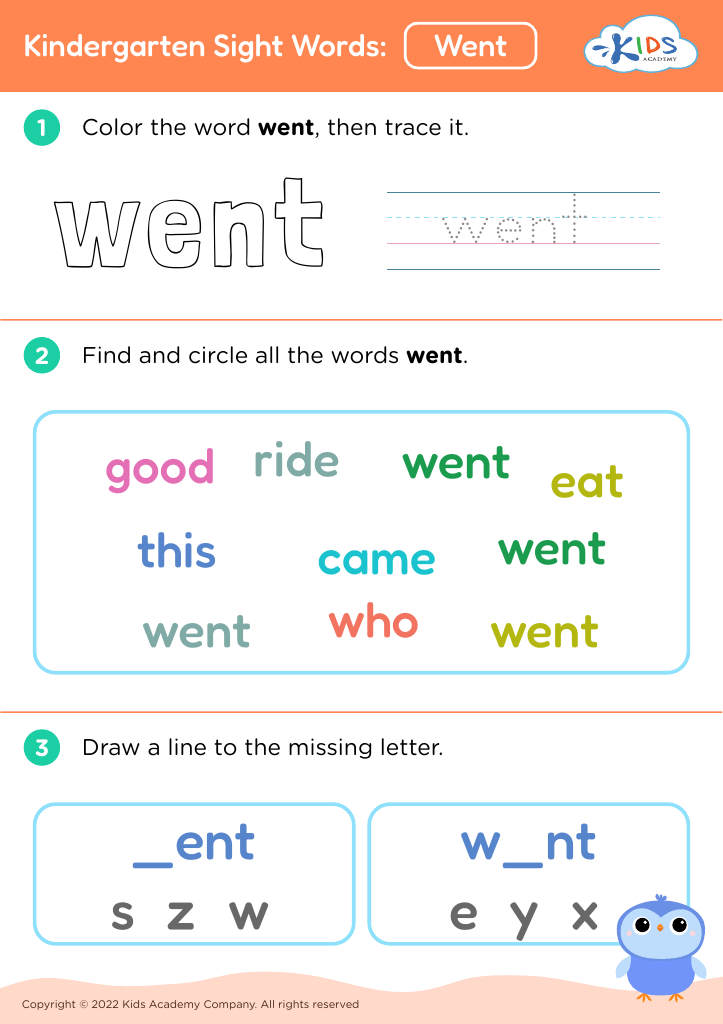
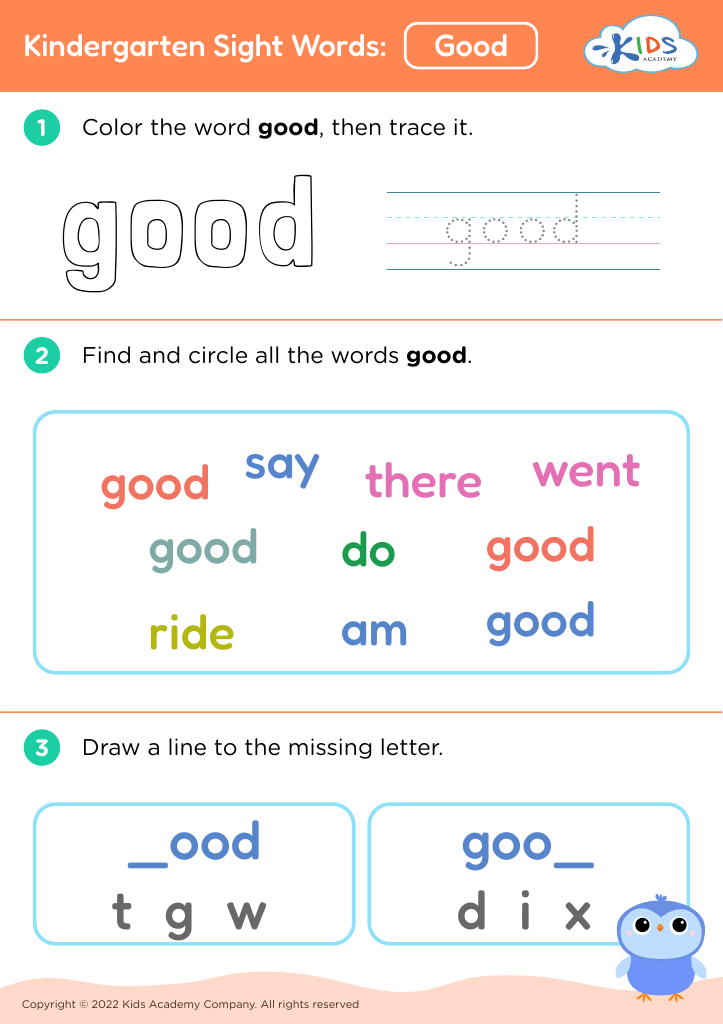
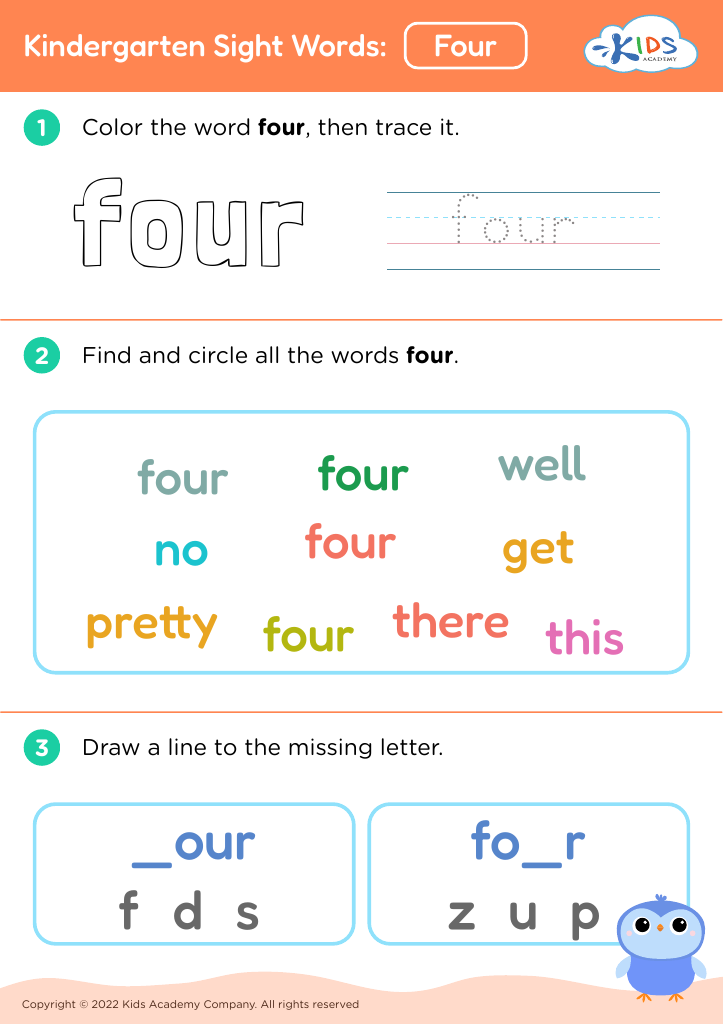






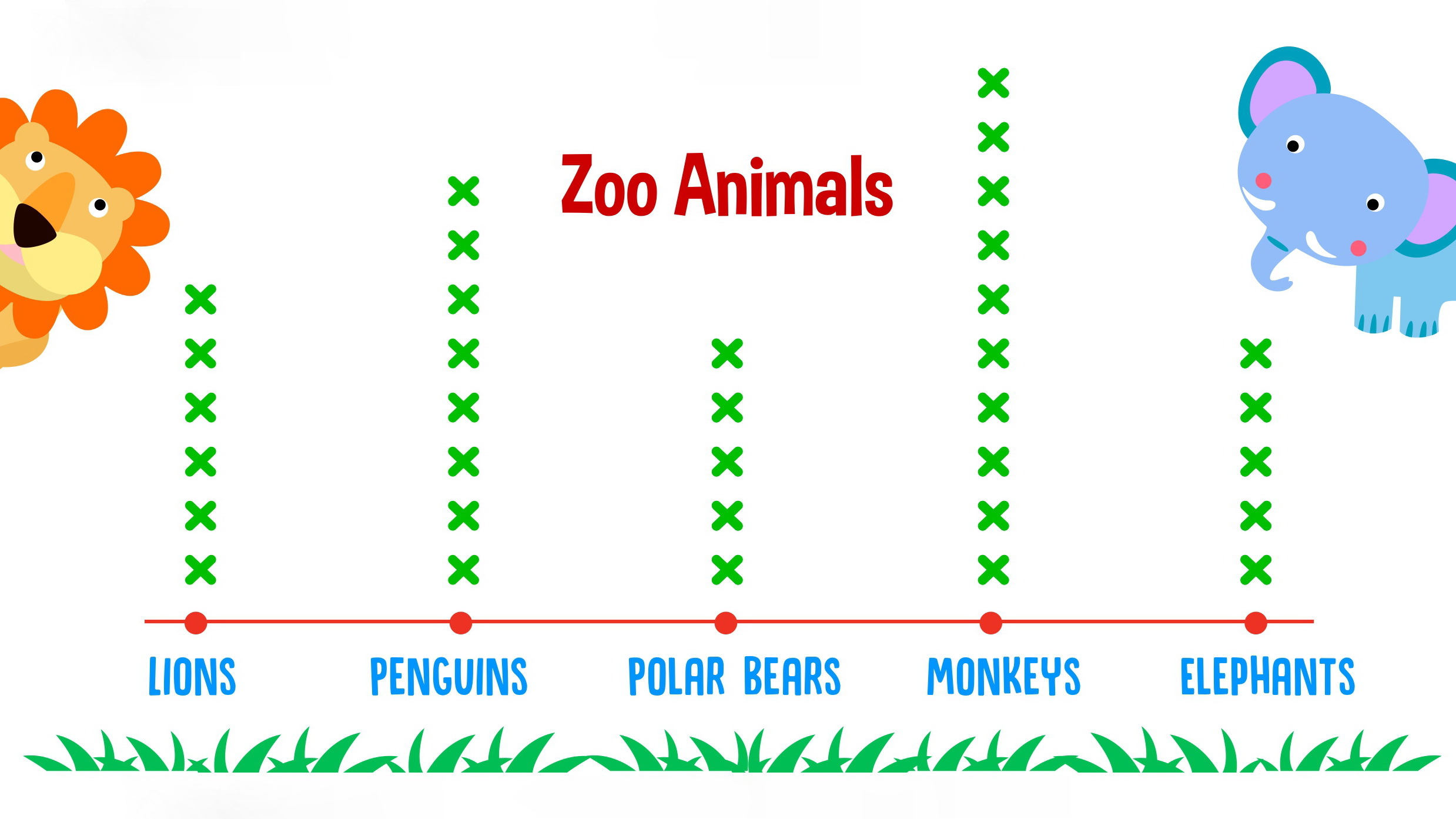

Addition practice reading for ages 4-7 is crucial for developing foundational math skills that children will utilize throughout their lives. During these formative years, children exhibit rapid brain development, which makes them more receptive to new concepts. Engaging in addition practice at this age not only enhances numeric literacy but also fosters problem-solving skills and logical thinking.
Moreover, early exposure to math helps to mitigate anxiety related to numbers and builds confidence. When parents and teachers incorporate fun, interactive addition reading materials, such as storybooks and games, they create a positive learning environment that encourages curiosity and a love for math. Furthermore, these practices facilitate discussions about numbers in everyday contexts, making math relatable and relevant.
Additionally, mastering basic addition is critical for academic success. Early math skills provide a solid groundwork for future learning in more complex subjects, such as algebra and statistics. By fostering a love for learning through subtraction practice, parents and teachers play a vital role in nurturing a child’s cognitive development and equipping them with the tools necessary for future educational achievements. In essence, addition practice reading serves as a stepping stone toward lifelong learning and success in academics.








