Basic arithmetic practice Reading Worksheets for Ages 4-7
3 filtered results
-
From - To
Discover our engaging Basic Arithmetic Practice Reading Worksheets, specially designed for children ages 4-7. These educational resources seamlessly combine reading and math skills, fostering a fun learning environment. Each worksheet focuses on fundamental arithmetic concepts such as addition, subtraction, counting, and number recognition, tailored to young learners' developmental stages. Through colorful illustrations and interactive exercises, your child will build confidence and proficiency in early math literacy. Ideal for at-home practice or classroom use, these worksheets support foundational skills essential for future academic success. Visit us today and make math fun and accessible for your little learners!
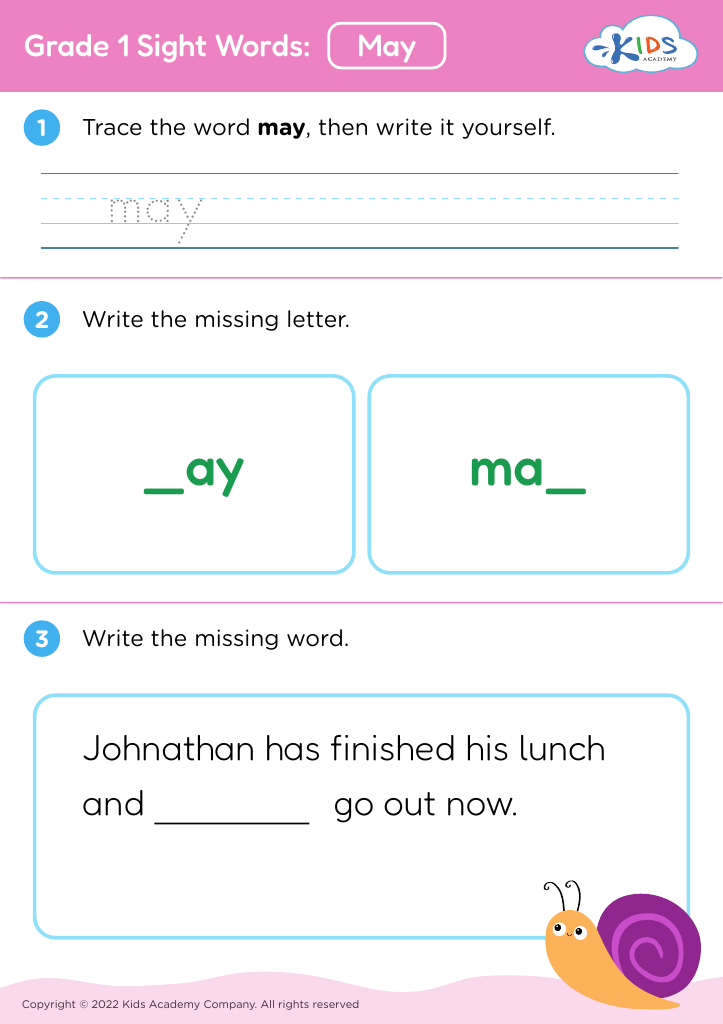
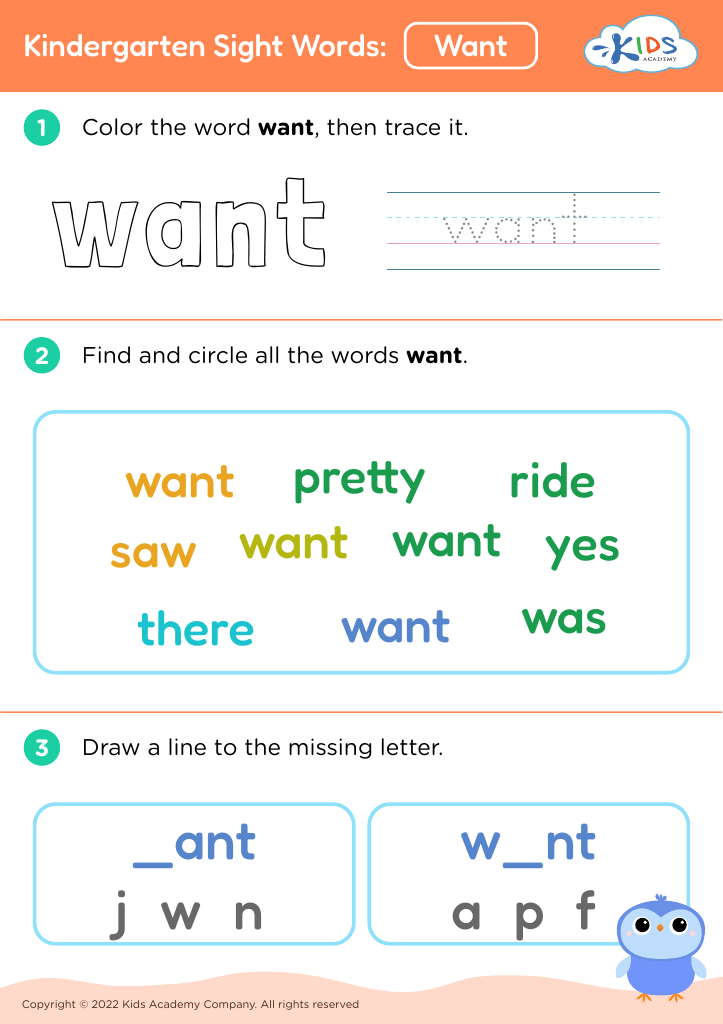
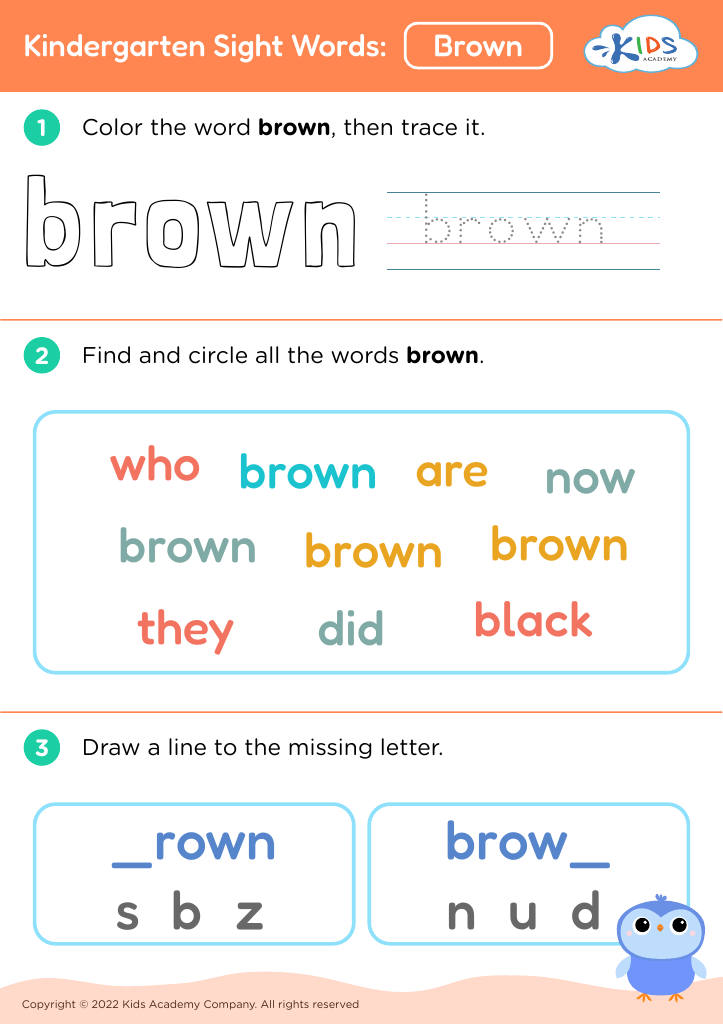








Caring about basic arithmetic practice and reading skills for children aged 4-7 is crucial for laying the foundation for their future academic success and overall cognitive development. Early arithmetic practice helps children understand fundamental mathematical concepts such as number sense, counting, addition, and subtraction, which are essential for more complex mathematical learning later on. Mastery of these skills at an early age builds confidence and encourages a positive attitude towards math.
Similarly, early reading skills are critical as they form the building blocks of literacy. Reading practice enhances language development, improves vocabulary, and promotes comprehension skills. It also stimulates imagination, increases understanding of the world, and fosters a love for learning. Early exposure to reading can predict academic achievements in later years, as literacy impacts every subject area including social studies, science, and even math.
Parents and teachers play a pivotal role in guiding children through these foundational years. By engaging in activities like counting games, storytelling, and reading aloud, adults can create a rich learning environment that nurtures curiosity and a love for both math and literacy. When children receive consistent support and practice in these areas, they are better prepared to tackle more complex educational challenges with confidence and enthusiasm.








