Color Identification Reading Worksheets for Ages 4-7
11 filtered results
-
From - To
Enhance your child's reading skills with our engaging Color Identification Reading Worksheets, designed specifically for ages 4-7. These fun and interactive worksheets help young learners recognize and name colors while developing essential reading abilities. Each activity encourages creativity, focusing on color vocabulary and comprehension in an enjoyable way. Ideal for homeschooling or classroom use, our worksheets promote independent learning and critical thinking. Watch as your child becomes a confident reader while exploring the colorful world around them! With a variety of exercises including matching and coloring activities, your child will love mastering color identification in an educational and entertaining format.
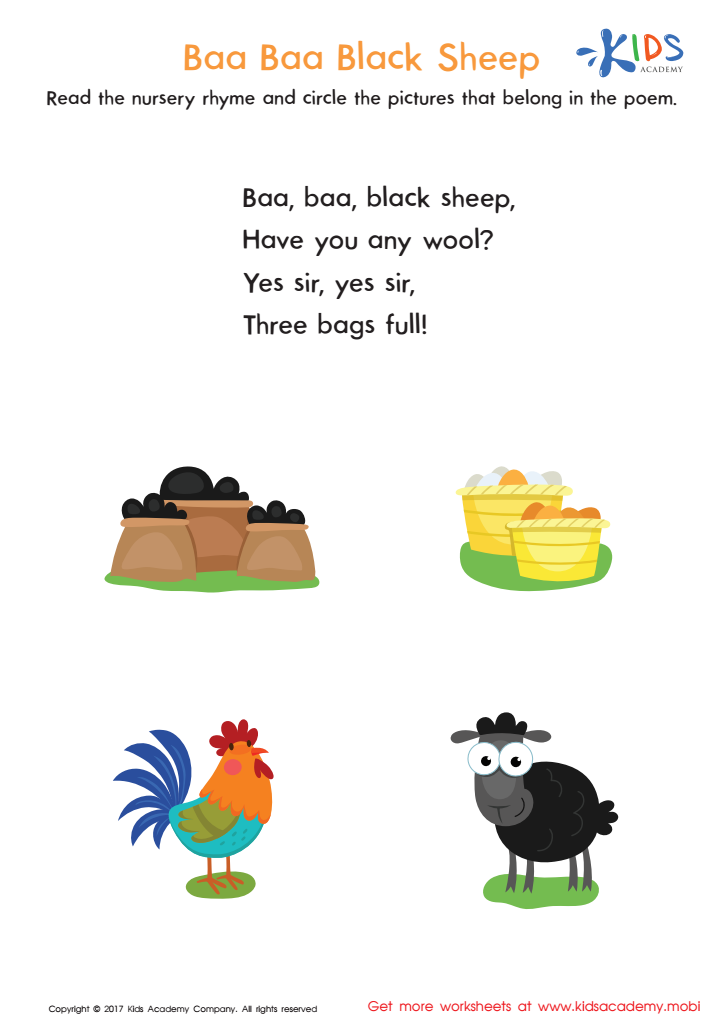
Baa Baa Black Sheep Printable
 Assign to My Students
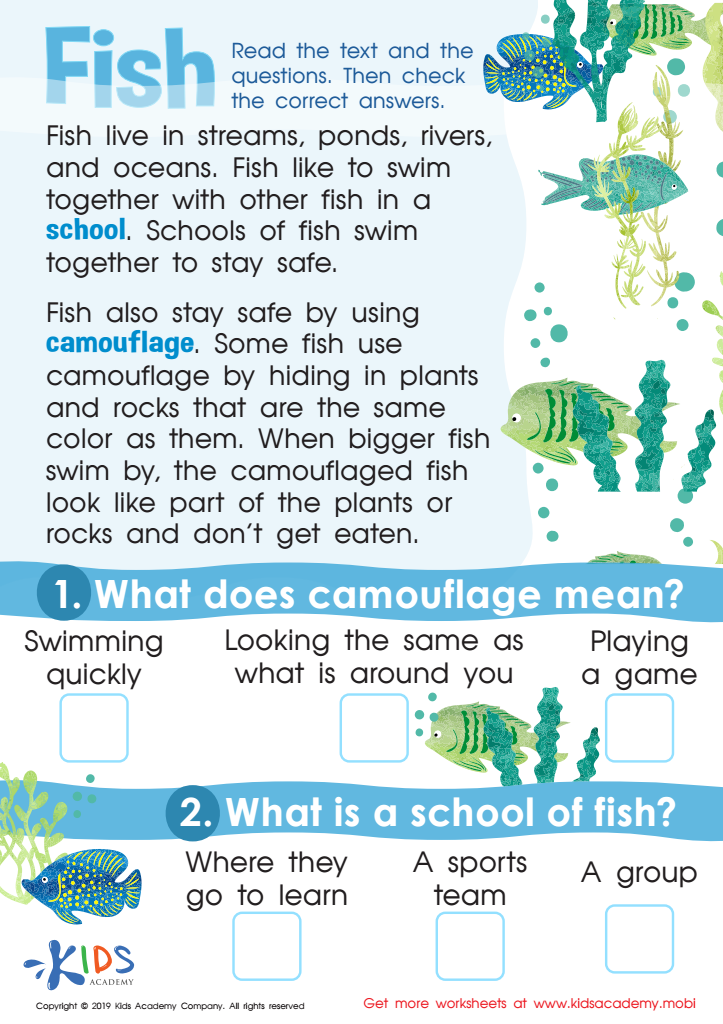
Fish Worksheet
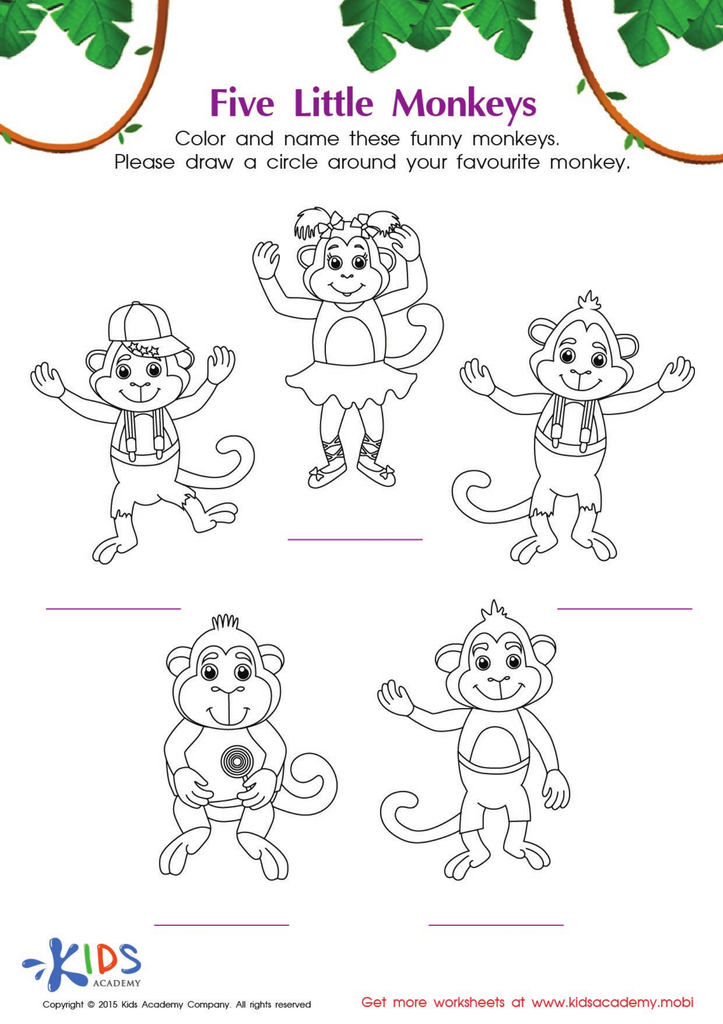
The Five Little Monkeys Coloring Worksheet
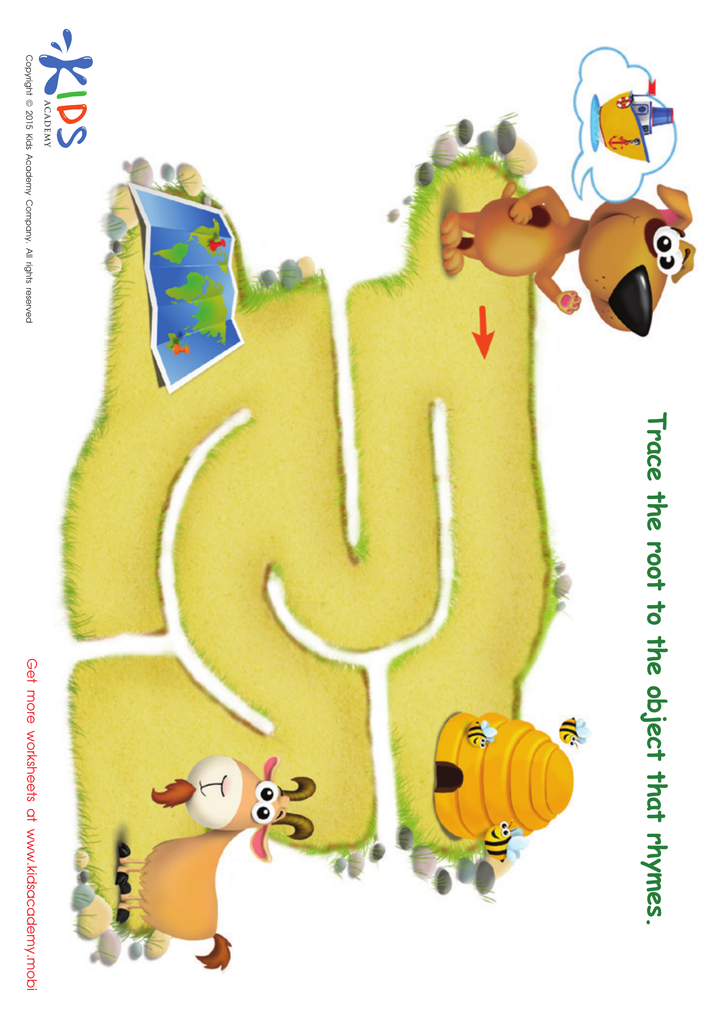
Boat Rhyming Words Worksheet
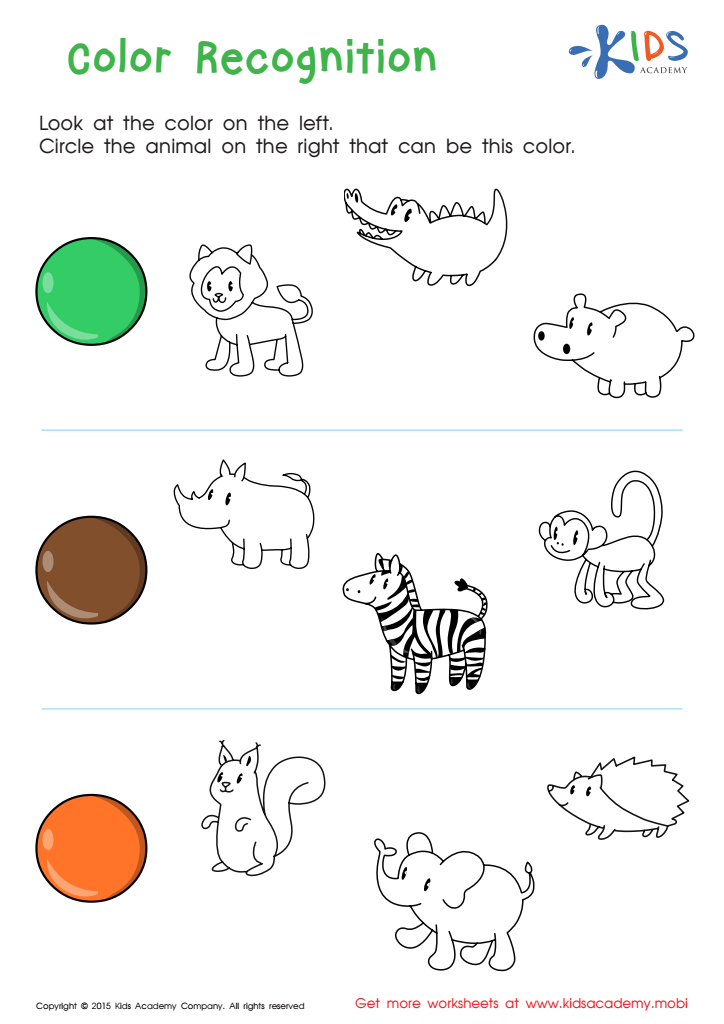
First Words: Color Recognition Worksheet
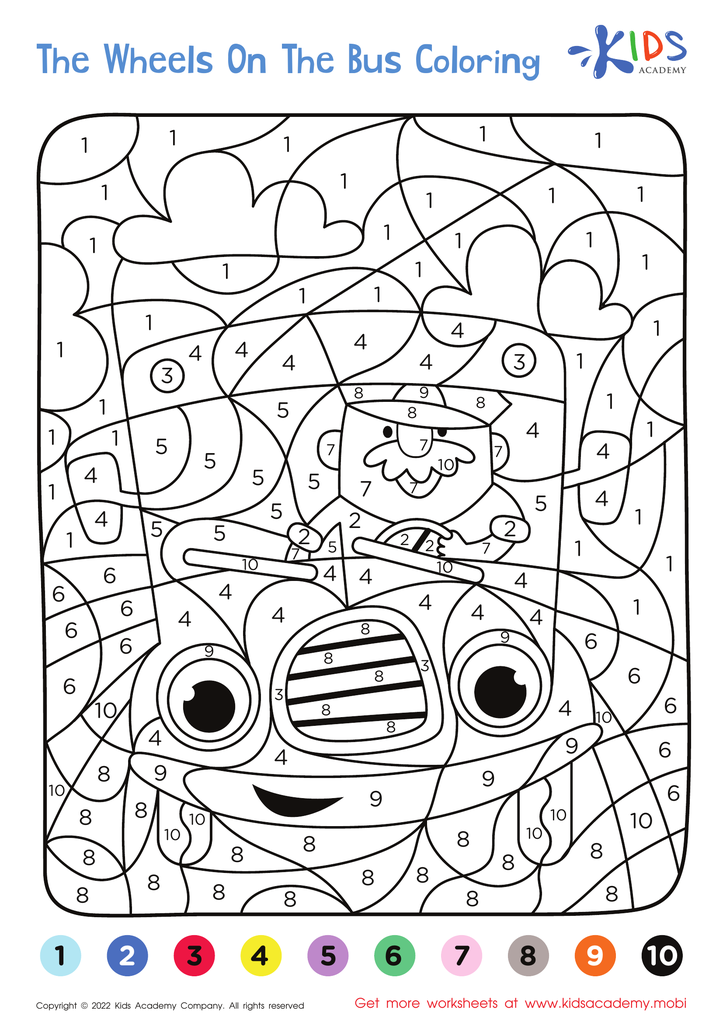
Wheels on the Bus – Coloring by Numbers
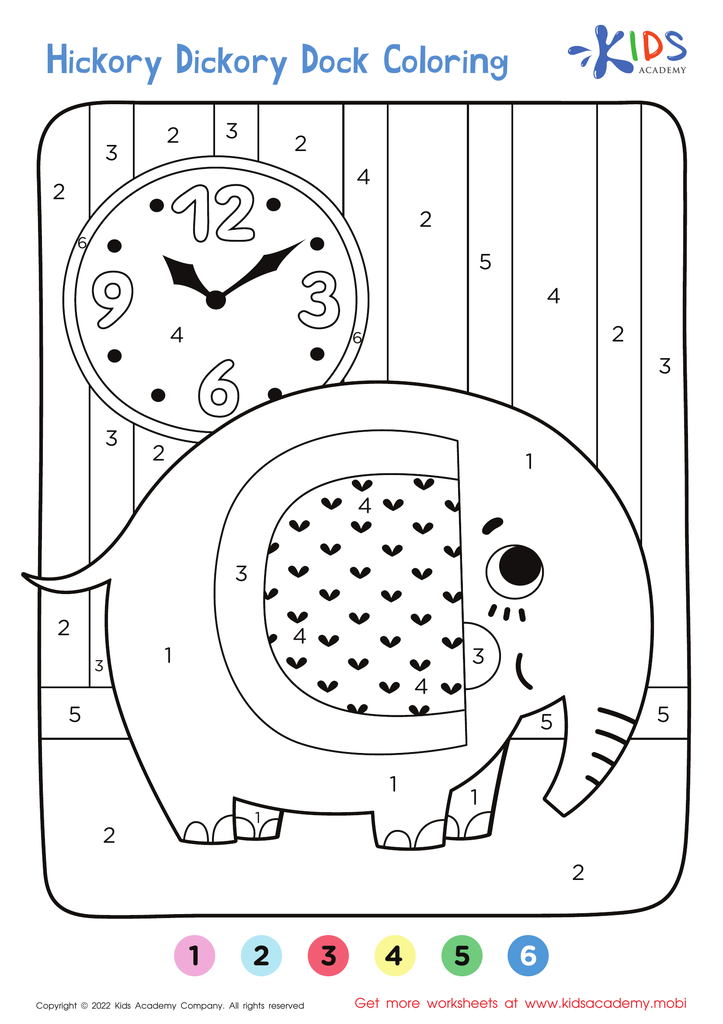
Hickory Dickory Dock – Coloring by Numbers






Color identification reading for children aged 4-7 is essential for several reasons. First, color recognition is a foundational skill that helps young learners differentiate between objects, understand their surroundings, and develop visual perception. It lays the groundwork for more advanced learning tasks, such as reading and mathematics, where colors are often used to differentiate categories or highlight important concepts.
Moreover, engaging with color-themed reading materials can stimulate a child’s vocabulary development. Many of these texts introduce new words and phrases in a fun and engaging manner, enhancing language acquisition in a context that is readily understandable and relatable for young learners.
Additionally, incorporating colors into literacy activities fosters creativity and imagination. As children engage with stories featuring various colors, they may be inspired to create art, express feelings, or explore concepts in a narrative context.
Parents and teachers should also recognize that activities centered on color identification can promote social skills. Collaborating in color-related games or discussions encourages sharing and interaction, which are vital for emotional development.
In summary, color identification reading is a crucial element of early education, supporting language growth, cognitive skills, creativity, and social interaction. Parents and teachers play a vital role in nurturing these skills.








