Coloring skills Reading Worksheets for Ages 4-7
5 filtered results
-
From - To
Unlock the joy of learning with our "Coloring Skills Reading Worksheets for Ages 4-7". Tailored for young learners, these engaging worksheets combine vibrant coloring activities with essential reading exercises, fostering creativity while building literacy. Designed by education experts, they enhance fine motor skills and encourage a love for reading. Perfect for home or classroom use, each worksheet aims to captivate and educate your child, making early learning enjoyable and effective. Dive into a world of colorful fun and watch your child's reading skills flourish! Ideal for parents and teachers dedicated to nurturing early reading development.
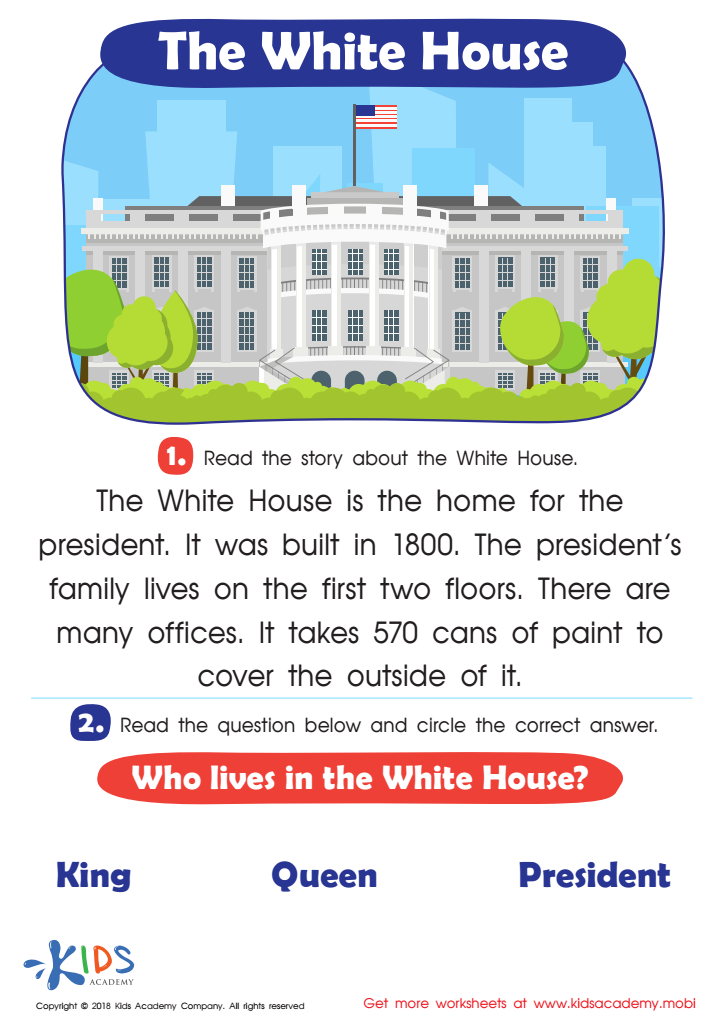
White House Worksheet
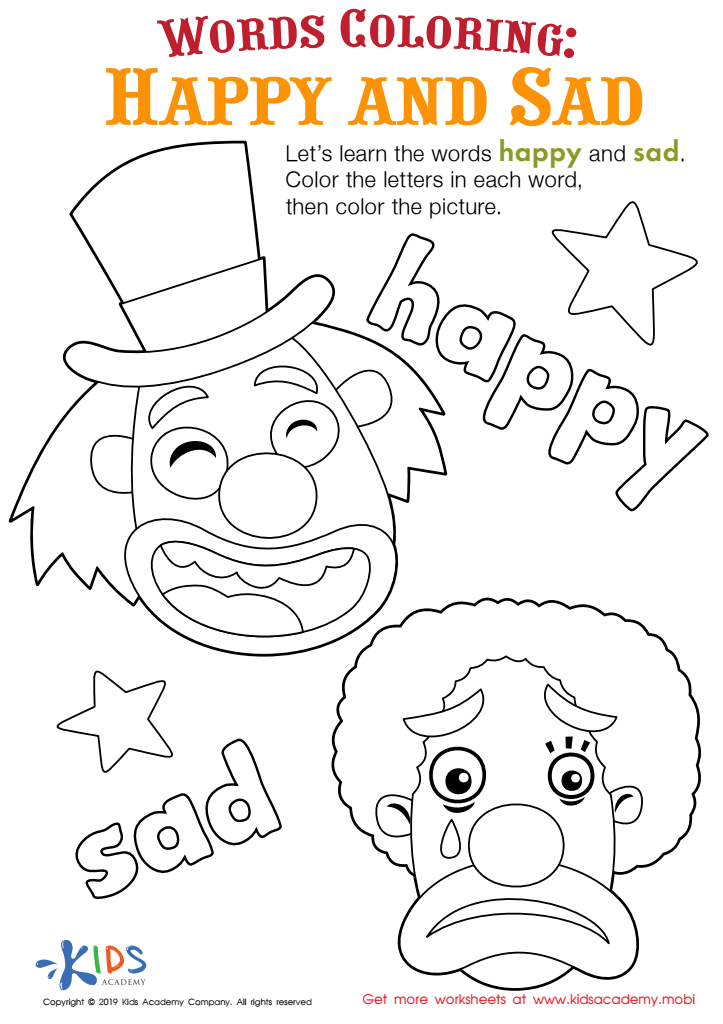
Happy and Sad Words Coloring Worksheet
 Assign to My Students
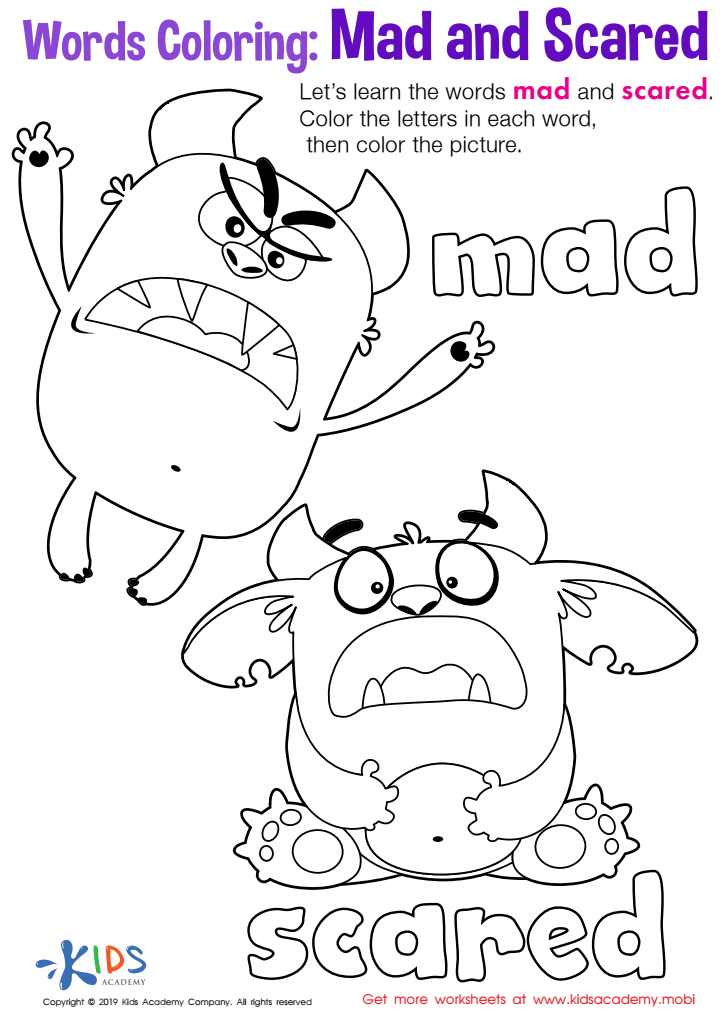
Mad and Scared Words Coloring Worksheet
Assign to My Students
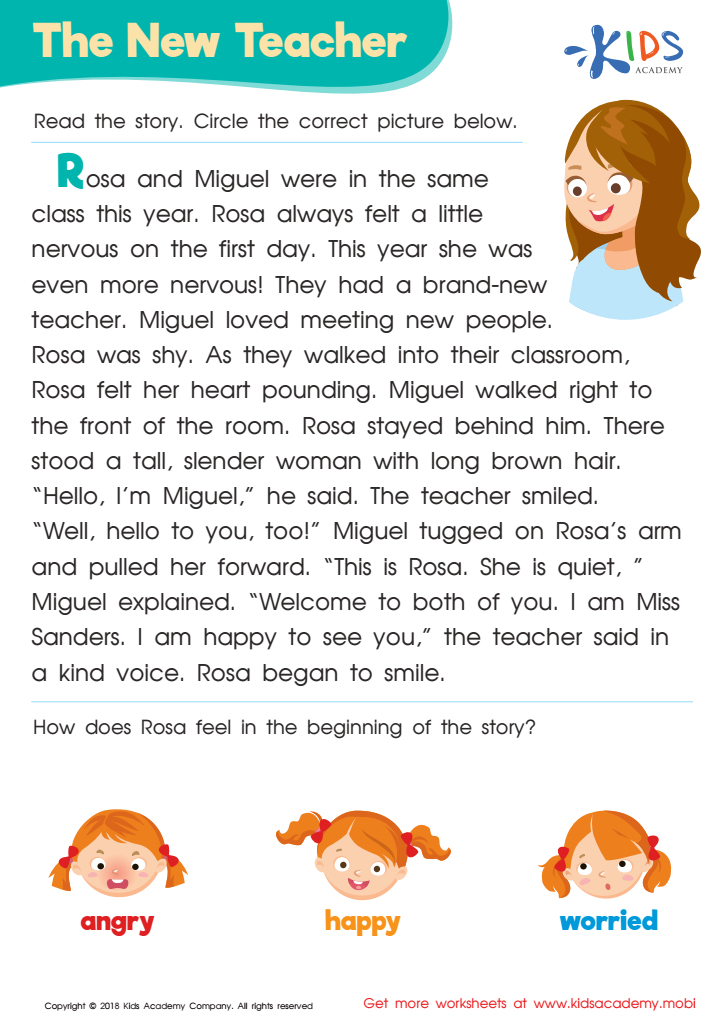
The New Teacher Worksheet
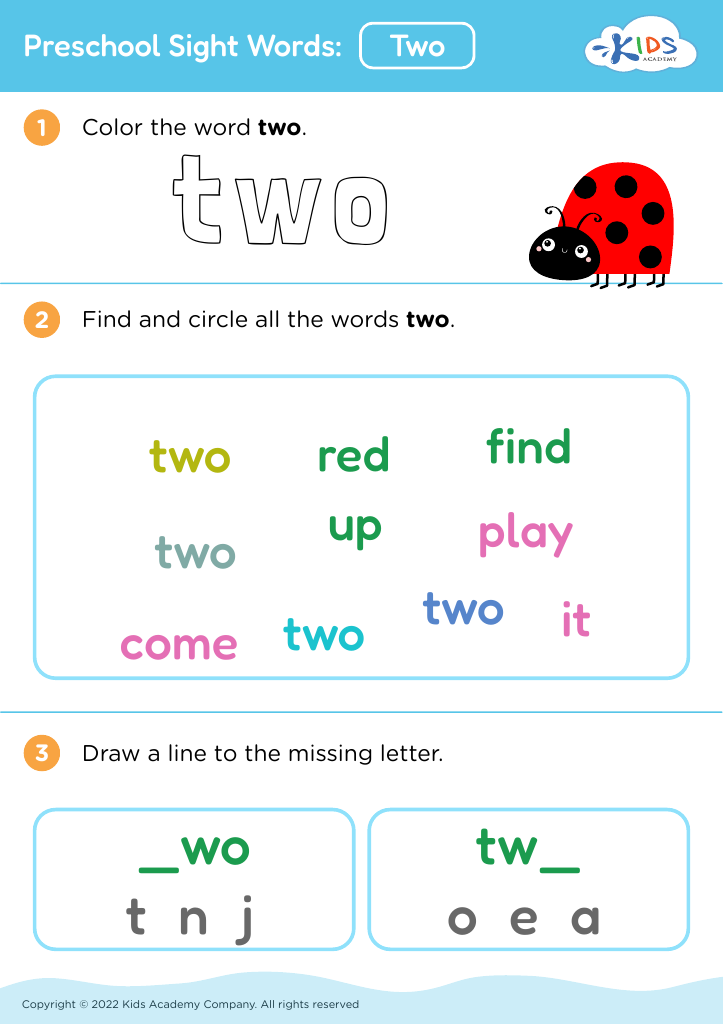




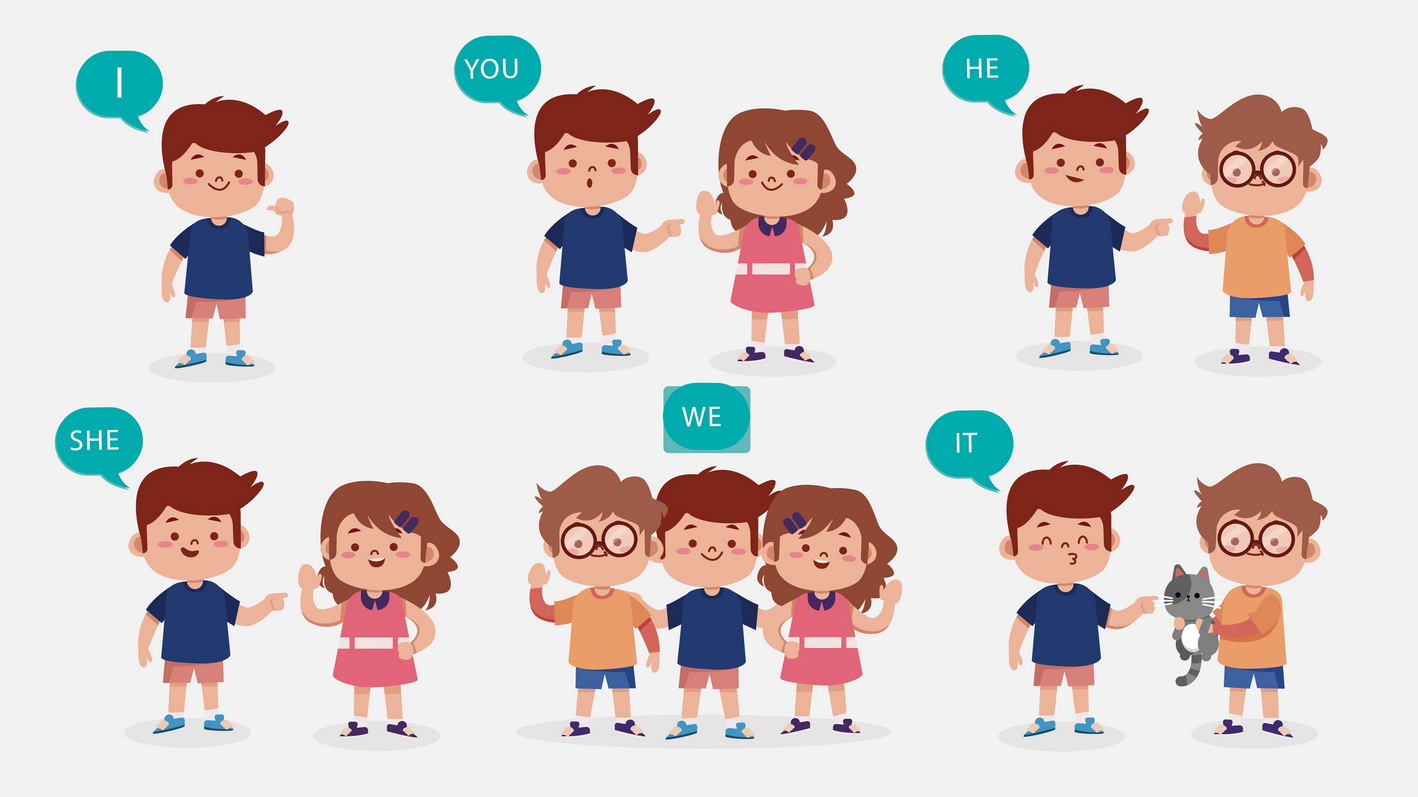

Coloring and reading skills are fundamental components in the developmental journey of children aged 4-7. Nurturing coloring skills supports fine motor development. As children learn to grip crayons or coloring pencils correctly, their hand-eye coordination and dexterity improve, ideal for future writing tasks. The process also enhances focus and concentration, encouraging them to complete tasks and build persistence.
Incorporating reading skills during the early years is equally crucial. Engaging with books enriches a child's vocabulary, comprehension, and listening abilities. Reading aloud to children fosters an early love for literature, stimulates their imagination, and helps them understand complex concepts implicitly, such as empathy and problem-solving.
When parents and teachers prioritize these skills, they create a well-rounded educational foundation. Coloring, for instance, can be integrated with reading activities for a holistic learning approach. After reading a story, children can color scenes or characters, thereby reinforcing their understanding and helping them express ideas creatively.
Moreover, these activities promote emotional expression and cognitive development. Through guided coloring and reading sessions, children learn to follow instructions, recognize patterns, and make connections between text and visuals. Therefore, paying attention to these skills isn’t just about learning; it's about preparing children to navigate and interpret the world around them effectively.








