Data interpretation Reading Worksheets for Ages 4-7
3 filtered results
-
From - To
Enhance your child's reading skills with our engaging Data Interpretation Reading Worksheets, specially designed for ages 4-7. These worksheets foster critical thinking and help young learners understand basic data concepts, such as charts, graphs, and tables. Each activity encourages kids to analyze information, answer questions, and draw conclusions in a playful manner, making learning fun and effective. Perfect for homeschooling or classroom use, our worksheets promote early literacy and numeracy skills while developing students’ abilities to make sense of information. Empower your child with the confidence they need to tackle data interpretation through enjoyable and interactive exercises today!
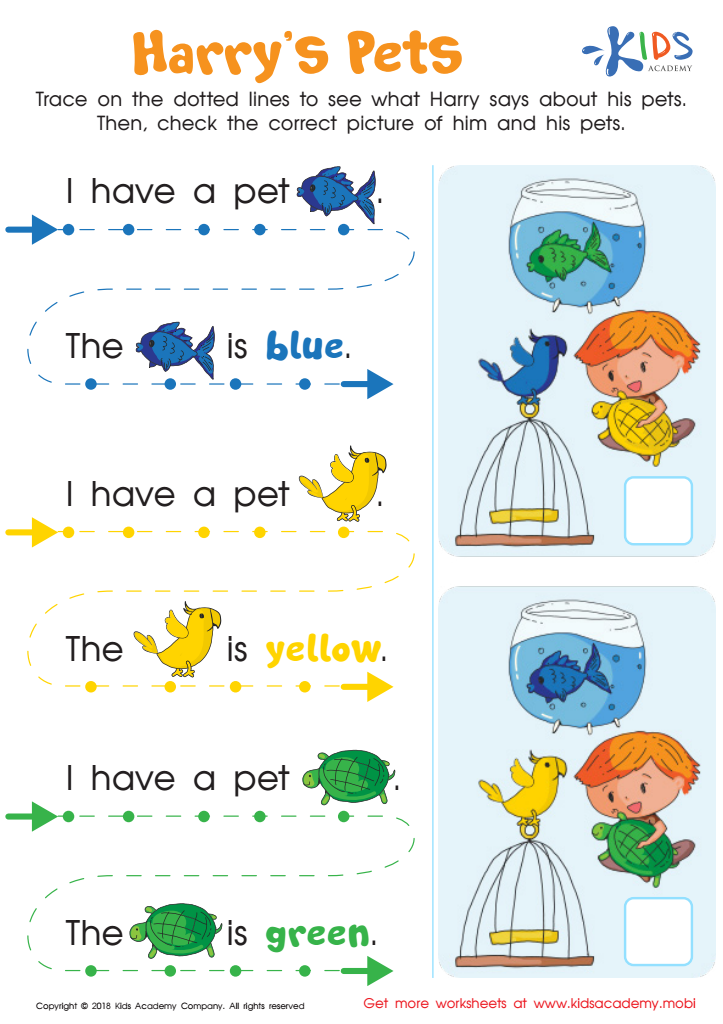
Read from Left to Right: Harry's Pets Worksheet
 Assign to My Students
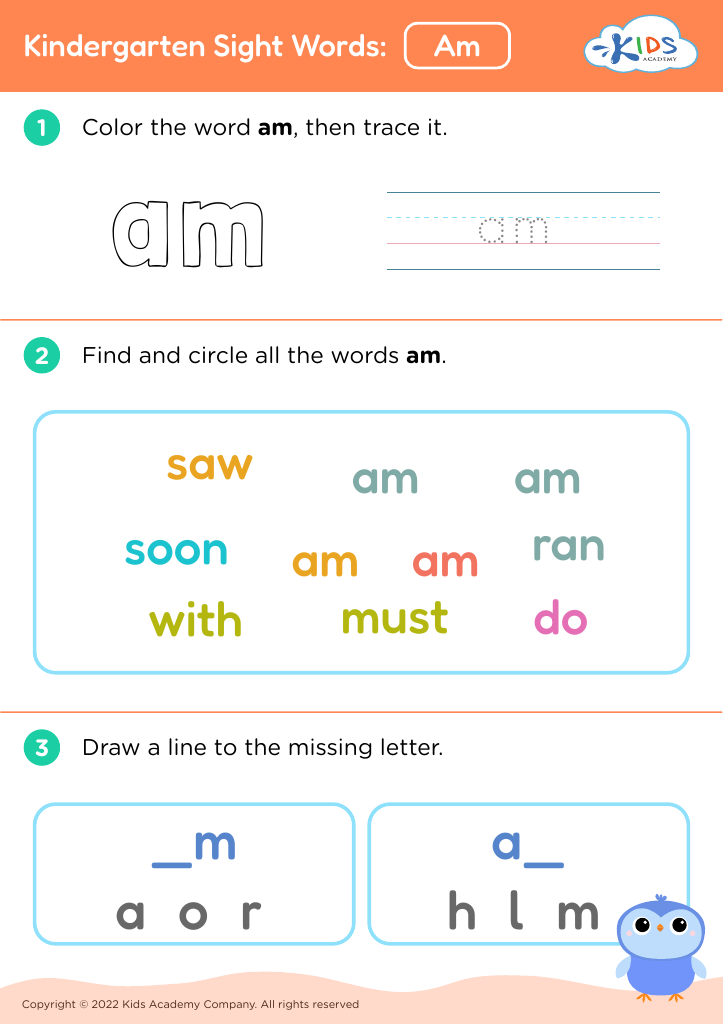
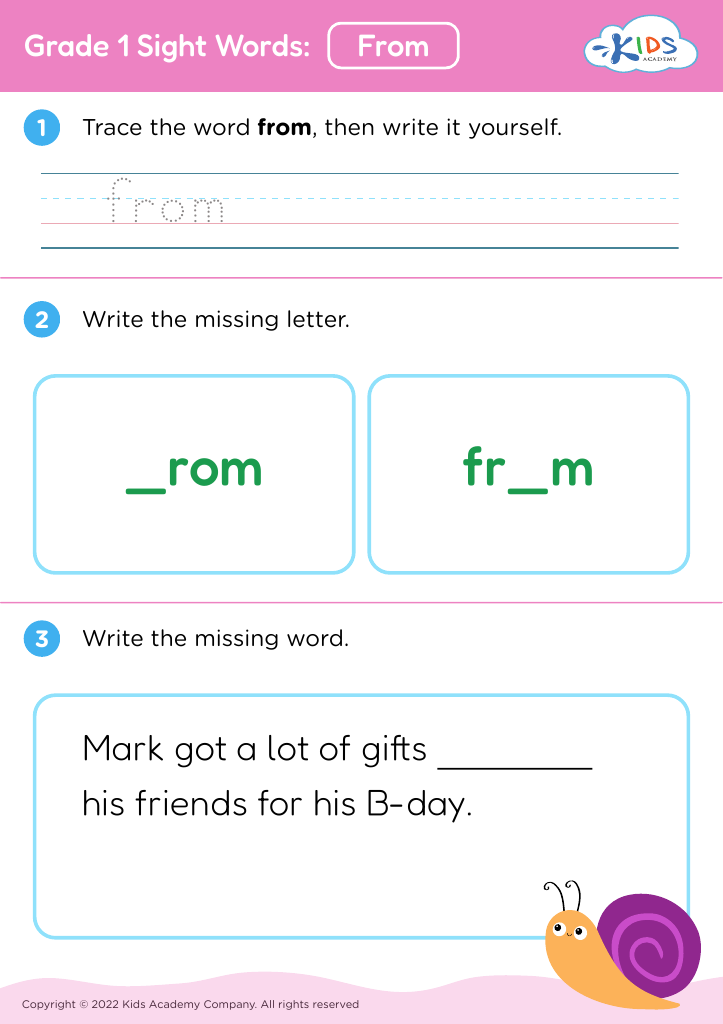








Data interpretation reading—understanding graphs, charts, and other visual representations of information—is a vital skill for children aged 4-7. Parents and teachers should regard the importance of cultivating this skill, as it lays the groundwork for critical thinking and problem-solving abilities.
Firstly, data interpretation develops early mathematical skills, as children learn to recognize patterns, quantify information, and make comparisons. Mastering these concepts at a young age empowers children to approach complex subjects later in their education with confidence.
Secondly, these skills enhance literacy by encouraging children to engage with texts critically. Visual data enriches storytelling and can stimulate discussions about the content, prompting young readers to evaluate and comprehend basic information.
Moreover, understanding data interpretation helps children make informed decisions in their daily lives, encouraging them to assess information presented through various media as they grow. As our world becomes increasingly data-driven, equipping children with effective data literacy becomes more vital for their ability to navigate societal challenges and technological advancements.
Ultimately, investing in data interpretation reading fosters well-rounded development and prepares children to thrive academically and socially in an ever-evolving landscape. Parents and teachers play a pivotal role in guiding and supporting this skill acquisition journey.








