Fraction comparison Reading Worksheets for Ages 4-7
12 filtered results
-
From - To
Discover engaging Fraction Comparison Reading Worksheets designed for children ages 4-7 at Kids Academy! Our interactive resources help young learners develop essential reading and comprehension skills while introducing the foundational concepts of fractions. Tailored for early grade students, these worksheets use fun visuals and relatable scenarios to make fraction comparison accessible and enjoyable. Children will practice identifying and comparing fractions, enhancing their understanding through captivating stories and challenges. Foster a love for learning as kids boost their literacy and math skills simultaneously. Browse our collection today and empower your child with the tools they need for academic success!
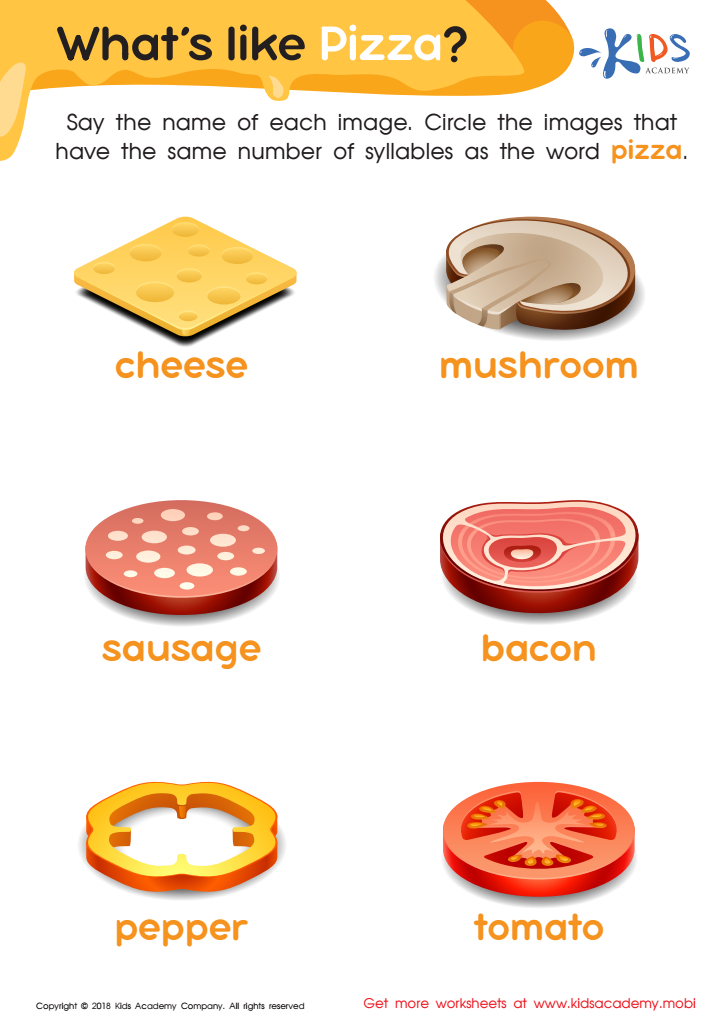
What's Like Pizza? Worksheet
 Assign to My Students
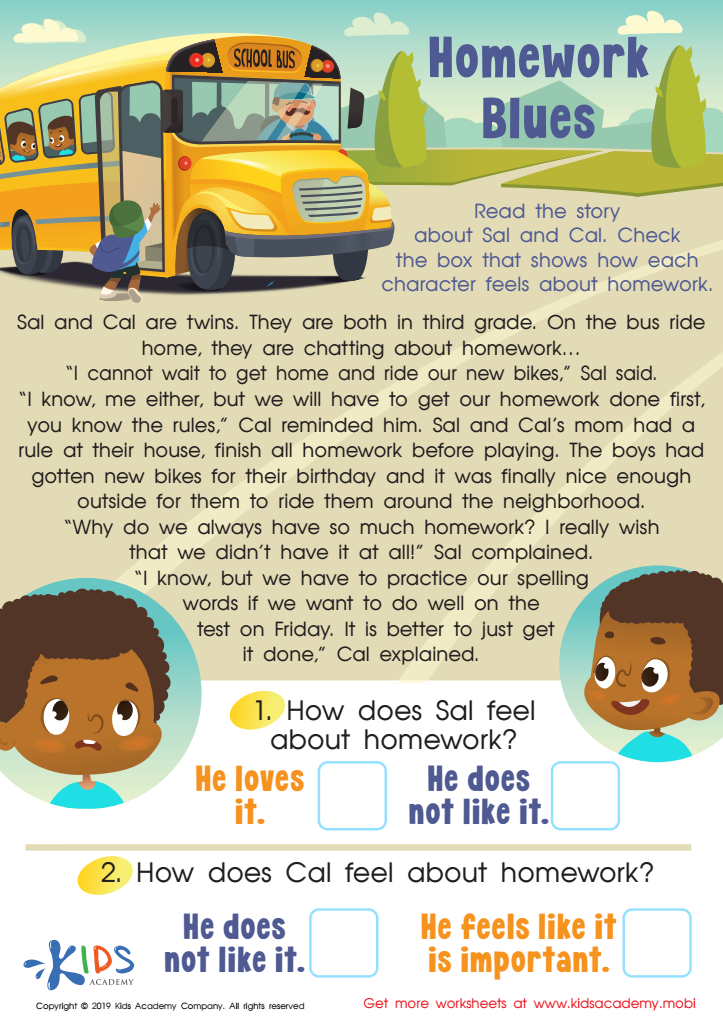
Homework Blues Worksheet
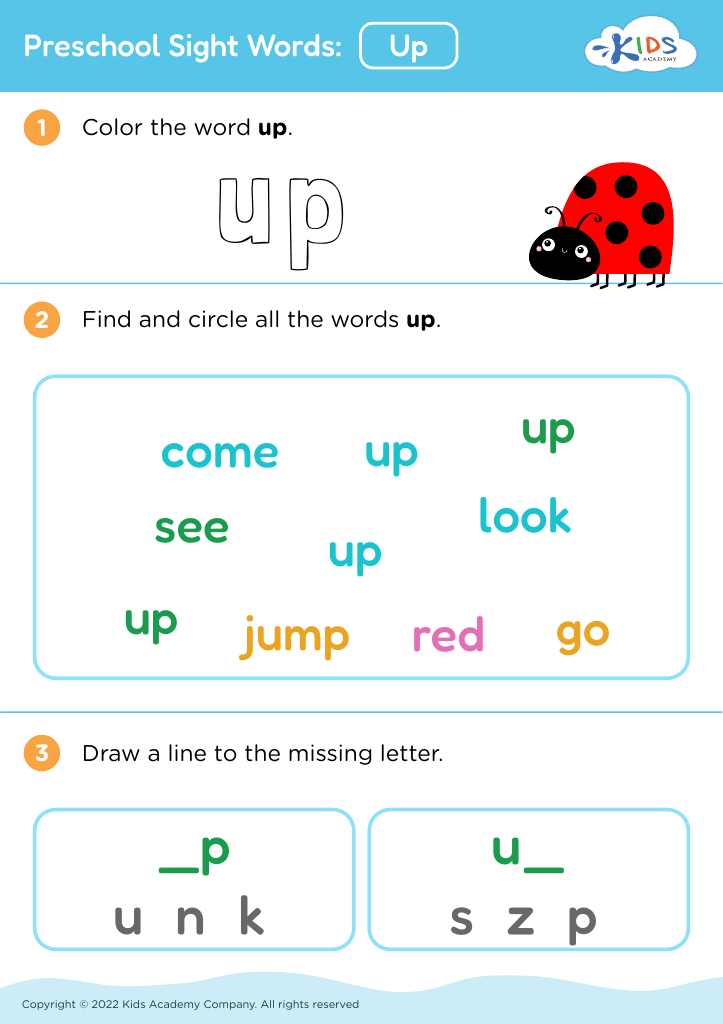
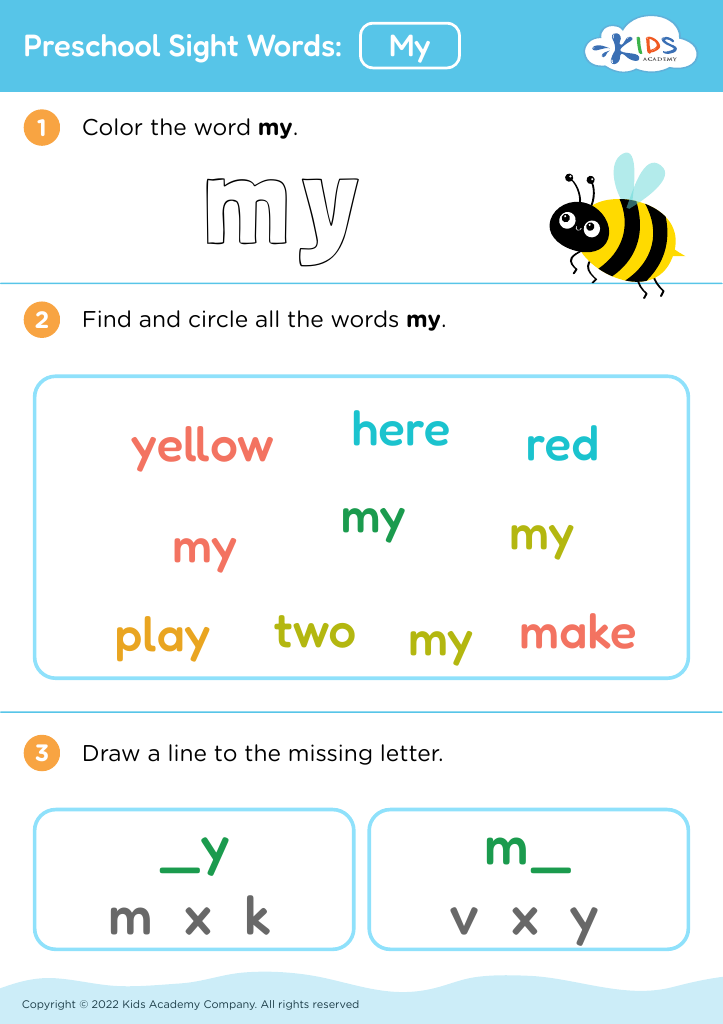
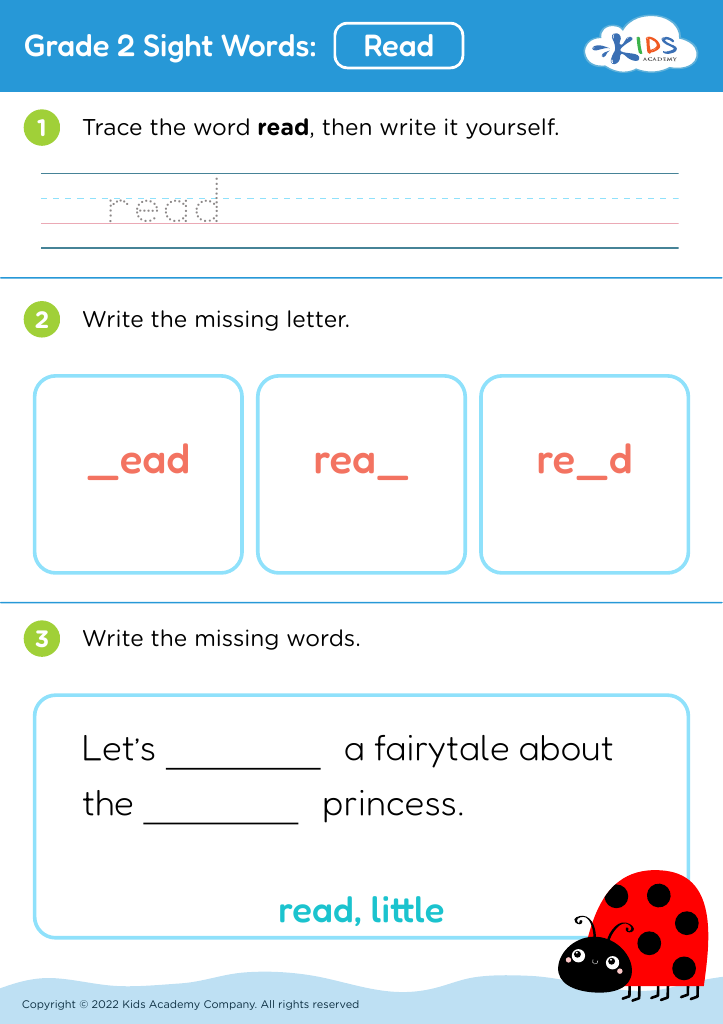
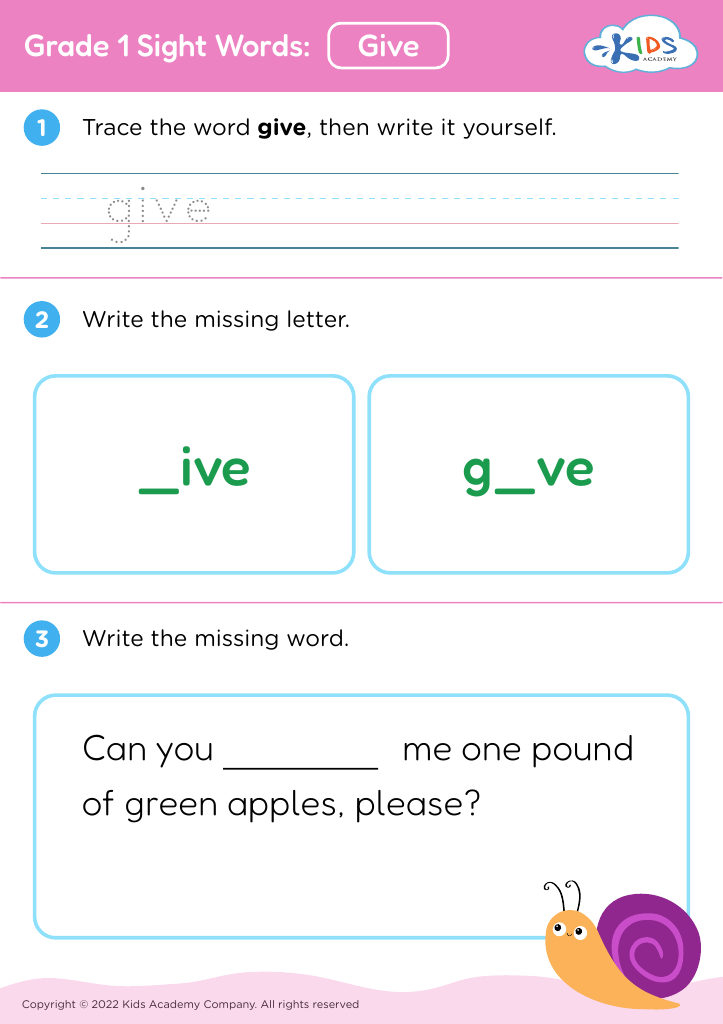
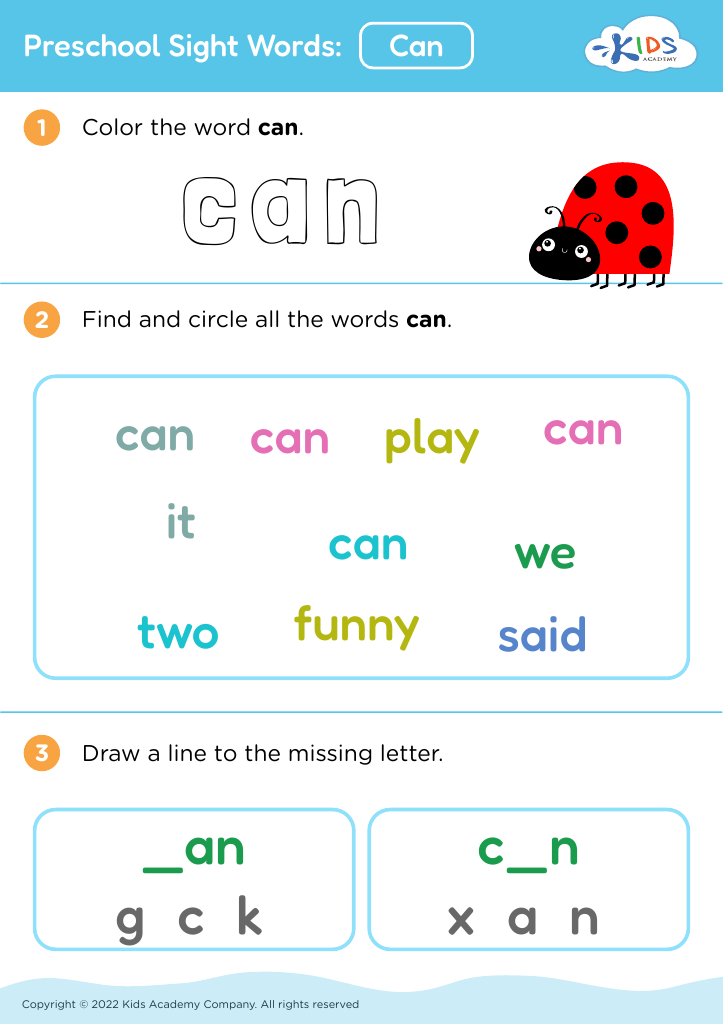
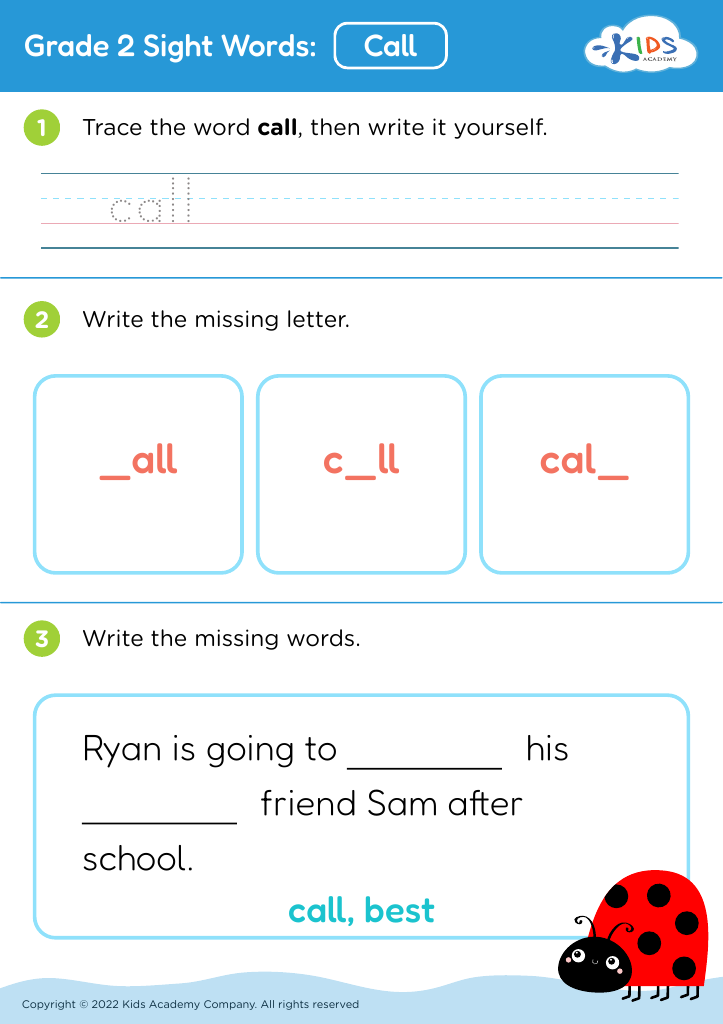




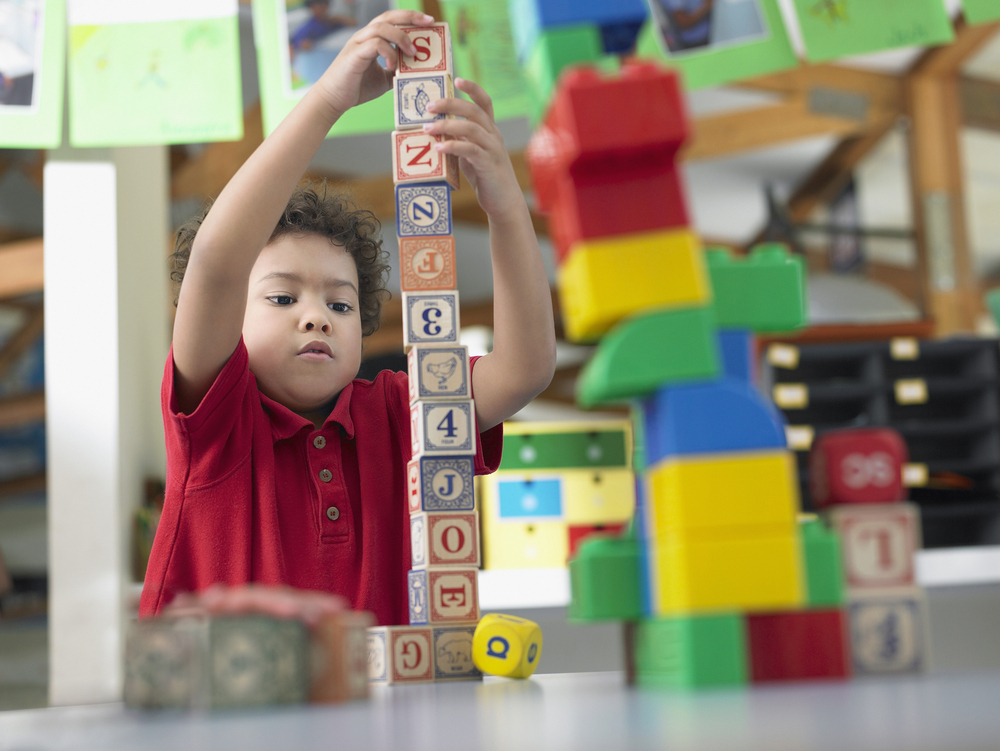



Understanding fraction comparison is crucial for children aged 4-7 as it lays the foundation for their future mathematical skills. Parents and teachers play an essential role in fostering this skill, which not only enhances children's numerical proficiency but also promotes critical thinking and problem-solving abilities.
At this age, children are naturally curious and eager to explore concepts through hands-on experiences. Introducing fraction comparison in an engaging and relatable way—such as using visual aids like pizza slices or measuring cups—facilitates comprehension. It helps children develop an intuitive understanding of parts of a whole, which is integral for everyday situations, from sharing snacks to understanding basic cooking measurements.
Furthermore, early exposure to fractions cultivates a positive attitude towards mathematics. When both parents and teachers emphasize the significance of learning about fractions, children are more likely to see math as an enjoyable and accessible subject. This early positive reinforcement prevents math anxiety later in life and builds a solid foundation for advanced mathematical concepts.
Ultimately, prioritizing fraction comparison reading fosters a collaborative learning environment, nurtures mathematical literacy, and empowers young learners to become confident problem solvers, setting them on the path to academic success in STEM fields.








