Problem-Solving Skills Reading Worksheets for Ages 4-7 - Page 2
36 filtered results
-
From - To
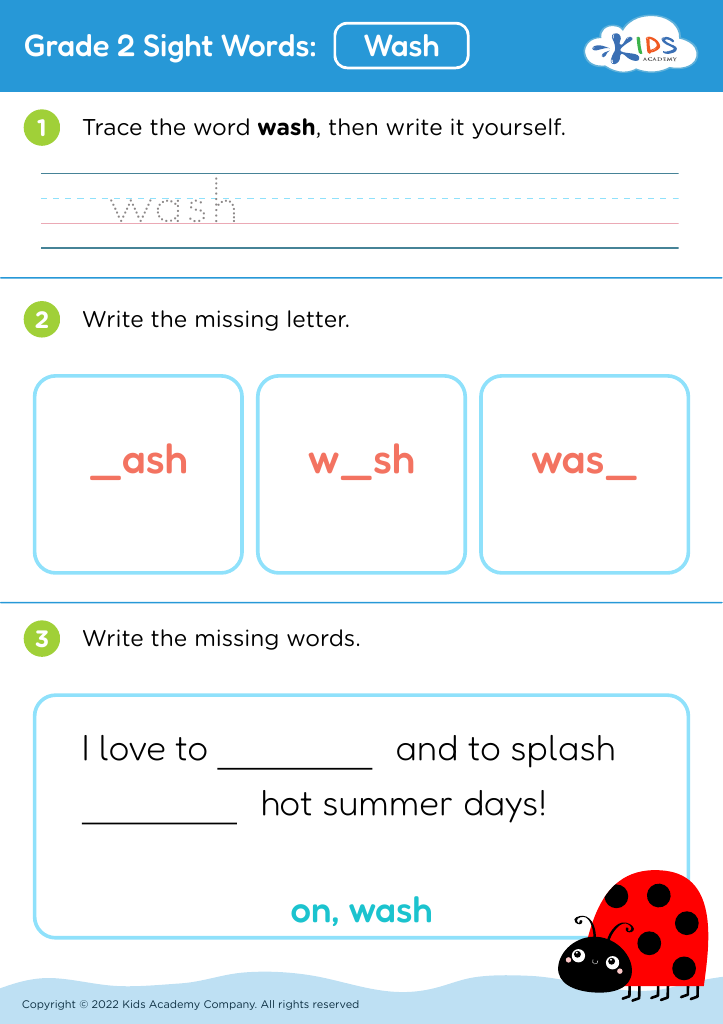
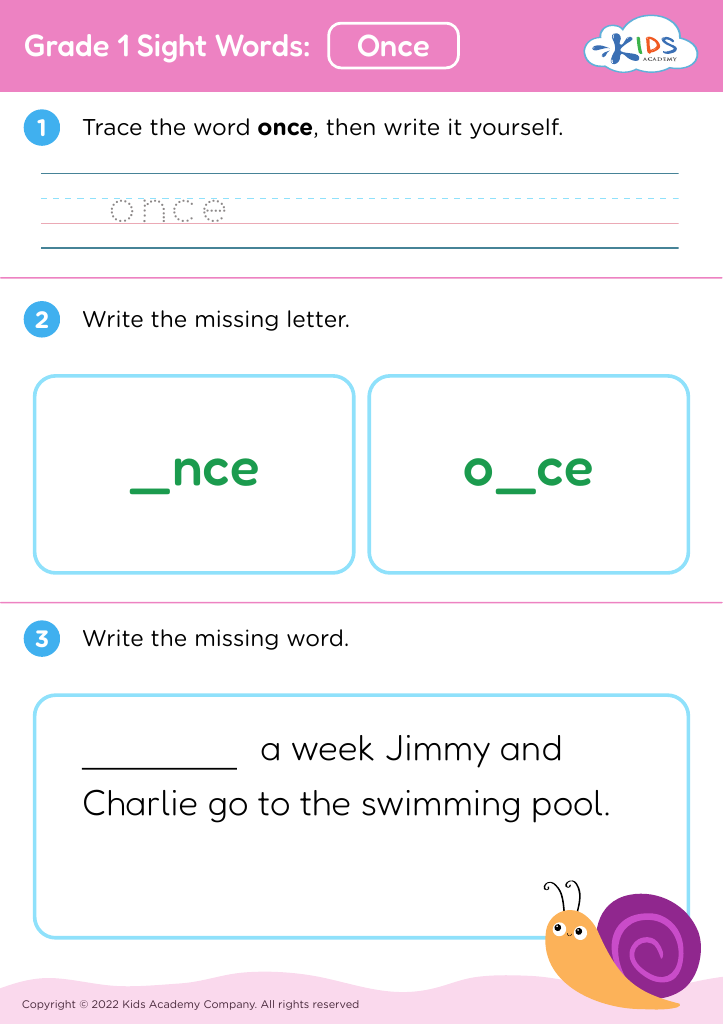
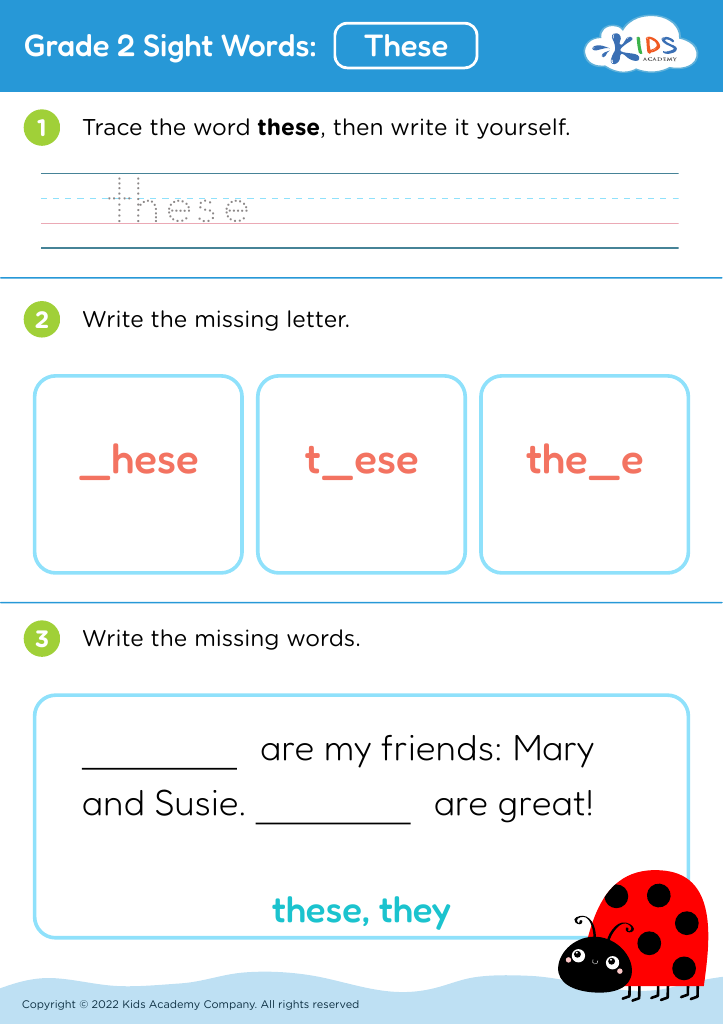
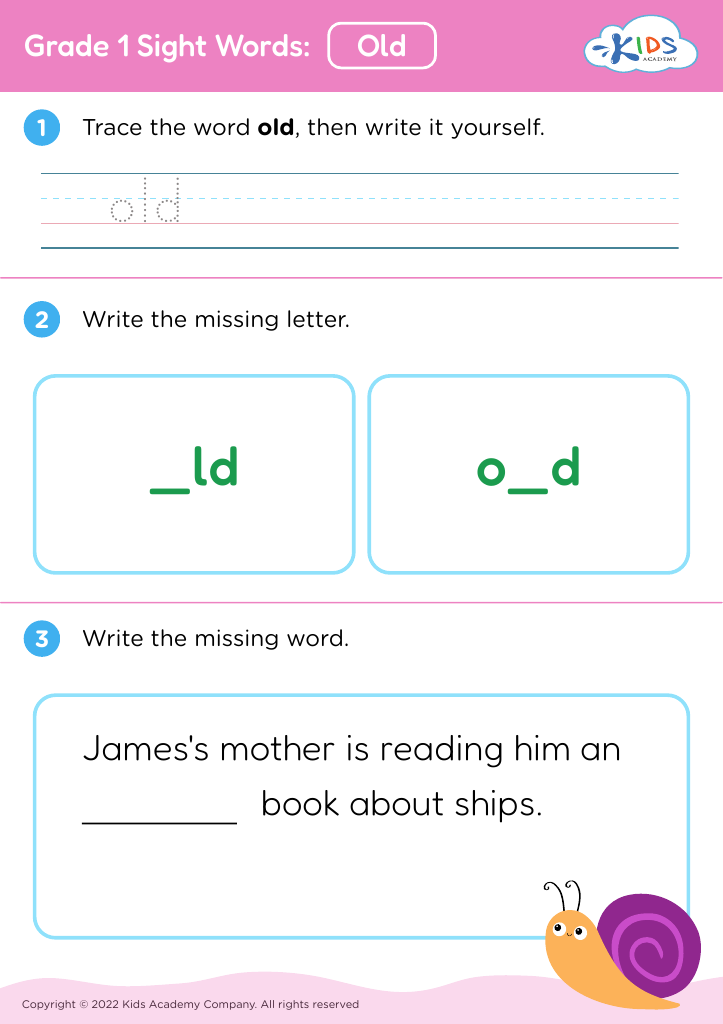
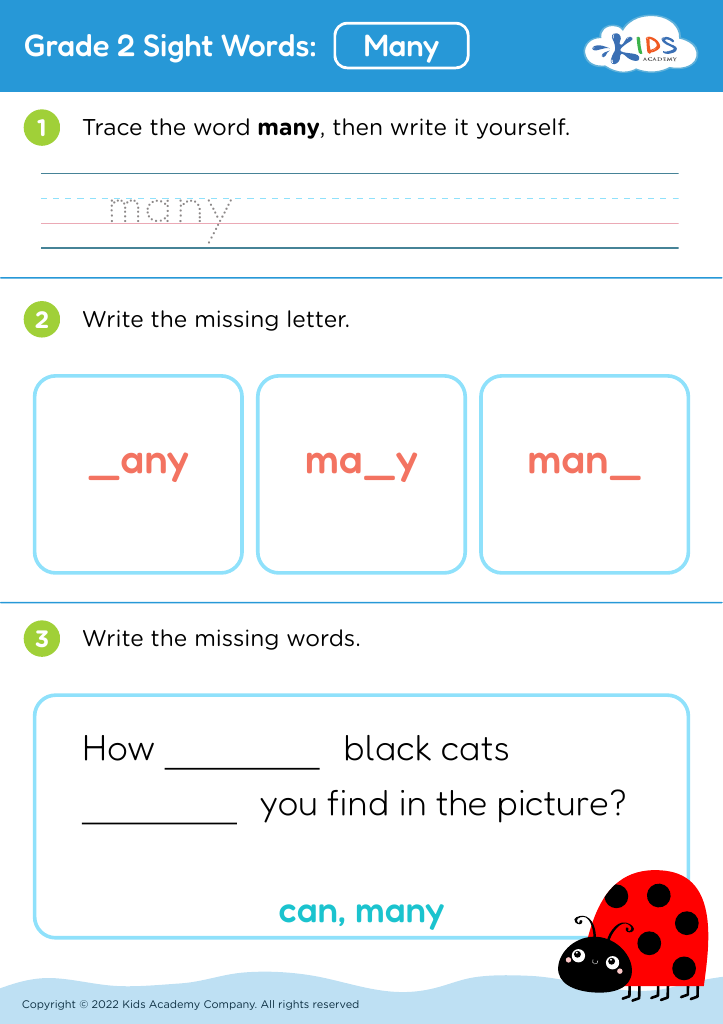
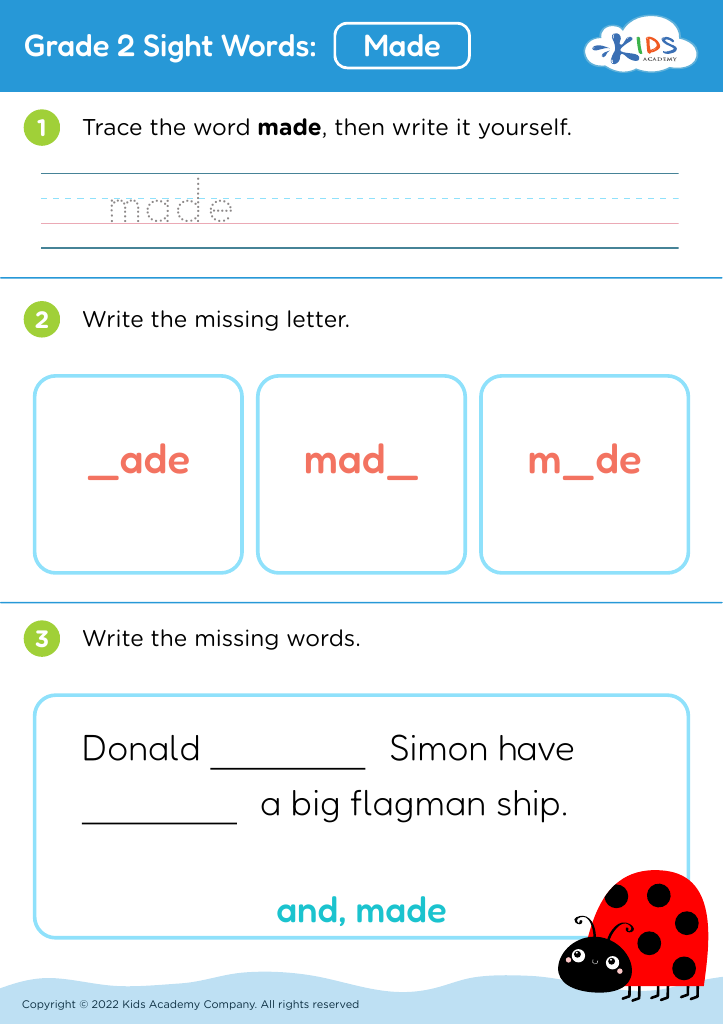
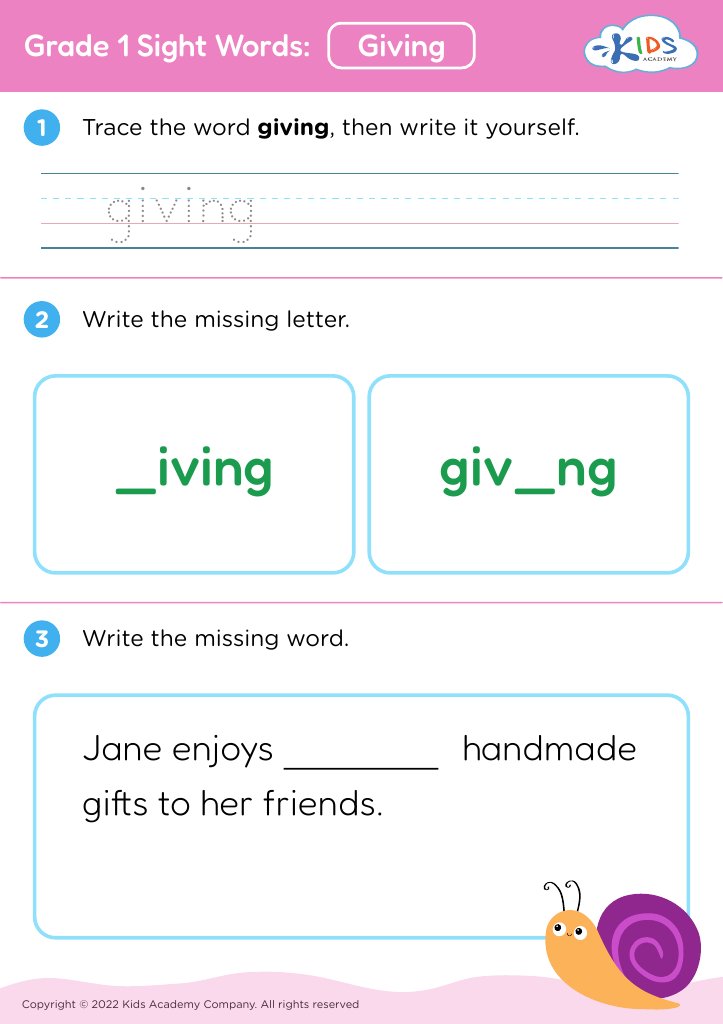
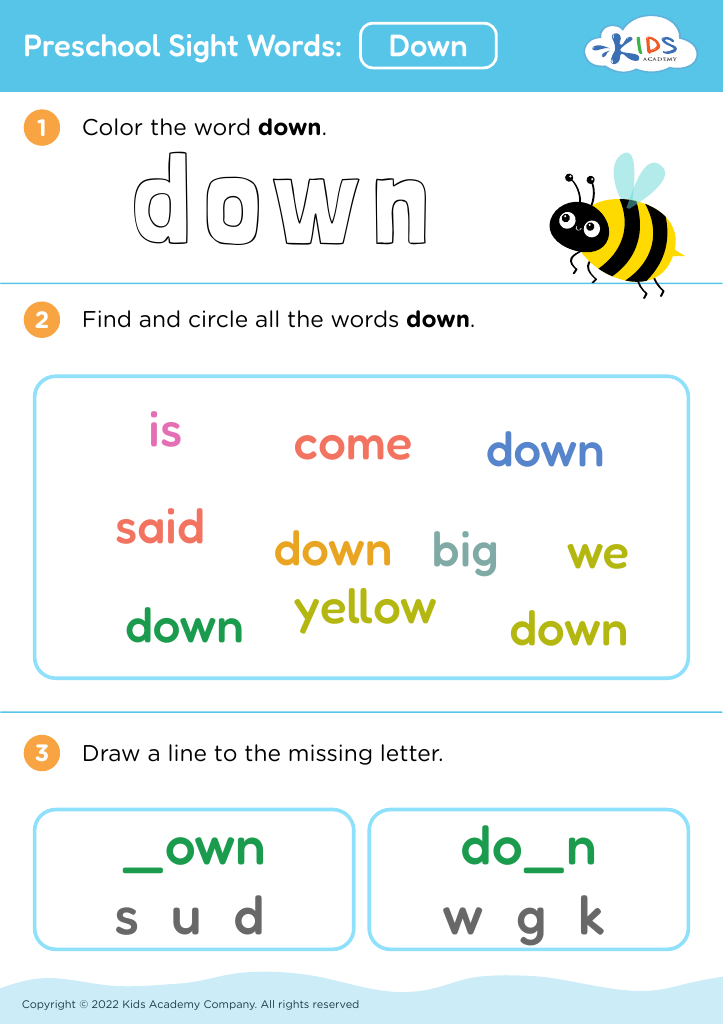
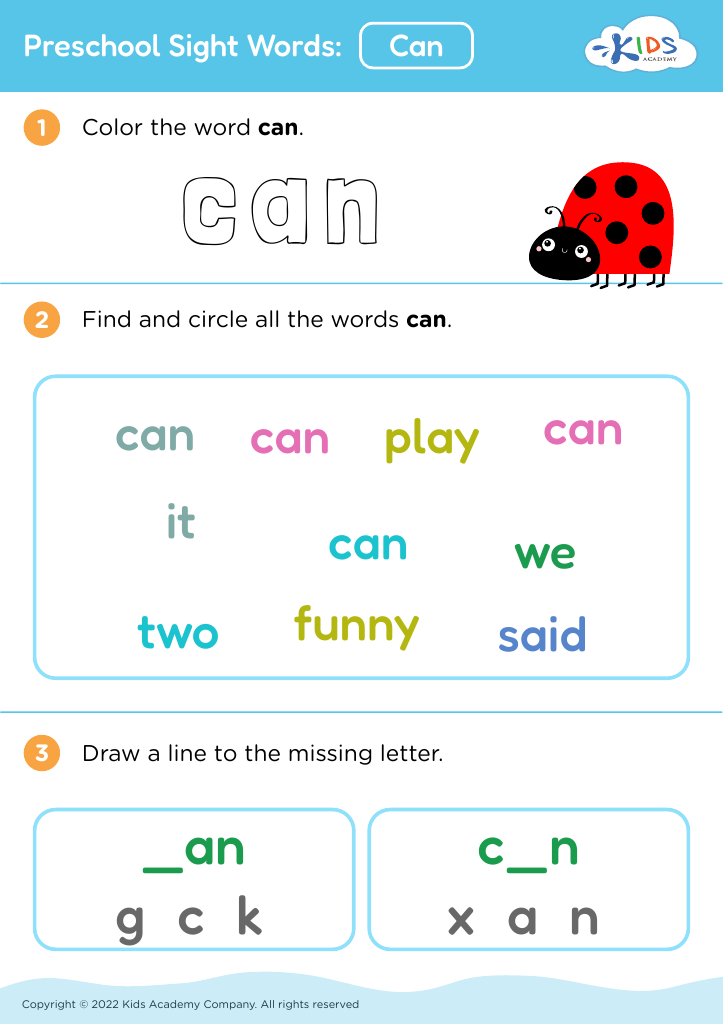
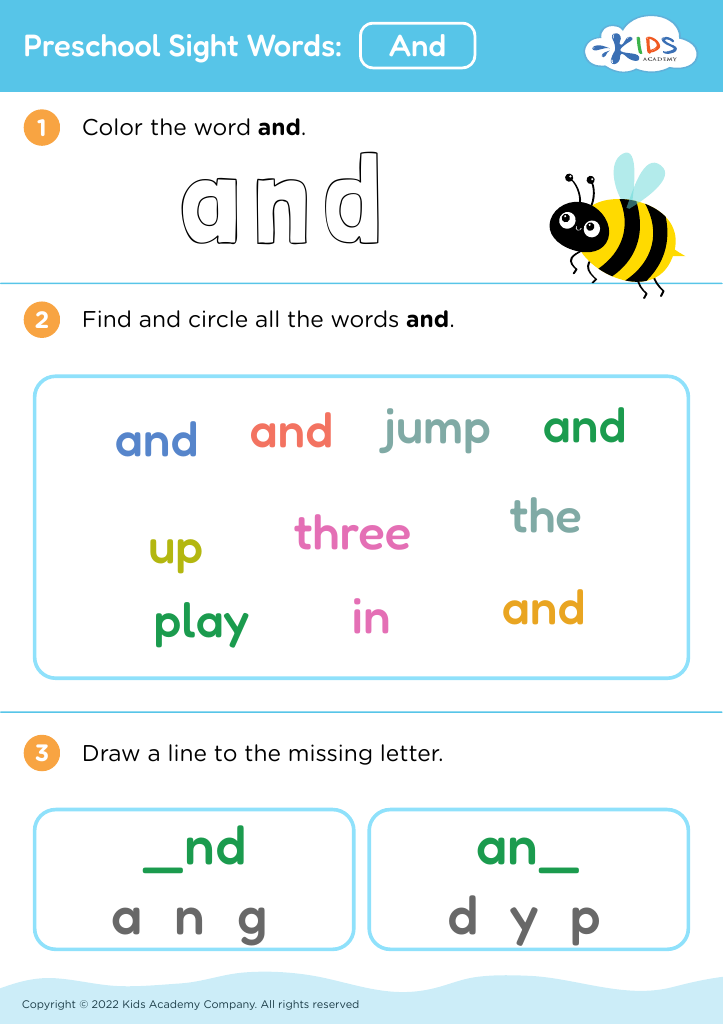
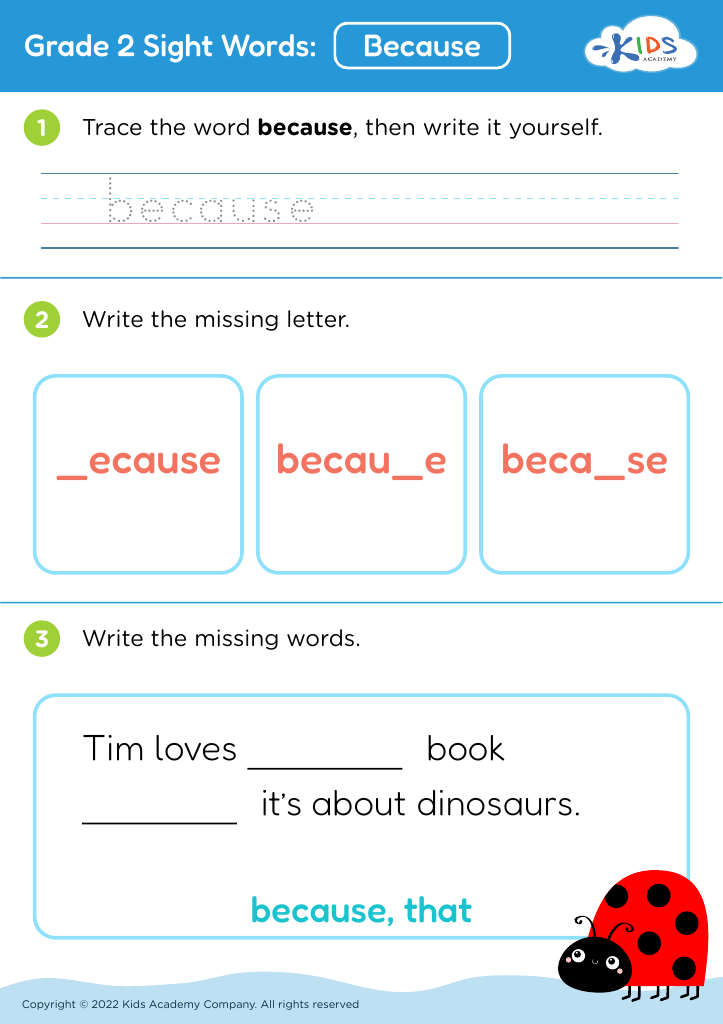
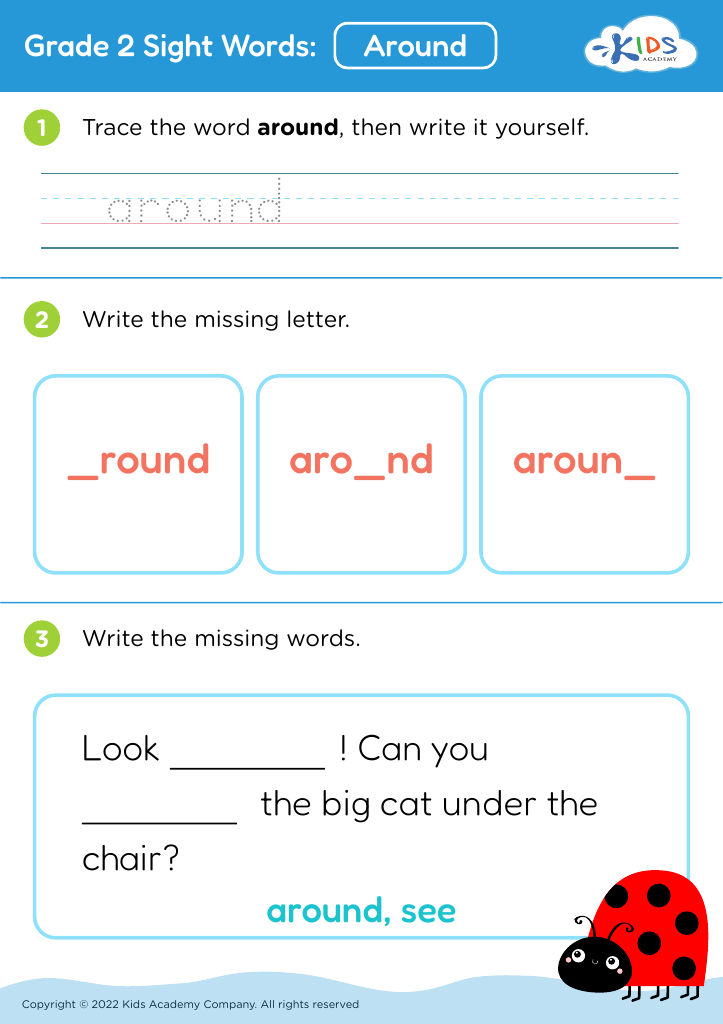








Problem-solving skills are foundational for children's overall cognitive and emotional development, particularly between the ages of 4-7. During these formative years, children are naturally curious and eager to explore the world around them. Engaging with problem-solving activities through reading can significantly enhance their critical thinking capabilities, providing them with tools to navigate various life situations.
For parents, integrating problem-solving skills in reading cultivates a home environment that encourages intellectual growth and resilience. Stories that present challenges and require thoughtful solutions foster creativity and independent thinking. These skills are crucial for children's future academic achievements and practical decision-making in everyday life.
Teachers, on the other hand, find that problem-solving activities in reading enhance classroom dynamics and promote a more interactive learning experience. When children encounter narrative-based problems, they learn to analyze, hypothesize, and draw conclusions, essential steps in the learning process. This not only strengthens their comprehension abilities but also builds confidence in tackling unfamiliar or complex tasks.
Moreover, problem-solving skills tied to reading readiness lay the groundwork for lifelong learning. Early investment in these skills ensures children develop the ability to think critically, communicate effectively, and approach problems with a positive and persistent attitude. Therefore, both parents and teachers play a pivotal role in nurturing these essential abilities through thoughtfully chosen reading materials and interactive discussions.








