Recognizing numbers Reading Worksheets for Ages 4-7
3 filtered results
-
From - To
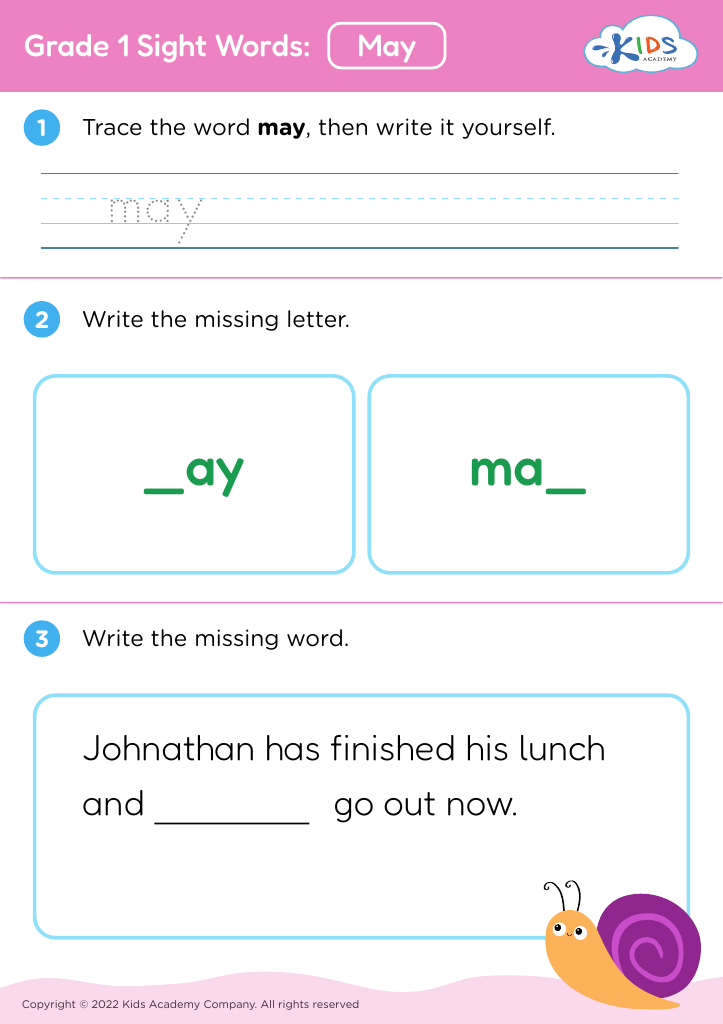
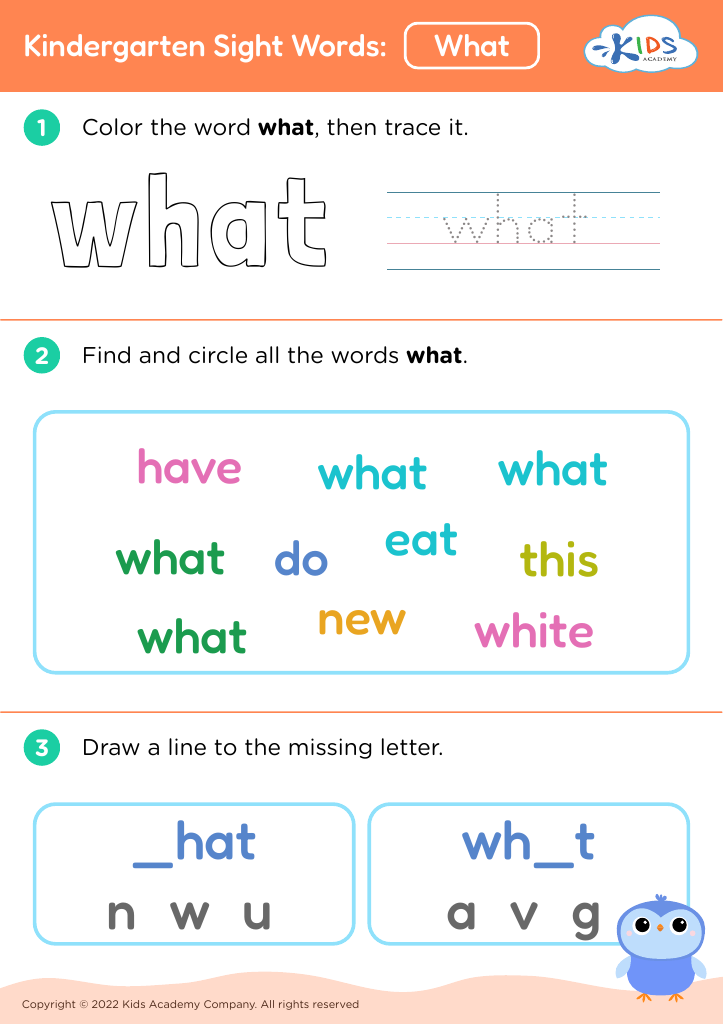
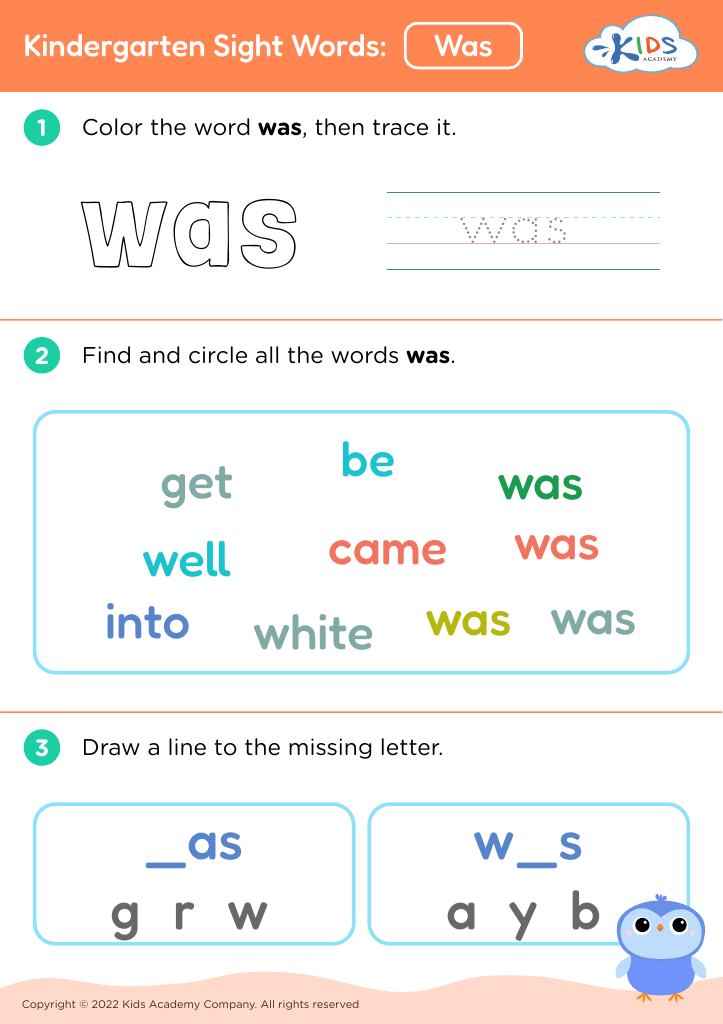
Help your child master number recognition with our engaging "Recognizing Numbers Reading Worksheets for Ages 4-7". Tailored to young learners, these worksheets are perfect for building foundational math skills in a fun and interactive way. Bright, appealing designs and varied activities keep children captivated as they learn to identify numbers, match numbers with their corresponding objects, and even practice simple counting. Ideal for both classroom and home learning, these worksheets will boost your child's confidence and prepare them for future math success. Explore our colorful, comprehensive collection and watch your little one thrive!







Recognizing numbers and understanding basic reading are foundational skills crucial for children aged 4-7, forming the bedrock of their cognitive development and later academic success. During these formative years, young minds are highly impressionable, rapidly absorbing information and establishing neural connections that will support future learning.
Recognizing numbers is integral to developing mathematical literacy. It helps children grasp essential concepts like counting, order, and comparisons, paving the way for more complex arithmetic skills. These early math skills are linked to problem-solving abilities and logical thinking, which are applicable across various educational domains and everyday situations.
Reading at this age is equally critical. It develops language skills, including vocabulary, pronunciation, and comprehension. Early reading fosters a love for books and promotes imagination and creativity. Furthermore, it enhances concentration, memory, and critical thinking skills.
Parents and teachers play a critical role in nurturing these abilities. When adults engage children with number games, counting activities, and reading sessions, they make learning enjoyable and meaningful. This active involvement shows children that learning is valued and encourages a positive attitude toward school. Essentially, early proficiency in numbers and reading sets the stage for future academic achievements and personal growth, making it a vital focus for caregivers and educators.








